Fashion serves as a powerful tool for protest and resistance, not merely for aesthetics; throughout history, marginalized groups have used clothing to express rebellion, survival, and identity when their voices are silenced, as demonstrated by 1970s punk fashion with safety pins and chains, the Black Panther Party's black leather uniforms, and World War II zoot suits worn by Latin and Black youth as resistance against fabric rationing.
Fashion as Protest: 3 Historical Examples of Dress as Dissent
Added:Deep Dive
The concept of semiotics, specifically how clothing and material culture function as systems of non-verbal communication.
![O PENSAMENTO DO MEIO DAS PERNAS! [11 de agosto de 2024]](https://i.ytimg.com/vi_webp/ipIbDHCkOPQ/maxresdefault.webp)
O PENSAMENTO DO MEIO DAS PERNAS! [11 de agosto de 2024]
7.5K
Eco describes clothing as 'artefacts semioticos' (semiotic artifacts) or 'machines of communication.' The speaker explains that clothing communicates and conveys meaning, serving as a form of non-verbal communication. This concept builds on the understanding that clothing is not merely functional but carries symbolic and communicative value. The speaker notes that this was already known, but emphasizes that this semiotic function of clothing is also recognized by 'virilhas' (the lumbago), suggesting that bodily awareness can perceive and understand the communicative function of clothing.
Click to watch →

5 PRENDAS QUE OTORGAN AUTORIDAD, PODER Y ELEGANCIA
164.1K
Clothing communicates meaning through semiotics—the study of signs and symbols. Straight lines, vertical cuts, and linear patterns communicate authority, elegance, and power. These visual elements create a communicative effect that influences how others perceive us, independent of our verbal communication.
Click to watch →

TA2 - aula 6
1.5K
Clothing functions as a primary site for understanding cultural dimensions of symbolic logic, expressed in both production and consumption. Through details, types, and compositions of clothing, one can quickly identify age, gender, social position, and function. Clothing serves two dimensions simultaneously: function (communicating positions associated with doing and coming into society) and identification (communicating categories of person). Work function involves oppositions between leisure and work, each divided into intellectual work, manual labor, daily leisure, and exceptional leisure. Identification involves marking gender, age category, and social position. These dimensions operate according to general rules of symbolic organization, making clothing a powerful example of how cultural systems produce meaning through structured oppositions and classifications.
Click to watch →

Hablar sin palabras
122
Semiotics is the study of all signs used for communication, extending far beyond spoken or written words. Communication exists across species: bees use circular patterns to indicate pollen locations, fish communicate through chemical signals, and deer use vocalizations for mating. Architecture communicates through design choices—Gothic churches differ from Romanesque in symbolic implications, and modern buildings often reference historical periods. Clothing serves as a communicative system conveying social status and identity. The study of non-verbal communication has historical roots dating to the 17th century, when it was called 'elocuencia muda' (mute eloquence). This field recognizes that meaning-making extends far beyond verbal language.
Click to watch →
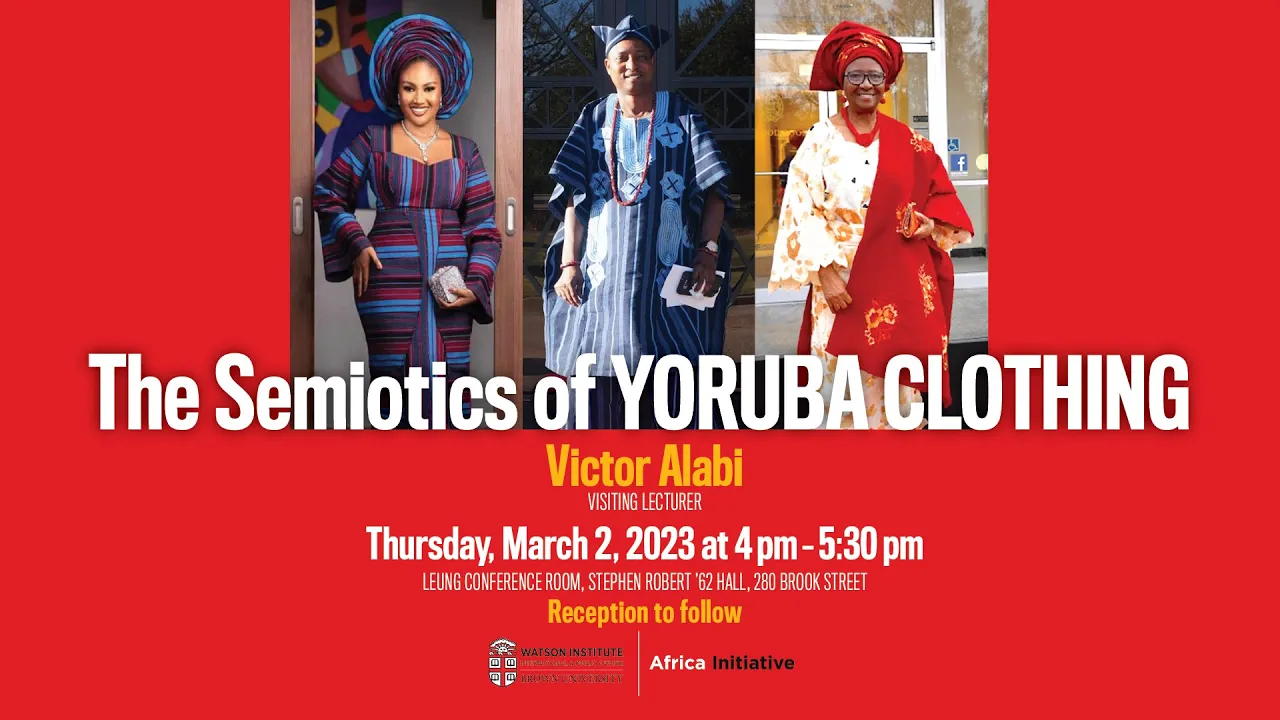
Victor Alabi — The Semiotics of Yoruba Clothing
634
In Yoruba culture, clothing functions as a sophisticated semiotic system where specific garments, materials, colors, and accessories serve as icons, symbols, and indexes to communicate identity, status, age, marital status, and social roles without words; for instance, the gele headwrap's tying style indicates age (forward for children, sideways for teenagers, backward for adults), while beads and agbada (traditional attire) signify royal or political authority, and white clothing is reserved for religious festivals like the Osun Festival, demonstrating how clothing performs complex social and semantic functions in Yoruba society.
Click to watch →
Deep Dive
Basic historical context of the mid-to-late 20th century, including the Civil Rights Movement, the post-WWII Chicano experience, and socio-economic conditions in 1970s Britain.

Post War Britain 1945 - 1979 (10/11)
65.8K
By the 1970s, Britain faced cascading crises that dismantled post-war stability. The American civil rights movement inspired Northern Irish protests that descended into The Troubles, culminating in Bloody Sunday (1972) which killed 14 protesters. South Asian migration overtook Caribbean immigration, further diversifying British society. Britain's special relationship with America deteriorated after Suez and Vietnam. Economic problems intensified: unemployment reached 1 million in 1976, energy shortages imposed a three-day working week, and stagflation defied economic understanding. The Winter of Discontent (1978-79) saw public sector strikes that generated public outrage, marking the definitive breakdown of post-war political consensus between Britain's two main parties.
Click to watch →
Chapter 4 Social and Cultural Changes in the UK in the 1970s
190
The 1970s in Britain witnessed profound social, economic, and cultural transformations. In April 1971, unemployment reached 815,000—the highest since 1939—representing the highest rate for 30 years. While not as severe as the 1930s, it carried significant psychological weight on people raised to believe working was most important. Simultaneously, the Welsh Language Association promoted Welsh nationalism, focusing on defending and extending the Welsh language, which had been declining under English pressure. This movement continued through Conservative government and eventually led to the 1967 and 1993 Welsh Language Acts. In popular music, the Reading Festival in June 1971 marked punk rock's inclusion, while progressive rock emerged with longer pieces, classical influences, and philosophical themes. The BBC's 'Old Grey Whistle Test' began taking popular music seriously as art. Spaghetti Junction opened in 1971 as an engineering marvel, reflecting attitudes where motorways were seen as proof of progress rather than unfortunate necessities. In publishing, 'The Little Red School Book' was released in 1971, offering advice on organizing against authority and frank sex education, which was banned under the Obscene Publications Act. In education, the comprehensive school system merged grammar schools and secondary modern schools, ending the traditional division based on intelligence at age 11. This enabled university access regardless of school type. In 1972, 43% of young people left school with no qualifications, but by 2016 this dropped to 1%. Radical movements emerged: the Vietnam War campaign crystallized rejection of imperialism, and the nuclear disarmament movement organized marches from London to Aldermaston, combining popular music with radical politics. John Peel presented progressive rock bands and radical poets like Adrian Mitchell. The police force underwent reform under Robert Mark in 1972, who arrested corrupt officers and famously stated a good police force arrests more crooks than its employees. In 1971, only 53% of women between 16 and 64 were employed compared to 92% of men, showing substantial gender inequality that would advance slowly. The women's liberation movement was hugely varied, but Spare Rib was the first mass market publication, getting into high street newspaper sellers and continuing for 20+ years. It spawned reading groups for consciousness raising—the idea that people pushed down by oppression need to work on how they see themselves. In October 1972, three Cambridge colleges finally had to admit women. In media, Emmerdale Farm began in 1972 and continues today, representing soap operas about ordinary people with loyal followings. Coronation Street has aired since 1960, and Eastenders since 1985. These shows gradually introduced social questions, including the first black family, first trans character, and first gay man, watched by 10 million people—cultural events unlike documentaries watched by small minorities.
Click to watch →
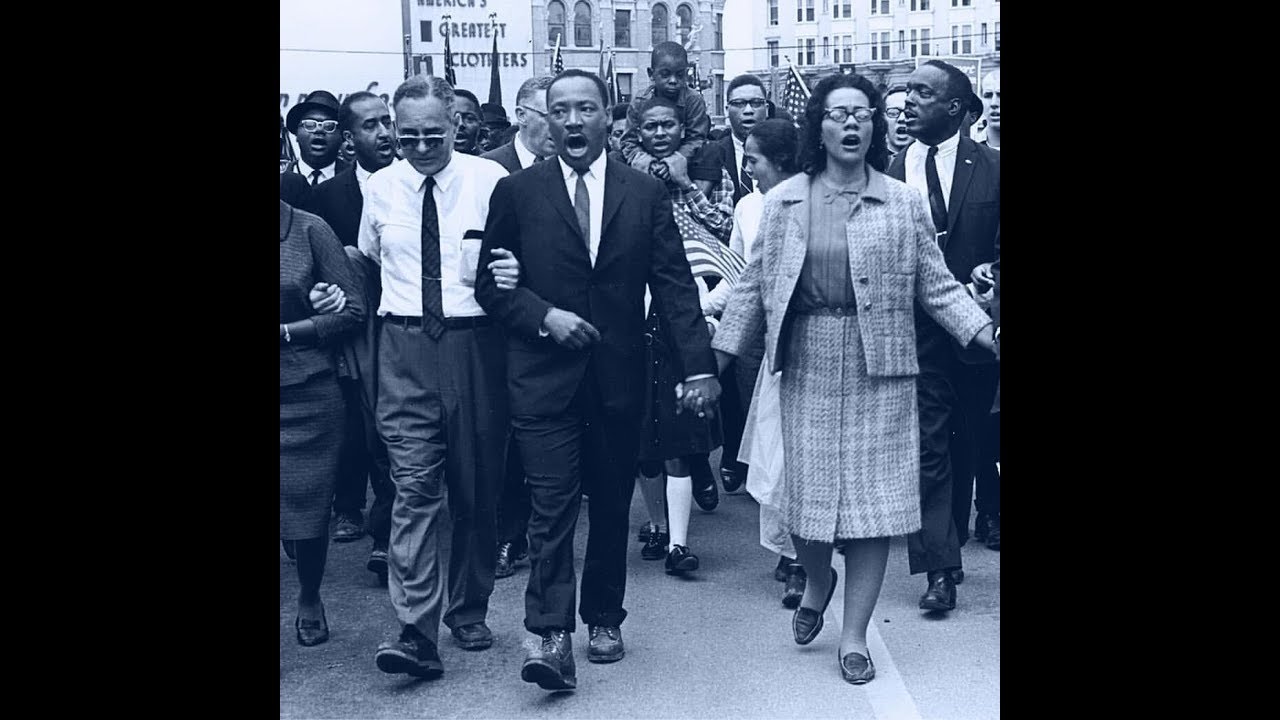
The Mid 20th Century Civil Rights Movement pt 4
366
The mid-20th century civil rights movement evolved through key phases: the Montgomery Bus Boycott (1955-1956), sparked by Rosa Parks' arrest and Emmett Till's lynching, which established nonviolent resistance as a powerful strategy and led to a Supreme Court ruling against segregated seating; followed by the lunch counter sit-ins (1960), where students like the Greensboro Four challenged segregation at Woolworth's, spreading to 126 cities and over 50,000 protesters; and the Freedom Rides (1961), which challenged interstate segregation and forced federal intervention, demonstrating how peaceful protest combined with strategic economic pressure could overcome segregationist resistance.
Click to watch →

History of Baltimore
27.7K
In 1950, Baltimore's population topped out at 950,000 people, of whom 24 percent were black. Then the white movement to the suburbs began in earnest, and the population inside city limits steadily declined and became proportionately more black. School integration initially went smoothly as city elites suppressed working-class white complaints, with white families migrating to suburban school systems. By the 1970s, formerly white schools had become mostly black schools, though whites still made up most of the faculty and administration. Worse, the school system became dependent on federal funding. In 1974, these circumstances led to two dramatic incidents: a teachers' strike highlighted the city's unwillingness to raise teachers' salaries because property tax hikes would alienate white residents; a second crisis revolved around a federally mandated desegregation plan that also threatened to alienate remaining white residents. The local chapter of the NAACP, black churches, and the Afro-American weekly newspaper organized demonstrations. Read's Drug Store in Baltimore was the site of one of the nation's earliest sit-ins in January 1955.
Click to watch →

Shutting down the driving forces of 'intellectual racism': Starkey and Murray earning their pay.
152
After World War II, Britain experienced a period of economic prosperity where wages continued to rise for about 15 years. This economic boom created a positive outlook in society. The post-war period saw capitalism accepting that it needed to give things to workers, leading to improved living standards. The 1970s was a period of great social strife in Britain, including the miners' strike of 1973 and the oil price spike that led to the three-day week. This period also saw economic resentment against British Asians who were starting to arrive. The 1980s continued this pattern of social unrest, with the BNP having to pack up their bags because people were feeling economically okay. During the Blair years, the NHS provided reliable healthcare where ambulances would arrive in 10 minutes, patients would be seen at A&E pretty much straight away, and those needing beds would receive them or be sent out with full community support including easy access to GPs.
Click to watch →
Deep Dive
Sociological theories of subcultures and how marginalized or youth groups construct distinct collective identities in opposition to dominant cultures.

The TikTok Alt Era & Poser Discourse
35.1K
This section establishes the theoretical framework for understanding subcultures. Dick Hebdige defines subcultures as 'noise' that interferes with societal order, arguing they reassess and create new values rather than simply rejecting parent culture. Stuart Hall and Thomas Jefferson describe subcultures as cohesive collective resistance to dominant orders. The neotribe theory is criticized for ignoring race, gender, social class, and community factors. Hall and Jefferson emphasize that subcultural style is a way of negotiating, adapting, and resisting parent culture, with disdain coming first and style following. This means people don't randomly change their entire ideology overnight; reevaluation often stems from feelings of ostracization or marginalization.
Click to watch →

Jamet Di Cina! Selalu Dihina & Jadi Subkulutur Yang Paling Dibenci? | Learning By Googling #123
1.2M
Camat (Smart) is a Chinese subculture of young people who developed distinctive colorful and extreme hairstyles as a form of self-expression and identity formation while facing socioeconomic marginalization, discrimination, and lack of entertainment opportunities; despite being peaceful and non-violent, they were widely misunderstood and stigmatized as a 'most hated subculture' in China, with their numbers declining from approximately 200,000 members (2009-2013) to near extinction due to urban discrimination and negative social labeling.
Click to watch →

60-AS ÉVEK (2. rész) - ÖNÖK KÉRIK KÉRI LÁSZLÓVAL
60.7K
In 1960s Hungary, youth culture developed as a distinct subculture that was separate from mainstream society. The rock music scene, with its own venues, fashion, and social practices, created a parallel world that young people could inhabit. This subculture was characterized by its own values, practices, and social structures that were distinct from the adult world. The youth subculture provided young people with a sense of identity and belonging that was separate from their families and the broader society.
Click to watch →
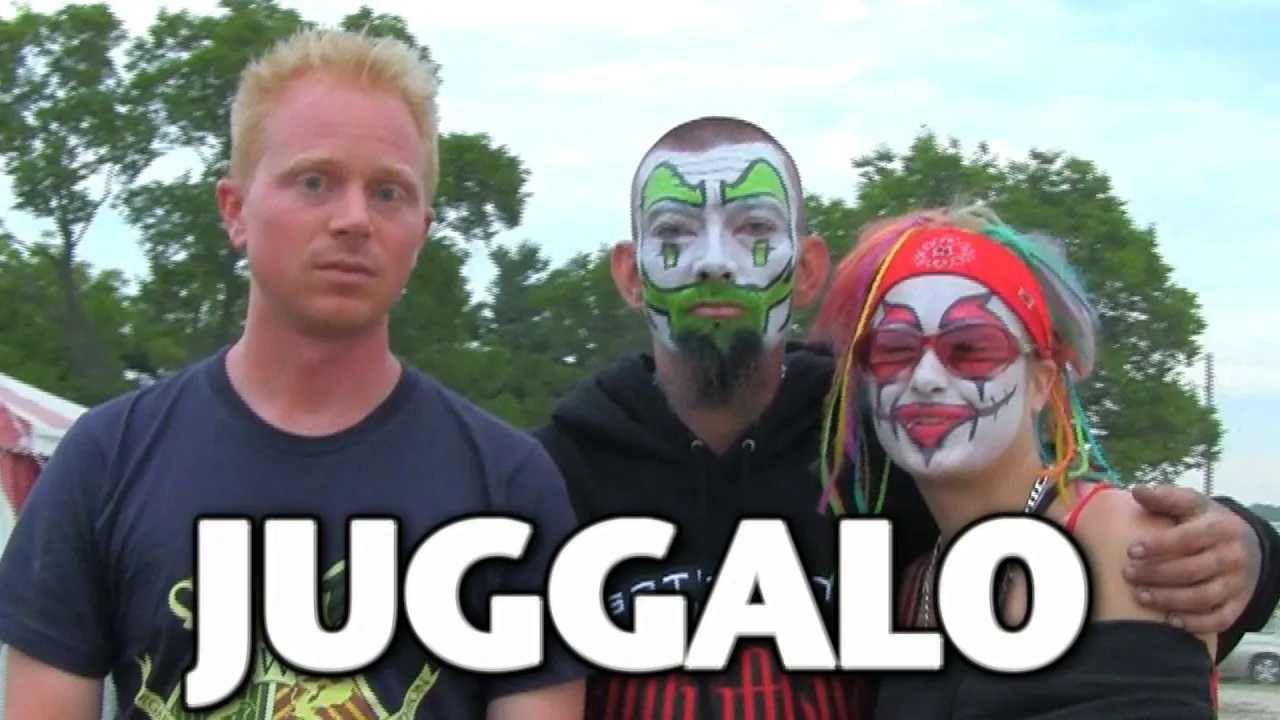
Joe Goes Juggalo
3.8M
The Gathering of the Juggalos represents an annual celebration of a distinct subculture that identifies as outsiders who do not fit into mainstream society. Juggalos embrace their marginalization, viewing themselves as fundamentally different from societal norms in both high school and workplace environments. The subculture functions as an extended family where members refer to each other as brothers and sisters, with traditional hugs lasting approximately two hours. Communication occurs through distinctive greetings like 'whoop whoop,' mimicking police siren sounds. Members present themselves as a persecuted minority facing discrimination, claiming to be 'the most hated people in America' alongside other groups. This persecution narrative frames their marginalization as unjust, with members asserting constitutional rights to participate in society despite alleged discrimination including being seated near restrooms and forced to sit in bus backs. The subculture maintains unique humor involving explicit content and pickup lines, while incorporating religious themes suggesting Jesus may have been a Juggalo. This comprehensive framework demonstrates how marginalized communities construct identity, belonging, and meaning through shared experiences of exclusion.
Click to watch →

Club para ser Belicos 😎🤣
393.6K
This video demonstrates how youth subcultures develop distinct identity markers through coordinated social practices. The 'bélico' identity is constructed through specific elements: fashion choices (guitars, Gucci bags, Versace watches, specific hairstyles), linguistic patterns (repetitive phrases like 'al millón viejo'), and social behaviors (posting stories on social media). The video shows how these markers create group belonging and status within peer networks. The performance of identity involves both visual presentation and verbal communication, with specific phrases serving as recognition signals. This illustrates how subcultures establish shared symbols that distinguish members from mainstream society and create internal community cohesion.
Click to watch →
Deep Dive
The definition of hegemony and how cultural norms are established, maintained, and contested within a society.

Dissecting the Manosphere
2M
Hegemony is a concept from Italian Marxist philosopher Antonio Gramsci explaining how society and culture dominate the frameworks through which we understand and see the world. Cultural hegemony gives us ideas we take as fact without questioning them, such as beliefs about who deserves livable wages or assumptions about professional appearance based on hairstyles. These social constructions are subject to change but many people treat them as immutable natural things.
Click to watch →
CULTURAL HEGEMONY, POWER AND CAPITALISM
40K
Cultural hegemony refers to the process by which dominant societal powers embed their values into culture through coercion and consent, making these values appear as common sense or natural order. This mechanism serves to preserve existing power structures and maintain the status quo by convincing the majority that current arrangements are necessary and inevitable.
Click to watch →

Culture générale : 20 références de sociologie incontournables (résumés simples)
74.3K
Antonio Gramsci's 'Prison Notebooks' popularized the idea that power in society is fundamentally ideological - the dominant social group is the one whose system of ideas and values prevails. Cultural hegemony occurs when the dominant class propagates its beliefs and practices throughout society through various channels: schools, churches, political parties, scientific institutions, mass media, and workers' organizations. Each social class secretes its own group of organic intellectuals who legitimize class expectations. Gramsci derived a new communist strategy: instead of frontal confrontation (doomed to failure), the working class must gradually subvert minds through its own intellectuals in the public sphere - what he calls 'passive revolution.'
Click to watch →

VALERIA SE MERIENDA A PEDRO BUERBAUM Y ANTROPÓLOGA EXPLICA POR QUÉ JÓVENES EMPATIZAN CON RICOS
35.3K
Antonio Gramsci's concept of cultural hegemony explains how ruling classes maintain power not through force but through ideological consent. Hegemony is the process by which the dominant class convinces society that their worldview is the only possible one. This involves selling aspiration rather than redistribution, meritocracy rather than equality of opportunity, and making people believe these ideas are their own. The speaker notes that hegemony is most effective when it succeeds in making people believe the system is natural and just, rather than constructed and serving specific interests. This concept helps explain why people may support policies that harm their economic interests.
Click to watch →

"Nous sommes en guerre" - La chronique d'Alice de Rochechouart dans "La dernière"
85.4K
Antonio Gramsci, imprisoned by Mussolini's fascists in the 1920s, developed his theory of cultural hegemony to explain why workers don't revolt against capitalism. Cultural hegemony is when the bourgeoisie imposes its worldview—individual success, competition, personal interest, wealth, consumption, and racism—on society. These values are not absolute but constructed. Gramsci identified two types of war: the war of movement (physical struggle like strikes) and the war of position (ideological conquest in institutions like schools, universities, and media). The bourgeoisie maintains dominance by controlling these institutions, as seen in recent billionaire acquisitions of media outlets and journalism schools.
Click to watch →
Prerequisite Knowledge
- Concept 01The concept of semiotics, specifically how clothing and material culture function as systems of non-verbal communication.
- Concept 02Basic historical context of the mid-to-late 20th century, including the Civil Rights Movement, the post-WWII Chicano experience, and socio-economic conditions in 1970s Britain.
- Concept 03Sociological theories of subcultures and how marginalized or youth groups construct distinct collective identities in opposition to dominant cultures.
- Concept 04The definition of hegemony and how cultural norms are established, maintained, and contested within a society.
Subsequent Learning
- Step 01The process of cultural co-optation, analyzing how mainstream fashion industries and capitalism commodify and neutralize rebellious aesthetics.
- Step 02Modern case studies of fashion as political protest, such as the use of specific colors in political movements or contemporary runway activism.
- Step 03The history of sumptuary laws and institutional dress codes, examining how authorities have historically used legislation to control dress and maintain class hierarchies.
- Step 04The psychology of dress and identity construction, investigating how individuals use clothing to assert personal agency and navigate social spaces.
Fashion as Protest
Fashion as Protest
0:00Playing Section
- 1
Fashion serves as a powerful tool for political and social rebellion.
- 2
Examples include 1970s punk style, Black Panther uniforms, and 1940s zoot suits.
- 3
Clothing acts as a voice for marginalized groups when speech is suppressed.
The Co-optation and Commodification of Subversive Fashion
This perspective argues that using fashion as a medium of protest is inherently limited because subversive styles are quickly co-opted, neutralized, and commercialized by the dominant capitalist market. Critics suggest that reducing political dissent to aesthetic choices—such as punk clothing or revolutionary uniforms—often dilutes the radical message, turning genuine systemic critique into marketable trends and consumer lifestyle brands. Instead of challenging the status quo, 'protest fashion' can trivialize deep struggles by prioritizing surface-level symbolism over material, institutional change. This process of commodification ultimately strips the fashion of its revolutionary power, rendering it a consumer choice rather than an effective tool of political resistance.
Deep Dive
The process of cultural co-optation, analyzing how mainstream fashion industries and capitalism commodify and neutralize rebellious aesthetics.

The Irony Of Anti-Capitalist Entertainment | Caroline REACTS
7.5K
Capitalism absorbs and commodifies countercultural movements. Punk rock, originally anti-establishment and raging against the machine, has been thoroughly commodified under capitalism. Punk rock aesthetics now appear on t-shirts, runways, and have even been adopted by the right wing. Fashion brands hire trend spotters to identify subcultures with DIY aesthetics and commodify them for scaled commercialization. This demonstrates how capitalism co-opts and neutralizes oppositional movements by absorbing and repurposing them for profit. The same pattern applies to media, where companies can maintain positive public perception while producing controversial content through complex ownership structures that separate brand image from actual production.
Click to watch →
Pemikiran dan pergerakan SOEPOMO - Rocky Gerung
60.2K
Counter-culture, which originally challenged established norms, can be co-opted by capitalism and become part of the system it was meant to challenge. This happens when counter-cultural elements are commercialized and sold back to the masses, losing their critical function. The result is that what was meant to be rebellious becomes just another commodity.
Click to watch →
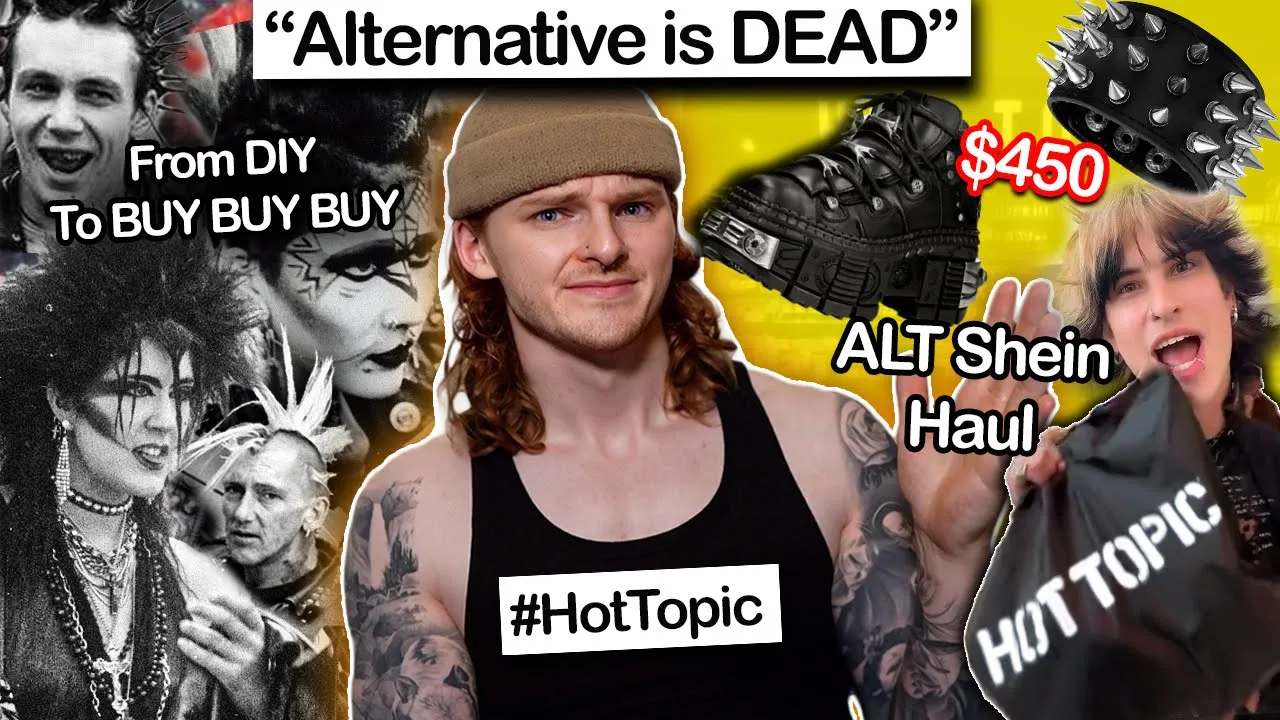
How Capitalism Killed Alternative (Alt)
192K
Under capitalism, even rebellion and resistance become ripe for commodification. Aesthetics that appear to represent rebellion but don't actually demand structural change become commercial products. This means that dressing in a rebellious style no longer necessarily implies commitment to the underlying values or causes those styles were originally associated with. The visual appearance can be separated from the substantive political or social implications.
Click to watch →

If Books Could Kill - Episode 3: Bobos in Paradise.
5.6K
Brooks observes that corporations have adopted countercultural aesthetics to sell products to mainstream consumers. REI sells extreme mountaineering gear to people who will wear it in their Subaru while commuting to office parks; luxury brands market artisanal products to mass audiences. Brooks notes that what was once associated with fringe countercultures (organic food, extreme outdoor activities, certain fashion styles) has been absorbed into mainstream mass culture. Starbucks and Anthropologie became ubiquitous mall stores, representing how authentic countercultural movements get co-opted and commercialized. This process transforms genuine subcultural expressions into marketable commodities, diluting their original meaning while making them accessible to everyone.
Click to watch →

The History of Protest Fashion: The Clothes Make the Movement | Past Forward | American Experience
11K
When protest fashion is adopted by the mainstream fashion industry, it often represents a problematic co-option of styles invented by marginalized communities without credit or wealth sharing. Capitalism seeks to destroy social movements, and one way it does this is by making protest fashion desirable and commercially viable. When people see images of protest garments on social media and want to wear them because they're 'cool' or trendy, they participate in a system that breaks down social movements. However, there is also potential benefit when Black and other marginalized designers gain opportunities to tell fashion stories from their own perspectives and find audiences and financial backing for their work.
Click to watch →
Deep Dive
Modern case studies of fashion as political protest, such as the use of specific colors in political movements or contemporary runway activism.

Александр Перепёлкин на MUF с темой «Рассматривая жителей»
625
Fashion choices function as deliberate political statements and symbols of social movements. The pink suit worn by Nancy Pelosi during the Taiwan crisis was not random but a deliberate reference to Hillary Clinton's famous pink suit during her 2009 Beijing speech. The pink color became a symbol of women's rights and empowerment, particularly after the 'Pussyhat' (pink hat with ears) emerged as a symbol of women's rights activism during the Trump administration. Similarly, white became a powerful symbol of women's suffrage movements, with suffragettes wearing white to symbolize purity and the importance of their cause. These fashion choices demonstrate how clothing communicates political belonging and support for social causes.
Click to watch →

AMBULATÓRIO DA M.O.D.A.: GABB & ERIKA HILTON, DUDU BERTHOLINI, JU FERRAZ E LUIZ CLÁUDIO SILVA #3-2T
51.1K
Fashion has historically served as a form of protest and political expression. Examples include Caio Braz's look at the Cane Festival and Katherine Hammet's anti-nuclear protest at Margaret Thatcher's meeting. Fashion can question authority, challenge norms, and communicate political messages, making it a legitimate tool for social and political commentary.
Click to watch →
INSTRUMENTALIZACIÓN DE LA MODA COMO ELEMENTO DE PROTESTA POLÍTICA Y SOCIAL DESDE EL PENS. CRÍTICO
296
Fashion serves as a powerful tool for political protest and social activism. Clothing choices can transform individual identity into collective messages that challenge established social orders. Historically, fashion has been used for activism, from the symbolic colors of suffragettes to the rebellious styles of punk and hippie movements. The video emphasizes that wearing specific items like purple shirts or green scarves for events like International Women's Day (8M) constitutes genuine political protest.
Click to watch →

Psicología del vestuario Moda, estilo y emoción | Ciclo Webinar DC
280
Fashion serves as a powerful communication channel in politics and culture. AOC used white suits in Congress to honor suffragists and red lips with gold earrings to represent her Latin American heritage. Colombian Vice President Francia Márquez wore wax-print dresses to make visible Afro-Colombian heritage. Michelle Obama used vibrant fuchsia for presence and impact. Queen Elizabeth II used bright colors for identification without aggression. Greta Thunberg uses neon yellow as environmental warning. Brands use color strategically: Hermès uses orange for luxury, Louis Vuitton uses red soles for passion, Valentino uses pink for femininity and audacity. In Argentina, black prevalence relates to economic constraints and cultural symbolism of authority and elegance.
Click to watch →
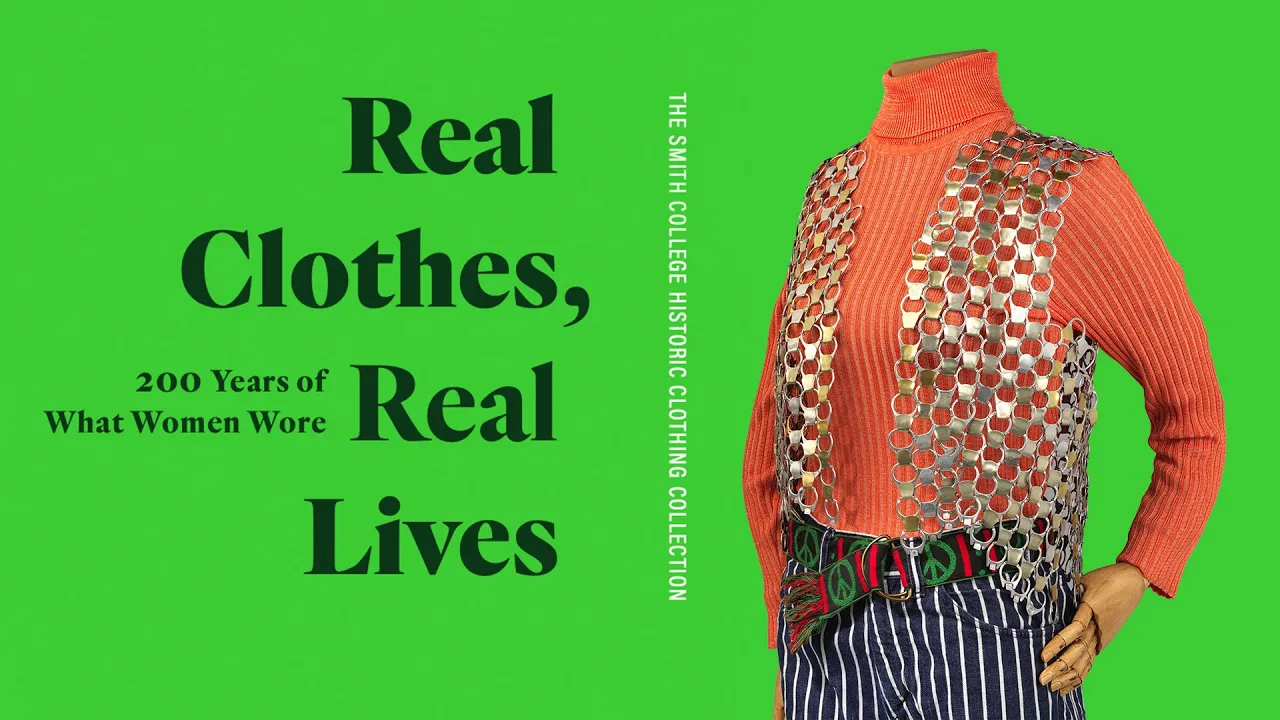
Real Clothes, Real Lives // Curator Confidential
900
Women who wore clothes that pushed boundaries refused to be sweet, ladylike, or conform to gender norms. Examples include 19th-century women wearing split skirts to ride bicycles; 1920s women wearing three-piece suits tailored to their body shape; overalls transforming from practical farm wear to political statements worn by Civil Rights and women's liberation activists in the 1960s and 70s; and afro or naturally black hair becoming widely fashionable by the close of the 1970s. The civil rights movement, women's liberation movement, and anti-war movements ushered in new forms of dress. The spirit was that everything goes, with many making their own clothes. Collaborations between artists and manufacturers flourished, including dresses featuring artwork by Peter Max. Clothes were worn specifically for protest, such as graphic political t-shirts and puffer jackets worn under red ponchos by activists like Francis Crow.
Click to watch →
Deep Dive
The history of sumptuary laws and institutional dress codes, examining how authorities have historically used legislation to control dress and maintain class hierarchies.
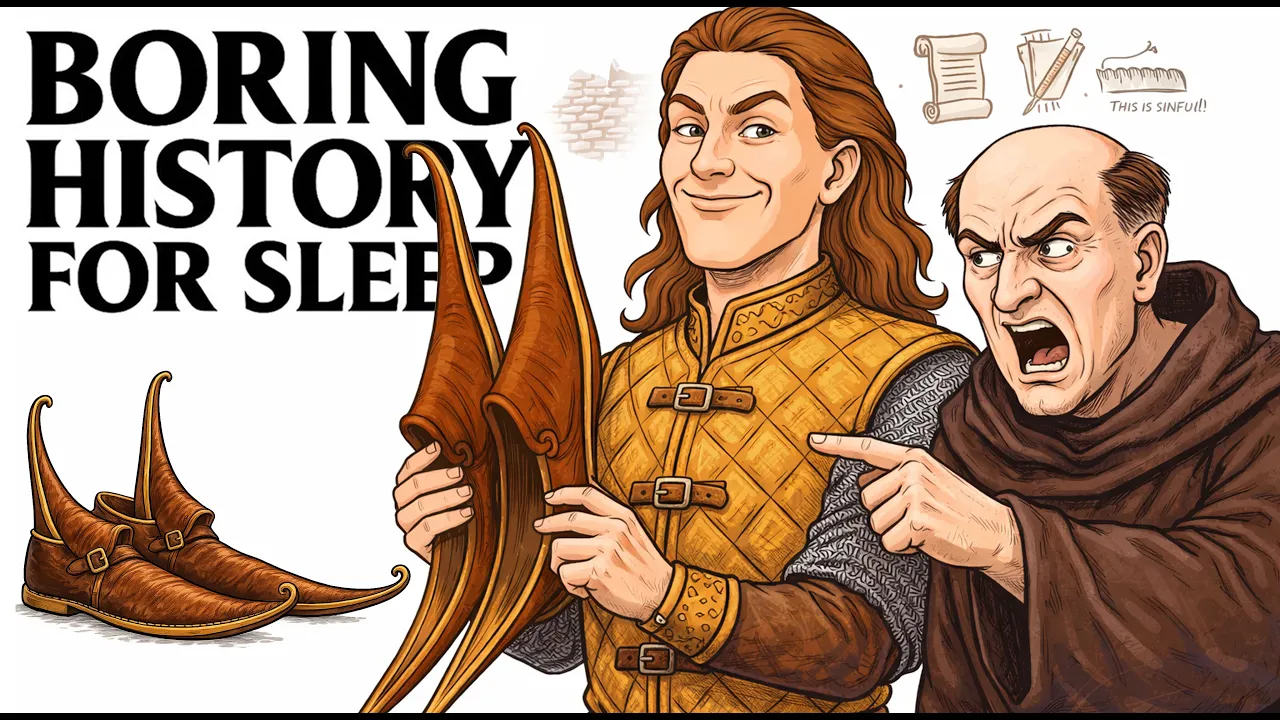
Medieval Fashion Was Completely Unhinged (These Trends Were REAL)
455
Sumptuary laws were medieval rules that told people what they could and could not wear based on their social class, occupation, income, and general vibe. Starting as early as the 13th century and evolving well into the Renaissance, these laws told people what materials, colors, and accessories they were allowed to wear. If you were a peasant, don't even think about silk. Merchants could maybe wear fur, but not the good kind. Nobility had exclusive rights to colors like purple and fabrics like velvet. In 1363, King Edward III passed particularly intense sumptuary laws in England to curb excesses caused by the growing merchant class. These laws were enforced by town constables who could make people remove offending garments in the street.
Click to watch →
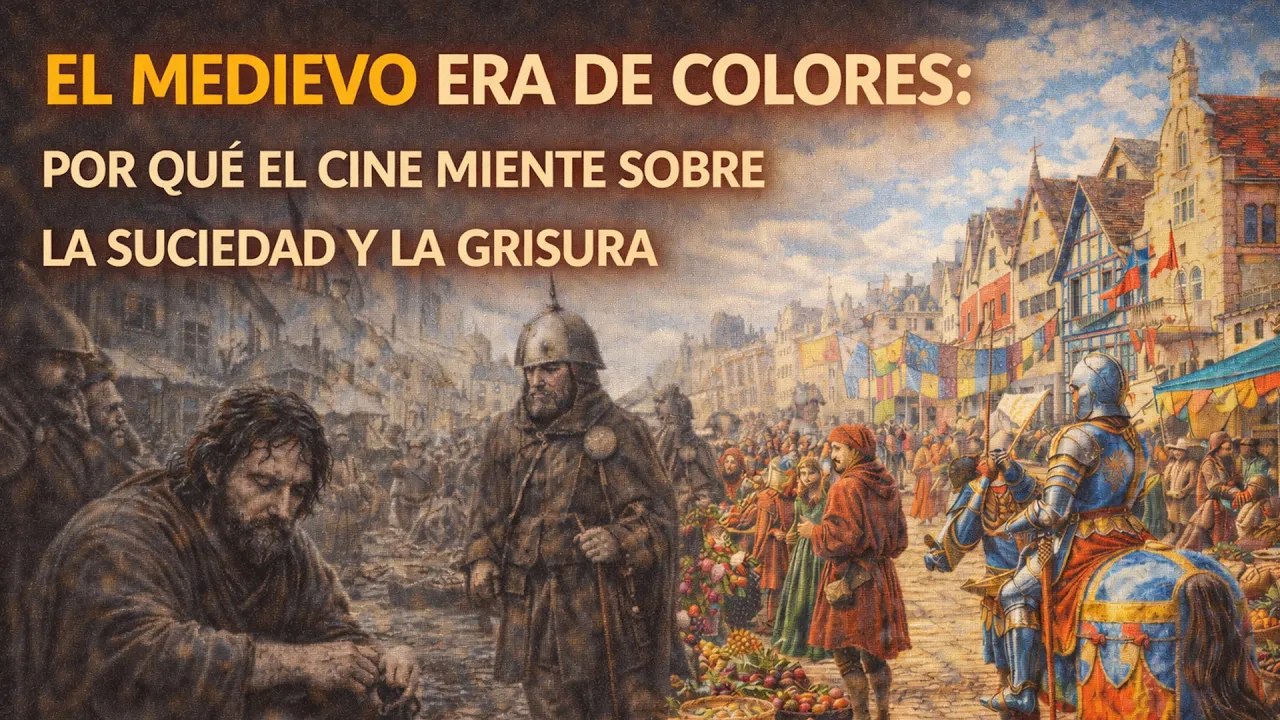
El Medievo Era De Colores: Por Qué El Cine Miente Sobre La Suciedad Y La Grisura
570
Medieval authorities issued hundreds of sumptuary laws to control fashion and protect social hierarchy. These laws were not merely about saving money but protecting social hierarchy. After the Black Death of the 14th century, survivors became wealthy and wanted to dress like nobility. A duke could not allow a scribe's son to look like a count's son—if everyone appeared like princes, who was the true prince? One notable example was the regulation of shoe heels: after the 14th century, extremely long heels (pollens) became fashionable, filled with horsehair or moss and sometimes chained to knees. The Church was furious, calling them 'Satan's claws,' but fashion prevailed. Laws then regulated heel lengths: princes and high nobility could wear 2.5 feet, knights 1.5 feet, wealthy citizens 1 foot, and commoners were prohibited from heels over half a foot. Similarly, ermine fur was reserved for royalty—merchants' wives wearing it could be publicly fined and the fur removed.
Click to watch →

Boring History For Sleep | Why Surviving the Plague Was Worse Than Dying
15.3K
Sumptuary laws were regulations that dictated what people of different social classes could wear—the types of fabric, colors, and ornamentation. While they existed before the Black Death, they were often strengthened and more rigorously enforced afterward because with increased wages, some commoners were starting to afford clothing previously reserved for the nobility. The elite wanted to ensure that a peasant still looked like a peasant even if he was earning more, maintaining visual class distinctions despite economic changes.
Click to watch →
When FASHION was a CRIME: The Outlawed Shoes of the Middle Ages
446.6K
Sumptuary laws from 1281 regulated clothing to maintain social hierarchies and prevent social climbing. Despite widespread ignoring, these laws included specific provisions for prostitutes: banning fur-lined hoods to distinguish them from respectable women, requiring distinctive striped garments, and taxing the cloth they wore. In 1463, a statute prohibited men from wearing jackets exposing genitals, fining offenders 20 shillings. These regulations reveal how authorities attempted to enforce social boundaries through legal means, marking marginalized groups while attempting to control public decency and class distinctions.
Click to watch →
👑🎨 The Forbidden Colors of Royal Fashion 📜😴 | History for Sleep
3.7K
In 1574, Queen Elizabeth I issued one of the most comprehensive sets of laws about clothing in history. These sumptuary laws told every person in England, from the wealthiest nobles to the poorest farmers, exactly what they were allowed to wear, including specific fabrics, colors, and accessories. Only the king, queen, the king's mother, children, and brothers could wear silk of the color purple, cloth of gold tissue, or fur from Sable. The laws were so detailed they specified sword lengths and hat fabrics based on social class. Elizabeth genuinely believed that if people dressed above their station, the entire social order would collapse. Despite harsh punishments on paper, enforcement was incredibly spotty. Most people who violated sumptuary laws never got caught, and even when they did, punishments were rarely as severe as the law allowed. It was almost impossible to enforce—you'd need fashion police constantly patrolling streets, checking everyone's fabric, measuring everyone's sword. The newly rich merchants could afford to pay £10 a day if caught, which was rare anyway. The laws failed not because people stopped caring about them, but because they became impossible to maintain. By 1604, the laws were repealed. After decades of trying to control what people wore, the government basically threw up its hands and said, 'Fine, wear whatever you want. We give up.'
Click to watch →
Deep Dive
The psychology of dress and identity construction, investigating how individuals use clothing to assert personal agency and navigate social spaces.
Big Dress Energy Episode 1: What the hell is Fashion Psychology?
2.1K
Researching the 'dress body' requires integrating sociological methods with philosophical frameworks like Foucault and phenomenology. Case studies of career women revealed how power dressing emerged as a strategy to distinguish from secretarial stereotypes and assert professional identity. Many people engage in negative self-talk about their bodies when selecting clothing, believing others will criticize certain features. Professional support helps explore these self-perceptions. Comfort in clothing operates on two levels: physical comfort (fit and feel) and social comfort (appropriateness for situations).
Click to watch →

Dr. Andrea J. Severson, PhD | Dissertation Defense |#phdlife | 2018
3.1K
States women—women in official public roles connected to the public world through marriage or birth—use fashion as a powerful tool to construct identity, negotiate official expectations, and exercise agency. Through strategic clothing choices, these women can embrace, challenge, or subvert the roles they are expected to play, using style as a non-verbal rhetoric that gives voice to personal values and beliefs. This research demonstrates that clothing choices can be empowering ways to construct identity and create agency, helping women express themselves within the constraints of their public positions.
Click to watch →

Getting Dressed - Lesson for Life - 2023-11-05
110
Research shows clothing influences posture, body language, creativity, motivation, and mood. Clothing serves as a cultural marker for seasonal changes and personal identity expression. For gender non-conforming individuals, clothing provides power to discover belonging, define identity, and take personal agency. Clothing choices can make people feel vulnerable or empowered, demonstrating the profound psychological impact of what we wear.
Click to watch →

What Fashion Reveals About Identity | Pooja Maheshwari Salwan | TEDxPESU
135
Fashion extends far beyond brands and trends—it represents the whole person and serves as a mirror of internal identity. Psychologists describe 'enclosed cognition,' where clothing affects how we think, feel, and behave. Research by Adam Ho and Adam Gillinsky (2012) demonstrated that students wearing white lab coats performed better on attention and memory tests when told they were doctor's coats, compared to those told they were painters' coats. This shows how clothing creates psychological states. Strategic dressing—wearing suits for interviews, uniforms for sports—enhances confidence and focus. Gandhi's wardrobe evolution from London suits to Indian dhotis mirrored his inner transformation from lawyer to leader, proving that external signals can drive internal change.
Click to watch →
Psicología del vestuario Moda, estilo y emoción | Ciclo Webinar DC
280
Fashion is not merely aesthetic but a form of self-expression and social signaling. Clothing choices communicate who we are, how we feel, and what we believe without requiring words. Fashion reflects age, social class, gender, mood, political orientation, spirituality, and sense of humor, all unconsciously. It serves as social signaling—a set of signals emitted toward others. Observers can often infer daily habits, occupations, and beliefs from clothing choices. Fashion choices communicate identity, belonging, and social status without verbal explanation. The wardrobe is not merely a collection of items but an emotional radiograph reflecting how we feel, the wounds we carry, and the strengths we project. Clothing can serve as a mechanism for dealing with the world, protecting us from past experiences or projecting strength when we don't feel strong. In therapy, clothing choices reveal psychological patterns: Susan wore oversized garments due to past objectification experiences, finding security but also invisibility. James wore formal suits daily to impose control and authority, creating armor that prevented showing vulnerability.
Click to watch →
Fashion as Protest
Fashion as Protest
0:00- 1
Fashion serves as a powerful tool for political and social rebellion.
- 2
Examples include 1970s punk style, Black Panther uniforms, and 1940s zoot suits.
- 3
Clothing acts as a voice for marginalized groups when speech is suppressed.
The Co-optation and Commodification of Subversive Fashion
This perspective argues that using fashion as a medium of protest is inherently limited because subversive styles are quickly co-opted, neutralized, and commercialized by the dominant capitalist market. Critics suggest that reducing political dissent to aesthetic choices—such as punk clothing or revolutionary uniforms—often dilutes the radical message, turning genuine systemic critique into marketable trends and consumer lifestyle brands. Instead of challenging the status quo, 'protest fashion' can trivialize deep struggles by prioritizing surface-level symbolism over material, institutional change. This process of commodification ultimately strips the fashion of its revolutionary power, rendering it a consumer choice rather than an effective tool of political resistance.
The concept of semiotics, specifically how clothing and material culture function as systems of non-verbal communication.
Basic historical context of the mid-to-late 20th century, including the Civil Rights Movement, the post-WWII Chicano experience, and socio-economic conditions in 1970s Britain.
Sociological theories of subcultures and how marginalized or youth groups construct distinct collective identities in opposition to dominant cultures.
The definition of hegemony and how cultural norms are established, maintained, and contested within a society.
The process of cultural co-optation, analyzing how mainstream fashion industries and capitalism commodify and neutralize rebellious aesthetics.
Modern case studies of fashion as political protest, such as the use of specific colors in political movements or contemporary runway activism.
The history of sumptuary laws and institutional dress codes, examining how authorities have historically used legislation to control dress and maintain class hierarchies.
The psychology of dress and identity construction, investigating how individuals use clothing to assert personal agency and navigate social spaces.
530 views33likes1:19@thenanaviewOriginal Release: 2026-03-22
Fashion isn't always about looking good.
Sometimes it's about making a point.
Here are three times fashion became protest. If you don't know me, I'm Ariana. I'm a Brazilian cool hunter based in London. And this was the topic of my uni dissertation. 1970s Britain economic collapse. No jobs. Workingclass kids are angry. So what did they do?
They ripped their clothes. Use safety pins holding everything together. Chains spikes. Then Vivian Westwood and Malcolm McLaren turned that into a movement.
1966 Oakland the Black Panther Party forms. Their uniform was basically black leather jackets, arrays, black sunglasses. And let's get back to the point that nothing is random. It's intentional. 1940s World War II US government rations fabric. Everyone's supposed to dress conservatively, patriotically. But what about the Latin and the black youth? They wear zoots suits, oversized jackets, white leg trousers, excessive fabric. That's just me showing how powerful fashion can be.
So, you see, fashion isn't always shallow. Sometimes it's survival.
Sometimes it's rebellion. Sometimes it's the only language you have when your voice is being silenced. I wrote more about it on my Substack. The link is in my bio. Now there none of you for you to
Up Next
16:17
Method Man & Joey Bada$$: Hip Hop Culture & Fashion | Two Ways About It
@MakeSpringhill
427.3K views•2023-10-26

12:54
Triumph of Orthodoxy Icon: Byzantine Art & History Explained
@BenCallan
2.1K views•2024-08-06

9:49
FastAPI vs Flask vs Django: Choosing the Right Python Web Framework
@TechWithTim
302.5K views•2024-05-26

1:42
Game of Thrones Opening Credits: A Cinematic Analysis
@gameofthrones
46.3M views•2011-04-18
Related Study Plans & Knowledge Roadmaps
Structured learning paths in General & Interdisciplinary Studies
general-studies
Elevator Engineering: History, Physics & Cities
01From Hoists to Safety Brakes: The Dawn of Vertical Lift
02Hydraulic vs. Traction: The Engineering Physics of Elevators
03Modern Speed, Safety, and Algorithms
+ 2 more learning modules
12h5 modules
Explore Roadmap
general-studies
Rubber: Material Science, History & Geopolitics
01Origins of Natural Rubber & Mesoamerican History
02The Chemistry of Natural Rubber & Vulcanization
03The Geopolitics of the Rubber Boom & Colonization
+ 2 more learning modules
12h5 modules
Explore Roadmap
general-studies
Containerization: Evolution, Logistics & Trade
01Ancient Trade & Bulk Cargo: Amphorae to Barrels
02The Industrial Revolution & Cardboard Packaging
03The Containerization Revolution: Malcom McLean
+ 2 more learning modules
12h5 modules
Explore Roadmap
general-studies
Textile Tech: Evolution, Labor & Global Impact
01Pre-Industrial Textiles: Handloom & Cottage Industry
02Mechanization: The Spinning Jenny to the Power Loom
03The Factory System & Global Labor Transformation
+ 2 more learning modules
10h5 modules
Explore Roadmap