






















Plastic biodegradation by microorganisms occurs through four sequential stages: biodeterioration (physical and chemical surface modification by microbial biofilm and extracellular enzymes), biofragmentation (breakdown of high-molecular-weight polymers into oligomers and monomers via exoenzymes like oxygenases, lipases, and esterases), assimilation (monomer uptake and oxidation through catabolic pathways including aerobic respiration, anaerobic respiration, and fermentation), and mineralization (complete conversion to inorganic compounds such as carbon dioxide, water, methane, and nitrogen). Key factors enhancing biodegradation include surfactants for better microbial attachment, polymer blending with biodegradable materials, pre-treatment methods (thermal, UV, chemical), bioaugmentation with efficient degraders, and biostimulation with nutrients.
Plastic Biodegradation by Microorganisms: Key Steps Explained
Added:hello everyone welcome back to Mah Life sence channel in this video we will discuss about the plastic biodegradation by microorganisms biodegradation of plastic occur in four important step first one is biod deteriation second one is biof fragmentation and the third one is assimilation and finally fourth one is mineralization boderation of plastic which involve both physical as well as the chemical boderation in this superficial degradation that modify mechanical physical as well as the chemical properties of the plastic in most cases abiotic parameters contribute to weaken these polymeric structure boderation seem to be triggered by the formation of the microbial biofilm growing on the surface as well as the inside the plastic once microorganism started to grow on the plastic it start to secrete the extracellular enzyme also it can able to adher the enzyme to the plastic surface which leads to the cleavage of the polymeric chain finally erosion of plastic surface will occur that we called as a biodegradation we can get the end product like carbon dioxide water as well as the methane research study showed that the biofilm of rocus rubber c208 formed on polyethylene showed High viability and even after 60 days of incubation ad her to the polyethylene without any supplementation of the external carbon physical detoriation of plastic the formation of the microbial biofilm is associated to the secretion of extra polymeric substances that we called as an EPS that reinforce the cohesion of the biofilm and the adhesion to the plastic surface these EPS enter the force also microorganism they can able to grow inside thus increasing the for size and provoking crack that weaken the physical properties of the plas plastic chemical detoriation of plastic the microbal community that developed on plastic may have high divers and the development of a biofilm May release acid compounds such as nitrous acid by nitr monos species nitric acid by nitrobacter species or sulfuric acid by thobes species mainly this chemical detoriation can take place by Cho lithotrophic bacteria after that organic acid such as oxyc citric fummer gluc conic glutaric glyoxalic oxyc and oxy atic acid may also be released by chemoorganotrophic communities the pH inside the pore is then modified resulting in a progressive degradation that changes the micro structure of the plastic Matrix biof fragmentation the fragmentation of plastic polymer into oligo and monomers can be various origin example mechanical UV radiation thermal chemical or biological method plastic polymer or molecule with high molecular weight that cannot cross the cell wall microorganism secrete extracellular enzyme that we called as an exoenzyme that can catalyze reaction principally at the boundaries of the plastic polymer they can perform many chemical reaction but they generally need imbalance of electric charge to perform lces the main limit of biof fragmentation is the stability of the plastic polymer which are constituted by a long chain of carbon and hydrogen that contain very balanced charges to destabilize the local electric charge bacteria can break down plastic usually contain enzyme called oxygenase which can add oxygen to a long carbon chain for instance monooxygenase and dioxygenase incorporate respectively one and two oxygen atom forming alcohol or peroxy group that are less recalcitrant for biodegradation other transformation are then catalyzed by lipase and esterase after the formation of carboxy group or by endopeptidase for amide groups assimilation and mineralization the formation of monomer does not guarantee their assimilation by microorganism they have to use specific carrier to cross the cell wall or cytoplasmic membrane some monomer may stay in the surrounding of microbial cell without being assimilated inside the cell the plastic monomers are oxidized through catabolic pathway to produce energy cell structure and new biomass depending on the microbial abilities to grow in aerobic or anerobic condition there exist three essential catabolic Pathway to produce the energy to maintain cellular activity structure and reproduction they are aerobic anerobic respiration and fermentation the assimilation refers to the integration of atom inside the microbial cell but the degradation of the monomer may not be completed the assimilation result in numerous secondary metabolite that can be transport outside the microorganism they do not have the metabolic capability to transform in or that do not need or metabolize or store it the secondary metabolite excreted may be used by another cell that can perform further degradation the mineralization refers to the complete degradation of primary and secondary metaboli that result in the excretion of completely oxided metabolites such as carbon dioxide nitrogen methane and and water several factors for a better biodegradation of polymer plastic by using surface active agent are including microorganism to produce surfactant to allow better attachment of microorganism on the polymer surface blending of the polymers with biodegradable synthetic polymers such as polylactic acid or polycarpo lactum pre-treatment of the plastic which include thermal UV high energy radiation and chemical treatment culturing those m microorganism that can efficiently degrade the plastic that be called as a bio addition of organism also addition of nutrient may be limiting in the environment that we called as a bio stimulation thank you like share comment and subscribe for more videos
Up Next
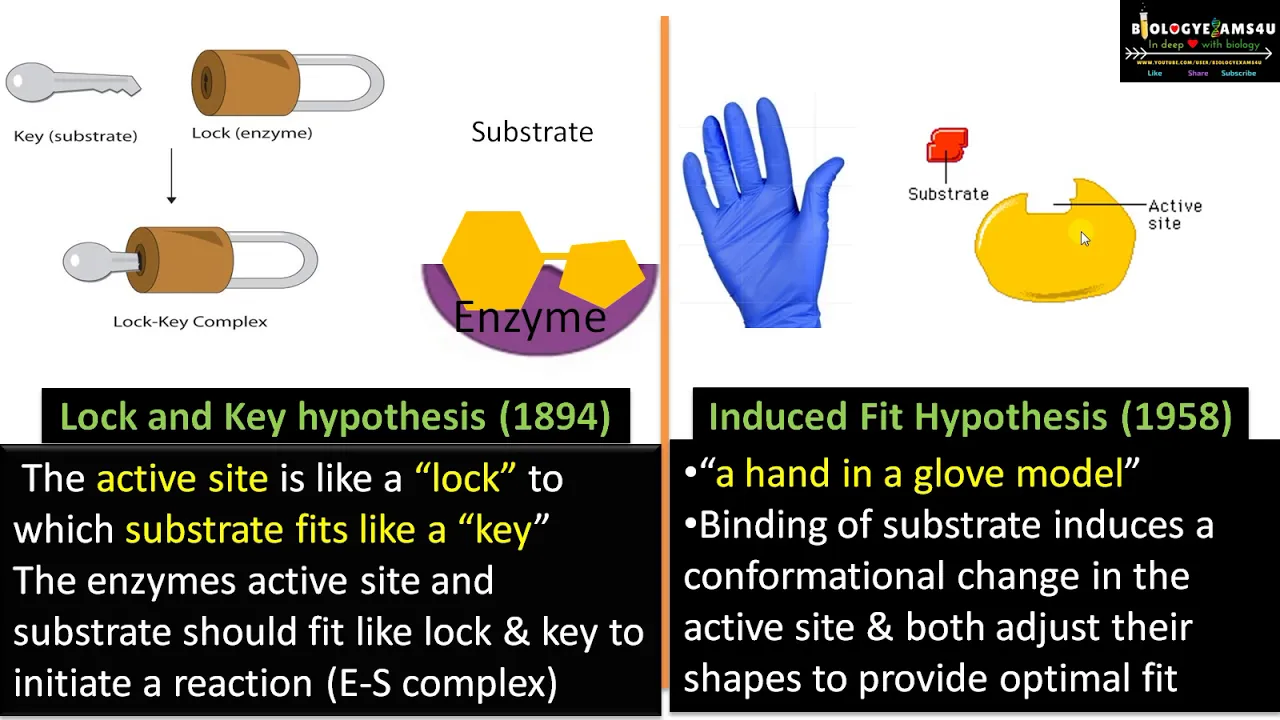
Lock and Key vs Induced Fit Model: Enzyme Specificity
@biologyexams4u
34.7K views•2020-10-28
Bacterial Communication: Quorum Sensing and Biofilm Formation Explained
@JHUAAP
12.6K views•2011-06-28

Enteric Nervous System Explained: The Gut's Brain | Neurobiology Lecture
@alumniu6029
438 views•2018-09-12
Bacteriophages: Earth's Deadliest Killers and Future Antibiotics
@kurzgesagt
34.6M views•2018-05-13
Related Study Plans & Knowledge Roadmaps
Structured learning paths in Biology