








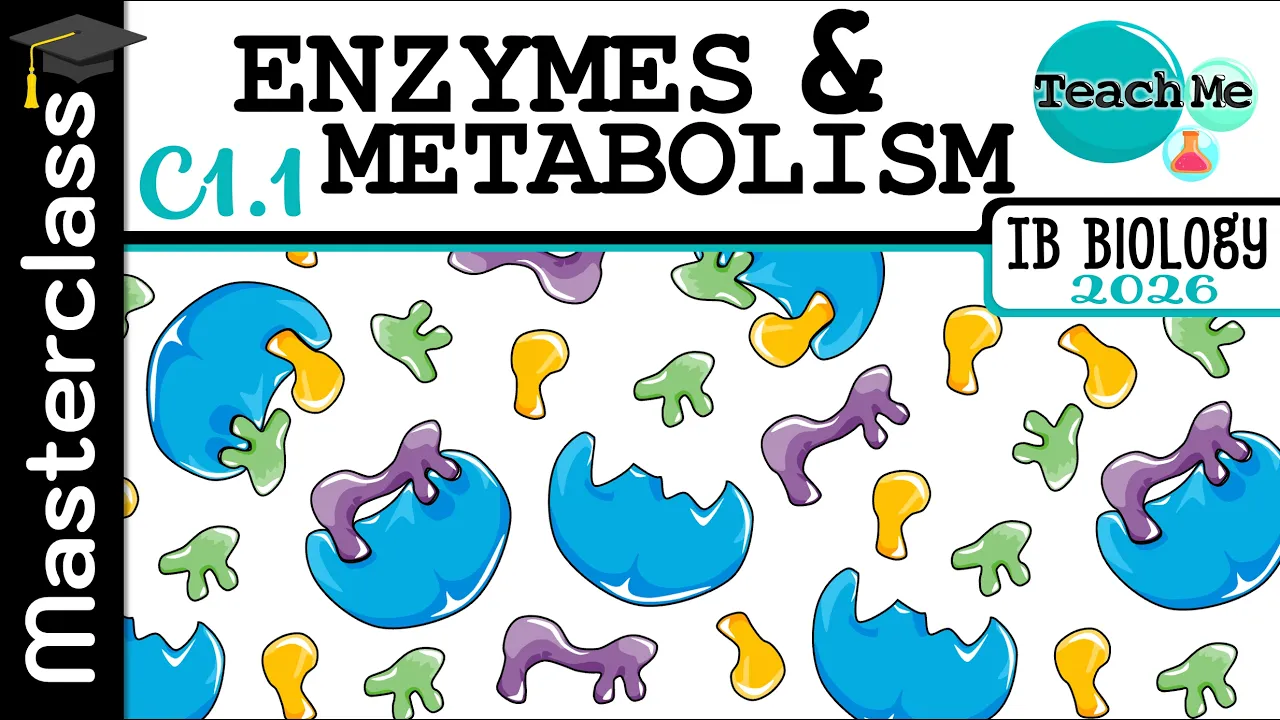





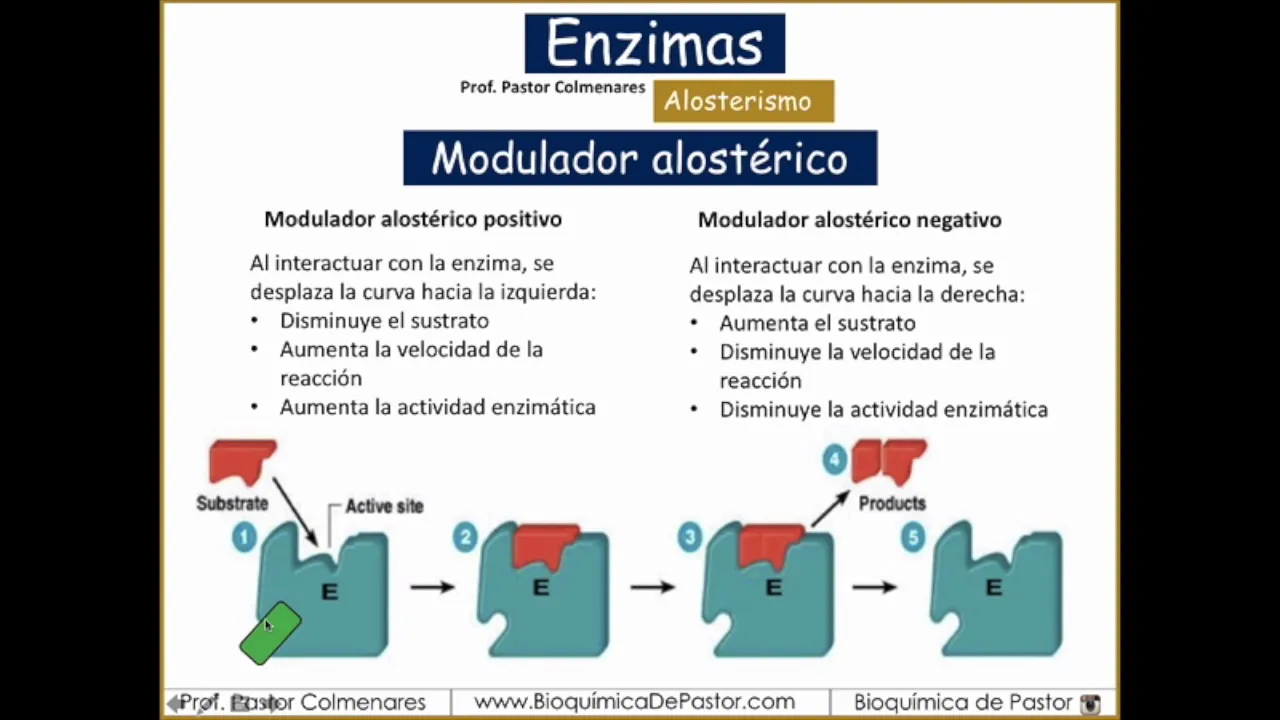












The Lock and Key model (proposed by Emil Fischer in 1894) explains enzyme-substrate specificity through rigid, complementary shapes where the active site perfectly matches the substrate like a lock and key, while the Induced Fit model (proposed by Daniel Koshland in 1958) describes a flexible active site that undergoes conformational changes upon substrate binding to achieve optimal fit; the Induced Fit model is more widely accepted because it explains allosteric regulation, non-competitive inhibition, and the dynamic nature of enzyme-substrate interactions observed in X-ray crystallography data.
Lock and Key vs Induced Fit Model: Enzyme Specificity
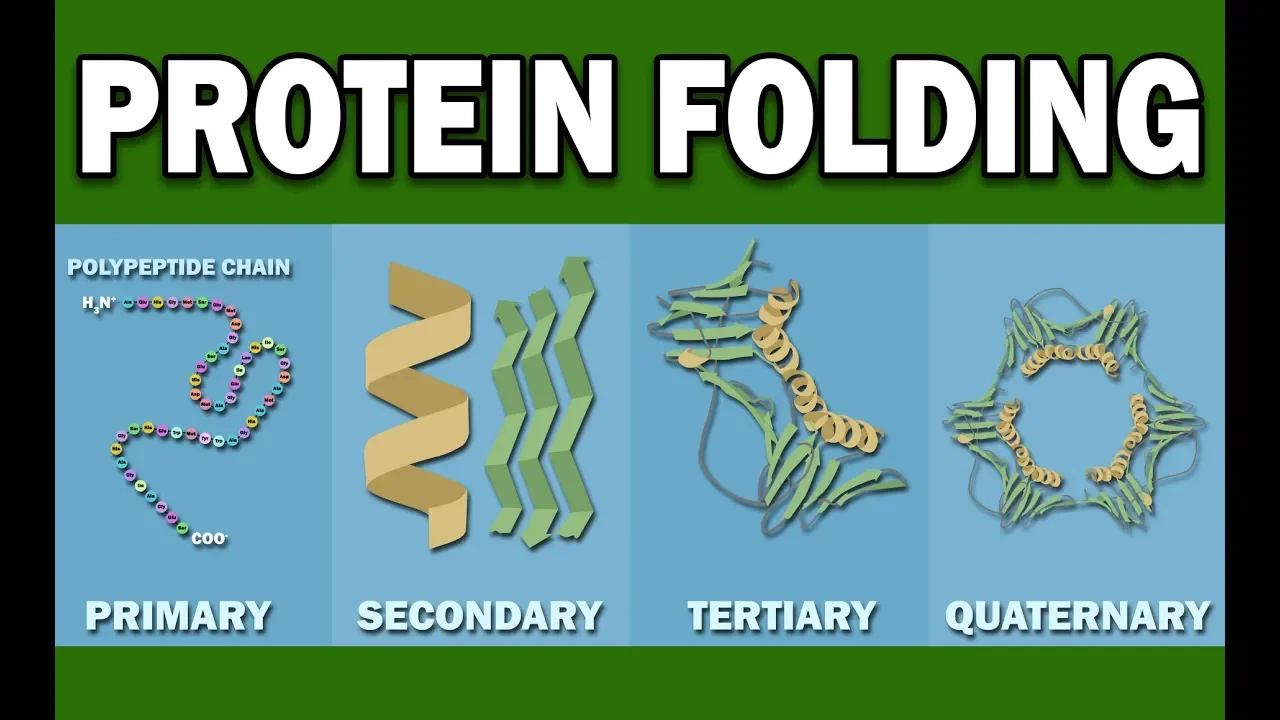
Added:Basic protein structure, specifically how amino acid sequences fold into unique 3D tertiary conformations.
The definition and general function of enzymes as biological catalysts that lower activation energy in chemical reactions.
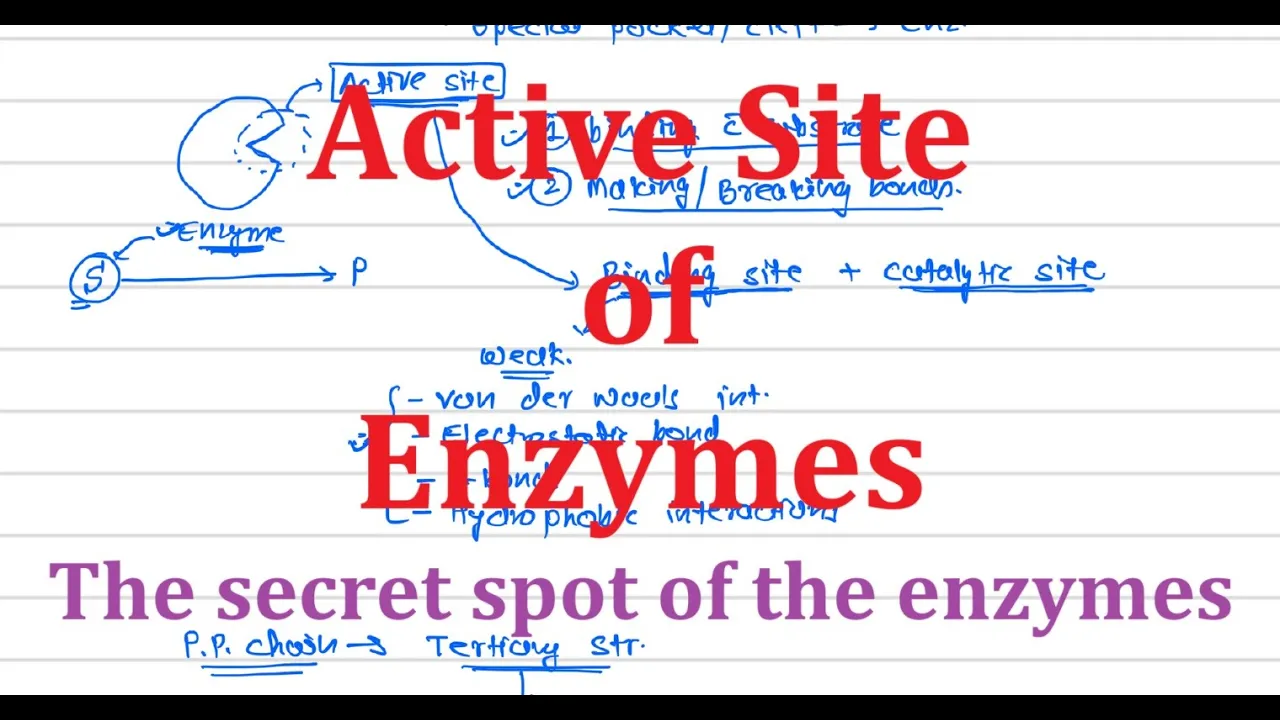
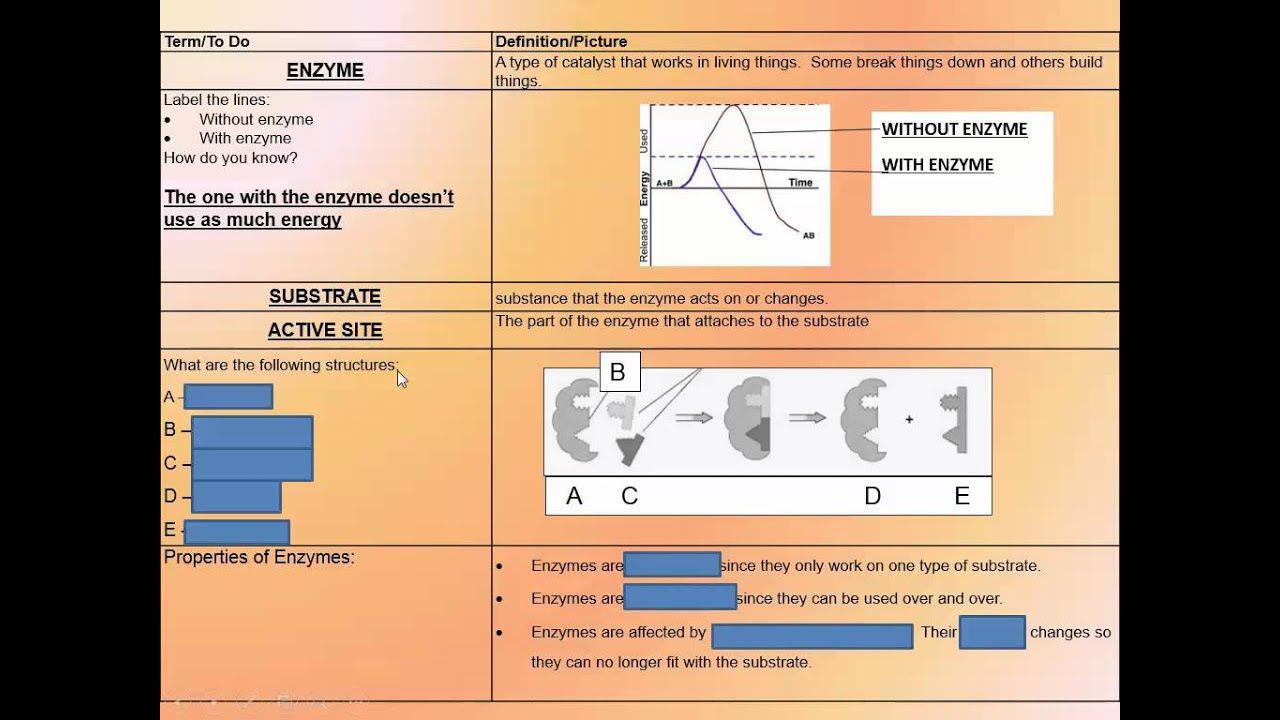
The concept of a 'substrate' and the fundamental definition of an enzyme's 'active site'.
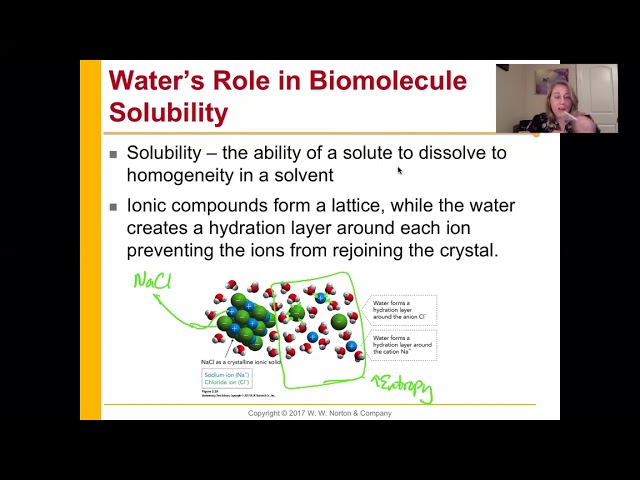
The role of weak intermolecular interactions (such as hydrogen bonds, ionic bonds, and hydrophobic effects) in molecular recognition and binding.
The detailed molecular mechanics of allosteric regulation, including feedback inhibition and homotropic/heterotropic cooperativity.
Enzyme kinetics, specifically how conformational flexibility and structural changes affect Michaelis-Menten parameters (Km and Vmax).
The mechanics of enzyme inhibition, exploring how competitive, non-competitive, and uncompetitive inhibitors alter the active site's shape and function.
The application of the induced fit model in rational drug design, where therapeutics are engineered to exploit the conformational flexibility of target enzymes.
34.7K views540likes5:49Original Release: 2020-10-28
[Music] hi friends welcome to biology exam survey dot com today's topic is from enzymology a side by side comparison of lock and key model hypothesis and induced fit hypothesis we will be discussing why is induce fit hypothesis widely accepted over lock and key hypothesis both these hypothesis explains the specificity of enzyme action the first hypothesis that put forward to explain the specificity of enzyme action was lock and key hypothesis in 1984 by the famous nobel laureate email fisher this was probably a very simplified explanation that easily explains the specificity of an enzyme for a substrate later this model was modified by daniel koshland and proposed induced fit hypothesis in 1958 so lokan key hypothesis for more than 50 years helped many researchers in enzymatic studies now moving into the topic lock and key hypothesis as a term indicates the active site is a lock to which substrate fits like a key and this is an enzyme and this is the active site the active site is perfectly matching with the shape of the substrate so that substrate can bind to the active site perfectly so the shape of active site and the substrate is complementary forming and same substrate complex therefore any molecule which is having a different shape could not bind to the active site because of a different shape just like lock under key whereas according to induce fit hypothesis it's also called as a hand in a glove model the binding of the substrate the substrate binds to the active site and this causes a conformational change in the active site and both are just their shapes to provide an optimal fit forming enzyme substrate complex and finely forming products here both the substrate and the active site of the enzyme interacts together to make the optimal fit just like a glove and a hand both cloth and hand are just together to make an optimal fit difference number two regarding the active site in lokan key hypothesis active site is considered as very rigid and static so that a substrate with a complementary matching shape can bind to the active site whereas in induced fit hypothesis the active site is flexible you can see this is the substrate and on binding of the substrate active site changes its conformation and substrate also interacts and that results in precise orientation of catalytic groups in the active sites as we know that it is made up of amino acids so it forms bonds and orient itself perfectly to accommodate this substrate and this perfect orientation or precise orientation happens only on binding of the specific substrate or exact substrate therefore if any molecule which is having a different shape or a structural structurally similar shape binds to this active site may not form that precise orientation therefore cannot form enzyme substrate complex thus explaining the specificity now the final point is what are the limitations of lukan key hypothesis some enzymes with high specificity still obese locant hypothesis the major limitation is it couldn't explain non-competitive inhibition now we know that a non-competitive inhibitor can bind to an allosteric site that causes conformational change in the active site according to k hypothesis active site is rigid so it won't change therefore this type of regulation it cannot be explained by lock and key hypothesis apart from that lucante hypothesis couldn't explain enzymatic regulation by allosteric modulation and also the activity of many enzymes that is capable of binding to relatively different substrates here comes the advantage of induced with model it could explain allosteric regulation and other properties of enzymes as you can see in this figure this is the allosteric site allosteric site is the site in the enzyme other than the active site where an allosteric activator or inhibitor binds so binding of this inhibitor or activator causes a conformational change in the active site that causes promotion of enzyme activity or reduces enzyme activity as you can see binding of this inhibitor causes conformational change so that the substrate cannot bind to this active site so as induced fit theory active site is flexible it can explain allosteric regulation majority of x-ray crystallographic data such as that enzyme center cause conformational change upon binding of substrate and both substrate and enzyme undergoes changes to make an optimal fit or optimal orientation forming and same substrate complex and finally forming the product therefore induced feed hypothesis is widely accepted overlook and key hypothesis even though some enzyme still works as per locant hypothesis and that's the difference between local hypothesis and industry hypothesis if you find this video useful please subscribe share and like support this channel thank you so much for your support
Up Next

57:47
Introduction to Microbiology in Wastewater Treatment | Biological Systems
@iit
237.5K views•2007-12-26

50:12
Bacterial Communication: Quorum Sensing and Biofilm Formation Explained
@JHUAAP
12.6K views•2011-06-28

10:20
Food Preservation Methods: 12 Techniques to Prevent Spoilage
@biologyexams4u
65.5K views•2019-09-11

7:08
Bacteriophages: Earth's Deadliest Killers and Future Antibiotics
@kurzgesagt
34.6M views•2018-05-13
Related Study Plans & Knowledge Roadmaps
Structured learning paths in Biology
biology
RNAi: Biogenesis, RISC & Gene Silencing
01Molecular Biology Foundations: DNA to Protein
02Introduction to RNA Interference (RNAi)
03Molecular Biogenesis of miRNA and siRNA
+ 2 more learning modules
10h5 modules
Explore Roadmap
biology
Mycorrhizae: Signaling, Biophysics & Ecology
01Foundations of Mycorrhizal Symbiosis
02Molecular Signaling and Root Colonization
03Biophysics and Bioenergetics of Nutrient Exchange
+ 1 more learning modules
11h4 modules
Explore Roadmap
biology
Circadian Clocks: TTFL, SCN & Periphery
01Foundations of Molecular Biology & Gene Expression
02Introduction to Chronobiology and Actograms
03The Core TTFL: Molecular Architecture of the Clock
+ 3 more learning modules
14h6 modules
Explore Roadmap
biology
Population Genetics: Math, Drift & Selection
01Genetic & Probability Foundations
02The Hardy-Weinberg Principle and Baseline Models
03Mathematical Modeling of Natural Selection
+ 3 more learning modules
18h6 modules
Explore Roadmap