



















![[webinar] APPCC baseado nas normas ISO 22000 e FSSC 22000](https://i.ytimg.com/vi_webp/jWZKdPchMP0/maxresdefault.webp)

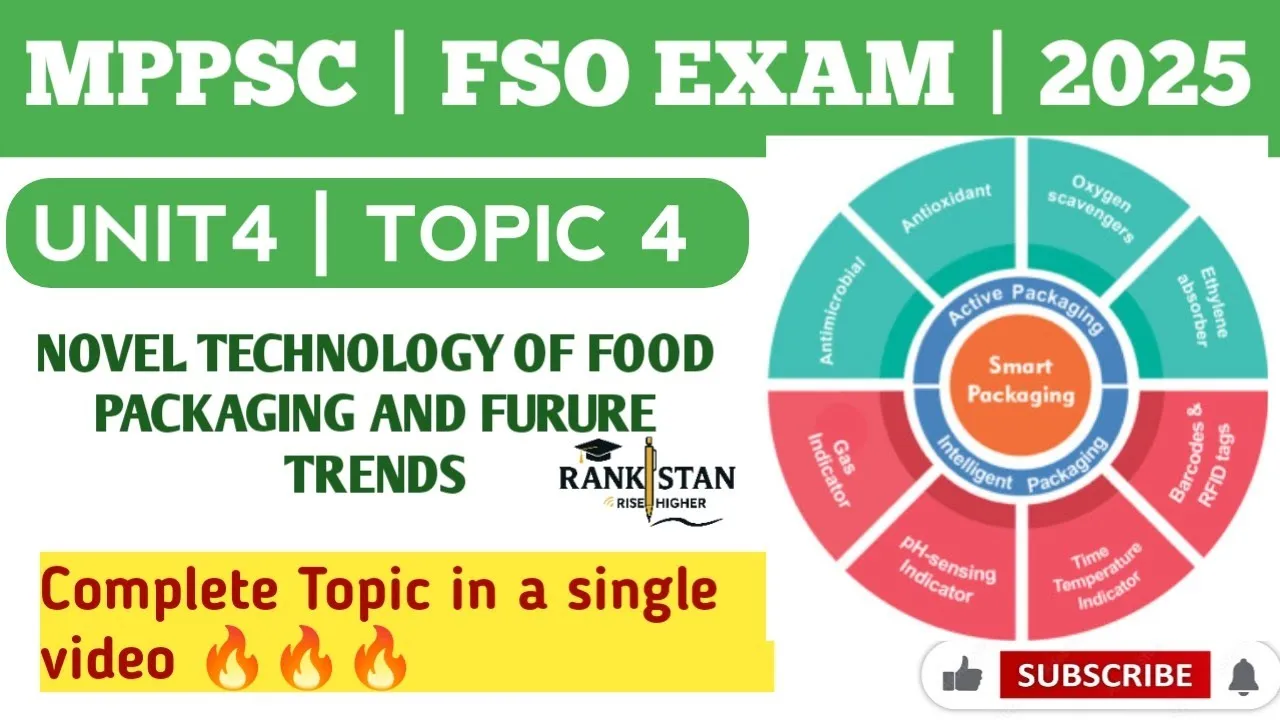

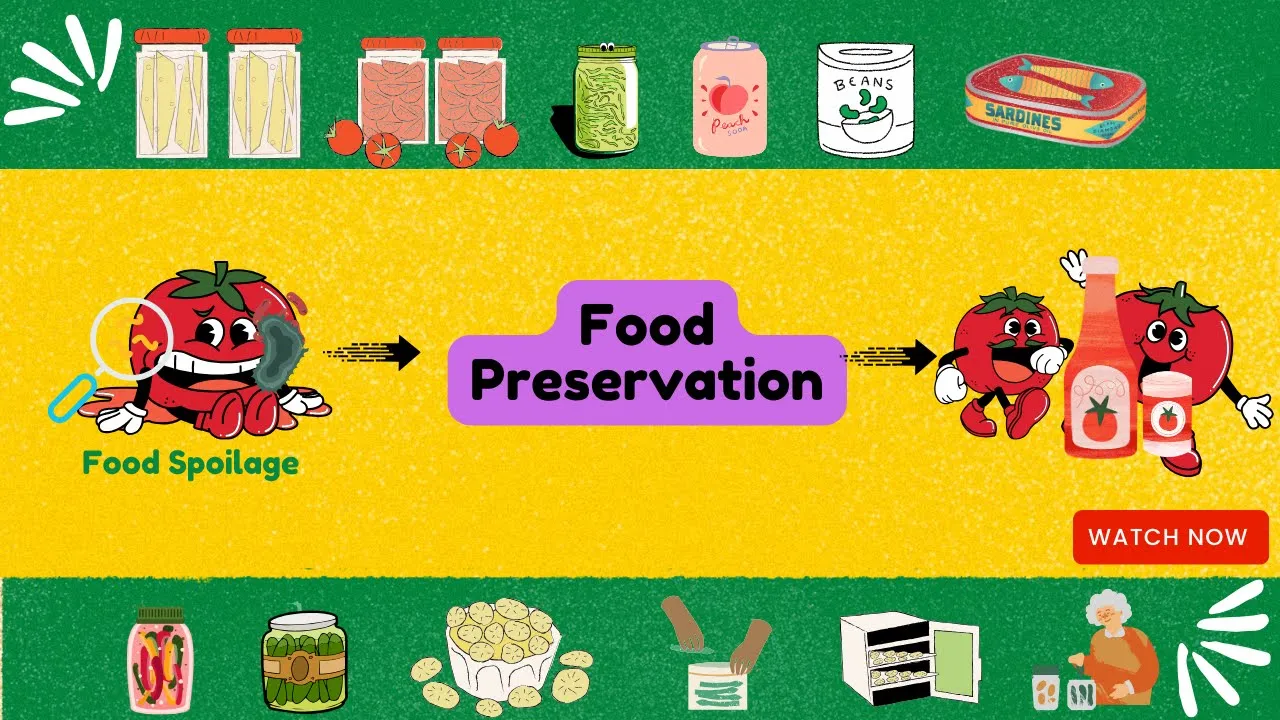
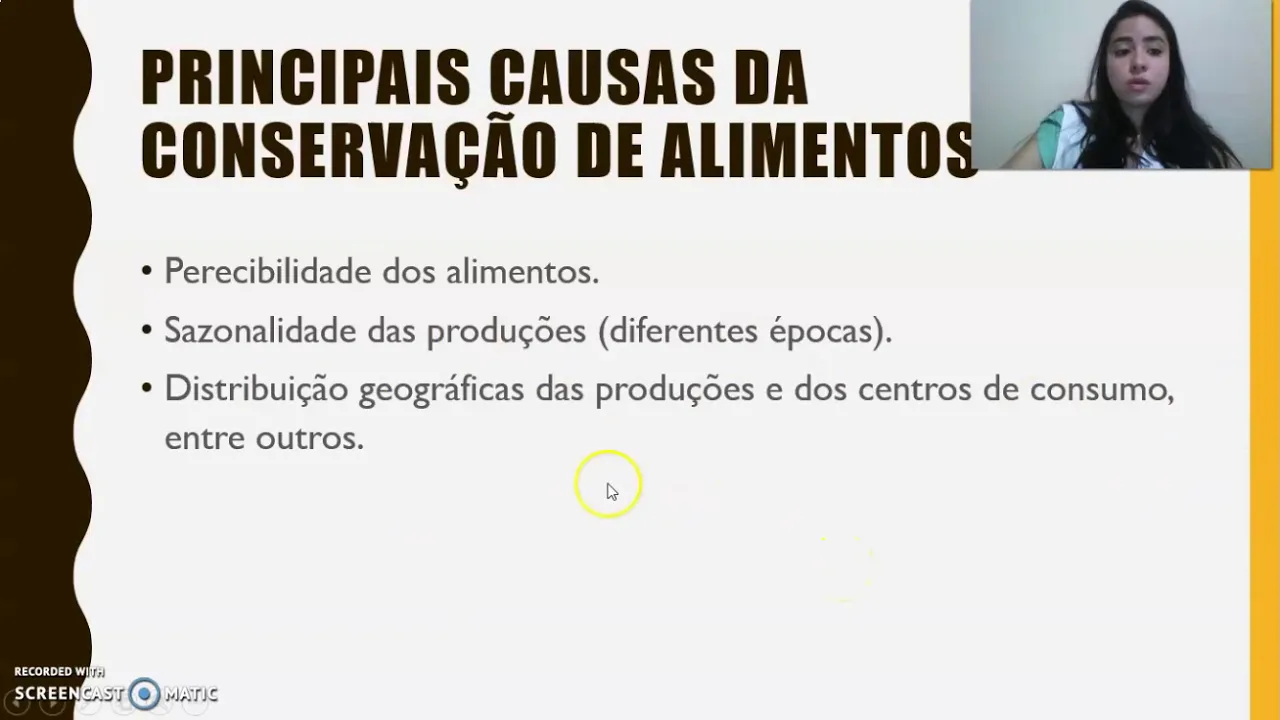
Food preservation is the process of treating food to stop or slow down spoilage, which occurs when microorganisms, autolysis, oxidation, or physical changes damage food's nutritional value, texture, or color. The primary objectives of food preservation are to prevent microbial growth, kill contaminating pathogens, and minimize food spoilage and food poisoning. Twelve key methods achieve these objectives through different mechanisms: pickling uses acetic acid in vinegar to inhibit microorganisms; smoking employs smoke chemicals to kill bacteria; canning seals food in airtight containers at high temperatures; bottling processes liquids similarly; pasteurization heats milk below boiling point using either holding method (30 min at 60-62.8°C) or flash method (15 sec at 71.7°C); refrigeration slows microbial growth at controlled temperatures; dehydration removes water to prevent microbial growth; lyophilization flash-freezes food at -50°C in vacuum then dehydrates it; high osmotic pressure uses concentrated sugar or salt solutions to draw water out of microbial cells; chemical additives like acetic, lactic, and benzoic acids inhibit microbial growth; and food irradiation uses ionizing radiation to kill microorganisms.
Food Preservation Methods: 12 Techniques to Prevent Spoilage
Added:hi friends welcome to biology exams foryou.com today the topic of our discussion is food spoilage and preservation techniques in detail starting with what is food preservation food preservation refers to the process of treating food to stop or slow down spoilage loss of quality edibility or nutritional value what is a food spoilage so from this picture it is clear that for spoilage means the original nutritional value texture or color of the food is changed or damaged so that it becomes unsuitable for consumption then we call such food as spoiled food consumption of spoiled food can lead to severe food poisoning so what are the reasons of food spoilage the most common reason undoubtedly is the growth of microorganisms like bacteria fungus insects etc so under the microscope this is the bread mould the fungus you can see the spore and the hyphae and this for is very lightweight and it can spread to other foodstuffs and cause spoilage of other foodstuffs very easily then there is autolysis autolysis is a natural process by which plant and animal products there is a self-destruction method by which the cells die by the activity of enzymes within that then there is oxidation by air that cause rancidity in the case of butter and milk products then of course physical changes caused by freezing burning drying etcetera the primary cause of food spoilage is the growth of microorganisms and what are the objectives of food preservation of course the major objective is to prevent the growth of microorganisms to inhibit microbial growth to kill contaminating pathogens that is causing food poisoning to minimize food spoilage food infection and food poisoning and these are the major objectives of food preservation now moving into the methods of food preservation so first of all we'll be listing out the different methods of food preservation and we'll be discussing a little bit of every method in detail most common methods include pickling than the resulting smoking a septic processing canning bottling pasteurization refrigeration sterilization dehydration lyophilization high osmotic pressure chemical additives and radiation irradiation we'll be having a cute look at each method in detail starting with pickling one of the most common method that is practiced for from the time immemorial so in pickling what we are using is vinegar so food is food is preserved in vinegar and it prevents spoilage due to the presence of acetic acid that will prevent the growth of microorganisms then there is holding a very common method here very commonly employed for preserving fish meat etc and here also salt prevent microbial growth and that is smoking and this is primarily practiced in preserving fish and meat the smoke produced by burning of certain wood some specific food which will be producing smoke that contains some chemicals that actually kill bacteria or other microorganisms thus keeping the food safe from spoilage then there is canning canning is a very common process where the food is processed and sealed in airtight containers at high temperature practiced for variety of foods including made fish fruits vegetables etc so this is the commercial sterilization process in canning first of all there will be washing sorting then there is a process called blanching that is treating the food with hot water so that it softens so that it will fill the container better then there is the cans can is sealed then sterilization that is followed by cooling of the cans then labeling storage and delivery as it is airtight there won't be any growth of microorganisms for some time next one is port link bottling is similar to canning as it is employed for liquid products where it is processed and sealed in airtight containers at high temperature employed for liquid products like milk wine sorting succeed wrong then pasteurization a very common process that is employed for keeping milk safe heating milk below boiling point or any other liquid to kill pathogenic bacteria to make that milk or food safe to eat and it was devised by Louis Pasteur therefore the name pasteurization it stops fermentation of milk there are two methods the first one is called as holding method here the milk is kept for 30 minutes at low temperature 60 to 2.8 degree Celsius therefore also called as low temperature holding method then the second method is flash method as some word indicates the milk is kept for a very short time that is 15 seconds at high temperature of 71 point seven degree Celsius also called as high temperature short time method so milk is heated below boiling point then cooled so that pathogenic microorganisms are killed x1 is the refrigeration one of the most common method employed for preserving food here we are using refrigerators and keeping food at low temperature and the temperature are no commonly the refrigerator is 4 degree Celsius whereas freezer temperature is approximately minus 18 degrees Celsius deep freezers at minus 60 degree Celsius that is good for storing meat and fish for more time especially used in cold storages so refrigeration won't kill the microorganisms completely it actually slows down the growth of microorganisms then there is dehydration a very common method employed for preserving many foodstuffs including meat fish etc so it's the removal of water from food so that without water microorganisms cannot grow in that food stuff without water or without moisture it's a very simple process and the next one is liable ization it's an industrial process it's called as flash freezing followed by dehydration so fresh or cooked food is flash frozen at minus 50 degree Celsius in vacuum then that freeze-dried food is sealed in oxygen-free atmosphere without moisture when the water is replaced the food regains its original flavor texture etc so this is widely used for different foodstuffs and also for bacterial culture so flash freezing followed by drying method next one is high osmotic pressure this is case this is similar to that of salt and sugar preservation what is actually happening is when keeping foodstuffs in high concentrated sugar or salt solution there will be osmosis this bacterial cell or microbial cell water will come out of the microbial cell salaices as my crops cannot crew in such high concentrated solution so this is similar to that of salting or the salting and we can keep footsteps safe also in high concentrated sugar solution also next one is chemical additives very common method or chemical additives are substances added to food to preserve food flavor or enhances its its taste and also prevent for spoilage so it inhibit microbial growth common one common chemical additives include acetic acid lactic acid benzoic acid etc and many chemical additives are harmful also and finally food irradiation using ionizing radiation so here we are using ionizing radiations like gamma rays x-rays etc and this radiation passed through food stuffs killing microorganisms so that keeping the food safe so there will be symbol like this of irradiated food and many food products are sterilized using this method so these are the different methods of food sterilization or food per cell these are the different methods of food preservation hope this video is helpful please subscribe share and like this video thank you so much for your support you are with biologic cells for calm
Up Next

GCSE Biology: Conservation, Food Security & Decomposition
@sarahbarker4904
158 views•2020-07-05
Bacterial Communication: Quorum Sensing and Biofilm Formation Explained
@JHUAAP
12.6K views•2011-06-28
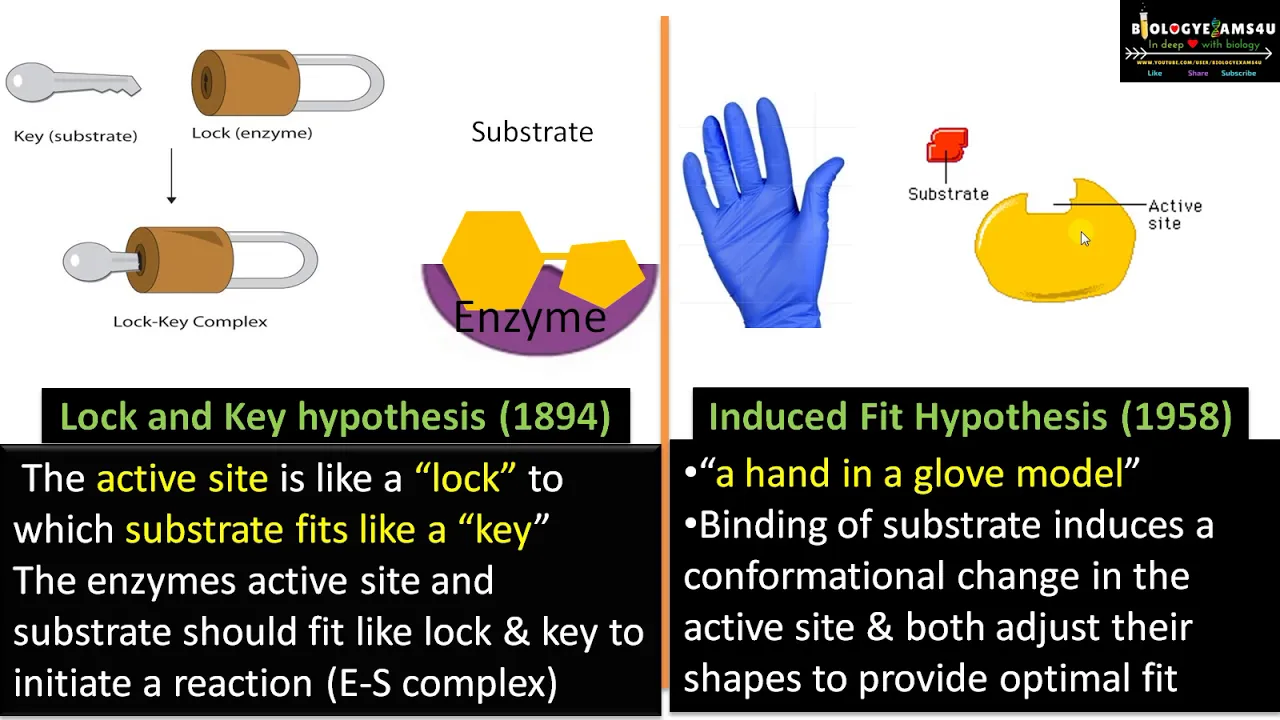
Lock and Key vs Induced Fit Model: Enzyme Specificity
@biologyexams4u
34.7K views•2020-10-28
Bacteriophages: Earth's Deadliest Killers and Future Antibiotics
@kurzgesagt
34.6M views•2018-05-13
Related Study Plans & Knowledge Roadmaps
Structured learning paths in Biology