



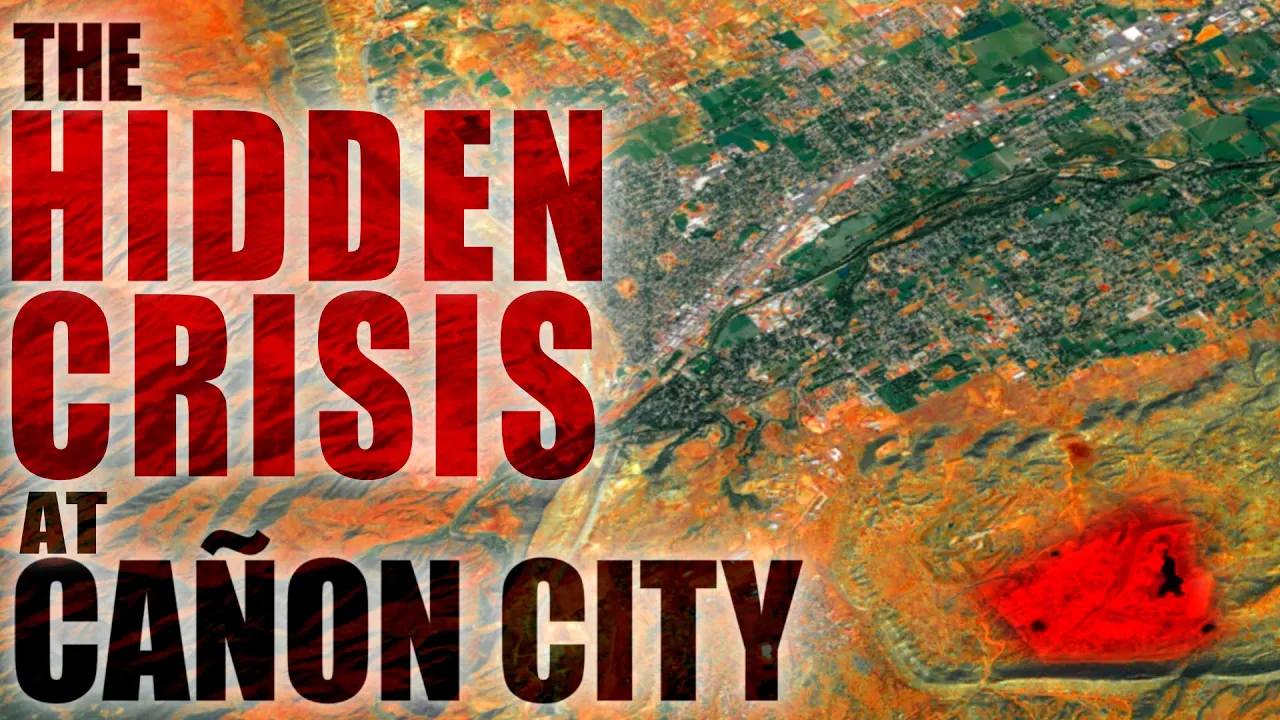












Environmental Justice is the fair treatment and meaningful involvement of all people, regardless of race, color, national origin, or income, with respect to the development, implementation, and enforcement of environmental laws, regulations, and policies; this concept emerged from historical injustices where marginalized communities disproportionately bear environmental harms, as exemplified by cases like the Stringfellow Acid Pits and modern warehouse developments in the Inland Empire that concentrate pollution in low-income communities of color.
Environmental Justice Explained: Riverside County Case Studies
Added:Fundamental definition of Environmental Justice (EJ) and the historical civil rights context from which it emerged.
Basic concepts of geographic information systems (GIS) and how spatial data is used to map demographic and environmental variables.
An understanding of what Superfund sites are (under the federal CERCLA legislative framework) and how hazardous waste can contaminate local soil and groundwater.
The role of local government zoning laws and land-use planning in separating or mixing industrial zones and residential communities.
How to actively navigate and use CalEnviroScreen and EPA's EJScreen to conduct comparative spatial analyses of different regions.
The legal integration of environmental justice screening tools into regulatory frameworks, such as the California Environmental Quality Act (CEQA) and federal NEPA reviews.
Advanced environmental remediation techniques used to clean up complex Superfund sites like the Stringfellow Acid Pits, including groundwater pump-and-treat and bioremediation.
Methods of Community-Based Participatory Research (CBPR) and how grassroots advocacy groups leverage environmental data to influence local public policy.
283 views2likes47:57Original Release: 2022-10-24
My name is Lissete Ochoa, and I am currently a recycling specialist here at Riverside County Department of Waste Resources. I am very excited to jump into a topic that is beyond the mainstream "environmentalism". Environmental Justice is an integral aspect of sustainability, and I hope everyone can leave the class today with a better understanding. Before we get started, I do want to briefly mention that we will have a check-in point during the class as well as 15 minutes in the end to address any questions, so please feel free to drop those in the chat as we move along, all questions are welcomed. Riverside County is part of the ancient homeland and traditional territory of eleven Tribal Nations. We pay respect to all of their ancestors and descendants, past, present, and future, and their continuing presence in the homeland. Today, this gathering place is home to several Indigenous peoples from all over the world. We recognize, honor, and respect these nations as the traditional stewards of the land, water, and air. In addition to landfill management, the Department of Waste Resources offers FREE, educational classes focused on sustainability and waste diversion. Please visit our website at rcwaste.org for more details! So a little bit about me, once again, my name is Lissete Ochoa and I am a recycling specialist here at the Department of Waste Resources. I recently graduated from UC Riverside where I studied Sustainability and Environmental Science. My background and interests include environmental justice, waste reduction, and community resilience. And a fun fact about me: I've been a vegetarian for almost 6 years. Here is our agenda for the class today. We'll be kicking off with some important definitions. Next, we’ll dive into the environmental and social justice aspects. Then, we’ll take our newfound knowledge and analyze some EJ Case Studies. Lastly, we'll close with some actionable items we can all take on to advocate for environmental justice. So, let's first define our different types of environments. Our Natural Environment, is the one we most commonly think of – land, water, and air. The Natural Environment also consists of living things and natural processes such as trees, plants, weather, and animals (that's including us!)
We then have a Built Environment – one that us, humans, have spent millions of years developing. Think about our urban setting here in Riverside County- we have homes, buildings, and roads. Our Built Environment undoubtedly impacts our natural environment and to some degree, our human health. Lastly, we have our Social Environment. Perhaps the most complex of all – this is environment is not necessarily tangible or physical. You may think of your social environment as your immediate family, neighborhood, local city and how everything operates. There are distinct rules, roles, and values within a social environment. Branching off our Social Environment term is the concept of Social Justice. Social Justice, in the simplest terms, refers to the ideas of fairness and equal access among individuals in a society. On the right-hand side we have the 5 principles of Social Justice: Resources, Equity, Participation, Diversity, and Human Rights. Finally, after we combine our different environments and the theory of Social Justice, we arrive at the concept of Environmental Justice. Environmental Justice is the fair treatment and meaningful involvement of all people regardless of race, color, national origin, or income with respect to the development, implementation, and enforcement of environmental laws, regulations, and policies. And this definition is derived from the EPA. So, some keywords to note in the definition of Environmental Justice: Fair Treatment means no group of people should bear a disproportionate amount of environmental harms and risks. Meaningful Involvement refers to an equitable decision-making process. This looks like actively involving potentially affected community members in regards to proposed activities. Certain communities across the country, however, have faced inequitable treatment and deliberate exclusion from the decision making process.
The term, Environmental Racism, was coined by Benjamin Chavis, former executive director of the United Church of Christ (UCC) Commission for Racial Justice during a speech addressing the hazardous polychlorinated biphenyl waste of a Warren County Landfill in North Carolina.
Simply put, Environmental Racism is a form of institutionalized, racial discrimination in environmental policy making and the enforcement of regulation and laws. Several factors like Intentional neglect, Lack of affordable land, political power, socioeconomic mobility and poverty, as well as processes like gentrification perpetuates environmental racism. Environmental Injustice ultimately refers to the fact that historically marginalized low-income and communities of color, have faced disproportionate exposure to environmental risks and harms. I won't get into too much detail, but many of you may recall the water crisis in Flint, Michigan, which began in 2014. Flint residents faced the burdens of environmental injustice and bad decision-making, when the city switched its drinking water supply from Detroit’s system to the Flint River in a cost-saving move. Inadequate treatment and testing of the water resulted in a series of major water quality and health issues for Flint residents—issues that were ignored, overlooked, and discounted by government officials. Flint serves as a reminder that safe water, a basic human need, isn’t a guarantee. Stakeholders are those who are involved in or affected by a course of action. So, who are the stakeholders in Environmental Justice? We have… Non-Governmental Organizations- these include non-profit, private organizations that operate outside of government control. You can think of Greenpeace which is an International and Environmental NGO. Community-Based Organizations are a type of non-governmental organization that is representative of a community and provides educational or related services. One community based organization is the Center for Community Action and Environmental Justice (CCAEJ) who are based in Riverside County. Federal, state, tribal and local governments refer to the governing body of cities, towns, and districts. You can think of Riverside County as a whole well as local City Councils. Industry refers to a group of similar companies based on their primary business activities such as products produced and/or sold. One prominent industry in Riverside County is the Logistics or Warehouse Industry which refers to the sourcing and distribution of goods. Academia can be thought of as the interests of a university, college, or academy. Academic research influences and affects surrounding communities such as UC Riverside and its impact on Riverside County. Last but certainly not least everyone in this session is a stakeholder in environmental justice! Let’s now investigate the current state of the environment. Most of the drinking water in Southern California is sourced from the Metropolitan Water District. Drinking water may contain different types of chemicals, microscopic organisms, and radioactive materials but health agencies work diligently to monitor these contaminants to meet each of the mandatory health-related standards. In addition to drinking water, recreational bodies of water such as Lake Evans and Lake Perris are also monitored for harmful algal blooms and mercury to ensure the safety of residents. Riverside County doesn’t fare too well in terms of air quality. According to a report by the American Lung Association, Riverside County received an "F" in 2019 and 2020. This letter grade can be attributed to our natural topography, which is our mountainous region, as well as our proximity to the Los Angeles and Long Beach ports which has made the Inland Empire the epicenter for warehouses. Finally, we have the ongoing climate change crisis. Human-related activities, such as the burning of fossil fuels, have led to an increase in Greenhouse Gases in our atmosphere, thus contributing to climate change. The impacts of climate change include a rise in global average temperature, increased wildfires, and rising sea level which poses serious threats to society and public health. Environmental justice communities will face a disproportionate amount of these climate-related stresses although they contribute the LEAST to climate change. Every human is impacted by their surrounding environment- we all live in an affected community. However, each community faces different environmental harms and risks due to structural characteristics. CalEnviroScreen is an online mapping tool, developed by the Office of Environmental Health Hazard Assessment and CalEPA, that provides insight into the harms that may result from living in an affected community. The CalEnviroScreen model is based on geography, specifically census tracts in California. The model is made up of 4 components – 2 Pollution Burden components and 2 Population Characteristics components. Each component is comprised of a set of indicators - 12 Pollution Burden indicators and 8 Population Characteristics indicators. Each census tract will receive scores for as many of the 20 indicators as possible. For each indicator, the scores are put in order from highest to lowest which allows us to calculate a percentile for all areas that have a score. An average of the indicators that make up a component is first calculated. Then to obtain the CalEnviroScreen score for a census tract, we multiply the Pollution Burden score by the Population Characteristics score.
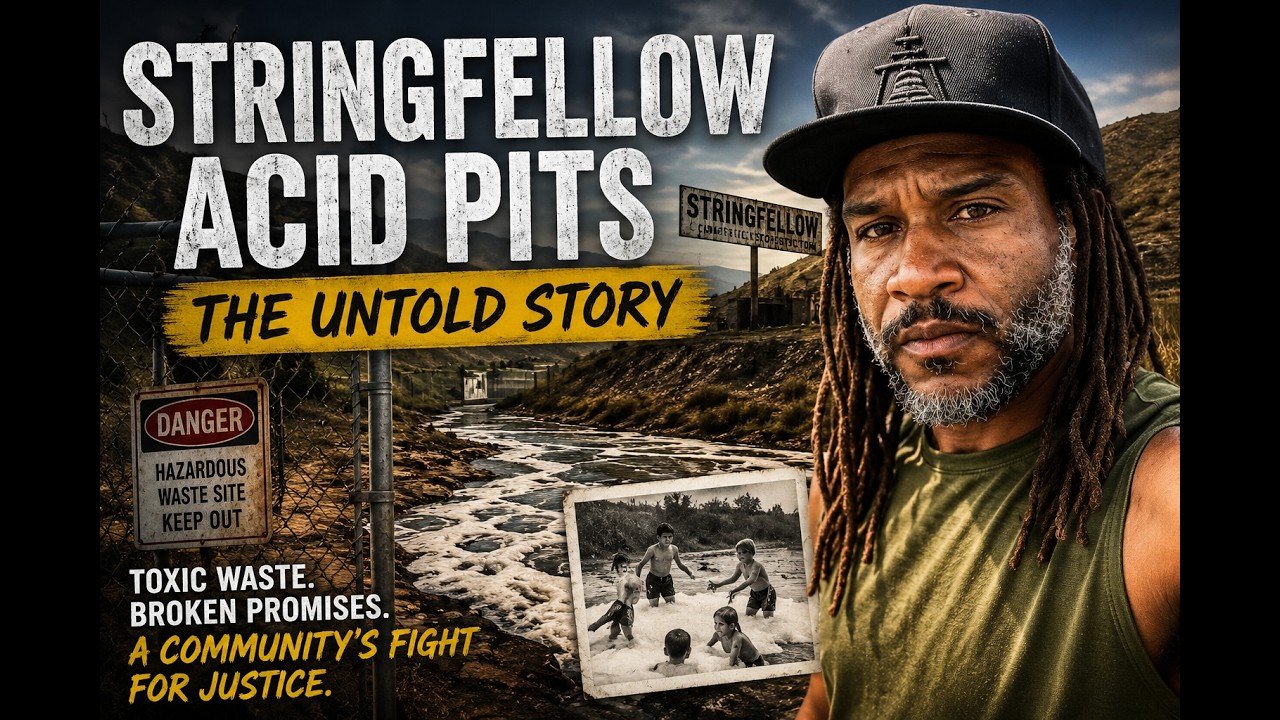
Here is a snapshot of the CalEnviroScreen Indicator map in Moreno Valley, CA – specifically, the Department of Waste Resources' headquarters office. The percentile scores are shown on the right-hand side. Most notable is the ground-level Ozone percentile score. This census tract is 99% higher than the rest of California in terms of ozone. Ground-level ozone is not emitted directly into the air but is created by chemical reactions between oxides of nitrogen (NOx) and volatile organic compounds (VOC) in the presence of sunlight. These pollutants are emitted by cars, power plants, industrial facilities, and other sources. Ozone is a powerful oxidant that can irritate the airways in humans and harm sensitive vegetation. Another online mapping tool is the EJSCREEN developed by the EPA. Similar to the CalEnviroScreen, this EJ mapping and screening tool combines environmental and demographic indicators to generate maps and reports which are helpful to highlight geographic areas that might need further review, additional consideration, analysis, or outreach. The screening tool has Census block group resolution shows how a selected area compares to the relevant state, EPA region, or nation. I once again used the address of the Department of Waste Resources' headquarters office to generate this report. In this chart, we have the selected variables for both environmental and demographic indicators. There are 12 environmental indicators and 7 demographic factors. Environmental indicators quantify proximity and exposure to environmental pollutants, such as nearby hazardous waste sites or traffic. Demographic indicators are very general indicators of a community's susceptibility to the types of environmental hazards. At the bottom of the slide, we have the formulas used to calculate the Demographic and EJ indexes. The Demographic Index is based on the average of two demographic indicators; low-income and people of color. To calculate a single EJ Index, EJScreen uses a formula to combine a single environmental indicator with the demographic index and considers how much the local demographics are above the national average. Here are all the EJ Index scores in comparison to the state, region, and nation percentile. Each environmental indicator has its own EJ Index. For example, the EJ Index for traffic is a combination of the traffic indicator, the low-income population, and the minority population. This graph chart shows the EJ Index in comparison to all people's block groups in the State/Region/US. These percentiles provide perspective on how the selected block group area compares to the entire state, EPA region, or nation. Most notable here is perhaps our EJ Index for Superfund Proximity. Our 98th percentile score for Superfund proximity nationwide means that only 2% of the US population has a higher block group value than the location we analyzed. I'll stop here briefly to let all of that info sink in and also see if we have any questions in the chat or any comments from the material discussed so far. Ok, good so far, I'll continue. The Environmental Justice Movement can be dated back as early as 1982. After protesting for nearly 4 years against the State's plan to transport contaminated soil to a landfill in their community, African American residents of Warren County, North Carolina led a non-violent, sit-in protest against the polychlorinated biphenyl or PCB, toxic waste landfill. PCBs are a group of man-made organic chemicals used in hundreds of industrial and commercial applications such as electrical equipment, plastic products, and oil-based paint. PCBs have also been demonstrated to cause a variety of adverse health effects like cancer. Despite the community's efforts, the landfill was ultimately constructed but the event led to a whole series of investigations that revealed a connection between the placing of toxic waste sites and race. This event is often described as the catalyst for the Environmental Justice Movement. The Inland Region is also home to historical environmental justice grassroots efforts dating back in the 1970s. The 3 minute video clip I will play now provides an overview of a trailblazer, Penny Newman, and her exemplary efforts to address the Stringfellow Acid Pits toxic waste site located at the base of the Jurupa Mountains in Pyrite Canyon. The Stringfellow Acid Pits is inarguably one of the most impactful case studies in environmental justice. EPA is celebrating the 35th anniversary of the comprehensive environmental response compensation and liability act otherwise known as the Superfund law. Stringfellow Superfund Site is the first and is one of the largest Superfund sites in EPA specific Southwest Regional Office. It's located in Riverside County in the town of Jurupa Valley in California it was added to the National priority listing in 1983. The site ID is 0901 which indicates it is the very first site in region 9. The site is a former hazardous waste landfill that operated from 1956 until 1972. More than 32 million gallons of liquid Industrial Waste were disposed in unlined ponds including acids, caustics, metals solvents, and pesticide byproducts.
When the site would overflow, liquid contamination would flow into the community eventually exposing children and an elementary school to a variety of toxic chemicals. These were very dangerous chemicals my two boys being little boys were playing in the puddles and splashing around. We had kids there making beards out of the foam and the youngest one, who was the one who played in the puddles and was into everything, would come home from school talking about being dizzy and having blurred vision and he started experiencing seizures.
The community started organizing and having community meetings and this is where we saw Penny move forward and just be that community leader. It changed my life. We need to not just sit back and elect people or let agencies do things. We have a responsibility to make sure that things are done correctly. Out of Penny's hard work, we modeled the technical assistance grants program- the tag program. If it wasn't for Penny rising up at that moment we wouldn't be where we are today. To prevent any chance of future spills in the Pyrite Creek the remaining liquid waste were pumped from the disposal ponds in the late 70s. Contaminated soil is excavated and the groundwater extraction and treatment system was installed in the canyon to prevent contaminated groundwater from reaching the community south of the site. While there is more work to do, EPA is proud of the progress that has been made with our state partners and that the current remedy is protective of human health and the environment. The staff that is there, I have great respect for them. I think that's the most important part is for us to listen and then get that feedback and that's that feedback and that input process that super fund is all about. You know our democracy really works and it only works if people are involved. Looking back on 35 years of super fund we've made a great deal of progress in Stringfellow and at other people fund sites and EPA is looking forward to continuing the great work with our communities to protect human health and the environment.
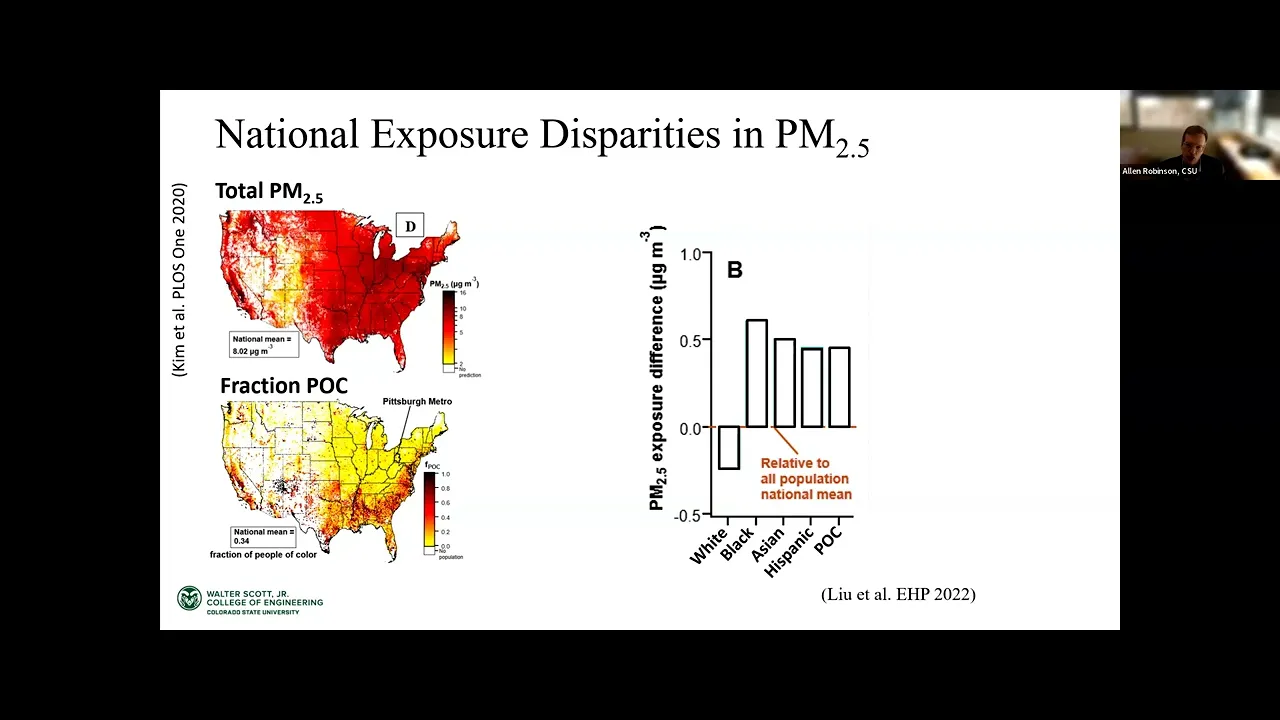
The Stringfellow Acid Pits is inarguably one of the most impactful case studies in environmental justice. Let's dive into some of the impacts of the toxic waste site. 35 million gallons of industrial waste were deposited at the site which led to adverse effects on water quality. Perchlorate, as highest as 87,000 ppb, was found in groundwater and private wells in the surrounding community. At high exposures, Perchlorate may interfere with the production of thyroid hormones. As we have learned, Stringfellow Acid Pits is a superfund site so remediation efforts include water treatment facilities as you see on the left-hand side. These buildings are a part of a larger campus of the water pre-treatment plant which treats water from existing acid pits in order to remove toxic industrial waste such as solvents, heavy metals, and pesticides. The buildings contain offices and laboratories for the California Department of State Toxic Substances Control, which is the lead agency for clean up efforts And just to reiterate this groundwater contamination affected not just the Glen Avon community, but other municipalities in the San Bernardino and Riverside counties. Rialto, CA was also an affected area that had to establish a perchlorate cleanup as well. * Similar to the water crisis in Flint, Michigan, The Stringfellow Acid Pits story reminds us that clean water is not always a guarantee. The concentration of warehouses, notably Amazon, in the Inland region has led to detrimental effects, particularly to low-income communities of color. The Diesel Particulate Matter emitted from the large trucks is small enough to be inhaled through the lungs which place community members at a disproportionate rate for Asthma, Cancer, Chronic Obstructive Pulmonary Disease, and Premature Death. A study published in the journal of Environmental Health Perspectives observed people of color breathe more polluted air than white people, regardless of income. In addition to the disproportionate health impacts caused by warehouses, the diesel trucks are idling and parking in residential areas causing road damage. Naturally, residents are fearful for their children to play outside or even walk to school. Community members also deal with noise pollution and traffic congestion on a regular basis. The video clip I will play is titled “How online shopping is polluting California’s Inland Empire” by the Los Angeles Times. The video is around 8 minutes long. This is an aerial view of Jurupa Hills High School in Fontana, San Bernardino County, in 2011. Ten years ago. And this is the neighborhood today. More than 20 warehouses now sit within a mile of the school, and there are plans to build more. Fontana has been called California's epicenter of warehouses. There are more than 50 of them – including centers for UPS and Amazon – that take up more than 16 million square feet throughout the city. That's like four and a half Disneylands. Their existence helps make it possible for us to buy something online and have it arrive at our door within hours. But all these mega warehouses come at a cost. We're seeing thousands of trucks per day. Because they're right next to homes, it just spews all of these toxins right into your backyard. The warehouses are getting very close to our communities and our schools. We have our students surrounded with warehouses. Physicians have coined a phrase for the unfortunate properties that now neighbor the warehouses "diesel death zones." It's not just Fontana. Just look 10 miles east. I'm standing in the passenger terminal of the San Bernardino airport. It's totally empty. This place was supposed to offer flights to destinations such as Mexico. Instead, the community got something else entirely. Amazon and others plan to use the expanded airport as a West Coast cargo hub to feed the demand of online shopping. We know we can't shut this down, but we want to get something that would benefit us. California's office of attorney general has taken notice of both projects, filing lawsuits against the City of Fontana and project developers in San Bernardino, challenging the warehouse and airport expansions. I think this is another example of, of California leading the way of showing what's possible. I'm Evan Halper with the Los Angeles Times, and I'm reporting on California's novel efforts to help communities overburdened with pollution fight back. In the last decade, the Inland Empire has become a national logistics hub, due in part to the abundance of cheap land and its proximity to two major ports. A lot of those imports, they get unloaded at the ports of Long Beach and L.A., and they go through L.A. into Riverside and San Bernardino. And then from here, either through trucks or through freight, are pushed out to the rest of the country. For the city of Fontana, that has meant the building of dozens of warehouses, often backing right up to residential areas and schools. In April, the city approved a new warehouse alongside Jurupa Hills High School, where 2,000 students are predominantly Latino and 83% of them qualify for free or reduced-price meals. This caused an uproar. During a city council meeting in June, 53 community members spoke out against it because of the traffic and pollution it would cause. PM2.5 concentration is considered to be damaging to lungs when it's greater than 2.10 micrograms per milliliter. In Fontana, that level is 12. It's 12. If we put this warehouse in, we're going to have 2.5 levels as high as China. You understand it damages us for ever. It's obvious that the southern residents have it worse. They bear all the, the burden of the warehouse industry, the shipping industry, Amazon. It's all in the south. It's all in the lower-income areas. And it's messed up, man. It's working out for you, elected officials. It's not working for us. The meeting lasted three hours. Our concerns have fallen on deaf ears. We want a sustainable community, one with, you know, where we can walk and breathe and, and it doesn't seem to matter. In the end, all but one city council member voted against the appeal to stop the project. But the project caught the attention of California's attorney general, whose Environmental Justice Bureau filed a lawsuit against the city of Fontana in July, challenging the project. There have been multiple warehouses already built near this community that was impacted, and there's two public high schools here. And so when the Slover and Oleander warehouse project was proposed and it was expected to add a really high pollution burden – approximately 114 daily truck trips, 272 daily passenger car trips – we got involved. The more traffic that we have, the longer those trucks idle while they're sitting in traffic, and so it spirals. It's the traffic that then contributes to the air pollution. The surrounding neighborhood is already more polluted than 97% of the census tracts in the state. Meanwhile, Fontana's mayor, Acquanetta Warren, takes pride in her moniker "Warehouse Warren." Fontana is open for business. The city clearly benefits from these relationships. This year's state of the city address featured a gospel choir, barbershop quartet and whatever this is: "You got to have friends." Mayor Warren says that the warehouses will bring jobs to Fontana, which was struggling with high unemployment levels before the warehouse boom started about a decade ago. Many think of these buildings as just warehouses, but they are job centers. I want to change the narrative right now. They are job centers. Members of a local union agree. They were also present at that June city council meeting in favor of the new warehouse project. Personally, myself, I know and a lot of other brothers and sisters in my union have literally seen projects similar to this save people's lives last year during the pandemic. These are the jobs that keep my members and my union brothers alive every day. Our issue here with the warehouse development is ourselves. If there wasn't a demand on online shopping, we wouldn't have a need for warehouse development. So if we don't want warehouse developments, then we stop buying online. But some say these warehouse jobs aren't good jobs. I know the quality of these jobs and I see the high turnover of people. Like, people don't last. And so... Yeah, it doesn't provide for sustainable living. We want jobs that pay decent wages so that people can actually shop in our community. They can rent apartments in our community, so that they could afford to live here. The warehouse jobs do not do that. In nearby San Bernardino, an expansion of the airport was approved in December of 2019, that would host a 658,000-square-foot air cargo warehouse for Amazon, drawing 26 flights and at least 500 truck trips daily. On top of the traffic already there from UPS, FedEx and others. Then the attorney general's office stepped in, accusing the Federal Aviation Administration, the local airport authority and the project developers of overlooking the high asthma rates and other health problems suffered by the San Bernardino Muscoy community. CalEnviroScreen ranks the community in the top 5% of the state's most polluted areas. And more than 95% of the people in the mostly Latino community are living below the poverty level. It's an environmental justice issue. They see the land. They want to use the land, but then they also see people as cheap labor. These have been communities that don't look to government for support because they haven't gotten support from government. We want the jobs to be created. We want the project to go forward and we want it to be done in a responsible way. Both lawsuits are still in court. Mayor Warren described settlement conversations underway in Fontana as "substantive and meaningful," but she also said her critics are blaming warehouses for environmental problems that predate their construction. Fed up residents, meanwhile, say they are encouraged that they are no longer shouting into the abyss. To have the attorney general's office be involved in this case and file a lawsuit against the city of Fontana is very validating. It sends a very loud and clear message that what the city is doing is not right. To learn more, read the full story on LATimes.com and check out my United States of California series about the impact of California's agenda on the rest of the nation.
So, a lot to take in, right? A human right, the right to breathe clean air, has become heavily politicized. It's important to note too that the communities doing the LEAST amount of online shopping are facing the most environmental and social burdens. These issues remain contemporary- we are battling lawsuits, demanding equitable and sustainable conditions, and advocating for public health daily. Here is a snapshot of the number of warehouses in Riverside County to put things into perspective.
Land Use, Open Space, and Zoning are aspects of urban/regional planning that affect our natural, built, and social environments.
Bloomington is an unincorporated area in San Bernardino County that is mostly rural with lots of open space. Most residents, predominately Hispanic and low-income, live off their land with nurseries and organic farms. The Bloomington Business Park Specific Plan Project is an approx. 3 million square feet project, equivalent to 173 football fields, that will permit land use for warehousing and business parks. This project will displace 213 homes, reduce walkability, and exacerbate air pollution and traffic congestion.
#BloomingtonIsnotForSale or #BloomingtonNoSeVende refers to the local grassroots movement of preserving the rich agriculture and community-centered lifestyle in Bloomington for current and future generations. Community members and local activists recently voiced their opposition to the project at the San Bernardino Planning Commission Meeting in September this year. The planning commission approved the Business Park project, but final decision will be determined by the San Bernardino Board of Supervisors in the upcoming months.
The short clip I will play now is from December of last year and highlights local community action.
Hi everybody, my name is Katie Towne and I've been working with the concerned neighbors of bloomington to stop more warehouses coming into bloomington. Our biggest effort right now is to stop the big Bloomington Business Specific Plan which is going to knock down homes and replace them with warehouses next to Zimmerman Elementary, Bloomington High School, and Ruth O'hare's Middle School. Today, we were out here with CCAEJ talking to the community and just getting information out about these projects and how we can work together to stop them so that our community can stay beautiful instead of being overtaken by these corporations and these warehouses. We are asking the public anybody from the inland empire to make their comments known to this county that we don't want this to happen because it will harm our community. We have a survey going out you can find it on our our Instagram page cnbloomingtonca and Facebook as well we hope to hear from you all soon so thank you so much and Bloomington Is Not For Sale Bloomington No Se Vende!
Bloomington’s fight reminds us that environmental justice issues are localized and different for every single community. While we don’t face projects like waste-to-energy incinerators as much as other states, we instead have private companies that buy land and place certain communities at risk. Like the right to clean air and water, every person deserves access to food and nutrition.
Some neighborhoods across the U.S., however, lack access to healthy, affordable foods. The causes of food deserts are multifaceted, but most food deserts are concentrated in low-income and historically marginalized communities where residents must travel long distances to supermarkets.
Food deserts are a major public health concern; those living in food deserts are more likely to experience food insecurity which may lead to health disparities like high rates of obesity and chronic illnesses. The state of California will address food insecurity through SB 1383’s surplus food recovery component. The rollout of food donations will require strong community partnerships.
Tune into our FREE, virtual Food Waste – Food Rescue class this Saturday at 9 am via WebEx to learn more about wasted food and how to rescue it!
There is some hope and light to all of this! Some mitigation efforts have been made by state and local regulatory agencies. Advanced Clean Truck Rule, adopted by the California Air Resources Board or CARB, is a holistic approach to accelerate a large-scale transition of zero-emission medium and heavy duty vehicles. This regulation will apply to vehicles starting at 8,000 to over 30,000 pounds. By 2035, zero-emission truck/chassis sales will need to be 55% of Class 2b – 3 truck sales, 75% of Class 4 – 8 straight truck sales, and 40% of truck tractor sales. Reporting this information will help identify future strategies to ensure that fleets purchase available zero-emission trucks and place them in service where suitable to meet their needs. The Warehouse Indirect Source Rule adopted by the South Coast Air Quality Management District is a rule specific to its jurisdiction which includes portions of Los Angeles, Riverside and San Bernardino counties and all of Orange County. Warehouses are required to implement a variety of “green projects” to earn enough points to meet the Compliance Obligation. Point-earning actions for compliance obligations include zero-emissions on-road trucks, zero-emission cargo handling equipment, and solar panels or zero-emission charging and fueling infrastructure. Alternatively, a facility may opt to pay a mitigation fee instead. South Coast AQMD states the funds generated from mitigation fees will be used to incentivize the purchase of cleaner trucks and charging/fueling infrastructure in nearby communities. The World Logistics Center in Moreno Valley, CA must comply with the Warehouse Indirect Source rule and will be the first net-zero (greenhouse gas) project in the nation. The developers, Highland Fairview, are investing approx. $12.1 million in electric vehicles, solar electricity, and taking measures to reduce air quality, local wildlife, and residential impacts. The project is approximately the size of 3 Central Parks. There are also mitigation efforts at the community level!
A community benefits agreement is exactly as it sounds; it is an agreement between developers, public and private entities, and community based organizations which aim to address concerns and existing or potential harms. There are two types of CBAs: Voluntary & Legally-mandated. And some of these community benefits agreements can include truck traffic rerouting, stormwater infrastructure, continuous air quality monitoring, and noise reduction.
Warehouse moratoriums are usually approved by city councils and require a four-fifths vote. Moratoriums can be extended for as long as two years. During the temporary pause, stakeholders may spend time to research impacts and risks. Lastly, Good Neighbor Guidelines are implemented to identify ways to ensure air quality, noise and neighborhood character are considered as new industrial facilities are sited in the City. The guidelines assist developers, property owners, elected officials, community organizations, and the public in understanding ways to balance new industrial development with protecting the City’s residential use and neighborhoods. And some examples of the good neighbor guidelines include ensuring air quality and health risks are evaluated, noise impacts are reduced, and protect residential use and neighborhood character of the City or sensitive receptors.
Here are some actionable items we can all take on to advocate for environmental justice. We can get involved and donate; Please do not limit yourself to these organizations. But these are some of the organizations we've touched on throughout the class there are many other orgs that are doing a lot of Grassroots work and addressing environmental justice issues in our communities. We can also stay informed that looks like reading your local news, familiarizing yourself with local elected officials, and using your voice by attending and participating in public hearings I'll end today's session with some quotes: "We abuse land because we regard it as a commodity belonging to us when we see land as a community to which we belong we may begin to use it with love and respect." "The environment and the economy are really both two sides of the same coin. If we cannot sustain the environment we cannot sustain ourselves." Just some food for thought.
Thank you so much for joining our class session today please stay connected, follow us on social media, there's also a feedback form that you can fill out by scanning the QR code but I believe there's also a link being shared in the chat. And just a reminder we do have upcoming free educational classes for the rest of the month we have Food-Waste Food-Rescue on Saturday. We also have green cleaning and green gardening next Wednesday and in November we'll be starting back up with our backyard composting and vermicomposting classes. Thank you so much!
i don't know if there's any questions in the chat that we can address or any discussion points. Feel free to unmute yourself as well if you want to ask something or provide any feedback, thank you! We actually did have a question from Tom Beneski and it was were costs associated with the Stringfellow Pits shared with the industrial companies and pollutants or absorbed entirely by the EPA and taxpayers Let me go back to that slide.
So I believe there was reparations for the community members affected. As far as the cost for cleanup efforts, that was administered by the EPA and I believe the lead agency now is the California Department for toxic substances, so that's how the fees are being managed. I don't know if that addressed the question?
It was simply that that whether or not uh any of the companies that were involved with creating the industrial pollutants that were then had to be mitigated wherever fined or any of their. Did they have to contribute to the fund that actually made the reparations and made the uh uh the cleanup and mitigation efforts a reality or was it all state and federal funds basically taxpayer based That's a good question, I know there was the lawsuit against the owner, James Stringfellow, I don't know the exact details on the lawsuit or how much mone, but I can look into that and get back to you on that. Yeah thank you I was just it was just more of a curiosity it seems in a lot of cases a lot of the issues become um companies go bankrupt companies go out of business companies move and then the taxpayer and or the through its EPA or the state agencies have to end up picking up the tab for any of the repairs of mitigation that's all it's just more of a comment. No, it's a good point- a good question. I can look into that further.
I want to ask a question this is Tracy um Tom knows me he's out here in Temescal Valley as well um we do our due diligence because we're an active Community. How do other unincorporated communities get these message out other than the 600 feet or 600 yards from a project that it's coming to fruition unless that we share the inequities, how do we get the word out to those communities that notoriously get hit with bad projects that they don't realize that are coming to their backyards? And how how do we help those other communities um uh I I don't really worry too much about us because we've got our thumb on the on the pulse of what what's happening in our community but um I mean it I would hate to see repeats of what we've already seen um and you know to continue on so um that's my first question and I have a second one so you can answer that one first. So I think if I understood the question was how can we support unincorporated areas right? Yes. Yeah, I know for the city of Bloomington which we discussed they have representatives since they don't have a city council they have a district representative, I believe, that you know meant to advocate for their concerns and their needs. So I think it would go back to the point on just being you know reading up on local news seeing what is happening in their community what hearings are being held. I think just being up to date with the development on the end but it's also difficult too right because sometimes these hearings are announced at a short, late notice which doesn't give the community enough time to react right into properly organize themselves and address their needs so really just have to dig deep and just be up to date on some of the development in those areas. Right that that that's true um it's just it's hard to help those other communities that are don't necessarily have their finger on the pulse so um additionally um what you're saying about aqmd or um the environmental justice of EPA um uh I I hadn't seen that before um we use a aqmd and purple air out here to monitor our air quality um we began that project back in 2019 after um having uh become part of a grant that AQMD had with purple air and their and um everything so we've been monitoring our air quality down here since 2019 before the Holy Fire it has not been showing that these little purple air um uh they're small devices but they're they work really well for the 2.5 which is more smoke than dust you have to have really small dust in order to be the 2.5 PMs and if you're if you're um counting on the 10 PMS which is more the dust um that's that we're really worried about but we have this gigantic monitoring hole in um because our closest uh one of our closest dust controllers is not until Norco and that's the one that they checked for for dust and also other pollutants um like ozone and and other things but then the next one is is just south of or just kind of on the southern end of Lake Elsinore which leaves us this gigantic hole where we have um uh water district we have the uh landfill we have um 13 different mines that are surrounding our community not just from within the community but we have them just to the north of us um that run along kahalco and so um using this other format I'm I'm hoping that we'll be able to see a little bit more but we have an AQMD um talk tonight at our local um Temescal Valley Municipal advisory council meeting which is a Mac meeting um that helps the unincorporated communities I wish all unincorporated communities have MACs but they do not and so that's one way to get out um you know the information but I um so maybe the next time that you do this talk also look at the purple air um which is specific just um to AQMD but um we delved deep into that um process because of our grant and our because of our little equipment but that's all I had to add I kind of got a soapbox there sorry no you're fine thank you Tracy yeah that's awesome they have purple air. It's definitely helpful to know what's happening right directly in the air that you breathe.
I don't think there are any other questions.
If there are no more final questions or final comments, we can end the session for today. Once again, thank you everyone for joining us! Some additional resources will be available on our website regarding environmental justice and as always, please feel free to tune in to more of our free classes and events. Thank you! So does this um is this uh video placed anywhere do you have it on the YouTube channel or anything? Yes, it will shortly go up on our YouTube page! thank you so much. Yeah thank you.
Up Next

0:32
Confronting Climate Anxiety: From Doomerism to Collective Action
@SophiefromMars
289.6K views•2023-08-11

12:54
Triumph of Orthodoxy Icon: Byzantine Art & History Explained
@BenCallan
2.1K views•2024-08-06

9:49
FastAPI vs Flask vs Django: Choosing the Right Python Web Framework
@TechWithTim
302.5K views•2024-05-26

1:42
Game of Thrones Opening Credits: A Cinematic Analysis
@gameofthrones
46.3M views•2011-04-18
Related Study Plans & Knowledge Roadmaps
Structured learning paths in General & Interdisciplinary Studies
general-studies
Elevator Engineering: History, Physics & Cities
01From Hoists to Safety Brakes: The Dawn of Vertical Lift
02Hydraulic vs. Traction: The Engineering Physics of Elevators
03Modern Speed, Safety, and Algorithms
+ 2 more learning modules
12h5 modules
Explore Roadmap
general-studies
Rubber: Material Science, History & Geopolitics
01Origins of Natural Rubber & Mesoamerican History
02The Chemistry of Natural Rubber & Vulcanization
03The Geopolitics of the Rubber Boom & Colonization
+ 2 more learning modules
12h5 modules
Explore Roadmap
general-studies
Containerization: Evolution, Logistics & Trade
01Ancient Trade & Bulk Cargo: Amphorae to Barrels
02The Industrial Revolution & Cardboard Packaging
03The Containerization Revolution: Malcom McLean
+ 2 more learning modules
12h5 modules
Explore Roadmap
general-studies
Textile Tech: Evolution, Labor & Global Impact
01Pre-Industrial Textiles: Handloom & Cottage Industry
02Mechanization: The Spinning Jenny to the Power Loom
03The Factory System & Global Labor Transformation
+ 2 more learning modules
10h5 modules
Explore Roadmap