











![Marchés financiers sans éthique : quels sont les risques ? Eva Sadoun [EN DIRECT]](https://i.ytimg.com/vi/2RaoSSHzmCs/maxresdefault.jpg)







![What is Digital fashion & NFTs [BRAND race in the METAVERSE]](https://i.ytimg.com/vi/3aZtj80qn0w/maxresdefault.jpg)
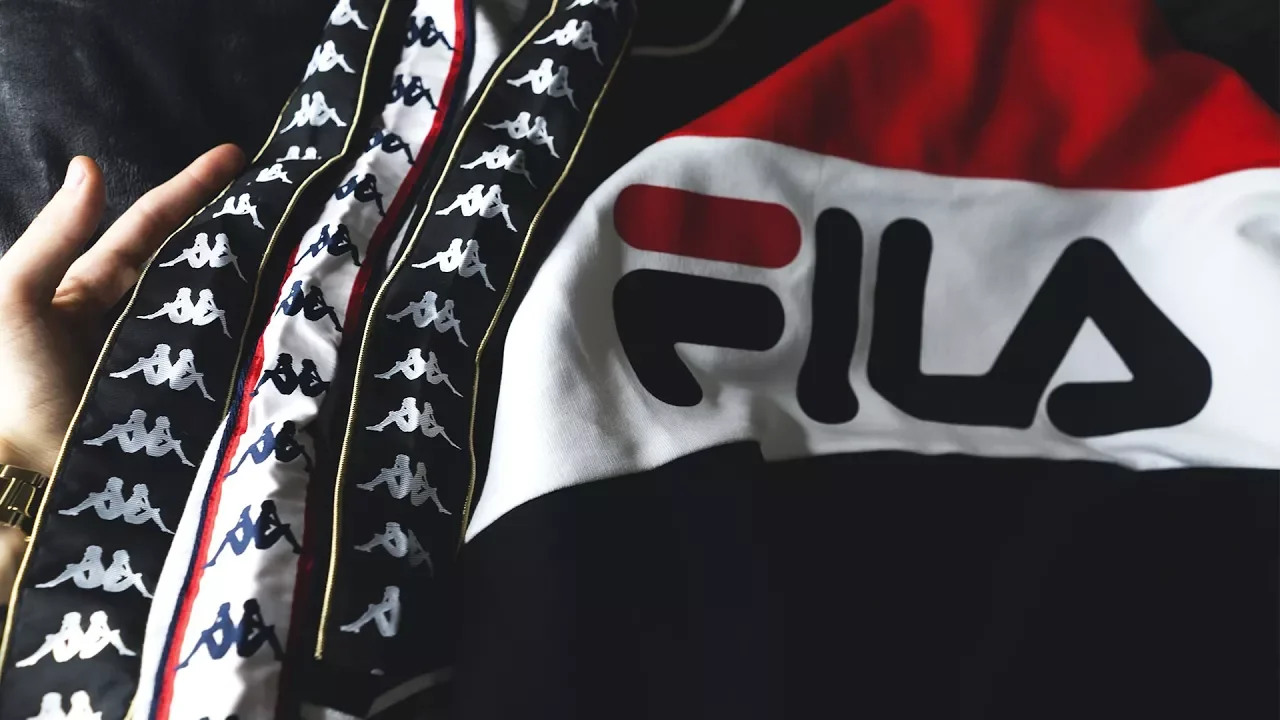
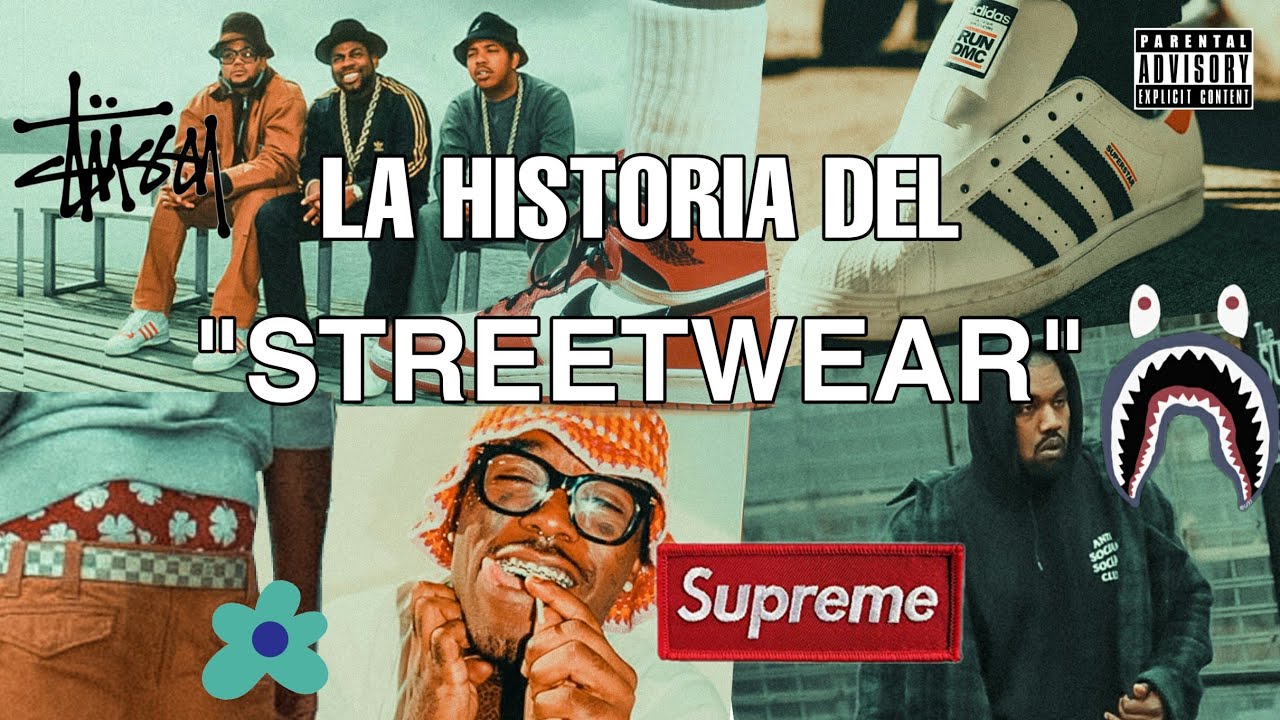
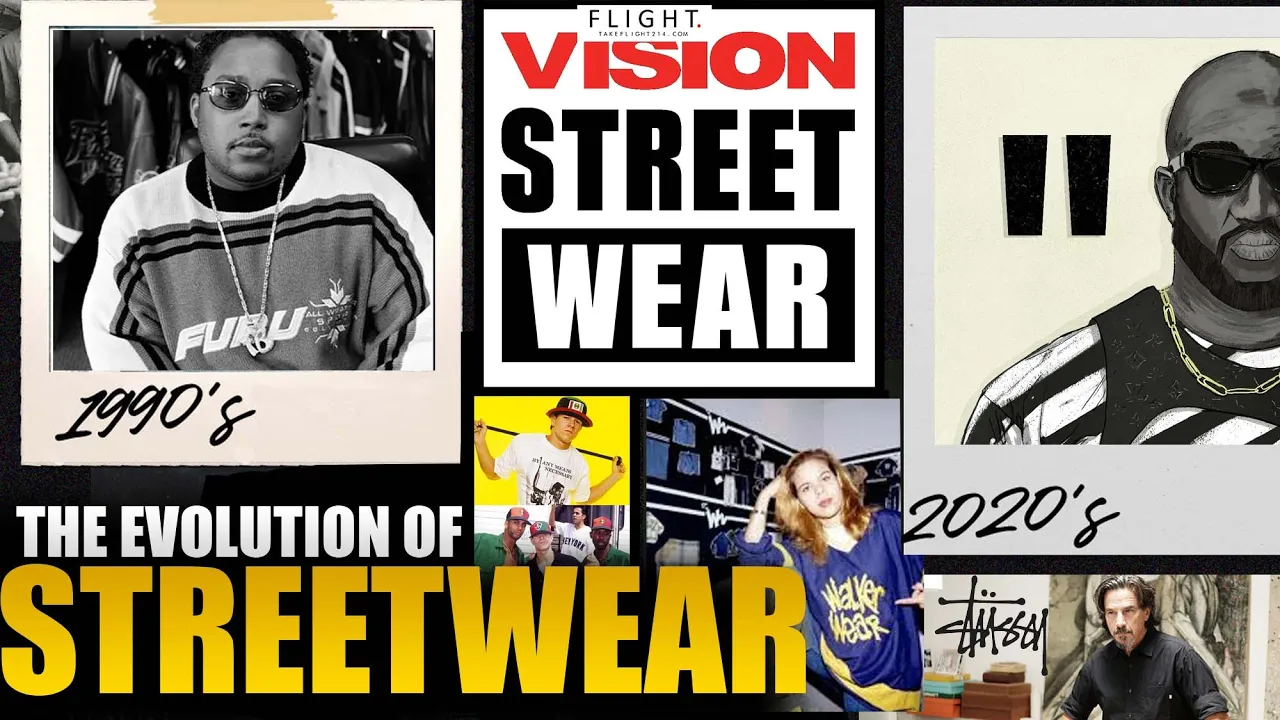
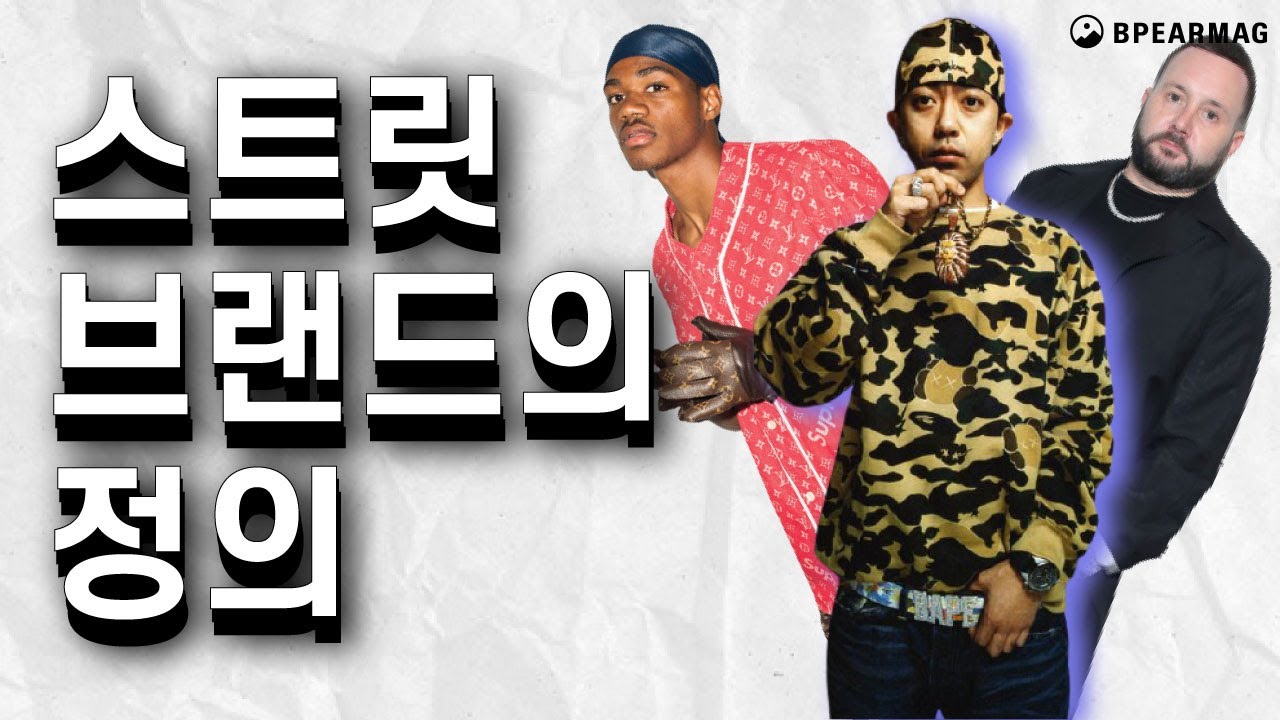
Streetwear has fundamentally transformed the fashion industry by introducing accessible exclusivity through hype culture and limited drops, which shifted the focus from craftsmanship to brand recognition and social media engagement; this model, pioneered by labels like Supreme and adopted by luxury houses, has created extreme brand loyalty, enabled secondary markets like StockX, and driven resale markets to grow 24 times faster than retail, with 71% of Instagram users under 35 making it the dominant demographic for fashion consumption.
Streetwear's Impact on Luxury Fashion Industry | Analysis
Added:Understanding the traditional business model of luxury fashion, including heritage branding, high barriers to entry, and exclusive distribution channels.
The history and subcultural origins of streetwear, specifically its roots in skateboarding, surf culture, and hip-hop communities in the late 20th century.
Basic consumer psychology concepts, particularly the Veblen effect (where high prices increase desirability) and social identity theory in fashion.
The retail concept of 'artificial scarcity' and how the 'drop' model functions to drive urgent consumer demand.
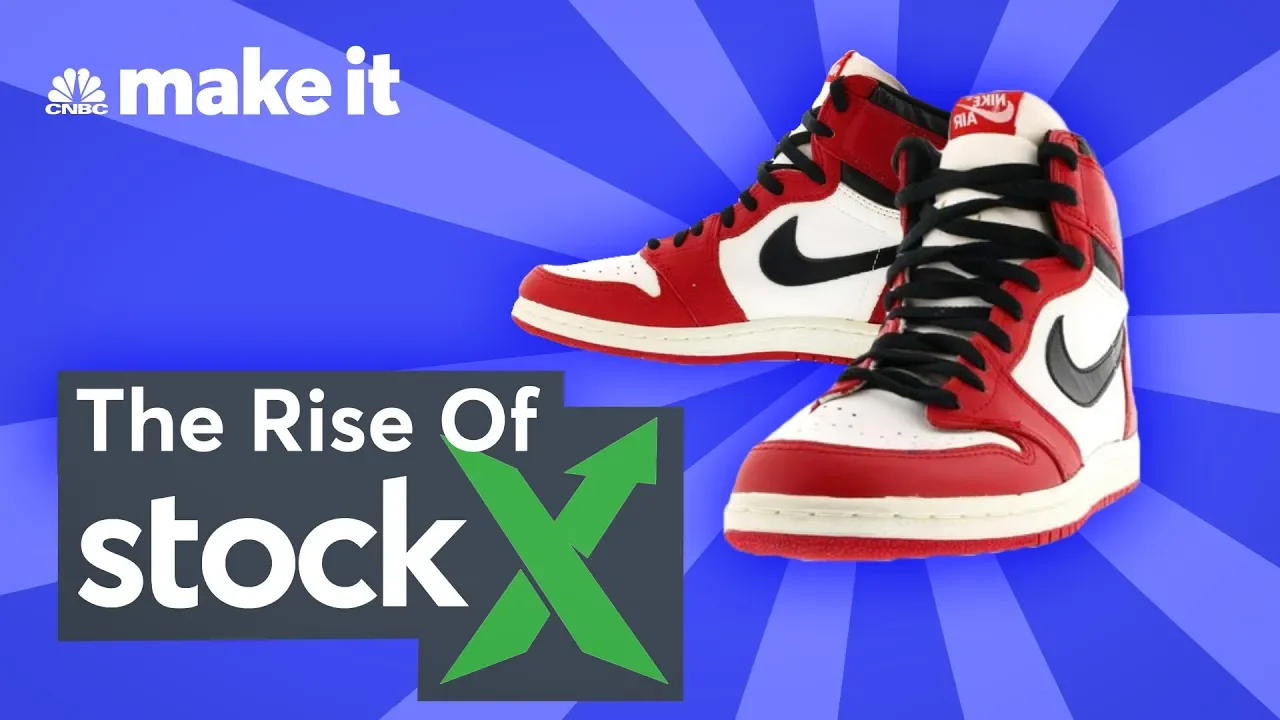
Analyzing the economic dynamics and rise of the secondary fashion resale market (e.g., StockX, Grailed) and the financialization of consumer goods.
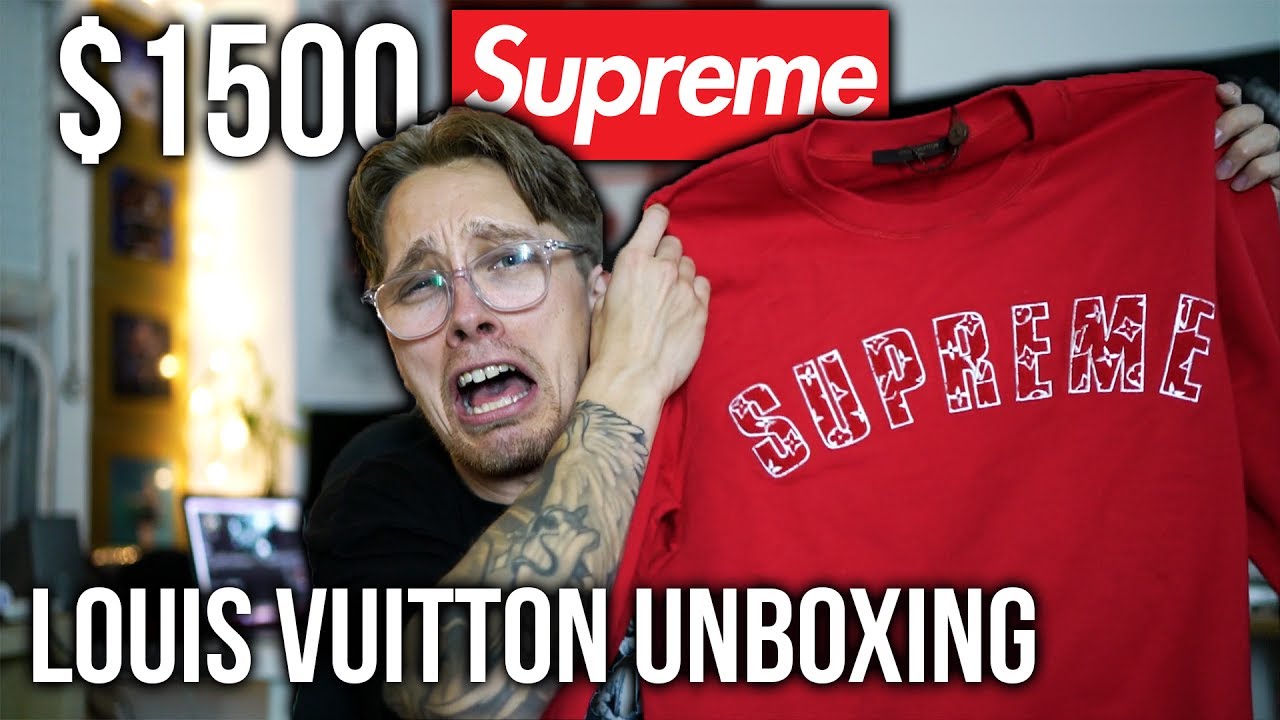
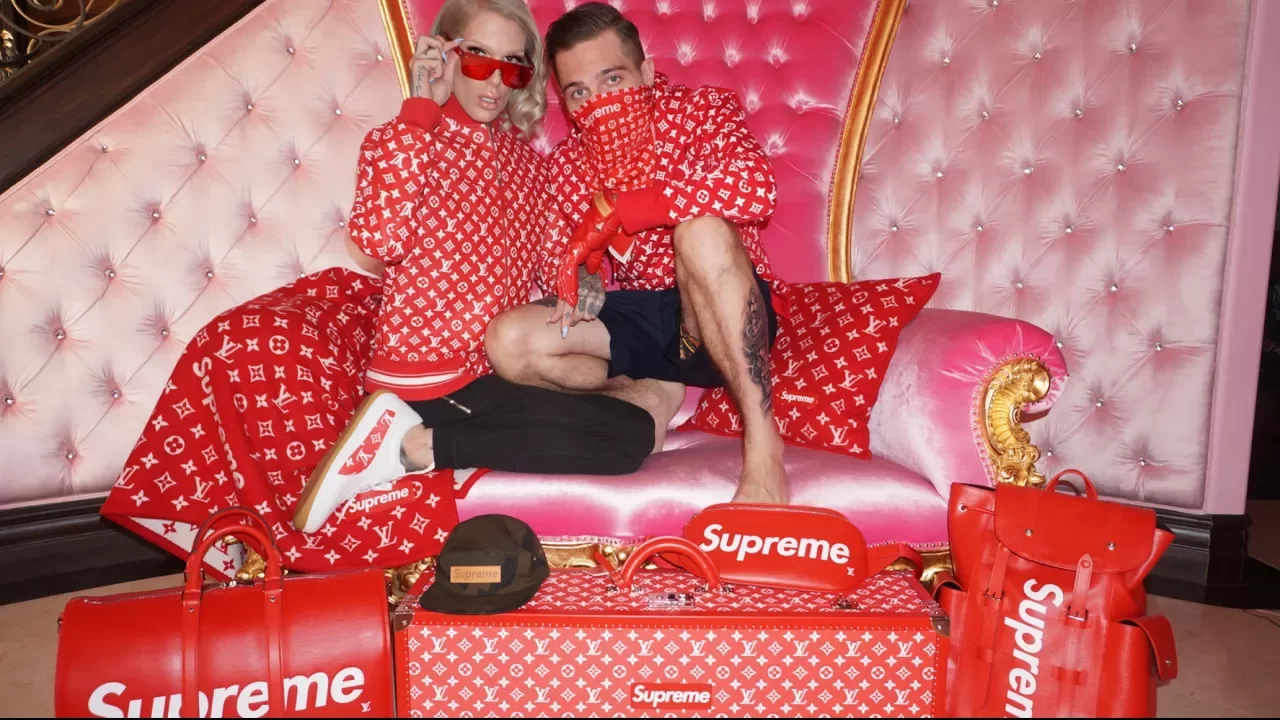
Evaluating the strategic risks and rewards of luxury-streetwear brand collaborations (e.g., Supreme x Louis Vuitton) and the potential for brand dilution.
Examining the environmental sustainability implications of hype culture, specifically the conflict between high-frequency consumption and sustainable practices.
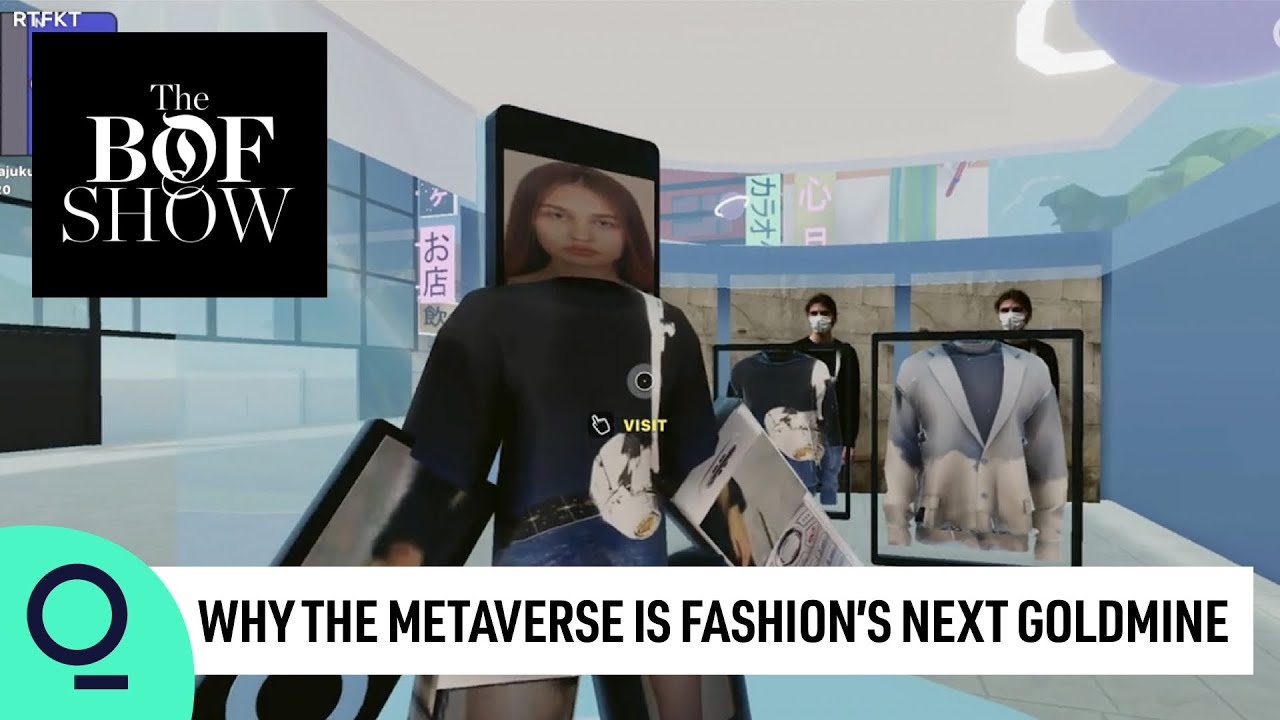
Exploring the transition of streetwear into digital assets, including virtual fashion, NFTs, and metaverse-based brand engagement.
37.6K views1.5Klikes9:13Original Release: 2019-07-02
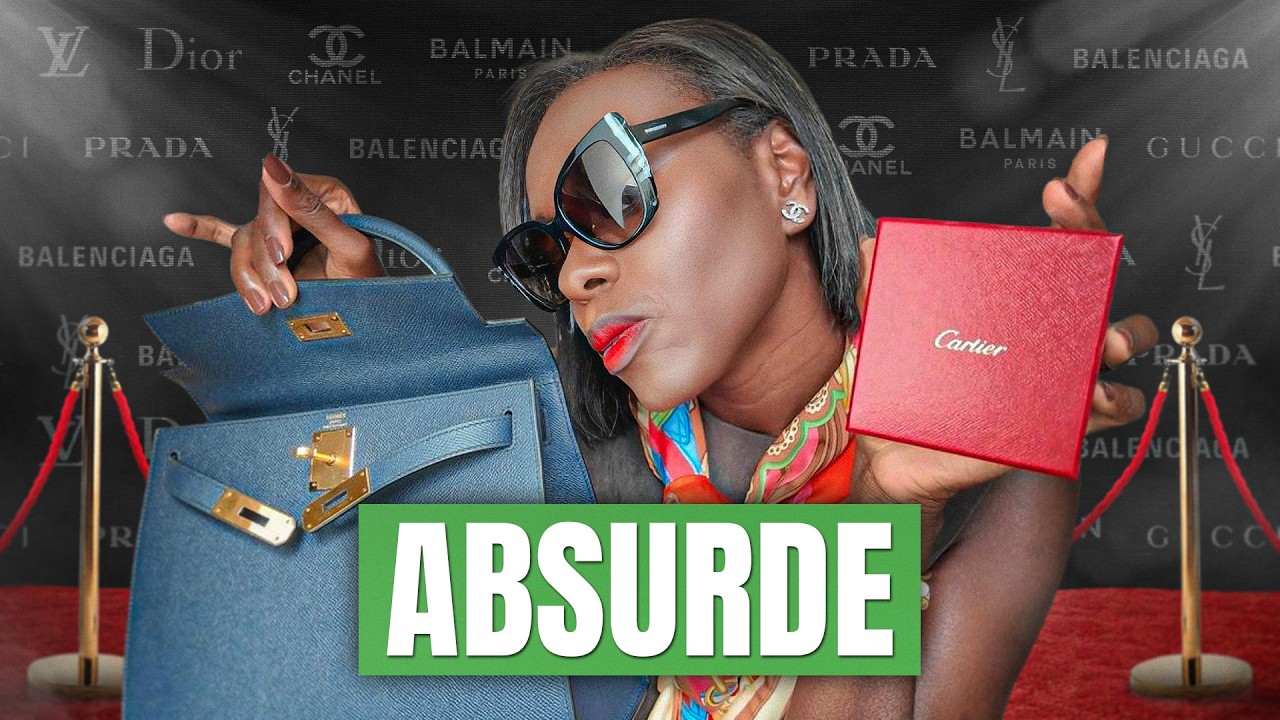
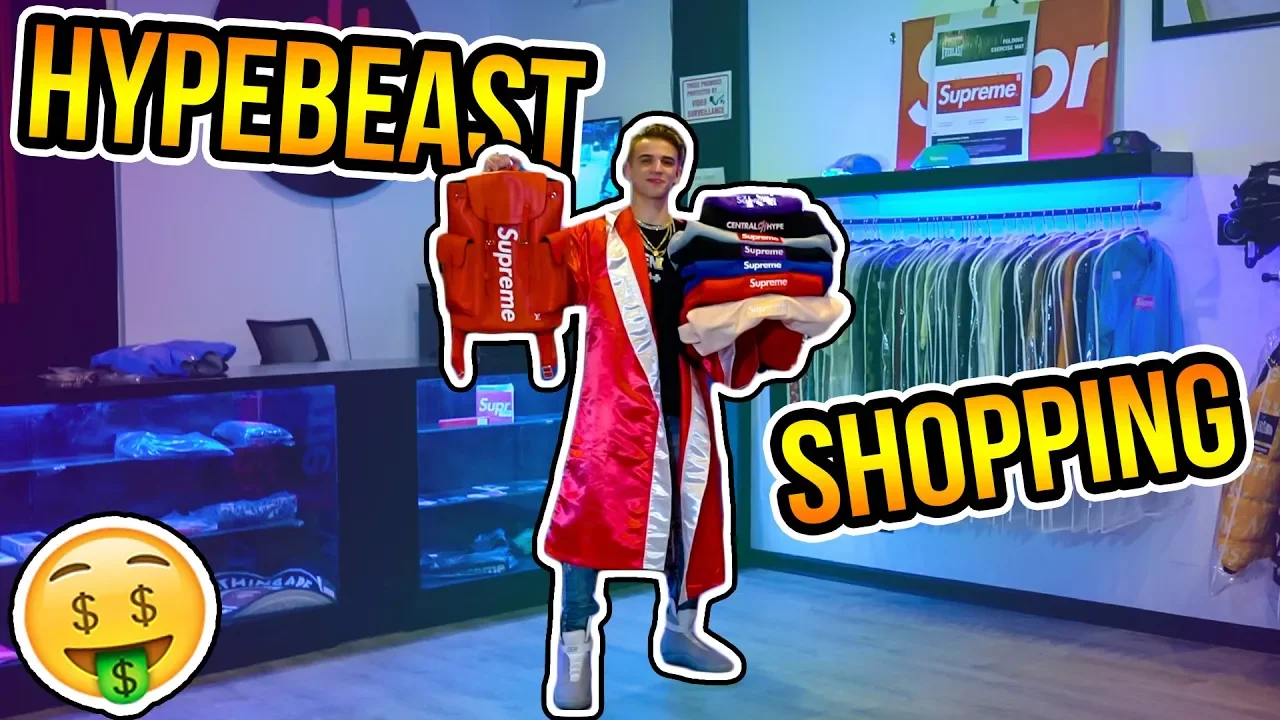
what's up everybody it's your boy Reggie cash warm welcome to the state where we discuss disseminate and debate fashion to close the industry the lifestyles and the culture surrounding it today we're talking the state of luxury and how street wear has almost completely taken over whether you like it or not just happen let's get it there was a time when craftsmanship materials in art mattered most in fashion what with rare pieces made by the delicate hands of master artisans but what was once appreciation for the depth of hand is now replaced by opulence in braggadocio wait it's not true it's always been about braggadocio and opulence the fact of the matter is high society fashion industry socialites are bit peeved that everyone who has interest in fashion any on everyone has access to it now because the street wear model is being adopted by most of the storied labels in history street wear for all its faults mainly the hype culture surrounding it provided one thing that high-end fashion couldn't accessible exclusivity this model led to extreme loyalty to brands another con but this extreme loyal behavior planted the seed to something much larger brewing under the surface for the early street wear head it was a proclamation thing to wear a shirt or piece of clothing with the logo boldly in the middle of it meant you are a part of something that industry didn't quite understand street wear was rebellious it was a middle finger directly to the industry out loud and so all those out loud heads grew up and made money and now they had access to what they didn't before and they influenced kids who now have access and unfortunately for the industry this all transpired in the age of evasion and information this age has propelled streetwear among many other things into the forefront of fashion spurred on by supreme and its exclusive drops picked up by Japanese labels like babe that added scarcity to the mix or mastermind that focused on textile and quality and finally adopted by hip-hop and skate the dominant subcultures of the late 90s and early 2000s from Kanye to ASAP magazines to height beefs and finally to the advent of Instagram street wear was bound to take over turning once storied labels and brands to this merch lines essentially with capsules and collapse sure we still get the Grande runways they're still filled with celebrities and high-profile names gracing the floor but they have turned into as much showcase as Instagram Abul moments and it's all because the street wear model one just did the rise of social media from facebook to twitter to instagram has made fashion even richer than ever before so we can criticize LV for assigning virtualised immense artistic director or gifting Rihanna her own house we can even criticize Kanye for probably starting this entire fiasco but the reality is is that even storied fashion houses must behave this way in order to sell to an ever engaged landscape who have shorter attention spans due to the volume of information they also happen to be a lot younger fashion house is no longer can target the well-off socialite it's the Millennials and even more so than Jen's ears both entrenched in likes and follows makes sense 71% of Instagram users in the world are under the age of 35 what with Instagram being the number one place these people engage with these brands so if you're not plastering your name everywhere on shirts and hoodies and accessories to people who are used to it via street wear or you're not on a rapper song or if you're not at least aligned with the right people making stories around your label then you the risk of being left behind they are in the business of making money for these individuals who they're targeting who came from Street where they're used to one thing exclusivity well two things exclusivity and letting everybody know about it unless we forget the industries and platforms that arose from this demand for exclusivity companies like grilled stock X and more that act a secondary markets that reward those savvy enough hungry enough and frankly with enough duckets to capitalize on the hype something very much in line with street where the old paradigm of the fashion industry was that if you weren't in the know about a designer or collection it would simply learn more about it and follow it later but the street wear model punishes you for not knowing at the beginning who's next what's hot and often how much can I make off of it are questions many who engage with fashion these days asked knowledge of drops and releases aren't evaluated on merit alone but often on return of investment as such high-end houses have to engage more there's more competition meme campaigns by gucci pop culture with LV and of course logo apparel throughout and this gave rise to luxury street wear name recognition means everything coupled this with engagement and you have boosted sales of all luxury goods by 5% in 2017 in china it's even more glaring resale or our e-commerce as they call it has become a booming business reaching 71 billion in 2017 and expected to double in 2020 granted this is not just fashion but all secondhand and re commerce products it's still astounding to add to that nearly 50% of our e-commerce buyers and sellers in China are 24 and under and an additional 34% are between the ages of 25 and 30 making the millennial generation the most ready to shop generation of our time at least in China and I would suspect everywhere else the street wear model of exclusivity is becoming the norm for many labels jockeying for and when this model was adopted by high-end luxury the street wear height beasts and sneaker community was already primed as they had already been through the trenches through the likes of supreme Nike and Adi das like a normal thing to them like oh it's exclusive we got it it comes to no surprise that these ever-present labels like Nike and Adidas have aligned themselves with luxury more than ever before the results speak for themselves resale has become the new norm according to the world's largest online thrift shop the write-up resale is expected to grow 24 times faster than retail and resold apparel dominates that at 49% in America and the second-hand market is valued at 24 billion dollars and expected to grow 1.5 times faster than fast fashion and Millennials and Gen Z's buy resale at 2.5 times the rate of everyone else and according to Forbes overall people are buying twice as much clothing and using it half as long that's that's this year if you're watching it in 2019 this cultural shift has created a people in all of fashion as purists long for the days where luxury fashion was only accessible to the knowledgeable and discerning while adopters have largely turned it into a showcase of cool spectacle and business because as soon as something releases it's already old so the next time you see that small logo filled capsule drop by your favorite designer a house just understand that you can you're allowed to long for the days where it didn't matter but the industry is about making money it's a business and street wear right now is big business and there's plenty more to discuss but we'll leave that for another day the question today what do you think of the street wear model taking over a large swath of the luxury market do you support the transition do not care do do you care whatever just let your thoughts be no in the comments in the meantime give a thumbs up if you like this video follow you Boyd and the casual official on instagram at reggie casual and the casual dot co so stick by the athena if you haven't already don't forget to subscribe but most importantly keep it locked right here for all of your info on the international street fashion and culture from tokyo it's your boy and keep it casual you know smile I'll see you guys in a minute [Music]
Up Next

3:19
Retail Supply Chain: Definition, Steps, Key Players, and Management
@IntermodalLogistics
5.2K views•2022-03-18
46:36
Retention Habits of Top DTC Ecommerce Brands Revealed
@SendItPodcast
44K views•2026-03-03

15:23
Decoy Effect: How Pricing Psychology Influences Consumer Spending
@bobinvestsUS
90K views•2026-01-05

17:30
The Planned Obsolescence of Light Bulbs and Tech
@veritasium
25.3M views•2021-03-26
Related Study Plans & Knowledge Roadmaps
Structured learning paths in Business
business
Pop-Up Retail: Strategy, Design & Execution
01Introduction to Pop-Up Retail & Strategic Goal Setting
02Budgeting, Site Selection, and Legal Essentials
03Experiential Retail Design & Visual Merchandising
+ 2 more learning modules
15h5 modules
Explore Roadmap
business
Reg CF: Startup Funding, Marketing & Launch
01Introduction to Equity Crowdfunding & Reg CF
02Platform Selection & Legal Preparation
03Crafting High-Converting Campaign Assets
+ 2 more learning modules
14h5 modules
Explore Roadmap
business
Productized Services: Scaling Solo Freelance
01Foundations of Productized Services
02Packaging and Scope Definition
03Pricing and Subscription Models
+ 2 more learning modules
15h5 modules
Explore Roadmap
business
Gov Procurement: Find, Bid & Win Contracts
01Introduction to Government Procurement & Business Setup
02Small Business Certifications & Set-Asides
03Finding and Analyzing Contract Opportunities
+ 2 more learning modules
14h5 modules
Explore Roadmap