

![How to Value Your Startup? [Part 2- Startup Jargon Buster Webinar Series]](https://i.ytimg.com/vi/0x7L-605or0/maxresdefault.jpg)
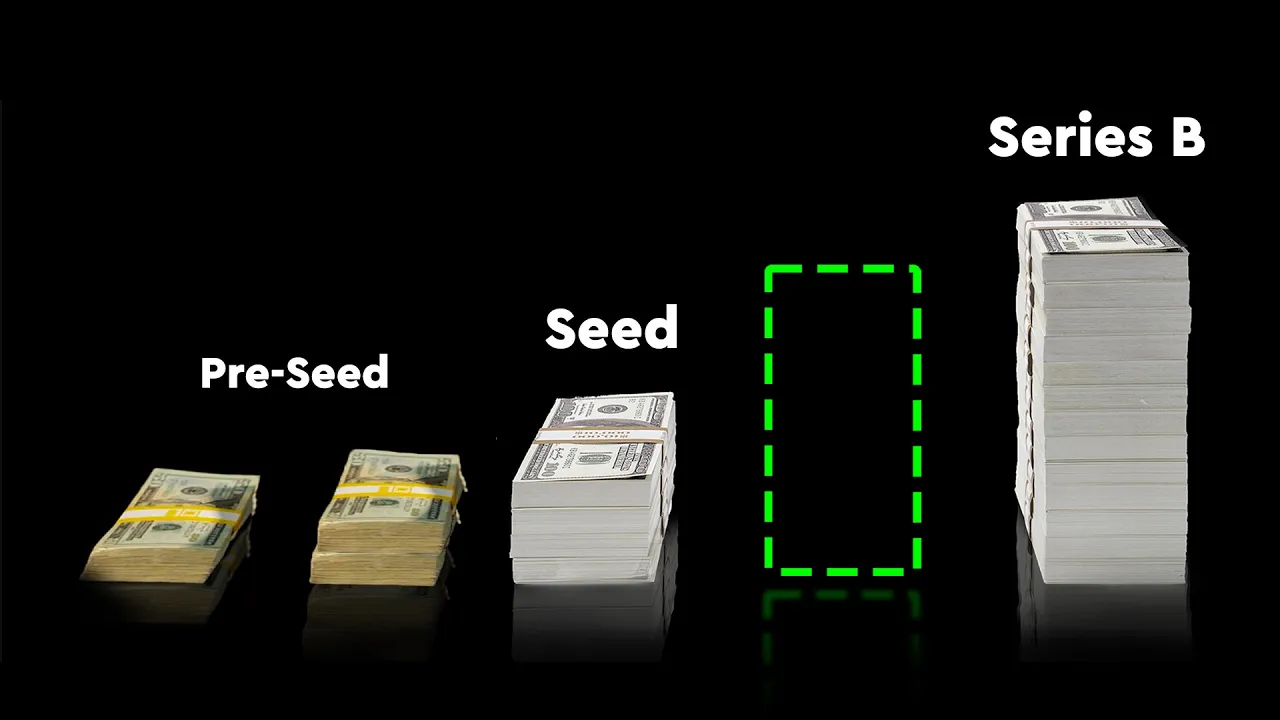
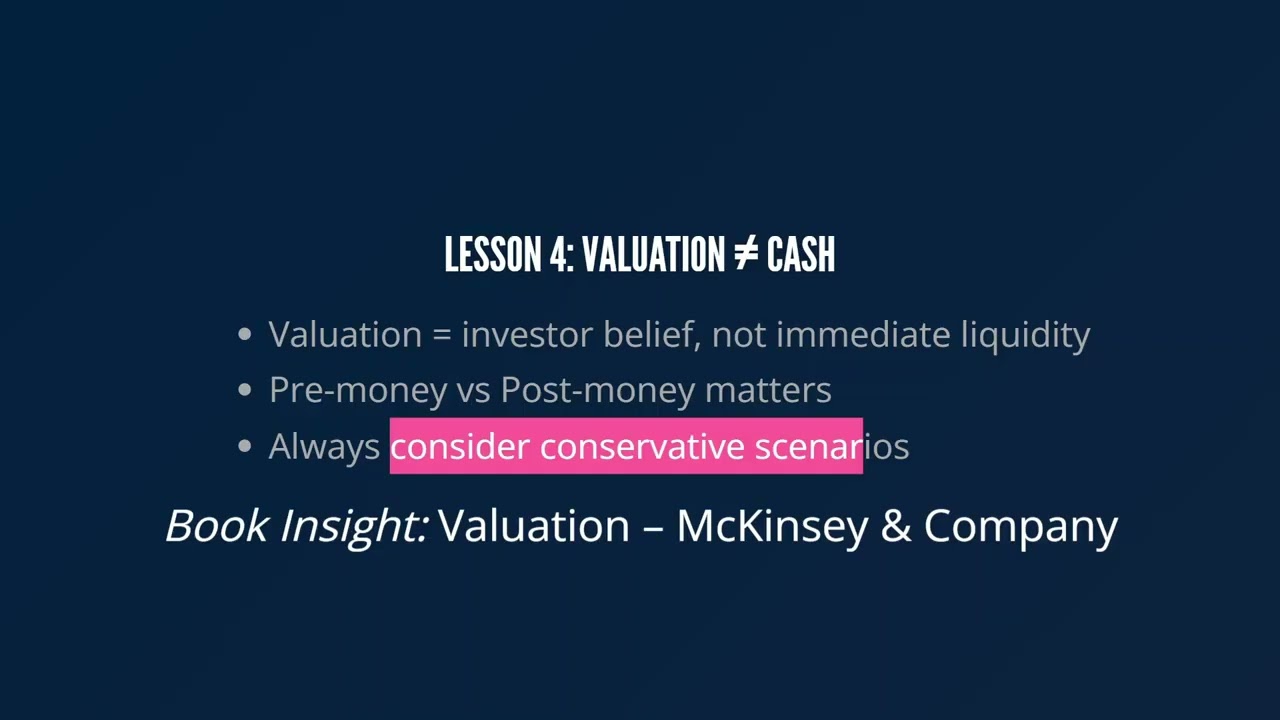
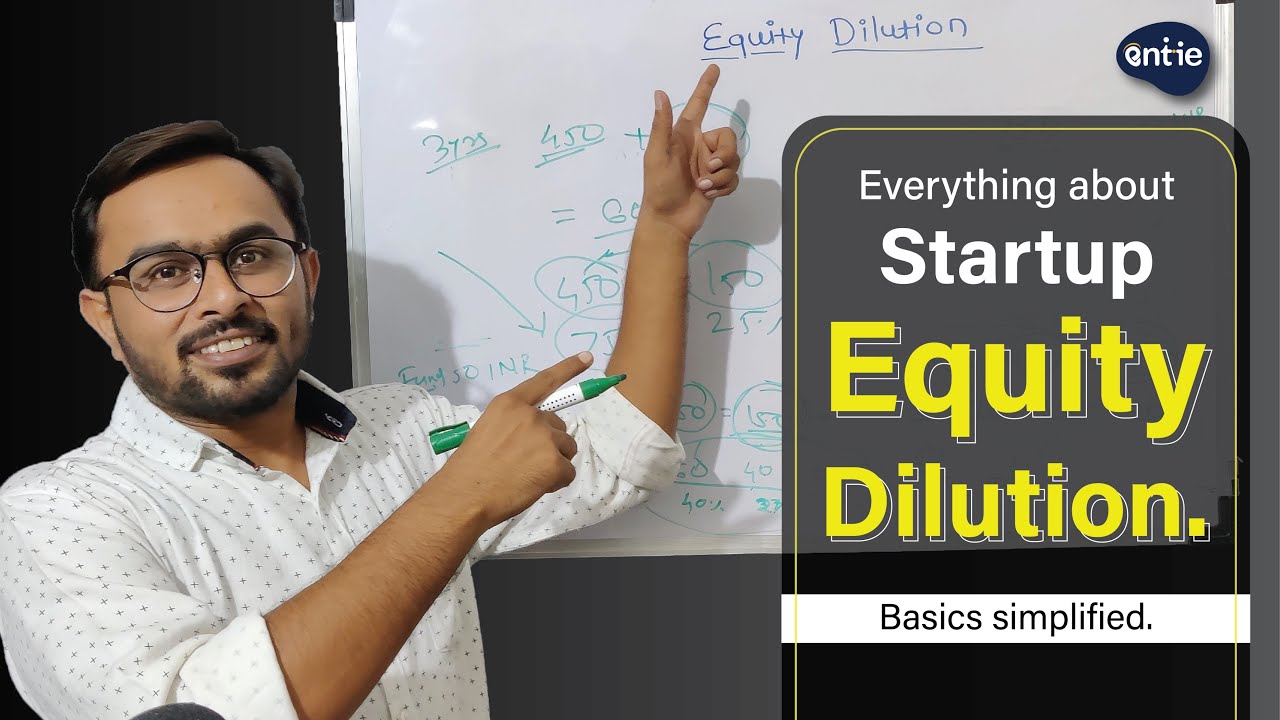











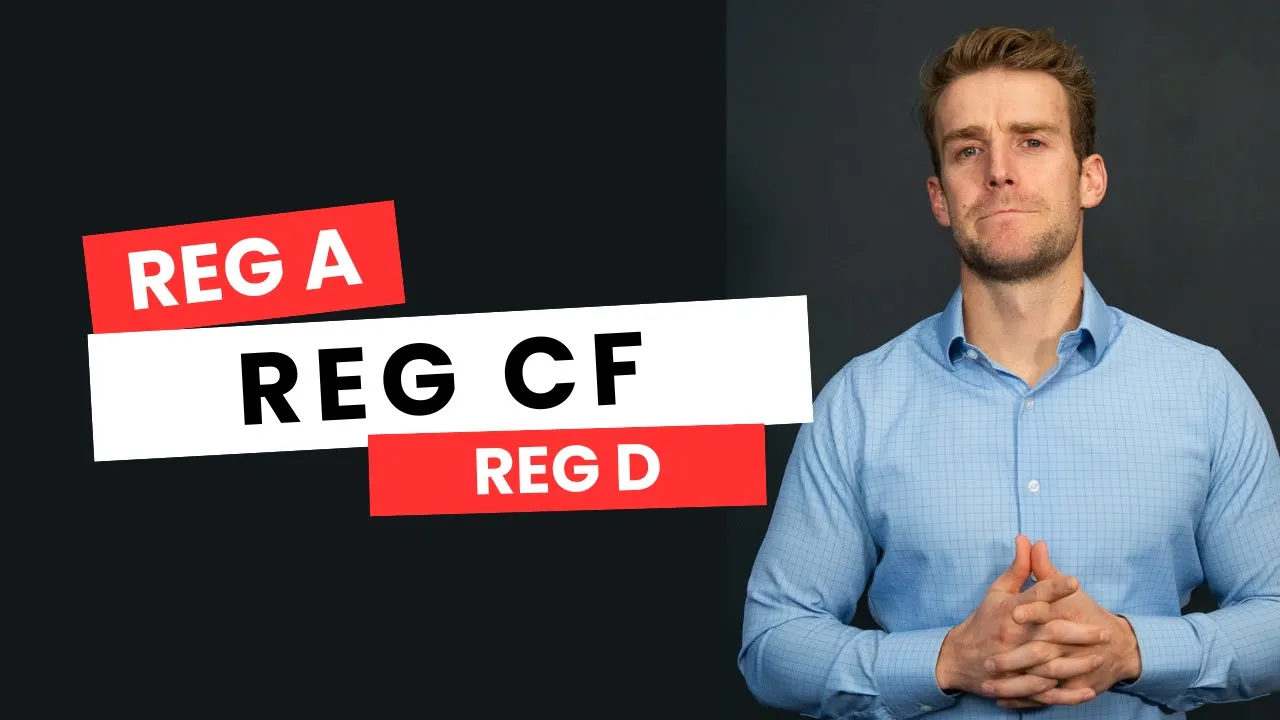





Equity crowdfunding is a regulatory framework (Regulation CF) that allows private companies to raise capital from both accredited and non-accredited investors through online platforms, democratizing access to early-stage investment opportunities that were previously limited to wealthy individuals or institutional investors; unlike traditional crowdfunding which involves pre-selling products, equity crowdfunding enables ordinary people to purchase company shares in exchange for potential ownership stakes and returns, with platforms like Wefunder, StartEngine, and Republic facilitating these transactions while complying with SEC requirements.
Equity Crowdfunding Explained: Regulation CF & Investor Guide
Added:The distinction between accredited and non-accredited investors under SEC guidelines.
Fundamentals of startup equity, business valuation, and how dilution works.
Traditional startup funding mechanisms, including angel investing, venture capital, and bootstrapping.
Basic understanding of the Securities and Exchange Commission (SEC) and the purpose of securities regulation.
Analyzing other private placement exemptions, specifically Regulation D (Rule 506b/506c) and Regulation A+.
Evaluating investment vehicles common in equity crowdfunding, such as SAFEs (Simple Agreements for Future Equity) and convertible notes.
Post-raise compliance, ongoing disclosure requirements (Form C-AR), and investor relations management for startups.
Structuring a highly diversified startup investment portfolio and managing liquidity risk in private markets.
18.2K views583likes12:40Original Release: 2020-11-09
what is equity crowdfunding that is the topic of today's video i'm gonna break down the difference between traditional crowdfunding and equity crowdfunding i'm gonna explain a little bit about how it works i'm also gonna overview some of the platforms that are available to either raise money on if you're the entrepreneur or to invest in if you're the investor i'm also going to share a little bit about the numbers of how that works and the future of where equity crowdfunding is going now i'm going to be sharing this perspective from the entrepreneur as well as the investor i personally have raised twice through equity crowdfunding for my company over half a million dollars i did a video on that topic so if you haven't already checked it out and you're interested in raising money for your company make sure you check it out linked in the description below i'm also an investor in a lot of companies via equity crowdfunding if you haven't already checked out my video how to invest in startups a beginner's guide to angel investing make sure you check out that video it's actually one of my most popular videos check it out linked in the description below now you're probably already familiar with crowdfunding crowdfunding is basically funding a project or a business with a small amount of money from a large number of people you guys have probably seen the platforms like kickstarter or launchgood indiegogo these have been around for a little over a decade and basically you can pre-sell a product so you can be pre-product and you're about to launch and you're collecting funds and you can pre-buy the product for ten dollars fifty dollars a hundred whatever the product may be maybe the company is pre-revenue you can pre-sell there's a lot of different ways to go about it but oftentimes these are very early stage businesses or organizations they may be mission driven they may be profit oriented but you get a very big variety and diversity of companies that are trying to raise funds on one of these platforms the most notable is probably oculus vr now if you're not familiar oculus launched in 2014 on kickstarter i believe and they were sold to facebook for two billion dollars so uh crowdfunding has been around and we've seen some wild success like that but equity crowdfunding is relatively new compared to traditional crowdfunding and it is essentially an investment round with the crowd so you have traditional investing you know private investing in these private companies but now we're opening it up to pretty much anyone and this is a pretty big shift that's happened here in the last four or five years or so and basically this expands the traditional friends and family around so we've all heard this story someone has an idea for a company they just started it they have a rich uncle and the rich uncle gives them five hundred thousand dollars or a hundred thousand dollars or fifty thousand dollars to start the business if someone's uh from a well-off background you know it's a lot easier for them to access that capital because their immediate friends and family have the funds and so traditionally that is how you could raise money if you were in that position and with equity crowdfunding it's basically democratized the fundraising process because now with a website and landing page you can pretty much raise money from literally anyone so you get the benefit of a massive crowd and people can invest smaller chunks of money and basically you can publicly ask for funds from both accredited and non-accredited investors so if you have a legally set up equity crowdfunding campaign you can actually publicly solicit funds from anyone and in a traditional sense you actually can't do that that is illegal you cannot publicly solicit funds from professional investors let alone anyone so i mentioned the word accredited versus non-accredited investors and so we're going to jump here we're going to talk about what an accredited investor is and why it matters so by the sec the security and exchange commission this is the government the united states they basically say an accredited investor is someone who makes over two hundred thousand dollars per year or three hundred thousand for the family you know man or wife and then uh has over a million dollars in assets excluding the primary residence um and so this is basically a very affluent person and 90 some percent of the population does not fall into this category so up until the jobs act of 2012 and title 3 in 2016 it was actually illegal for anyone to invest in a private company if they didn't fit this criteria and so now with title three as of 2016 literally anyone can set up one of these pages if they're approved they can file a form c with the sec and now you can publicly solicit funds for your business from both accredited and non-accredited investors in fact my company in 2017 was one of the first companies to actually do this publicly launched on wefunder again i mentioned i already did a video where i raised over half a million dollars through equity crowdfunding on the platform wii funder so if you're an entrepreneur and you're looking to raise capital i highly recommend checking out that video let's go back to talking about equity crowdfunding so on these platforms typically you can raise anywhere from 50 000 up to 1.07 million dollars now that's in regulation crowdfunding you can also form a reg d so if you're going to end up raising more than a million dollars and you already have a campaign running you can actually push beyond that but you have to sort of open another offering separate from regulation cf and i mentioned regulation cf cf being short for crowd funding that is the legal name now there's three big platforms there's actually a couple dozen of them three of the biggest i already mentioned we funder that our company raised twice on there's start engine and there's republic now i mentioned these three platforms and i'll link their information down below if you guys are interested check them out there's tons of companies that are raising typically business to consumer but there's also b2b type companies and the way it works you might be thinking like how does this actually work so if you're going to raise funds you have to actually file a form c with the sec so there's a little bit of legal and accounting logistics but it's really been simplified over the last few years it takes about three to four weeks to have that legal stuff set up and then if you're gonna raise normally these campaigns are open from anywhere from a couple of weeks about a month to three months and that's when if you're the investor you have the opportunity to invest in these companies now the campaigns can be open for much longer and they can be open rolling so i did mention you can raise up to a million dollars and that has to be done within a 12-month period so sometimes companies will actually open up a round raise some capital in a tranche they'll close the round and then four or six months later they've accomplished certain milestones and then they raise money again they open up the campaign for a short period of time in our first campaign we were open for about four months and then on our second campaign we raised close to half a million dollars in only three weeks so it can be done a number of different ways you might be thinking why would you want to do this if you're the entrepreneur and i'll talk about why you want to invest if you're the investor so why if you're the entrepreneur three reasons number one you get access to pretty much anyone the market can invest and these people can be in uh evangelists and ambassadors for your business so if you're a b2c especially you can basically have you know a thousand people who already use your product now are investors and they're gonna promote your product you're offering your service much more than they would because now they're an investor they own part of the company additionally you can raise funds faster i mean think about it if you just set up a page versus having lots of meetings you know you can't meet with a thousand people but you can raise from a thousand people in two weeks and you can't really do that in a more traditional setting and thirdly again you get access to the marketplace the platform of investors who are already looking for companies or they've already invested in a specific startup and then yours pops up and maybe they're interested in it so by the numbers and these are we funder numbers so i want to clarify uh johnny price if you're if you're listening director of fundraising i listened to an interview and that's where i got these uh numbers from basically by we funders numbers uh 90 of the campaigns are raising in equity round what that means is a third of them are either doing a price round so a five million dollar evaluation is what you're buying into or it's a convertible note so basically you're investing it's a loan but it converts into equity and future financing and then a third of that 90 our invest are setting up a safe simple agreement for future equity which basically means that you're investing for the right to have equity in the future when the company raises additional financing both of my company's rounds were done via a safe if you guys are interested let me know in the question in the comments i can answer questions about that and then the other 10 are doing more traditional like interest or revenue share kind of what a bank does so you set out a loan and then you have to pay it back or you get revenue share from the company's success in the future now you might be thinking if you're the investor why would you want to invest in something like this basically you're investing at the earliest stage of the business you're helping the entrepreneur bring their idea to life so if you go and invest in a company like apple or facebook these companies are already very mature they're in the public market for a reason because they've already achieved significant scale and now your funds are basically just fueling the growth of an existing machine from both the entrepreneurial side of helping someone take their idea and bring it to life that really feels great to be able to help the entrepreneur but also from a financial perspective you're able to see the highest return on investment because you're investing at the lowest valuation if you were to invest in say an oculus company and then it exits for two billion or it goes public you know you're gonna a thousand times or ten thousand times or hundred thousand times your money not to say that happens to everyone but you have the opportunity to do that so if you're interested in learning how to invest in startups make sure you check out that video linked in the description below another number here that's really interesting is the scale of what's happening in the marketplace this is growing very fast um we funder is doing about 10 million dollars in funds raised through the companies on the platform every single month now i believe a year ago it was like one or two million so in a year just one of these platforms is seeing five times as much investment volume going through the platform into startup companies if you can project out in the year 2021 2022 2023 these platforms will be much larger by the scale the number of companies the quality of companies that are raising as well as the amount that is being raised and invested into these companies when we look at the future where is this going number one covid has accelerated this because you know it's very difficult to fly out to a meeting with an investor if you want to have a meeting at a coffee shop it's just not going to happen and rather than setting up zoom call or video call after video call you set up an online equity crowdfunding campaign you raise money from 500 or a thousand different investors in one shot in a month and it just saves time so a lot of companies have re have gone to equity crowdfunding because it's just easier and faster to raise funds especially considering a lot of vc funds have really tightened their belts and they become quite frankly more stingy so the public investor the you know the retail investor like yourself watching this video or me we have access now to these companies that really weren't thinking about raising before but now they've been pushed into equity crowdfunding and we can benefit out of that as the investor or even as the entrepreneur and i did mention having meetings versus online you know it just doesn't make sense to go and have meetings individually when you can do it at scale this is you know the the millennial where we are using technology to scale things so it makes a lot of sense and we're democratizing funding so that's why i'm really interested in this that's why i decided to with my own company and with my own money to go this route just because you have the opportunity to really see that potential high return on investment on the finance side but also to help other entrepreneurs and other people have helped us bring our vision to life at our company and finally the sec is considering raising the limit from 1 million to 5 million and if that happens discussed right now i believe that would be huge because now a lot more companies are going to consider this route of financing because you can raise up to five million dollars so the quality of the companies the stage of the companies is going to be a lot more mature not close to public market but more mature at the earlier stages the seed series a round and traditionally now you know it's more like pre-seed seed rounds so we're going to see more series a rounds or at least seed rounds come online and that's going to really increase the odds for you as the investor to invest in some really big winners and if you're the entrepreneur maybe you're not looking at this from the investor perspective but you're going to be able to get on in front of a more sophisticated investor class that have more money to invest so hopefully that it all makes sense and if it did let me know in the comments if you have any questions thank you again for watching all the way to the end of this video check out all of my other videos talking about entrepreneurship investing in startups building startups please invest in me by giving this video a like and subscribing to the channel and until next time keep hustling you
Up Next

4:07
Pre-Seed Startup Valuation: Setting Your Cap Correctly
@mat_Sherman
5.6K views•2022-06-30

46:36
Retention Habits of Top DTC Ecommerce Brands Revealed
@SendItPodcast
44K views•2026-03-03

15:23
Decoy Effect: How Pricing Psychology Influences Consumer Spending
@bobinvestsUS
90K views•2026-01-05

17:30
The Planned Obsolescence of Light Bulbs and Tech
@veritasium
25.3M views•2021-03-26
Related Study Plans & Knowledge Roadmaps
Structured learning paths in Business
business
Pop-Up Retail: Strategy, Design & Execution
01Introduction to Pop-Up Retail & Strategic Goal Setting
02Budgeting, Site Selection, and Legal Essentials
03Experiential Retail Design & Visual Merchandising
+ 2 more learning modules
15h5 modules
Explore Roadmap
business
Reg CF: Startup Funding, Marketing & Launch
01Introduction to Equity Crowdfunding & Reg CF
02Platform Selection & Legal Preparation
03Crafting High-Converting Campaign Assets
+ 2 more learning modules
14h5 modules
Explore Roadmap
business
Productized Services: Scaling Solo Freelance
01Foundations of Productized Services
02Packaging and Scope Definition
03Pricing and Subscription Models
+ 2 more learning modules
15h5 modules
Explore Roadmap
business
Gov Procurement: Find, Bid & Win Contracts
01Introduction to Government Procurement & Business Setup
02Small Business Certifications & Set-Asides
03Finding and Analyzing Contract Opportunities
+ 2 more learning modules
14h5 modules
Explore Roadmap