




















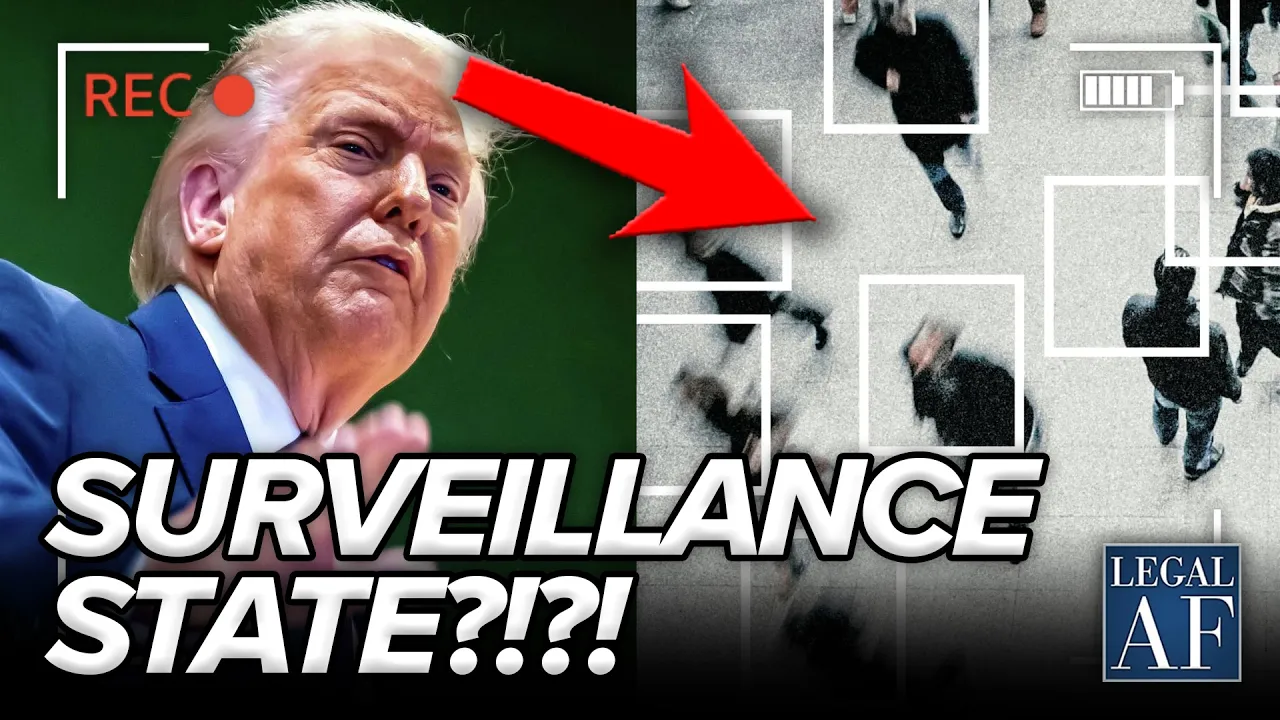


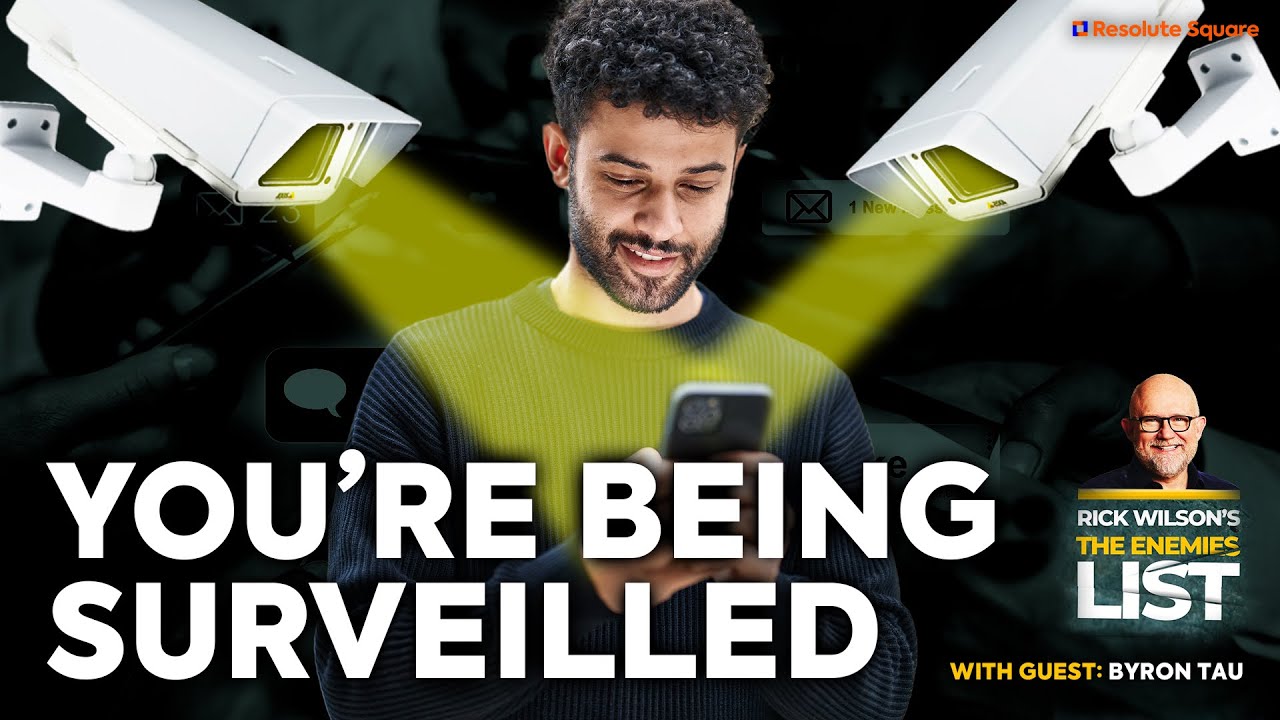

Mass surveillance programs conducted by intelligence agencies often operate without proper judicial oversight and may violate constitutional protections, as demonstrated by the fact that courts have ruled some surveillance practices unlawful; the fundamental principle is that individuals should have the right to privacy in their communications and activities, and that government surveillance must be subject to appropriate legal constraints and oversight mechanisms to prevent abuse of power.
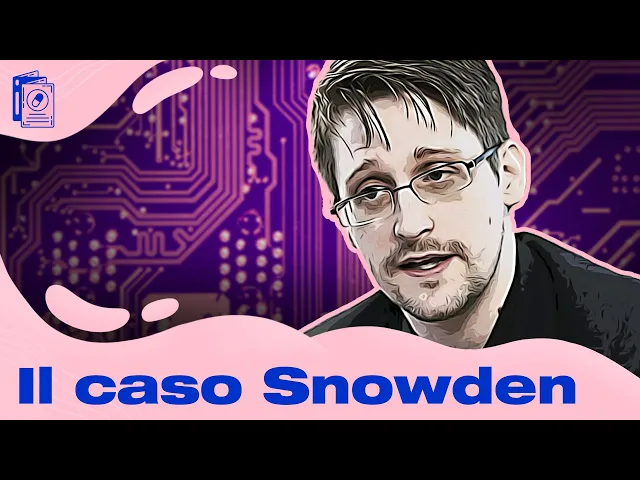
Media Interview: Edward Snowden on NSA Surveillance, Whistleblowing & Data Privacy
Added:Understanding the basic role and authority of the National Security Agency (NSA) and the post-9/11 legislative framework, specifically the USA PATRIOT Act.
The fundamental distinction between 'metadata' (e.g., call logs, timestamps) and 'content data' (e.g., the actual audio of a call or text of an email).
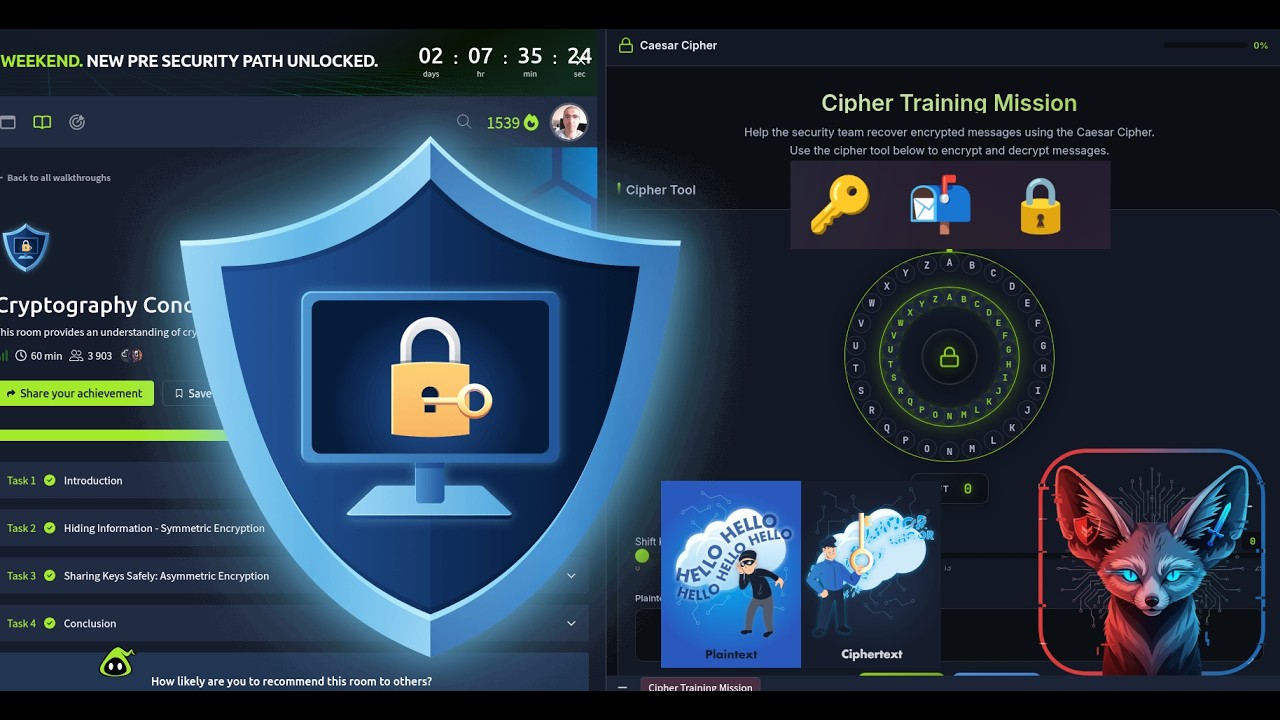
Basic cryptographic concepts, including how encryption protects data in transit and the difference between symmetric and asymmetric encryption.
The ethical and legal definition of whistleblowing, including the distinction between authorized reporting channels and public leaking.
Analyzing the legislative and policy reforms triggered by the 2013 disclosures, such as the passage of the USA Freedom Act and the introduction of the GDPR in Europe.
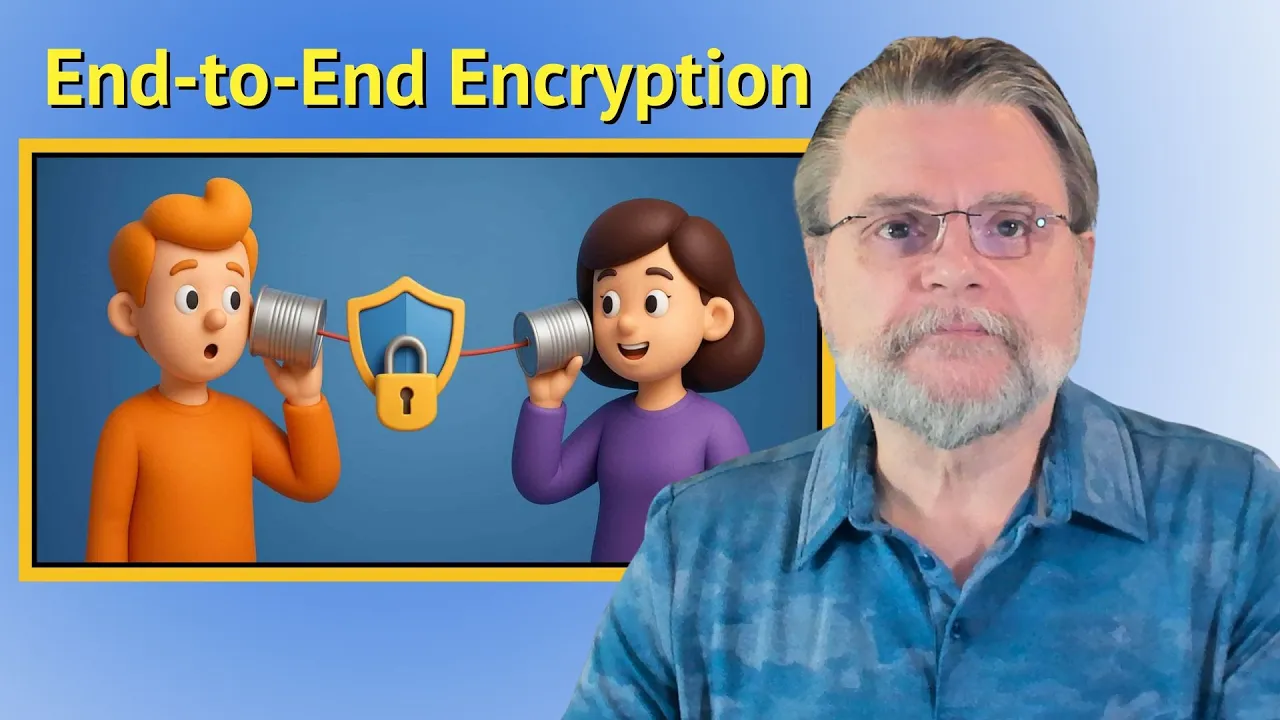
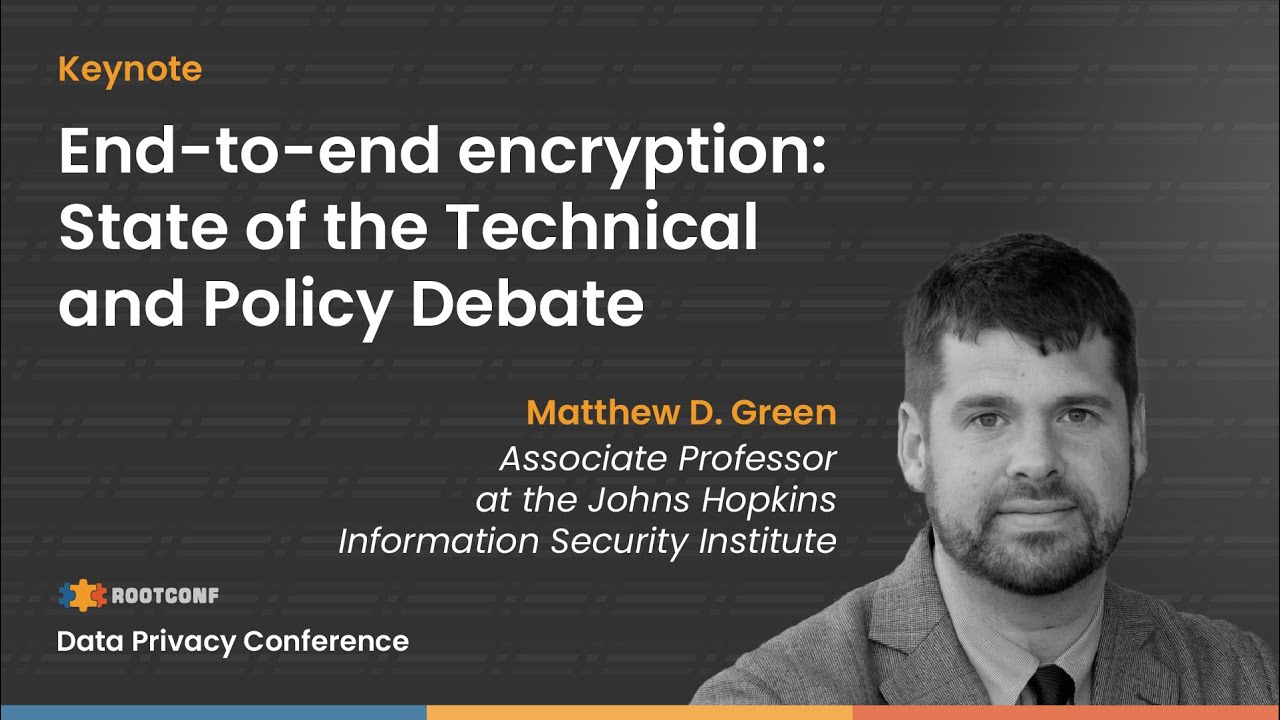
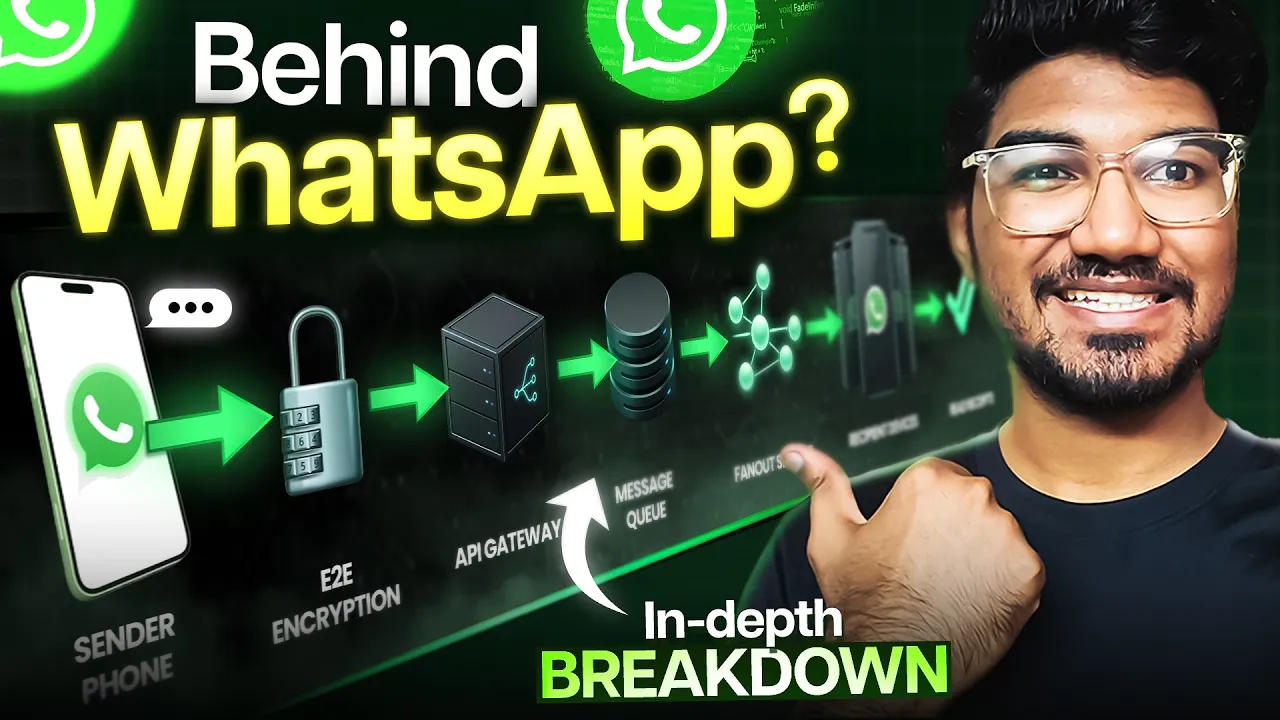
Advanced study of end-to-end encryption (E2EE) protocols (e.g., Signal Protocol) and the ongoing 'Going Dark' debate regarding government encryption backdoors.
Exploration of the 'Five Eyes' intelligence alliance and the geopolitical implications of global signals intelligence (SIGINT) sharing.
Examining the concept of 'Surveillance Capitalism' and how private corporate data collection intersects with government surveillance programs.
45.3K views2.1Klikes1:44:15Original Release: 2025-03-03
[Music] four years ago I interviewed Edward Snowden the military contractor who revealed US government secrets now he lives in Exile in Russia we talked via Zoom did Snowden do the right thing I was skeptical but I'm no national security specialist and after researching snowden's actions and talking more with him I clude he did do the right thing so should he be pardoned you decide here's our full interview you went to work for the government you signed agreements saying you wouldn't talk about what you did why go to the media we talk about uh awards for progress in civil liberties we talk about the importance of independent thought um and the history of it and this is really what it is you know I I I did sign up to work for the government um I volunteered for the Army I I applied to the CIA I worked as a contractor uh in NSA facilities on NSA computers again and again and again people think contractors like you're working in a different building but no you're you're it's just a con continuation of government service and also you joined the military after 911 because you wanted to fight I did when everyone else was protesting I was a younger man and I was is uh much less politically educated I'd like to think than I am uh today you know some things only come with experience but so yeah it it raises this question of how does you know how does someone like who I was become someone like who I am um and I got to tell you it was hard it it wasn't easy it wasn't natural it wasn't something I ever expected to do but like I said I signed up to all of these things I I volunteered because I believed uh in a profiling uh National Mythos to which we are all subscribed uh when we're born into our country when we go to a school system where we're basically the only one in the world where you get up in the morning and you pledge allegiance to a flag uh we all have the same stories um we all watch the same uh channels you we see men like you on on TV uh kind of telling us um what's happening in the world and what it's like and what changed me um was a realization that as someone who held a top secret clearance and and had access far beyond uh what a top secret clearance would entitle someone to generally the private truths of what was actually happening in our government what our government actually does uh what our nation was involved in without the knowledge or consent of the people that it purports to represent um was very different than the public representation of it and that really just that seed Alone um was the start of a journey that would take me many years uh to ultimately realize and the decision as you said um to come forward uh and the ultimate reason why I came forward was simply to bridge that Gap in my own experience and and share that with everyone else to share the realization that I came to that what we were being told is true and real and is the state of our world was in fact a witting and continuing lie uh by some of the highest representatives in our government and I felt that people needed to know that what was the lie I think the most famous One um for me and really uh you know the Turning Point um would be when you look at uh the exchange between um Senator Ron weiden and then Director of National Intelligence uh James Clapper uh this is a sworn testimony in front of the Senate intelligence committee and for those who don't remember it because it was some time ago it looked a little bit like this so what I wanted to see is if you could give me a yes or no answer to the question does the NSA collect any type of data at all on millions or hundreds of millions of Americans no sir it does not not wittingly there are cases where they could in inadvertently perhaps uh collect but not not wittingly now the importance of this is to to think about what that represented um this of course was was false the NSA was collecting uh the phone records of every Verizon Customer on a daily basis um they were doing this for other major telecommunications providers as well I just didn't have the judicial order for that um and was happening to the internet this was happening to email Communications what was happening was uh a change in technology from the old internet that was uh sort of non-commercial very individual and simple uh it was pretty crude everything was cobbled together to this larger more corporatized internet where all of our Communications all of our interactions all of our relationships all the things that we read and like online are being passed to us through through a Facebook or a Google or an apple and in secret these um these companies uh had basically gone far beyond what the law required uh of government to join programs where they would share information with the NSA through the front door of the FBI uh and it was continuing for years without the kind of individual warrants and um legal process that we expected and we had become custom to that we're told in the Constitution this is how our government works and so for me when you ask what was the the LIE um the lie was not any one particular part of these programs it wasn't a particular detail it was the fact that there was a breathtaking sweep of intentional knowing public deception uh by people at the level of the Senate by people in these uh different executive agencies um intelligence agencies and then in the White House itself even from the president then President Barack Obama who campaigned on ending warrantless wiretapping that he had criticized so heavily and the Bush Administration um but had in fact in secret extended and embraced uh these programs and these authorities uh to a level that I began to feel had uh truly narrowed the boundaries of our rights does the NSA routinely intercept American citizens emails no does the NSA intercept Americans cell phone conversations no Google searches no text messages no amazon.com orders no bank records no we are not authorized to do it nor do we do it you were at the NSA and you're dealing with these secrets before you even saw the head of the National Security Agency on TV and what did you think about them then well so this was the the thing when you look at the Arc of my career in intelligence um I was always working on the technical aspect uh of it and so by and large I was uh modernizing our systems because post 911 uh the intelligence Community realized they weren't very good uh at using technology they thought they were um and in a way uh it was true that they were but it was a different IRS Tech technology they were great with radio they were great with satellite they weren't so good with computers they weren't so good with the internet so they brought in a bunch of Shaggy young guys who looked like me and they really liked what you did and you were a star a absolutely but it wasn't that I was you know exceptional um so much that I represented a generation that was native to these new systems uh that they had shied away from because they didn't trust the security of them it turned out with good reason um but uh my generation came in we shared our experiences we shared our Specialties and we were always looking at what we were doing through a straw and you have to understand this principle that we hear of in the movies you know need to know um means normally you get a project you do a project you don't know where it goes you don't know who else is using it um but bit by bit I was uh redirecting and uh collecting the flow of intelligence then I was backing it up uh periz it uh making it so that if we lost a building if we lost a site we didn't lose everything that had passed through that the information that had been passed through that and I thought uh this was information about terrorists I thought this was saving lives I thought this was preventing Wars um but as I moved higher and higher uh in the organization as I moved from CIA to NSA um as I moved from office to office uh my straw that I'm looking through gets wider and wider and wider until I land in this place called the office of information sharing it turned out I would be much better at this job than anyone expected um and I saw everything and it's only there uh when you see the consequences of your uh labor and the different parts of your career all brought together uh with the labor of others of your entire generation who themselves not sitting in the position you are can't see the big picture impact of what they're doing and the public who never even knew this stuff existed uh and again this was occurring without their consent but in theory it was being carried out in their name it felt to me that we needed to know we needed to actually decide is this what we want to happen or not and you talk to your supervisors yeah I talked to my supervisors I talked to my colleagues on Constitution Day they were all fine with it this is just what we do and no problem well actually actually it's not quite uh that people had no problems when I brought up uh these programs that many of them had never heard of because they hadn't been exposed to them um I said does this look right to you uh when I show that we're collecting more internet communications in the United States at the NSA than we were in Russia right uh meaning we are ingesting more Americans communication than we are ingesting Chinese people's Communications or uh Russians Communications or North Koreans Communications or whoever you're afraid of right the bulk of our collection uh was happening domestically and happening with the aid of uh other partners and what's called the five eyes Network the United States the United Kingdom Australia New Zealand and Canada um and then the NSA would go well yes we're collecting all of these communications but we're not reading them all we're capturing everything that you John stasel are doing online we're capturing everything that your family is doing online that your friends are doing online but we just Pinky Promise it's not being used for anything bad and then you know being an engineer I see how these things actually are being touched they are being processed they are being sorted through at every single day algorithmically uh it sort of proves the LIE right uh that all of these promises They Don't Really amount to much all of these processes and regulations and procedures don't amount to much and in reality what the NSA is doing every single day it's ordinary course of business is violating not only the laws as written but likely the Constitution and I tell this to the guy sitting to my right a good friend of mine say tell this to the guy sitting on my left good friend of mine uh to my office manager right and all of them actually in private right when you're not in email when they're just speaking heart tohe heart about this they go no you know this this is crazy um I'm not sure why we're doing this I'm not sure how we're doing this I'm not sure this is legal but you know what happens to people who talk about this right I wouldn't put this in writing I wouldn't go you know to this office or that office they're not going to do anything about it it's not your job it's not my job J this is way above our uh pay level basically but what happens uh to us as an organization at the NSA what happens to us as Americans uh what happens to us as a society if everybody sees something wrong and goes well if I say something about it I'm going to get into trouble what happens if everybody goes I'm not going to do anything about this because it's not my job uh that's how things go wrong um in a much more serious way and the reality was I was just like them uh for a long time I had had a growing sense of unease uh but in reality it was not my job to fix it and this was actually one of the criticisms that was eventually leveled against me was they go you know who elected you um but it's not about you know who you are um it's about what you've witnessed it's about what you can prove and does that matter and I think the the last seven years when we've seen the courts review these programs and confirm that they were in fact unlawful we've seen laws changed even by the legislature that was implicated in the wrongdoing in the first place but at some point you decided I'm not going to keep my mouth shut yeah I mean it's exactly because of this um if I keep my mouth shut the guy to my right the guy to my left we you know we all think this is wrong and we all keep our mouth shut um what does tomorrow look like and the year after that and the year after that uh the reality with um these kind of extraordinary powers in government particularly in we all understand this now in the post 911 moment because it's not just surveillance it's happened in war it's happened in international diplomacy it's happened in economy with the financial crisis how we bail out the banks uh but we don't bail Ordinary People um when the government r large identifies a moment of Crisis uh they use that crisis for uh an exceptional demand for exceptional powers to which they normally wouldn't be entitled this was the rise of the Patriot Act Right This was how uh the Bush Administration got involved in more or less wiretapping this is how we got uh uh extrajudicial killings through drone strikes off the ground um this is how we got involved in torture but it's always uh Justified as an again an exception to ordinary operations something that's done for a narrow purpose in a narrow way um but then nobody objects to it uh these all happen in secret remember um they keep uh the body of witnesses small by Design to limit the amount amount of dissent that can Ur internally organizationally um and those who do complain are generally shuffled off the program they're put in a closet somewhere uh and they ride out their days to retirement if they're lucky never doing anything that that matters again uh but also not having access to anything that could cause problems for those who are violating people's rights or our laws um but this as you said why speak up uh if you sit by and see a system engaged in wrongdoing and you do nothing uh even if you don't participate in it any longer even if you resign you are perpetuating a system of wrongdoing you have become not just part of the wrongdoing but but party to it um and for me uh when we looked at this this was affecting uh the country that I love this was affecting uh the internet that I grew up with which was was practically part of my family by this point in my life um and then you extrapolate uh from how we got involved in sort of this overreaching surveillance state to begin with the National Security State uh and step by step bit by bit exception after exception uh these extraordinary and narrow authorities become permanent and Perpetual authorities uh and bit by bit as the uh domain of government expands uh the territory that is claimed to the people Narrows uh and this became such a concern to me uh that I was willing to risk a great deal uh to tell people about it and see if they agreed or if I was just crazy for more of my content go to john.com I post a new short video every Tuesday that's at John stl.com my preference and I think the American people's preference would have been for a lawful orderly examination of these laws a uh thoughtful fact-based debate uh that would then lead us to a better place there were other avenues available for somebody whose conscience was stirred and thought that uh they needed to question uh government actions so why go to certain members of the media President Obama later said there were other avenues available for someone whose conscience was stirred Spectre generals Congress yeah no I mean this is a great um a great kind of question I mean we we always look at these things we don't want anybody in government uh to be able to go out and you you know throw any secret about anything out on the media willy-nilly and this is one of the primary institutional criticisms against me on the other hand are there uh internal channels as Obama posited for me no even under the most generous reading of the law at the time what he said was incorrect and he said so at a time that by the way he knew it was incorrect even though it was politically useful because this had been debated in newspapers around the country by this point um I was not an employee of the NSA I was Employee of a private company that was contracted to do work for the NSA at NSA buildings you know uh on NSA equipment uh the only difference between myself and the actual NSA employee sitting to my right in the office uh was he had a blue badge I had a green badge green was for contractor blue was for staff employee of government um but the Whistleblower protection laws uh did not apply app to contractors this makes sense if you think about it in the context of the moment because how can the government protect someone from complaints uh when it's not actually their employee right how can the government pre prevent someone from being being disciplined when they're a private company for whatever purpose uh and the reality is there was even if I had gone through an internal purpose or sorry internal process uh had I gone to Congress had I gone to the president uh him s uh the ultimate result would have been the same um I would have been stopped at some level by an individual like the NSA uh Inspector General uh who is supposed to be kind of a watchdog that makes sure the nsa's activities uh are legally compliant or the office of general counsel I would have been uh terminated from my position uh I would have been investigated by the police and I very likely would have been charged under exactly the same laws uh that I've been charged under today we know this uh not because I'm speculating and throwing this out of air but because it had happened before in the case of a former NSA executive at a much higher level than myself um by the name of Thomas Drake who did go through proper channels and whose story I was very familiar with because I was determining should I do this is it right will it work will it be effective William bny who was charged with Thomas Drake at the same time or investigated at the same time is uh Thomas Drake for the same disclosure he had men with guns drawn com into his house at dawn yes exactly you had the FBI burst into your house they take all your computers they arrest you you know uh they interrogate you you lose your clearance you lose your job first I went to the house intelligence committee and the staff member that I personally knew there and um she then went to the chairman of that committee we were all trying to work internally in the government over these years trying to get them to come around to being constitutionally acceptable and take it into the courts and have the courts oversight of it too we naively kept thinking that that could uh that could happen and um it never did they decided to raid us to keep us quiet threaten us you know in my case they came in with guns drawn I don't know why they did that but they did Thomas Drake who was an executive at the top of the US intelligence Community now works at an Apple store right um but it's important to understand that he did go through proper channels he did everything right and when he went to these officials this is what they said this is the office of general counsel uh at the NSA Man by the name of veto Penza if he came to me someone who was not read into the program and told me that we were running a muck essentially and violing the Constitution there's no doubt in my mind I would have told him you know go talk to your management don't bother me with this I mean you know you you did the the minute he said if if he did say you're using this to filate the Constitution I mean I probably would have stopped the conversation at that point quite frankly so I mean if that's what he said he said then anything after that I probably wasn't listening to anyway and this is the reality and I think everybody understands this naturally these internal Watch Dog shops in government they're great if you need to report sexual harassment they're great if you need to uh report some kind of discrimination if somebody's stealing office supplies if you go uh the entire agency of government is engaged in a conspiracy uh to deceive the public about the reality that we are right now working in conert across agencies uh to uh carry out a program that is in violation not only of law but the Constitution um they're not equipped to handle that and they're not interested in investigating that uh that's not why they were appointed I got to say in my endless hundred-year career no one has ever rolled in video before that's usually what I need to do if you ever get back right I'm a technologist sorry I can't help it that's good all right what do you think you were charged under the Espionage Act that's pretty rare to send a chilling message to whom to other whistleblowers to others in the government not to speak out or speak out do not tell truth to power we'll Hammer You Drake on 60 Minutes where he said it it the purpose was to send a chilling message do not tell truth to power we will Hammer you I think that that's absolutely correct when you look at the lived experience of whistleblowers uh and again these are separated by Decades of uh you know different white houses different presidents different administrations different congresses different policies the response is always the same um if someone inside of government reveals government wrongdoing uh at the level uh that threatens the reputations and certainly the electability uh of whether we're talking about agency heads whether we're talking about uh politicians um whether in the legislature or the executive uh branches uh their first priority is to stop you from talking uh because they want to control the narrative and and this is really what this is about when you look at all of this Mass surveillance um whether we're talking about internet surveillance whether we're talking about uh telephonic surveillance um whether we're talking about domestic surveillance whether we're talking about International surveillance um you've been in the news a long time you've seen these officials you've interviewed these officials uh they constantly tell us uh this is for your safety this is to investigate terrorists right and I kind of believe it right and we all believe it to some extent particularly when we shared the national trauma of 9911 um but when you look uh from the inside as an employee at what we're doing with this I see all the reporting right I've got access to all the reporting and then you look at things that happened in the wake of Scandal for example after I came forward Obama who was facing extraordinary pressure appointed two independent commissions to investigate these programs because he was trying to um basically justify these things and find where they were at where they were useful uh this was the uh privacy and civil liberties oversight board and the president's review group uh on intelligence and Communications Technologies both of these groups had full access to classified information uh both of them talked to all sides of the intelligence Community they went to the FBI they went to the CIA they went to the NSA uh and they said look we've got the clearances uh give us your success stories show us where this helped show us where this saved lives show us why we should be doing this um and they looked because at the time you know uh we had people uh we had Keith Alexander then director of the National Security Agency going in front of Congress going on TV and saying you know this stopped 47 plots or whatever um you know people are alive buildings are up because these programs well Barack Obama's own investigations into this uh found that in the case of the very first uh program that we looked at uh this was the mass surveillance of telephone records Direct domestically um it didn't stop a single terrorist attack in more than 10 years of operation and that's happening in secret mind you uh before it hits the front pages and all of that stuff um and in the only case they also found sorry that it never made a concrete difference and that's their words in a single counterterrorism investigation there were plots that were found but the court found that they had other they already had the information they didn't need all this spying we've heard over and over again the assertion that 54 terrorist plots were thwarted that's plainly wrong these weren't all plots and they weren't all thwarted the American people were getting left with a inacurate impression of the effectiveness of NSA programs they actually never discovered a plot through these programs never not once uh what they did do is they found information related to a plot um in a single case and this was a cab driver uh in California Mo Allen I believe um wiring about $8500 to his clan in Somalia which was affiliated with al-shabab which was on a terrorism list by according to the state department um this was their great success story right and in this case uh judges had or sorry we had already had Watchdogs go through it thanks fortunately to Obama in this case um and now we have since had courts go at it and look it uh confirm it was unlawful and it was unnecessary and mind you this is with access to the classified record because they said by the time the government had enough information to look these guys up in the NSA database you know CIA FBI whatever they also had enough evidence to go to a court through traditional means and get a warrant without relying on all this right you didn't have to collect this uh by violating the rights of you know 300 13 million Americans when you simply could have used the old traditional means of law enforcement to get exactly the same material from exactly the same companies uh without breaking the law it's dozens of um terrorist events that these have helped uh prevent the uh tip of the iceberg in terms of numbers of terrorist attacks at NSA programs contributed to stopping was 54 Keith Alexander says these programs help helped prevent dozens of terrorist events the deputy director the reason there hasn't been a major attack in the United States since 911 is Not an Accident the number of terrorist attacks the NSA programs contributed to stopping is 54 that makes me feel safer when I hear that right and but we want to believe it's true but it's not this 54 number has been um looked at uh intensively uh by Advocates and apologists for the National Security State by critics of it and since then it's boiled down again to I believe one case uh and this one case in this is not uh Somalian wiring $88,500 um I believe it's some you know guy with mental illness who was thinking about uh bombing a Subway uh in New York but it's the same context the same thing they didn't need this Authority it wasn't necessary because look uh let's say you John stel uh work at the NSA you do the job I did in my last position you go in every day uh you've got the desk in front of you with your keyboard uh connected to a system called X key score this is uh basically Google for spies right it allows you to search through all of the different uh methods of ingestion uh that we have not just domestically but overseas through our partners um in what we call second party countries these are these anglophone countries the five eyes I mentioned earlier as well as thirdparty partners uh we have sensors you know all over the world some of them placed by hacking some of them placed in data sensors uh and you can type anybody's phone number in anybody's email in any website in any IP address for a phone or a computer a laptop and you can see all the traffic uh that has passed any of these sensors um you can uh write to your FBI analyst buddy and have them pull anybody in the world's uh basically whole Facebook list uh everything they've ever clicked on anything that the Facebook pixel tracker was on the website for when they were reading things uh their Amazon order history you know everything they've typed in that Google search box ever you have access to everything right and you want to stop a Terrace plot how do you know who to look up and this is why these programs don't actually stop terrorism you have to have a seed you have to have something to start your searches from you have to have a cause for suspicion uh traditionally under the Fourth Amendment uh we require probable cause for these kind of Investigations to begin uh police officers get a tip from someone they notice something when they're working the beat they know their communities they see someone acting strange they get a complaint and they investigate on this basis right well in intelligence the way these tips come across uh is generally from the same thing it's from a confidential informant it's from law enforcement it's from whatever uh but once you have this once you have probable cause to begin investigating someone you can go to a court you can get a warrant you can access the same information without collecting it from the entire internet before right and so this is the thing um when you look at the fact that the government itself no longer makes these claims that it stopped 54 plots right they have disowned that Keith Alexander no longer works for the NSA uh out now he works uh on the board of directors at amazon.com um the the thing is what are these things effective for right because you go well why does the government pay for these programs why go to all this trouble if it doesn't stop attacks yeah why and the the answer of course is because these programs are tremendously useful for something different uh and that is information gathering right intelligence General investigation about anything on anyone it may not be effective in preventing terrorist attacks uh because again it's not uh particularly more useful relative to the tools that we already have because uh again terrorism is rare it is scarce and people don't realize that uh based on the way the media has changed but the incidence of terrorism uh over time is actually declining relative to the last century if you look at for example terrorist attacks in Western Europe uh they have declined decade over decade uh since like the 1960s people forget about it but things may because of intelligence in the NSA well again I worked for these agencies and I would like to believe that was true but the rate at which they were falling is completely different from the rate of mass surveillance and this is what people uh misunderstand about my politics and my positioning um I am not against the use of intelligence I'm not against the existence of intelligence agencies I'm not against surveillance I am against Mass surveillance and this is what I brought information forward about just to play devil's advocate here why should I care I I figure Google and Facebook knows everything about everybody anyway I figure the teenage boy across the street could be picking up the stuff I sent it the the quirks out of the bottle what difference does it make this goes back to kind of that that nothing to hide argument which is like um I lead a very ordinary life uh I watch my shows I go to work I take care of my family uh yeah I'm weird yeah I at porn you know uh if we're talking about the average person on the internet everybody looks at porn right it's happened um even if you don't want to there's a popup ad somewhere it's in your history um but the reality is most people do and they want to uh and that's not strange um people particularly Americans feel an enormous sense of Shame about this but it's a tremendously common activity at the same time it makes us feel uncomfortable you know um for a lot of us if our family knew everything that we looked up on the Internet we would worry about how they would look at us um if you know the every company in the world knew everything that you looked at we would feel uncomfortable with it but then what happens when your workplace knows uh what happens when your government knows and who decides what is normal what's acceptable and what's not right we can do things that are very common today or we can have positions uh or interests that are very uncommon today but harmless in a free Society we are allowed to be different we are allowed to be weird we can be strange as long as we're not hurting anyone else but laws change social Ms change the Norms shift and once we are entered into this system where everything we've ever done everything we were ever interested in everything we've ever bought everywhere we've ever gone everywhere that we have or anyone that we have ever talked to is in instantly captured at the moment it happens and memorialized in some database somewhere just waiting to be used it will be used and we already see this happening in places like China right we don't want to emulate China where we have a social credit system uh where things that you do which are harmless which aren't hurting anyone uh but institutions or Railways or Airlines or the Communist party that sweeps into power or is already in power decides is disfavored and should be penalized should be dis incentivized now you can no longer get a job now you have to wait uh you know and go to the local police station to get a pass to be able to travel and visit your family uh we cannot anticipate these things and the problem is that I have with this idea of argument is that we should have to that we should have to prepare for it that we should think and constrain our intellectual curiosity and even frankly our weirdnesses our distinctions are different differences our weirdness the things that place Us in the minority because we could potentially someday be judged on the basis for it even if we have done nothing wrong even if it wasn't strange because the definition of what is wrong is constantly changing if Google's got it and Facebook has it why is it so much worse that our government has it this is this is a great question there's two ways uh that this is typically um responded to uh one and this is one that I used myself um many years before is that well the difference is uh Google can sell you a different pair of shoes on the basis of what it knows about you right the ads that it places on the side of your bar um but they can't put you in jail they can't bomb you right uh the government can and for a lot of people the government does uh the second thing which I think is actually more interesting um it requires a little bit more technical understanding of how these programs are implemented but not so much that I think it loses even a general audience Google knows an incredible amount about an incredible number of people but it is still finite there are things that they do not know uh Google does not necessarily know what you bought on Amazon Google does not necessarily know what you liked on Facebook uh Google Google does not necessarily know what you posted on Instagram Facebook knows what you posted on Instagram because they own that right Amazon knows what you bought on this but they don't know what you sent in your email it's on uh uh Google because it's a Gmail account right there are silos in Industry uh that even if they're very large still limit what these different companies know the maximum domain of their understanding of you as an individual and US broadly as a population government however through its course of authorities in these kind of systems uh is able to look into each of these different s uh and then collate them together they see everything that Facebook sees as well as everything that Google Sees as well as everything that Amazon sees as well as everything that your phone provider sees as well as everything that your airline provider has in terms of your travel history uh you know and so on and so forth to an extraordinary extent there are no um limitations placed on this beyond the uh their appetite and willingness to pursue uh these silos and find a way into them now I am a little embarrassed and that I'm a consumer reporter and I report on markets I I haven't done much on spying or military secrets and I hadn't paid much attention to you I got you confused before researching for this interview with Manning and Julian Assange Snowden which who did what and but now that I've done the research Arch I conclude that you really got screwed and yeah you talk about this very dispassionately and thoughtfully aren't you pissed off I mean James Clapper lied to Congress and to the PE American people and he wasn't fired he served out his term in the Obama Administration and now he works for CNN and Keith Alexander uh I think that's kind of a condemnation of the direction our media has has gone in uh but I understand your point absolutely Keith Alexander now now runs a private security firm appropriately and is on Amazon's board they made out you're in Exile yeah I mean you don't do the kind of things that I did um if you're a pessimist uh you do them because you're an idealist you believe that things can get better you believe that we can do better um when I came forward it was in recognition of the fact that there is a two-tiered system uh to the way um American society is ordered today there are those in power uh who operate largely behind a veil of secrecy um and even this applies even to people who aren't working for the NSA right this happens to to congressmen um it's very difficult to find out who they're meeting with it's very difficult to figure out you know what lobbyists are having conversations with who and you know what laws are being shaped and what uh text is being written that is passed into law that uh impacts all of our lives but was corporately sponsored right and these people are getting donations to their campaign or famously the justice system uh if you're uh a young person from a minority Community with limited access to wealth and uh especially education um you're going to be treated very harshly by our court system uh but if you're one of these uh maid men you know working on a high level um you will face a very different flavor of Justice shall we say none in the case of those two guys who lie precisely precisely uh or or no justice at all but that will never change um unless we make it change right power admits nothing with without a demand government is not going to reform itself uh and the only way that things get better anywhere is through sacrifice we've known this since we crawled out of the swamp of History uh if you want to stay warm uh somebody is going to have to go through the trouble of building a house it's not going to be fun they're not going to love it but they're going to be doing it because it makes life better somebody out there is going to have to do the the hard work of growing the food that we all you know survive on uh and they don't get a lot of thanks for that but soet Society is a team sport our s society as exists today is flawed I recognize that right um I am doing what I can to make it better as I can I don't have any Illusions uh that I'm going to fix it uh I'm not going to save the world that's not how this works and I think this is why I can be very much at peace uh with the choices that I've made and the uh unfortunately the the price that I've paid as a result of that because it was the right thing to do and it has made things better even if it hasn't fixed the problem uh people now can understand these things uh we can begin to argue for better policies and in fact they're already happening our courts which for literally decades excused themselves at all um from uh weighing in on the legality and constitutionality of surveillance in the context of National Security have since 2013 when I came forward ruled repeatedly on these programs and repeatedly ruled against uh the government uh that they had backstopped these things fully for uh again for very very long time the NSA has gauged repeated substantial legal violations the FIS Court called a systemic non-compliance by the government but the programs go on some of these programs have been halted section 2115 of the Fate Patriot Act is no more um this was uh ended uh by an act of Congress and also at the urging uh of no less than Barack Obama who in the very beginning of 2014 interesting in terms of timing after the very first court to rule against these programs said it was likely unlawful and unconstitutional came out in his State of the Union speech and said although he could never condone what I did uh he felt that this conversation about surveillance its legalities its limits had made us stronger as a nation and he uh urged Congress to pass what was then called the USA Freedom Act to basically put new legal restraints on this but as you say uh that didn't end the problem of mass surveillance uh that just pushed the tube of toothpaste right now the toothpaste is a slightly different part of the same tube uh however Mass surveillance occurs uh largely through certain technical uh principles uh certain vulnerabilities mechanically in the way our Communications move from your phone or the laptop on your desk across the internet to whoever it is you're trying to communicate with right whether we're talking about a website uh whether we're talking about um someone that you're talking to on the phone uh now uh fewer and fewer people use plain voice fewer fewer people use plain SMS now they're using encrypted Messengers like the signal messenger or Whatsapp which I would not trust myself for a long period of time uh because it was bought by Facebook but WhatsApp was the world's most popular messenger it had 1 billion users and post 2013 they adopted uh a new technical uh protection called endtoend encryption um which is intentionally designed to limit precisely the kind of mass surveillance that was being discussed in 2013 so now at the flip of a switch one billion people get a greater level of privacy that is not reliant on jurisdiction it's not reliant on law it's not relying on politics and the encryption Works encryption does work uh one of the lessons as a result of 2013 all these disclosures about how the NSA Works how the surveillance Works um is uh you can be sneaky in a lot of ways uh as the NSA as the CIA when you're trying to steal a secret but encryption is basically just math um and there is no currently with the best knowledge that we have of mathematics any sneaky way to just make encryption go away entirely from uh a point of interception right so as again your phone tries to reach this other person wherever they are in the world it has to go through the network of many other people through the Starbucks Bo that you're sitting at through their internet service provider through a data center through a Transatlantic cable that goes to for example France their data center their local internet service provider their Starbucks that they're sitting in any one of these points uh anybody sitting on that line can snatch a copy of the conversation and if it wasn't encrypted they can read it whether it's a criminal hacker next to you uh at the cafe or whether it is a national government be that the American government or the French government or anybody in between right uh but the thing is um the only way really to get around strong encryption that is properly implemented is uh precisely what the purpose of the 2013 stories was to achieve which is to make government shift from Mass indiscriminate collection of communications to specific individualized targeted collection this means hacking right so imagine for a second you send this encrypted communication to the person that you're talking to people in the middle tons of them they all catch it they all collect it but none of them can read it because an encrypted message cannot be unlocked without a mathematical key it's just the answer to the math problem that you make up that you share with the other person on the other side you guys know the answer but nobody else in the world can come up with it right uh now um Mass surveillance no longer works game over finish doesn't work quite that way uh there's some more technical ways we can talk about metadata later if you're interested but it's more in depth but the bottom line is how then if you're the CIA and for example this is not someone harmless in a Starbucks this is an actual terrorist or spy uh or a dissident uh in a place like Bahrain or Oman or Hong Kong um which unfortunately is all too real happens every day how do they read this message and the answer is they steal a copy of the key uh instead of catching it as it goes across the line which they can no longer do they can't do this for everybody on mass around the world they have to Target the two places in the world that that message is readable where it's unencrypted and that's on your device and the device of the person that you're talking with now instead of dealing with encryption instead of dealing with that Global Network that easy cheap Mass surveillance they do the hard work the traditional targeted investigative work of packing that phone or selling that person an implanted phone that's got spy devices built into it basically and then when that person is encrypting messages or when they're receiving messages and decrypting them because they have taken over the phone the encryption no longer matters to them because they can see it with unencrypted they can steal that uh encryp key that that answer to the math problem when it exists on the phone before it's forgotten before it disappears uh so long and short because I know that was probably uh complicated for a lot of people uh encryption end to end encryption which is to say properly implemented encryption that doesn't have a man in the middle doesn't have some Facebook some Google who's keeping their own copy of the key but uh encryption where the keys are only held by the communicants by the people who are supposed to know this information that defeats Mass surveillance in the generic General sense that we understood in 2013 it does not prevent all uh surveillance it does not prevent uh particularly legitimate targeted surveillance um but it Returns the intelligence and law enforcement world to the more traditional means of investig Investigation which have fewer implications for our rights rid large as a society let's talk a little more about your personal story uh you decide that you've got to do this you asked 27 countries for Asylum people are uh shall we say less familiar particularly now with seven years of distance between it uh what exactly happened in 2013 uh so I left the United States and met with journalists in a hotel room in Hong Kong Hong Kong was selected because it was a kind of no man's land that had very good media access it had a largely unfiltered internet neither of which is true today unfortunately um but it was very easy for journalists to operate it was very easy for me to access as a US intelligence employee uh without popping up on any Radars or anything like that um and uh I would meet with them there and China also would not necessarily be free to operate against us particularly in the way they can today because of rivalries and friction and bureaucratic infighting between the local Hong Kong services and the uh Beijing government so this was really an ideal kind of no man's land in which to operate I provided them with documents and explained the significance of them uh and I didn't publish any documents this is important for people to understand I didn't put anything online uh I instead told the journalists to look through this uh explained it and if they felt uh as I did that this was in the public interest to know uh they would need to make an independent editorial judgment uh that this was the case go to the government in advance of publication uh give the government a chance to argue against this say that Snowden guy's crazy or he doesn't understand this or this document is incorrect or if you publish this people will get hurt uh basically give the government the best chance to argue against this which the government took in almost all cases that I'm aware of and they talk to the White House and talk to government the White House exactly uh what happened was as I mentioned before I had had uh a decades worth of History uh and actually more than a decade's worth of history of cases to look over I looked at Daniel ellsburg in the case of the Pentagon papers in the 1970s uh and the injunction against uh the newspapers working with him how that was resolved by the courts what that meant I looked at the case of Thomas Drake uh how even though he went through the right channels uh he ended up at the same uh place where his story unfortunately didn't get out he faced enormous consequences policy and the public work unable to Grapple with this very important issue because of the government suppression of it and then I looked at the case of WikiLeaks and Chelsea Manning with the irq and Afghanistan war logs and one of the interesting things against this was Manning of course was rested and they said you know Manning had uh blood on her hands cost the lives of all these soldiers and you know uh publishing this material which was only secret Not Top Secret uh was going to cause basically the the atmosphere to catch fire and the oceans to boil off and none of this happened and in fact at Manning sentencing the judge specifically asked the government uh do you want to argue that people were harmed as a result of this uh do you want to say you know um someone was hurt someone died anything like this because we'll take it into our sentence in consideration give a harsher sentence and the government said actually no we can't show that it doesn't exist and this is what we saw actually in the case of ellsburg it's a constant frame where the government goes whenever they're put in the hot seat they don't want to talk about the concrete harms of their policy they don't want to talk about how they violated rights uh they don't want to talk about how they broke the law instead they want to shift the conversation to The Whistleblower to the source of the disclosure say they're weird say they're disloyal say they have problems say they shouldn't have done this for whatever reason say that you're going to get spies killed or you're going to reveal troop movements precisely what they want to do is talk about the theoretical risks of Journalism in an open Society uh instead of the concrete demonstrated harms as documented by the government's own malpractice uh and so this was something that I anticipated this was why this uh sort of process was designed I used three different journalists at three different Outlets um they could all go uh to the government the government would get a chance to do this so we could demonstrate we had gone in theoretical the most responsible way um we had done everything the government thought was proper and appropriate as compared to Prior cases and see if it made a difference and the interesting thing is uh even though this was uh sort of tremendously indulgent of the government's interests it didn't make a single change in their messaging uh they used the same rhetoric against me as they did with Manning as they did with Drake as they did um with ellberg uh but from here uh I left uh Hong Kong on route to Latin America um and I tell this story in my book permanent record how it happened um but as I was leaving Hong Kong the government were not sure uh there there's no uh true way to know whether this was an intentional strategic decision or whether they panicked and it was just a mistake but once they learned the government had learned that I had departed Hong Kong they canceled my passport which meant I couldn't leave Russia uh and I spent the next you know uh 30 days and 30 nights basically um trapped in this Russian airport chero uh trying to get Asylum from as you said these 27 different countries things that Americans wouldn't be particularly concerned with you know Germany France and every time one of these companies companies one of these countries uh would appear uh to be leaning toward W granting Asylum saying okay come here uh they would get a phone call from one of two people uh then Secretary of State um John KY or soon to be possibly um excuse me uh then Vice President Joe Biden um and this is uh this is the interesting thing why would the US government work so hard to keep me trapped in in Russia rather than allow me to go to a jurisdiction where they would be much Freer to operate and much more comfortable realistically like France or Germany or Iceland or something like that uh if they had even the slightest doubt about my loyalty and this is something a question that even to this day I have difficulty answering I would assume they just didn't want you to go anywhere and you happen to be in Moscow they didn't think it's right imagine you're the director of the NSA or you're the CIA uh and you've got this guy out there he's the person that you hate the most in the world and you know all your authorities you know all your incredible Powers you know even the things that I didn't know with all of my access right all the ways you can get people and then you go you know we really don't like this guy we really want to do something about him uh would you rather maybe in Moscow or literally anywhere else right and so to me it's very strange uh that the government worked quite hard to keep me exiled specifically in Russia uh and I've always been a little bit um particularly as years have gone by and you can't uh explain it away simply as a mistake of policy back then they've had time to rectify it they realize that me being in Russia provides them with an evergreen political attack that doesn't have to be explained it doesn't have to be justified simply the association with Russia is enough for them to call into question my character for more of my content go to john.com I post a new short video every Tuesday that's at john.com and some Americans would say really he went to China and admittedly it was it was Hong Kong and different than and Russia these two countries and there was no other way to get to Latin America except through Russia right certainly and this I mean this was subject of much debate and it was again born out there was a lot of public reporting on this back in uh 2013 when it was contemporary uh the reality is you can't fly from Hong Kong or at Le couldn't fly from Hong Kong at the time to Latin America without Crossing us airspace unless you went the long way around right and so then you do this and you have to go it's very short list what are the non-extradition countries to get from Hong Kong all the way over to South America and again it's just building a bridge through the air step byep Stu and you know my whole flight manifest at this point has been made public uh there were journalists on the flight that I was ticketed for from Moscow to Havana uh taking pictures of my empty seat when I was prevented from boarding uh and so yeah this has all been looked into and it's just to me it's frustrating but it's also interesting because I wonder you know if they did this intentionally if they did this strategically uh it was really the most brilliant move they made in terms of communications planning that they they could have I'm not sure we can give them that much credit because it very well could have been a moment of panic uh but it is I think disappointing that all these years later they still haven't rectified it and it didn't work out well for you Obama commuted Chelsea Manning's sentence she's now running for political office uh politicians say you should be killed yeah well you know the funny thing is we see that much less now than we did in 2013 uh the reality is there's 's sort of a pardon movement going on on my behalf I I have not asked for pardon uh from this president or the prior president um but many others have on my behalf and I'm I'm tremendously grateful for that and the advocacy that people brought forward um but excuse me uh the thing is as each year passes and all of those claims as you said you know they were like oh he got people killed there were agents you know there were programs or whatever all this stuff fell apart it didn't work attacks are going to get through none of it came to pass and this was exactly the story in the Manning case you know uh Obama could not have commuted Manning sentence politically realistically um in this 2013 era in this 2014 era uh but years after right when Manning's actions were actually in 2009 2010 uh you start getting year after year after year uh the fact that what Manning did did not harm National Security in a material way it did not harm uh individuals lives and livelihood uh in a material way uh all it did is inform the public and embarrass um the US government and its partner governments in the case of diplomatic cables but largely it was about um reputational harm right it the government had egg on its face and retaliates as a result of this moreover you know from reporting on the justice system in other contexts I think the government is very interested in what it describes as the deterrent effect Manning becomes secondary right uh someone like me or ellsburg or Drake any of these people they become secondary to the point of the government pointing to the rest of their Workforce even if this person did the right thing even if they did it carefully even if they did it in the best way we don't want you to emulate it so we are going to come after this person chase them all the way around the earth um in order to set an example I hope you get pardoned it's a little puzzling the Attorney General says you you're a traitor and the information you pedal uh you you pedal it around like a commercial Merchant yeah which you didn't do you never yeah tried to get money from it president Trump in 2013 said they got a lot of information out of this guy he's a terrible guy who set our country back this guy's a bad guy and you know there is still a thing called execution this is a bad guy and there's still a thing called execution but then seven years later a reporter asks him do you want to give Edward Snowden a pardon and he says well I'm going to look into it do you want to give Edward Snowden a p well I'm going to look at it I mean I'm not that aware of the Snowden situation but I'm going to start looking at it yeah this is a good example of the distance uh Donald Trump has traveled from 2013 Trump to 2020 Trump but also more generally when you bring up the case of the Attorney General who does not seem familiar at all with the basic facts of the case uh when he's speaking publicly on it that is a lot of distance historically a lot of things have happened in between then uh and as we start to look at uh what happened in 2013 uh less with the Heat of the Moment and sort of careers on the line and more dispassionately from a historic context uh I think it's clearer and clearer uh that what I did was the right thing to do uh and in fact public opinion is swinging very heavily uh toward that side and in fact even a elite opinion which is largely turned against um individuals uh working outside of the organization in this kind of way uh you will not find a lot of love for whistleblowers course uh in Corporate America in in government agencies uh in any country in the world I think uh but even there uh you are beginning to see people speak uh in in fact I would say large majority terms favorably rather than dis favorably and I think that's because history has a way of exonerating the truth in some ways attitudes switch the other way President elect Biden before he became vice president president was against the spying this data collection and said it's very intrusive we're going to trust the President and Vice President do the right thing don't count me in on that the real question here is what do they do with this information that they collect that does not have anything to do with Al-Qaeda and we're going to trust the president and the vice president of the United States that they're doing the right thing don't count me in on that but he changed his tune once he was in power yeah and again this was the same for uh uh president-elect Barack Obama some people say well you Obama was this raving liberal before now he's you know Dick Cheney um he tells this very briefly in his Memoir uh he said yeah he was um campaigning against Mass surveillance yeah it was wrong yeah it shouldn't have been done it was a problem uh so on and so forth but then he says after he became president he realized he was seeing that from the cheap seats and now Bush's Wars were his rewards uh and this is very uh in line with his decision to move from investigating Bush era abuses things like torture things like unlawful killing things like the massive uh domestic surveillance program uh that happened under the Bush Administration um he didn't investigate them at all instead he said it was important that we look forward not backwards and it's this this lack of accountability amongst the American political Elite at the same time we are constantly increasing the level of accountability for ordinary members of the public right particularly when we talk in the context of this Mass surveillance not only is the government policing you Twitter is policing you you know what you say online YouTube is locking your channel you know whatever uh there are people in little police hats everywhere you look and at the same time these people with power are excusing their behavior they are heightening the standard of accountability to which we are held and to me I say isn't this backwards right we used to call them uh public servants and we were private citizens because we were supposed to know everything about them um and we were all supposed to scrutinize them and we were private citizens because no one was supposed to know what we were doing we had no power we had no influence and so we were meant to be left alone but that is increasingly being inverted and we are under a constant gaze uh electronically at the same time they are permanently sheltered by this uh fog of unaccountability and that's by Design and just to be clear Twitter and YouTube can't put us in jail yeah they can't well yet but stay tuned or force you to stay in in Moscow what you can't return to America at the moment you got married in Russia uh what's your life in Exile like yeah so my my long-term partner many years who was with me in the United States uh Lindsay Mills she's also American and I got married uh we are expecting our first child uh which is tremendous stroke of for I'm really excited about it um and this is really all consuming for us right now I think it's a scary thing I've never uh been through this before and I think it's even more frightening for her um but the reality is uh Exile as a political weapon is beginning to fail um these conversations that this what's happening between you and I uh today was a rare and uh sort of extraordinary thing when it first started happening in in my story in the beginning of 2014 but now due to this Global pandemic it's everywhere all the time I just had a conversation with iway way who lives in Exile from China uh as a result of his own uh criticism of his government and this idea from history that governments used to be able to go fine you know we're just going to divorce you from the public conversation we're going to silence you through distance um it doesn't work anymore because even though I put my head down on the pillow far away uh I still very much live in the United States you know and uh our child I think will hopefully embody the best of all worlds you're applying for citizenship in Russia and some Americans say that's disloyal that makes me suspicious yeah I mean this is part of the same uh conversation that I think has been intentionally pushed by the government for many years now the reality is I've been in Russia now for seven years uh I cannot leave um I'm expecting uh to start a family uh and I want my son to not grow up as an outsider I don't want him to feel like he is Born Into Exile as I am uh I want him to feel at home wherever he is I don't want my wife uh to be separated from me uh because you know she doesn't have permanent residence in the same way that I do uh particularly when the borders to Russia are closed as they are today so the only way that my family can be together um is for me uh to do this and I don't think that's wrong a year ago You released permanent record and the government sued froze the the proceeds they suck to it's true um but uh the reality is the government's judgment in the case of permanent record is not enforcable uh certainly not internationally questionably uh domestically and I don't have any assets in the United States uh sort of banking system or whatever that they could pull so that judgment hasn't had any material effect um but more broadly I speak publicly uh I did before that was also a part of the lawsuit uh and I continue to do so today and I'm very fortunate for the invitations to speak uh because it's allowed me to live a good life uh in a difficult situation and I have no reason to expect that'll change and just to be clear we're not paying you but these are other speeches that should are what what are some of the worst privacy violations left and and talk for example about love int sure so love int or love intelligence as it's sort of pment for um is the intelligence community community's uh sort of Insider cute term for spying on spouses romantic interests ex's um normally we use this int to refer to intelligence there's Sig int for signals intelligence there's Comm in for communications intelligence there's human for human intelligence you would think of it as kind of the James Bond human enabled operations well love int is where you take this giant uh sort of World spanning surveillance system uh or even just your local police force whatever um and you turn it to going hey you know who did she call after you know she hung up the phone or where is she going you know what is he doing and this has happened and the NSA has actually publicly confirmed this happened after the accusations came out uh in at least 13 different instances one of the particularly interesting things about this practice of lant um is that the government doesn't typically charge people with crimes when they're found to do this even though this is felony behavior um and this is true anytime uh analysts at the NSA or CIA or elsewhere in the intelligence Community uh abuse their governmentally granted authorities and you might go well why is that but the answer is self-apparent when you think through it the existence of this program is a secret the operation of this program is itself uh possibly unlawful in the most charitable sense likely unlawful in the way I would put it uh and so avowing that these programs exist avowing that a government employee who had gone through a polygraph got a top secret clearance was actively using these programs to spy on Americans or any kind of unauthorized uh Target like that um simply admitting that is possible would expose these systems to Legal challenges so what does the government instead do uh it simply disciplines them or worst case fires them shuffles them out and gets a new body and puts them in the chair and so this is the kind of low-level constant abuse uh that is not likely to go away because it's introduced by a human element uh in the context of this larger systemic problem for more of my content go to John stl.com I post a new short video every Tuesday that's at john.com what else is the problem prism turbulence well I mean we could go on all day with this I would say for um the average listener uh if you want to see the the full scope of what's happening and why it matters all of the facets of it uh look at my book permanent record that's why I wrote it is for you but what's not in the book uh and what is a concern is what's coming down the road uh and this is I see uh things like companies like Amazon for example the fact that they just appointed the former NSA director uh who resigned in disgrace for having uh overseen the mass surveillance program that now courts have condemned as unlawful uh that should be of concern to people why are they doing that why does that seem like a good idea to them but then when you look at what they actually do um Amazon's web services as it's called which is a cloud provider for um technical hosting on the internet it runs basically like half the internet I looked at statistics recently and I I think um when you look at the largest sites it is a substantial uh portion of the internet's traffic this is all going through Amazon data center these are all things they can see these are all things they can record now uh when you intersect um all of the different devices that Americans have that they visit websites from this has uh an internet address right associated with your uh device you likely have identifiers for the sites that you're connected to um you know a username or login or a phone number a Facebook or a Gmail login you also have cookies uh these are little digital files that are planted in your browser visiting a site which allows them uh to show you different ads to keep you logged in different different kind of things um now uh this means you can track to a more detailed degree what people are looking at on the internet what they're visiting what they're searching for what their interests are what their political leanings are you can do sentiment analysis even without looking at anyone on an individual level uh uh by taking these identifiers these locations these associations and affiliations where they were in the world because their location services were turned on who they were there with um this is happening more in the context of like Co tracing programs um and then you go with all this Rich information that Amazon has about purchasing decisions about financial information they know what your card is right they know what your shipping address is is they know all of these things and you start to collate these together and now we see Amazon because of their Alexa or echo or whatever these things are called these days they hire Keith Alexander they implement this thing called The Sidewalk program or whatever where it is listening not just to you in your home it's not just listening for your devices but it's listening for the radio information provided by other people's cell phones by the Wi-Fi access point the unit next to you an apartment building building or you know on vacation or at a hotel and all of this thing is being collated by Amazon it's all being sent back what they are doing is they are getting a uh broader and more detailed sense of the world's [Music] um identity right uh individual identities um collectively and individually uh they are cross referencing them with basically intellectual interests and Pursuits and purchasing information this is called enriching it and then they're sharing it they're applying it to uses that we don't know about their partnering increasingly with uh like police through subsidiaries we see things like Google and their ring doorbells and all that um and what this means is we're entering increasingly a Quantified world where everywhere you go everything you do everyone you interact with uh and everything you're interested in is now being prejudged it is being collected and recorded and analyzed and assessed and not by humans we don't have the benefit of human judgment here an algorithm makes a decision about whether you're desirable or undesirable about whether the things you're doing are good or bad and we don't know how that is being applied yet but we do know once they have this information we can't take it back from them under the laws as they are written today and the United States of America is one of the only if not the only developed democracy uh in the world today that does not have a basic Privacy Law we have the Constitution would that make a difference I mean it's just here's the problem that Americans by and large don't care and I mostly don't care Alexa are you spying on me um no I'm not on you actually she answers no I'm not spying um learn more by visiting amazon.com Alexa privacy she's she's still going off and John Oliver had to do a bit with you only way he could get people interested in the invasion of privacy was to point out that this little light here where I see the green light it isn't always on if the NSA is spying on us and they might take pictures of our private parts and show it to people only that got a reaction the government should not be able to look at dick pictures if the government was looking at a picture of Gordon's penis I definitely feel it would be an invasion of my privacy they should never ever the US government have a picture of my dick yeah this is something that's I I encounter constantly um and again I've spoken in places all over the world uh all kinds of different countries all kinds of different audiences all kinds of different age groups um and I typically hear this um as a question being asked by older people and the interesting thing is it's formulated a lot of times as young people don't care um they go they're on Facebook they're on Instagram you know they're putting this all out there on social media and the reality is when I talk to audiences and I I had these conversations um young people care more about privacy and they care more about these intrusions because just as my generation grew up with the the sort of web as it was in the one. version and now you know I'm I'm aging out of the youth even though I still consider myself young enough right uh they know this Web 2.0 this interactive web where you aren't just reading things on static sites but you're interacting with them you're posting you're enriching right but that sharing is selective and this is clear when you look to these big you know basically beauty pageant sites like Instagram where people are putting themselves through filters you know they're showing their wonderful dinner uh they're not showing their garbage piece of burnt toast in the morning why they're doing that because they understand that they are selectively sharing they they're looking at experiences in their lives at parts of themselves as thoughts parts of a conversation that they want to bring other people into they want to invite you into this they don't give you everything and what is happening is that trust that openness is being exploited by companies that could not sell us you know products when they commercialize the web. 1.0 right do you remember the tech boom and pets.com uh younger listeners have no idea what we're talking about but the early foray into the internet were not wildly successful uh there was a boom and a bust because they were trying to sell us things that we did not need uh once they realized that there was only so much they could sell us they went searching for a new product that led to the new web and their new product is us we are not the users of this system we are being used by this system and the reason that you say you don't care about this is and I say this with any offense intended whatsoever is because you do not understand the way that that system is being used against you and that's not due to a failing as you as an individual that is by Design these companies do not want you to understand how it is being used they work with lawyers how is it being used against me it's profiling you it is basically uh taking creating what's called a pattern of life and a social graph not just for you but for everyone uh and this means that even if you're trying to do something anonymously uh let's say you have something like a cancer scare right um and you want to look up an Oncology Clinic um you want to call a doctor you know or uh you know there's a Planned Parenthood thing happening with a young woman um all of these different things you just want a moment to seek help you're in a vulnerable state uh and you know you you try to open like a private browser by the way that doesn't work for the kind of tracking that we're talking about here on the network level just for anybody listening but a lot of people think it does uh and they reassociate your identity based on what's called a fingerprint that they've established of your browser of your device of your logins uh Google's doing these things on your phone Apple's doing these things on your phone uh to different extents but the idea is they are trying to capsulate encapsulate not just what you are but how you think how you live who you interact with to make you a value in a database in a set in a solution that can then be influenced and controlled and when you ask what they're doing to you right um this is where people start to lose it because it feels like an abstraction it's not clear to them because they haven't seen you know uh a neighbor get marched off on the street as happened in like World War II kind of uh Nazi see Uprising context uh where you've got data sets that were constructed for like a census by you know group like IBM and it's abused and applied to a different purpose and we went well it's harmless you know it's a census it's something that you want you don't see how these things are going to be applied later but what they are doing today um in the most concrete form as as I said is they are collapsing everything about you into a known value that can then be manipulated that is the beginning and the end of the system they want to make you controllable we talked about Mass surveillance before how it's not effective in the context of surveillance what is it effective for it is this kind of uh intelligence surveillance um which is a means of influence right people ask me about terrorism and they go you know why weren't these effective for the program or for stopping terrorism is because they were never designed to stop terrorism they are about uh diplomatic manipulation they are about social influence they're about an informational Advantage they are about power the corporate variance is variant is about the same thing when you look at all of these things where we've talked about in the past like election interference and you know this last W was really ugly with political advertising and targeting that is just the smallest part of very big game the bottom line is power is derived from many means it can be from violence it can be from law it can be uh from money Financial influence right um but the new means of influence the one that is most easily hidden and the one that is the most reliable at scale which you can't buy off everyone in the world you can't murder them all if you want to have something in control and even with law there are law Breakers right there are the the the edge cases there with information applied at the right time in the right way you can change behaviors when you see a banner ad they're trying to shape your behavior to sell you a new pair of shoes uh but they can also control what you see and in enough time and this has you know been been studied by academics what you believe Facebook which is a bigy you know we're we're not talking like a small startup that's a little bit Shady here they ran their own psychological studies on you know the the current population to see if they could make you angry they intentionally wanted to manipulate their users state it worked you said and it worked exactly you are correct right this is controlling human behavior by a private company for what end just to see if they could well the next next variants and this was years ago are not going to be just to see if they could it is going to be for their advantage it is going to be to shape laws it is going to be to shape elections and it is going to be to shape individual outcomes they are going to change lives they it might be good for you right you you might get a job that you didn't expect to have but it could also be very very bad for you and I think for a significant portion of the population it will be I don't feel threatened you make a good case why I should I'm not scared of Amazon or Facebook because yes they want to manipulate me but I'm a little scared of the algorithm and how it might divide America by feeding us more of what we believe and push us apart more but basically they want my money and to get my money in a free market a company has to give me what I want and that's a good thing even if we look at this from the most Libertarian perspective um when we talk about the free market operating we are presuming that there is open competition we are presuming that there is Fair competition uh we do not live in a perfect world uh we do not live uh we do not have the benefit at a perfect Market uh there are monopolies that exist um there are companies that exploit uh flaws in regulations and the Moes that have been uh granted to them and there is it's hard to find a better example of this uh than a lot of the internet Giants as they exist today um and so I think it's fair uh to recognize that even though yeah free market even though we have consumer Choice even though we can do other things that only is true where there is an alternative where there is a reasonable competitor that can provide the same service uh or that it's even possible to launch a competitor to these things and I I don't believe this is true in in that larger but as you say so you were saying if I heard it correctly that um you're not super afraid of these things uh in the specific sense you understand in the general sense you have these fears but uh you know what can you do to protect yourself this is always a question that I get and it's very difficult to answer because the advice changes year to year because technology is dynamic the devices are changing the protocols are changing the services are changing the platforms are changing the laws are changing and so I don't like to give specific advice um because uh it dates very quickly and this video will live forever with all of the rest of the things on our permanent record uh what I will tell you is there are organizations out there uh that are dedicated to creating these kind of guides uh for how to protect yourself and keeping them up to date you can uh search for sites like privacy tools um like surveillance self-defense guides uh from the Electronic Frontier Foundation the American civil liberties Union creates guides uh the freedom of the press Foundation um which I'm the president of creates a guide for working journalists um but largely the most important thing to protect yourself um is to recognize you are not going to win an arms race against the richest companies in history and the most powerful states that the world has ever seen the surveillance problem first and foremost is a political problem because it is enabled by a political class that does not share our burdens it does not share our struggles and uh it exempts itself from this gaze uh it is not held to the same standard of Behavior Uh the same level of accountability as you and I uh and this system this knowledge influence will increasingly be used to shape Our Lives while excusing them from these same methods of control so uh political action um I think and concern is actually the root of resolving this and recognizing what are the ways that this can be change what is the single point of failure that all of these exploitative practices are relying on um that allows this system as it is to come into being and we talked before about these silos you know the Google stash the Facebook stash you know everybody's private records that are reigning in there and being used in different ways and the government can sort of open the lids to the different you know assault shakers and help themselves uh well how did those silos get filled uh we have in the United States as I said no no basic Privacy Law um the Fourth Amendment binds the federal government and the state government uh but it does not restrain these companies uh that are basically acting in willful conspiracy with Regulators uh where each handwashes the other uh in a sort of Monopoly position there is uh I believe a common failure in uh the laws as they are interpreted by the courts of the United States today in a 1970s era case this sounds random but I I promise it uh comes together very quickly called Smith versus Maryland and it led to the birth of uh what is called the third party Doctrine if you look back in uh American history into what law enforcement could get through investigations they were strictly limited to two categories of gains they were called the fruits and instrumentalities of a crime uh if they were chasing a burglar uh they could get a warrant the warrant would allow them to go in the house go in the business whatever uh they could get the bag of loot the fruits that they won they could take the Crowbar the mask the gloves the instrumentalities of the crime and they could use this as evidence to convict they could not go to that burglar's landlord and you know get records of payment they could not go to the phone company and seize the phone company's records uh because they were neither fruits nor instrumentalities uh this new world where the government can demand uh private entities uh private records about customers or even your own records about yourself your Diaries or whatever is a very very new thing it's about 60 years old right uh and in this Smith versus Maryland case in the 1970s uh the government interpreted one case of the cops uh investigating a uh basically man making harassing phone calls to a woman where this was an individual who was suspected of wrongdoing the cops went to the phone company and said can we get uh his phone records to see if he called this house because uh the woman saw his license plate as he drove by sort of learing at her house and thought it was him uh and the cops agreed phone company turned it over and uh sure enough it was him they caught the guy making the harassing phone calls you know it seems fair but they did it without a warrant and uh when this went all the way up to the Supreme Court because the Supreme Court knew he was a bad guy knew he did a bad thing they didn't want to let him walk and so they went they tried to create a paradigm in which they could go the phone company could do this they could give this person's records of what they were doing over to the cops without a warrant uh and this was called the third party Doctrine the government said that because these records did not belong to the man even though there were records about him uh they belonged to the company because the company created him that man had no privacy interest in those records therefore he had no Fourth Amendment protections uh regarding those records well in the decades since the 1970s when you know the court could not have imagined the world that we live in today that our movements can be tracked by our phones that companies have records of everything about us uh the government has repeatedly leaned on this one single outdated Court opinion of one guy making scary phone calls to go no one in the country no one in the world has a privacy interest in any records that are created about them but held by a third party if that changes this surveillance ends ends really people won't find a way to get around it I think legally if you recognize that people have a a property interest or a privacy interest in information about without them that means it's no longer the company's records they're your records and so you now are in the driver's seat yes Amazon could create a record about you with your consent but you control it you can revoke it you can destroy it uh and this is what has changed um right now we have a non-consensual relationship it is premised on the illusion of consent the idea that you know you you clicked okay to continue but that doesn't work in any other contract law uh sense you know you can't click okay to bind yourself into servitude for the rest of your life you can't click okay to be victimized repeatedly uh anywhere else except the Internet and I think as soon as we recognize that this uh is not proper and is not appropriate um life will be better for all of us because we will have more control over our own Destinies and over our own stories I confess that I'm a bad example when it comes to what you say about worrying about this and that I've been on television since I was in my 20s calling businessmen Crooks and I figured I had enemies and some of them wanted to get me and so I've been very careful and when I got a cancer scare I wrote a column about it so I figure I have no privacy really and I'm kind of come to terms with that but there ought to be a private sphere where people could go it it's a fair point I I will say there is a difference between you and uh shall we see the average person because just like we talked about um public officials and private citizens we also have this other category public figures um and you aren't nobody you have a platform you have a voice uh you have influence you have friends you have associations you have connections um and more importantly you derive your power I think in society uh from sharing that voice and and using that voice but not everybody is as clever as you as well spoken as you right uh and has the the the history um and the skill set that you do and I think recognizing that there are different people in society with different capabilities uh isn't a bad thing it's a good thing it's okay for someone to say they do not care about this that or the other um but the way rights work is it's not for the average person and it's not especially uh for the most privileged Among Us right Bill Gates doesn't need rights Bill Gates writes the laws right Bill Gates could hire his own Army um it is rights are for the least Among Us they are for the minorities they are for the strange they're for the exposed they're for the people who stand out and are different rights exist to protect the minority from the majority because it is our differences that lead to progress and those differences those disagreements uh those new ideas always start out as a minority of one and just like a Seedling we in uh free societies make an intentional decision to structure our systems our laws to protect and shelter these weirdos so that once they have been tested we can benefit from those ideas well I thank you very much for giving us lots of time here thank you very much it's been a pleasure to be with you thank you Edward Snowden stay free thanks for listening new episodes drop the first and third Mondays of every month can subscribe everywhere you get podcasts
Up Next

1:06
Chad Daybell Trial Day 28: Digital Forensics Expert Testimony
@LawAndCrime
65.3K views•2024-05-22

12:54
Triumph of Orthodoxy Icon: Byzantine Art & History Explained
@BenCallan
2.1K views•2024-08-06

9:49
FastAPI vs Flask vs Django: Choosing the Right Python Web Framework
@TechWithTim
302.5K views•2024-05-26

1:42
Game of Thrones Opening Credits: A Cinematic Analysis
@gameofthrones
46.3M views•2011-04-18
Related Study Plans & Knowledge Roadmaps
Structured learning paths in General & Interdisciplinary Studies
general-studies
Elevator Engineering: History, Physics & Cities
01From Hoists to Safety Brakes: The Dawn of Vertical Lift
02Hydraulic vs. Traction: The Engineering Physics of Elevators
03Modern Speed, Safety, and Algorithms
+ 2 more learning modules
12h5 modules
Explore Roadmap
general-studies
Rubber: Material Science, History & Geopolitics
01Origins of Natural Rubber & Mesoamerican History
02The Chemistry of Natural Rubber & Vulcanization
03The Geopolitics of the Rubber Boom & Colonization
+ 2 more learning modules
12h5 modules
Explore Roadmap
general-studies
Containerization: Evolution, Logistics & Trade
01Ancient Trade & Bulk Cargo: Amphorae to Barrels
02The Industrial Revolution & Cardboard Packaging
03The Containerization Revolution: Malcom McLean
+ 2 more learning modules
12h5 modules
Explore Roadmap
general-studies
Textile Tech: Evolution, Labor & Global Impact
01Pre-Industrial Textiles: Handloom & Cottage Industry
02Mechanization: The Spinning Jenny to the Power Loom
03The Factory System & Global Labor Transformation
+ 2 more learning modules
10h5 modules
Explore Roadmap