




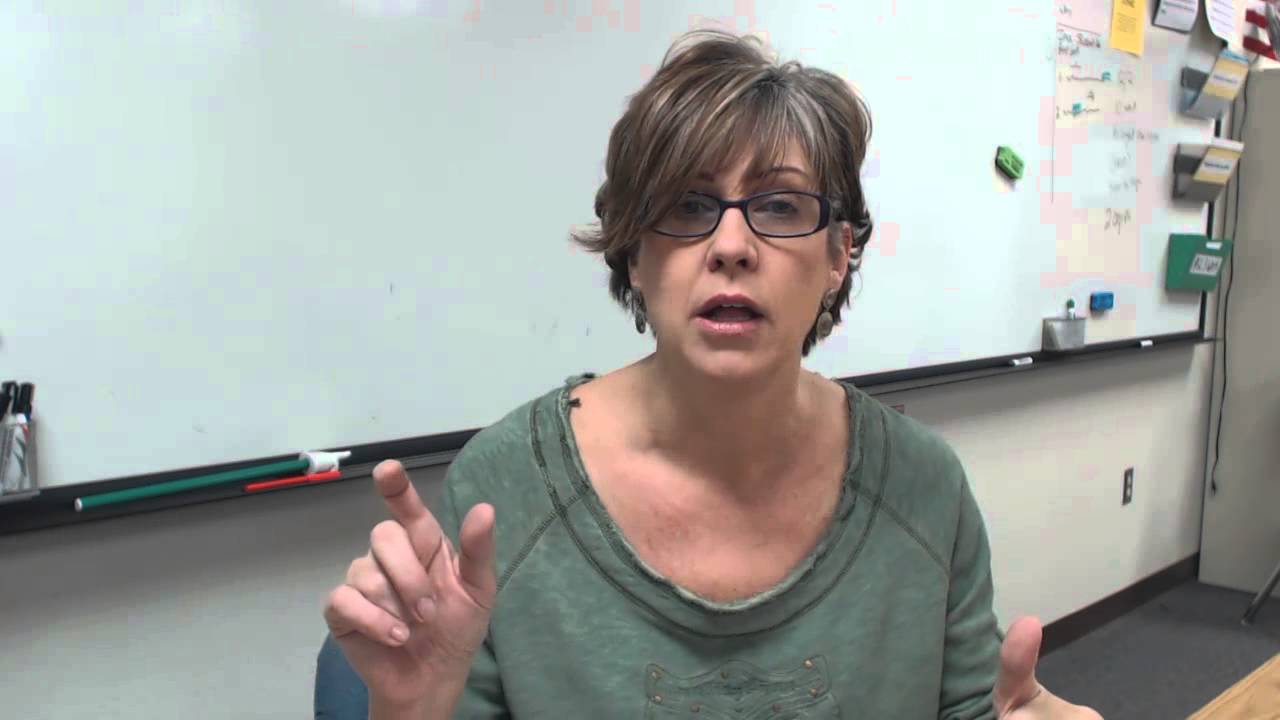


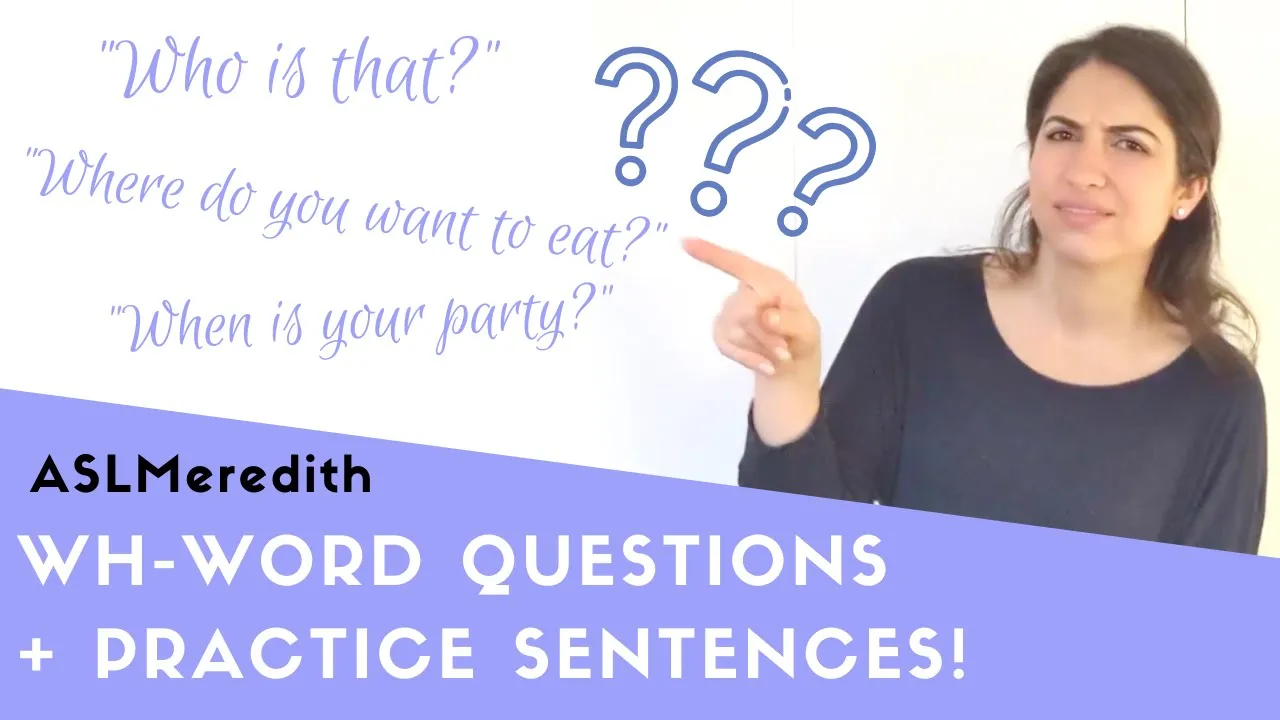


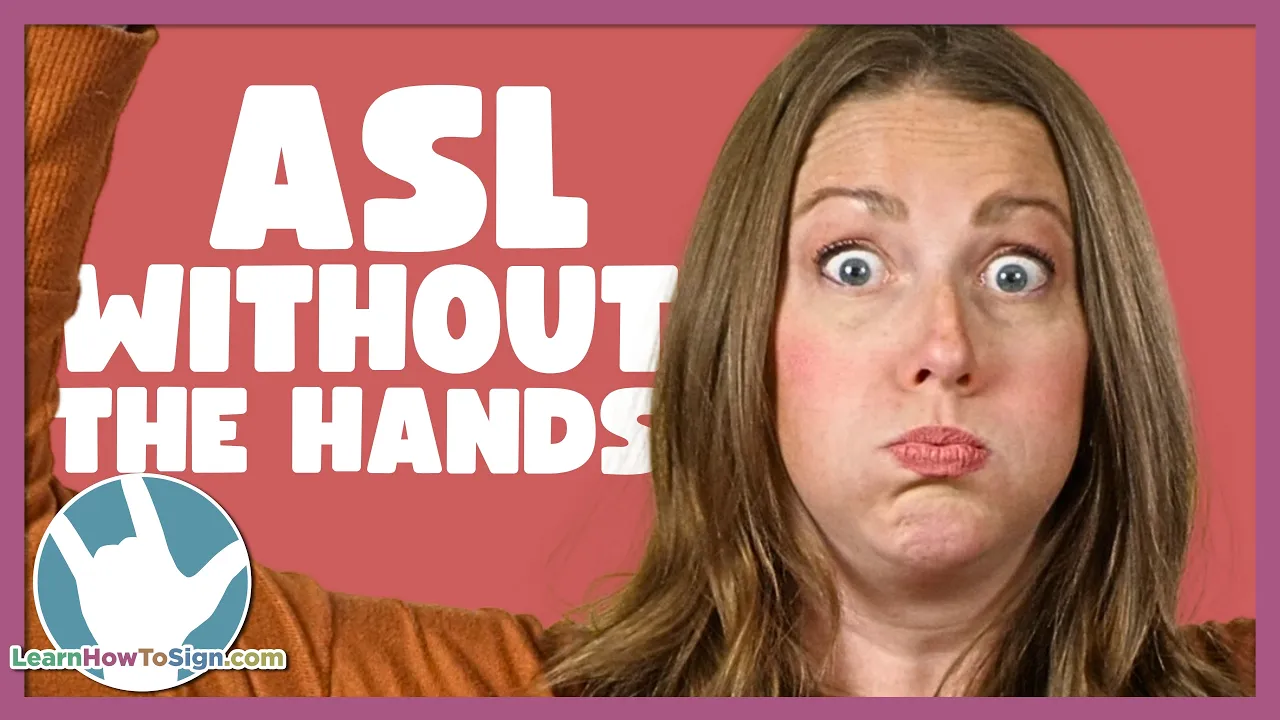


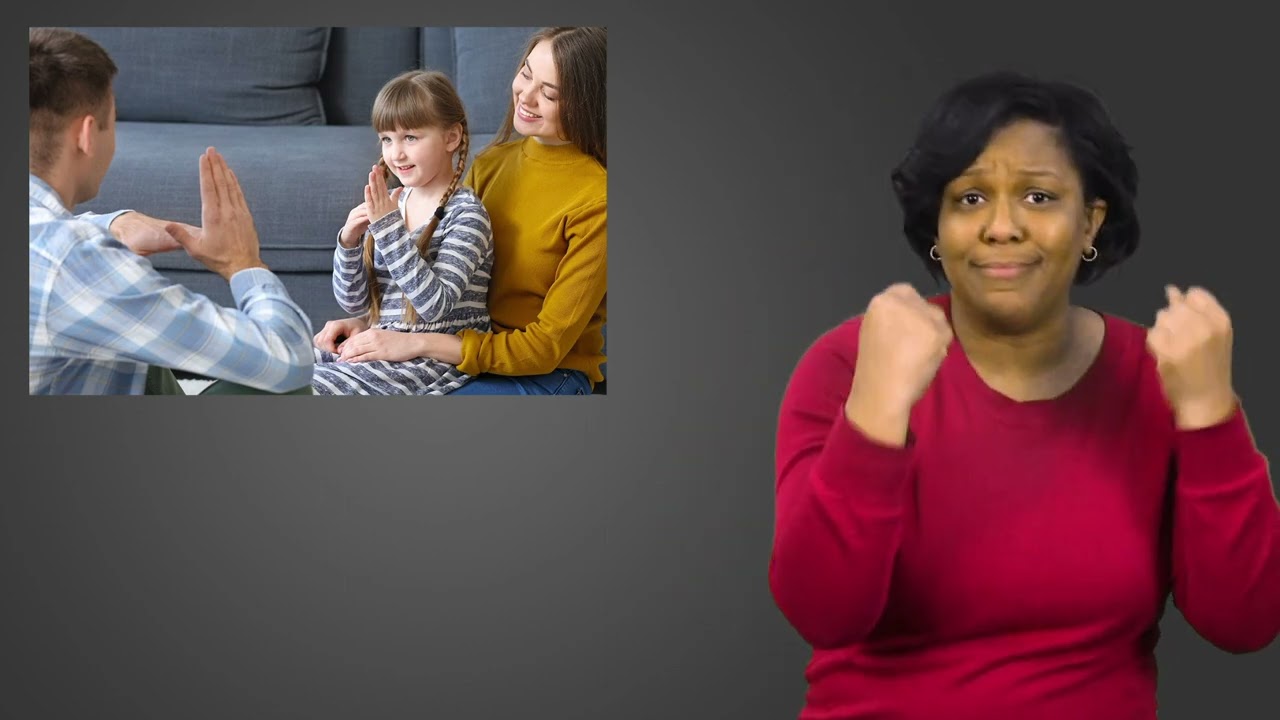


Non-manual markers (NMs) are grammatical and semantic features in sign language that are not hand movements, including facial expressions, eye gaze, head movements, and body language. The five main types are: confirming (nodding head to indicate agreement), asserting (fact presentation with raised eyebrows and clear facial expression), doubting (furrowed brows and head shaking to express uncertainty), negating (head shaking to indicate 'no'), and surprise (raised eyebrows, widened eyes, and open facial expression). These markers are essential because they can completely change the meaning of the same signs; for example, the same sign for 'happy' can mean 'I am happy' (with confirming nod), 'I am not happy' (with negating head shake), or 'I am very happy' (with exaggerated facial expression). To practice, learners should exaggerate facial expressions in front of a mirror and apply these markers when answering questions like 'How are you?' using vocabulary signs for happy, sad, sick, tired, confused, hungry, grumpy, and excited.
ASL Non-Manual Markers: How to Answer How Are You
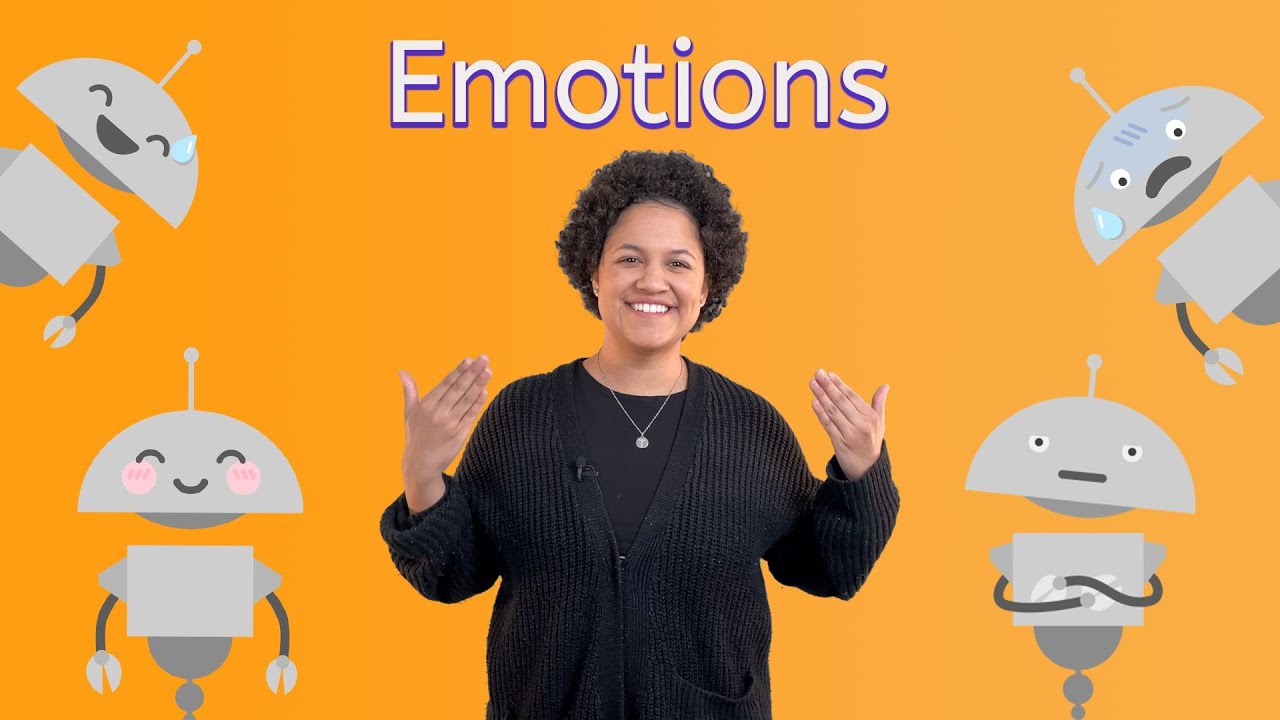
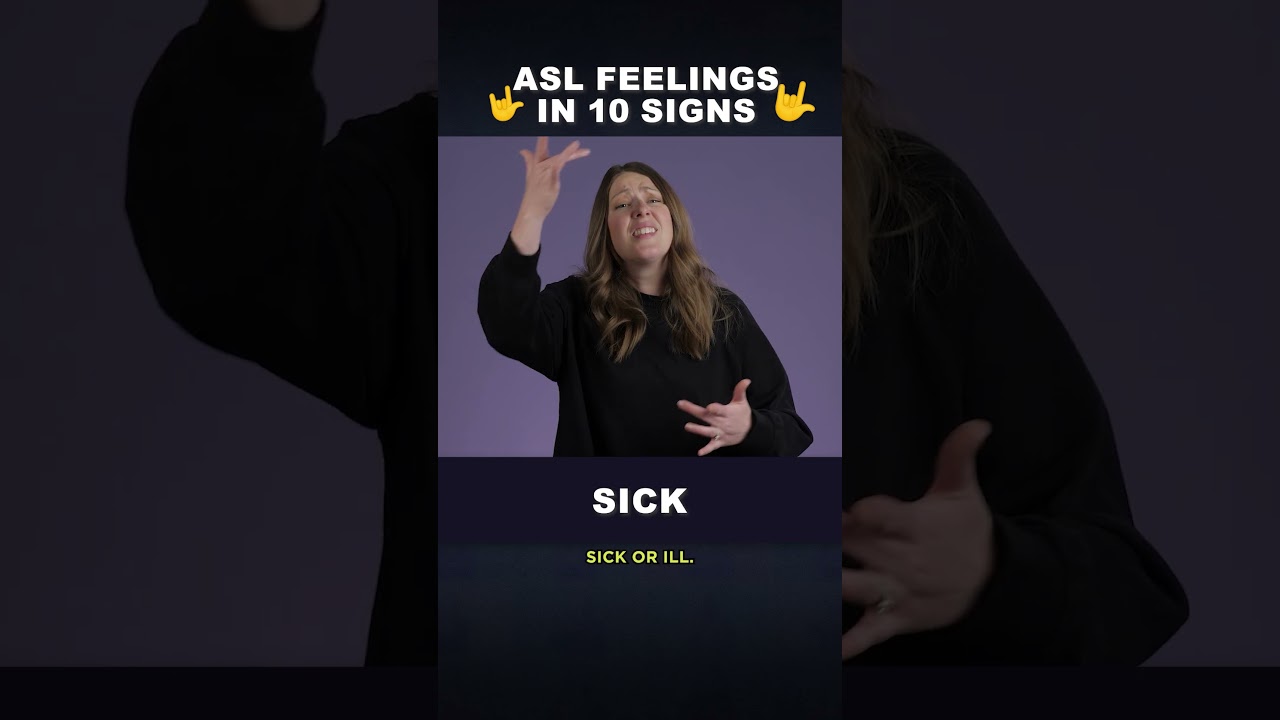
Added:all right today's awesome online lesson is non-manual markers okay you often see it as nm if you see that acronym now you know that it means non-manual markers okay so what are non-manual markers well i'm going to tell you non-manual markers are grammatical or semantic features other than your hands in sign language meaning they are almost words or or movements that have meaning but that are not an actual sign you would make with your hands so what that means is like um something i might do with my mouth my the gaze of my eyes whether i nod or shake my head tilt my head turn my shoulders those all add meaning to our sentences in asl and they're not signs they're just features of sign language non-manual markers that's what they are okay so the five types of non-manual markers that you need to know um are confirming asserting doubting negating and surprise so we're going to talk about each one of those and what you would do as your non-manual marker to incorporate them into your sentence so first is confirming okay confirming means to get a yes if i call to confirm my doctor's appointment is at 2 o'clock i want to hear that yes so in asl as a non-manual marker confirming means that i'm going to nod my head okay this is just um like i'm telling you that the signs i'm using are what i'm trying to say so for example um if i want to say i am happy okay i can say happy and i just give that head not that means i am happy um second asserting it's similar to confirming but asserting is more of like factual there is no arguing with it my shirt is definitely black okay um if i am using an asserting type sentence then the non-manual markers i might use would could also be a head nod but my eyebrows will probably be up um and my facial expression is going to be more clear like yeah this shirt is black okay there's no arguing with that it's a fact it is what it is okay third doubting um doubting is gonna um be shown through my facial expression mainly so my eyebrows will be down i'm probably gonna have a facial expression like this like are you sure that shirt looks blue to me you know sometimes you can't tell um i might shake my head okay those are the non-manual markers that i would use to show my doubt um fourth negating so to negate means to say no about it so i'm going to shake my head no um facial expression isn't going to be quite the same as doubting it might just be a simple no face if i'm saying that i'm not happy then happy i'm not i'm just showing you with my head shake then i am negating the sign happy i am not happy okay and last is surprise so this is gonna be pretty much all in our facial expression if somebody throws me a surprise party and i say wow you sure got me i was surprised are they going to believe me no probably not if i'm literally surprised my eyebrows will go up my eyes might get nice and big and my face might even open like this because i'm surprised okay so we're going to use those facial ex parts of facial expression to show surprise okay so now your job is to practice your facial expressions in sign language they are so important a lot of people don't understand that it literally is part of the language and that i could sign the exact same words um in two sentences and just depending on the facial expression i use and the non-manual markers i incorporate such as shaking or nodding i could completely change the meaning of what i just signed so your job now is to make yourself feel really insecure and silly and stupid and exaggerate those facial expressions okay get in front of a mirror if you can and practice all the emotions you can think of showing them on your face because i promise if you're not looking in a mirror you probably think you're really exaggerating that facial expression and you're probably not our goal is to someday be that interpreter on the news that everybody pauses and laughs at because their facial expression is so silly because that means you're doing something right okay so you are going to practice those facial expressions once you have practiced your facial expressions preferably in front of a mirror or in your phone camera or even with a friends and you guys can laugh at each other and tell each other if they looked good or not what we're going to do is we're going to put everything we just talked about together and learn how to use it in sign language in sentences so we are going to discuss how to answer the question how are you using those non-manual markers and facial expressions okay so first of all we need to learn how to sign how are you so that if somebody signs it to you you know what they're asking so the sign for how my dominant hand is the one that's moving so i am right-handed it's going to do the movement so the sign for how is this how and then you is just a point so if i'm asking how are you i put it all together how you okay how are you um now let's talk about the vocab that we have on your list um you could answer good happy you can't really see my bottom hand but it's down there on my belly also moving happy um sad okay sorry at the top sad sick i use my middle fingers this one's going to my stomach which again you can't really see you could put on you're just sick sick i'm tired i'm going to use the backs of my hand right here on my shoulders and i'm going to show that i'm tired um confused my dominant hand is waiting out non-dominant this way and i am confused my brain is muddled i'm hungry so can you see hungry start wide and close your hand like your food is going down i'm grumpy or mad i'm excited middle fingers right here on your shoulders again and every other moves up so you can see i'm actually hitting my shoulder when i come around excited fine so-so and okay o and the letter k okay okay so now we got to put it all together um if somebody asks how are you i am not just going to say with a totally blank face that i'm happy okay let's include those facial expressions we just learned because those facial expressions will change the meaning of what you're saying i can either say i am something i am not something or i am very much that one thing okay so let's use happy as an our example using my non-manual markers i can determine what i'm gonna say if somebody says how are you and i say okay am i happy no because my head is nodding or shaking i guess and my face is showing then i am not happy okay if somebody asks how are you and i say i'm happy okay that means i am happy because my head is nodding and i probably have a happy expression okay if i am very happy i just exaggerate that okay my face is gonna show that i am super happy and i might even sign it big i am so happy okay we can do that with any of our vocab words if somebody says how are you and i want to say okay i can be okay or i can be not okay okay those non-manual markers determined whether you are or are not that vocabulary word okay so practice putting those um expressions that you know the signs for into a sentence of you are are not or very much okay you are very whatever so let's try one more let's do grumpy okay somebody asks are you grumpy or are you whatever okay and i want to say i'm not grumpy all i have to do is i'm not grumpy okay i'm showing you with my head that i'm not grumpy um if i am grumpy you use that confirming yes not that i am grumpy okay and my facial expression is gonna be grumpy you can sign very mad that way so mad explosive okay so practice putting all of those vocab signs into sentences or i guess answers to the question how are you
Up Next

Morphology in Sign Languages: Compounding, Ablaut, Classifiers
@rolandocoto
1.7K views•2020-10-05
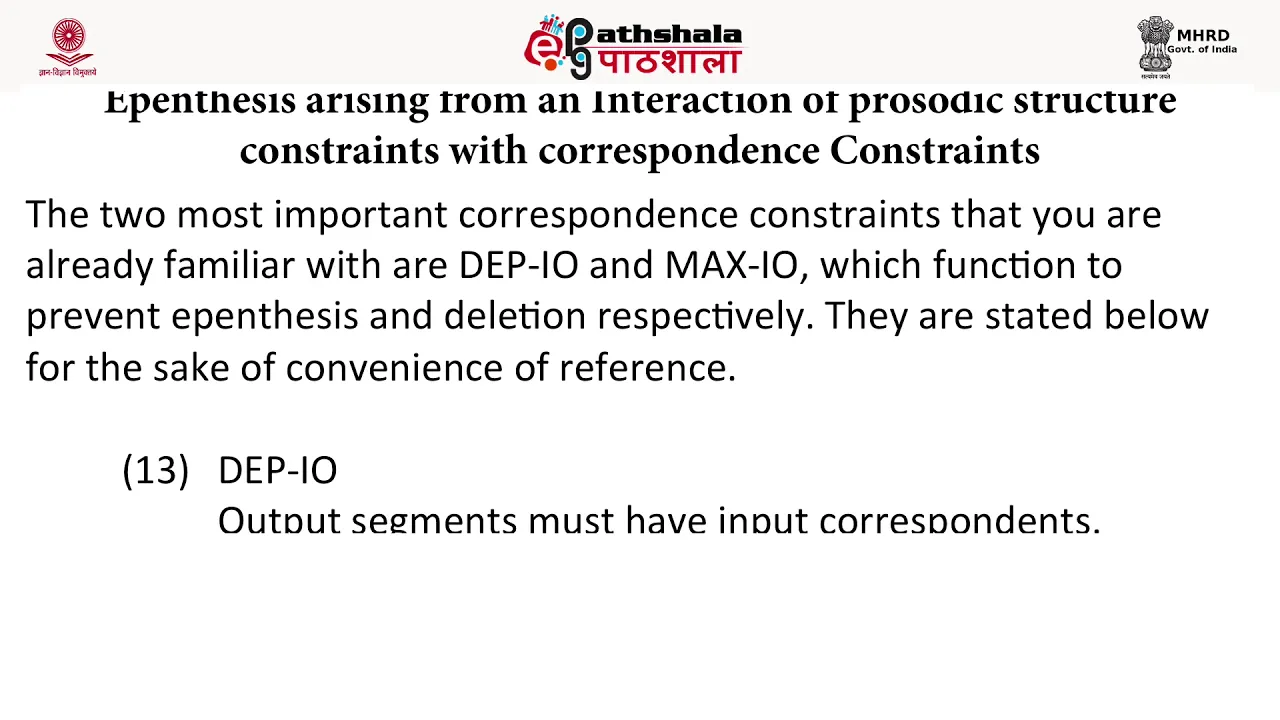
Constraint Interaction in Optimality Theory: Epenthesis & Deletion
@Vidyamitra
180 views•2018-08-20

Forensic Linguistics: How Language Solves Crimes | PBS
@pbsstoried
1M views•2024-01-25

Accent Expert Explains U.S. Regional Dialects | Part 1
@WIRED
9.3M views•2021-01-21
Related Study Plans & Knowledge Roadmaps
Structured learning paths in Linguistics