















A trust is a legal arrangement where you create a separate entity (like a robot) that holds and manages your assets according to your predefined instructions, with revocable trusts allowing you to maintain control and make changes while you're alive, and irrevocable trusts becoming independent legal entities that operate permanently according to your written guidelines, either during your lifetime or after your death.
How Trusts Work: Revocable vs Irrevocable and Asset Protection
Added:Basic Estate Planning and Probate: Understanding how assets are transferred upon death and the role of a Last Will and Testament.
The Concept of Fiduciary Duty: Comprehending the legal and ethical obligation of a trustee to act in the best interest of beneficiaries.
Asset Ownership and Title: Knowing how different types of assets (real estate, financial accounts) are owned and how title affects transferability.
Introduction to Estate and Gift Taxes: Grasping the basics of how federal and state governments tax wealth transfers during life and at death.
Specialized Trust Structures: Exploring advanced vehicles such as Special Needs Trusts, Charitable Remainder Trusts (CRTs), and Generation-Skipping Trusts.
Trust Administration and Fiduciary Accounting: Learning the practicalities of managing a trust, including tax reporting (Form 1041) and distribution rules.
Funding a Trust: Understanding the legal and administrative process of retitling assets and updating beneficiary designations to ensure the trust is effective.
Advanced Asset Protection and Creditor Laws: Analyzing the legal limitations of shielding assets, including fraudulent conveyance statutes and offshore asset protection trusts.
15.2K views282likes6:01Original Release: 2024-08-14
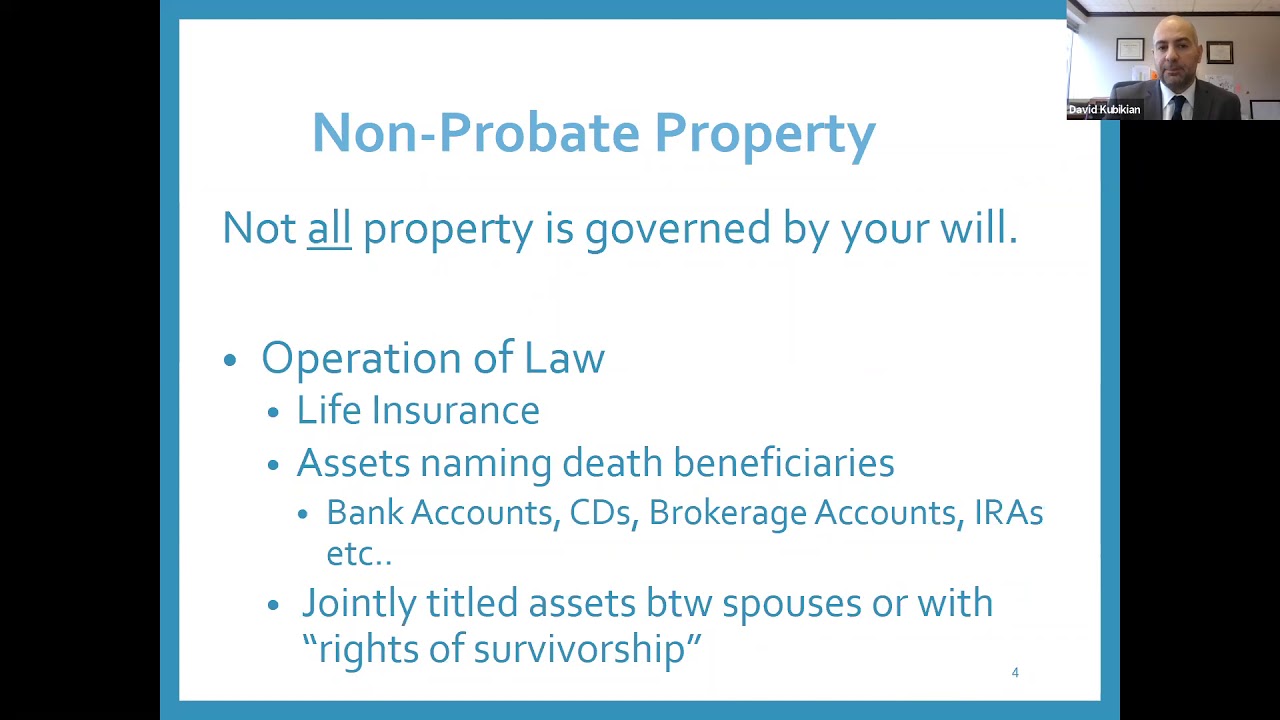
[Music] flaming June has a question next it says how do trusts actually work I get the concept but is there a special trust account that assets go into what else should she know oh man you know but because here's the thing I let you funny the answer is well this trust is a broad broad term because think about this there are even even when you talk about trust there's what's called revocable trust which means you get to keep a lot of strings and you really still have a lot of control but they still have a lot of power and and letting you speak when maybe you're not able to speak for yourself but but they still like I said you have some strings um and the government treats you differently the tax ability is treated differently um because of that and then there's what's called irrevocable trust where these things they almost are like their they are it's not almost they are their own individual tax entities that to file their own tax returns and they do and now all your strings are you're you basically you don't have control of this money anymore and the government treat you a little different from that so you can quickly see by very simple I did not even go into all the different names of trust because there's we we could spend um pretty much we could fill hours full of all and all the cool little acronyms that that the state planners and estate attorneys have come up with for you to know how they are but that's the outling structure is that these things are set up so you know you can to speak when you can't speak for yourself or to help you with estate planning what what else would you add to to this yeah I was I was thinking through an analogy this one sucks but I'm going to give it to anyways a trust a trust is kind of like a robot right like it's this robot that robot it's like this robot that you come up with and you're going to Define exactly what the robot does and how it behaves and and the things it can do and the things that it can do and they're different types so like uh revocable trust would be like a robot where you can continue to change the inputs like you can alter what it does and it can change Through Time an irrevocable trust is a robot that you build but when you build it and you set it in you can't go back and change the programming it's going to operate the way that you describe it to Opera and so what this robot does is that if you remove yourself from the equation the robot knows exactly what it can do with the money that it has how it can spend it who it can give it to where it's going to go what the implications the decisions that it makes are you get to design that so you sit down with an attorney and you formulate a trust document and that document is going to be the manual through which that trust operates so you define how all of that stuff is going to happen well then what you can do is once you have that document that establishes the trust the really interesting thing is you can put all kinds of stuff inside the trust you can go open up a brokerage account and have like your investment assets sit inside the trust it's just a account at Fidelity or an account at Vanguard you can actually have real estate that sits inside the trust and once you move it inside that trust structure it begins to operate according to that like program that manual that instruction manual that you've designed so it allows you to create a separate entity outside of yourself that can follow your directions either now while you're living or later on even past your death well you know I I'll lean into this um crazy analogy robots which is so weird with the artificial intelligence apis and all the other things you could you went with old school George Jetson robots but I want to lean into Johnny I want to lean into it um because I think this is something you have to have a why for these robots because I one of the things that I get when as a financial planner and when we review estate plans and structures sometimes I see these these estate attorneys that do that churn out these document Farms where I think it's very complicated it's very thick and and if you go with B's visual they're essentially creating a bunch of robots that are sitting out back just waiting to be used you don't know why they're sitting out there you have there's no purpose for them whatsoever and the problem with rubot ro rots robots that are unused or without purpose that you at least understand is that they require maintenance you got you got to go out there and put a little oil on the hinges you know to make sure that your robot you got to go do up dates cuz they don't have over the air you go out the old version that doesn't have over the a updates you have to go manually plug in and do those those updates and so if you have um an estate attorney that's set up something that is so complex that you don't know the why you don't know how it works and you don't really it's not serving the purposes then that robot isn't doing you any good that's a that's a dangerous situation so I think that there is some Merit to your analogy of robots and they're very valuable but You' got to know the why you got to know what the purpose is for these trusts that you're setting up for your financial life cuz they can be very powerful very effective for you planning for the future when you can't speak for yourself but you got to make sure that it's structured appropriately and reflects what your goals and what your why is not just because you went to a seminar and they sent you out with a six pound folder with all these documents and you don't even know what this means and all you've done is created a lot of complexity a lot of robots for your relatives to take care of after you even pass away now the good news is they don't have to be complicated they can't be simple trust can be very like if you're someone who owns like real estate and multiple States it's not crazy like a trust is like a great solution or or or certain states have unique estate laws it doesn't have to be super complicated you just want and you said it perfectly you want to make sure you have something that fits you not just something that you think you need or you avoid it because you think it's going to be more complicated yeah
Up Next

59:10
Estate Planning: Should You Avoid Probate? Legal Guide
@estateplanningseries
30.3K views•2020-06-10

6:55
Understanding Copyright and Fair Use in the Digital Age
@techquickie
144.1K views•2016-07-22
5:27
Forensic Phonetics: Speaker Identification in Legal Cases
@nptel-nociitm9240
539 views•2025-03-19

24:42
Police Interrogation Tactics: False Confessions & Legal Reform
@LastWeekTonight
7M views•2022-04-18
Related Study Plans & Knowledge Roadmaps
Structured learning paths in Law
law
Analyzing Mergers: Clayton Act & FTC Rules
01Introduction to Antitrust Law and Market Competition
02Corporate Mergers and Section 7 of the Clayton Act
03Defining Markets and Measuring Concentration (HHI)
+ 2 more learning modules
10h5 modules
Explore Roadmap
law
Self-Defense Law: Imminence & Castle Doctrine
01Foundations of Self-Defense Law
02Imminent Threat & Reasonable Belief
03The Principle of Proportionality
+ 3 more learning modules
12h6 modules
Explore Roadmap
law
Defamation Law: First Amendment & Actual Malice
01Introduction to civil torts and the First Amendment
02Elements of Defamation: Libel and Slander
03Public Figures vs. Private Individuals
+ 2 more learning modules
8h5 modules
Explore Roadmap
law
Hearsay Rule: Trial Evidence & Exceptions
01Introduction to Trial Evidence & Courtroom Basics
02Demystifying Hearsay: The Core Definition
03Non-Hearsay: Exclusions Under FRE 801(d)
+ 3 more learning modules
14h6 modules
Explore Roadmap