
















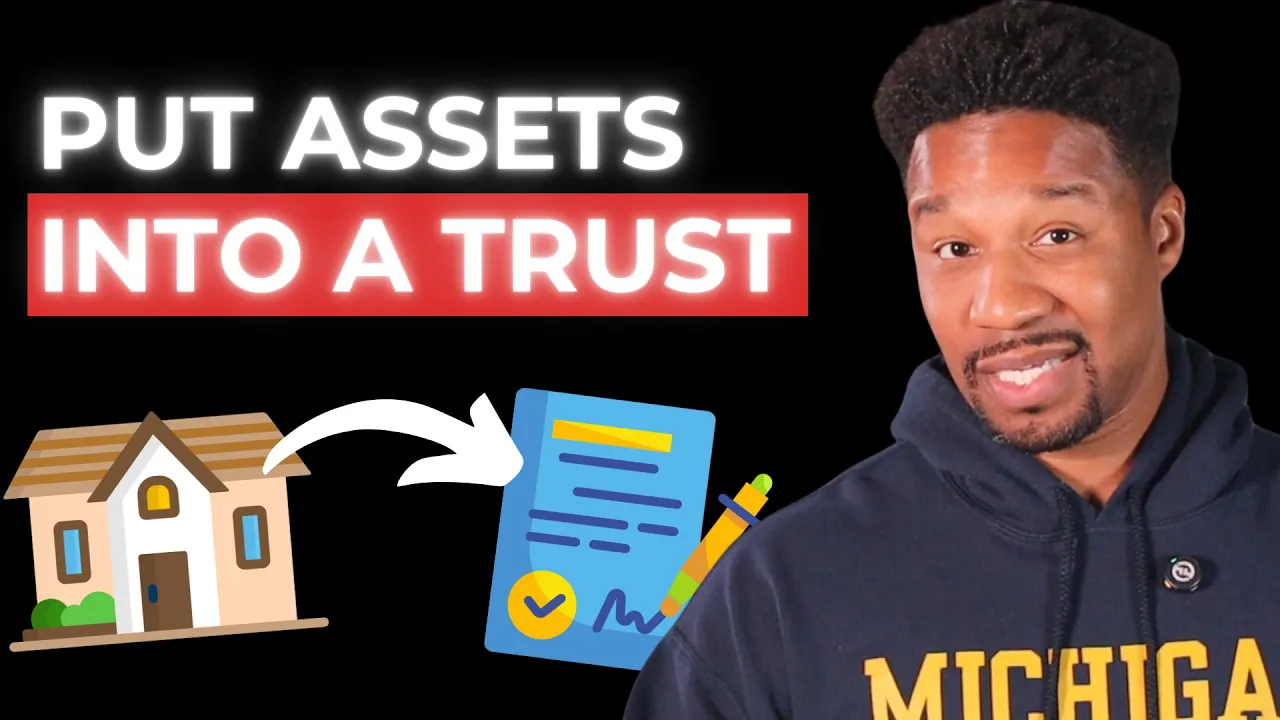




A revocable living trust must own the assets it is intended to control; this is achieved by transferring real estate through a quick claim deed, naming the trust as beneficiary on financial accounts, and executing a personal property assignment for personal possessions, with the key requirement that all assets must be transferred into the trust to avoid probate.
Funding Your Revocable Living Trust: Asset Transfer Guide
Added:The definition, structure, and key parties (grantor, trustee, beneficiary) of a Revocable Living Trust.
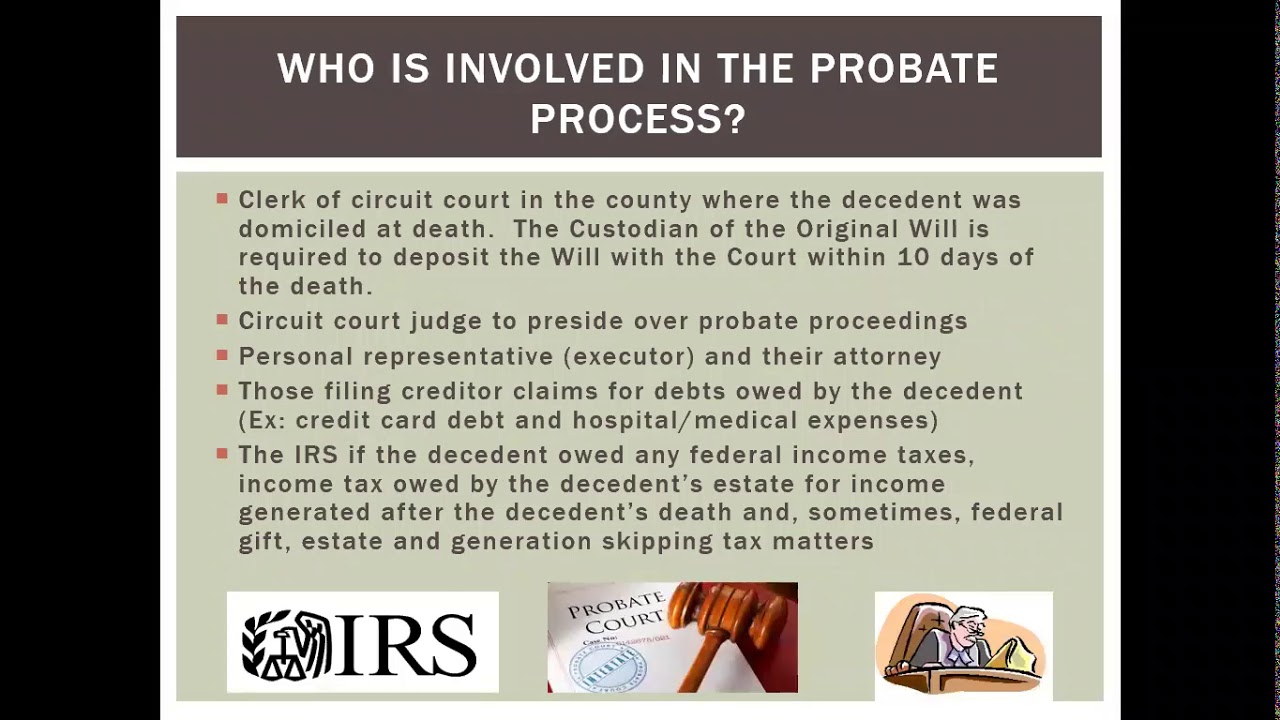
The legal concept of probate, including the process of estate administration and the disadvantages (costs, time, lack of privacy) associated with it.
The basics of asset titling, such as joint tenancy, sole ownership, and how ownership structures affect the transfer of property upon death.
The distinction between probate assets and non-probate assets, including how beneficiary designations (TOD/POD) operate.
The role and fiduciary responsibilities of a successor trustee in managing and distributing trust assets after the grantor's death or incapacity.
The tax implications of a funded revocable trust, including income tax reporting (using the grantor's Social Security Number) and potential estate tax considerations.
The purpose and drafting of a 'Pour-Over Will' as a safety net for any assets accidentally left unfunded during the grantor's lifetime.
Advanced estate planning vehicles, such as Irrevocable Trusts, and how they differ from revocable trusts regarding asset protection and Medicaid planning.
66.2K views1.8Klikes6:29Original Release: 2022-12-10
hi I'm Darcel Lobo and I own down law firm and today we're going to talk about how to fund your revocable living trust but let's first start and talk about what is a revocable living trust it is an estate planning document where you are providing for the disposition of your assets within a revocable living trust as opposed to a will but the revocable living trust one of the main perks behind it is that it is not required to go through probate so that's one reason why clients will want to use a revocable living trust is that it avoids probate for your estate however in order for revocable living trust to work the trust has to actually own the asset so when we create a revocable living trust estate plan for our clients we are also funding that trust for you initially based on the assets that you own at the time so what does that look like how do you fund a revocable domain trust what do I even mean when I say that for your real estate if you own any real estate and it's in your name when I do your revocable living trust one of the documents we're also going to review and sign is a quick claim deed that transfers your real estate out of your personal name and puts it into your revocable living trust name now during your lifetime you are one and the same as your revocable living trust so you have full authority over that property still you can live there you can rent it out you can refinance it you can sell it whatever you wanted to do just the same as you would as if it was in your personal name but putting it into your trust name allows your trust to control it and you control it as a trustee of your own trust but upon your passing you have named someone as your successor trustee to make distributions according to the terms of your trust and your property is included inside that trust the trust only works if it owns your assets so if you have your primary residence and you have some Investment Properties or a rental property or a second home or any other real estate we need to make sure that we get all that transferred into your trust so I'm going to ask you about that during your initial consultation about what real estate you own for any real estate you own in Washington state which is where I am licensed to practice law we will handle that for you if you own any real estate outside of Washington state I will help connect you with an attorney outside of this state so whatever whatever state the property is located in we will get that transferred into your trust as well using an attorney who's licensed in that state so that's how you fund your trust with real estate but you have other assets Beyond adjust your real estate so we also are looking at your financial account so checking and savings and Investments and any other kind of financial asset you have we need to make sure that we review your beneficiary designations so for a married couple they'll usually have the spouse listed first but if we create a trust for you many times you may want that trust to be the alternate or contingent beneficiary to your spouse meaning that those funds will come into your trust as well and be distributed according to the terms of your trust and if you have multiple beneficiaries that might be a more effective way to name the beneficiaries is just to name your trust and then your trust will control how that's distributed it was another way that you're going to fund your trust is ensure that your trust is named as the beneficiary if you want those accounts to come into your trust and be distributed according to the terms of those trusts now we also have other assets that don't have titles that don't have beneficiaries such as your personal property the personal possessions in your home and things of that nature so with your trust document we're also going to prepare what is called a personal property assignment which is signed by you that says whichever properties I own I intend for those to be owned by my trust and distributed according to the terms of my trust so upon your passing we're going to provide in your trust that says what goes where maybe everything goes your children equally maybe it goes to a charity or friends or other family we're gonna outline the details of your estate and those distributions in your trust and so all of your assets will be in the trust and be distributed according to the terms of the trust when you come to our office here at Dow Law Firm we assist you with all that and we make sure that we have funded your trust when we create the trust and we sign those documents with you but that's only for that point in time so if you acquire Future Real Estate if you open new Financial accounts in the future going forward you'll want to ensure that you have your trust named as at least the alternate beneficiary not your primary beneficiary if you acquire Future Real Estate you want to introduce giving us a call to say hey I bought this property so we can get it into your trust for you because the key behind the revocable living trust is that it has to own the asset that you wanted to control so if you buy future real estate and it's only in your personal name then it's not in your trust and if you were to pay half without it being transferred into your trust it probably would need probate for that asset to be moved into your trust through probate but the key behind the revocable living trust is that we want to avoid probate but we can only do so again if it actually owns the assets so if you have a trust but you've acquired future assets and we need to get those into your trust for you we're happy to do so give us a call if you're looking to get an estate plan done and you're thinking about maybe a revocable doing trust or have some more questions about it give us a call we're happy to help I'm happy to schedule a consultation to discuss what your options are and figure out what's best for you our office number is 206-408-8158 or you can reach me by email my email is Darcel d-a-r-c-e-l at dowlawfirm.com thank you and have a great day
Up Next

13:03
9 Common Revocable Living Trust Errors Explained
@estateplanningseries
794.8K views•2020-09-16
20:08
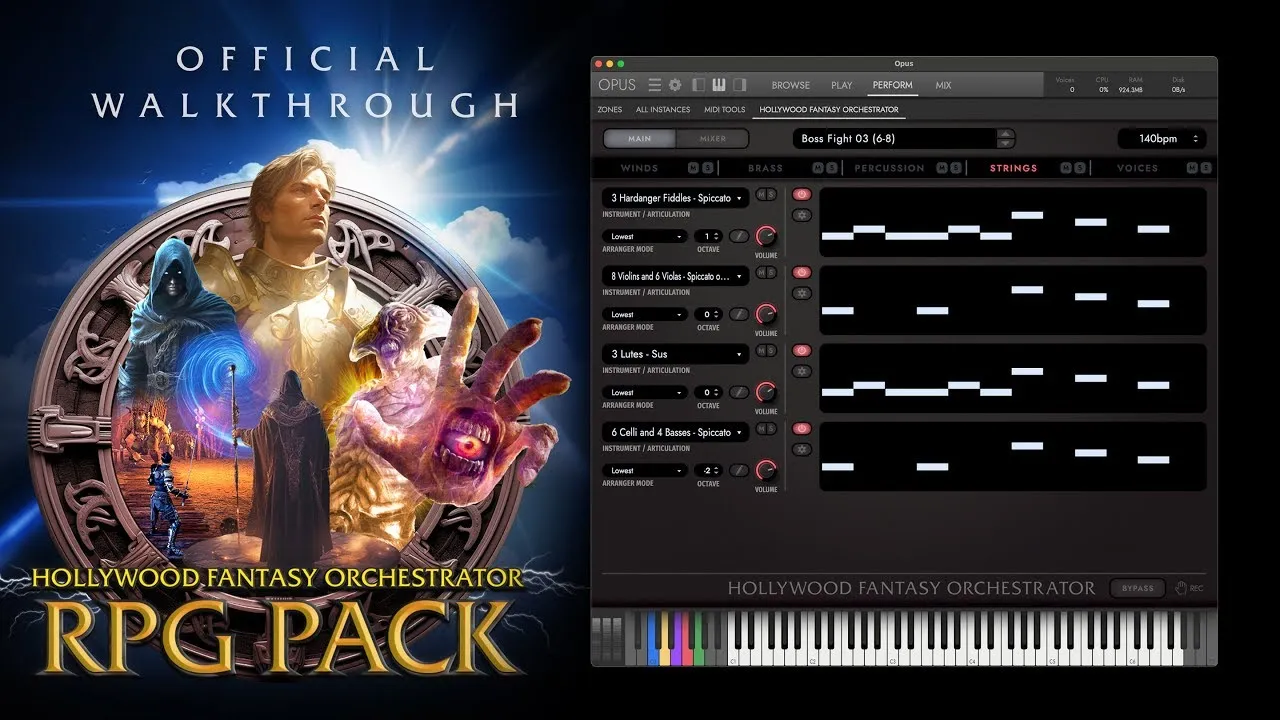
Hollywood Fantasy Orchestrator RPG Expansion Pack Tutorial Walkthrough
@HighResolutionJapan
1.1K views•2024-03-08

9:49
FastAPI vs Flask vs Django: Choosing the Right Python Web Framework
@TechWithTim
302.5K views•2024-05-26

1:42
Game of Thrones Opening Credits: A Cinematic Analysis
@gameofthrones
46.3M views•2011-04-18
Related Study Plans & Knowledge Roadmaps
Structured learning paths in General & Interdisciplinary Studies
general-studies
Containerization: Evolution, Logistics & Trade
01Ancient Trade & Bulk Cargo: Amphorae to Barrels
02The Industrial Revolution & Cardboard Packaging
03The Containerization Revolution: Malcom McLean
+ 2 more learning modules
12h5 modules
Explore Roadmap
general-studies
Textile Tech: Evolution, Labor & Global Impact
01Pre-Industrial Textiles: Handloom & Cottage Industry
02Mechanization: The Spinning Jenny to the Power Loom
03The Factory System & Global Labor Transformation
+ 2 more learning modules
10h5 modules
Explore Roadmap
general-studies
Pharmacology: Botany, Patents & Biopiracy
01Foundations of Ethnobotany & Traditional Medicine
02The Birth of Synthetic Chemistry: Aspirin & Penicillin
03The Battle Against Malaria: Quinine to Artemisinin
+ 3 more learning modules
12h6 modules
Explore Roadmap
general-studies
Writing Surfaces: Papyrus, Parchment & Paper
01Ancient Foundations: Clay, Stone, and Egyptian Papyrus
02Parchment, Vellum, and the Rise of the Codex
03The Chinese Rag Paper Revolution and the Silk Road
+ 3 more learning modules
9h6 modules
Explore Roadmap