

















![Psiquiatra conta a verdade: TRANSTORNO MENTAL EXISTE? - Juliana Fonseca [EP 016] SME](https://i.ytimg.com/vi/6S9fBd4x6Uk/maxresdefault.jpg)











Psychotherapy is a collaborative process between trained mental health professionals and individuals seeking help, involving twelve core elements including informed consent, goal-setting, and evidence-based practices; it operates within four major historical-cultural perspectives—biomedical, religious/spiritual, psychosocial, and feminist/multicultural—with research showing that approximately 95% of psychotherapy cases are effective, though 5% may result in harm due to therapist or client factors; the Dodo Bird Effect suggests all therapeutic approaches are equally effective, but practitioners should personalize their approach based on individual client needs and evidence-based principles.
Psychotherapy Basics: Theory, History, & Ethics | Intro Lecture
Added:Introduction to General Psychology: Understanding basic concepts of human behavior, cognition, and emotion.
The Distinction Between Mental Health Professionals: Clarifying the different roles of psychiatrists, psychologists, social workers, and licensed counselors.
Basic Concepts of Psychopathology: A foundational awareness of what constitutes mental illness and psychological distress.
The Scientific Method in Psychology: Understanding how psychological theories are constructed, tested, and validated.
In-Depth Study of Specific Modalities: Exploring advanced techniques within Cognitive Behavioral Therapy (CBT), Psychoanalysis, and Humanistic therapies.
Clinical Assessment and Diagnosis: Learning how to utilize diagnostic manuals (like the DSM-5) to formulate treatment plans.
Applied Ethics and Laws in Mental Health: Analyzing real-world ethical dilemmas, confidentiality laws (HIPAA), and duty-to-warn scenarios.
Therapeutic Communication Skills: Developing practical skills in active listening, empathy, managing resistance, and handling transference.
Evidence-Based Practice and Outcome Research: Evaluating clinical research to determine the efficacy of different psychotherapeutic interventions.
7.2K views181likes1:13:45Original Release: 2021-08-31
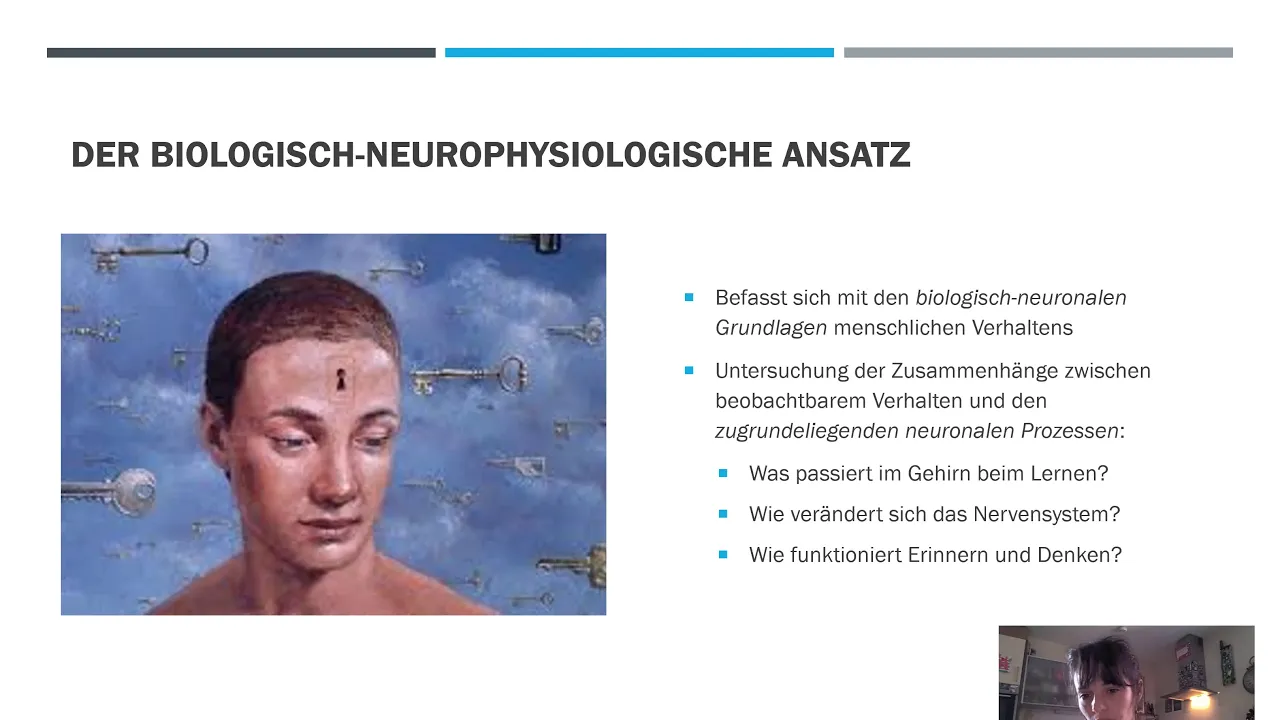
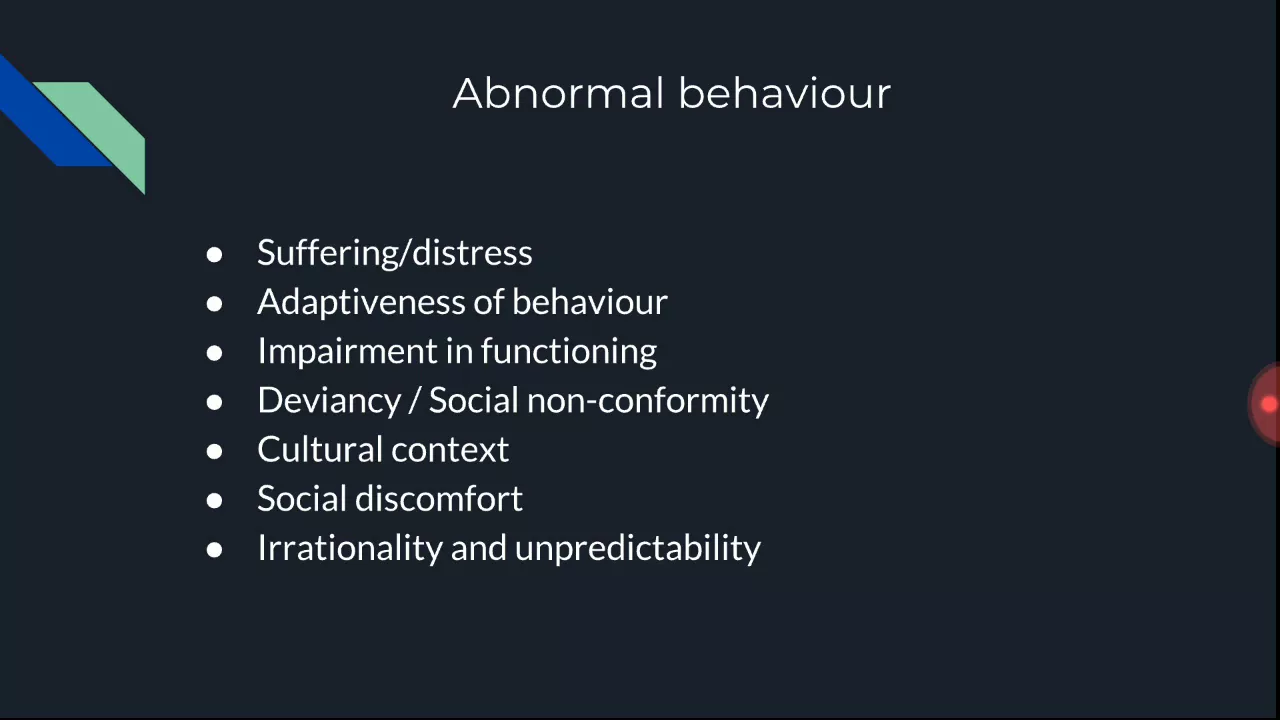
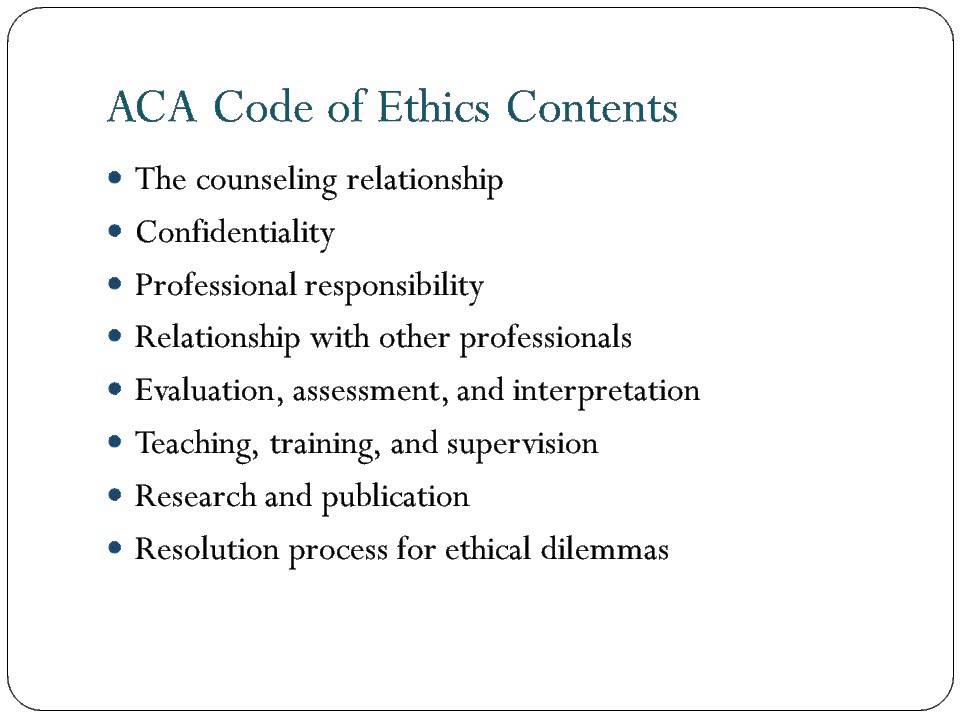
hi everybody uh and welcome to uh a series of lectures on Psychotherapy practice uh this particular lecture is going to be an introductory lecture about what is psychotherapy um and and you know basically the a primer for what's to follow in a lot of the other um lectures now what I will tell you is that um the material comes from John and rosemary uh Summers Flanigan John and Rita Summers Flanigan forgive me uh so I'm not making this material myself I'm using some of the content they have in their text for this purpose um so here we go so let me share my screen and we'll start all right so as I mentioned this is just an introduction to Psycho therapy and counseling uh as we progress you're going to have different theoretical orientations you're going to learn about them uh actually I have an exercise in the slides if you want to figure out out what your uh dominant uh theoretical orientation is but let's get started so uh this class is about trying to help understand why people struggle how to help people grow why people change how we can help them and I'll actually say why people don't change it's possible for people not to change in therapy um that is a minority of the cases but nonetheless it's important that I tell you that and then we're going to throughout the course of this series of lectures we're going to go over about 10 or more counseling uh theories and applications we're going to add some historical context practical applications and then uh in terms of the course itself there are a list of course objectives there so how do I work this class or this lecture series well it consists of a series of lectures uh stories and cases as I deem them appropriate obviously I'm not going to tell you who the person is uh for confidentiality purposes and you're going to learn more about that as we go uh I'm going to have some video clips and I'm going to have some self-reflection exercises so here we go right so when we think of suffering a and hope we have to uh really think about why people suffer how they change and how to help people live the most optimal life that they can live so each of these theoretical models uh or Frameworks have their own understanding now you will see in Psychology we are largely in the pre-paradigmatic stage and when we say the pre-paradigmatic stage it's pre- Paradigm we do not have a uniform agreement as to uh Psychotherapy so each uh model is going to have its own theoretical approach so let's get a definition of what a theory is so a a theory is a coherent group of General propositions used to explain uh of various phenomena okay so for therapy to be effective and for counseling and Psychotherapy to be effective the theories we have need to describe explain predict a whole wide range of both therapist and client behaviors all right so when we think about the theories that you're going to learn throughout these lecture series uh each one is influenced by a whole host of contextual forces or factors and as we go through them you will see how each Theory evolved and where we are today um but I I want to uh pose some questions for you to think about now such as what are some of those factors that could influence a theory well uh gender roles power differentials socioeconomic status uh racial and ethnic differences and these are just some factors when we talk about Multicultural counseling alone right so um not every person has access to the same kind of therapy so it's important understand that and then even today uh this is true so I want you to think to yourself and this is more rhetorical what contextual factors do you think are shaping therapy approaches today so there's the beginning of psychotherapy and then there's what's happening now so let's take a historical context if you have taken the history of psychology you will notice uh something that is uh unfortunate you'll notice that there is um a gender bias now that gender bias is reducing but when we ask well who is the father of psychotherapy right so I know that uh there are a lot of answers you could give but most people have heard of the father of psychotherapy right so when we talk about the father of psychotherapy we typically talk about Sigman Freud right Sigman Freud is the first person to engage in what we call talk therapy uh and help people get a release or catharsis uh through the process of talking out their problems so most people have heard of the father of psychotherapy but who's the mother of Psychotherapy are you aware of some of the major female voices in Psychotherapy and psychological assessment if I had to bet I would bet many of you are not right and in fact it's interesting because even Freud's daughter um an a frud uh is a prominent figure in Psychotherapy applying the principles of psychoanalysis to children and there are tons more right so um Mary Whitten Caulkins uh and uh Hollingsworth and so many other individuals which you probably uh haven't heard of so what's my point what am I trying to get accomplished with going through those two questions who gets credit for uh founding uh Psychotherapy and the influencers of psychotherapy is is largely political and if we say that py uh psychology as a science it it was founded in 1879 uh it's very clear that there were gender biases um many of the early proponents of psychology and Psychotherapy believed in the male superiority myth that is to say that males are inherently Superior to females and that's not true of course but there was belief in this and so there are some biases right so um give you another food for thought there's a quote in Psychology even the rats are white and male what is meant by that right so so when we think of that even animal research um is skewed right so be careful be careful with um what you think you know about psychology and Psychotherapy uh there are a lot there's a lot of nuance uh what's interesting is that with the biases that I talk about in our early days nearly seven out of every 10 new doctoral degrees in Psychology or female so there's been seismic shifts in the field of of psychology and psychotherapy but I wouldn't be doing Justice if I didn't call out the biases from the beginning now there are four historical cultural perspectives uh that are important to know uh and I'm going to go through them this is one model it's not the only model of explaining the historical or cultural influences but the first perspective is what we call the biomedical perspective and when we talk about biomedic perspectives it's focusing on physical origins of mental disorders right it's talking about biomedical or biogenetic explanations for for both the origins and the treatments of psychotherapy so when we talk about treatments of psychotherapy in the early days um they would drill a hole in one skull to release um evil spirits again in the early days we believed in a supernatural explanation of mental illness so a physical way to allow the spirits to go out is to drill a hole that's one issue now we also have prefrontal labotomy a prefrontal labotomy was done by surgeons um up to about the 1940s 1950s when we discover uh medication but the purpose of a prefrontal labotomy was to separate or sever the neurons from the prefrontal cortex uh and subcortical levels and that would affect first personality now what we have found is that you did get sweeping changes in personality from severing the connection between a prefrontal cortex as well as uh subcortical areas but it created brain damage it was it had other adverse consequences so we don't really do prefrontal lobotomies anymore now if you're interested in a movie that highlights prefrontal lobotomies I encourage you to watch an old classic uh with Jack Nicholson one who Flew Over the Cuckoo's Nest um and it highlights what could happen when people get a prefrontal labotomy um including Catatonia uh lethargy and sweeping personality changes but we don't do prefrontal lobotomies anymore now if there is a tumor or whatever if we need to uh sever connections we'll do it but that's not going to be our first line approach now we also talk about ECT electroconvulsive shock therapy uh which is a form of uh electrical stimulation of the brain uh this actually still occurs for very severe cases of depression uh people do have electroconvulsive shock therapy now they're under anesthesia and we see that it works it works in the severe cases for people who have not uh responded to uh General therapy talk therapy or in addition have not responded to um uh medication with it so common uses are for depression whether it be unipolar depression or bipolar depression now before I move on what I'm going to do is I'm going to show you a quick video on electroconvulsive shock therapy so let me uh bring that video up right now the brain is the most complex organ in the human body it controls almost everything but sometimes imbalances can disrupt normal function causing any number of abnormalities and ailments including mood disorders such as depression ECT is given to treat depression and it is sometimes used to treat other mental illnesses like Catatonia and bipolar disorder when other treatments have not worked electroconvulsive therapy involves delivering electricity to to the brain to cause a generalized seizure and then we do a series of seizures over two to three times a week over two to four weeks to treat the psychiatric condition that brought the patient into treatment the idea that seizures would help depression came from observing people with epilepsy it was observed that after an epileptic patient woke up from a seizure the individual was much calmer and their behavior was better controlled essentially it's the brains response to its anti-convulsive or its anti-seizure effect may actually be the therapeutic element but what exactly is depression depression is not simply being sad or having a bad day depression is a medical condition that is a combination of symptoms I would describe depression as having kind of a great big gray kind of over you you feel very dull and heavy I was extreme re tired a lot I got increasingly bad tempered it came on very quick and it was quite severe I clearly was not myself my main problem was depression presenting as anxiety and nervous tension I didn't want to talk to people I didn't want to hang out anymore um I really became uh withdrawn depression is the primary mental illness that is treated with ECT ECT is often recommended when anti-depressant medications are not effective or if they cause unacceptable side effects so it's often used in patients that have tried some of these other treatments and they haven't responded well and so we might go to Electro convulsive therapy ECT to see if that will work for them ECT is also called for when a patient is dangerously suicidal and can't wait the two or 3 weeks to see if the medication will be effective before I knew what was going on I was threatening to kill myself and that or was gets doctor's attention and my wife said to me at one stage I think we ought to go to the emergency room over the years ECT has been improved and refined the popular novel and movie One Flew Over the Cuckoo's Nest depicted ECT is painful and inhumane the difference is they used it in the movie as a punishment very different than the therapeutic version of ECT that we would do today a therapy that is the best hope for many depressed people I really wanted something that would work quickly and and effectively to get me back back into my life again I was really not surprised when um they they brought up the suggestion most patients that come in for ECT need anywhere from six to 12 treatments to get the full benefit the number of treatments an individual patient might need is kind of dynamically detered determined based on how they're responding to the treatment and some patients are better within three or four treatments and side effects and so we try to make sure we get the greatest efficacy with the fewest side effects candidates for ECT treatments are carefully screened to be sure their heart is stable and that they are otherwise healthy enough to go through the procedure safely ECT can be done on an outpatient basis but not everyone can go home the same day a patient will often stay in the hospital overnight especially if this is their first treatment I felt that I was well cared for um everything was explained to me well when an outpatient arrives for their ECT treatment they will arrive at the same day Center where they will check in almost always we do it early in the morning and so patients will show up to the hospital around 7 7:30 in the morning I go into the preparation room and change into my hospital gown a nurse takes Vital Signs and an IV is placed on the patient's arm the anesthesiologist will use this to administer medications during the procedure I wait for a little while in the preparation room and then a nurse comes and wheels me into the post anesthesia Care Unit which is right outside the treatment room I wait very briefly and then I'm taken into the treatment room we use a medication to gently relax the muscles in the body so that you don't get that physical movement the relaxant lasts only a few minutes and during this time the patient will need help with breathing and then we give oxygen so we make sure that the patient has you know all the oxygen they need through the procedure we're just going to give you some medicine to make you real sleepy all you have to do is just keep taking those nice big big breaths all the way in and then all the way back out again once the team is sure that the patient is completely unconscious and will feel nothing the procedure begins and the treatment involves two electrodes essentially that we put uh at different places on the scalp electricity passes from one to the other that then causes the seizure the seizure lasts anywhere from 30 to 60 seconds in most cases the doctor reads the EEG tape to ensure the seizure was long enough and strong enough the amount of electricity um actually used to cause the seizure is very low you could be touching the patient anywhere on the body and you would not feel a thing when the doctor is satisfied and the treatment has caused an adequate seizure and the seizure is over the patient is wheeled into the recovery area about a minute or so later the patient's breathing on their own 10 to 15 minutes later they're awake typically oriented and then in another 30 to 60 Minutes they are able to leave the hospital often people are groggy and Confused from the treatment and the anesthesia so those who are going home the same day need to arrange for someone to drive them these effects will wear off quickly after my treatment I feel as though you know the heaviness has been lifted a patient usually needs to have four or five treatments before they start feeling better family and friends might very likely see improvements before the patient notices a change I didn't notice an improvement in my mood for I think the at least till the second or third treatment and then I I noticed a small Improvement and then then a much larger Improvement after that but for Dr Richard nordgren he noticed a difference after his first treatment really did make a big difference that sort of sna me out of my symptoms ECT does not necessarily cure mental illness once and for all a new episode of depression may come along and require separate treatment with therapy anti-depressants or ECT knowing that this works very quickly for me and and completely that um it's just a great treatment option ECT has one important side effect that patients and families should consider carefully some patients will have short-term memory loss around the time of ECT so have a hard time remembering things that happen say between treatments some patients will have memory loss for things that happened to them in the past and so something some event they went to that they used to remember very well they may not remember it as well as they used to these memories may or may not return some additional common side effects could include headaches nausea and muscle aches though these can be typically managed with medication given during the procedure what really matters is I feel reconnected to life I feel like getting up and doing things and seeing people and just generally being active and social electroconvulsive therapy is an aggressive treatment recommended when other treatments haven't worked or when a patient needs immediate help ECT has brought relief to hundreds of thousands of people and it saves lives preventing suicide and self- neglect improvements in anesthesia muscle relaxing and state-of-the-art Equipment have made it a safe procedure and have reduced the degree of memory loss patients recover quickly and ECT does not cause brain damage or change personality for someone who would be looking into ECT but still wasn't quite sold on the idea i' I'd have them definitely talk to their doctor and ask a lot of questions and listen to the answers and talk to people who had it with ECT you often see 100% Improvement and that's ex extremely gratifying to sort of be able to get somebody from very dysfunctional not able to work hardly able to get out of bed to back to I want to go back to school I want to go back to work I feel fine so you can see in that video that um oh sorry about that you could see in that video that ECT is not your first line treatment the first line treatment is talk therapy uh working with a psychologist or another Mental Health provider and really trying to identify and work through your problems if that doesn't work then many times people include adjunctive uh uh psychotropic medication so these are anti-depressants anti-anxiety medications stimulants antis psychotics mood stabilizers these medications to help in addition to the talk therapy if talk therapy and medication doesn't work there there has to be on a limited basis an openness to Alternative approaches to to treatment and ECT is just one of them now uh I also like that the video talked about the importance of um muscle relaxant right because if you go through a seizure it could uh your body can convulse and it could create muscle tears it broken bones things like that so the purpose of muscle relaxing is to allow you to convulse properly uh without feeling as though um you're GNA break bones or whatnot so it's relatively safe now the the most important thing about the drawbacks is that you could have uh memory loss which is uh sometimes limited but sometimes permanent and that's something if you're going to consider ECT that uh one should take seriously right and and and explore before making that decision um I did like as well in the video they talked about the level of current um the current is very very low relatively speaking because neurons fire at nearly negative 50 molts and molt is a thousandth of one volt right so uh there's a lot in that video to unpack but I'm going to move on so ECT is another treatment coming from a biomedical approach and I said we didn't do or we stopped doing lobotomies um around the 40s and 50s and that's because psychotropic medication became so effective and many of the medications for anxiety depression psychosis bipolar disorder you know the early treatments we have better medication now but the early treatments allowed people to not have to go through some of these extreme physical interventions uh it allowed people not to have to be hospitalized for the rest of their life uh they could live a functional life outside of a hospital um with with just taking medication so uh again there's always side effects with medication so you want to learn about those side effects before you take a medication but that is uh the course of treatment today and now from a neurotransmitter point of view and I know I'm going to define a lot of um neurobiology terms uh later in the lecture but neurotransmitters are the chemical Messengers in the brain uh an a carryover uh from this biomedical perspective is the serotonin hypothesis so serotonin is one of the big six one of the six major neurotransmitters involved in mental health uh serotonin is linked to uh depression especially with low levels of um serotonin uh there's a switch theory for bolar disorder with serotonin there's a serotonin hypothesis for schizophrenia and I could go on and on and on um so we still have some carryover from this one major perspective now the second of the four General perspectives is the religious and spiritual perspective now it's interesting if we go back early into time we used to believe that evil spirits possess people and these evil spirits cause the psychological distress or mental illness that uh people struggled with so how do you treat mental illness based on evil spirits well we talked about tration where you drill a hole in the skull and let the spirit out but another um treatment is exorcism where a spiritual leader would coax the the spirit out so one of these two things now uh today we have a very spiritual uh Slash religious approach called mindful acceptance and this comes largely out of one of the branches of Buddhism Zen Buddhism which is um just one of the branches but mindful acceptance is accepting uh one's emotional reaction without judg ment without trying to change it without trying to control it without trying to react to it so it's teaching you to embrace the thoughts and feelings you have in a non-judgmental non-critical way uh and the more you can tolerate and embrace distressing emotions the more you actually can control those distressing emotions and actually reduce the negative experience from a psychosocial point of view again a psychosocial point of view puts an emphasis on psychological factors and social environmental factors at play so uh this involves either verbal therapy relational interventions how we speak to one another uh perhaps our self dialogues especially when we talk about cognitive behavioral therapy which is more of the modern approach so CBT says our thoughts affect our behaviors right and we're going to learn about CBT that there are different forms of CBT so I actually think CBT should be called cbts whether it's a first wave CBT a second wave CBT a third wave CBT uh but they focus on either thoughts or emotions and how they influence behavior so put an emphasis on psychological or social environmental factors now uh in the actually I want to go a little bit uh earlier than what I was going to say there are very early feminist theories and there are four waves of feminist Theory and we'll talk about that later in the semester but um the view of gender-based Oppression and how to gain equality or Equity has shifted right so but I will say that there's been a massive shift in focus on multiculturalism starting in the early 70s which is probably an effect of um integration and Brown versus bord of Ed and the Civil Rights Act and all of these things uh coming together so you start to see uh a lot of identity development models imer emerge from the 70s to the present and then in the 1990s you start to see a push into applying uh these identity development models these gender-based development models into how we approach uh Psychotherapy right so uh there has been a transformation and today uh you know we do pay attention to how uh gender and on cultural value system impact how they relate to the world right so um there is an emphasis on relationships and uh community over individuality and that the question is that was the early stages but has this really changed um maybe maybe it's changed a bit and I think uh one of the nice things that has changed is we've put a focus on inclusion and uh minority voices so that is a big shift uh but some of the early values remain so uh to uh recap we had the biom medical approach we had the spiritual and religious approach we had the psychosocial approach and we had the feminis and uh Multicultural approach or perspectives this is not an on- inclusive letter I think that if if we start to think about mental health and and uh treatment of mental health there's a lot more uh to this than these four historical or cultural perspectives but uh this is a good primer to start with now let's ask the question well what is psychotherapy right well depends who you ask so if we go early uh to the case of Anna o which was uh one of Freud's early patients right so uh therapy would have been called the talking or expressive cure right so um that would be a definition now um we would call it a psychoeducational cure or a learning cure so it's very important right so early treatment we focus on just talking through the issue and get getting a catharsis which still is true it there's nothing wrong about uh talking things through and expressing things but in addition we've recognized that therapy involves psychoeducation as well which is trying to teach either patients uh or clients and their loved ones about the condition that they're struggling with and provide support for them and help them learn strategies to cope with their illness so psychi education it it involves a lot of teaching and learning so that's a big shift now so what's the difference between therapy uh and counseling well Psychotherapy in general you're going to see more focus on severe and persistent mental illness a broader base uh whereas counseling tends to focus on more normal functioning individuals so this might be learning issues relationship issues but all intents and purposes the individuals functioning well uh but so this is me splitting hairs but what I like is this uh in Corsini and wedding I I I want to read this quote to kind of shift the The Narrative a little bit counseling and Psychotherapy are the same qualitatively they only differ quantitatively so uh there is nothing that a psychotherapist uh does that a counselor does not do what's the point in general there is considerable overlap in uh The View and the intervention style of a counselor versus psychotherapist so uh many people will use them synonymously so when you think about uh questions right so related to psychotherapy versus counseling maybe there are differences in goals that are set that's true uh maybe there are differences in length of of therapy I know in Psychotherapy therapy is uh going to be longer than in let's say a Counseling Center at at a university problem versus person right there might be a mindset issue focus on the issue versus focus on deeper um issues guidance versus advice uh but it if you listen it's kind of I'm splitting hairs because for the most part they are one in the scene so if I have to split hairs I do owe you a working definition of psychotherapy right so I'm gonna give you 12 elements to psychotherapy so therapy is number one a process which includes train professionals right so why do I have to say train professionals because therap is different than self-help groups not that self-help groups are not useful or support groups not that they're not useful but therapy um you're using a trained professional rather than another individual who might be struggling with a similar issue who abides by accepted ethical guidelines all practitioners whether you're psychologists Mental Health Counselors soal social workers uh psychiatric nurse practitioners psychiatrists have codes of Ethics we all have codes of ethics and there are some subtle differences in the ethics codes which is a fun excise to read the various ethics codes and see what some of the similarities and differences are but in general we are required to abide by ethical principles which I'm going to talk about as we move forward and has competencies for working with diverse individuals so the focus on competencies one of the ethical guidelines is that you cannot accept on a client that you are not competent to treat so you have to have the skill set to work with that individuals right so now diverse individuals uh who are in distress or have life problems right so uh not every individual is going to come to you with the same problem and even if they came come with the same diagnosis I caution you against treating people as a label do not treat your clients as a diagnosis they're more they're a person with a condition but let's take depression again you could have 20 people with depression and the constellation of symptoms the issues that they're facing could be different for all 20 so you have to be careful about using a one-size fits-all approach now they are going to have some level of distress and dysfunction in their life right that's gonna prompt them to seek help right so uh they're going to have some level of suffering right so that they need help for right so they're going to seek help so they're is the the trained professional and the individual seeking help um they're seeking help uh in the form of personal growth now this is another important point they come into agreement to work together so I cannot provide Psychotherapy I'm a licensed psychologist but I cannot provide therapy without you signing a consent form now I may talk to you as a friend or colleague and give you emotional support but without uh a consent form for treatment we are not in agreement to work one with one another now we work together hopefully collaboratively more or less collaboratively unless there's resistance sometimes people struggle to accomplish their goals they'll get in their way um but they're going to work towards mutually agreed upon or acceptable goals now when I work with individuals I ask them uh the magic wand question which is if I were to wave a magic wand over you and therapy were to be effective what would you like to see how would you be different and I use the words that my client tells me to establish the goals with them now they have to agree to the goals if my client doesn't want to work on a given issue I have to be patient and not pressure them into a given treatment issue but I do work with many individuals and we come together we agree on a treatment plan or a series of acceptable goals and then I'm going to use either theoretically based or evidence-based practices or procedures now we're going to talk about evidence-based practice and procedures as we go forward to facilitate human learning there's that psycho education or human development or growth to reduce symptoms so I said a lot right so really this could have been one sentence a long run on sentence but there are 12 elements that when I listen well what is therapy whether it be counseling or Psychotherapy and I personally tend to use them interchangeably even though I know there are subtle differences um but these 12 elements are there for both of them okay so when we talk about scientific study iyn uh is one of the early personality theorists and uh he did an analysis of 24 studies and he wanted to see well uh what were the various uh types of therapy out there and people people endorsing one form of therapy or another now pay attention right uh is this is 1952 so this is still early in I mean that's 70 years ago almost right so psychoanalysis was very strong so we have the psychoanalytic approach almost uh 50% or 44% of people endorse analytic approach uh six 64% said they did a mishmash or what a Hugger Mugger which is another way of saying mishmash uh of techniques now we today use the term eclectic which means that we don't use a one siiz fits-all approach we might dip and Dabble in multiple approaches or theories to treatment so for me I know that I tend to rely heavily on cognitive behavioral therapy but I do include uh humanistic and existential models uh and psychodynamic principles in my own approach so I too am eclectic but I know the three that I typically use and then uh custodial now psychotherapy research tended to boo so you're going to see these e for effect size and I'm going to Define that on the next slide but here's some interesting research right so on Smith and colleagues in 1977 they found that the average person who received counseling or therapy did better than the 75th percentile of those who were untreated long story short that the 50th percentile with treatment is better than a 75th they line right so that's one study and then three years later Smith and colleagues uh found that in 475 studies of meta analysis that treated individuals did better than 80% of untreated what's the point therapy in general getting treatment in general is better than not getting treatment now I will talk to you about Scott lilenfeld and potentially damaging therapies uh as we move on on but in general getting treatment is a good thing in general getting treatment helps you function more healthily so I do want to talk about two themes that emerge right so an effect size right so an effect size is a statistic now we use the abbreviation of e but effect size many times are used a statistic a d statistic which uh um looks at the difference of efficacy between evaluated interventions versus a control group now if you look at the effect size I'm going to go back you see 68 75 right so what does that even mean well I'm going to show you a graphic to tell you what that means in a minute but so there is this debate so okay so all therapies are effective so uh maybe there's this doo bird effect which is uh it doesn't matter which therapeutic approach you use no singular therapeutic approach is better or more effective than another now I'm going to tell you that I don't subscribe to the doo bird effect I'll tell you that the approach that an individual uses is dependent on their skill set the needs of uh the individual and what they will respond to well so um I don't use a singular therapeutic approach I actually personalize my approach to the needs of the individual but there is this based on a previous statistic oh look therapy is better than no therapy and um psychoanalysis is equivalent to CBT which is equivalent to Gestalt therapy which is equivalent to humanistic existential models and so forth it goes on and on and on uh but that's the dodo bird effect now if you were to look at the Smith and Glasser statistics right so here's the e or effect size again I said it's typically a d but here we're using an e now Smith Glass and Miller That's 77 study would bring an individual receive treatment to the 75th percentile of those who didn't you see it right there so it's um medium to large effect so this is a powerful when we think of the effect of treatment it is quite powerful uh and then obviously uh the second study in 1980 by Smith and colleagues uh 08 is 80 almost the 80th % off so treatment is important and it is effective and it's going to ingen General improve the quality of your life that's what the research suggests now why is it that the dodo dodo bird approach is there well there is uh a debate called the Great Psychotherapy debate and this is Wold one another famous researcher who suggests that there's you know many common factors that we share and these common factors across theoretic orientation result in similar outcomes so let's go Point CounterPoint in the debate so the point the on one side of the debate is research has demonstrated uh the superiority of few select psychotherapies over specific techniques right however right these 10 12 different models that we're going to talk about throughout the course of the term share common therapeutic factors so let's look at some of the common therapeutic factors um and this is Lambert's model there are other models out there and Lambert's model puts a focus on four things and the percentage of the model that can be explained by that factor is right next to the factor so extra therapeutic change accounts for 40% of therapeutic outcomes so client factors right so issues related within the client right such as the severity of the disturbance their motivation to change their ability ability to uh harness ego strength their psychological mindedness uh all of these things and many others so will help the client grow so pay attention to that percentage 40% are factors within your client the therapeutic relationship so the bond between the therapist and the client accounts for 30% so the therapist accounts for 30% of the change in the client based on things like empathy unconditional positive regard so being non-judgmental and accepting congruence these are going to build a Therapeutic Alliance so now we're up to 70% expectancy so things like placebo effect hope anticipation accounts for 15% and then techniques the skills or interventions you use and this is just Le uh uh communication skills alone there are many others things like active listening silence open-ended questions paraphrasing summarizing and so forth all of these account for the final fif 15% or total of 100% now when I work with an individual I tell them the number one factor that's responsible for your grow growth is you and that and when we look at Lambert's model the client themsel is responsible for 40% no number is higher than that you are the number one factor that determines how therapy will go so the more openness to change you have the willingness to be self-critical the willingness to change and analyze one thoughts and behavior that's going to determine how successful we are in treatment I say that and I do say unfortunately I don't have a magic wand so I can't wave a wand over you and you're going to be better we have to work together towards a common goal so that is interesting right and I another thing that I say is that I may be considered an expert in Psycho therapy but you're the expert on you so I need your bi in I need your guidance I need your assistance in helping us grow together all right so um in terms of the science of counseling and Psychotherapy uh there has been a shift towards efficacy research so randomized control trials uh and empirically supported treatments now there's over 400 empirically supported treatments uh randomized control trials are basic basically where you have at least two groups one's in a treatment group one's in a control group and it's the measurement of the effectiveness of treatment is through experimentation now there there's controversy about rcts as being the gold standard I know many people are psychoanalytic and psych psychodynamically driven uh they're not happy with this concept um because in Psycho dnamic principes it doesn't lend itself to research but that doesn't mean they're not effective now what I will tell you is um Jonathan schedler has done a lot of research on psychodynamic principles and demonstrated they're just as effective as CBT and many times more effective so this is uh a Hot Topic so we have to be careful with this concept of randomized control trials as determining the gold state standard um treatment as usual treatment as usual is a phrase that's used in research study basic uh therapy that's driven in a uh intervene or therapy or intervention that occurs in a real world setting and then we compare that General therapy as usual or treatment as usual relative to our new therapy that we want to demonstrate we believe is more effective than a standard therapy all right but I think it's important to bring back what I said about psychoanalysis or psychodynamic principles because there's a controversy that remains where many people are psychodynamically driven or psychoanalytically driven tend to feel that uh their work is viewed as lesser when it's when it's not lesser so other research approaches in include qualitative research survey research you know phenomenal iCal research and many others so I do want us to think about rcts and um how we determine what's effective therapy because I believe psychoanalysis is tremendously effective even though my predominant orientation is cognitive behavioral all right so let's get into some ethical principles right so competence and informed consent so when we talk about providing therapy we a we need to uh be competent in the therapy we're going to do but we need to engage in what's called inform form consent so before a person signs a consent form I explain to them who I am my approach to psychotherapy and we come to some kind of treatment contract some kind of agreement that we're going to work together based on their goals and based Bas on my my skill set and we sign a consent form but it's an informed consent because they need to know all these things about who I am and my Approach before they agree so uh wood side did a study uh in terms of like helping the one be effective in treatment so we need to work out our own issues as practitioners we need to work within a learning community so having a professional Network such as a state state or national Psychological Association is useful and we need to put our skills into practice and receive feedback uh I know there are a lot of practitioners who provide a brief survey at the end of each of their sessions to ask well how did I do how did you feel in terms of Therapeutic Alliance and terms of uh the quality of the session so so these are all important now another thing we need to know especially in a world that's becoming more Global or globalization is Multicultural competence and Multicultural competence is having self-awareness about your own cultural background uh your own cultural biases you need to have knowledge about other people's cultures you need to know the prominent value systems of each culture and how that informs their treatment right so as I said you can't use a one-size fitsa approach and I said that for a diagnosis but now we're implementing culture the approach to therapy is is individualized across culture as well it's not uniform and then if we need um as deemed appropriate client advocacy skills so when I work with refugees and Asylum Seekers there is a client advocacy piece uh that I am responsible for as I represent this individual uh and they are responsible teaching people to find their voice is going to be important now another ethical essential is confidentiality I tell my clients virtually everything you say here stays here with very few exceptions but these exceptions you need to know before you agree therapy so what are some of the limits to confidentiality if you are suicidal in a a meaningful way where you feel like you want to harm yourself I have to love you even when you feel you're unlovable if you're homicidal I have to do no harm I have to protect uh the public and we had a famous case of Tatiana tarof uh who was a uh student in the California uh college system and uh there was an individual who said that he was planning harm to Tatiana tarasa and um the practitioner at the Counselling Center reported it to the campus police but they didn't warn Tatiana tarasov and that resulted in her being murdered and that lawsuit went uh through the California court system and they that the practitioner uh engaged the Mal practice because they didn't protect others from harm we have a responsibility to protect others from harm and we can breach confidentiality for that now I will tell you this is a state byst state issue so know your state laws and guidelines uh but taana terasoft was a powerful case that shifted the way we hold information if you engage in child abuse neglect or treatment I have to protect your your children or or those who you're a guardian over if I am ordered by the court to appear uh and there's a court order by a judge I cannot engage in contemp of Court have to appear if there's a subpoena there are ways to squash that but a because that comes from a lawyer but from the judge you have to appear for the sake of insurance and billing and so forth so I go through all of these examples but virtually almost everything you say is going to be protected right so but with those exceptions now why is it that we have to tell our clients about both confidentiality and the limits of confidentiality and why is it important to remain confidential the answer is simple people are not going to be honest with you if they believe you're going to take that information and share it they they want to know that they're engaging in a relatively safe space uh or it's going into the Vault so to speak from I guess I think that's a Seinfeld episode uh and it doesn't leave the Vault right so uh they're going to be more honest when they know that things are protected all right now multiple uh roles and boundaries so we talk about multiple relationships or dual relationships It's Tricky so can I provide therapy uh to one of my students well then I would be their professor and their therapists all at the same time the answer in general is try and avoid it because it creates some boundary issues and there might be spillover where you can't perform one or both of those roles effectively uh now that doesn't mean that every dual relationship is unethical um I I I'm trying to remember who did the the study he published in division 42's Journal about the various types of door relationships and which ones are more ethical or more questionable and he broke it down all the various types and then in terms of abuse related to power differentials in sex uh we do not engage in sexual relationships with our clients because we have a power differential now you might say well why do you need to be told that because if you look at early psychotherapists such as Carl Young and many others they took advantage of their power and they were sleeping with their their clients which is um a no no this is one of the few clearcut rules that you cannot do now when we talk about ethics each ethical code has its own guidance on what happens after the therapeutic Rel relationship is done um but in general the APA the American Psychological Association has uh a twoyear moratorium and you cannot schedule it right you can't cancel therapy and say hey I'll see you in two years because you want to date your client uh but it has to be spontaneous where you just discover I know there are other ethics codes that say you can never date a former client and I I question why you would want to right because here you are you carry such a burden in understanding their problems you know you in a relationship people can potentially use that against another person so don't engage in romantic relations with your clients now Do no harm right uh prum non noer right so or first Do no harm again this starts in a medical uh practice but we have to engage in practices that are uh beneficial to our clients and we cannot engage in practices that are harmful to our clients right so that's one of our ethical principles now what are some factors related to a therapist that could uh result in causing harm well if the therapist has very little empathy overly confrontational it's the Therapeutic Alliance is not there and so forth these could result in a poor therapeutic experience right or cause harm client factors if the um client has low motivation High Psychopathology limited personal resources ego strength and whatnot that could create harm um now I will tell you that in general 95% of the case of psychotherapy you they are effective there is about 5% of the case where we engage in harm due to some of these therapists or client factors now there are psychological intervention factors and Scott lillienfeld talked about potentially harmful therapies uh for example I'll give you one example of a therapy that is inappropriate so let's say um a person felt that they were uh part of the LGBT community there are these Retreats where they will use um conversion therapy or aversive shock therapy if you look and are aroused by a member of the same sex that's wrong that's wrong you shouldn't do that because conversion therapy implies that one sexual orientation or their attraction is um changeable right it and a person's a person is allowed to be attracted to a member of the opposite same sex um opposite sex same sex both uh and all across the whole gender Spectrum so uh engaging in conversion therapy actually is psychologically damaging and the American Psychological Association came out against it so um that is an example of a potentially harmful therapy now we said how do we maximize right we don't want to engage in harmful relationships so how do we maximize positive outcomes well engage in evidence-based relationships engage in evidence-based treatment empirically supported treatments use evidence-based principles try and avoid as much as possible negative outcome factors uh be flexible and culturally humble I talked about cultural competence which is more of a cognitive skill but we also have to be culturally sensitive and culturally humble which means that there's a awareness of one's limitations and knowledge about another culture the more flexible you are uh the better you're going to be and then obviously if you want to have growth you have to engage in uh progress monitoring to see where you started where you're at and where you're going so I did promise you when I was talking about ECT about uh a primer in Neuroscience terms right so Neuroscience applies the brain to counseling and Psychotherapy and things like uh uh neurochemistry so neurotransmitters what is a chemical imbalance Theory what life experience impact testosterone how does exercise influence serotonin how do your experience shape the brain right all of these kind of things there's um a bir directional exchange between the brain and the body and your experience and so forth so we need to really think about the the brain's role in mental health and treatment so let's start with labeling on a large scale the four loes so the frontal lobe is at the front uh this uh houses all of your executive decisionmaking such as uh planning organization judgment um reasoning and personalities there right it also has language centers and motor cortex now the parietal lobe is right behind the frontal lobe uh so the the parietal lobe has somato sensory cortex which is responsible for touch and pain but also has spatial orientation we have the temporal lobe which is uh the temples near your ears that's uh linked to uh perception learning in memory hearing and then your occipital loobe which is for vision now we have our two hemispheres right so our left and right hemisphere they're just if you divide the brain down the half down the middle we have left and right they're mirror images of one another that doesn't mean they function the same now we do have a dominant and non-dominant hemisphere so typically your dominant hemisphere is the opposite side of your writing hand and because most people are right-handed the dominant hemisphere for them or left hemisphere okay now we have neurons neurons are nerve cells brain cells and that communicate with one another and how we communicate is an electrochemical system between neurons we communicate with chemicals so uh serotonin neopine phrine dopamine acetylcholine Gaba glutamate I said there are fix uh six major neurotransmitters they're chemicals that get released between neurons and bind to another and communicate so these chemical Messengers Buy to a dendrite which it receives a message and they go to the Soma which is a cell body and then if you want to send a message to the next neuron it goes down the axon so the axon is sort of like your outbox in an email system your dendr is sort of like your inbox now put let's put it all together right so your personal Theory means trying to figure out who you are put yourselves into the variable the various available theor itic orientations so I want to ask you what is your natural um theoretical orientation the answer is you probably don't know so I put in the slides a link if you wanted to take uh a test and it'll give you kind of like where you are in terms of theoretical orientation other terms you might hear Zeitgeist which is the spirit of the times so our value system is influenced by the uh sociopolitical cultural experience at that time period it's also influenced by the orc Geist uh which is your place so time and place our values in the United States are might be different from a collectivistic country somewhere else in the world and then a poltergeist is a mystery uh a ghost or Spirit uh perhaps you can apply that to uh being possessed now let me stop there but I want to kind of summarize where we are I gave you a quick tour of some of the major issues in Psychotherapy so I this is thought homework you're not going to submit this anywhere but assume people can change in therapy and outside of therapy what do you believe helps or inspires or drives people towards positive personal change I want you to think about that and homework assignment number two is start reading chapter two start uh looking at uh Freud and and psycho analysis and with that I'm gonna stop and I hope you enjoyed this first lecture
Up Next

10:20
What Is Cognitive Behavioral Therapy (CBT)? | Explained
@Katimorton
995.7K views•2013-09-24

48:47
Graphic Medicine: Comics for Collaborative Healthcare Communication
@nationalpatientadvocate
189 views•2023-12-04

10:28
Neuroanatomy: Central and Peripheral Nervous System Divisions Explained
@AKLECTURES
136.2K views•2014-09-20
3:05
Stages of Labor and Vaginal Birth | Childbirth Animation
@nucleusmedicalmedia
52.1M views•2017-08-18
Related Study Plans & Knowledge Roadmaps
Structured learning paths in Medicine
medicine
Abnormal LFTs: Diagnostic Workup & Pathology
01Liver Anatomy and Basic Physiology
02Introduction to Liver Function Tests (LFTs)
03Hepatocellular vs. Cholestatic Patterns
+ 3 more learning modules
12h6 modules
Explore Roadmap
medicine
Analyzing Blood Smears: RBC, WBC & Platelets
01Introduction to Blood Components & Smear Preparation
02Normal Morphology of Blood Cells
03Erythrocyte Pathologies & Morphological Variants
+ 2 more learning modules
12h5 modules
Explore Roadmap
medicine
Mechanical Ventilation: Waveforms & Alarms
01Anatomy and Physiology of Breathing
02Introduction to Mechanical Ventilation & Core Modes
03Ventilator Settings and Waveform Interpretation
+ 2 more learning modules
12h5 modules
Explore Roadmap
medicine
Neuro Exam: Localization & Stroke Syndromes
01Foundations of Neuroanatomy and Vascular Supply
02The Neurological Examination: Step-by-Step
03Principles of Neurological Localization
+ 3 more learning modules
18h6 modules
Explore Roadmap