























Care encompasses various forms including interpersonal relationships, institutional support, environmental stewardship, and self-care, while social care specifically refers to organized support services for adults with care needs related to disability or health conditions; this field reveals significant sociological issues around work-family balance, gender inequality (as 82% of adult social care workers in England are women), and global care chains that connect different forms of care across societies, highlighting how care work shapes social and economic structures.
Understanding Social Care: Sociology of Work, Family & Inequalities
Added:Basic concepts of social stratification and inequality, particularly regarding class, gender, and race.
The sociological distinction between the public sphere (paid employment) and the private sphere (domestic life and unpaid labor).
Fundamental theories of the family, including traditional and modern divisions of domestic labor.
An introductory understanding of the welfare state and the role of government in social welfare provision.
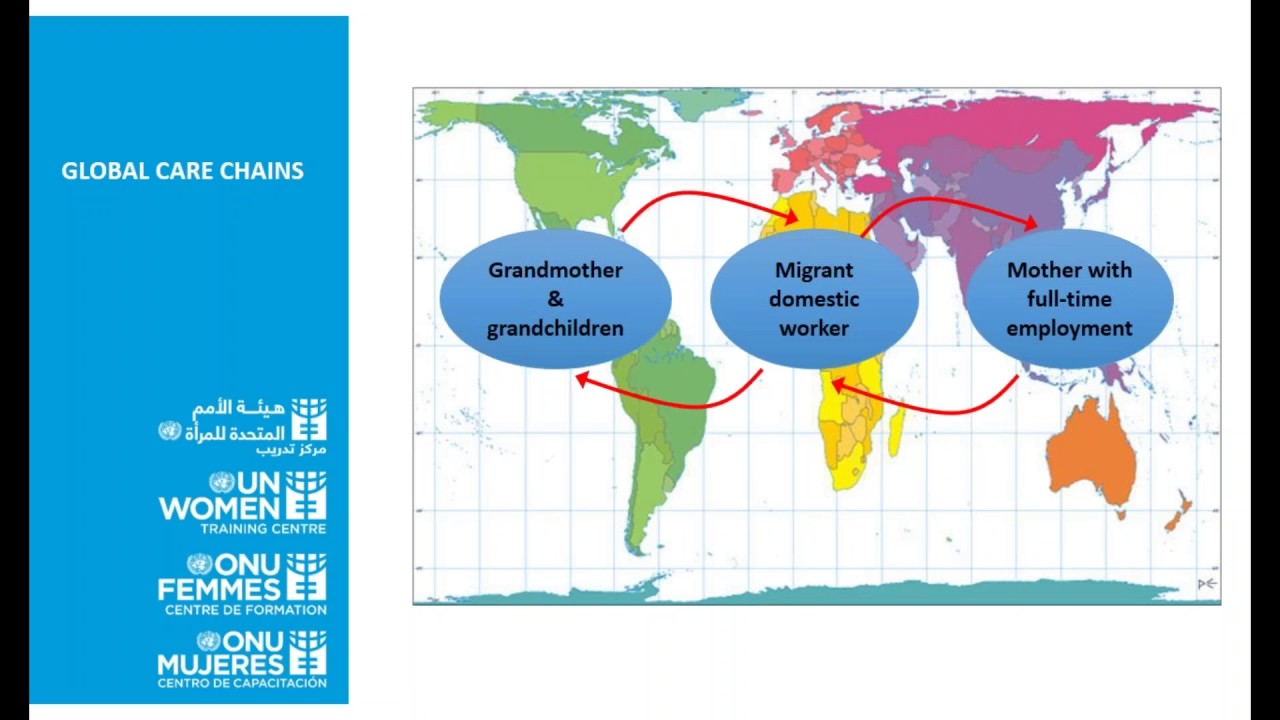
The concept of the 'global care chain' and how transnational migration impacts care work and global inequalities.
Advanced analysis of social policy models, comparing market-commodified, state-funded, and family-based care systems.
Feminist economic perspectives on measuring and valuing unpaid care work within national GDP indicators.
The social and economic implications of demographic shifts, such as aging populations, on the future of social care infrastructure.
542 views0likes11:12Original Release: 2024-05-10
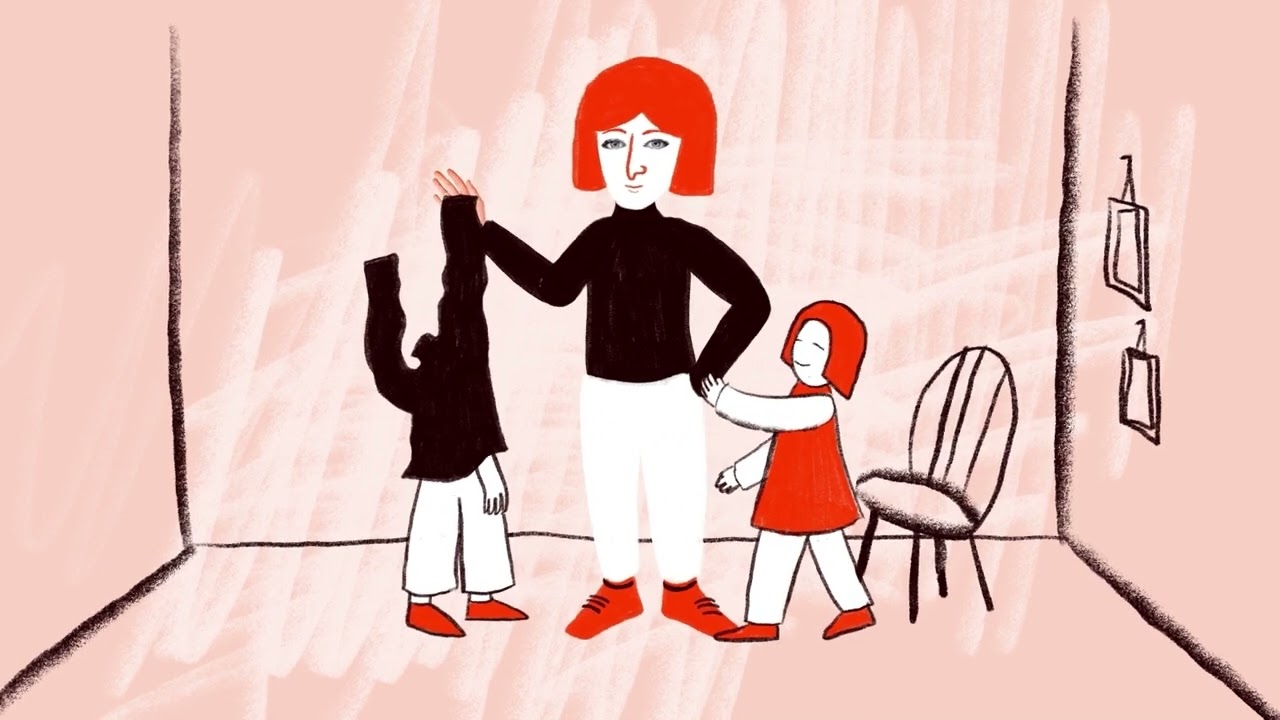
[Music] hello my name is Duncan Fisher and I'm a researcher in the center for Care at the University of Sheffield my research is all about care and more specifically about social care for adults I'm going to talk about this important issue which affects all our lives in this video so what is care let's start with this question a big broad one because care is many different things if I care about something or care for someone what might that involve we might think of thoughts or actions like looking out for someone paying close attention and consideration to them or helping them in their daily life care can but doesn't always include supporting someone with something they may not be able to or struggle to do on their own caring involves thought effort and work and time and this can vary depending on the context how much someone cares and whether they do care are political and moral issues care is often thought of as a relationship between individuals such as friends or family members but we can also think of the care of for example groups organizations or institutions who or what are some of the things or people that you care for or care about let's look at an example of care in the media this story is about the club and fans of milw football club caring for the local community by supporting a food bank the food bank is on the stadium site the club runs free coffee mornings and supporters bring fit Bank donations on Match days although their fans sing no one likes as we don't care this example shows a different site to the club and its fans if we think about care as relationship then we can think about the direction of care between different actors including the power dynamics we can also direct care towards ourselves and self-care is something we seem to be hearing about more these days in particular what steps we can take to maintain good mental [Music] health any excuse for some pictures of cute cats and dogs of course we can care for pets for animals and for flowers plants trees and wildlife in general caring for and about the environment and the future of the planet is another key way in which care happens so then what is social care social care is a narrower form of care and here I will focus on social care for adults social care is care and support people access in order to live their daily lives this could be because they have care needs related to disability they may have for example a physical or sensory impairment a long-term health condition or a mental health condition social care brings emotional benefits and supports Independence and dignity it can involve different types of support for example help with dressing or cooking meals support to get to work or social activities or care for someone who lives in a care home it is different from Healthcare but the two are closely connected the National Health Service the NHS delivers Universal Health Care which is free at the point of delivery with social care people may pay for their own care known as self funders or they may get support from the local authority to pay for their care how much support they get depends on their income and savings and on their care needs although social care is often associated with care services it is millions of unpaid carers friends and family who take on most of this care and support work there are currently almost 5 million unpaid carers in England and around 20% of under 18s are estimated to provide care known as young carers an example that shows the connections between Health and Social care is what is known as delay Hospital discharge or bed blocking this is where someone who is in hospital is medically fit to leave but this can't happen this can be due to a lack of available social care support for them which is connected to funding problems and a serious shortage of social care workers although social care has had increasing media attention particularly during the Corona virus pandemic it still does not not get as much Media or public attention as the NHS when it is talked about it is often negative news stories or ones about how social care impacts usually negatively on the NHS EG with the bed blocking example however people who draw in Social care and people who work in Social care are critical of this narrative and the term bed blocking as they argue that care is about people and not beds or the number of beds that are or are not available these stories largely ignore the potential of social care to support people to live the life of they're choosing and they frame it as a sector in crisis that comes second to the NHS social care and sociology social care is important when thinking about a number of sociological questions including around work family and social inequalities I will now talk briefly about two key issues in Social care to bring these sociological questions to life these examples touch on and connect with other forms of care including Child Care paid social care work I recently did some research with young people in Northeast England who were paid social care workers overall the working conditions were poor their pay was very low their workplaces were underst staffed and they were often not given the training and support they needed on the other hand they all spoke positively about their work about the bonds and relationships they had with the people they supported and about what they had learned through caring the problems with care work like the low pay particularly affect those who do the work and this is work that is usually done by women 82% of adult social care workers in England are women care work contributes to social inequality in this case to gender inequality and the low pay women receive for doing paid care work is an important element of the gender pay Gap Global care chains the American sociologist Arley Russell hild came up with the term Global care chain to show how paid and unpaid care work is at the center of other inequalities Beyond gender Global care chains are the series of personal links between people across the globe based on the paid or unpaid work of caring an example would be of a woman in a wealthy country like the United States with enough money to employ a worker from a poorer country like neighboring Mexico to care for her children this would allow the American woman to do paid work while the Mexican woman would likely rely on her earnings to support family back in Mexico the previous example showed how care work drives gender inequalities and this example shows how class race and ethnicity and migration shape different women's experiences of care thanks for listening to me ramble on I hope you have learned something new about care and its importance to all our lives to society and to Sociology I'll finish with a quote from a recent oxam report into how we talk about care thanks again and good luck every day across the UK the work of paid and unpaid carers helps hold Society together it's the invisible network of support empathy and care for the people who need it most that supports our social and economic foundations if these issues affect you or you want to know more about them these organizations can provide information and advice carers UK carer trust for more information about the center for care please go to our website [Music]
Up Next

70:39
Global Inequalities and Human Rights: Ulrich Beck Lecture
@telavivuniversity
17.4K views•2011-04-03
54:57
Contemporary Sociological Theory: Micro, Macro, Integrative
@NaSESYNC
45.7K views•2016-02-17
19:23
How to Analyze Conversations Scientifically | Elizabeth Stokoe | TEDx
@TEDx
1M views•2014-12-04
9:41
What is Sociology? The Sociological Perspective Explained
@crashcourse
4.6M views•2017-03-13
Related Study Plans & Knowledge Roadmaps
Structured learning paths in Sociology
sociology
Celebrity Culture: From Hollywood to TikTok
01Foundations of Celebrity Sociology
02The Rise of Micro-Celebrity & Digital Platforms
03Parasocial Relationships & Algorithmic Intimacy
+ 2 more learning modules
12h5 modules
Explore Roadmap
sociology
Hostile Architecture: Space, Power & Control
01Introduction to the Sociology of Space
02Social Control and Surveillance in the City
03Hostile Architecture and Defensive Design
+ 2 more learning modules
12h5 modules
Explore Roadmap
sociology
Loneliness Epidemic: Third Places & Isolation
01Foundations of Social Capital and Community Cohesion
02The Death of Third Places and Urban Space Erosion
03The Privatization of Leisure and Atomization
+ 2 more learning modules
12h5 modules
Explore Roadmap
sociology
Sociology of Tourism: Gaze, Power & Heritage
01Foundations of the Sociology of Travel and Leisure
02John Urry and the 'Tourist Gaze'
03Staged Authenticity and Cultural Commodification
+ 2 more learning modules
14h5 modules
Explore Roadmap