Parents should take their child to the ER for infants under 12 months with any fever, fever over 100.4°F (12 weeks to 1 year), or symptoms like decreased urination, vomiting, diarrhea, difficulty waking, grunting, or wheezing; for children 12-24 months with fever over 102°F uncontrolled by medication; and for preschoolers with blue/purple lips or unarousable state, calling 911 immediately.
Child ER vs Doctor Visit: When to Seek Emergency Care
Added:Deep Dive
Basic understanding of pediatric vital signs (temperature, heart rate, and respiratory rate) and how they differ from adult ranges.

Signos vitales en niños
3.9K
Pediatric vital signs include heart rate (125-150 bpm in newborns, decreasing to 60-100 bpm in adolescents), respiratory rate (30 breaths/min in infants, 12-20 in adolescents), blood pressure (60/40 mmHg in infants, 100-110/60 mmHg in adolescents), temperature (36.5-37.5°C), and oxygen saturation (95%+ normal, <90% indicates respiratory distress); measurement techniques differ from adults, with heart rate measured at the apex (5th intercostal space, midclavicular line) for infants rather than radial pulse, and respiratory rate measured for a full minute rather than 15-second intervals.
Click to watch →

Vital Signs
130.2K
Children have different vital sign ranges than adults. Younger children have higher pulse and respiratory rates compared to adults. The normal ranges discussed apply specifically to adult patients. Pediatric vital signs require age-specific reference ranges for accurate interpretation.
Click to watch →

Pediatric Vital Signs Nursing Assessment | Pediatric NCLEX Review
184.3K
Pediatric vital signs assessment requires a systematic approach distinct from adult care. Healthcare providers must communicate with parents first, then the child, and begin with least invasive procedures (respiratory and heart rate) before progressing to more intrusive assessments like blood pressure and temperature. Infants should be held in caregivers' laps for comfort. Children have faster heart rates (110-160 bpm for infants 1-12 months) and respiratory rates compared to adults due to smaller organs, resulting in lower blood pressure (systolic 70-105 mmHg, diastolic 35-55 mmHg). For clinical application, respiratory and heart rates require one full minute of counting for infants and toddlers. A heart rate above 160 bpm in infants indicates tachycardia requiring medical attention.
Click to watch →

Pediatric Assessment, Vital Signs, and Pain - Pediatric Nursing - Principles | @LevelUpRN
176.3K
Infants have different vital sign ranges than adults: Temperature: 97.4-99.6°F (36.3-37.6°C); Pulse: 100-160 bpm; Respirations: 30-60 breaths/min; Blood Pressure: Systolic 65-90 mmHg, Diastolic 45-65 mmHg. Children have slightly lower ranges: Pulse 70-120 bpm; Respirations 20-30 breaths/min; Blood Pressure Systolic 90-110 mmHg, Diastolic 55-75 mmHg. Key point: Pulse and respirations are faster in children, but blood pressure is lower compared to adults.
Click to watch →

【DH国試対策】小児
2.8K
This video explains key differences between pediatric and adult vital signs: children have higher body temperature, respiratory rate, and heart rate due to higher metabolic rates, while blood pressure (systolic) is lower; white blood cell count is lower but red blood cell count is higher in children. During growth, respiratory rate and heart rate decrease while blood pressure increases. For pediatric emergency care, the compression-to-ventilation ratio differs based on rescuer count: 30:2 for single rescuer using two-finger technique, and 15:2 for multiple rescuers using two-thumb encircling hands technique.
Click to watch →
Deep Dive
An overview of the healthcare delivery system, specifically the functional differences between primary care, urgent care clinics, and emergency departments.

When to Visit the Emergency Department | MDisability Deaf Health Talks with Partners in Deaf Health
288
Primary care requires appointments and offers personalized care with known medical history. Urgent care doesn't require appointments but lacks patient relationships and has longer wait times than ER. Emergency departments don't require appointments but have unknown providers and potentially very long waits. The choice depends on urgency and whether the condition can wait.
Click to watch →
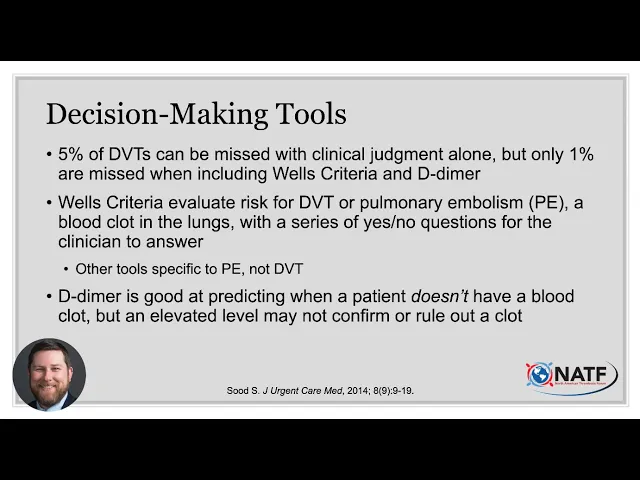
Urgent Care and Blood Clots "Who ya gonna call?"
681
Healthcare settings differ significantly in how they approach patient care. Triage determines which patients receive emergent care based on severity. Emergency departments have hospital resources including rapid blood tests and X-rays, while urgent care clinics vary in capabilities—some connected to hospitals, others stand-alone. Primary care offers continuity with the same clinician understanding both acute and chronic conditions. Urgent care serves as an alternative when primary care schedules are full, though some wait time is expected. Emergency departments typically have emergency medicine specialists, while urgent care often has family medicine physicians. Costs follow a hierarchy: emergency department highest, urgent care middle, primary care lowest.
Click to watch →

Emergency Department vs Urgent Care Clinic
431
Emergency Departments (ER) are 24/7 facilities for life-threatening emergencies, while Urgent Care clinics provide convenient, walk-in care for non-life-threatening urgent medical issues during extended hours (typically 9 AM to 8 PM, 7 days a week), serving as an alternative when patients cannot access their primary care physician.
Click to watch →

The Importance of Primary Care in Early Detection of Cancer
123
Primary care is the only healthcare setting where preventive services occur, combining treatment with disease prevention. Urgent care operates between primary care and emergency care, offering some preventive services depending on the facility. Emergency departments are legally required to treat anyone regardless of ability to pay, though this requirement can slow down care for less acute cases. Patients with lesser acuity conditions should present to primary care or urgent care rather than emergency departments to avoid delays caused by more emergent cases receiving priority.
Click to watch →

Atención Primaria Clínica de Urgencias y Sala de Emergencias
111
Medical care is organized into three main categories: primary care (regular check-ups with a family doctor for ongoing health monitoring, preventive services, and chronic disease management), urgent care clinics (for minor illnesses and injuries that cannot wait for a regular appointment but are not life-threatening, offering lower-cost services than emergency rooms), and emergency rooms (for life-threatening situations requiring immediate advanced medical intervention). Patients should visit their primary doctor for routine health maintenance, use urgent care for non-emergency conditions, and call 911 or go to the emergency room only for true emergencies such as severe chest pain, difficulty breathing, stroke symptoms, or diabetic ketoacidosis.
Click to watch →
Deep Dive
Awareness of common childhood illnesses and injuries, such as croup, dehydration, febrile seizures, and asthma flares.

Holles Street Baby Clinic / Semi Private 2021
180
Gastroenteritis is a common viral illness—watch for dry nappies indicating dehydration. Febrile seizures occur in children 6 months to 6 years, typically resolving in under 5 minutes; first aid includes laying child on side, removing objects, not putting anything in mouth. Asthma affects 1 in 4 children—use inhaler with spacer, follow action plan with 4-6 puffs. Broken bones need medical attention regardless of size—keep limb still with scarf or pillow. Croup causes barking cough and stridor in children 6 months to 5 years—treated with steroids, may need nebulized therapy. Constipation affects 1 in 3 children—use footstool, fiber (9g/day), fluids (1L+), exercise. Types: Type 1 constipated, Type 7 with overflow diarrhea.
Click to watch →

小児医療セミナー 〜子どものよくある病気・ケガ・感染症を学ぶ〜
454
This section addresses febrile seizures and respiratory conditions in children. For febrile seizures: (1) They affect approximately 1 in 10-20 young children and are usually brief; (2) Most children recover completely without long-term effects; (3) Emergency care is needed if seizures last longer than 10 minutes, occur repeatedly, or involve only one body side; (4) First aid includes placing the child on their side and removing objects from the mouth; (5) Medical evaluation is recommended the next day. For respiratory conditions: (1) Cough severity should be assessed by the child's ability to sleep and breathe; (2) Croup presents with barking cough and stridor; (3) Asthma attacks can occur without prior diagnosis; (4) Inhalers should be used according to prescribed guidelines; (5) Emergency care is needed for respiratory distress with poor complexion, inability to lie down, or inability to speak.
Click to watch →

Was hilft, wenn Baby krank ist? | Magen-Darm, Mittelohrentzündung, Fieber, Bronchitis | Baby krank
81.5K
This comprehensive section covers major childhood illnesses and their management. Gastrointestinal infections begin with vomiting followed by diarrhea (at least three daily movements with reduced consistency), requiring easily digestible carbohydrates and careful dehydration monitoring through sunken fontanelle, decreased urination, and dry skin. Middle ear infections follow colds, treated with pain medication and nasal sprays. Three-day fever is viral with fever lasting one to five days. Febrile seizures occur during rapid fever spikes, affecting 5% of children. Hand-foot-mouth disease causes painful mouth ulcers and requires avoiding acidic foods. Croup causes vocal cord inflammation with inspiratory stridor, worsened at night, treated with humidity and cold air exposure. Bronchitis causes wheezing and breathing difficulties, managed with bronchodilators via nebulizers.
Click to watch →

CARA MENGATASI DEMAM, DIARE, DAN KEJANG PADA BAYI - dr. Dion Darius, B. Med.Sc, SpA
32.3K
This section introduces three common childhood illnesses. Fever is a symptom indicating underlying causes—in infants often from insufficient fluid intake, in older children from infections. Diarrhea involves liquid stools or increased frequency, caused by food allergies, infections, or digestive problems. Febrile seizures occur in infants and young children with high fever, characterized by loss of consciousness, eye rolling, and body stiffening or jerking. Parents should recognize these conditions, understand their causes, and know when to seek medical attention.
Click to watch →

PAEDIATRIC WAITING AREAS Playlist
181
This section covers common childhood conditions and comprehensive safety measures. For bronchiolitis (viral chest infection in infants), it explains the natural course (worsens for 3-4 days, then improves slowly over 3-4 weeks) and warning signs requiring medical care (pale/gray/blue appearance, fast breathing, breathing pauses, no wet nappies). For gastroenteritis (viral tummy bug), it emphasizes monitoring for dehydration (dry nappies) and prevention of spread through hand-washing. For broken bones, it lists signs (snap/crack, swelling, bruising, pain, inability to move limb) and first aid (immobilize limb, pain relief, seek medical attention). For road safety, it emphasizes correctly fitted car seats, speed limits under 30 km/h in residential areas, bicycle helmets, and awareness of driveway back overs. For drowning prevention, it recommends life jackets, early swimming lessons, and never leaving children alone in baths. For home safety, it covers child-resistant lighters, smoke alarms, hot drink precautions, fall prevention (no baby walkers, safety gates, window guards), and choking prevention (no latex balloons, drawstrings, small parts). For febrile fits, it teaches proper first aid (side-lying position, nothing in mouth, note timing) and distinguishes normal recovery (sleeping after fit) from concerning signs. For croup, it explains symptoms (barking cough, stridor), causes (viral infection), and treatment (steroids, nebulized therapy for severe cases).
Click to watch →
Deep Dive
The physiological vulnerability of infants and young children, particularly how quickly their clinical status can deteriorate compared to adults.

The Sam Lesante Show - LVPG Pediatrics
144
Children have less tolerance for diseases compared to adults. Adults have some margin to transition before crashing, but children can deteriorate very quickly. This makes pediatricians need to be highly skilled at predicting which children will need transfer to ICU versus those who can continue treatment on a regular floor.
Click to watch →

WAJR-FM's News Director Reuben Perdue on Nancy Grace
925
Young children have larger body surface areas relative to their body mass compared to adults, which causes them to dehydrate and lose body temperature more quickly. This physiological characteristic makes young children particularly vulnerable in emergency situations and creates a race against time for rescue efforts, as the 48-hour mark is critical for survival.
Click to watch →

Real Talk from the A&E. Stories that Stay with Us | KoPiJom Podcast Episode 2
417
Children are not mini adults because they deteriorate faster when unwell. Adults have the capacity to withstand fluid loss, but children do not. Parents should have a low threshold to bring children with fever to the hospital, especially if fever lasts more than 2-3 days.
Click to watch →

Aliayah Lunsford: Nancy 9/26/11 Part 1
10.1K
Young children have larger body surface areas relative to their mass compared to adults, which causes them to dehydrate more quickly and lose body temperature faster. This physiological characteristic makes young children particularly vulnerable in emergency situations and increases the urgency of finding them.
Click to watch →

Introduction to Pediatric Surgery
242
Children are more vulnerable than adults due to several physiological differences: (1) Immature body systems that are not fully developed, (2) Physiological functions that may not respond to minor changes in adults but can lead to organ failure or multi-organ failure in children, (3) Children are more fragile and can deteriorate rapidly, such as dying from meningitis within 24 hours.
Click to watch →
Prerequisite Knowledge
- Concept 01Basic understanding of pediatric vital signs (temperature, heart rate, and respiratory rate) and how they differ from adult ranges.
- Concept 02An overview of the healthcare delivery system, specifically the functional differences between primary care, urgent care clinics, and emergency departments.
- Concept 03Awareness of common childhood illnesses and injuries, such as croup, dehydration, febrile seizures, and asthma flares.
- Concept 04The physiological vulnerability of infants and young children, particularly how quickly their clinical status can deteriorate compared to adults.
Subsequent Learning
- Step 01Practical training in Pediatric First Aid and Cardiopulmonary Resuscitation (CPR).
- Step 02Understanding the Emergency Severity Index (ESI) and how ER triage systems prioritize pediatric patients based on acuity.
- Step 03Developing a comprehensive family emergency plan, including maintaining an accessible child medical history and preparing a pediatric-specific first-aid kit.
- Step 04Knowledge of safe pediatric medication administration practices, including weight-based dosing for common over-the-counter antipyretics and analgesics.
- Step 05Recognizing and responding to pediatric mental health crises and identifying the appropriate crisis intervention resources.
Infant Signs
ER Guidance
Infant Signs
0:02Playing Section
- 1
Watch for ear pulling, fussiness, or reduced urination in infants.
- 2
Fever over 100.4°F or any fever under 12 weeks requires ER visit.
- 3
Go to ER immediately for vomiting, lethargy, or breathing issues.
The Critique of Binary Triage: Financial Over-Triage and Alternative Care Models
Standard pediatric triage guidelines typically present a binary choice: wait for a primary care doctor or go to the emergency room. However, healthcare economists and patient advocates criticize this model for ignoring the financial realities of emergency medicine and systemic barriers to primary care. The traditional, risk-averse advice to 'go to the ER if in doubt' often leads to unnecessary, expensive visits that result in crippling medical debt for families, while also contributing to hospital overcrowding. An alternative perspective advocates for a 'middle-tier' approach, emphasizing the integration of specialized pediatric urgent care centers and 24/7 telemedicine platforms as primary triage steps. Proponents of this view argue that modern medical advice must move beyond the rigid doctor-versus-ER dichotomy, addressing socioeconomic barriers and providing parents with realistic, cost-effective alternatives for non-life-threatening illnesses.
Deep Dive
Practical training in Pediatric First Aid and Cardiopulmonary Resuscitation (CPR).

A WEEK IN OUR LIFE | SUMMER IS HERE | James and Carys
126.2K
Pediatric basic life support training covers baby CPR, choking response, and emergency procedures. The course is approximately 4 hours and provides confidence in handling emergencies. Training is valuable because it gives parents practical skills to act before ambulances arrive. Many parents intend to learn but delay until after their children are born. The training addresses fears about discussing emergencies while providing essential life-saving knowledge.
Click to watch →

Taller de primeros auxilios y RCP destinados a niños y adolescentes
117
Children aged 4-11 years can learn essential first aid and CPR skills through adapted, playful training methods using baby and adult torso simulators, enabling them to respond effectively in emergency situations by knowing how to call for help, perform basic life-saving techniques, and transmit this knowledge to their families.
Click to watch →

Реанімація дитини (як це робити? інструктаж)
3K
This comprehensive section covers the complete protocol for responding to pediatric emergencies. It begins with scene safety and initial assessment, including recognizing Sudden Infant Death Syndrome (SIDS) in infants under one year, assessing consciousness by asking 'Ты меня слышишь?' (Can you hear me?), and understanding that children demonstrate consciousness through crying while adults may remain silent. The section emphasizes that children's heads are proportionally larger than their bodies, making them more susceptible to neck injuries during assessment. It explains why children's airways are more challenging to manage than adults'—the tongue can fall back and completely block the larynx due to the child's larger head-to-body ratio. The complete CPR technique is covered, including the 30:2 compression-to-ventilation ratio, proper hand placement, compression depth (at least one-third the depth of the chest, 3-4 cm for children), and finding the compression point. For infants under one year, use two fingers to compress the chest at the nipple line, covering both mouth and nose for rescue breaths. For choking children who are conscious, turn them onto their side and perform back blows. If they become unconscious, begin CPR immediately as the object may pass through the right bronchus into the lung. For older conscious children, perform the Heimlich maneuver (abdominal thrusts). Many European countries have Good Samaritan laws (since 2014) that protect individuals who provide first aid to strangers, encouraging people to help without fear of liability. Continue CPR until the child starts breathing, coughing, or crying, or until professional help arrives.
Click to watch →

BLS training of staff for NABH
1.6M
This section covers pediatric CPR modifications. For children, the compression-to-breathing ratio is 30:2 with one rescuer, changing to 15:2 with two rescuers. Compression depth should be at least 4 centimeters for children. For infants under one year, compression should be performed with two fingers on the lower half of the sternum. If the child is too small for two hands, one hand can be used. The rescuer should position themselves at the child's side to deliver breaths efficiently. Pulse should be checked at the carotid artery for children and brachial artery for infants.
Click to watch →

HLR BARN – repetera hjärt- lungräddning och Första hjälpen på 10 minuter ❤
45.5K
This video teaches essential pediatric first aid and CPR skills, including how to check consciousness and breathing, create an open airway by tilting the head back, perform rescue breaths (five initial breaths followed by 20 breaths per minute), execute high-quality chest compressions (30 compressions at 5 cm depth for children 1-8 years, 2 compressions per second), and use a defibrillator with pediatric key for children under 25 kg. The key principle emphasized is that immediate action is always better than doing nothing, and CPR should continue without interruption until medical professionals take over.
Click to watch →
Deep Dive
Understanding the Emergency Severity Index (ESI) and how ER triage systems prioritize pediatric patients based on acuity.

Clase: Valoración inicial del paciente pediátrico y Triage.
3.1K
The Emergency Severity Index (ESI) uses five levels: Level 1 requires immediate life-saving attention (cardiac arrest, explosive bleeding, apnea). Level 2 has high-risk situations (confusion, lethargy, severe respiratory distress, severe pain) needing attention within 30 minutes. Level 3 has multiple needs but no immediate urgency. Level 4 has minor needs like single diagnostic tests. Level 5 has no urgency. Pediatric triage uses age-based physiological limits: infants under 3 months, children 3-8 months, and children over 8 years, with different heart rate, respiratory rate, and oxygen saturation thresholds.
Click to watch →

Emergency Triage Pediatrics Prof Rasha Gamal
1K
Pediatric emergency triage is a critical process that determines the order of patient care based on acuity, using the Emergency Severity Index (ESI) which categorizes patients into five levels (1-5) based on their need for resources, with Level 1 requiring immediate life-saving intervention and Level 5 indicating stable patients needing no resources; this systematic approach is essential because children can deteriorate rapidly and cannot communicate their symptoms effectively, making proper triage crucial for resource allocation and patient safety.
Click to watch →

How to Triage Like a Pro and Prioritize Patients Under Pressure
120
The Emergency Severity Index (ESI) is a five-level triage system used in emergency departments to prioritize patient care, where Level 1 represents the most critical patients requiring immediate life-saving intervention (such as cardiac arrest or severe respiratory distress) and Level 5 represents the least urgent patients with minor complaints who only need a medication refill; nurses must use clinical judgment to assign these levels, and it is always safer to up-triage rather than down-triage a patient when uncertain, as this ensures timely care for potentially serious conditions.
Click to watch →

ESI Emergency Severity Index
23.3K
The Emergency Severity Index (ESI) is a five-level triage system used in emergency departments to categorize patients based on acuity: Level 1 (most urgent, requiring immediate life-saving interventions like intubation, defibrillation, or blood transfusion), Level 2 (unstable patients needing provider attention within 10 minutes), Level 3 (urgent patients requiring two or more resources like lab work and imaging), Level 4 (less urgent patients needing one resource), and Level 5 (non-urgent patients needing no resources). Triage nurses assess patients by observing general appearance, work of breathing, and circulation before taking vitals, asking if the patient is dying or needs immediate intervention. Key factors for ESI 1 include airway breathing problems, hemodynamic instability, and need for life-saving medications. ESI 2 applies to unstable patients with neurological changes, chest pain, stroke symptoms, or high-risk conditions. Resource counting determines ESI 3-5 levels, with two or more resources indicating ESI 3. Special populations like pregnant patients, immunocompromised individuals, and pediatric patients require specific considerations. The system helps manage patient flow and staffing in overcrowded emergency departments.
Click to watch →

WEBINAR KEPERAWATAN Kegawatdaruratan Pada Anak : Optimalisasi Peran Perawat Dalam Golden Hour
143
The Emergency Severity Index (ESI) is a hospital-based triage system categorizing patients into five priority levels (P1-P5) based on acuity and resource needs. P1 (0 minutes) includes life-threatening conditions (cardiac arrest, respiratory arrest, severe respiratory distress with SpO2 <90%, seizures) and organ-threatening conditions (compartment syndrome, severe head injury with GCS <9). P2 (10 minutes) includes high-risk situations (electrical injuries, altered mental status with GCS 9-12, severe pain, behavioral disturbances). P3 (30 minutes) includes patients requiring multiple resources (laboratory studies, radiology, EKG) with stable vital signs. P4 (60 minutes) includes patients requiring one resource. P5 (120 minutes) includes patients requiring no resources. Resources include laboratory studies, EKG, X-ray, CT scan, MRI, angiography, ultrasound, intravenous fluids, intramuscular injections, nebulizer treatments, and specialist consultations. Pediatric considerations include fever thresholds for upgrade: >38°C in infants 1-28 days, >38°C in infants 1-3 months, >39°C in infants 3-36 months. Vital signs thresholds for upgrade: infants 1-28 days (HR >180, RR >50, SpO2 <92%), infants 1-3 months (HR >160, RR >40, SpO2 <92%), children 3-8 years (HR >140, RR >30, SpO2 <92%), adults (HR >100, RR >20, SpO2 <92%).
Click to watch →
Deep Dive
Developing a comprehensive family emergency plan, including maintaining an accessible child medical history and preparing a pediatric-specific first-aid kit.

Delivering Group Education on Emergency and Disaster Preparedness
339
A comprehensive family emergency plan includes: specific local emergency types, exit routes, meeting places (inside and outside home), communication plans with contact numbers, special needs accommodations, and pet care arrangements. Emergency kits require waterproof/fireproof containers, at least 3 days of food and water, clean water storage in buckets and pitchers, coolers for perishable food, first aid supplies, flashlights, fully charged cell phones, and cash (since credit cards won't work during power outages). Kits should be prepared in advance and referenced/updated later.
Click to watch →

ACCIDENTS AND FIRST AID || Part:-2 || Histopathology
187
A well-stocked first aid kit is essential for emergency medical response. Essential items include basic supplies, antibiotic ointment, antiseptic solution, bandages, adhesive tape, cotton balls, gauze pads, scissors, thermometer, and plastic bags for contaminated waste disposal. Additional supplies like flashlights, triangular bandages, petroleum jelly, and activated charcoal for poisoning emergencies expand the kit's capabilities. Over-the-counter medications like hydrocortisone cream and aspirin provide relief for minor injuries, though aspirin should not be given to children due to Reye's syndrome risk. Maintaining a family medical history document is crucial for informed emergency care decisions.
Click to watch →

How to Baby Proof Your Home | Tips from a Firefighter to prevent child emergencies
1.9K
Children cannot communicate effectively during emergencies due to limited vocabulary, creating dangerous situations when caregivers are absent. Parents should maintain visible records of child's medical history, medications, allergies, and emergency contacts. A home first aid kit should include dressings, bandages, medical tape, gloves, ice packs, trauma shears, tweezers, emergency blanket, and disinfectant. Poison Control (1-800-222-1222) provides 24/7 expert advice for poisoning emergencies through swallowing, inhalation, skin contact, or eye contact. Operators gather patient information and advise on monitoring, care instructions, or hospital transport.
Click to watch →
Preparing for the Unexpected
1.9K
Families with children dependent on medical devices must develop comprehensive emergency preparedness plans. This includes maintaining emergency supply kits with water and power solutions, researching battery systems that can power essential devices like hospital beds and feeding pumps, and advocating with healthcare providers for necessary equipment approval. Non-verbal children require accessible medical records including medication schedules and daily habits, kept in locations like wheelchairs or by the front door. Daily log sheets serve as critical emergency documentation for responders.
Click to watch →

CONOCE, PREPARATE Y ACTUA, ante erupcion volcanica.
192
A family emergency plan should include: identifying family members and their medical needs (medications, allergies, blood type); establishing a communication chain with phone numbers memorized; identifying evacuation routes and meeting points; identifying household hazards (structural damage, obstacles, deteriorated trees); and identifying emergency contact numbers. An emergency kit should contain: 2 liters of water per person; canned food (tuna, beans, meat); pet food; medications (with expiration dates checked every 15 days); batteries and flashlights (non-rechargeable preferred); copies of keys; a whistle for signaling; and a USB drive with important documents. Regular maintenance includes checking expiration dates and replacing batteries.
Click to watch →
Deep Dive
Knowledge of safe pediatric medication administration practices, including weight-based dosing for common over-the-counter antipyretics and analgesics.

Tylenol and Motrin for Kids: Safe Dosing, Timing and Tips
45.8K
Pediatricians calculate OTC medication doses based on a child's weight in kilograms, using the formulas: ibuprofen at 10mg/kg and acetaminophen at 15mg/kg, then converting to milliliters using cross-multiplication with the specific formulation concentration (e.g., 50mg/1.25ml for infant ibuprofen or 160mg/5ml for acetaminophen); aspirin is not recommended for children under 12 due to Reye's syndrome risk, and medications should be staggered (acetaminophen every 4-6 hours, ibuprofen every 6-8 hours) to avoid liver/kidney overload.
Click to watch →

لاول مره تعلم كيفية حساب جرعة اي دواء في الاطفال بسهولة .. Learn pediatric doses in an easy way
12.5K
This section covers the foundational principles of calculating pediatric doses for the two most commonly used antipyretics. Paracetamol oral dose is 10-15 mg/kg per dose every 6 hours, with suspension concentration of 250 mg/5 ml. The universal formula is: Dose (ml) = (Dose in mg/kg × Weight × Dilution) / Concentration. For paracetamol suspension, this simplifies to 0.2 × Weight in ml. Paracetamol drops are 20 mg/ml, dosed at 2 drops per kg. Ibuprofen is contraindicated under 6 months but can be used in emergencies from 4 months. Available in 100 mg/5 ml (Brufen) and 200 mg/5 ml (Calpol) concentrations. For 100 mg/5 ml: Dose = 0.5 × Weight; for 200 mg/5 ml: Dose = 0.25 × Weight. Higher concentration should be preferred to minimize volume.
Click to watch →

Fever Management
794
This section covers the essential foundation for pediatric dosing: (1) Weight estimation formulas: Under 1 year = (age in months + 9) ÷ 2; 1-5 years = (age × 2) + 8; 6-12 years = (age × 3) + 7. (2) Dose calculation formula: Weight × drug concentration ÷ dose concentration. (3) Example: 10 kg child receiving paracetamol 10-15 mg/kg = 100-150 mg per dose. (4) Maximum daily dose is 4 grams for all antipyretics. These calculations ensure safe and effective medication administration.
Click to watch →
![[Dor e Febre] 21 Vídeos Para Você Aprender FARMÁCIA na PRÁTICA - vídeo 06](https://i.ytimg.com/vi/V7oD3WKzYeE/maxresdefault.jpg)
[Dor e Febre] 21 Vídeos Para Você Aprender FARMÁCIA na PRÁTICA - vídeo 06
3K
This video provides comprehensive pediatric dosing guidelines for paracetamol-based medications (Maxalgina, Tylenol) used for pain and fever relief, with dosages calculated based on child's weight and age: infants 3-11 months (5-8 kg) require 1.25-2.5 ml per dose, toddlers 1-3 years (9-15 kg) need 2.5 ml per dose, preschoolers 4-6 years (16-23 kg) take 3.5-7.5 ml per dose, school-age children 7-9 years (24-30 kg) require 5-10 ml per dose, pre-teens 10-12 years (31-45 kg) need 7.5-15 ml per dose, and adolescents 13-14 years (46-53 kg) take 17.5 ml per dose, with all doses administered every 6-8 hours and daily maximums ranging from 10-70 ml depending on weight.
Click to watch →
❗Лихоманка у дитини: перша допомога, парацетамол проти аспірину, як визначити дозування
2.7K
This extended section addresses the critical aspects of safely administering antipyretics to children. Always follow medication instructions for dosing, as different medications have varying concentrations of active ingredients. For ibuprofen, doses are weight-based and instructions provide average ranges—consult doctors for personalized calculations based on current weight. Avoid internet formulas as they can result in overdose or insufficient medication. Antipyretics are the most common cause of pediatric overdose. Prevention requires measuring medication carefully and focusing on child condition rather than thermometer readings. A child with 38.5°C who is playing calmly doesn't need medication, while one with 39.2°C who is crying does. The key rules: no panic and focus on wellbeing rather than temperature numbers.
Click to watch →
Deep Dive
Recognizing and responding to pediatric mental health crises and identifying the appropriate crisis intervention resources.

Die unsichtbare Gefahr: Psychische Erkrankungen bei Kindern und Jugendlichen - Mein Herz lacht
137
Responding to youth mental health crises requires immediate professional intervention when suicidal ideation or active plans are present. Parents should not independently assess crisis severity but should contact emergency services or take the child directly to a child and adolescent psychiatric facility. For non-crisis situations showing worsening symptoms, pediatricians serve as appropriate first points of contact who can guide families to appropriate resources. Accessing professional services involves multiple pathways including private psychotherapists, child psychiatrists, school psychologists, and public psychiatric outpatient services. Due to high demand, wait times for appointments can extend to six months or longer. Parents should remain persistent in seeking help and utilize multiple resources including insurance-mandated referrals and community organizations. Online directories and hotlines provide additional support for locating local providers.
Click to watch →
![Czy będzie coraz gorzej? Dobrostan psychiczny polskiej młodzieży | Zrozoom [ODC. 4]](https://i.ytimg.com/vi/ARKZ0EJQdoE/maxresdefault.jpg)
Czy będzie coraz gorzej? Dobrostan psychiczny polskiej młodzieży | Zrozoom [ODC. 4]
503
This segment covers crisis intervention approaches and available resources. The Children's Helpline (800 12 12 12) and chat service provide free, confidential support for children and adolescents. Crisis intervention involves building relationships with children first, then acting as mediators between children and parents. Parents should manage their own emotions before discussing difficult topics with their children and avoid social media as primary information sources. Crisis intervention centers offer 24/7 support for parents experiencing strong emotions about their children's problems.
Click to watch →

Adopt4Life Webinars: Raising Kids & Youth with FASD—Mental Health Matters
441
A mental health crisis occurs when mental health worsens to the point where additional or urgent help is needed. Warning signs include suicidal thoughts or behaviors, extreme anxiety, or loss of control over one's situation. During a crisis, individuals should speak up and seek help from trusted people, crisis hotlines, community mental health teams, or crisis intervention services. Planning ahead with a crisis card containing important information (diagnosis, emergency contacts, address) can help during moments of crisis when the person cannot think clearly.
Click to watch →

ER doctors struggle amid rising mental health concerns in children
9K
Medical professionals identify key resources needed to address the crisis: First, mental health professionals and pediatric mental health specialists should be stationed in emergency departments. Second, these professionals should be deployed throughout communities including schools and doctors' offices to intervene before emergencies arise. Third, healthcare providers need additional training on working with at-risk groups such as children with trauma and LGBTQ+ youth.
Click to watch →

#76. CAPS I: Desafios no Cuidado em Saúde Mental em Municípios de Pequeno Porte
3.2K
A crisis in mental health is defined as a situation where an individual experiences mental suffering that they cannot manage alone. When someone presents to a mental health service reporting such a condition, it constitutes a crisis requiring immediate attention. Effective mental health service delivery requires multidisciplinary team discussion when determining appropriate care pathways for patients. Individual professionals should not unilaterally decide where patients should be treated. There is a national shortage of pediatric psychiatrists willing to work in public mental health services, with many preferring private practice where compensation is significantly higher. Solutions include utilizing other qualified professionals (pediatricians, neurologists) when pediatric psychiatrists are unavailable, understanding regulatory requirements flexibly, and recognizing that temporary solutions may be necessary while seeking long-term recruitment strategies.
Click to watch →
Infant Signs
ER Guidance
Infant Signs
0:02- 1
Watch for ear pulling, fussiness, or reduced urination in infants.
- 2
Fever over 100.4°F or any fever under 12 weeks requires ER visit.
- 3
Go to ER immediately for vomiting, lethargy, or breathing issues.
The Critique of Binary Triage: Financial Over-Triage and Alternative Care Models
Standard pediatric triage guidelines typically present a binary choice: wait for a primary care doctor or go to the emergency room. However, healthcare economists and patient advocates criticize this model for ignoring the financial realities of emergency medicine and systemic barriers to primary care. The traditional, risk-averse advice to 'go to the ER if in doubt' often leads to unnecessary, expensive visits that result in crippling medical debt for families, while also contributing to hospital overcrowding. An alternative perspective advocates for a 'middle-tier' approach, emphasizing the integration of specialized pediatric urgent care centers and 24/7 telemedicine platforms as primary triage steps. Proponents of this view argue that modern medical advice must move beyond the rigid doctor-versus-ER dichotomy, addressing socioeconomic barriers and providing parents with realistic, cost-effective alternatives for non-life-threatening illnesses.
Basic understanding of pediatric vital signs (temperature, heart rate, and respiratory rate) and how they differ from adult ranges.
An overview of the healthcare delivery system, specifically the functional differences between primary care, urgent care clinics, and emergency departments.
Awareness of common childhood illnesses and injuries, such as croup, dehydration, febrile seizures, and asthma flares.
The physiological vulnerability of infants and young children, particularly how quickly their clinical status can deteriorate compared to adults.
Practical training in Pediatric First Aid and Cardiopulmonary Resuscitation (CPR).
Understanding the Emergency Severity Index (ESI) and how ER triage systems prioritize pediatric patients based on acuity.
Developing a comprehensive family emergency plan, including maintaining an accessible child medical history and preparing a pediatric-specific first-aid kit.
Knowledge of safe pediatric medication administration practices, including weight-based dosing for common over-the-counter antipyretics and analgesics.
Recognizing and responding to pediatric mental health crises and identifying the appropriate crisis intervention resources.
772 views6likes3:11@eirmcvideosOriginal Release: 2019-10-30
- Hi, my name is Regina.
I'm a registered nurse for the emergency room at EIRMC.
I'm here to talk to you, today, about when it is appropriate to take your child to the emergency room versus a visit to the doctor's office.
Since your child, less the 12 months old, is unable to talk to you, things that you might want to watch for at home might be, if your child is pulling at their ears, if your child is fussy or inconsolable, if your child is urinating less than they normally do or if their urine is dark, if your child has dull eyes or they're not bright like they normally are, or if your child is eating or drinking less than they normally would.
Fevers are another thing to watch for and be concerned of.
If your baby is less than 12 weeks old and has a fever at all, you need to call your physician immediately or come directly to the emergency room.
Any time your baby is over 12 weeks, between 12 weeks and one year old, if they have a fever greater than 100.4, we would recommend that you would call your physician or come directly to the emergency room.
There are some situations that we would recommend that you come immediately to the emergency room if your baby is under 12 months old.
If your baby has less wet diapers or infrequent urination, if they're vomiting or frequent diarrhea, if your baby is slow to wake up or difficult to arouse, you should bring them into the emergency room.
If you hear your baby grunting or wheezing, if they have continual whimpering or moaning and your unable to console them, if it doesn't sound normal to you, you should bring them directly to the emergency room.
If you have an older child, between the ages of 12 and 24 months, all of the same concerns apply.
However, if you notice that their fever is greater than 102 degrees, uncontrolled by Tylenol and Ibuprofen, we recommend that you call the physician's office or bring them into the emergency room.
For preschool-age children, many of the signs and symptoms that you're looking for are the exact same.
However, they are able to verbalize to you what might be hurting and where they're uncomfortable.
If you feel like your baby might be blue, purple around the lips, or unarousable, you should immediately call 9-1-1.
As a nurse in the emergency department, there are certain pieces of information that are very helpful to enable me to take the best care for your child possible.
Things like knowing when you last took your child's temperature, and how you took it, what medication you last gave and when you gave it, and the amount that you gave.
What time did you notice your child became sick or what time they became even sicker?
Also, letting the nursing staff know how they are acting now, if they're sleepy, if they're fussy, and when you feel like those symptoms became worse.
We're also interested in any concerns that you might have.
Having a paper and pencil ready to let us know the information and being able to keep track of the information we give you is very helpful.
We recognize that you, as parents, are the best advocate for your child.
So we recommend, if you have any concerns, to either call your physician's office or come directly into the emergency room.
Up Next

93:23
Pediatric Assessment and Care for EMTs - Module 7-1
@WCTCEMS
107.5K views•2012-09-10

48:47
Graphic Medicine: Comics for Collaborative Healthcare Communication
@nationalpatientadvocate
189 views•2023-12-04

10:28
Neuroanatomy: Central and Peripheral Nervous System Divisions Explained
@AKLECTURES
136.2K views•2014-09-20
3:05
Stages of Labor and Vaginal Birth | Childbirth Animation
@nucleusmedicalmedia
52.1M views•2017-08-18
Related Study Plans & Knowledge Roadmaps
Structured learning paths in Medicine
medicine
Abnormal LFTs: Diagnostic Workup & Pathology
01Liver Anatomy and Basic Physiology
02Introduction to Liver Function Tests (LFTs)
03Hepatocellular vs. Cholestatic Patterns
+ 3 more learning modules
12h6 modules
Explore Roadmap
medicine
Analyzing Blood Smears: RBC, WBC & Platelets
01Introduction to Blood Components & Smear Preparation
02Normal Morphology of Blood Cells
03Erythrocyte Pathologies & Morphological Variants
+ 2 more learning modules
12h5 modules
Explore Roadmap
medicine
Mechanical Ventilation: Waveforms & Alarms
01Anatomy and Physiology of Breathing
02Introduction to Mechanical Ventilation & Core Modes
03Ventilator Settings and Waveform Interpretation
+ 2 more learning modules
12h5 modules
Explore Roadmap
medicine
Neuro Exam: Localization & Stroke Syndromes
01Foundations of Neuroanatomy and Vascular Supply
02The Neurological Examination: Step-by-Step
03Principles of Neurological Localization
+ 3 more learning modules
18h6 modules
Explore Roadmap