








![[목요철학인문포럼] 제858회 “포스트휴머니즘의 갈래와 쟁점들” 박인찬 교수 (숙명여대 영문학과)](https://i.ytimg.com/vi/wDNrqxgt9x4/maxresdefault.jpg)
![[고고학과 농경문화] 제3강 "선사시대의 농경" 김민구(전남대 교수)](https://i.ytimg.com/vi/xvPf3bz2438/maxresdefault.jpg)





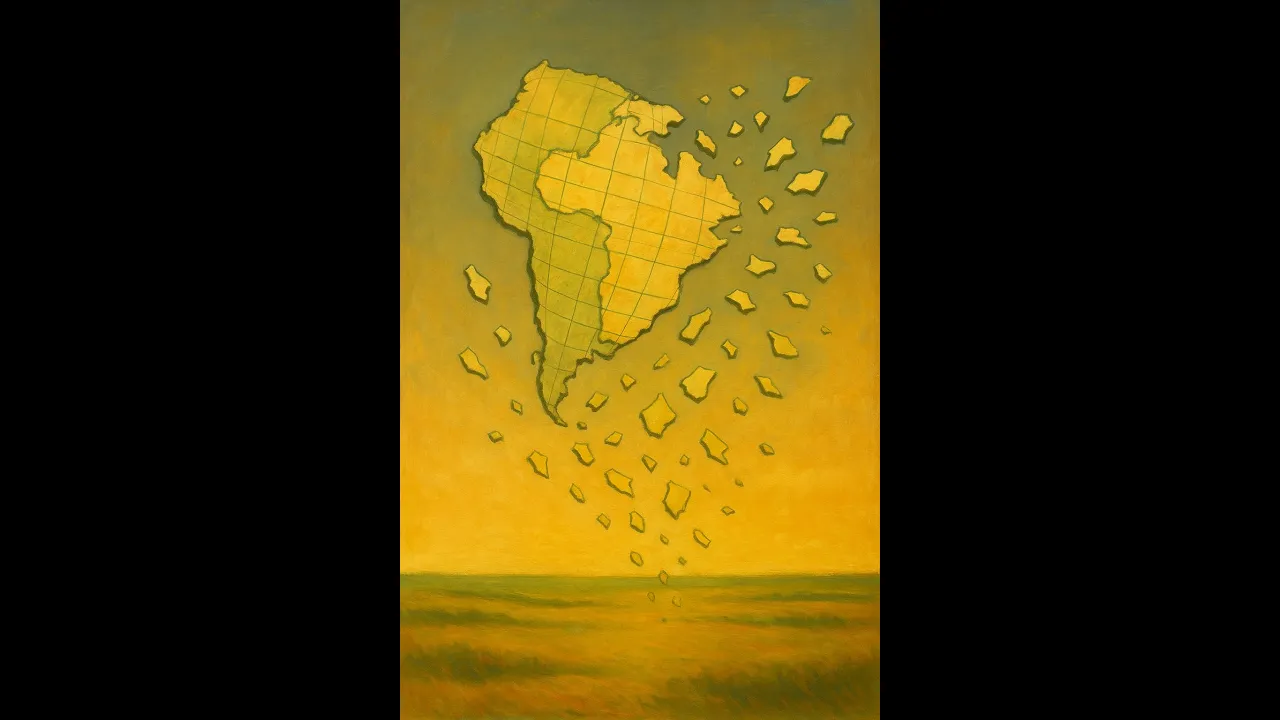








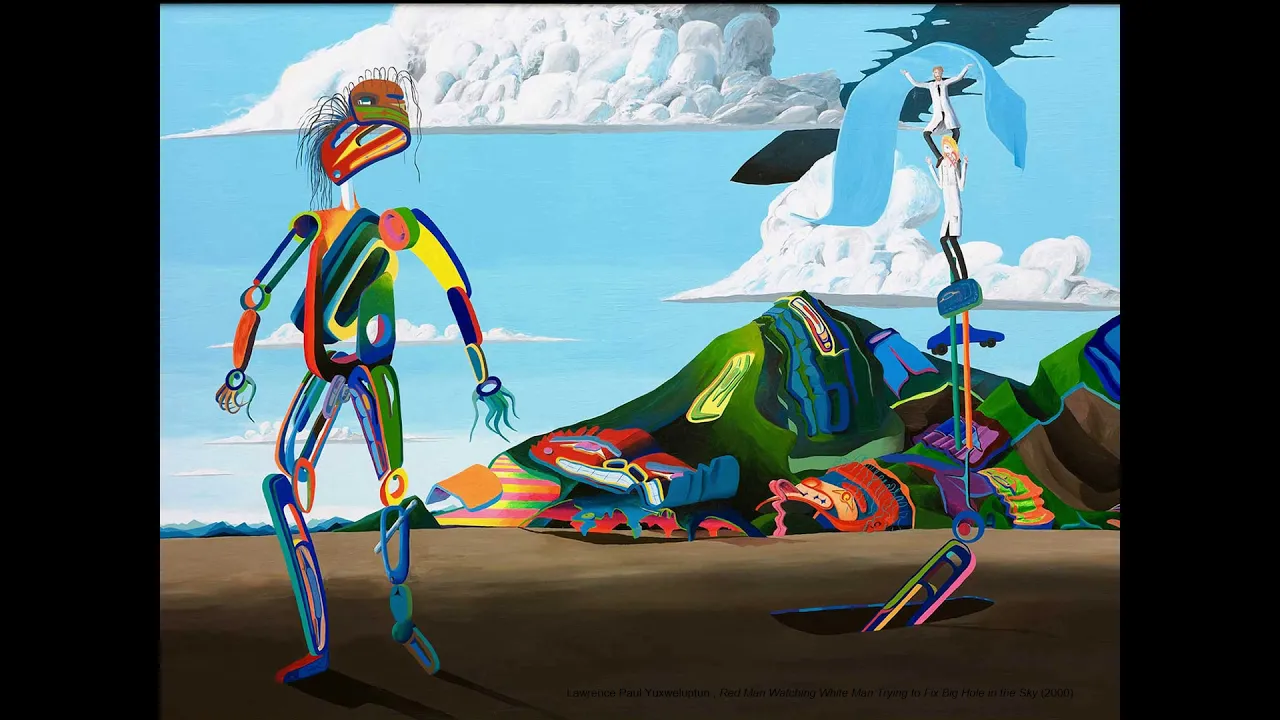
Maize domestication in Mexico represents a unique case where humans developed non-genetic relationships with plants, challenging traditional linear narratives of domestication that assume independent regional developments; instead, domestication emerges from complex, interconnected assemblages of human-plant-animal relationships spanning millions of years, driven by factors beyond mere food production including religious and spiritual significance, rather than simple demographic or ecological pressures.
Rethinking Maize Domestication: Assemblage Theory Applications
Added:The biological and genetic history of maize domestication, specifically the transformation from the wild grass teosinte (Zea mays ssp. parviglumis) to modern maize.
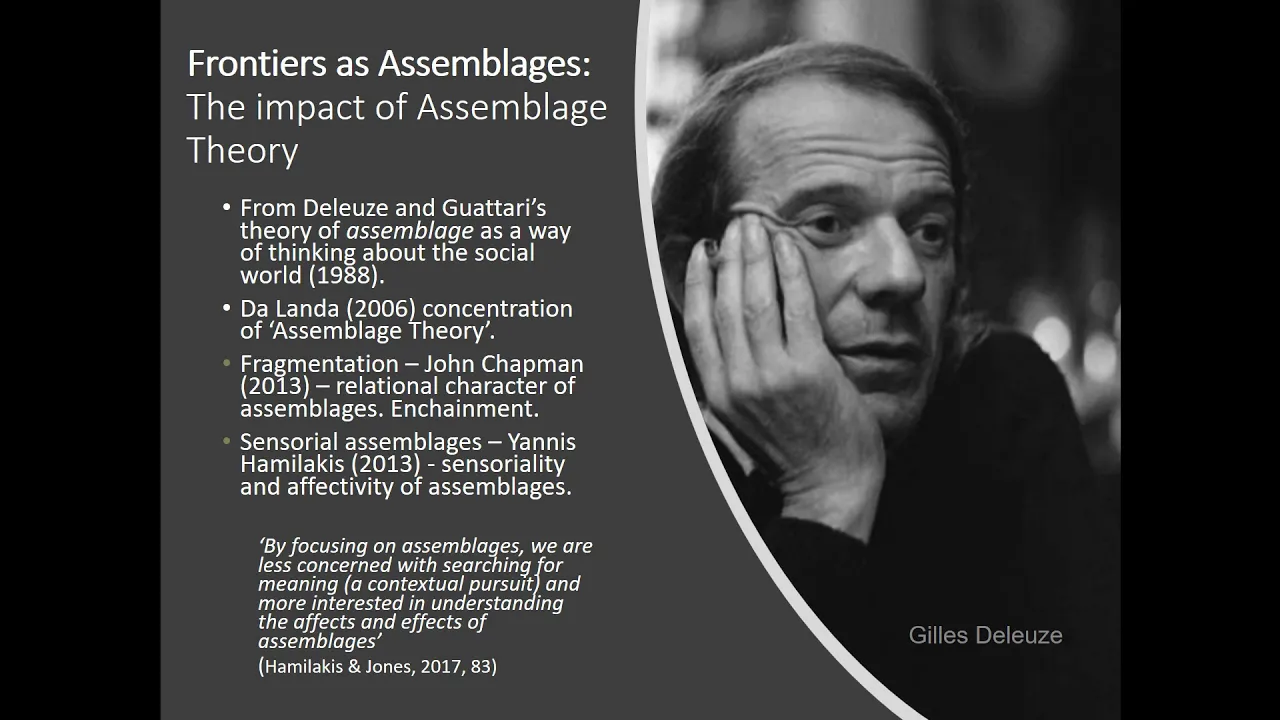
Fundamental concepts of Assemblage Theory as formulated in social philosophy (e.g., Gilles Deleuze, Félix Guattari, and Manuel DeLanda), particularly the ideas of emergent properties and heterogeneous relations.
Traditional archaeological and anthropological models of agricultural origins, such as environmental determinism and human-agentic push models in Mesoamerica.
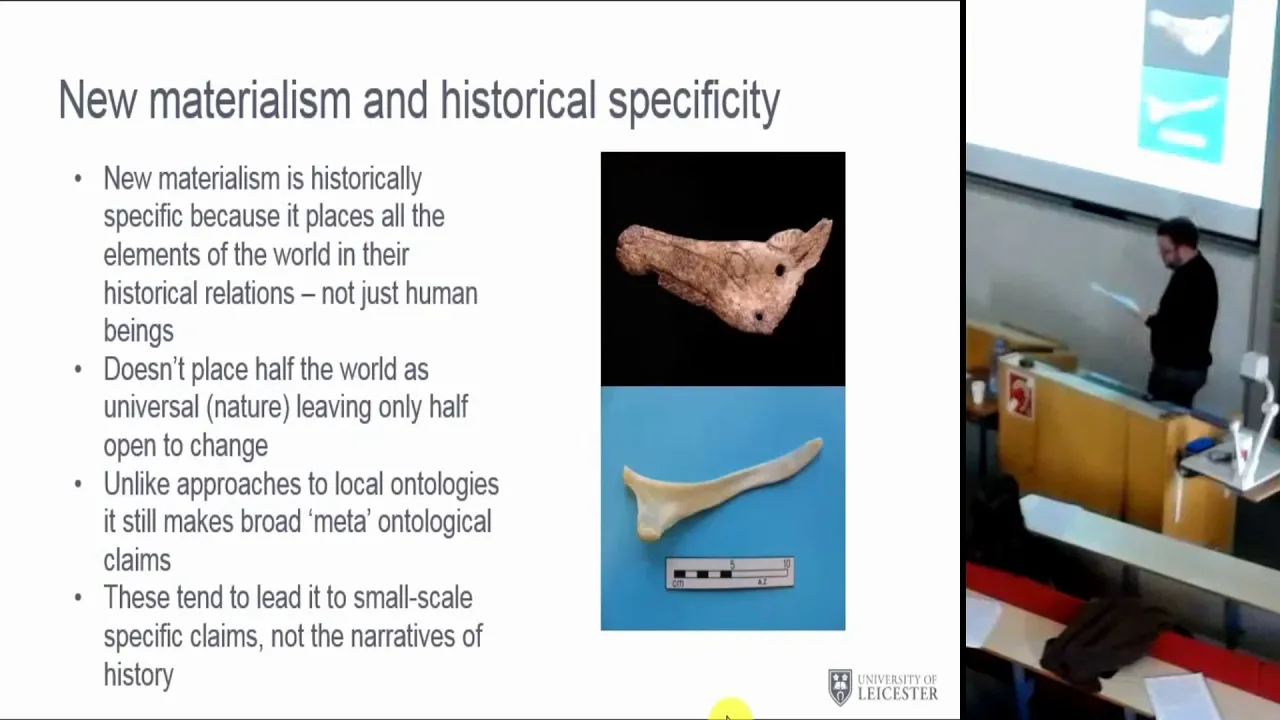
The basic principles of 'new materialism' and post-humanist archaeology, which critique human-centered histories and emphasize the agency of non-human entities.
Applying assemblage theory to analyze the domestication and spread of other key domesticates, such as wheat in the Fertile Crescent or rice in East Asia.
Advanced study of Manuel DeLanda's 'A New Philosophy of Society' to master concepts of territorialization, deterritorialization, and coding within material assemblages.
Methodological approaches in archaeology that align with relational theories, such as micro-botanical analysis (phytoliths and starch grains) and multi-species ethnography.
Synthesizing assemblage theory with Indigenous ontologies and Traditional Ecological Knowledge (TEK) to explore alternative narratives of human-plant reciprocity.
113 views1likes47:21Original Release: 2017-06-21
realizing that once if people are back from lunch let's go ahead and get started this is something a bit different for me but the BP others explain quickly where this is coming from and most of us is incorporating the laws processing tool and other people who've been doing these types of things for a pretty long time and oh it fits very well into India's about domestication particularly in Mexico but well John was knighted separately than my Sydney but it was sort of talking about putting this session together and I've been talking and working with geneticists and other types of people in Mexico so it is fascinating that there is some sort of interest in Toulouse from the hard sciences there are almost insuperable I'm not a superable with very difficult barriers but there isn't openness and lisa mexico it's appropriate also we've done well being here and it is incredible for me it goes every people as well this is fascinating and you can you can plug in and reconnect and so forth and do this kind of assemblage thinking and much better than three steps into sometimes that I get elsewhere but on the name of the project is ongoing is this idea of I'm psychic to the domestication of maize we've never seen a case except with corn maze where you have a an enter a four seed ancestor or relationship that is completely non genetic vidiseo site guys that are proof or are gymnasts from no genetic relationships in maize but they are perceived as this and so you'll feel a little bit of this I don't know how much they get into in the second part but you can see this online I've put a little feel to slide from another presentation the nice ones with all the photos and if I just looked at how we're looking at these landscapes and then going back through time and try to figure out is there another way to explain domestication because as you'll see or if you've already looked at the explanations we can for this are no good anymore and the recent literature basically admits this so the business the project they got funded by the American air amazingly enough because it brings together genomics archaeology cultural geography qualitative quantitative various teams of researchers in the natural biodiversity in genetics laboratory in Mexico and you know Kuato and so and the reason this kind of happened was because the other made researcher on here dr. C Breanna was working independently on genetic data and real life with pipette and realized something will join what the humans were doing things which they had thousands of years ago and moving them around and so we started connecting these ideas together so we form this kind of you know this connection and sort of the bring other researchers and I will John will be obviously das genetics I won't have a lot more to say about that but let me go back and I'm going to take this off what I wanted to do if I had more time with to get in and it's awesome to show you though all you'll be able to see D so I wanted to do the Morris low charts and diagrams and so forth so bear with me we'll see beyond here we're contrasting I think a way to break down of assuming that but where people would be in these different literature's there are fast literature's on domestication and they're separated around the world those Mesoamerican is really aren't talking the people in the Middle East I'm going to look at the case of Australia where it never happens and so forth yes mystic I don't think so but basically what I'm doing is when you consider the traditional views of domestication clearly we can see that it's an assemblage many interrelationships between humans and plants animals and so forth over time but it's supposedly happening independently a different area without the fusion or contagion right so for example the typical view for us is the set of assemblages and instantiations as society so let's say the traditional narrative in the US or whatever it goes back in time and of course you to be more primitive you go back Oh hunter gatherers and so forth as to introduction of new technologies new tools new ideas and you have this natural progress to where we are today so you start with people that supposedly just forests right and then there were these revolutions that occurred most of the stuff now we know is wrong misinterpreted and so forth and so on so if this is the Middle East or you could think of Neolithic Revolution and so forth and then you can say okay it affected this variant battery but it doesn't explain Mexico for example if you take the case of Mexico and maybe more recent and you end up with D and so you come up with all these different supposes hearts and then you find out the hearts themselves as basically it's a bad construct the more we look we see that these are currently various places people are investigating and pseudo domesticating proto domesticating cultivating many plants and animals and trying to and so a lot of this has been extremely reductionist because of course what we and what what we have is the explanation of why we are here and why we are America or whatever we may be whatever empire and this is what you know states have done and so of course they have diminished the importance of this and so of course we're flipping it around because this a is assemblages stretched back from millions of years evolutionarily all the way up to ten thousand twenty thousand years ago right so we really are looking much more in this because it's just indicating these connections don't work so if we get rid of the stages and other things I'm going to mention it occurred to me and this is why in the research project I showed you it turns out we have to try to integrate all of these different fields of research using a semblance theory which is an enormous task and I don't know if this has been done before because working with chemists and geneticists and so forth is quite challenging but trying to explain basically maize domestication and we're going to little of that today probably just load those raise a lot of questions and ideas a lot of this is in free publication right now this year next year start getting some of it out but what if we take it the other way around and we say you know we look at societies or the intensive processes the assemblages the interlocked intensive processes that lead to these instantiations as a specific society and a specific landscape you know we treatment non cultivation this is the norm for as long as there have been beings in a landscape depending how far back you want to do it at a certain time you get to be and you end up with cultivation assemblages these are these hunter-gatherers mostly were not this that we know of they were not the way they're portrayed and they were doing plenty of cultivation as receipts they were farming landscapes with fire they were transplanting they would do all sorts of things and so but then the being inevitably a narrative and it does it gives way to see domestication which is fully farming societies hurting societies or mixtures and I guess these are these are as you can probably guess arbitrary turistica tools we can use the kind of breakdown D is your agricultural dependent assemblages and their instantiation and if you get the on societies that have domestication fully domesticated plants and animals and societies that are completely dependent alright and this room here we don't really know where we go we don't go back to a if we collapse necessarily do different things but I'm thinking of the virtual what is the virtual of this however you want to talk about it I've worked a lot with the idea of virtual intensive and in actual so the virtual the capacities most likely are calling it the dreaming out but I've been reading about Australia it was very poorly understood it does not dream time does not green space it's something here and it's some communication of course a lot of it is done through actual dreams but there are many many many other ways I was trying to get to it and as a finding an element of human culture because agriculture and domestication are human it didn't happen because some natural force causes field of differential relations and capacities and so forth but I just did the beginning stages kind of think of what this virtual would be particularly Mexico what produces maize how you come up with the world premiere domesticated crops it is completely genetically enslaved yes so just ask to bring this back down all over the top of it but maybe it'll come a little bit when I run through the more linear presentation here bring this thing back on and I found out working with a lot of a lot of people who will be doing credit people at work these people who are as a in Mexico particularly trying to figure out the genetic transformations the football tail DJ your turn that is amazed it's not cylinders knowledge good right and I've asked this question well why did people do it in the first place because now we know there really wasn't me all the whole explanations are wrong or partial and so why this people do it and they kind of shrug their shoulders and they can't figure it out no I mean no one's really been able to and of course going back that farm trying to reconstruct this you're limited by a lot of bias bias but by many different things so okay okay so I like that alright so so we've ever wanted to do it consequences combining those three stalks by the way because the other presenter was not able to come the other presenters or the people behind this from Mexico so I kind of taken that introduction and then the southern part infuse them together than John will come after that and then I'm on mobile we'll discuss so what this part is is so much or you can be thinking of why and what to do is template instead of this linear and it just doesn't work very well try to figure out what some of the main variables are I didn't throw in a lot of authors but it says there's some very important people in the lot and they're not thinking about signs which is pretty soon but they're definitely open this because they cannot explain it I'm using Australia now doing field work in Arnhem Land in Northern Territory one of the closest we have to a remaining complex trendy gallant area a hunter-gatherer assemblages where you have a lot of these traditions still active and trying to get inside how people relate to the landscape being a geographer oh I talked a lot about landscape support as we're even sexualize this but that they never need is to develop agriculture and I'll switch back to the Mexico and it's also for some reason not showing all the slides run here create I think sighs wrong the few clarifications on the definitions of what we're trying to do we are looking specifically at domestication and we'll define that in a second when we talk about farming we're not necessarily talking about crops we're not necessarily talking about domesticus we could be talking about firestick farming but it's transformation of the landscape cultivation we're not also talking about domestic it's necessarily you can cultivate plants in your garden and do border culture and so forth but it really depends of what literature you're following in what part of the world the deserve further investigation which I don't really like because it kind of says there's linearity and all the proto ZOA mesektet ended up as domestic it's not true this is an extremely long period time in the Middle East up to ten thousand years in proto domestication was working fine there's a landscape approach I mentioned there's too many gaps and methodology and so forth and a lot of what we we think is wrong is just how long this I think has been misinterpreted and we're looking backward from here so I'll probably fill this is gonna be cut off and I'll talk over it I can see it here so as an education by the way is not limited to plants and birds and animals remember bees remember fungi and lactobacillus it is also not define it specific to humans I eat human domesticating I also recognize as what leaf cutter ants do cultivating a domesticating fungi but it is genetic changes induced genetic changes selection and reforming and creating something new that the farmer does because as long as we're gatherers did it resulting in phenotypic changes in vitae right and so they so partically are wholly dependent on human being and so that of course they become something that we can't do without and this is fine you can be particles can be reversed and so forth and so on it's been going on for the last 25 hours in the year in a certain sense last 10,000 is what most people say but it really just has where and where you would draw the line so questioning the impetus for domestication the traditional explanations of this people needed to produce more food people need to have a uniform harvest for again phone on Saturday rapists and so you can harvest it all at the same time and then you know this look supposedly one of the big things that happened and all most of these appear aren't really true it turned out it happened quickly this is one of the worst errors so Michael Peruvian Azorean cooler is go forth with talked about slow domestication just takes thousands of years it's not like a genetic change happen and so they harvested and that's domestic no I mean and this is what we don't understand through these snack truck how long does a genetic enslavement what else it seems to be necessary for social stratification all these Nick's are education all these things that we talk about accumulation also not necessarily the case and just talk about something essentially different how revolutions which it is not what else did I stay down here part of an essential VAD any favor or into stepwise progression to civilization and so there's this idea in all of our narratives embedded in our a schoolbook somehow this just happens because again they were starving or there were this and that and then we end up what we have now if it's just automatically going to happen and driven by a limited set of factors this popular element caused by this OVA caused by that is equal quarrel over one point obviously something much more complex than that so the ones in error for example which I've already mentioned kind of domestication has something to happens worldwide isn't breaking it down trying to figure it out from I guess the wrong directions in a lot of ways why it's happening so if RT says that there are many counters to everything through that will you know Poverty Point culture if you know the cultures of the Pacific Northwest you know complex winter gathered societies very stratified very segment area and they're not relying on domesticated plants they're relying on fish they're relying on other resources and so you know you don't have to have some sort of higher position and so forth to have agriculture and it doesn't occur in a vacuum so we don't have a good reason anymore for white societies with domesticate any given plants or hand and this is a big challenge for modern research and this is why a lot of archaeologists that I've met are now working with geneticists they're working with cultural geographer this is happening and I think it's going to happen more because it is simply realizing that all of this business yeah so this I mentioned all of you is Galatea is very interesting over 20,000 years ago and it was proto domestication to take place taking place people were harvesting crop in the wild Phillips I think or remember career weeks viola sweets which is that different from domesticated versions and this went on for thousands of years in Mexico with a fizzle species of millet they never domesticated the millet in Mexico but they harvested huge quantities right the research looks amazed and very much ignored all of that so there are many domestication experiments that failed and it's possible that the medication was the norm to trying to control something and trying to put it close to you and trying to indicate the spike guys get a cone again a clinic and three scones in a year that a thousand years in some cases like it's a very very long-lived plants and so you know experimentation is something that's going on for extremely long time people are tinkering with everything and this is one of the basic messages that come out to me dead end all the time particularly inanimate they don't talk about as much enough America has very few domesticate so why was this desirable because at the end of it you really can't come up with an example when we look at Australia you see very high populations before basically the genocide in the populations last after eighty-eight and you start wondering what women in literature is very heavy on trying to my Australia was unique that we'll talk a little bit about that we found a huge fascination of mine and this last part which you would think which I thought would be a big deal of looking at the veins in the psychotic and the phallus ISM and so forth this would be a big deal I found out no it's been avoided except when you're looking at you can see this but in Middle Eastern scholarship a skeleton named Jacques called n tau VI n this tied together and Ian of Gobekli Tepe in Turkey and talked about the role of rescission in the domestication of animals right pulses different you know and so forth um but in general this has been largely overlooked with being like the big the wool funded projects particularly the genetics work for this Australia 1788 pre 1780 I'll get to in a minute we all know of course and we learned at the graduate school geographers particularly that investigation is one of these likelihoods stress I really don't like this new label society base but how they happen to get their food but of course most for many societies are mixed as is our most in the United States is a lot of hunting there's a lot of gathering and so forth and so on and you have you know people in landscapes doing this when it is true of course that as this becomes more intensive farming and herding societies can rewrite the entire narrative and of course launder gatherers gets pushed out to the very edges there was the thing I showed whether the assembly trend has swallowed up everything else and hunter gathers with the most knowledge and the most accumulated knowledge in the case of Australia are the most minimal and most marginalized which I think both people know full domestication is cooperatively rare and in most cases a lot of things we think of as best it like after chameleon Sepphoris part of our easily our articles of hybridize variable expressed a college degree while themselves forth and so on so again it makes it very confusing one thing to be cautious with if you come like me out of a cultural ecological background prevalence you geography and so forth is these overly a logistic kind of it's the equivalent of scientism is kind of vegetation and ecology can solve all of our problems for human beings but when you're looking at investigation is much more than ecology and it's much more than something that we can do through equations Eleni talked about when you talk about SES you talked about these ways of approaching it most of our my research is entirely qualitative and so we need to do be careful here and be careful the demographic concept oh there were more people they needed more food entire careers have been spent on this and these are all partial actually maybe they work in one place that you not work over all be very careful of many approaches perhaps most they simply completely avoid the role of religion or if you don't like that political or fun again you know so and then this and I learn local people are not all going they don't perfectly adaptive you know the landscape and establish some sort of equilibrium most of us know that now as well but these are some of the baggage that's there as well so maybe I always like this care flock as the diluting Acharya talks a lot about what we're going to talking about a state agriculture and what entail for example with the Nile you know you had the agriculture arises all these systems arose hydraulics and then it was over coated by the increasingly you know buying and during the first stuff in the mid so forth and you have surfs of enslaves and corvée etcetera etc and you got making dependence on further focuses whose there's a lot of politics a lot of religion here I think that's what's missing in the portal first few thousand years and then the other thing you see is food today we only stand to understand it new systems and you would think that way you're supposed to analyze that way and yet we go back a thousand years you know and we say oh well we don't really even think about that kind of thing and yet of course we need to when we look at the experience like Mexico where we still have very little data for four to five thousand years ago so on the Australia is I sort of bring this dude because I guess we're heavily used in Australia and we're pulling for fire form like a lot of things Harry Lorenzo says are archeologists out of Queensland very influential so it was necessary of course working with now Aboriginal society to themselves Catalan and are bringing archaeologists and other geographers to work with them to try to figure a lot of us out this is very exciting I think you know society didn't testify three summers dynamic equilibrium for example this idea of a romantic you know hunter-gatherer not fairly if you live lightly on the land is false but they were trying to reconstruct you know after all the racism and so forth and all the marginalization try to paint them very romantically an ecosystem people they are not ecosystem people and they were not but kind of understand why that happened we're going back and seeing the things that did happen in Australia particularly where there were certain resources in the less nomadic areas where there's less with the wetter areas and so forth these edges eel trapping so very complicated fish farming a lot of marine stuff as well millet and there's evidence for gardening tubers but not transforming them for example while yam putting them in a certain place but of course this was obliterated very quickly after 1788 fire dick farming important across the entire cotton is just imagine you're able to manipulate landscape so you can move in use from pasture to pasture by these burning regimes and so you're essentially you're farming the e-news pastoralism with the genetic change so I have culture never occurred or developed and that's the odd thing after 48 50 thousand years or more and very close to New Guinea on the if you are Peninsula New Guinea of course intensive agriculture very happily studies and doesn't appear to have passed southward as easily put in spread so does a lot of work so if this is an interest to you there are vast literature's and as there were restrictions like it's been over to turn to the extent that we really don't even know how the pendency workings if you look carefully at some of the very fragmentary archaeological record bias for maize and a few other crops yeah Takenaga Rafi a lot of what we see is amazed maybe psyche a stones there are numerous errors that actually come into this regardless there's this sort of haze like like all of a sudden people started doing agriculture and so unlike other areas of the world that has been very apologies there are no hunting gathering societies left in that America Middle America Mesoamerica that just gives us that interest so we're lacking one of the things we're trying to do is get back eight ten thousand years you ain't using new technologies that allow us to look at the problem and do other things and figure out exactly the logical assemblages what they're seeing in the stress what's going on there what was going on and like I said we don't miss is critical because this is a very fundamental Mexico and what would world civilization now and we don't even understand in genetic changes we understand a few but not all this would thousands of years but it spread rapidly so all the sudden they transform those he fit in the maze and then it's popping up all over the place genetic explanation was not domesticated independently somewhere else so how did it do that it was not easy mazes not even for thousands of years other things we can psyche as Wheaton's all sorts of other plants eventually maize becomes a staple so all of this has been kind of pushed out and we when you think of what this means you've got to figure out that maize was investigated for something other than food but they're not going to spend thousands of here trying to turn something like this into something that becomes a staple crop there must have been something else going on there are theories about this I'll mention one in a second what we're calling these people we don't think of them as DG Galit Aryan societies or banned societies whatever is both complex trend egalitarian assemblages I was the only intelligence of peoples landscapes the be particularly assemblage kind of them in that model these are the ones domesticate maize most people don't think the thinking okay at the farm no this was all of the crops or domesticated by people who were not farmers it did not become farmers in the process of doing it in a sense they did not settle necessarily in villages that were thousands of years later for that and it's not chili peppers as well very a lot of sacred content with chili peppers among other things a lot of a lot of like I said a lot of sexual content and so forth and so on and when you when you talk to people in Mexico to a lot of people very open dissidents or politics looking at the religious system bollocks what thinking that far back ok so how do we reconstruct this with a new term for V but it's very exciting this idea of how did you have no archaeology in these projects particular hunter-gatherers are unbelievable the UNESCO has a new effort to try to do this a lot of reasons why and I'll working with the societies themselves of is happening in the US and in Australia and so forth finding these traces in the present because it is retention deer hunting for example all these different things that takes place go back thousands and thousands years so it's your tanks so these different assemblages are all captured by what I what I call seed they're all still there in certain fragments that's the ethnography part that I'm working and then trying to get back like I said get back to this earlier part using other techniques and using genetics as well and the other stuff I've already mentioned here's a here's an exact count for example from Ryan dating that's worked in the Pacific Northwest with these hunter-gatherer Society and it looked at maids as well and proposes that the reason that it's developed have to do a static that they were traded in beef and the groups came together and each went long distances he leased it to show off their product made the perfect example of this on the reason why I'm easier or a something that looked with something that was a type of site that we think would explain why they move so quickly that distances more than Australia site guys in Australia that throw all these grades of speech states but looking at something that's open you know assembly disk is created and repeated in space and climb from where it's a very different way of thinking why particularly shamans people with religious power would want to acquire these items may cite as are extremely phallic and they're also both used for intoxication and hallucination in the face of sight as it turns out and there's a lot more there to think about once you break out of those old models reconnecting elements of new models here then we can not plug into these different assemblages that I'll break down quickly in a minute I think we can reconnect new a total world cultures if we think is twenty two thousand years ago people were in essence farming grasses well that's longer than the time that people came from the old world to the new so treating you know people were using fire they were connected through generations of Australians are connected through thousands of years clearly that there was some activity between Asia and the world scholars however don't necessarily emphasize that but they should if we're this global virtual you're drawing from something there has to be some explanation of how these types of things are right separately I'll talk a little bit more about that later very speculative interspecies communication is the biggest thing for me and I think it's one of the most important things to talk about the first very important person I met an army Lance said you need to understand first of all that we're not more or less than animals or plants we can become them they can become us there's the sky activity and so forth they I am basically a bird and we would say to place that burden ritual he represents them this is not what he's meant and what is missing is interspecies communication this is what we evolved as one species among many and we learn from them and they learn from us and so forth and so looking at that very rich literature emerging multi species ethnography in trying to figure that out that we extracted ourselves as human beings and visits ourselves from that many great examples now of coevolution without domestication although this idea that people come into new land and they just figure it out in this for people coming into new lands hedges twenty thousand years ago Rd densely inhabited by other non-human people plants as well as animals right so there are already there for you communicate with now but so again getting into minds of people ten thousand years ago for extraordinarily differences and may only be in the realm of theory but it's something to think about the bottom I said there's no popular rasa in this so assemblages to go back to that the way we're trying to break this down and think about it is getting back to these right this I already showed the virtual I mentioned and we could think of a virtual in different ways and this is all just very preliminary for me certainly Hudson potentials as well so these are just as you can out you can think of dipping into the vertical and kind of extracting from it it has society does involve new things or learns virtual changes along with the actual right so you don't get the same virtual you can go back to the Australian Aborigines have a new virtual including in their dream right it includes us it includes everything that they're doing you know and so this is so very interesting as we go into you know there's those temporal elements that we're not denying the actual list of the spatio-temporal instead if a society in a physical landscape of the human landscape that one's this one for that nation-state etc and so forth all right so these to the intensive here what's getting you from this virtual to whatever your society is right or the interconnected processes and there are many right and you end up with this kind of lightly with strategies right that produce the society the sites product right so this is the process I don't know it's all open here but it certainly does form something that fits metastable there basins of attraction do you get stuck you get very dependent in space and in other ways you can switch sort of but not going back to the same thing but you can get these kind of ideas how you can think of these and we also portrayed you know the end of the world that way we all go back to being hunter-gatherers of course absurd in a certain sense it wouldn't work that way but we did see with post 1492 to both 1788 we go in and you look at these societies and the Fantas right about these people living in the forest as if that's the way they always lived even 400 years later and yet they are the remnants of very babies to work complex but very stratified entire chiefdoms and so forth and so on so Assembly's converters those red arrows I had you know what takes assemblies and switches this is something else and these are incorporated in creating this assemblage but also these are disruptive events and people will focus now on climate change extreme weather events a tsunami which fires the instance of bushfires in the Australian bush is formative for that assemblage extremely important but too much modify or something like that and of course completely distort so fire has that tectonic event we're seeing this in Mexico pathogenic events and so forth and so on contacts with other human groups being one of the major ones conquest destruction conversion all of these types of things when the Spanish missionaries came in at present take the certain groups and making them farm to make them Christian you know stop them from wandering the wilderness and that sort of thing this is seen everywhere so we've got a rich resource on how some of this works because we know it and we've seen it fluctuations availability of resources a lot of energy since spending this kind of just measuring it all out seen we could just create enough equations we can figure out you know how this happens you can also say these are the triggers for domestication within and how these assemblages are converted humans at a graphic growth a particular non favorite of mines of but it is important miraculous events can be things that can't be explained so forth and so on and of course genetic event and probably many other things all right so non cultivation the a then this is all of human and pretty human so it can all that you know all that these are species communication and all those genes and so forth accumulating just very recently and I think I've already said a lot of this but I underlined the inter species communications the fact that you have this cool communication going on this both ways by the way the honey gatherers Iike me funny guy in Africa is a bird that communicated the language specifically to that species and human beings very famous examples cobol's over about a hundred thousand years or more and so you have you know coevolution without any type of domestication that you have effective communication to lead to a food resources ethics of human and many times the language media except so communities being lack of things we may become unit is higher position but it's not straight it's not extremely land ownership exists with the territory owned very different way than we take up with great flashes in Australia's not that they're not traditional owners and supportin what is just done extremely differently we know this had to do with resilience than be a to be able adapt to change we're not saying that they did what else in some of the states that I've already mentioned there note that the very bottom of the language is who use do not separate humans from non-human seasoned fire does not do so in Australia specific project in Australia is to show you widespread belief and actual occurrence of burden staking firebrands and spread the fire one purpose as a tool which is what we're involved in right now there's a group of people attribute their knowledge of where fire comes home so it sounds like folklore and it turns out it's a real thing so increasingly the more we learn about burden so the more we see a lot of this is because very closely interconnected so because this intermediary when you start doing cultivation these photos investigate this goes on for in many cases thousands beers so your other gatherers are doing all of this as well in many cases and they're planting and selecting and so forth the site so this is where domestication happens in this one but the assemblage you don't have that conversion as bill to see the domestication extended is where you get these tweets or fully domesticated human labor depended whatever what we think of is genetic inflation and then of course one gets dependent on the other neither can do without the other one and when this collapses it can be obviously catastrophic reorient Leisha really did enjoy your don't invent a you know new deities or retool old deities and so forth I would comment it again in Australian Aboriginal thought there are no beauties right we say religion we're not talking about that at all so some of the transformations taking place spaciality shift quite clearly gender roles another something that's being heavily studied not just gender but also the roles of children there is generally less mobility in southern society i mean they're pretty much has to be you can't believe your farm unattended for very long and that have a calendar yeah this reorganization of time is extremely important to kalindra pulsus event of almost control an incredible controlling factor so agriculture calendars once they're set in motion they're controlled by the highest authorities as they are in this and don't seem like you go back from there so so many different structures again introduced and interlocked and this is why the tea then get you know kids turned into deep well so yes so this is seeing up this go on of civilization when really at the end and a lot of people redevelop ously be romantically and so 14 it has a failure I was just hitting that kind of baggage out and saying you know what was lost and then what was added and how do we figure out these different connections whether you will work at the level with virtual or the incentives you know how how and why this happens and last any agricultural the kind of sounds is basically the entire world today we can in a real sense having swallowed up everything else other good global capitalism whatever you want to call it all of this is I guess obvious you don't need the states for this quite clear you have many societies for clues higher cultures are also word of the state permanent communities of outlying areas farms tend toward higher activation phase novel there are many pieces of farming societies the Amish for example who are very different structure than our own incorporation of strong elements all this kind of swallowed however you want to look at it restarted the Mexican case here be as I've already said the may come before was often thought of as something invented by farmers it's not not the farmers that we would think and we want to try and understand if your species communication we don't have a lot of we don't have a lot of ancient stuff in Mexico we can look at we don't have the kind of imagery biographies you find in the old world and tropical conditions it's harder to find what it is there and it's largely the neglected Mexico has archaeological remains up to ten thousand years ago they're seen basket weaving and things like that and many other ways if you can do this I think this very important getting into the minds of shamans today - that's the characters in many ways is the role of the song which is very alive in little media society of nahuatl whatever it's very secret and to go and do research in it a lot of the virtual it was covered over lies its hidden but trying to understand now and get back you know and trying to see what's going on with the sacred nature of this and why are they making strange connections you know the middle toe for example is you just made these credible dynamic system it's very fluid and extremely deep when you get into try to understand how they are experiencing creating the middle foot so very quickly with this case which mayor yet go through this quickly just in case when I'm talking about this a little bit thank as you don't see a lot of this but it looked like homes there under latest home actually they're culturally related homes as another element of this land a in which the next occasion arises in Mexico but they're effectively different they live for thousands of here there are male and female plants vivacious nor gymnosperms and so forth and so on and they grow all over the tropics of the world most of them are in danger so they're extremely important also for the history they're the origins of insects pollinating lots of other things to go back millions of years so you guys are eaten but they are incredibly density if you prepare the wrong you will die and there are many instances of this this is from Australia from what from a botanical garden in Darwin but you know this is the kind of thing that occurs in Mexico and an obsession of mine for a long time to try to figure out how important these are because these can become sequel crops because they produce massive numbers of these poses have started from people making the bread and so forth and so on with all of those risks and they also have extreme sacred significance like a lot of plants so for example these are ranges of sight have New Mexico and one thing that we saw it's like as in maize here thought of it's the same thing the same group among the Nahuatl and other groups of people in northeastern Mexico or I'll show you a few slides in Oaxaca in Honduras where all this started sike as our other phase mother of maize ancestor of maize Shepherd of mazes we'll see essentially sacred maze as it was transmitted to the Nava as Taylor Keene State but another word is a wholesale peace day out there and this we've definitely already published on that they all seem to here in Mexico works like that and the peyote play down here that's lecture to turn this game from Guatemala what what the science is called the antigen ancestor of maize and so it opens up this whole realm how do you deal with this to think it people think of this is a sacred ancestor how far back does this go this is not something new so some of these connections that I mentioned they're little types one is the type of the other obtains the ductile group and then society boy this isn't something recent needs is right next to site guys and some of the most famous but like as we're ignore here hi Malika 4,500 years science amazing same stratum the famous Templars I guess has been eaten heavily and there is no other Flint might cite guys want to things that we check force or another plant that's the ancestor of maize in that sense there are cousins and so forth but there isn't this kind of relationship the interproximal psyche as resina superior food by some groups its tentacle we think that some of the things that were used for site cuts will pass over into main omni's is a for superior you don't die if you if you if you prepare it for and their DNA says overlap in their representations of these deities and representations of site guys guns that people have apparently mistaken for maize for example possibly among the Olmecs and there's some people studying absolute it surprised a lot of people in Mexico and they become intrigued by the complaint yes being a wildly poisonous plant we're completely ignored by the Spanish made more recently because it was just something out there that was not important but I guess positively influenced maize grow well for example if you look at a milk left among the what's that a wider group in Northeast Mexico and they're very fluid very pro sexual thinking and ever speak in terms of pics in every connected everything else in their language and philosophy working with a healer they're a type of trauma Negus and being introduced to different now this is amused by the cornfields what is protected these are say heads around the outside protected in certain actual ways not just you know in some sort of religious sense that literally protected drawing away pests and so forth and so on and it's incredible functionality within all of this musica that protects this is something very traditional backgrounds that are protected and it is also the spirit the psyche that and the bigger the forest and the cornfield are the same thing in the society they're just transitions from one to the other and then back again and then the site that is the spirit somehow of all of that and then it pulls down the rain and the cloud it's just absolutely amazing when you have the questions to ask and and and so forth and so on and then also in that same region babanova so here's a here's a cone right here and see a couple photos of that back home and all the same words and in this case you have insemination the male cones this is the male cone right there in eight or four over two meats pallets gold spouse and then the pollen and the semen and is moved through the air above the insect pollination service in the female which is there the female cone close up and there were that following the psychic however the belief is also that these two fuse now the female became made which is melting element same plant and so male roommate those me I'm a made it's a child at this union and you can see this in these beautiful in this area of the Amiata States among the dentist number of Nava remaining they've been major concentration Mexico is there a lot of shamans and so forth but whistling willing to talk about this open knowledge is so here to leave us been garden Austin kleezak slash-and-burn they haven't signed the corn system all survived and here's a psychic popping up their deadly poisons okay if your kids were to eat one of those Lisa's probably die a lot of the sciences don't notice we get rid of these but they believe then that all of this is a sacred form of mages protecting it and it's somehow as the site at Rose the maze roads as well on again this makes no sense this makes no sense within concepts of how you understand uh you know agriculture and the origins of Agriculture we think it's kind of a view backus's seven years of cycad which turn into the maze ehe Comex oto seven years this is simply this is native self so you can see in this case of a small site yet how similar they are and there's a lot of other things as well just trying to look at that landscape view and interpret it when they're out there and some of the rest applies i put in here this was taken into the catholic church as well and wasn't confuse with palms and so a lot of site bath festivals in Mexico Day of the Dead so because they're heavily appreciated with that around the world and resurrection and so forth because basically burns
Up Next

50:38
20 Buried Cities Found by Satellite Archaeology: A New View of Lost Metropolises
@echoesoftheunknown348
231 views•2025-11-12
38:41
Astrobiology Through an Anthropological Lens: Field Insights
@georgiatechastrobiology
128 views•2021-04-14

4:45
Proxemics Explained: The Study of Personal Space
@Vox
536K views•2016-07-05

10:38
Psychology of Internet Trolling and Pranks Explained
@AzzyLand
10.7M views•2017-12-20
Related Study Plans & Knowledge Roadmaps
Structured learning paths in Anthropology
anthropology
Space Anthropology: Analogs, Culture & Habitats
01Foundations of Space Anthropology & Cosmic Imaginaries
02Extreme Isolation & Micro-Societies in Orbit
03Space Analog Habitats & Earth-Based Simulations
+ 2 more learning modules
15h5 modules
Explore Roadmap
anthropology
Legal Anthropology: Customary Law & Pluralism
01Foundations of Legal Anthropology and Social Justice
02Legal Pluralism: Coexisting Legal Systems
03Customary Law and Indigenous Dispute Resolution
+ 2 more learning modules
15h5 modules
Explore Roadmap
anthropology
Global Tourism: Gaze, Authenticity & Heritage
01Introduction to the Sociology of Tourism
02The 'Tourist Gaze' (John Urry)
03Staged Authenticity in Tourism
+ 3 more learning modules
14h6 modules
Explore Roadmap
anthropology
Modern Kinship (ART, Adoption & Chosen Family)
01Foundations of Kinship and Family
02Assisted Reproductive Technologies (ART) & Relatedness
03Transnational Adoption and Global Kinship
+ 2 more learning modules
12h5 modules
Explore Roadmap