

















![Вы не знали этого о славянской мифологии / [История по Чёрному]](https://i.ytimg.com/vi_webp/-SB3oipHGjY/maxresdefault.webp)
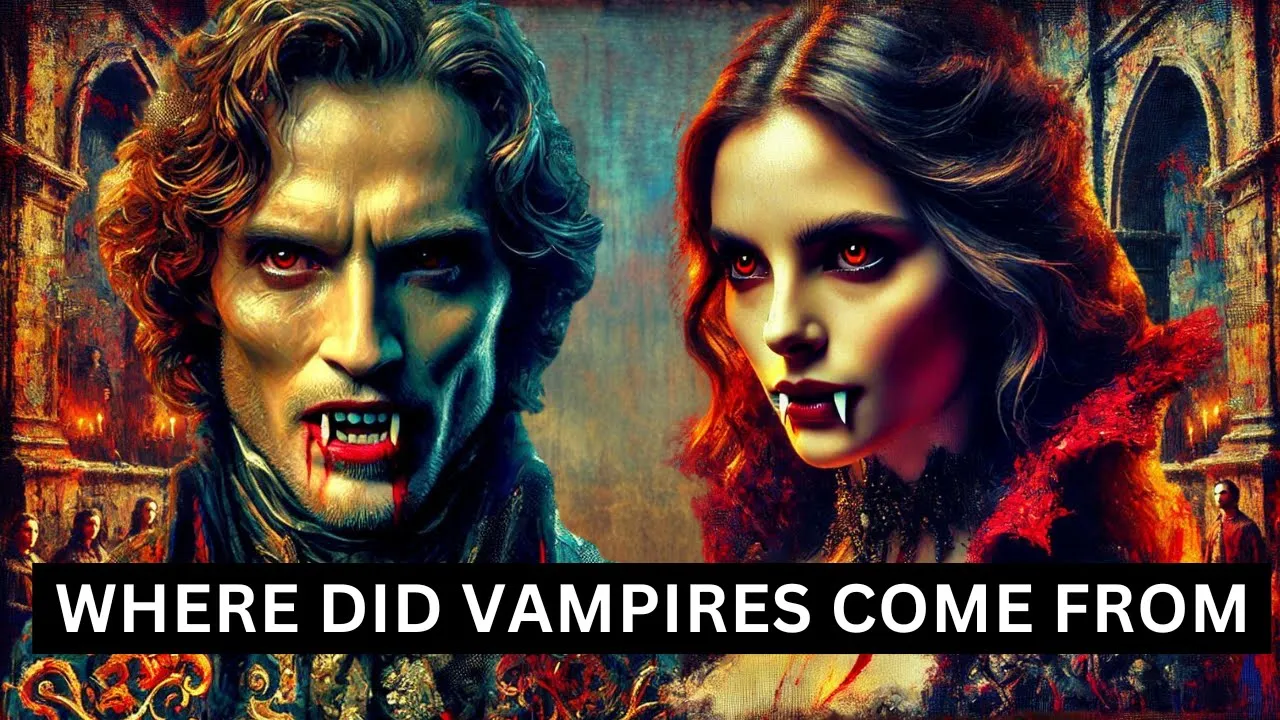
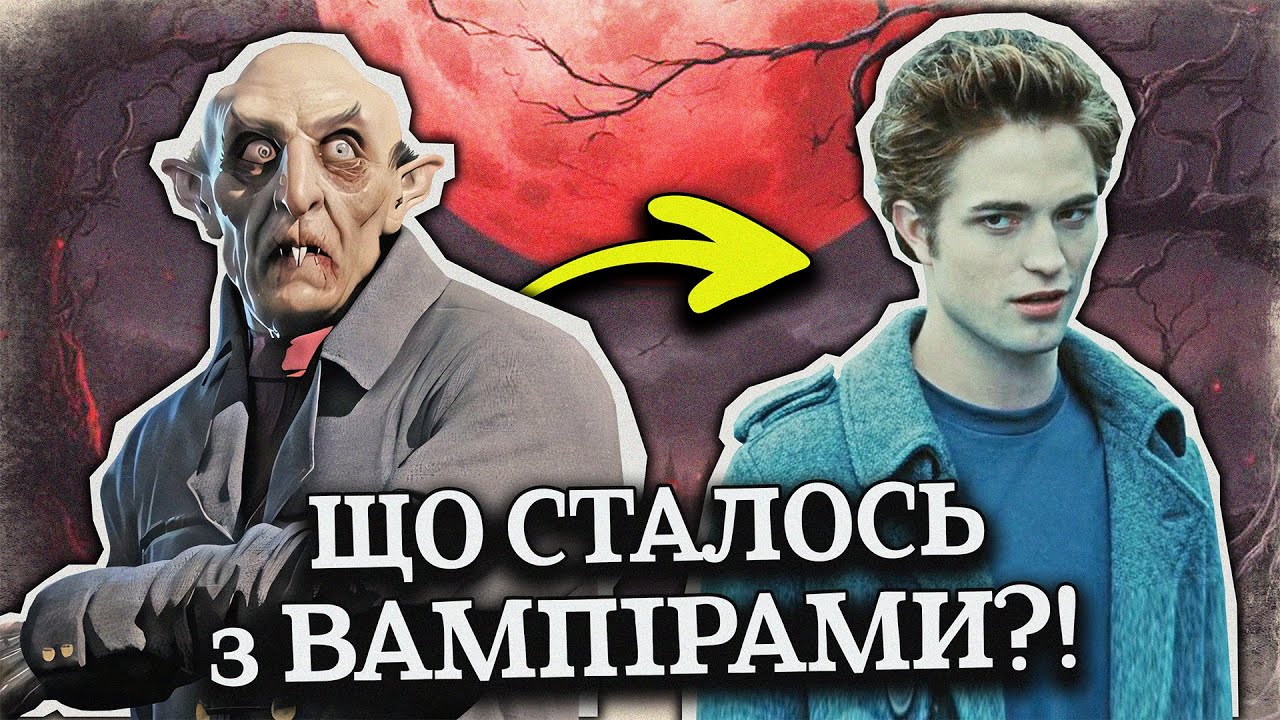
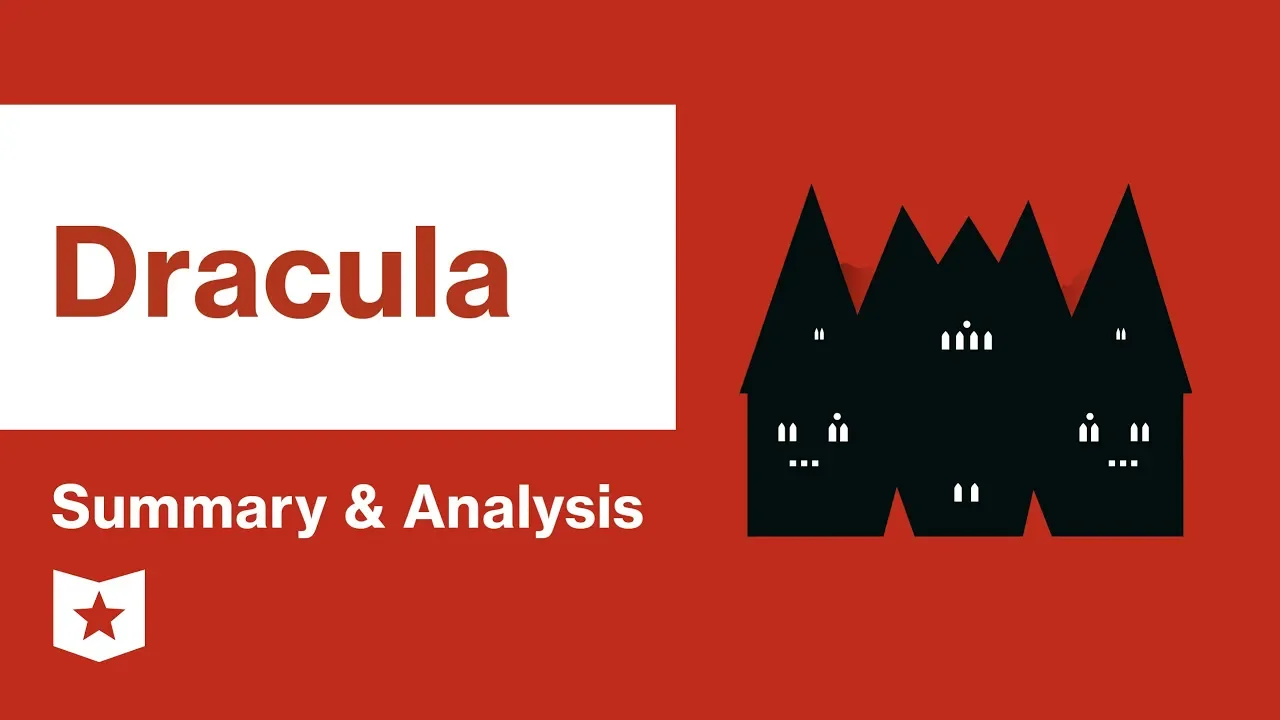
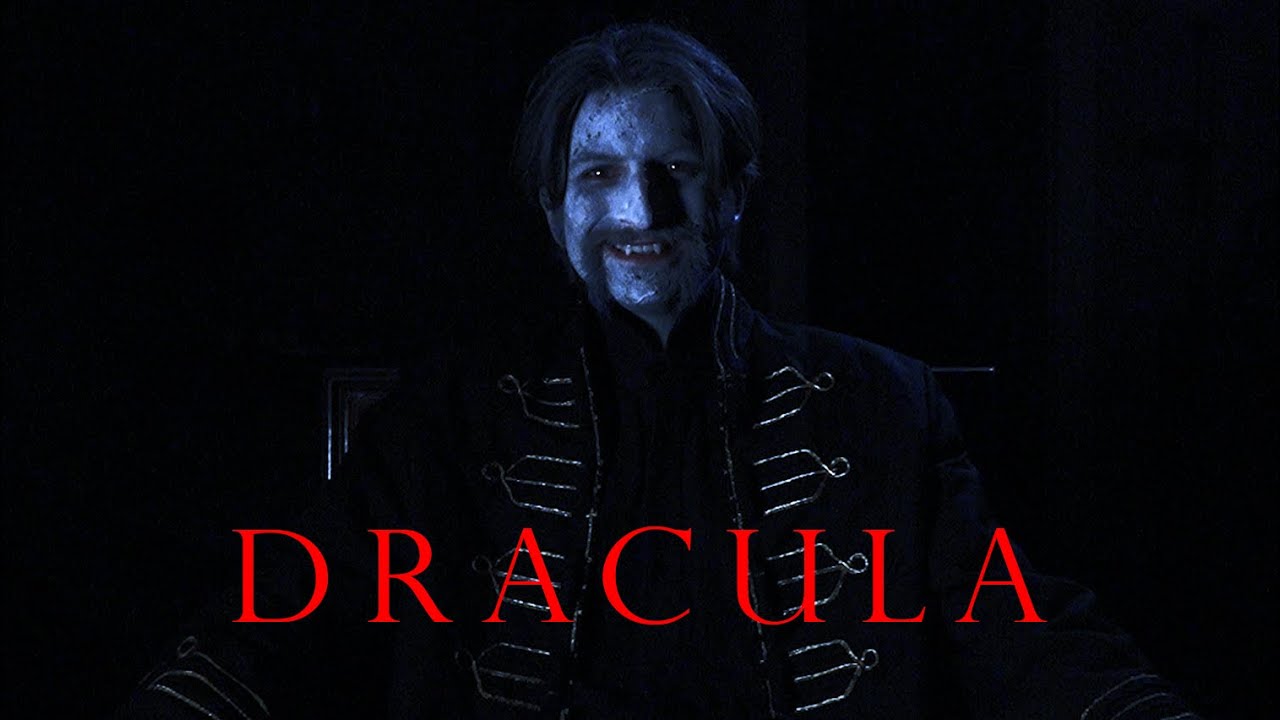
Bram Stoker's Dracula (1897) is an epistolary novel that tells its story through interconnected documents—Jonathan Harker's journal, letters between Mina and Lucy, newspaper clippings, and phonograph recordings—creating a layered narrative where readers investigate events as if uncovering real evidence, while simultaneously exploring themes of repressed sexuality, gender norms, and the clash between Victorian values and modern technology.
Dracula by Bram Stoker: Epistolary Horror and Victorian Anxieties
Added:Familiarity with the plot, key characters, and narrative structure of Bram Stoker's 1897 novel, 'Dracula'.
Understanding of the 'epistolary' literary form, specifically how narrative perspective is constructed through letters, diaries, telegrams, and newspaper clippings.
A basic historical grasp of the late Victorian Era, including its rigid social codes, gender norms, and rapid industrialization.
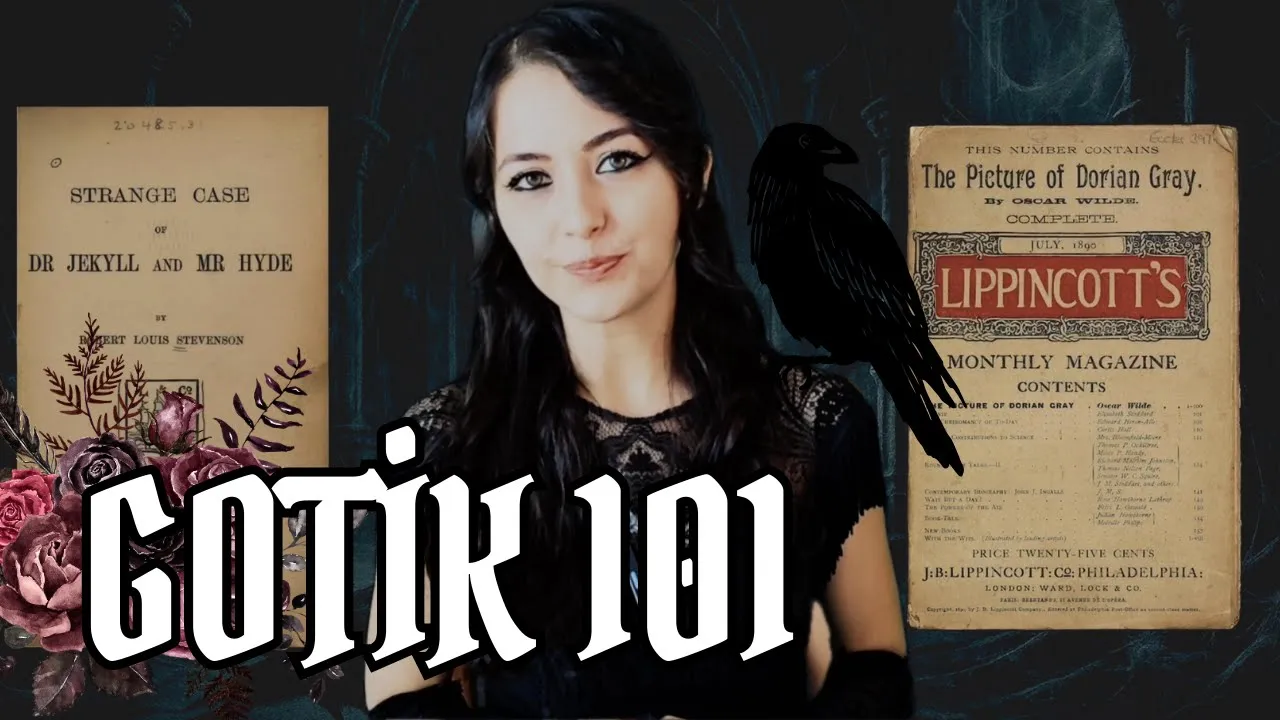
An introduction to Gothic literature conventions, such as the sublime, the uncanny, and the transgression of boundaries between the natural and supernatural.
Analyzing the concept of 'Reverse Colonization' in late-Victorian Gothic literature, representing fears of the Eastern 'other' invading imperial London.
Applying psychoanalytic literary theory (such as Freudian repression and the Uncanny) to the depiction of sexuality, desire, and the monstrous in 'Dracula'.
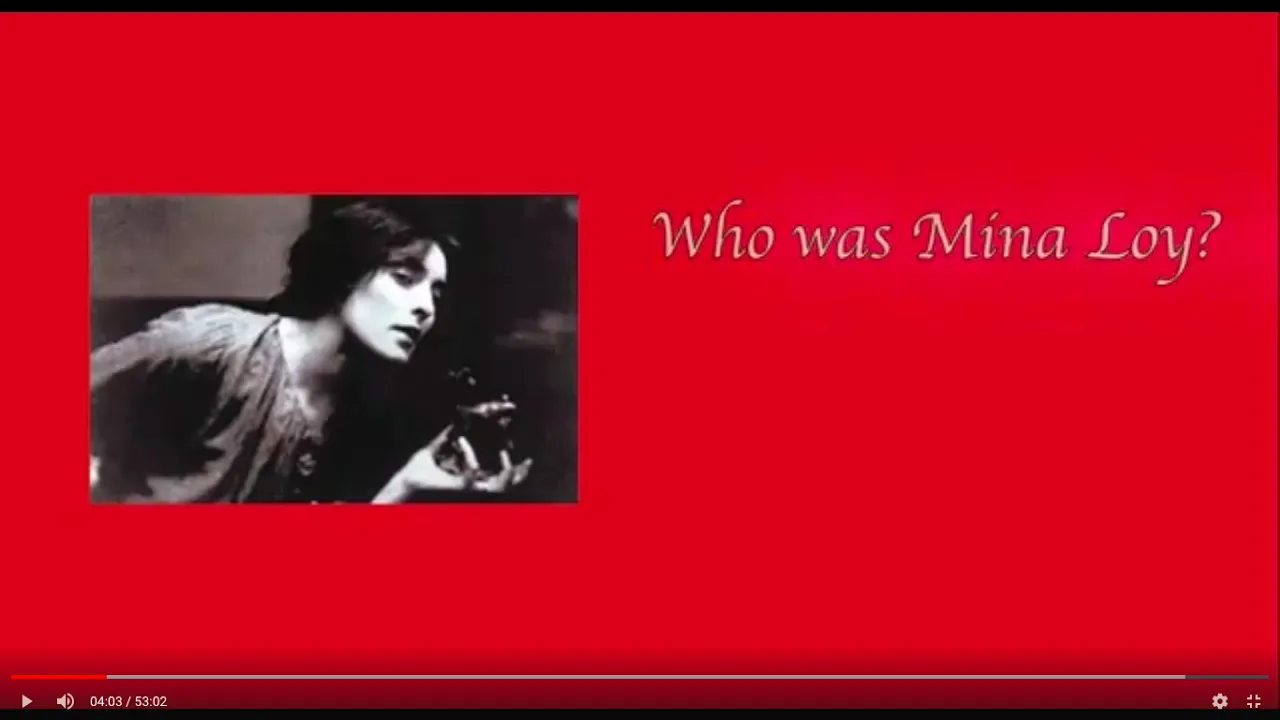
Investigating the 'New Woman' archetype of the late 19th century and how characters like Mina Harker and Lucy Westenra challenge or reinforce Victorian gender roles.
Exploring the 'Techno-Gothic' genre, examining how late 19th-century technologies (such as typewriters, phonographs, and blood transfusions) intersect with ancient superstitions.
Tracing the evolution of the vampire figure in 20th and 21st-century media to understand how modern adaptations reflect contemporary cultural anxieties.
459.7K views17.8Klikes10:23Original Release: 2021-10-20
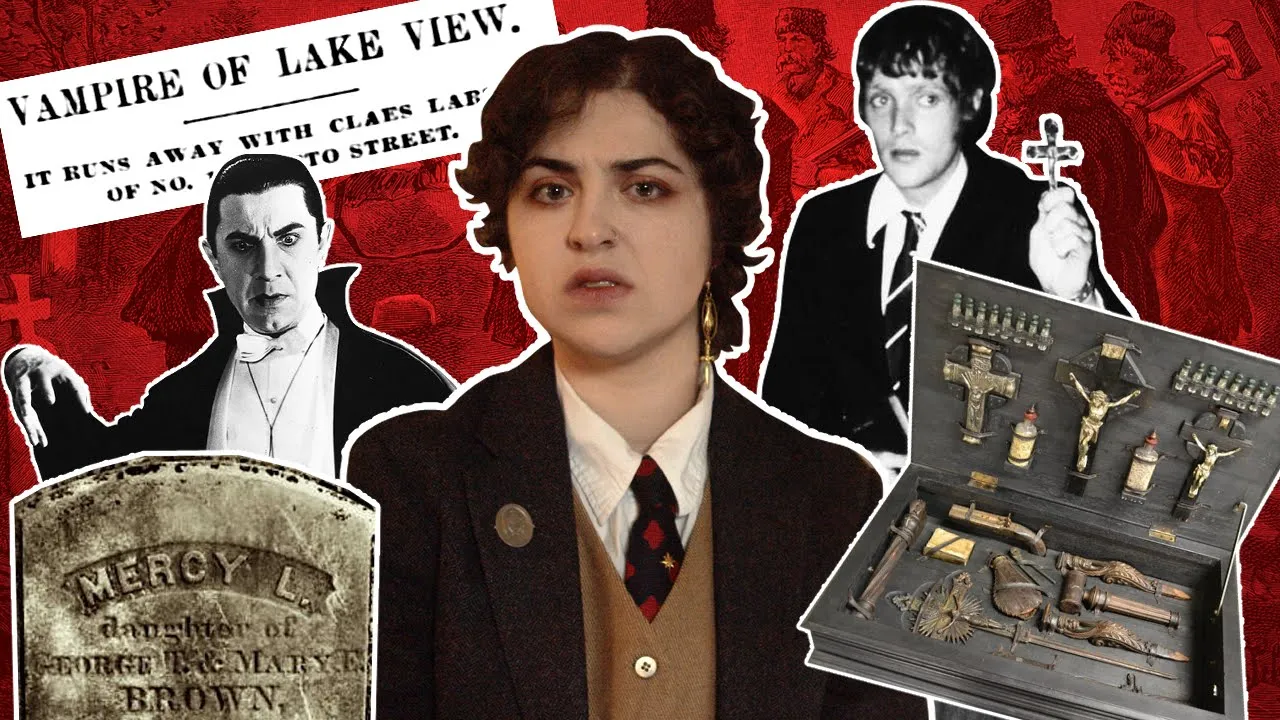
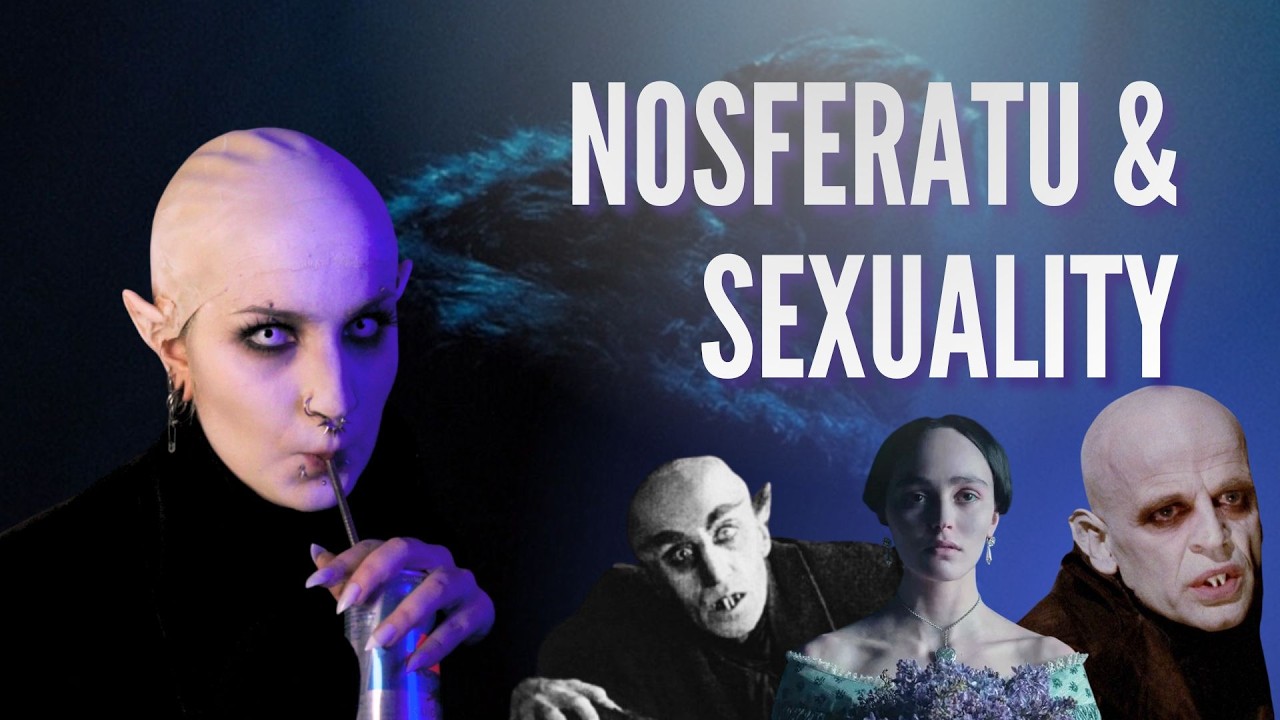
[Music] literature gives us the opportunity to experience lives perspectives and worlds different from our own though remember friend a good story has many readings and this is but one okay picture this you just got a new job as an english solicitor you know a kind of lawyer and are on a sweet business trip abroad turns out some count in transylvania wants to buy property in london and he needs you to do the paperwork but you're also newly engaged so you're keeping a travelogue of your journey to eventually share with your bae because you know instagram's not a thing yet except everyone's acting a little off villagers cross themselves when you say where you're going and a woman hangs a crucifix around your neck quaint rustic superstitions i suppose and when the count's big sinister coachman comes to take you through the borgo pass he doesn't really seem interested in conversation because he's more vibing dismissing packs of wolves with a gesture or chasing blue ghost fires okay charming local beliefs but it's only when you meet count dracula in his crumbling medieval castle that you realize what this really is the best travel journal ever still wish we could take selfies though [Applause] [Music] thanks so much to curiositystream for helping us raise the stakes of today's literary tale so you haven't read dracula well halloween's the perfect time to catch up because despite bram stoker writing it in 1897 this one still slays today but what's really cool is instead of it being told from one perspective dracula is what's called an epistolary a story told through in-universe documents in this case pieced together from a series of diaries letters newspaper articles and even recordings on wax cylinder phonograph and it's written that way so that you the reader feel like you're investigating something that actually happened kinda like a 19th century version of a found footage horror film so for this episode instead of putting you in the shoes of a character from the novel let's cast you instead as an investigator as the novel intends oh looking good very 1800's true crime chic you begin your investigation by reading the diary of solicitor jonathan harker chronicling his trip to castle dracula at first the count appears like a hospitable if eccentric man but soon things get strange one day as harker's shaving and accidentally cuts himself dracula swoops in and leers at the blood with an almost animalistic hunger it's this creepy occurrence that prompts harker to start writing his journal in shorthand to keep its content secret and soon he realizes he's a prisoner not a guest he sees this old dude crawling down walls like a creepy spider-man and runs into three uncomfortably beautiful and terrifying brides who try to suck his blood until dracula gives them a child for dinner which is right about the time harker decides to nope on out of there real hard and dive off the castle wall into the river below at that point harker is either too cold or you know maybe dead to keep a journal so continuing your investigation you move on to reading a captain's log of a ship transporting boxes of transylvanian dirt to england you know as you do but it seems as though an unknown animal is picking the crew off one by one predator style then the log cuts off abruptly replaced by a newspaper clipping about a ghost ship running aground in england a large black dog is seen running from the wreck and the sole remaining crew member is dead tied to the ship's wheel next you read a series of letters between harker's fiance mina and her bff lucy mina is the picture of victorian womanhood while lucy is more modern in love courting the attentions of three men arthur homewood an aristocrat jon seward a psychiatrist who runs an asylum and quincy morris a man from the exotic far away land known as chexas ma'am but she chooses homewood and she and mina go to holiday on the coast right where that ghost ship conveniently runs aground wait really popular vacation destination i suppose soon the sleepwalking lucy is wandering out at night and mina sees her with a sinister looking man but mina doesn't have time for that as she gets a letter saying jonathan's in a hospital in budapest and bails your next piece of evidence is the transcribed phonograph journal of dr john seward one of lucy's also ran suitors turns out she's now sick after her vacay and at a loss seward invites his old mentor abraham van helsing over from amsterdam for a second opinion now about van helsing he's um a little out there he diagnoses blood loss and has all the suitors give lucy transfusions for some reason that seems weird all of them doing it uh he also though puts garlic everywhere which again seems a little odd but that night a wolf appears terrifying lucy's mother into cardiac arrest before lucy wastes away and that's when van helsing lets it drop telling the three suitors that lucy was killed by a vampire and now is one of the living dead heck she's even risen from her tomb and snacked on a few street urchins but the quartet ambushed lucy in the cemetery chase her back to her coffin and all three men who tried to marry lucy take turns pounding a stake through her yeah if you somehow miss the subtext with all of the transfusions and stakes and bloodlust and beautiful dead ladies a lot of this book is about sex and gender but we'll swing back to that anyway then helsing and his crew join up with the now married jonathan and mina as a vampire hit squad headquartered in seward's asylum their plan is to find the boxes of dracula's native earth he needs to sleep that have been hidden all around london and destroy them so he can't rest meanwhile mina stays in the asylum as their archivist transcribing and organizing all of their clues letters and documents into the narrative you're reading now you're telling me bud wicked meta but as they're sabotaging dracula's boxes with communion wafers the big daddy vamp himself sneaks into the asylum feeds on mina and has her drink his blood so that when she dies she'll become a vampire not to mention in the meantime he'll be able to see through her eyes as a spy so that's kind of a win-win for him but his dastardly plan backfires when van helsing uses hypnosis on mina to exploit their psychic connection which lets her track the count chasing him down in romania via the most victorian method ever with an intricately planned railway schedule they split up van helsing and the almost vampire mina head to dracula's castle and kill the three brides meanwhile the rest ambush dracula's servants as they load his coffin into a wagon and destroy him though quincy dies in the fight despite the count having messed with texas but hey in the epilogue pretty much everyone left gets happily married so good now there's a lot of layers to dracula as we mentioned much of it deals with repressed sexuality and gender norms and stoker who some scholars suggest was a closeted gay man and who may have been afflicted with syphilis filled the novel with his anxieties about sex contrasting attraction and revulsion danger and desire the gothic fear of damnation always lying heavy for instance we have lucy the liberated woman who courts three men is tainted and must be destroyed whereas mina the model of victorian womanhood is saved but while dracula is best remembered as gothic fiction i think what really helps make it such a fun read today is that it's also an early example of a techno thriller the hunters beat dracula with the help of religion sure but also with cutting-edge technologies like gramophones typewriters winchester rifles shorthand medical science the telegraph and again i can't stress this enough superior knowledge of train timetables not to mention the hunters aren't priests rather modern professionals two doctors a lawyer a man about town lord a school mistress and a cowboy even dracula himself is medicalized with vampirism being treated like a contagious blood disease much like syphilis the most feared victorian std all of which to say is that dracula still feels fresh today i mean it's closer to jurassic park than withering heights and that's even without getting into all of the other novels television shows movies and games this book has influenced since it first burst out of the coffin heck even tonight on the evening of this video's release we're hosting a tabletop game of vampire the masquerade celebrating its 30th anniversary over on our twitch channel which is just another serendipitous example of old drak still influencing content even to this day so this halloween why not sink your teeth into one of the greatest horror novels ever written aw come on that joke didn't suck that bad did it okay okay i'm sorry it was a mistake wait zoey put down the hammer put down the hammer [Music] okay i think i lost my pun hating murder cat behind a group of trick-or-treaters which gives me just enough time to catch my breath oh eat this piece of candy and tell you about the best place to watch all our shows ad free of course i'm talking about nebula our buy creators for crater streaming service that's home to a ton of our favorite educational entertainers on the internet such as mariana's corner twelve tone and real engineering plus you get to see exclusive nebula originals including some of ours and extended cuts from fellow creators like low-spec gamer who absolutely knocked it out of the park with his video on the game boy pocket's development man what a wild ride it was getting that thing made just so i could play castlevania on the go more easily and because curiositystream loves supporting independent creators when you sign up for their service you'll get access to nebula absolutely free and that's on top of curiosity streams thousands of big-budget non-fiction videos and award-winning original series curated across their gigantic learning platform since i've been on a victorian literature kick lately one doc i just finished is called sherlock holmes against conan doyle which takes a fascinating deep dive into the author's struggles to come to terms with the phenomenon that is sherlock holmes you know what i'll take being your sidekick over being staked any day so how can you get access to all these sweet shows and still have enough money to stock up for trick-or-treaters well just head on over to curiositystream.com extra credits to get a subscription to both curiosity stream and nebula for 26 off the regular price that's under 15 for both services for an entire year not only will you be elevating your content watching game to the next level but you'll also be helping out us here at extra credits in the process thanks a million for being so awesome a legendary thanks to ahmed ziad turk joseph blame alicia bramble kyle murgatroyd casey muestra oreals1 and dominic valenciana for all of their support [Music] you
Up Next

52:25
Janice Hallett on Crafting The Appeal: An Epistolary Mystery
@ThePoisonedPenBookstore
921 views•2022-01-25

13:43
Formalism in Literary Criticism: An Academic Lecture Overview
@mattalberhasky9952
39.1K views•2015-08-05

6:08
Point of View in Fiction: First Person vs. Third Person
@magicalthriftyteacher
153.8K views•2014-03-31

15:25
1984: Orwell's Dystopian World and the Mechanisms of Totalitarianism
@AlternateHistoryHub
7M views•2017-03-04
Related Study Plans & Knowledge Roadmaps
Structured learning paths in Literature
literature
Graphic Memoirs: Visual Art, Trauma & History
01Foundations of Sequential Art and Visual Language
02Autographics and Processing Historical Trauma
03Visualizing Personal Trauma, Grief, and Graphic Medicine
+ 2 more learning modules
14h5 modules
Explore Roadmap
literature
Campus Novels: Evolution, Themes & Critique
01Introduction to the Campus Novel Genre
02Mid-Century Satire and the Post-War Academy
03Dark Academia and the Critique of Privilege
+ 2 more learning modules
14h5 modules
Explore Roadmap
literature
Theater of the Absurd: Philosophy & Plays
01Postwar Existentialism & Historical Roots
02Dismantling Narrative: Esslin & Absurdist Conventions
03Samuel Beckett and Tragicomic Existentialism
+ 2 more learning modules
12h5 modules
Explore Roadmap
literature
Revenge Tragedy: Justice, Madness & State
01Foundations of Early Modern English Theatre
02Anatomy of Revenge: Structural Conventions
03Psychological Complexity: Madness and Melancholy
+ 2 more learning modules
15h5 modules
Explore Roadmap