




![Why Do Some Planets Have Rings? The Secret Science Behind Planetary Rings[ID1204]](https://i.ytimg.com/vi/F0wQa31uQ-0/maxresdefault.jpg)


![[수면다큐]《어떻게 토성은 고리를 갖게 되었고, 다른 행성들은 갖지 못했을까?》잠잘 때 들으면 시간순삭!](https://i.ytimg.com/vi_webp/ov922XtTXd0/maxresdefault.webp)



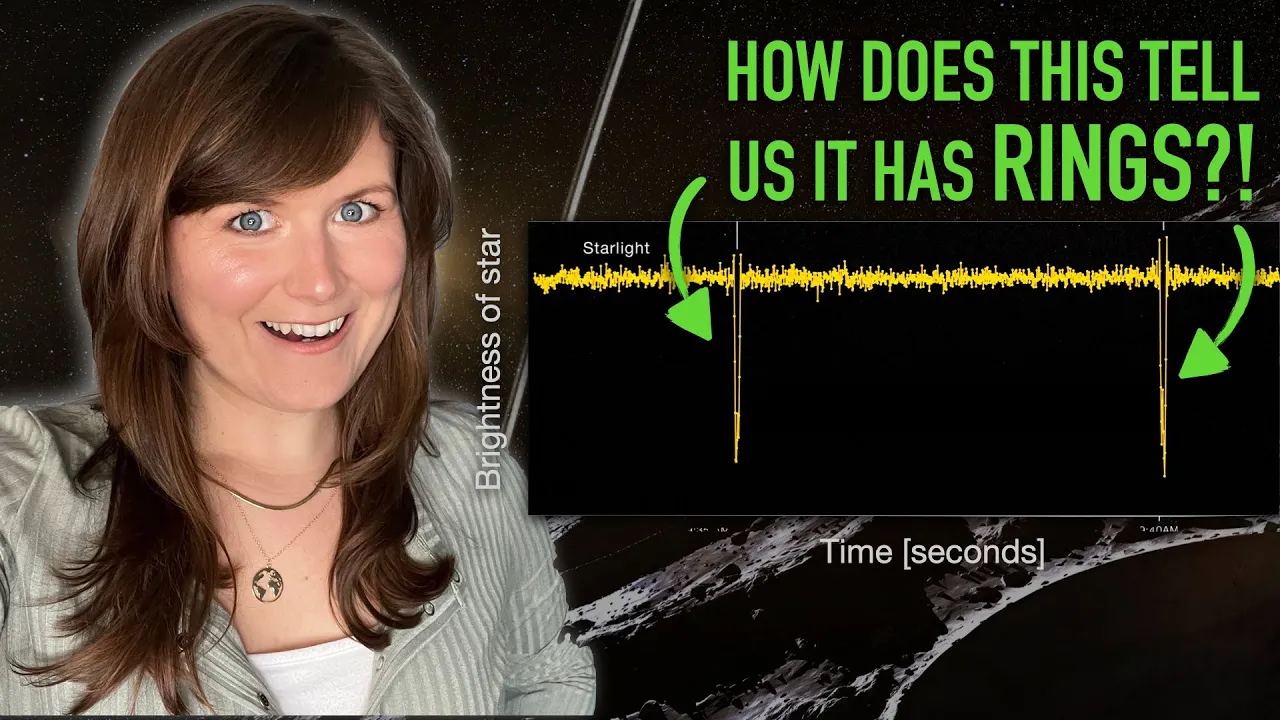

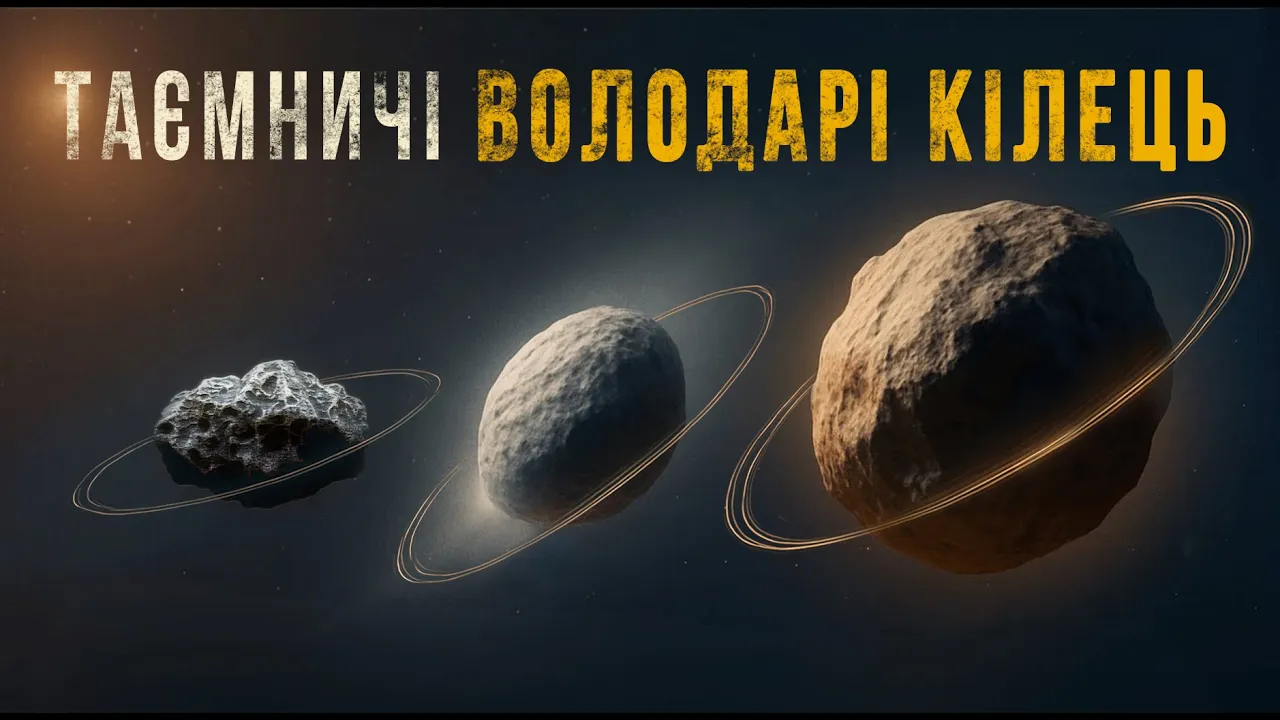
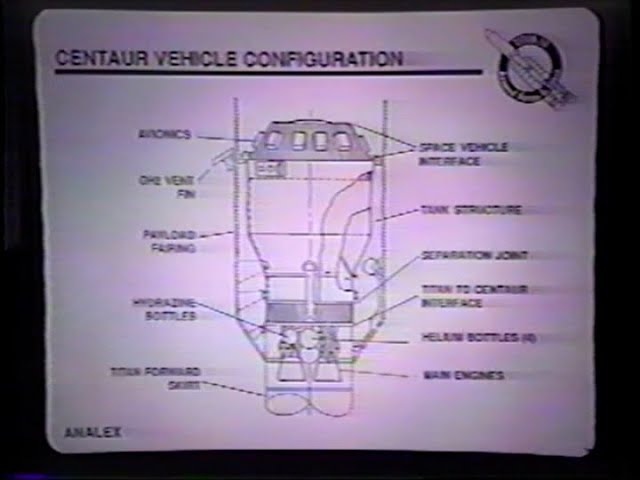



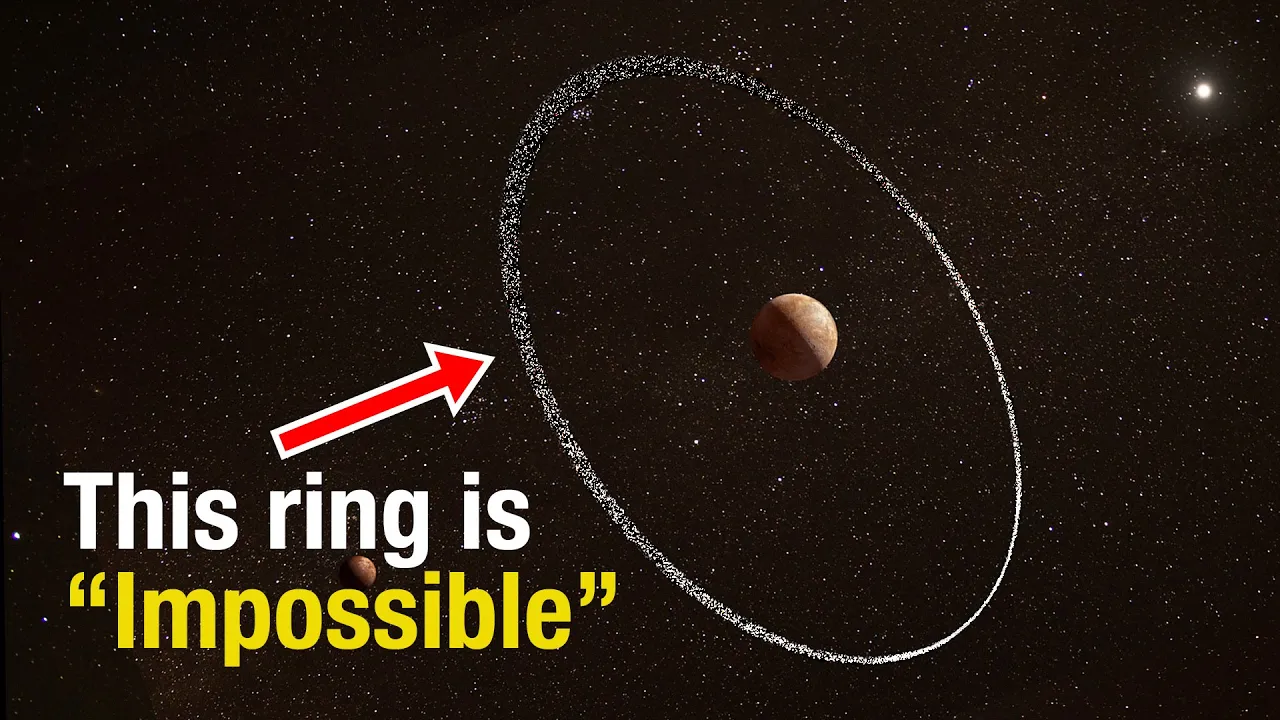
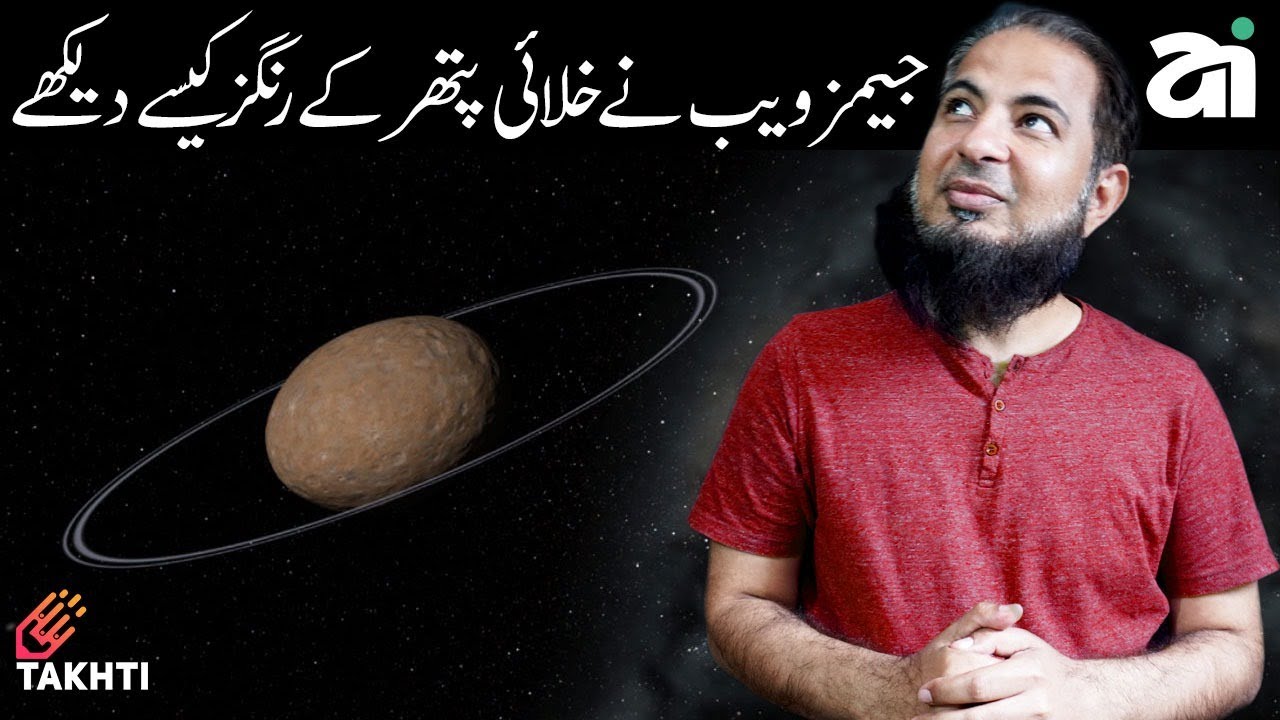
10199 Chariklo, a centaur asteroid discovered in 1997, became the first known minor planet in our solar system to possess a ring system, challenging the previous belief that only massive planets could maintain rings; its two rings (Oiapak and Chuí) were discovered in 2013 through stellar occultation observations and are believed to be maintained by shepherd moons or gravitational resonances, with the rings expected to disperse within one to three million years.
10199 Chariklo: The First Asteroid With Rings Discovered
Added:The classification of minor planets, including the distinctions between asteroids, centaurs, and dwarf planets in our solar system.
The astronomical technique of stellar occultation, which is the primary method used to detect and measure rings around distant, small celestial bodies.
Basic gravitational physics and orbital mechanics, specifically the concept of the Roche limit and how tidal forces affect orbiting material.
The general characteristics of planetary ring systems, traditionally studied in the context of gas giants like Saturn and Uranus.
The role of shepherd moons in stabilizing narrow ring systems around minor planets and preventing them from dispersing into space.
The orbital dynamics of Centaurs, exploring their origins in the Kuiper Belt and their chaotic, transitional pathways toward the inner Solar System.
Comparative planetology focusing on other ringed small bodies discovered after Chariklo, such as the dwarf planet Haumea and the centaur Chiron.
The proposed space exploration missions and advanced imaging techniques aimed at conducting in-situ studies of Centaurs and their ring compositions.
5.6K views193likes12:38Original Release: 2023-02-21
ever since we were young enough to learn about the planets of our solar system our elementary knowledge and understanding of the Rings that surround them changes and grows over time for instance when we first learn about planets we learn about Saturn and its iconic Rings believing it to be the only object in the relative vicinity to feature these unique bands of ice and rock then we get older and learn that Saturn isn't alone in its ring bearing existence as it turns out the other planets beyond the asteroid belt namely Jupiter Uranus and Neptune all feature rings around their bodies as well the difference is that Saturn's rings are much brighter and bigger than its neighboring planets Rings which are not always Illustrated when dissecting the imagery of our solar system and its planets fact our understanding of rings Pals so much in comparison with reality that it's not really that surprising to hear Earth itself used to feature a ring system Millions upon millions of years ago it just so happened these Rings coalesced into the moon and the ring system became a single satellite but what if we told you there are still objects out there in our solar system today that feature a ring system you've never heard about it's true Jupiter Saturn Uranus and Neptune are not the Solar System's lone ring bearers let alone the rest of the universe introducing 101 99 curricula a ring-laden centaur garnering more and more attention from astronomers and amateurs alike [Music] [Music] foreign the first notion of karikla's existence came on February 15 1997. when a member of the spacewatch program by the name of James V Scotty spotted the Centaur orbiting within a relatively close resonance to Uranus all from the Kitt Peak National Observatory centaurs are defined as any small body of the outer solar system that is not already constituting as a planet asteroid Comet or star in our solar system most centaurs come from the Kuiper belt a much larger and expansive disc than the asteroid belt that sits just beyond Neptune's orbit the Kuiper belt was formed by remnants of the event that first created our solar system and consists of many famous exoplanets that have been studied for years and are even included as official planets such as Pluto kariklow is much smaller than Pluto its volume equivalent diameter stretching only to about 155 miles long in 2014 it was measured at being around 1.4 billion miles from the Sun and 1.3 billion miles from Earth while it orbits closest to Neptune it won't even be within 300 million miles of the big blue planet for another thirty thousand years with that in mind it's easy to understand why it went undetected for so long upon its Discovery kariklo was named after the daughter of Apollo and the wife of an actual Centaur named Chiron in Greek mythology curricula was a nymph who worked as a nurse to the young Achilles another prominent figure of Greek myths and lore in 2001 a more in-depth study was held using photometric technology in an attempt to learn more about the makeup of the Newfound centaur researchers discovered kariklo played host to water ice an exciting Revelation despite the study being unable to define the minor planet's period of rotation as for the ice ridden Centaur itself it was estimated to be of an elongated shape and made up of rock and the aforementioned Water Ice its fate is currently unknown as all centaurs originating from the Kuiper belt are unpredictable other centaurs have been observed to be objected from our solar system completely turn into a short period Comet or impact directly into another planet or the sun itself most centaurs do not have stable orbits meaning they could go both anywhere and everywhere curriculo was determined to have a much less unstable orbit than most other centaurs however it's now believed that while the curriculos orbit Half-Life takes approximately 10.3 million years to complete it's not in any danger of being thrust from its semi-orbit either into another object or away from the solar system entirely in 2008 astronomers noticed something was off regarding 101.99 curriclo and the confusion only grew over the next five years as the anomaly festered researchers noticed that the Centaur had dimmed in the 11 years since its Discovery only for its luminescence to increase in the months and years after the initial realization it wasn't just curricula's brightness that stumped astronomers though they were also perplexed by the apparent disappearance of water ice features found in earlier studies followed by an equally perplexing reappearing of these same features after the realization in 2008.
experts wouldn't be able to put the pieces together until 2013.
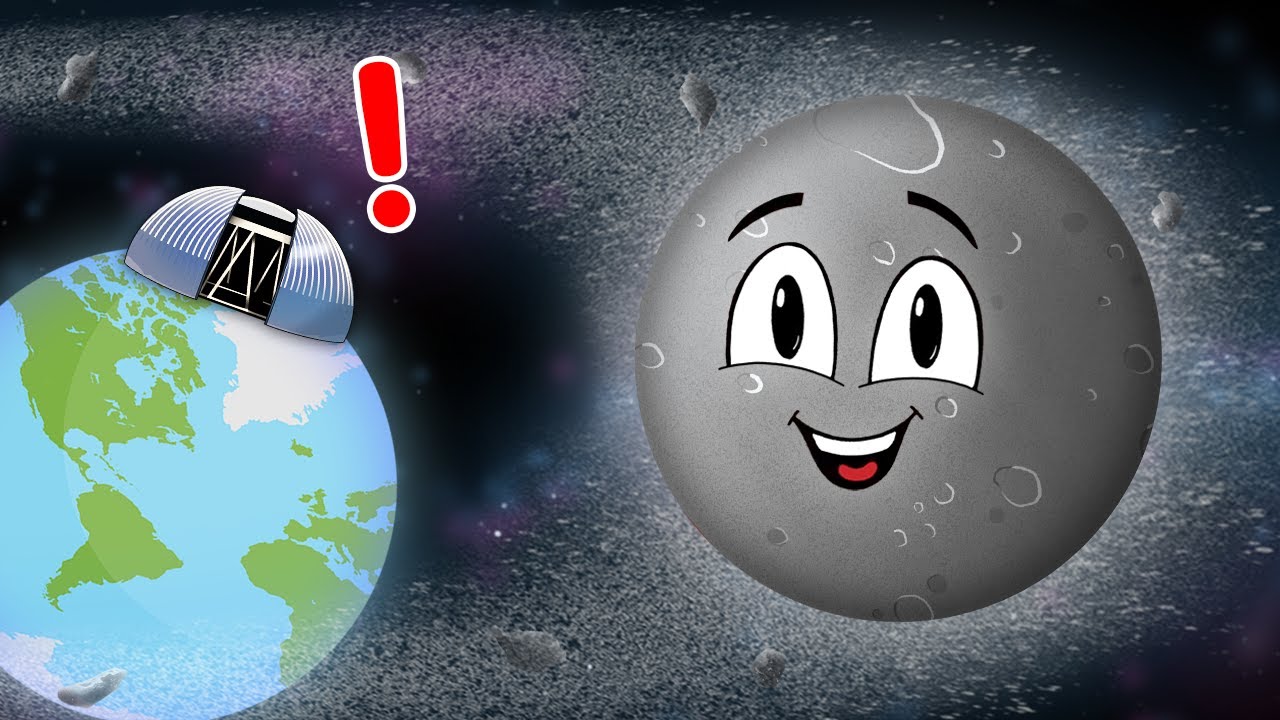
when kariklo underwent a stellar occultation under observation for the first time Stellar occultation is when an object in this case a star becomes hidden due to another object passing in front of it for this specific occultation scientists finally learned of curricula's pair of rings that surround the centaur's body Not only would these Rings explain the changes in luminescence but also the changes in water ice features due to a process known as Edge on orientation Edge on orientation simply means our Viewpoint of the object in space at any given time focuses on its side rather than its face due to the elongated shape of curriculum its Edge on orientation would have made its rings visible to Earth but because if the Rings are darker it made the Centaur appear less bright up until 2008.
with the Rings Fading Into the picture it also helped astronomers pinpoint the water ice features coming in and out of The Fray it's believed the Rings are heavily made up of water ice pieces much like a smaller version of another ringed planet like Saturn the Rings themselves are named after the two Brazilian rivers that make up the coastal borders of the South American country oyapak is the name of the larger inner ring whereas shui is the name of the fainter outer ring the radius of oyapak measures to be about 240 miles long and 4.3 miles wide while the radius of Shoei measures to be about 250 miles long and one-tenth miles wide the Rings sit just under nine miles apart from one another what makes the rings of shariklo so fascinating is the fact that no other minor planet has been presently observed to contain a ring system for years astronomers believed only much more massive celestial objects could Harbor a ring system as only the bigger objects were thought to offer enough stability for rings to both form and stay it wasn't for a lack of trying either while the rings of Curry glow were a happy accident when discovered experts have been searching throughout the cosmos for exoplanets and objects smaller than the gas giants that feature rings it just hadn't happened yet one thing astronomers do assuredly believe will happen is the Rings surrounding curriculo will most likely disperse throughout the solar system within the next one to three million years it all comes down to the age of kariklow due to the fact that such a small space object contains Rings it's believed they are still relatively Young when compared to the rest of the universe if the Rings themselves aren't especially young another way to explain the presence of rings is by using theoretical Shepherd moons that may or may not exist throughout the ring system Shepherd moons are any natural satellite found within a ring system that avoids any and all disk material in its orbital path helping to maintain the rest of the Ring's makeup contained and in uniform with the rest of the disc in other words the disc material is the herd the millions of particles on their individual level are the Sheep and the satellite moon is the shepherd keeping control over its flock Shepherd moons act as herders due to gravity and orbital resonance the moon's gravity slowly picks up the pieces to the disk as it completes its orbits only to avert the pieces from their original orbit and maintain their locked position around the planet one final explanation certain corners of astronomy have given in regards to curricula's Rings is the linblad resonance linblood residences are similar to Shepherd moons and that the force outputted by a satellite's density creates an orbital residence with the outside particles however these create spiral density waves because of the Centaur shape and not wholly from the moon's orbit while we wait for more information regarding curriculo and its mysterious rings to be made public one thing we can look forward to in anticipation is the Camilla mission its concept first published in the summer of 2018 Camilla will be a New Frontiers program hosted by NASA that will see a spacecraft Venture through the solar system before flying by kariklo itself and studying the entire centaur NASA has since stated the goals of Camilla are specifically to lock down the shepherd Moon's question and analyze exactly why rings have formed around the minor planet this information would then help astronomers learn more about the creation of centaurs and how Rings form around smaller space objects like asteroids and dwarf planets unfortunately we will also have to wait a while for the Camilla mission to materialize let alone send back data currently the Camilla spacecraft is scheduled to launch in September of 2026.
in February 2027 it will use a gravity assist from Venus followed by Earth later that December and again in 2029 by October of 2031 Camilla will reach Jupiter and use one final gravity assist to slingshot towards kiriklo before jettisoning from the solar system completely at the beginning of 2039 to complete its studies Camilla will include Imaging equipment and a radiometer on board as well as spectral scanners and other various Technologies while it may be another 16 years or so before we learn much of anything new regarding kiriklo at least we'll always have the James Webb telescope's newest image depicting an actual Stellar occultation in real time as kariklow passes in front of a star these images were captured on October 18 2022 and as of today serve as the best look we've got at one of the most mysterious yet enlightening objects not really known in our solar system hopefully by the winter of 2039 101.99 curriculo will be just as well known as the rest of them
Up Next
67:16
Cassini's Legacy: Saturn's Mysteries and Rings from NASA Mission Data
@astrumextra
1.3M views•2024-12-13
61:17
First Billion Years of the Universe with the Square Kilometre Array
@iaaudc
121 views•2022-05-26

6:25
Kepler's Laws of Planetary Motion Explained (Educational Astronomy Video)
@Peekaboo_Kidz
404.9K views•2023-02-17
6:10
Gamma-Ray Bursts: Cosmic Snipers Explained | Astronomy
@kurzgesagt
15M views•2016-07-31
Related Study Plans & Knowledge Roadmaps
Structured learning paths in Astronomy
astronomy
Reionization: Pop III Stars, IGM & 21cm Line
01Foundations of Cosmology & the Early Universe
02Population III Stars & Cosmic Dawn
03Physical Mechanisms of Reionization
+ 2 more learning modules
17h5 modules
Explore Roadmap
astronomy
Planetary Rings: Dynamics, Roche & Resonances
01Foundations of Gravity and Orbital Mechanics
02Tidal Forces and the Roche Limit
03Structure, Composition, and Collisions
+ 2 more learning modules
10h5 modules
Explore Roadmap
astronomy
Asteroseismology: Stellar Waves, Ages & Cores
01Foundations of Stellar Astrophysics & Wave Mechanics
02Stellar Oscillation Modes: P-modes and G-modes
03Mathematical Framework of Asteroseismology
+ 2 more learning modules
35h5 modules
Explore Roadmap
astronomy
Adaptive Optics: Physics, Engineering & Control
01Foundations of Wave Optics and Wavefronts
02Atmospheric Turbulence & Optical Distortion
03Wavefront Sensing Technologies
+ 3 more learning modules
35h6 modules
Explore Roadmap