












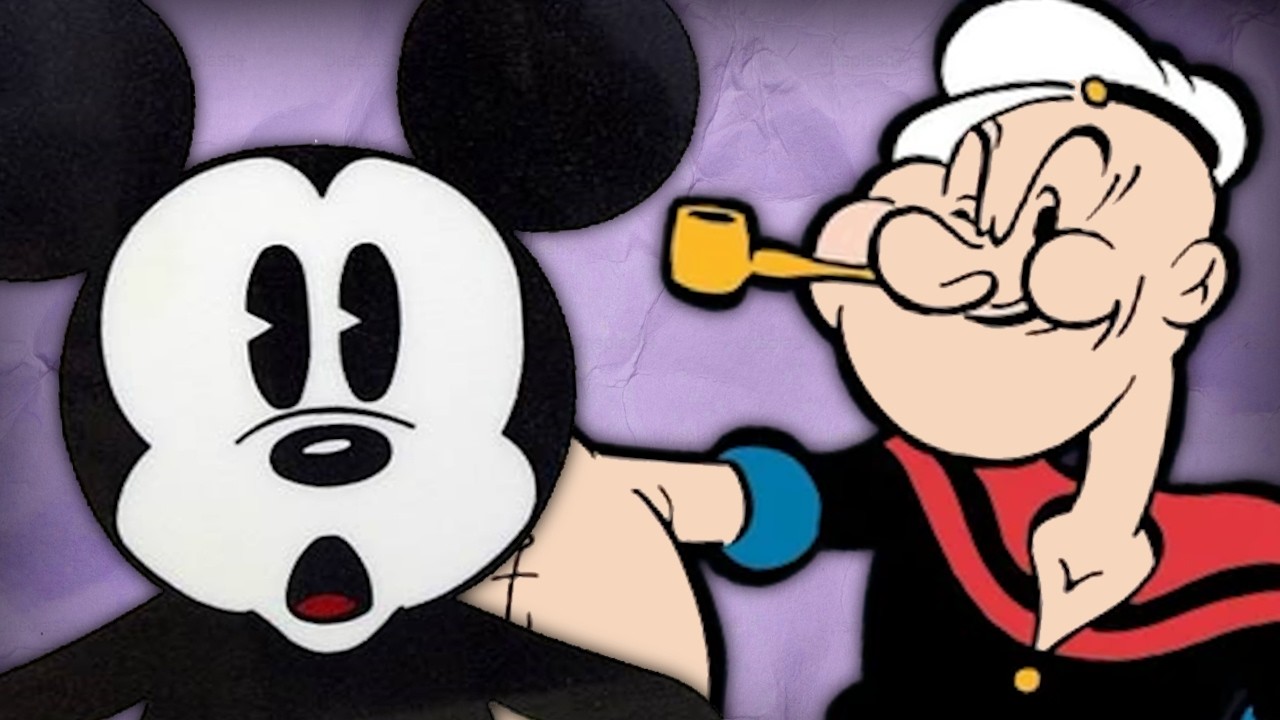



When Disney's Steamboat Willie entered the public domain on January 1, 2024, it raised complex questions about whether the original Mickey Mouse character could still be protected through trademark law, as Disney has filed trademark applications for the Steamboat Willie version of Mickey to maintain control over the character despite copyright expiration, highlighting how trademark protection differs from copyright protection and how companies can extend intellectual property rights through different legal mechanisms.
Mickey Mouse Public Domain and Trademark Law
Added:The fundamental differences between copyright law (protecting original creative expressions) and trademark law (protecting brand identifiers and preventing consumer confusion).
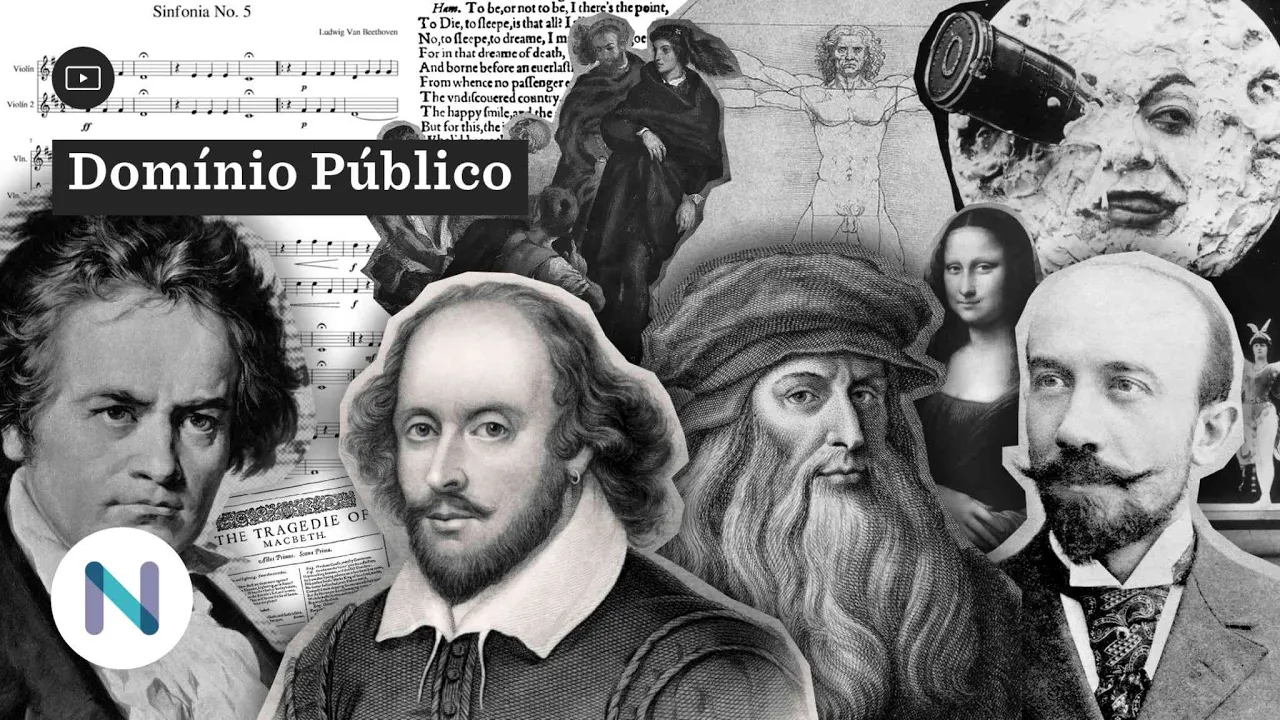
The concept of the 'public domain' and the general rules governing when and how creative works lose copyright protection.
The history of copyright extension legislation in the United States, specifically the Copyright Act of 1976 and the Sonny Bono Copyright Term Extension Act of 1998.
The basic legal definition of a 'derivative work' and how subsequent iterations of a character build upon the original source material.
Analyzing the practical and legal boundaries of creating new, original works using the 1928 'Steamboat Willie' character model without infringing on modern Disney trademarks.
Evaluating corporate strategies that utilize trademark law to maintain perpetual brand control over characters whose copyrights have expired.
Assessing how the courts resolve conflicts involving 'trademark dilution' and 'likelihood of confusion' when public domain characters are commercialized by third parties.
Applying the legal precedents set by Mickey Mouse's entry into the public domain to other upcoming copyright expirations of iconic characters, such as early versions of Popeye, Superman, and Batman.
1.7M views49.1Klikes16:39Original Release: 2024-01-10
- This is the story of how Disney finally lost the copyright to Mickey Mouse.
Well, not all of Mickey Mouse.
Parts of Mickey Mouse.
Look, it's complicated.
You might recall that when A.A. Milne's Winnie-the-Pooh lost copyright protection in 2022, the slasher flick, "Winnie-the-Pooh Blood and Honey" soon followed.
And on January 1st, 2024, Tigger joined his bear friend in the land of public domain, and a violent version of Tigger will appear in the sequel to that movie.
But Tigger and Pooh Bear are not the only beloved childhood characters who are getting a makeover.
Make way for "Steamboat Mickey."
- [Announcer] "Cheese and Carnage".
- Yes, now that at least the very first version of Mickey is part of the public domain, the internet has definitely wasted no time in creating ridiculous versions of Mickey Mouse.
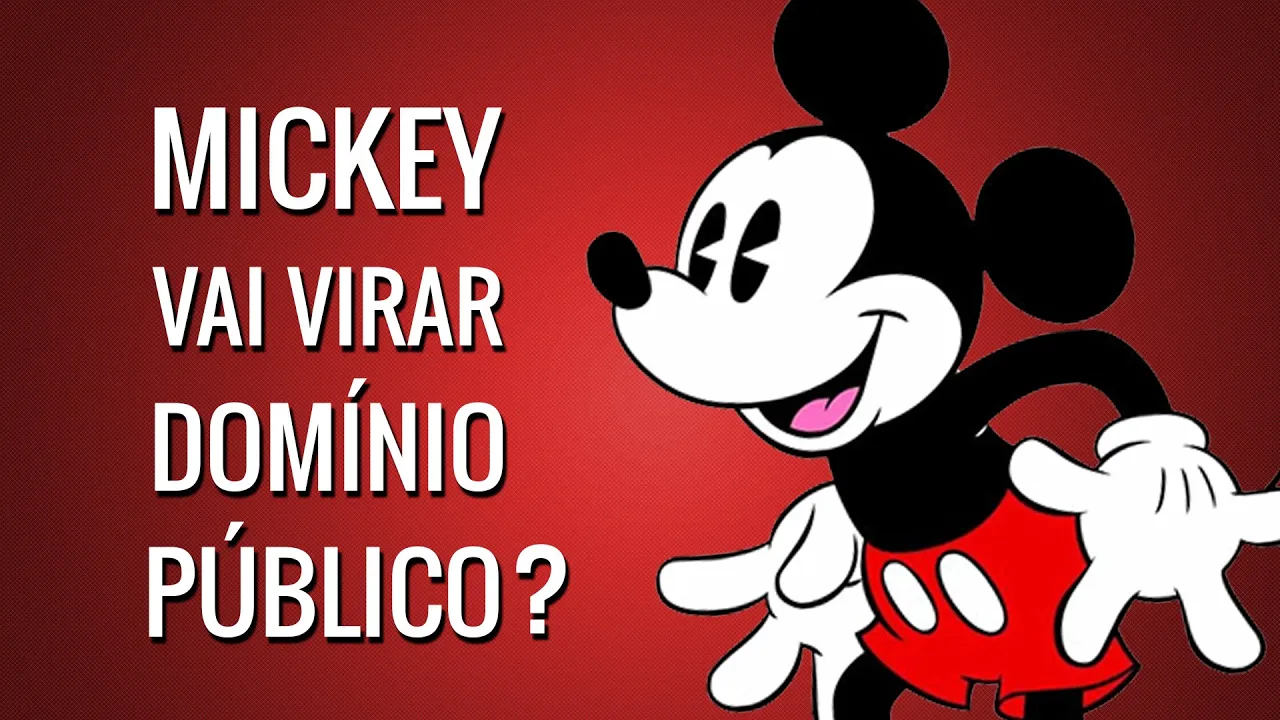
So the question is, now that Steamboat Willie is in the public domain, what does this mean for being able to use Mickey in all kinds of other contexts?
Well, this is a very, very complicated subject, but it all dates back to the release of Walt Disney's short cartoon, "Mickey Mouse", in "Steamboat Willie" in 1928, which was a major milestone in the rise of talkies and the development of animation, featuring an early version of Mickey Mouse.
This version of the Mickey Mouse character entered the public domain on January 1st, 2024.
Now, as a young illustrator, Walt Disney had an early brush with copyright law that changed the way that he approached business.
Working with fellow animator Ubbe Iwerks, Disney created Oswald the Lucky Rabbit who starred in 26 short films in the 1920s.
At the time, Disney and Iwerks worked for Universal, which meant the company owned the copyright to Oswald.
When Disney asked Universal to increase his rate by $250 per short, the company secretly signed Disney's top animators and removed him as their boss.
The company then offered Disney $500 less per short.
Unfortunately, for Walt Disney, he didn't have the option of joining a creator-owned platform like Nebula, where storytellers have creative freedom.
So Disney turned down the offer and lost all rights to the Oswald character.
Oswald did not return to Disney until 2006 when NBC Universal traded him back to ABC Disney in exchange for sportscaster, Al Michaels.
I didn't even know that Al Michaels was animated.
That explains how he's had such longevity.
Now, there was some question about whether Universal's actually still had the Oswald copyright since they may have forgotten to renew it, but neither company has let this technicality get in the way of a good story.
But back in the 1920s, Disney vowed to never lose control of his creative works again.
After the Oswald fiasco, he was almost broke and wound up living in the studio where he often heard mice scurrying around the building.
Walt started leaving food out for the mice, and eventually befriended the bravest one who became his pet.
Walt even let the mouse live in a custom made suite inside his desk drawer.
That humble mouse wound up inspiring the entire Disney empire, when Disney, after a particularly absinthe-heavy night, heard the mouse squeak, "Keep a firm grip on your intellectual property, and your riches will be as numerous as the stars."
We assume.
Disney and Ubbe invented an animated mouse and put him in cartoons.
The first two cartoons featuring Mickey Mouse bombed, but they were silent shorts and didn't see wide distribution.
"Steamboat Willie" was the first cartoon to have a post produced soundtrack of dialogue and synchronized sound effects, with orchestral music mirroring the action on screen.
Mickey Mouse doesn't speak in the film, but the scene where he pilots the steamboat while whistling the song, "Steamboat Bill", represented a breakthrough in animation.
The public was amazed by "Steamboat Willie," and it became a sensation.
The eight minute cartoon debuted in front of a feature called, "Gang War", that was expected to be a big hit.
"Gang War" turned out to be forgettable, but "Steamboat Willie" was such a hit that allowed Disney to avoid bankruptcy, hire additional animators, and experiment with the techniques that would lead to the golden age of animation.
But even the mighty Walt Disney Company is not immune to the Copyright Act, although, as we'll talk about, it has certainly influenced the development of American law.
In the US, the Copyright Act grants creators a number of exclusive legal rights over their original works of authorship, including literary, dramatic, musical, artistic, and other intellectual works.
The law protects the owner of the work if other parties copy, present, or display the work without the owner's permission.
So if the copyright work is an animated film like Disney's, "Alice in Wonderland", copyright law protects the film in its entirety, as well as its titles, characters, music, and merchandise.
So that means that if you sell a T-shirt with the image of Alice or paint it on a mural outside your daycare, you're going to get sued by Disney because they own the copyright for "Alice in Wonderland."
Yes, it really is a litigious world after all.
(bag thuds) (person groans) - Copyright expired.
- The idea, and it's totally debatable, is that if you give authors a monopoly over the works that they create, they'll be incentivized to create more.
If they didn't have protection, they would be disinclined from creating that kind of art.
But there is a catch, copyright owners don't have control over their work forever.
All copyrights eventually expire, which means the creative works are then owned by the public.
The term the public domain refers to creative materials that are not protected by intellectual property laws.
Anyone can use a public domain work without requesting permission from the original author, or the company that owned the work.
And when a work is in the public domain, you don't even have to change it into something new, into a derivative work.
You can use it and even sell it in its original form.
Though at the same time, you should know that something being public and being in the public domain are very, very different things.
Just because something is public, the fact that you can Google something on the internet, does not mean that that thing is in the public domain.
In fact, it's probably not in the public domain.
Usually it takes a lot of time for the copyright to expire, for something to no longer have a copyright, and to finally enter the public domain, and there are four ways the creative works usually arrive in the public domain.
The copyright expires, the copyright owner fails to follow copyright renewal formalities, the copyright owner donates the material to the public, or copyright law doesn't protect a certain type of work like facts, basic math, or recipes.
Now since most reasonable people agree that artists should be paid for their work, why doesn't copyright last forever?
Well, the idea behind public domain is that it fosters innovation, creativity, and knowledge, and encourages artists to draw on previous works of art to create something new.
It makes it easier for publishers to publish lower cost editions of important books, it makes it easier for teachers to distribute educational materials, and it helps artists build on the art that existed before.
Obviously, Walt Disney himself made excellent use of the public domain by taking popular fairy tales such as "Cinderella", and classics like "Alice in Wonderland", and turning them into beloved movies because those were in the public domain at the time.
In fact, even "Steamboat Willie" made use of the public domain.
The film used the song "Turkey In The Straw", which was in the public domain at the time of production.
And the title, "Steamboat Willie", was a reference to "Steamboat Bill Jr.", a Buster Keaton movie that was released that same year.
Heck, that reference might be one of the first uses of fair use parody in an animated movie.
So Disney designed his movies to appeal to audiences who were already familiar with a popular work.
Now, "Steamboat Willie" was unveiled as a Walt Disney animation studio short on November 18th, 1928.
When it was released, the US copyright law protected copyrights for 56 years.
But by the time the copyright on Steamboat Willie was due to expire in 1984, Disney had become the biggest entertainment company in the world, and Mickey was one of the most recognizable characters on Earth.
So Disney as well as other companies lobbied Congress to extend the copyright term.
The result was the Copyright Act of 1976, which increased the renewal term for works copyrighted before 1978 that had not already entered the public domain from 28 years to 47 years, giving a total term of 75 years.
Disney delayed Mickey's entry into the public domain yet again in 1998.
Disney, again with other companies, lobbied so hard for the 1998 amendments to the law that's sometimes called the Mickey Mouse Protection Act.
Although the guy that wrote it also had something to gain from it as well.
The law is officially known as the Sonny Bono Copyright Term Extension Act, and it extended the copyright protection from 47 to 67 years, giving copyright holders 19 more years.
That's Sonny Bono of Sonny and Cher, who actually went on to become a congressman.
So that meant the copyright for "Steamboat Willie" was set to expire on January 1st, 2024.
Now for further discussion of the expansion of the various copyright acts, check out Jake's video over at Corridor Crew.
He is also a lawyer, and does a great job of breaking down how the various acts were extended.
But this time around, to the surprise of many, Congress did not extend the Copyright Act, further delaying "Steamboat Willie" and Mickey Mouse's entry into the public domain.
But if you thought Disney was just going to sit on his hands, you don't know the Disney Corporation.
Instead, the company took another path and instead it's now relying on trademark law.
Now obviously, Disney has really good lawyers, but if you want a great lawyer, my firm, the Eagle Team can help.
If you've suffered an injury or death in the family, got in a car crash, or are dealing with a workers' comp, or social security issue, we can represent you or help find you the right attorney.
It's really important to talk to a lawyer right away so you can get the best representation, and find out what all of your options are.
So just click on the link in the description for a free consultation with my team.
'Cause you don't just need a legal team, you need the Eagle Team.
So click on the link below.
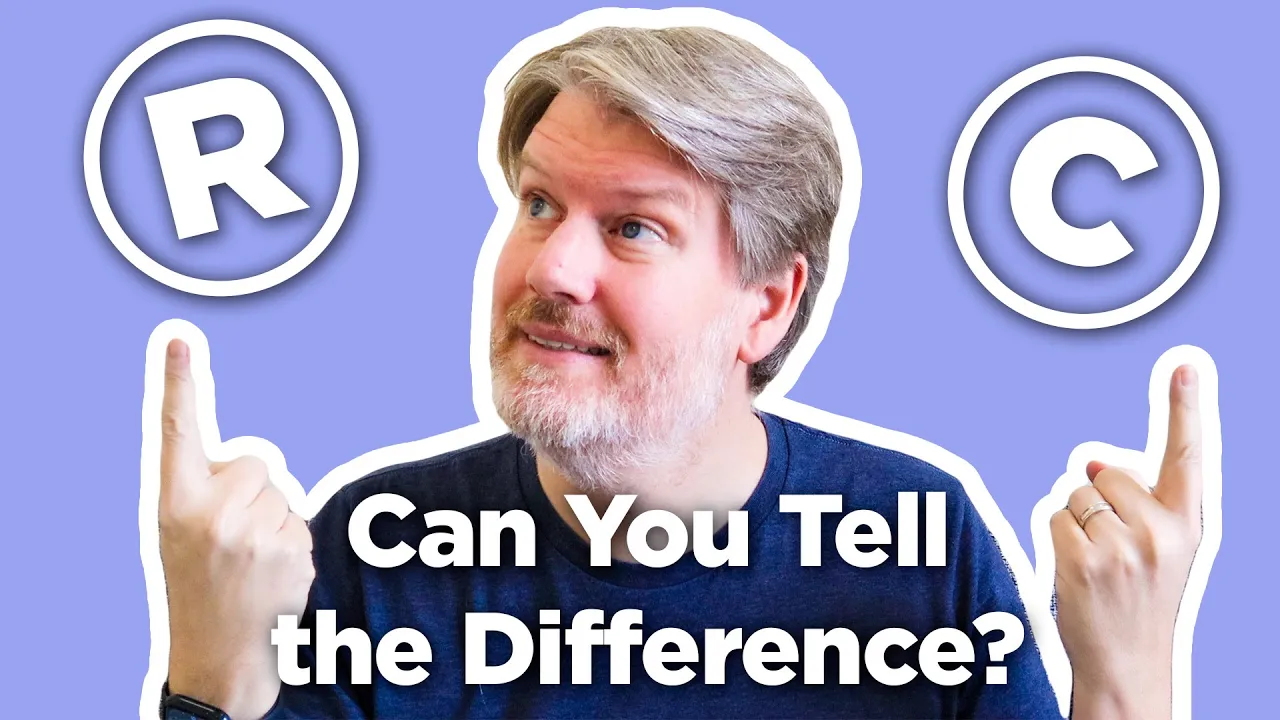
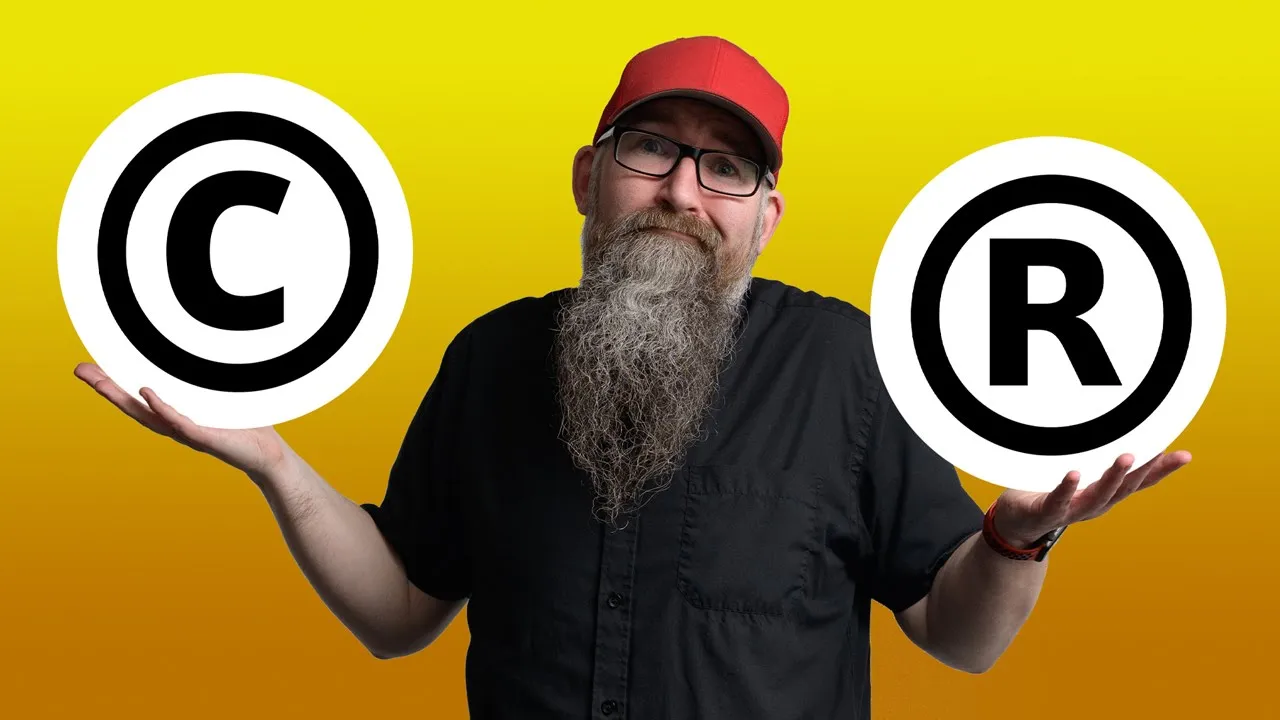
While copyright law protects artistic works that are laid down in some sort of tangible medium, trademark law protects a word, phrase, symbol, or design, that's used by an entity to identify its product or service.
The idea is a trademark is for the good of a consumer to know where goods or services come from.
They see a trademark or a service mark, and they can identify who is providing that service or good.
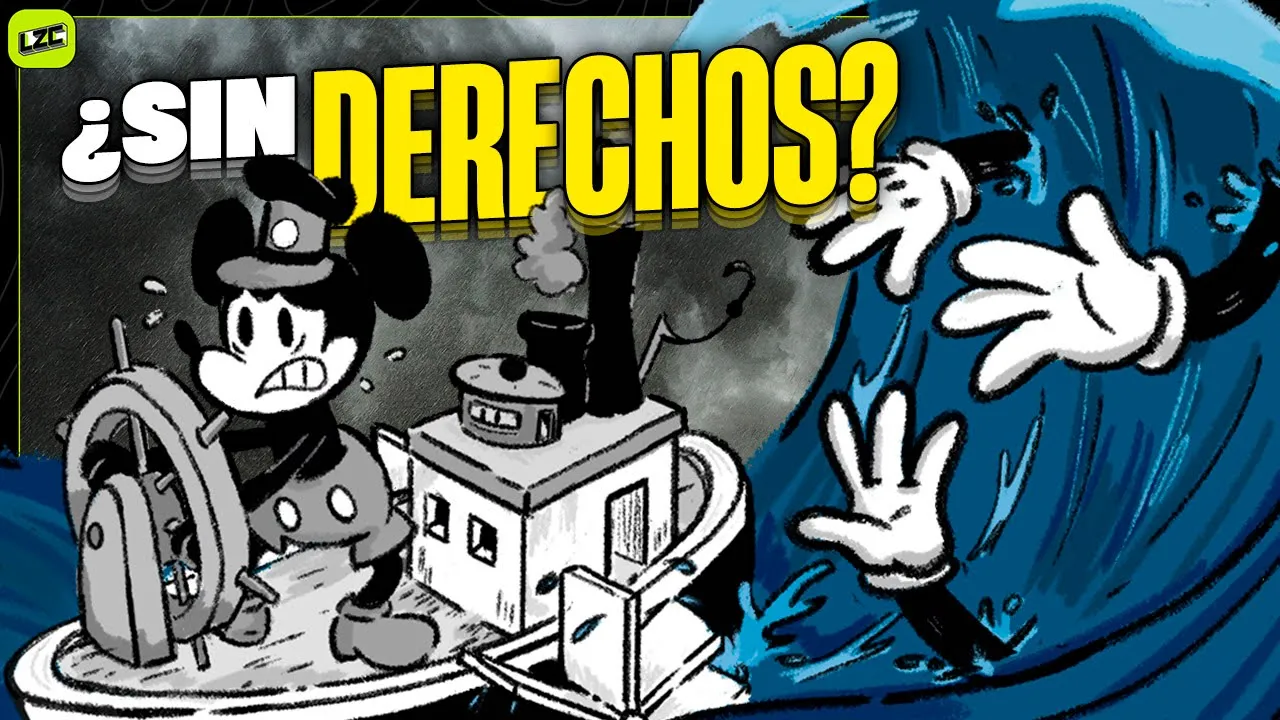
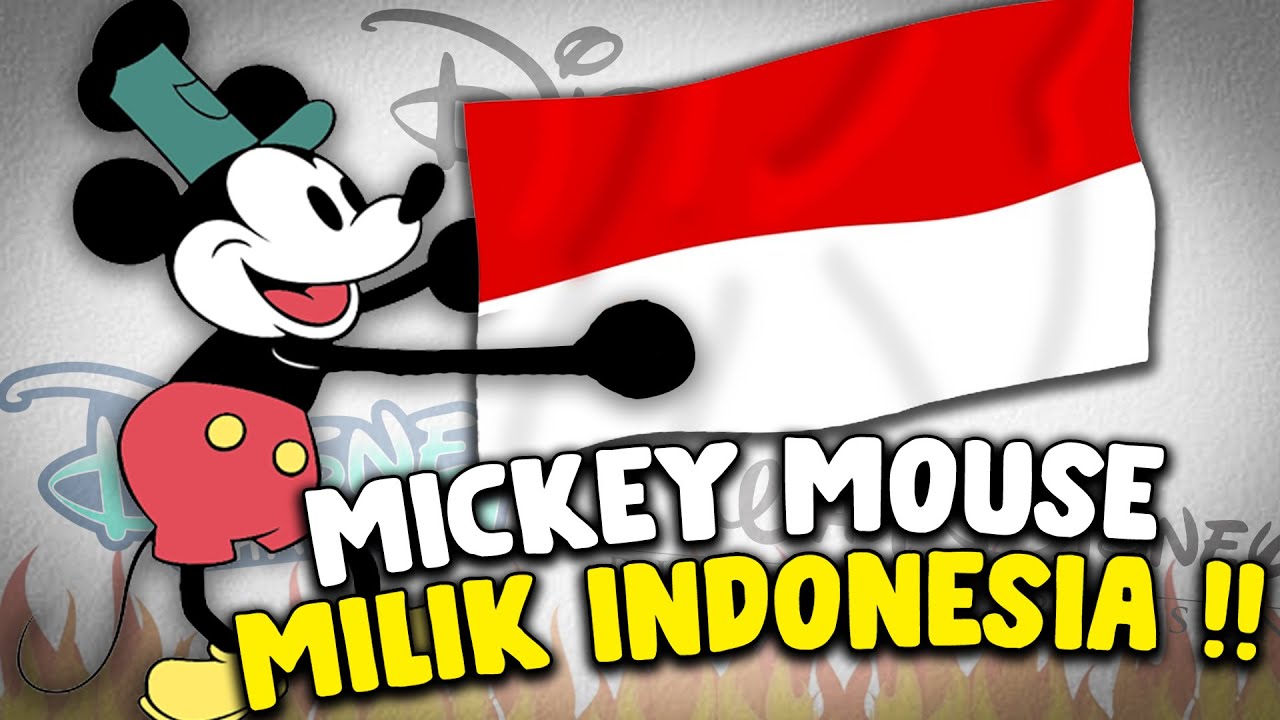
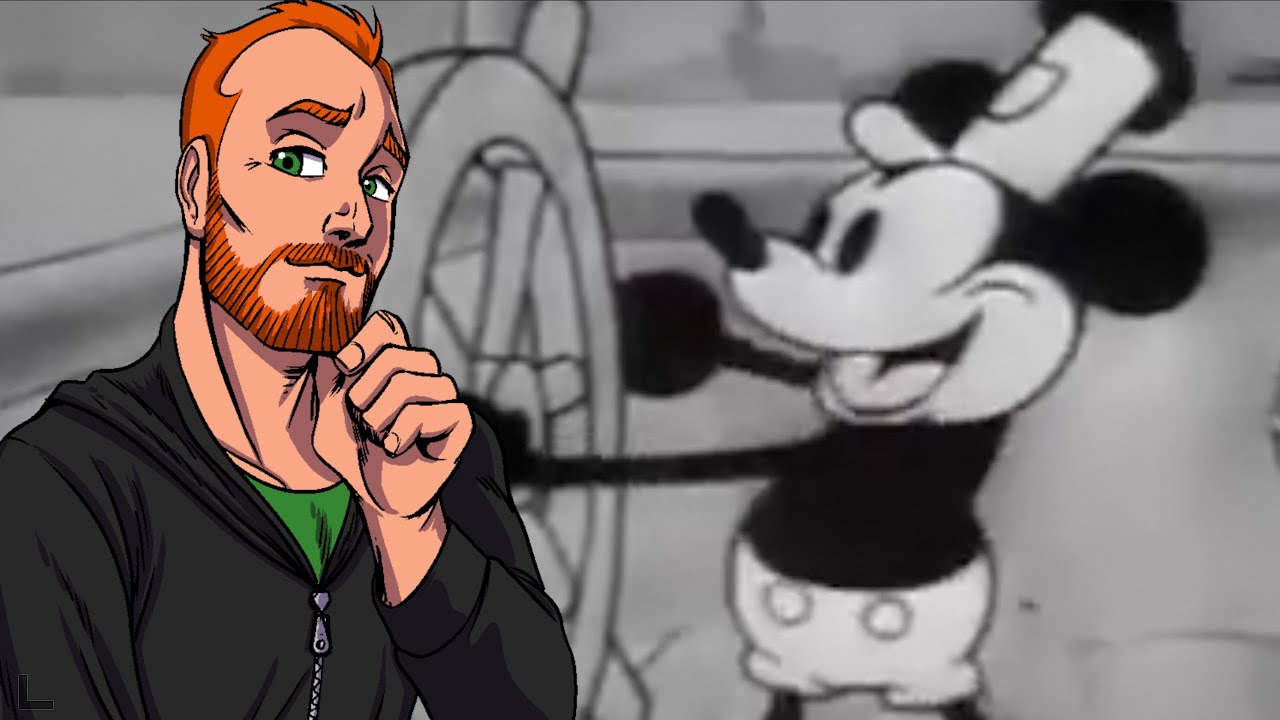
And anticipating that they might lose its copyright in Mickey Mouse, Disney incorporated this image of Mickey at the wheel of the steamship into its logo.
It now runs before every animated feature.
The company filed a trademark application in 2022, describing the mark as, "A motion mark of an animator's drawings, visually flipping one after another, and transitioning into an animated clip of a mouse character tapping his foot and whistling while holding a ship's wheel, followed by the appearance of the wording, Walt Disney Animation Studios underneath the animated mouse character."
Now, this might be a smart move because trademarks do not expire as long as you're actually using them in commerce.
There are trade offs in all IP.
Copyright is automatic.
As soon as you create the art, effectively, you have a copyright whether you registered or not.
Trademarks require you to actually use them in service.
You can't register a trademark and then never use it.
That won't protect anything.
So here's where I think we are.
"Steamboat Willie," the animated short, is in the public domain for sure.
You can use that animated short and display it as a video.
(audience cheering) But "Steamboat Willie"/the original version of Mickey Mouse, might be a trademark itself, and it might be also a copyrightable character.
You probably can't use the public domain version of Mickey in a way that makes consumers think that the work is produced by or sponsored by Disney.
The reason Disney started incorporating Steamboat Mickey into its animated features was to create an association between that version of the character and the modern Disney audience.
And it's an open question whether you can even make a work of art featuring the Steamboat Willie version of Mickey Mouse that doesn't make you visualize the popular Disney character as it exists today.
Believe me, this is going to make a fascinating test case for some poor, unfortunate soul, but that's just the tip of the legal iceberg.
Now, nobody really knows how this is gonna play out in court.
A lot will depend on whether Disney becomes a trademark hawk or decides to just let it go.
In theory, people can use the original image of "Steamboat Willie," and as seen today, is filled with products like this retro Disney T-shirt, or this cutting board.
However, if any of this threatens to dilute the trademark, Disney could use trademark law to crack down, and as you can see, the earliest iteration of Mickey had solid black eyes, and skinny arms and legs, and he didn't wear gloves or even speak.
He had a longer tail and nose, and he was more of a trickster than the wholesome piece of intellectual property that we know today.
All the newer versions of Mickey, including the ones that you're most familiar with, which show Mickey wearing red shorts and white gloves will still be protected by existing copyrights.
Or will they?
What if someone argued that all of the versions of Mickey Mouse that Disney thinks are protected by copyright law are actually just derivative of that first original Steamboat Mickey, and therefore, you can make a movie using the character traits that appear in the later Mickey appearances?
What would the courts think?
Well, the answer lies in the way that courts apply the originality requirement of derivative works.
In the United States, an alteration to an original work is called a derivative work, and only the copyright owner has the right to make or authorize an adaptation of an original.
For example, the movie, "Jurassic Park", is a derivative of the novel, "Jurassic Park", and Steven Spielberg had to get permission from Michael Crichton to turn the novel into the movie.
And a derivative work is entitled to its own separate copyright, so long as the additional material is more than a simple editing change, and contains materials that are original to the work.
So this raises two questions.
Actually, this raises like a thousand questions, but I'm gonna only talk about two of them.
The first is, can Disney somehow extend its copyright over the "Steamboat Willie" cartoon by tweaking the character?
And the second is, can someone make a cartoon based on Steamboat Mickey, and include aspects of modern Mickey?
Well, all they'd have to do is argue that the later changes are derivative of "Steamboat Willie," and are therefore, in the public domain.
Well, this is not the first time these questions have come up, and there has been similar litigation.
Thanks to the litigiousness of the Arthur Conan Doyle estate, ie the estate of the author that created Sherlock Holmes.
Now, Sherlock Holmes has been around since 1887, and at least 50 stories featuring Holmes and Watson have been in the public domain.
But because Arthur Conan Doyle was so prolific, a lot of these Sherlock Holmes stories continued into the 1920s.
So there've been many decades when some, but not all of the Sherlock Holmes stories have been part of the public domain.
And that raises the question, what happens to the characters contained in all of those books when some of the books are in the public domain, and some are not?
And in particular, when lawyer and author, Leslie Klinger, edited an anthology of new Holmes stories inspired by the original characters which had long been in the public domain, the Doyle Estate threatened to sue.
Klinger went to court seeking a declaratory judgment, allowing him to use the Holmes and Watson characters from Doyle's public domain works.
In response, the estate argued that a character is a work of authorship that is not really finished until his complete character arc, including every story in which he appeared, was in the public domain.
And since there were 10 Sherlock Holmes stories that were still under US copyright protection, the theory was that none of the others were in the public domain.
The argument would've given authors a way to maintain control over the works effectively forever, simply by issuing new works that tweak the character's traits, and then theoretically, the copyright would never expire.
Under this theory, the public domain only begins to run when the author puts down their pen.
Now, the Second Circuit Court of appeals laughed this out of court, and affirmed that there is no such thing as perpetual copyright.
But it still left open the possibility that later Sherlock Holmes was a different character than early Sherlock Holmes, and thus would receive a different copyright.
So there's still a question of is there sufficient originality in the modern Mickey to justify a copyright protection?
And under American law, Disney can only claim rights for material that represents an original creative expression.
For it to be original, it must have at least a modicum of creativity, which is why the Supreme Court in the Feist case once held that the white pages of a phone book aren't created enough for copyright protection.
It's just names and phone numbers.
For my younger viewers, the white pages was a giant public book that we use to look up people's phone numbers to be able to call them.
Yes, we lived in a constant state of being doxxed.
I don't know what to tell you.
But at the same time, generic character traits are not protected by copyright law, nor are just trivial additions.
So common tropes like robots, or spies, or samurais, or cowboys are not copyrightable in and of themselves.
You'd have to get a lot more specific than that, and arguably, there aren't that many differences between Steamboat Mickey and modern Mickey.
His character is slightly different in how he acts.
The early Mickey acted more like a teenager, the 2022 Mickey is more like a seasoned adult.
I'm sure many would argue that changes of Mickey Mouse over the years represent a huge shift in the way that he's portrayed, and others would argue that they're trivial and shouldn't receive independent copyright protection.
So to make a complicated situation even more complicated, you have a lot of different legal issues at play here.
One is the copyright ability of the "Steamboat Willie" short.
That's in the public domain.
The character Mickey Mouse, it might be in the public domain.
There's probably gonna be some litigation over that.
Then you have Disney trying to trademark Steamboat Willie the character for purposes other than copyright, and that's relatively untested.
Now I've been looking at so many funny "Steamboat Willie" edits on the internet, I'm probably not gonna have time to cook dinner tonight.
Luckily, I have today's sponsor Factor, because Factor makes meeting your nutrition goals easier than ever by delivering fresh, never frozen, dietician-approved meals right to your doorstop, and the meals are completely ready to eat in just two minutes.
Eliminate the hours it would take to shop meal, prep, and cook so you can spend your day doing the things that you actually want to do.
Are you too busy working on your New Year's resolution, but wanna make sure that you're eating well?
Well, with Factor, you can skip the extra trip to the grocery store, and all of the chopping, prepping, and cleaning up too while still getting the flavor and nutritional quality that you need.
Factor meals arrive pre-prepared and ready to eat in just two minutes.
The same amount of time that I could even think about going to the grocery store, my Factor meal is already done.
Sometimes I just want a good healthy meal without having to cook, and it's surprisingly affordable.
And Now Factor also offers Gourmet plus meals as part of your weekly options, which means you can get a little gourmet with your meal plan whenever you're craving something special.
Gourmet meals like surf and turf, or surf and surf like shrimp and salmon, they're all delicious, and you can relish the best of spring and winter flavors.
All of their meals are really extremely delicious like Bruschetta shrimp risotto, green goddess chicken, and grilled steakhouse filet mignon.
Ready in just two minutes.
Their menus are updated weekly with 34 different options.
You choose your favorite meals, or let Factor craft your order based on your taste preferences and meal history.
So give Factor a try by heading to factor75.com, and use the Code Legal Eagle 50 to get 50% off your first Factor box.
Or just click on the link that's on screen or down in the description and use the Code Legal Eagle 50 and get 50% off your first Factor box.
After that, click on this box over here for more Legal Eagle, or I'll see you in court.
Up Next

6:55
Understanding Copyright and Fair Use in the Digital Age
@techquickie
144.1K views•2016-07-22
12:13
Merger Remedies Trends: Structural vs Behavioral
@Thecapitolforum
3.6K views•2018-05-09

21:38
SLAPP Suits and Anti-SLAPP Laws: A Legal Analysis of John Oliver vs. Bob Murray
@LegalEagle
4.8M views•2019-11-16

24:42
Police Interrogation Tactics: False Confessions & Legal Reform
@LastWeekTonight
7M views•2022-04-18
Related Study Plans & Knowledge Roadmaps
Structured learning paths in Law
law
Analyzing Mergers: Clayton Act & FTC Rules
01Introduction to Antitrust Law and Market Competition
02Corporate Mergers and Section 7 of the Clayton Act
03Defining Markets and Measuring Concentration (HHI)
+ 2 more learning modules
10h5 modules
Explore Roadmap
law
Self-Defense Law: Imminence & Castle Doctrine
01Foundations of Self-Defense Law
02Imminent Threat & Reasonable Belief
03The Principle of Proportionality
+ 3 more learning modules
12h6 modules
Explore Roadmap
law
Defamation Law: First Amendment & Actual Malice
01Introduction to civil torts and the First Amendment
02Elements of Defamation: Libel and Slander
03Public Figures vs. Private Individuals
+ 2 more learning modules
8h5 modules
Explore Roadmap
law
Hearsay Rule: Trial Evidence & Exceptions
01Introduction to Trial Evidence & Courtroom Basics
02Demystifying Hearsay: The Core Definition
03Non-Hearsay: Exclusions Under FRE 801(d)
+ 3 more learning modules
14h6 modules
Explore Roadmap