





















Successful post-merger integration requires comprehensive pre-planning (minimum 90 days), establishing a dedicated Integration Management Office, addressing cultural and people issues proactively, and implementing systematic synergy tracking with clear ownership and accountability; companies must distinguish between cost synergies (expense reductions) and growth synergies (revenue increases), incorporate both into valuation models, and maintain urgency throughout the integration process to maximize value creation.
Post-Merger Integration Best Practices for Synergy Realization
Added:Fundamental concepts of Mergers & Acquisitions (M&A), including the deal lifecycle, strategic motivations, and transaction structures.
The theoretical definition of business 'synergies' (cost, revenue, and financial) and how they are estimated during the pre-deal valuation phase.
Basic principles of organizational design and corporate governance across key business functions like HR, IT, Finance, and Operations.
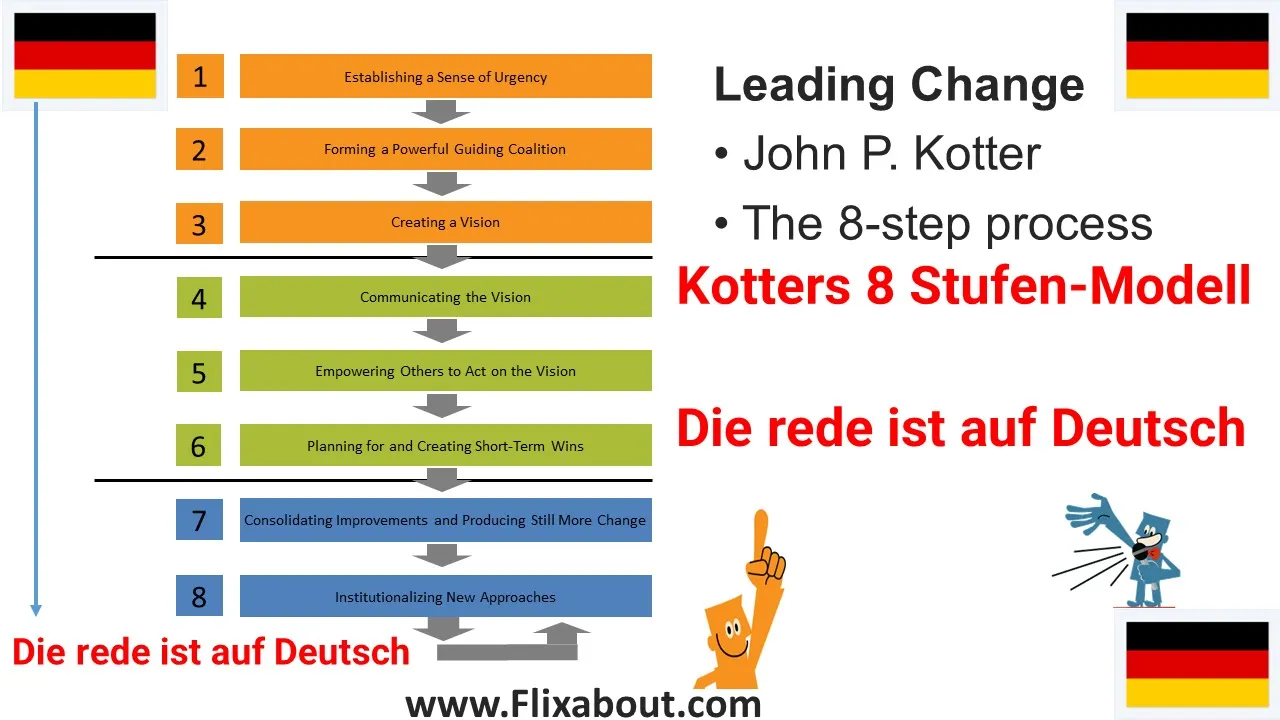
Introductory change management frameworks (such as Kotter's 8-Step Change Model) to understand the human elements of organizational transition.
Advanced strategies for cultural alignment and mitigating organizational friction during post-merger talent retention.
The technical and operational complexities of IT systems integration, specifically consolidating disparate ERP platforms and data architectures.
Designing and implementing a Integration Management Office (IMO) governance structure and tracking dashboards for synergy realization.
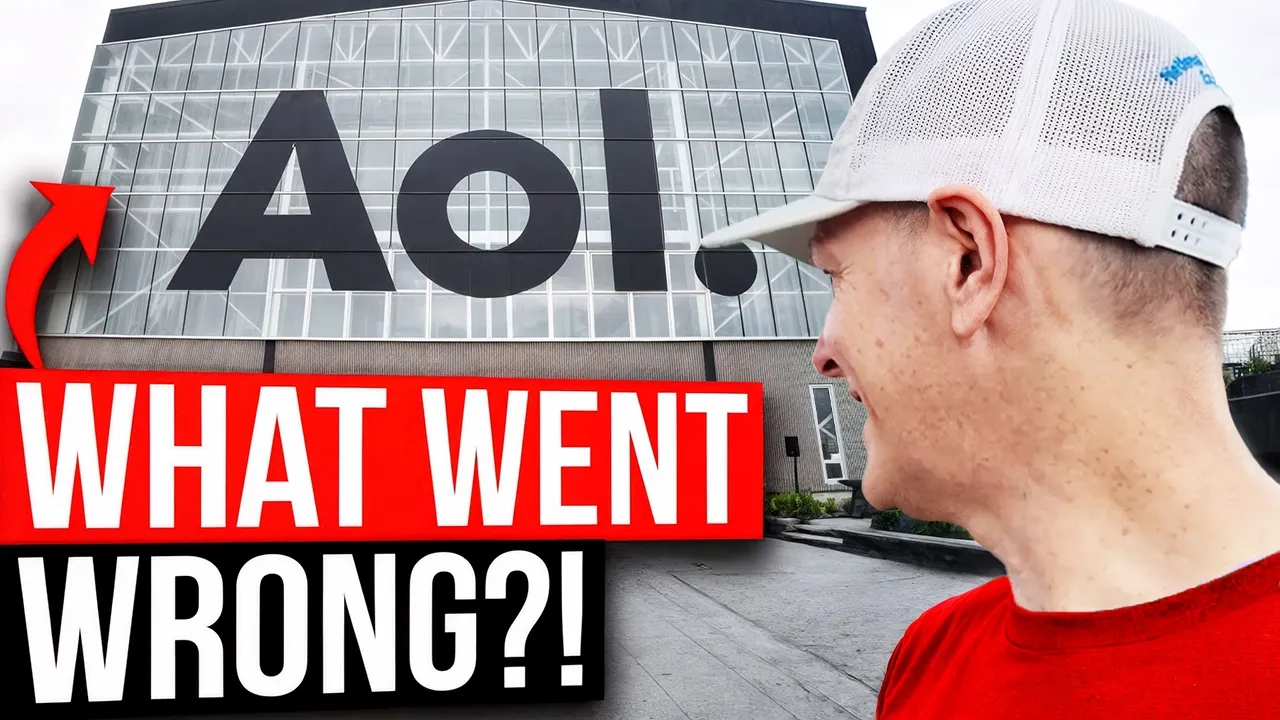
Detailed analysis of landmark M&A case studies (e.g., Disney-Pixar, AOL-Time Warner) to evaluate real-world integration execution and pitfalls.
The strategic mechanics of corporate divestitures, spin-offs, and carve-outs as the operational inverse of post-merger integration.
8.5K views73likes57:41Original Release: 2014-02-24
our webinar today entitled key aspects for maximizing synergies through effective post-merger integration uh we'll cover a variety of topics uh and thank you all for joining we've got quite a number of individuals from around the globe on the call and i'll be your moderator my name is stefan hoffmeyer i'm a partner of global pmi partners out of the san francisco bay area to tell you briefly about who global pmi partners is we are an international services organization comprised of 10 country-based firms we provide pre and post-merger integration services m a integration for mid-size and large-scale acquisitions our services focus around training advisory and integration execution on our call today we've got quite a few experts that will participate both in the webinar uh presentation as well as in a panel discussion uh today on the call we've got scott whitaker he's he's founder of whitaker company and our global pmi partners us partner scott is author of merger and acquisitions integration handbook he serves clients across industries and has 20 years experience in strategic planning and all aspects of m a integration scott welcome thank you steven next we have mihil vanderheiden he is a global finance and operations director at muliki healthcare michel is involved in many m a and integration projects and is responsible for valuations of potential m a targets recently he managed an integration of a polish manufacturer and an acquisition in germany welcome mihil thank you for inviting me and great to be here thanks uh next uh we have christoph van gaampuleri christoph is founder of integration international and he is our global pmi partners belgium partner kristoff started ernst young's transaction integration practice for the benelux countries before founding integrator international and he has led multi-billion dollar global deals for both integrations and carve-outs welcome kristoff hi everybody uh next is thomas kessler thomas is founder of integration success our gpm ip german partner thomas has delivered more than 28 integration projects across europe north america and asia he regularly trains european and southeast asian companies in m a integration and is a guest speaker at zurich university of applied science welcome thomas welcome and thank you to having you on the call and um yeah great to be here to the audience great um also we had danny davis also scheduled uh for the call one of our global pmi partners uk partner uh however uh he is at a client site with some uh security restrictions and unfortunately could not dial in today uh if you'd like to get to you can touch them in the uk area uh feel free to send us a note uh via info at globalpmipartners.com we'll forward that on uh and as for myself uh again i i'm a moderator here and we'll be uh guiding us through the presentation i'm president of modal minds inc a global global pmi partner u.s partner out of san francisco and my focus has been delivering business transformation across 31 clients focused on extended management and process improvement i'm also deeply involved in u.s china cross-border business development so thank you all for being here i wish we could introduce everybody but a bit large crowd for that so we'll we'll move on to the next slide and i believe uh scott you'll be able to take over here give us a little introduction on post merger integration yes thank you stefan um i uh i'd like to spend a little time before we get into some of the details around maximizing synergies and controlling costs spend a little time on some of the foundational elements that you have to have in place to ensure a smooth integration as most of us know attainment of synergies is very dependent on establishing a solid project management approach uh for integration um you're trying to combine talent and technologies and all of the underlying processes that support them and all of that enables um your ability to you know go after revenue and cost synergies um and and without a solid foundation for integration it's much more difficult to do that if we look at um trying to break down integration activities uh into some macro buckets it helps to think about it this way and you know the visuals here if you'll notice there's a lot going on before execution and that's the point uh pre-planning um you know is where integrations are won and lost and there's a lot to do before you are ready for day one um within the pre-planning bucket you know you have everything around setting uh parameters for timing strategy issues integration objectives securing outside resources if necessary to help you with keep work streams you know that is key to get started as early as possible and we'll talk about kind of ideal timing sequences next integrate integration due diligence securing all your background data whether you have a clean room environment or sharepoint to inform your integration planning is a critical element making sure that information is disseminated to all of your functional leads and other key participants so they can use that to inform their own planning and then obviously the integration office itself establishing the integration management office i know some folks call it different things alignment management office pmos it doesn't matter you need a short term project management office to run your integration project and you need to get that stood up and operational in advance of day one obviously and then execution you know this is post day one these are all your major integration activities and work streams all your communications commencing and your march to end state and then wrap up if you're a company that is doing this often you'll you'll want to make sure that you optimize your processes going forward by doing some integration surveys and closing activities that enable you to incorporate feedback so you can constantly get better at this if you're one of those companies that where growth is a a core strategy and you're doing a lot of acquisition a couple a year and need to make it a core competency so with all that going on what could go wrong right um you've got preparation people execution and you'll you'll see the um in integration parlance you know one plus one and this deal will equal three um when in fact if you shortchange yourself in preparation and and all the people issues and execution you could wind up um uh eroding value and getting nothing at all and you won't have to look far um if you search on google or bing on on studies that show that uh deal value is eroded in most deals fail most deals failure fail to deliver targeted value and most of it is is due to poor integration planning and execution um so we're going to talk about some of the things to avoid that and i want to emphasize that we all have a mistake stake in ensuring great inter integration execution and that means if you're not if you're involved in kind of pre-deal due diligence or purely transaction you know you owe to yourself and your clients to make sure that they are prepared for integration whether or not you're going to be around for that stage or not so my goal here today is to impart some generally accepted best practices so you can ask some informed questions and and find out if you're you know if your charge is ready um and if not you know raise some flags that you know they might want to be thinking about some more diligent planning okay let's talk about preparation um again what what could go wrong and idea here is to not paint a bleak picture of what you're doing but to expose the realities of integration planning that you need to tackle head on if you're going to be successful in execution and preserve value and attain the synergies that you're after so one of the biggest things that i see in the work that i do is just a lack of integration planning there's a lot going on and a lot to do and people tend to get started too late which can be a problem um and um and or wait to integrate others into the process that should be involved earlier um overpayment for acquisitions only in that if if there is such an aggressive valuation um it can it can make the um you know the integration work and what you're doing um chasing after something that might be so highly aggressive that you tend to shortchange the integration work because you're just facing a number and that can cause some poor habits and kind of shortchange your planning weak due diligence on people and operations just not getting the information you need uh to do proper risk assessment and understand uh you know the full complexity of integration work streams uh overestimated synergies you're all probably laughing this never happens right um but you know if you're not stress testing assumptions or or timing parameters to see if they're if they're truly realistic you know right out of the gate um you're going to have variances that become you know such a focus of the effort tends to suck the energy away from everything else um lack of shared vision strategic direction uh people with you know varying thoughts on the new direction of the company or what's important and what are their priorities and that can cause misalignment and affect your preparation uh not staffing or in or or providing budget for the integration effort itself and then no playbook or consistent approach and you know especially for companies that are doing this often if you feel like you're reinventing the wheel every time that you do it um you know that that is something that you should be avoided you should be getting better at this and make it a core competency if you're going to be in the business of acquiring or merging with other companies next on the people side obviously culture probably one of the more written about subjects in m a but if you're not properly assessing what you're up against relative to culture or under appreciate the differences that between you know two companies that are coming together um you know you're certainly will uh negatively affect your ability to um you know integrate on time and you're going to be dealing with a lot of kind of fires um because you uh just underestimated the level of effort required key talent loss retention is a big always a big work stream in any integration pre-planning who do you want to make sure that you keep that has deep you know systems or customer knowledge or relationships you should be ahead of that so those people don't get poached by your competitors or get frustrated and leave because good people usually have options lack of attention to people issues during implementation you know more talking about kind of the rank and file and understanding that people are first and foremost interested in how this is going to affect them and if you're avoiding that subject or not or or dribbling out detail in terms of you know how the integration is going to unfold and you know what changes what doesn't change um you know people are just going to freeze at the wheel and you'll it will undermine engagement and productivity um so you got to make that a priority competing priorities um just people are after different things and don't have a common shared vision of what is truly important you have people kind of managing in their own lane um and you know down the road that come becomes an issue lack of executive commitment if we just don't have uh the c-suite engaged or involved in the integration itself and and and you know providing air cover um and strongly supporting your efforts um can be a problem as well as we move to execution you know one of the biggest flaws is just not having an integration management office an imo or some kind of project management team or it's poorly resourced and you don't you just don't people don't have the bandwidth to do the integration work and they still have almost both feet in their old world and you know the integration work suffers ineffective technology integration i.t systems and other elements of i.t integration is always a very dominant work stream and should be attended do properly um and uh you know that can slow down a lot of things so that needs a lot of attention in pre-planning slow pace uh my my recommendation is always to have a bias for urgency um if you see a work stream that can be done earlier um you know without disrupting business continuity or causing problems for others um you should always try to do things as soon as possible you don't want your integration to kind of mire down um and and just have a very slow and uh pace you'll lose people and you really want to proceed rapidly no end state planning kind of the never ending integration there is no targeted date where the bulk of activities should be wrapped up and so you don't have a goal to shoot for and then scope creep where the integration management office becomes the owner of a lot of things that are outside and you know the boundaries of typical integration work and all it does it's not to say that those are aren't important things to be done but you're you're robbing resources from your ability to manage the bulk of the integration work so you need to be careful there so in terms of pre-planning i wanted to go through what i've generally found to be some best practices um and i'll give winston churchill the credit for the quote here he who fails to plan is planning to fail um because as i mentioned earlier integrations are won and lost in pre-planning um every time that i have come in late or been asked to kind of you know work in a rescue operation where you're coming in sometimes even after day one and there's been some damage done at that point so if you want to increase your chances for success focus on the pre-planning phase more than anything i recommend you allocate a minimum 90 days for integration pre-planning prep i've done it in less time of course 90 will give you um you know a good time to get the information you need to secure resources to get your imo set up um and you should manage the pre-planning regimen like at the execution phase so you don't want to manage your three months of pre-planning kind of like you're on the practice range the whole time you know act like you're in the game and you want to have your weekly rhythm going as far as meetings and deliverables and you're almost on a pace that feels like execution and that way you'll ensure that you're ready next mobilize your imo your integration manage office 90 days prior to day day one so i'm sure some of you are thinking really get all my folks together 90 days before the big day yes you know some people might still have a toe in their own world and they can start transitioning work so they can focus on integration work but this is when you really want to define scope roles of responsibilities for imo leads so they clearly know what their expectations are and and how they're going to get their work done the collaboration tools that they'll be using and get everything ramped up you need to secure any resources and commitments in advance and clear the decks and what i mean is you've got to make sure that people that the people that own the resource have adequately cleared the decks for that person so they're not still hamstrung with a lot of work from their old job they they have to have bandwidth for integration work and you need to probe and make sure that that's happening develop a strategy and process for getting information you know early on one of the biggest headwinds that you'll face obviously is sometimes getting the information you need to inform pre-planning you have to have a good strategy for data management you know organizing and prioritizing the requests from your own side so you're not overwhelming the target having good clean room strategy and protocols to get the information uh that you need so people aren't in there just hunting around for anything for everything and everything um and just manage that so so people can get what they need and and get their plans together in a timely fashion next minimize culture and change management challenges you know people like to refer this as kind of the soft areas of integration it's hardly that it can cause you a lot of problems if you're not paying attention to it you don't factor it into your planning things that you need to do is confirm cultural differences as part of your operational due diligence you know i have a lot of risk assessment surveys stakeholder interviews that i like to do on the front end to root to to parse out and kind of draw out what makes two companies different and to start to zero in on the likely hot spots where you really have different ways of doing everything that is going to do doing different things that is going to cause conflict and that you're going to have to address next planned communications for all stakeholders to day one plus 90.
you know common mistake is to to have a wonderful day one communication plan that kind of dribbles after that and you're back into reactive mode if for all stakeholder audiences you plan out to 90 days uh with you know what is the message how we're going to deliver it who delivers it when do we see a draft i mean you know all those details that all us freakish project management lovers usually put in our plans if you get that out to day 90 it'll just be like your communication plan is rolling and you'll be more you'll have more bandwidth to address kind of hot spot issues that come up that you know there isn't any things that come up that you didn't expect but you'll have more bandwidth to deal with them if everything else is planned out last may communication everyone's responsibilities you know it shouldn't just be the imo communication lead you need functional leads to own communications within their own lanes within their own areas so people are hearing from them and that they have a stake in what's being said and they're vested in the delivery of the message so you include them you know and make it part of their responsibility too so last i'd like to one thing to remember um and this is probably one of the hardest things um you know as i was reflecting getting preparing for this today um integrate with the end in mind and so what does that mean um i'm not talking about ends day and the integration i'm talking about getting the state for all critical areas of the business and so you know you need to spend a lot of time thinking about what is the desired experience for acquired employees on day one all those things like branding email addresses business cards internet the signage on the building etc um those are all things that make a impression and when they're executed well um the the message to people is you know we we are part of a new company you know they care about everything right down to my business card and my email address um and that's all been taken care of and it sends a very positive message when it's done well um and then obviously what is the desired end state for customers you know everything from you know how the phones are answered for customer service invoices packaging all that has to be thought of in advance so customers are getting the right message for starting on day one or whenever the day that you specify that that will change and then all external stakeholders remember companies you know are participants in their local communities and charities how does that change you know what what is the desired experience for um all those stakeholders where that company has been uh you know an integral factor how do you make sure that either there's continuity there or is clearly understood what the expectations are going forward same with suppliers vendors and contractors um and one other thing here is i always counsel is to embrace transformation opportunities uh so it's easy to get into a trap with all the work to just think you know i've got some things to integrate um and i just need to put them together and i actually worried about optimizing it later there will be a a myriad of people process system upgrade opportunities where you can kind of future proof or build it stronger um because you know yours and theirs maybe neither is is what you need going forward yeah it's a little bit more work but you really are kind of future proofing and you need to embrace those opportunities and really i've taken upon you know myself and the integration management office to as you're working through integration work plans kind of finding those and elevating them in terms of visibility to say is this an area where you know we should apply a little bit more critical thinking and think about how we might how we might want to build something a little stronger for the future and just to summarize um so all these areas just to recap kind of for integration success um some focus areas um strategy you know clarifying um you know the strategy and business goals so your integration plans are drafting off them and you don't have any current quantities between integration objectives and you know the strategic plan of the business plan is important integration support you know making sure you have c-level oversight and that you're you know you have their ear and have enough time with them that you can leverage them for decision makings and to break ties and and deal with escalations because you'll always have those resource augmentation you need to resource your imo and critical functions properly and you need to make sure that that that is done early if you're catching up during the execution phase you're making things a lot harder for yourself systems integration do not underestimate it work stream challenges and timing you need to help your i.t brothers out during integration typically other functions will make assumptions on changes that they're making that involve some kind of it work and you need to be looking at that to make sure it is aware of that and there's some integration practices that you can do to do that but i'm always on the lookout to make sure that plans that include things that it needs to do or get integrated in the it plan there's always stuff that builds during an integration that affects i.t communications just make it a top priority resource it properly make it consistent and make sure you're planning through day 90.
leverage the positives reward people for good integration work um you know you know engineer some quick wins if you can and engineer them early and put some highlights on them you know here's something that we're doing together now and make sure that that there's visibility on some of the integration work and then for serial acquirers or people that are doing this often create a playbook um so you're constantly learning and optimizing your approach and then you get better at this so thank you very much i'll turn it back over to stefan thank you very much scott i appreciate uh the the rundown and uh uh although we'd like to have time for uh more q a during the discussion we'll show you uh at the end of the presentation where to submit your questions we'll uh most gladly get back to you regarding any questions you have regarding scott's uh presentation so to move forward with our panel discussion uh what we've done is uh over the past uh five days we've uh captured many questions from from all of you and we categorized those questions related to the integration activities that scott has reviewed and what we'll look to do today is go through a subset of those questions for each activity and have a dialogue and again at the end of the call we'll give you an opportunity to submit further follow-up questions that we will handle uh directly with you so to move forward on our first question related to pre-planning the first question that came out is can you detail how synergies are incorporated in the valuation model and i guess so first to start on that question uh could we describe what a valuation model is uh kristoff i believe that's a great question for you to answer um well the family evaluation model um a lot of people probably have heard of a discounted cash flow model um what is that that is uh basically an excel file that looks at your cash flows for the coming years so looking out into the future and then all these cash flows are added up together and taking into account the time value of money it gives a evaluation of the company so say a company earns it has a cash flow of 10 million per year you look at that over six seven years that gives you 70 million but with the time value of money that perhaps will give you 40 million so very simplistically speaking that is a discounted cash flow model and and you can also look at it in another way you can say oh well this evaluation of 50 million is the equivalent of five six seven times my earnings before interest and tax and depreciation so that's also another way of looking at things when you do financial due diligence um your auditor or your advisor who does the financial due diligence he will come up with the evaluation model he will say well i looked at the business i normalized some figures you know because some things in the past were not really representative of of the business as as a as a day-to-day operation so taking some things out adding some things and then that comes out with evaluation and basically that's where a lot of companies stop but that's that's just the beginning that's just a normalized evaluation of a company as a standalone company it doesn't take into account what um what your synergies are so what you can then do and what some some of the leading companies do is they have this model and then they have a second model saying okay well what if i uh achieve some synergies here within this target so that gives you a second model just within the target achieving synergies and then there's a third model what if i now uh take the target and i put it into my company what will the synergies be be done so it can be revenue synergies or cost synergies and they can give a whole new different picture on on the valuation of your company which your seller may not always be aware of and that gives you a lead whenever there's a bidding war i don't know a miguel if you if you can unmute yourself if this is something that that sounds familiar okay thanks sir christoph um i can tell a bit from my experience within my company monica healthcare uh just a little bit short short about this company monica healthcare is a swedish based company active in the medical device industry we have external growth as a as a via m a transactions as a as a key strategic goal therefore we did some transactions in the past few years it is clearly that we we very early in the pre-deal process we we want to we try to identify those energies and of course later also during the due diligence and indeed we we make a valuation including and excluding those energies so that it is very clear and transparent in in the business case you are making or in the valuations how those energies shoot great value and and also we do that with death energies of course but we take each synergy separately and we value them each we we value them each separately so that it is very transparent in the model in the financial model how do you value those synergies and that is then also a clea a clear kpi for the future when you measure the when you measure the success of the integration of the of the potential transaction so um synergies are summarizing a very important part of the pre-deal process identifying them value them bring them into the discounted cash flow model and have a valuation of each of those energies and best energies thank you very good thank you very much christoph and michelle for for uh showing us a little bit more about how the synergies are incorporated and and also how uh synergy targets are established within an organization so moving on uh the next question here uh uh are there any synergy quick wins that you can find on any integration uh and uh thomas uh love to have you chime in there thank you stefan yeah this is thomas um and uh i would like to actually go very briefly through it my understanding and experience has been that whenever you want to really search for quick wins you look primarily for revenue synergies they may not come to provision kind of in in a three or six months time frame post-closing but they clearly identify where you can really quickly zero in on and that will have a significant value contribution secondly it's procurement and if you look at procurement it's not only number of suppliers it's also terms and pricing that one should uh should focus in on then thirdly i would always uh look at something that i describe as business model synergies and when i talk about business model synergies i talk about we have different ways of approaching the market and even so two companies may be in the same industry and may have the same way to sell to their customers one may for example if you take a telecom service company one may focus more on contracts the other one may focus more on prepaid mobile customers and so there are differences in the business model and if you zero on on these there are definitely quick wins to be captured force is facilities something that typically is not looked at very quickly on because you just leave people where they are but um this is definitely something where you can get uh synergies from and and quickly also and then uh we have the typical one that a lot of people jump on but that i caution people to execute immediately which is administrative staff like in the finance hrit or corporate arena be careful um with those quick wins because you need to have a solid base for implementing synergies and last but not least what's always very very important to get quick wins to begin with is a very good expedited communication between both parties at the executive level really have that direct link structured well and a good communication set up well thank you stefan all right thank you very much thomas is a good good introduction uh and then finally on pre-planning uh some questions coming about about i understand what cost energies are but what are gross energies and scott maybe you can uh shed some light here yeah you know like on the growth side you might have revenue synergies tied to you know an increase in annual an annual sales run rate that may be enabled by you know some cross-selling that you can do now um that would be an example of a you know a revenue synergy you know that you know is helping uh stimulate growth one of the things though on that you know it sounds i always see that you know cross-selling and it sounds easy but you know underneath there are things like sales force consolidation compensation plan um integration and a lot of other things that enable people uh training uh and and such that enable people to actually do the cross selling so the timing on when you realize things like that um if you back up from there there's a lot of work that has to to be done in advance to enable that thanks all right very good very good so so moving on let's move on over to uh integration due diligence so the first question we have here is what do i do if we don't have the resources to deal with a detailed synergy analysis scott why don't you try to take that one on yeah you know this is uh a lot of times i've seen um this handled a couple ways sometimes folks will bring in an outside resource um you know an accounting firm like a grant thornton for example to help develop and manage the the tracking and reporting and analysis of the synergy plan because there is so much work involved in that otherwise you need to make sure that you have some dedicated resource resources within finance um that are dedicated you know only to the the tracking and reporting and variance analysis uh to the synergy plan it's very hard to tack this on to imo work and kind of saddle the imo to try and manage this you need dedicated resources and some expertise in this area for sure all right great great scott thank you very much for for taking that question uh next question we have in the the the integration due diligence pays our space is our cost and growth synergy is both essential to any deal uh christoph what are your thoughts there well i wouldn't say that they are essentially it depends on your strategy so if if you agree upfront on your strategy you can say that you do an acquisition for example for geographical expansion so that's not that's not it and that may cost you money you may invest in geographical expansion and and buy a company somewhere because otherwise you would never get in into that country and um there are no cost is there growth synergies may be but but the most important thing is geographical expansion now what we see in reality is that that these non-financial synergies often play an important role um maybe 10 20 of acquisitions are are because of those non-financial synergies but that also means that 80 percent is all the deals um are also driven by financial synergies of course all right very good that's a a good description of uh how things uh arrange uh our next one uh is is a good one for uh michiel uh and it relates to ownership who within uh the business owns the realization of synergies uh michelle what do you think what are your thoughts there thanks stefan and i i very much agree what was what scott was saying just before that it is so important that in every m a transaction you have enough finance resources secure those finance resources um as of the beginning we always add a finance person to the m a team helping with the valuation and the financial modeling and helping the the work stream leaders with quantifying synergies and this energies this this financial person should help those those work stream leaders during the due diligence due diligence and and really identifying identifying and value those synergies this finance person is heavily involved in the integration process monitoring those the realization of the the synergies because that's what it's all about you have to realize the synergies to create value for the company but after all the finance person does not own he's not the one who is accountable for realizing the synergy i think that that is the work stream leader he's owning the the identified synergy but but i think he of course he needs some help from the finance guard and and and it also requires a lot of training it requires training over the company of all your work stream leaders there are non-financials but you help them you have to train them and that is what we what we are doing in our company monica healthcare that we we have an intensive training program to for for those work stream leaders we have a group of 20 to 25 people who we train in and let's say the basic financials on m a deal so summarizing uh it's the work stream leader owning and is accountable but a lot of help from finance thanks to stefan thank you yeah it sounds like there there needs to be a good common understanding with everybody involved regarding the role and then then the responsibilities of patrol so uh very uh very insightful there all right so moving on we'll we'll skip over to a couple slides as we're running a little past our time but uh on track now for the integration manage our integration office planning uh communication plans get a lot of attention but even so what are some of the common mistakes companies make during planning uh scott i think this is a great great question for you i know that this comes up a lot sure thanks stefan um like i mentioned earlier just not planning through at least day 90 and having your communications uh very much wither after day one is a common mistake um the other is inconsistent messaging what i mean by that is that you know people kind of go off the reservation and start answering questions or sending out things that aren't exactly aligned with what others are doing and as we all know people compare notes on on the other side and quickly figure out that it is inconsistent um and that you know we're not all singing off the same playbook and that that causes you uh problems that you have to fix um the other one is just avoiding key questions i'm a big fan of being transparent and if you don't know the answer it's okay tell people you don't know the answer you know what are we going to eventually move corporate headquarters next year we don't know yet we're still evaluating that is a better answer than avoiding it um because when you avoid it as we all know the the information vacuum gets filled with what people think will happen and then that becomes the the topic of conversation um so you know if you don't know the answer it's fine to tell people that you don't know the answer but those are some probably the kind of the top three i would say ah very good very good it sounds like establishing trust and maintaining that stress is extreme uh extremely important very good absolutely yeah all right next question we have and this one's to kristoff what should be considered when developing a robust framework and a methodology uh you know again being consistent is important here christoph what are your thoughts well i've noticed that lessons learned sessions and somebody talked about that earlier um it's that's very well it's a good practice but those lessons may always be available to other members in the organization because often the deal teams won't be the same so what what is handy um is to have a common uh corporate handbook it shouldn't be anything too elaborate but some major um ways that that that unites the company in in the approach of an uh of a merger or of an other acquisition and i would have uh the same tools this the same language the same terminology um ways of sharing your documents um having low threshold tools only word and excel and powerpoint if you start using ms project for example half of the team will drop off and having a certain meeting rhythm and that also helps when you start 90 days beforehand so some very simple things but if you don't do them people will start developing their own stuff you know and and you will lose consistency even before the acquisition yeah oh very very very good i think you know the idea of control and being able to establish a common process is extremely important so good good thoughts there all right so moving on from the uh the integration office planning we'll dive right in here to execution and uh what can we do if we see that we're failing to realize planning synergies uh in that one scott i'll throw that back to you sure um you know i guess one of the first things uh if you immediately know you're off track i think there's three three things to to check one is your assumptions and hopefully you know you did this earlier but if you're off maybe you need to revisit some of the critical planning assumptions um in the formulation of the synergies to begin with second is timing you know are have you lost some timing which is affecting your your synergy variants third is you know sometimes synergy targets don't get broken down and distributed into work plans properly and as a result you know there may be some things that you know i like to say nobody owns because it's not in their work plan and no one is specifically on the hook for a number but those are probably the first three places to look um and then you know after you've done that if it was just wildly optimistic to begin with you know then then it's time to either reforecast it or come to the conclusion that it was and put a more realistic goal in place all right very very good very good so so moving on we've talked obviously a lot about synergies on our calls as a main topic and talking uh specifically about a template so what is the scope of a synergy template and and maybe explain a little bit what what a synergy uh template is thomas can can you take that on sure stephan uh i can take that off whenever i am involved in this energy analysis and prioritization i actually want my clients to look at it in a three-way part we need a financial plan and financial calculation tab that's one element we need an executive summary that's the second element and then we need something that i call probability probability of success let me start with the exact summary because that's kind of where um everything gets going um the executive summary should have a description it should talk about the risks and hurdles and i dis i describe risks and hurdles or the difference between risks and hurdles in the following way a hurdle is something that i can overcome a risk is something that i seemingly enter into and it's very important that when you then later on do a synergy prioritization and you go through with senior management and senior execs through those synergies that you have identified and calculated that you clearly state hurdles and risks and that you tell the these pieces apart it obviously needs uh prerequisites what has to happen so that this synergy can actually start needs a timing framework so that you understand how many months to actually starting the synergy and then how many months does it take to implement the synergy um who's responsible um it's very important so that you can go back to the person that takes uh responsibility from operations point of view like which you said earlier it's clearly not the finance guy it's someone in operations then um define how the value creation happens over time on two levels typically one is earnings and the second one is cash flow so take ebit or whatever your prioritized ways and then a cash flow calculation whether it's ebda as an approximation which is clearly not free cash flow or take free cash flow um that would be the exact summary on the financial plan you obviously need to calculate out how specifically the synergy will be derived then call it back to the line items on your p l or balance sheet that you will need to go back to for control when you control whether and when you track your implementation process so that you know exactly okay this line item on the p l is actually targeted or this line item on the balance sheet is is tangent on then a comment section is important to understand who gave you the information uh and why did you calculate it the way you did and then last but not least the probability of success should be over four different time frames like a five month period of time then you add six months to it to come up to um a full year for example then another six months and probably another 12 months whatever the time horizon is going to be that most appropriately matches to your implementation tracking and that's really um what you want to do with the probability of success you want to define the expected uh implementation timing um on it that would be it stephan all right thank you thank you very much for that uh uh methodical and thorough uh review of of uh the template do appreciate that good so so moving on uh you know when activities start people have their own agendas and priorities and they basically scatter and start working uh and so obviously we need to to to move against that a little bit and especially especially related to synergies uh in in in focus so uh and this goes to kristoff actually what what sense of urgency should be placed on synergies uh given the urgencies that are placed on everything uh during a integration well i think the the urgency should be placed on the fact that this is real it's it's not something uh fancy and theoretical and making things real for your management uh often means including it in in the budget going forward because often people get measured uh on their budget their kpis and their bonus may depend on it so by including it in the budget it makes it real and it makes it urgent for those people now including it in the budget after day one without having consulted your operational people is a big mistake because then there's no ownership so the urgency should start beforehand during the due diligence during the negotiations and not just the deal team is then involved but the deal team will talk to the operational guys and say hey is this realistic what do you think what's your your opinion on a synergy of this synergy and i make it clear that whatever they say will become part of their um budget going forward so so this this is one way of looking at urgency another way of looking at urgency is just financially let's say that you you've identified a run rate of 12 million per year in synergies which is 1 million per month now not doing anything will cost you 1 million each month that you delay things will cost you one million and then people very often have have a lot of other things on on their mind and they may not have time but what you do then is is is bring in resources and and i would be surprised if they would cost you then one million if the synergies are one million so the resources will be cheaper than what you will reap so that that's another way of looking at synergies all right very very good very good good and so uh moving on uh from execution um so now we've we've uh you know completed the uh the execution and now we're in more of a wrap-up phase so i a few questions there before we wrap we wrap up for the day is at what point should an integration be complete and turned over to operations and general project work when does that transition occur and michela this one's uh this one's for you yes uh thank you um at what point uh an integration should be complete it's of course very different from transaction to transaction the size steel the deal size and the deal scope but talking to my experience the integrations i've done it it took between one and two years and i think two years it's really the maximum very important is as well a very good hand over to the line organization you should really take time for that it's quite crucial and and we have some war stories about that as well um what we normally do after the integration phase we organize that lessons learned session um what went well what could be improved it's very important to document this that that future in m a project groups can can learn from it and can use that for for an x integration i would say accumulated m a knowledge is very crucial for a company you learn from every deal um when when when do you consider an integration to be close that's that's really when you have uh well when all the general milestones are completed then you have the you have your integration checklist completed and so the work stream charters and and and milestones and deliverables that are in there should be ticked off and if the major part is ticked off at some point you have to decide to close the integration and and hand it over to to to the line organization of course maybe i can give some examples for for completion what what should be completed is the order to cash process should be transferred the it solutions should be aligned sales forces have to be integrated of course the employees have to be taken over or have to be dismissed or transferred so but it very much depends uh summarizing from transaction to transactions okay yeah thanks yeah very good so so in other words what you're saying is uh you know each company is different there's some rule of thumbs from a general standpoint um but at the same time programmatic programmatically you know by the plan it should be checked off and and and driven driven that direction so that that makes good sense and our final question for today i actually uh kristoff you're the lucky person um to receive the the last question and this this also goes uh specifically to uh knowledge transfer what are some things to watch out for uh in knowledge transfer in in moving uh uh after the after the close of the of the initiative well i i hope this we can talk about the advantage of doing a lot of acquisitions one one pitfall enormous transfer is that lessons that you you learn in one case will not always and not necessarily apply in the next case um and and you see that that's there's some studies on this that like in in a third of the cases uh companies with a very successful acquisition often have a dip in the next one because transferring the acquisition routines from from one acquisition to the next is like applying old lessons to a new setting and you see that those companies that have a dip in subsequent acquisitions then uh rise up again because after a while they their team and their management uh have a certain heterogeneity in in and have an accumulated acquisition experience and then so eventually uh they get there so if you you can also choose and opt to um to avoid the dip and and make sure that that you don't fall into that pitfall all right well thank you so much for that christoph and avoiding the dip i can take i think that you know that's a great way to to end it and make sure that uh obviously through all the comments that we've provided here through our experience it gives some good insight uh to to uh how you all out there can help with your your post-merger integration so appreciate all the time everybody has spent and listening to our conversation i see that hardly anybody dropped off with a call so appreciate that uh and hope you got a lot of value additionally one of the things we're sensitive of since it was a large call we weren't able to take questions real time so if you'd like to contact us feel free to go to gpmip.com forward slash contact and send us questions uh we've got our entire team i hear that that can reach out to you and help you uh with some some guidance in your specific areas
Up Next

65:45
M&A Integration Success: Pre & Post-Merger Best Practices
@PanoramaConsulting
13.5K views•2020-08-27
46:36
Retention Habits of Top DTC Ecommerce Brands Revealed
@SendItPodcast
44K views•2026-03-03

0:35
Understanding the 100-Day Plan in M&A Integration
@GlobalPMIPartners
2.9K views•2020-02-13

17:30
The Planned Obsolescence of Light Bulbs and Tech
@veritasium
25.3M views•2021-03-26
Related Study Plans & Knowledge Roadmaps
Structured learning paths in Business
business
Pop-Up Retail: Strategy, Design & Execution
01Introduction to Pop-Up Retail & Strategic Goal Setting
02Budgeting, Site Selection, and Legal Essentials
03Experiential Retail Design & Visual Merchandising
+ 2 more learning modules
15h5 modules
Explore Roadmap
business
Reg CF: Startup Funding, Marketing & Launch
01Introduction to Equity Crowdfunding & Reg CF
02Platform Selection & Legal Preparation
03Crafting High-Converting Campaign Assets
+ 2 more learning modules
14h5 modules
Explore Roadmap
business
Productized Services: Scaling Solo Freelance
01Foundations of Productized Services
02Packaging and Scope Definition
03Pricing and Subscription Models
+ 2 more learning modules
15h5 modules
Explore Roadmap
business
Gov Procurement: Find, Bid & Win Contracts
01Introduction to Government Procurement & Business Setup
02Small Business Certifications & Set-Asides
03Finding and Analyzing Contract Opportunities
+ 2 more learning modules
14h5 modules
Explore Roadmap