![Построение базовой модели M&A-сделки с нуля [ОТКРЫТЫЙ УРОК]](https://i.ytimg.com/vi_webp/-ib3UBGO70c/maxresdefault.webp)








![Git and GitHub Tutorial For Beginners | Full Course [2021] [NEW]](https://i.ytimg.com/vi/3fUbBnN_H2c/maxresdefault.jpg)










Successful IT integration after mergers and acquisitions requires treating the process as a comprehensive program rather than a single project, involving five critical areas: executive strategic vision and communication, organizational readiness and change management, business processes and applications foundation, data quality and conversion criteria, and project governance with proper resource allocation; organizations must develop a detailed roadmap upfront to identify all necessary projects, dependencies, risks, and resource requirements, while ensuring key decisions about systems, processes, and organizational structure are made early to prevent costly delays and rework.
M&A IT Integration Roadmap Planning Strategies
Added:Basic principles of Mergers & Acquisitions (M&A), including the strategic business drivers behind corporate mergers and synergy targets.
Fundamentals of Enterprise Architecture (EA) and how IT infrastructure, data, and software applications align with business processes.
Core Project and Program Management concepts, particularly roadmap development, critical path analysis, and resource allocation.
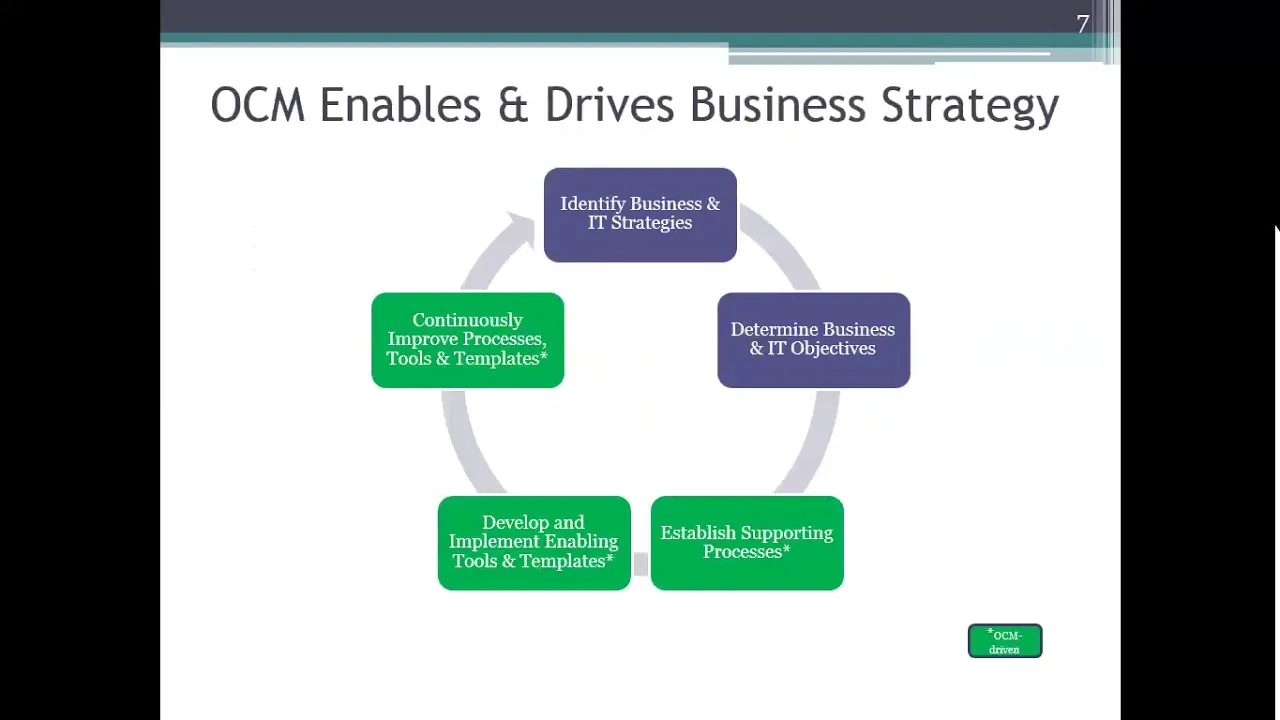
Introduction to Organizational Change Management (OCM), understanding how technological shifts impact personnel, training, and corporate culture.
Advanced IT Due Diligence techniques, focusing on evaluating target company technical debt, software licenses, and IT liabilities prior to signing.
Legacy System Decommissioning and Data Migration strategies, including the technical execution of data consolidation and sunsetting redundant platforms.
Post-Merger IT Governance and synergy tracking, establishing metrics and KPIs to measure the financial and operational success of the integration.
Cybersecurity Risk Management in M&A, addressing vulnerabilities and aligning security protocols when merging distinct corporate networks.
8K views87likes55:40Original Release: 2018-11-29
the broadcast is now starting all attendees are in listen-only mode good afternoon everyone my name is Tarun with Quest and today's webinar is planning a successful IT integration roadmap after a merger or acquisition so today's presenters are Mary Lou and Jason collectively Mary Lou and Jason have over 50 years of industry experience Jason has over 25 years of experience 20 of which with PeopleSoft financials in supporting technologies has focused spans across the healthcare higher education and commercial industries as a PMP Jason has extensive experience that include business transformation strategy alignment project management and enabling technologies Mary Lou is a senior IT project management professional with 25 years of experience and similar to Jason 20 of which with PeopleSoft prior to managing PeopleSoft implementations and upgrades Mary Lou managed the design and development of front office business applications for a global sales organization at a computer hardware company so at this time we will go over a few housekeeping notes before you begin all attendee lines will be muted throughout the session and if you do have any questions please feel free to put those in the question drop-down box in the GoToWebinar panel so now I'm going to hand it over to Jason who will kick things off for us hello everybody and thanks for joining us today we are going to go over today some some of the things that we've learned over many years related to merger and acquisition projects and the types of work that we've been doing with that for for quite a while now I'm going to give you a brief introduction to our company and talk about some of the types of things that we think about in you know at a high level that are important when you're tackling projects where you're bringing multiple companies together and then I'm going to hand it over to Mary Lou Mary Lou has done a lot of work managing a couple of different fairly substantial integration projects in recent years and she's been instrumental in helping us really refine our approach to this type of work so she's gonna go through a little bit more detail I want to hand it to her on on how we see these types of projects and how we think you would be successful so see me see our cedar is you know fairly substantial organization were headquartered down in Alpharetta Georgia we've got you know many many consultants a lot of our work is been in PeopleSoft over many years done lots of work with PeopleSoft 92 we've been in in this in this business since 1995 and we've done quite a few merger and acquisition projects over that time we have services in applications so ERP and HTM services supply chain we've done a lot with business intelligence we have hosting and managed service capabilities we are working with cloud and integration services as well we have been a leader in industry research particularly around our HR system survey which has been something we've been doing for over 20 years now and we have quite an extensive list of projects under our belt we have a number of different practices Mary Lou and I are both in the commercial and healthcare practice but we also have separate practices under CR cedar for higher education public sector injustice public safety related to mergers and acquisitions you know we have done well over 20 of these types of projects over the years and that spans multiple ERP systems peoplesoft is the main focus that we do but when we do these integration projects normally we're bringing we're working with an acquiring an organization that has peoplesoft and we're helping other entities under that umbrella and through that process you know we have gained a little exposure to other systems in how that integration would impact systems and business processes and people if they're using Lawson or JD Edwards or other types of things we've done this work in the healthcare industry in fact we've got several healthcare projects going on right now related to merger and acquisition work we've also worked with other commercial entities we've done this bringing different university systems and colleges together and we have worked with multinational clients as well so some of the challenges that people face is they're going through these integration projects can can be fairly extensive these projects are very complex and there's a lot of different moving pieces to it it can take a lot of time the the different types of things that a lot of feet people are focused on initially are okay how do we get people into the same set of systems but there's a lot more to it than that you know it's not just IT systems you really need to think about a whole people process technology focus and wonder about okay well our you know how are the people going to respond to this regardless of what system were in do we have business processes that are they can be integrated effectively across different organizations do we want to make different types of changes to the way we run businesses and run certain areas depending on what we do and if you don't think about a lot of those things up front you can run into quite a few different problems that they cause a variety of issues and in fact a very large percentage of companies that undertake these projects do run into some some challenges and some delays a lot of times but what we have found in our experience is that that comes from not really understanding and thinking through one end state you want to reach by the time you begin the project a lot of forethought can really prevent some of the issues that they come up typically in these types of projects if it's gone into with a more simplistic set of expectations than the reality that you'll find when you begin these this Rock instead of some of the some of the different types of things that you might want to be asking yourself as you're considering one of these types of projects if you're looking at it from the perspective of the company that is acquiring others how well is that organization prepared now do you know what what are the expectations that people have of this project you know a lot of times there can be some some apprehension of the people that are going into these projects the people that are doing the day-to-day operations of payroll or accounts payable on the air p-side if you're in a hospital situation you know what are the challenges that might come up if if there are major changes to supply chain and what could what impact could there be in in emergency rooms and having the correct equipment and materials that you need there those types of things so has the organization really thought about this Manari are they prepared to really think through as an organization you know all the different components that are going to be affected by this is there some type of executive vision that has been defined for this we have worked with some clients where the primary executive vision is to get all the organization's under a single set of business processes and IT systems and making business process improvements or changing things would be a second step you know it wasn't quite a slam it in approach but it you know the initial integration project was not the time that they wanted to innovate they wanted to gain some efficiencies and get everybody on a common platform other organizations recognized that hey we're partnering with some of these new companies and we're bringing under our umbrella because they do certain things that are complementary retards and we might want to learn from them as we're defining business processes that we use under this new organization and that would be a different type of executive vision so has that executive vision really been thought out and and how it plays it out too the way the integration project will work and further has that then been communicated because how how it is communicated or if it is communicating affect not only how the organization perceives this work but frankly how well the project itself does so those are some of the types of things that you want to be thinking about business processes a lot of times business processes develop under a single entity and they might or might not scale up when you have more than one organization or more than one physical location that they're going to be sharing those has that been thought about what about your data do you have solid data do you have vendors in your Accounts Payable system that overlap and if so are you going to integrate those is the data quality high do you have a bunch of bad information in any of your systems it needs to be cleaned up those types of things from the perspective of organizations that are being brought on board you know there are a lot of similar types of questions you know how will the changes be managed and communicated to the companies that are being brought on board again a lot of that can come from the executive vision and whether or not that's been properly communicated project management and dedication of team resources there's another piece of that a lot of times the people that understand business processes and understand data integrity data quality issues are the same people that you really want to have on that project but what level of commitment are they going to be able to make to the project without having problems getting their daily job done and have you thought about those types of things from a project readiness perspective and frankly a lot of these people might have concerns you know if they're being bought by a larger organization they might wonder well is my job going to be there you know when this project is done so there are a variety of different cultural and change management concerns that people have and that might be another piece of this that you need to consider so there are several different types of projects let me think about those types of questions that I was just thrown out that could come into play are there are there organizational issues related to the people that are going to be involved or impacted by this are there changes in policy that that might be effective in business process in addition to policy is another piece there might be changes that need to be made there and some of those changes might be independent of what system you're going to for example you might find benefit I'm going to a shared services Accounts Payable type of system as opposed to having separate account payable shops in multiple locations so those are substantial business process possible changes that might be independent of an ERP system that you need to think about talk about the data cleanliness issues and then there's infrastructure as well you know where the system is going to be housed and is the is the system that's going to house the the target of all these acquired entities is that sized correctly and can you put in additional demands on that system without scaling it up all of these different things are different projects in and of themselves that really need to be thought through so when we think about this type of project we we want people thinking about this is more of a program not just a project each of those different things that we talked about executive strategy development organizational change management business processes ERP or HCM system infrastructure readiness all of those are individual projects that really need to be thought through and managed effectively but they are also going to be dependent on one another so it's important to think about this as a program we have several different types of projects that need to run concurrently in some you might have some that have to be completed before another can begin putting together a program of projects to oversee is one of the things that we've seen as a key to success in these and with that what we recommend is that a roadmap be developed and what that roadmap will do though the process of going through developing a roadmap is to identify all of the different pieces of projects that need to be tackled as part of this sitting down with the acquiring organizations and those that are being brought into a new system and figuring out what are all of the potential challenges it could be encountered as we do enough uh columns that's our project dependencies and page are there other drivers in the business that you want to hit or avoid sometimes hitting a year-end cutover is a desirable thing other times it's kind of busy doing other things so different types of project related dependencies and figuring out which projects might need to start before another one or could run concurrently figuring out do we have the right people do we have enough people to do all of these different projects that resource allocation that's a big piece that you really want to be able to think about up front and you know vendor and contract integration there's there's a lot of different changes that could happen late into ERP systems and working with external parts that you do business with that might need to come into place understanding where those things come into play and how it relate to the overall program the overall roadmap of doing this type of work it's key to figure that that out up front so we always recommend that you invest the time upfront to put together that roadmap and develop the foundation you need to go into this successfully figure out what are the key decisions risks and challenges that you're going to meet as you go through this and have you developed the correct vision have you figured out how to communicate all these different types of things have you set the right priority in realistic timeframes have you brought on the right resources for this or figured out how to backfill the people that are gonna be in here in your group that might be having to dedicate a lot of time to this those are all things that really need to be thought about up from so when we put together a road map there are several key areas that we think are critical to doing this one is the the project the program project management which I've kind of alluded to is one of the key things that we think is important related to developing a road map at this point I want to hand it over to Mary Lou and Mary Lou's going to go through a little bit more detail on these other five areas so with that Mary Lou I'll let you take it from here okay thank you Jason as Jason said he and he talked in great detail about the program project management and and how that's going to develop the road map one of the first things that is necessary to provide that guidance on what that road map is going to look like is your executives strategic vision and we'll go through business processes organizational readiness business applications in data and detail and project readiness in a lot more detail on how that all impacts the development of the roadmap so you talk about an executive strategic planning vision it really need to understand what the value of that is and what it really is and it's really the that plan provides the you know the guidance the the the direction and really what the focus is setting the expectations of what the organization's tasks are and what the end goal is and so it's really helping to understand what the purpose with the purpose is the mission and how do we achieve that and that's where you're looking at the vision and the key piece is then going down into the roadmap how are we getting how are we going to get there this helps to align the organizational along with the priorities for instance if they're looking to a shared service then and they don't have one that's a critical piece of part of the roadmap and how that's going to impact decisions going down the road the other key thing that is necessary is to really make sure this plan this vision has been communicated well across the board not only to the organization that is acquiring or merging a new organization into themselves but that that other organization that's new understands the mission as well in the vision and I've seen times where that's been communicated extremely well and people know how to build that roadmap of where they're going and why they're doing what they're doing but at other times I've seen where that hasn't it's been there but it hasn't been Clara hasn't been communicated and that causes some some confusion of people there mechanically going through and doing what their small sub silo of Casa but don't understand the full picture so if you look at this from if you don't have it organizations they may be working on the wrong projects wrong priorities in the wrong order and having that it ends up potentially I've seen where collisions where we have collisions where resources that I need to pray one project are already assigned to another project and there that planning isn't done well enough to understand where the work needs to be done that causes delays you could potentially have loss of key resources when you're going through an or a merger and acquisition that organization that's being acquired there's a lot of anxiety there from the people from the people that are working there where is what what does this mean to me will I have a job tomorrow what will my job be tomorrow I've seen over and over where we where key resources that were there that one single person has had all the knowledge and some of the people be underneath them have had bits and pieces of it but that person has gone on and moved on to another opportunity and the loss of that knowledge has been had a great impact on the overall projects that they were trying to work through and it caused delays again the synchronization in the synergies between the the two organizations if you don't have that it causes a lot of conflict I mean then we take a step back even if you have two organizations that are ten miles apart from each other and I've seen this their culture the corporate culture may be very very different one may be a very large organization one may be very small and when you are in a small organization you may not be as structured or you made there may it just may be a little bit more ease of how they do things and not have the standards in place that a large organization would have and you have to take that into consideration without this again you could have continuously seek delays and delays are going to be are going to be costly and potentially at the end of the day there may be some loss opportunities and the benefits may not be realized as soon as poss one would want from Innova Nazari organizational readiness it's a factor a key factor in the success of any of these types of integration again it's repeating factor the executives leadership commitment of support you'll see that as long as the executive static planning and vision is well defined it's understood and is communicated also have to make sure that you have your organization is that going to change how is that combined organization going to look like again shared services not shared services centralized decentralized having an understanding what that future organization is is well defined and communicated it takes the ease down and and uncomfortableness for folk for people so that they can stay focused if you look at when you take a merger and acquisition there definitely people are outside their comfort zone because they don't know what to do what today is will not be what tomorrow is and as soon as you can get these types of high-level or task complete the organization understanding what roles and responsibilities are going to be people are going to take that's going to come off people's shoulders and they can definitely start to focus on the work Jason talked about the client in the affiliate teams being defined understanding the skill set understanding the amount of resources necessary how much commitment of each one of them the team's can do are they assigned to multiple projects how much of the organ or their operational work do they still need to do in one particular situation we had one organization where it was smaller than the the organization that was acquiring them and they had one person she was responsible for payroll and she was also responsible for accounts payables they had two projects going on at the same time they had a financial integration project going on and they did it in HCM integration project going on she was one person on top of her organization her operational work that she needed to do how do you split one person three ways is do you back her up does she have a backup dad could had that has some type of you know enough knowledge to either take on the operational work with limited supervision or could they split those two projects and put her on one project and and on the financial project and her backup on the HCM project those are the types of things you need to be looking at to make sure that you've got things properly staffed you got to keep the business going but you need to be able to make sure that the teams are well defined roles and responsibilities defined and the level of commitment that's necessary to make this happen without causing delays one of the common factors in all of this is a change is change management it is people like I said are outside their comfort zone and change management is crucial to the success of this type of a project or program the more that we're able to communicate with folks the more at ease they're the they're going to be and be able to focus on the work at hand without it having talked executive strategic vision without it what are the priorities what's the expectation what we were going to be what are we expected to look like at the end of the day what is the end result if you don't have a defined future organizational structure and I've seen that people spend more time wondering worrying about where am I going to be how is this going to look it's my job going to be here do I have to relocate there's a lot of things that go underneath this that take up people's time unnecessarily if you don't have this and also how do you how do you look at it if you I've seen in an organization where they said they were going to go to a shared service whether they truly understood what a shared service model look like halfway through the project they decided that they were gonna wait on that and and and not do that and everything was going to be deceased centralized that causes a lot of back-stepping potentially restructuring of some of your configuration or how you're going to convert some of your data and your business processes and policies the more you can define upfront the smoother the transition is going to be to the end result we talked about the lack of understanding of King requirements not understanding that's the the resources required and their skill sets is going to make a project move have delays cost more and potentially not have the the expected results we talked about change management and being able to communicate that a change management a formal change management plan must be in place in order to assist in the success of a project of this type communication plan when are we going to communicate whether it's communicating to management and communicating to the employees especially when you're talking about an HCM implementation where you're dealing with benefits and payroll how does that what does that mean to them yeah your payroll cycles going to change how your bank's going to change these are things that are that are necessary to be able to have a timely plan of when these things are going to be communicated to staff prior to any engagement it's critical to have a solid foundation in place also of your business processes business applications configuration and application data as Jason said earlier in the in the presentation must validate the specific work that is necessary prior to the integration of project meaning that if you don't have a solid foundation of the of the systems and the organization that that you are going to merge into it's possible that you're going to end up with delays and maybe even have to backtrack and rework things the more that you can identify some of the key decisions upfront and it's going to help to support the foundation the solid making a found solid foundation conversion criteria when it comes to that how much data are you going to bring in from an HTM system how much how much employee data are you going to bring in from the acquiring system from an AP perspective typically what we've seen is that they will pay out in an AP in their old system and only bring in the vendors in and not bring any opened items in or opened vouchers into into the system banks are you going to use the existing banks that are that are in the organization that's that did they acquiring or are you going to keep the banks that the the new organization has I've seen where it's been they've kept the both ways initially I've been in a project where they said they were doing consolidation halfway through the project they decided that they were going to keep the old ones as well and later on down the line consolidate the banks when that ended up doing that end up adding additional work to the project team because they were bringing that data in they were going into a new system where and they had to create new tracks you know files going to an island of Bank so there was a just unfortunately was it just it was more more work some time to that had an impact on the project understanding your organization and in determining whether again you're going to centralize these centrally or have a shared service business model business policies configuration and how potentially you're bringing your data in may be impacted by some of these decisions the more upfront that you can take some of these key decisions and make them a saul and solidify them the easier it's going to be because there's no discussion anymore this is this is how it is and we're gonna work towards that and sometimes people get upset by some of the decisions but I think the reality is it's a business and we're moving forward to make sure that everything is consolidated identifying some of the key decisions we're going to go through a few of these when it comes to HCM financial and supply chain some of them are when you look at it is benefit the benefit bender pin lands the vendors are you going to incorporate the new acquisition and utilize all the existing vendor the benefit plans and vendors that the core organization is using or are you going to just bring them in is there a timing of that when of those going to be done payroll checks and payroll cycles are they aligned with what's existing in the in the current system or are they not can you change them in one particular situation we we went through quite a bit of the project when all of a sudden somebody raised the flag and said well we've got three hundred three hundred doctors that each have a contract of their own and they can't and they have to be paid on the fifteenth and the last day of the month and current cycles were weekly or bi-weekly it was an enormous task to have to go through and have to renegotiate those contracts so due to the time and time that it was identified and the time that was left to get the project done there had to be an additional pace like I put in wasn't what they wanted but it was what they had to do down the road they were going to renegotiate all the contracts so that they could be aligned with one of the current standard pay cycles they had but things take into consideration when you talk about pay cycles are their contracts that you have to take into consideration that don't align with what's existing in the system paychecks even with a merger or an acquisition you still may have multiple logos that you have to work through and you have to go through the branding of all of that things like and the format of the checks and what's on the advice they're not you you have multiple advices when you're on a paycheck or do you consolidate and make sure that you accommodate because that's a change and that's a change to the employee and every employee that's in that organization look at job codes are you going to consolidate all your job codes or are you going to and can you and what's the level of effort of doing that or are you going to oh you're going to have to add new ones or you're going to keep the existing ones or when you convert them and do better data mapping how you're going to keep the existing ones that are in that organization and do it at a later time in most cases I've seen what they've tried to consolidate and had one one listing of job codes earning deduction coach just and making sure that those are all in line in reporting depending on if you're merging two hospitals the odds are your reporting is probably pretty close to hundred percent in alignment but if you were to bring in a new new type of a business they'd say a university the types of reporting that they require it's going to be different than than a hospital and you have to take into consideration those when you're looking at the financial side of it try two accounts it's a big one is the child of accounts adequate into in the organization today are they having issues with the chart of accounts today and do they want to reorganize them optimize them I mean use whatever your whatever keywords you want here if you if that is something that needs to be done that typically cannot be done in the in and consumed with an integration project that in itself have become a project of itself and where does that sit in the whole timeline of all these projects typically that should be done prior to bringing in that integration the organization that you're integrating with financial reporting are the financial reports adequate and that probably that in most cases the lines the chart of accounts and whether or not there needs to be some additional thought process on that or refinement of those those reports when it specifically when it comes to peoplesoft when you go into that you could also look at your consolidations and how the trout of accounts handles that or the allocations and are they at the right level and bringing in additional data and more to process what kind of an impact will that have and do you have to take a step back and look at that and realign those those are those are critical things that need to be considered prior to bringing in another organization or another level of data that's going to have to be processed when you look at vendor or customer and Jason talked about this earlier the vendor Howie is your our vendors cleaned do they have all the right information in there do they have the DMV number in there do they have the tax ID number in there those are key elements to looking at the duplications when you bring vendors in from another organization how much of that data needs to be cleaned up and how are you going to clean that data up can you do it internally do you need to take a third party and and send it out and work with them to get your vendor and data your vendor or customer data cleaned up and the timing of all that obviously you want to be able to get that in that data cleaned up and into your core system before you do your transactional integration and if you do that a few months before you bring in the transactional information is there a process in place on how to keep that car when the newer organization is still running operationally things take into consideration I believe we've in same case in HCM the banking are you going to consolidate the banks or are you going to have individual banks and how does that how is that all going to work and you're a the for any ap checks that you your your printing you know do you need to align those checks or logos when you get down to approval workflow looking at that and when we look at that from a purchasing standpoint or from a a voucher invoice approval when you look at a small organization we've seen with you know you could have a ap clerk because it's such a small organization being able to have a large dollar associated where they can do a prove that they can approve or that Amana jerk approved $50,000 but when you go into a larger organization it takes a director to be a to be able to approve a fifty thousand dollar Pio a larger organizations typically has their approval structure very defined and usually it's done in most cases it's done by the type of position that you hold in a smaller organization it's a little bit more freeform because people have wear many hats more hats in a smaller organization and it's not quite as structured so aligning that and how does that work and how does that how does that impact their business EDI EDI consolidation I've had organizations where they did do EDI but they had multiple vendors that did that and how were you going to align that and when are you gonna line it and if you were an aligner these are all key decisions that need to bet if made upfront make require identification of additional projects that are prerequisites to the integration of a new organization or even making sure I said you know the timing of vendors there's a timeline and how much lead time do you need in order to make that best happen as soon as these types or these types of decisions are made the better off you're going to the plan overall plans are going to be and you're going to find yourself with a more solid foundation and integration plan when you get down to supply chain again we talked about vendors we talked about approval workflow and we an item master if you're bringing that in that in itself could be a huge undertaking depending on how the INA master is structured in each one of the organizations and cleaning that up isn't necessary to clean up and how do you clean that up and in many cases they may have some similar items working through a lot of that and there's a good amount of lead time that has to go along with that looking you know when you look at the supply chain you're looking at you know the overall setup of an existing organization and is it is it ready to take on another organization from a configuration standpoint other is the data clean looking at all of that and looking at their business policies and procedures are they are those business policies and procedures flexible enough or structured in a way that they can take on another organization another storage facility as we go through this and we look at we've talked about executive vision we've talked about organization and making sure that we've got it we have a strong foundation of what the organization's going to look like and is it ready and we also looked at data is the data clean do we have to do any data cleanse the business policies and procedures that they structure in a way and document it so that anyone new coming in can can pick it up and have an understanding of what that is the last piece of what we're talking about is really overall project readiness and the confirmation up for this new organization entity do we understand what the what this new organizations profile is do we have an overall project governance when you start with the executive vision you begin to be to structure that project governance but as you follow through you need to have a strong project governance on how things are going to be dealt with how a decisions going to be made who's going to make the decisions what where's the escalation process if something if a decision can be made or there's a conflict in the decision or the decision is not being made and it's going to have an impact on the overall project how are we going to report on each one of these projects when you're a program you have multiple projects you cannot possibly work in a silo because of some of the integration pieces and some of the resource constraints or resource knowledge there needs to be some way in order to be able to take all of these this program multiple projects in it and be able to make sure that there's a there's constant reporting and communication of how these projects where these projects stand what kind of problems are they having do they dependency on another project and it's bad projects running behind and you're waiting on them what does that mean to your project working in silos and I've seen where some of these projects have done worked in silos and does that work do you need to you need that communication in order to make sure that you don't have collisions so that people aren't waiting for others that's when we talk about project project dependencies we talk about project dependency some of that roadmap may be that your ATM system is going to go in sooner than your financial systems and how does that impact your chart of accounts are you going to bring that new that HR Payroll benefits are you going to bring that into the organization and are you going to bring in their existing Traut of accounts or you're going to convert them and what kind of decisions do you have to make around that because if that's the first system that comes into the into the new organization you still are going to have to feedback to the new organization's financial system and potentially other systems for reports and things like that what do you do with that trial of accounts know that component of the chart of accounts what I've seen is they've had to bring in the existing chart of accounts and later on when the financial systems have been brought the new organization spices financial system was integrated and consolidated into the parent organization they had to go back and do a second project those are the types of things that need to be accounted for as you're building this roadmap we've talked about this o several times about identifying the resource skill sets and what knowledge you have and how and do you have multiple people with this knowledge what happens if one of them leaves what happens with both of Millais these the is there is there a way to acknowledge what skill set in and key knowledge that you need and how how can you keep them there for that duration do we is there you have to consider taking you know looking at a project retention program meaning that you're going to you're going to keep someone if this person stays throughout the duration of the project maybe there is some type of monetary bonus or given to them for to stay on long enough to get that in place identifying the project teams when we look at the project teams and we look at leadership of these project teams it's very important to look at it from the perspective is if you bring a third party in you they would typically comes in a project manager but Furman over the organizational standpoint the organization that has done the acquiring you want an IT project manager and you want a business project manager I have seen projects we they they focuses more on it from an IT perspective and it is very much so an IT project but it's also as much a business project and it's important to have a business project manager there that it has a bit has a deeper understanding than the IT organization of the business of the other policies of the culture on that side of the house and what and and how change is going to have an impact on there from it from the new organization that's coming in whether it's considered to be a project manager our project need you need somebody from that side of the house that's going to that's familiar with that organization familiar with that culture within the organization and the personality of an organization that can help to build that bridge between this new organization and the acquiring acquiring organization if you have a team leadership so much that it's going to help the bridge and build the and eliminate the gaps or that you have if you don't if it's just team leadership from the organization that's doing the acquiring that bridge doesn't get built and and people have a tendency think that they're just pulling a pulling and pulling to be success so it's it's it's key to have leadership from both sides of the organization when you talk about project time considerations are there blackout periods do people have you know I'm working on a client right now where everyone has vacation time or PTO time that is you know they've got 30 plus days and so when you look at the month of December nobody's around during the month of December when you look at year-end what does that does it have an impact on your project team it's again you have to look at other projects and and how they how that road map is taken and how it's built out when you talk about the road map you're talking about I have 30 projects 1/3 of them maybe HCM financials and supply chain from a FIFO soft perspective and that's the key focus on these particular teams however there are other projects integration pieces that have to be taken into consideration and and whether where those projects go especially when you get into the integration piece are you driving it to the old organizational the new organization integration or are they are as that system already been consolidated and you don't need to consider that needs to be laid out so there is a full understanding of project timelines and white where and when things can be done if you you know from a HCM perspective best time of the year to do that is at the end of the year beginning of a account here w-2s are all solid and everything else if you missed that window once the best not the best time to do that the next quarter and the but when you look at that you've got to bring in additional balance as your tax balances and and things like that you just need to look at those from a deployment consideration again it's looking at when is the best time when you talk about supply chains what you need to do especially if you're in a hospital what you need to do in order to make sure that you're prepared for that Oh what you need to do to prepare for that let's see what else thank God knowing your risks assumptions and expectations those risks and what risks are going to be acceptable start at the executive strategic planning and go down and continue to be managed at every single level of the project change management we've talked about over and over again project readiness when we look at this we're looking at infrastructure what about the network what about the firewalls how are those going to impact the project that you're working on we talked about I do this I think I'm sorry I think I already did that piece of it area if you don't have a project readiness it don't have everything outlined you're not going to have an understanding of the affiliates profile systems and business process if you end therefore this can be confusion how do you merge those two with the existing processes you have today allow you to merge those policies will they be able to fit into the existing policies project no formal project governance I think we talked about that that if you don't have that and you don't understand and the communication is there and how to do the decisions you may have collisions where projects are being done in silos and and when one project needs from another you may not it may not be there in time we've talked about infrastructure dependencies we talked about deployment considerations change management again critical to them to it critical to the entire process so when you look at this and you look at what what you need for a successful roadmap again you need to stop with understanding that it's just not one project at the program with many projects underneath it and strong project management at every level both in the organization that's acquiring and the organization that that you're a quant that's being acquired is is critical to the success of it the strategic vision is the driver really of how to build that roadmap down business processes how are we gonna work through the business process are they ready are they not ready and and need and need change organizational readiness is the organization ready culture differences change management all those types of things are necessary in order to understand how to build the successful roadmap business applications and data are the business processes and need and the applications that you have are they ready to absorb additional organization and an end data is the data that you have in the in the foundational system is it is it solid or are you going to bring in additional data and it's going to just populate data that is unclean and project readiness is key and we just we just finished talking about the fact that you need your team's decisions and fully understanding all that goes on there and understand the dependencies of all the projects those are some of the keys to this you know for a successful roadmap the core of five elements six elements to the building up a roadmap based on all the experience that we've had over the years we've acknowledged that and we've had our bumps along the way and through the experience and we we acknowledge that it's important to have a solid foundation in these whether in the business processes system data in systems that you're going to put your new organization in and we have we have actually put together a new service that will help to facilitate that and we what we've called it as a merger acquisition readiness assessment and it goes through this in detail to make sure that you have a solid foundation before bringing and working through an integration bringing in the integration of a new organization and if there's any interest in getting any additional information on this please feel free to contact us that contact at sierra de de comm jason is there anything from your side that you would like to add to this I the only thing I would add is that you know the the fairly robust methodology we've developed over happiness' times a lot deeper into many of these concepts and we really get into some of the tactics around how to do a lot of the things that we talked about it this talked about today so at that point I'd just open it up for for questions if there are any okay so if anyone does have questions please put those in the question drop-down box on the GoToWebinar panel we do have a few questions to start us off with today the first question is at what point in the planning process would it make sense to do this assessment well this there really isn't too early to get started with some of these things you know obviously once you understand you've got a couple of different organizations that are that are coming together some of these things really could be started you know very early in that process you know understanding an executive strategy and starting to assess the organizational readiness certainly could happen you know a year or more in advance of any detailed work where you might be thinking about actually bringing systems together or bringing organizations under a sink umbrella in fact the sooner you get started with some of that visioning in understanding the organizational alignment better off you are okay and is there ever a point when it is too late to do this assessment not really you know you know a lot of times you're gonna you're gonna hit some bumps in the road when you're going through one of these projects if you haven't done this type of assessment and you know if if you're midway through this type of project it you know if you're finding that you're hitting bumps in the road over and over it might not be a bad idea to take a step back and say hey let's let's kind of move this up a notch to a higher level and look at this more holistically and see if we can put some better structure and planning around this to better anticipate some of the challenges and might be coming our way and do a more effective job at getting getting the project completed successfully you know making sure that you understand what you mean when you say completed successfully there's a pretty important thing you know you know just a lot of folks say you can get run a marathon without doing any sort of training but you're gonna be hurting at the end of it so making sure you're taking a step back or to when you need to and you know do a little bit of planning if you're not doing well and that's a good thing so there's no need to you can't really do this type of assessment or at least pieces of it even if you're midway through the project okay and that is all the questions that we have today so thanks again Jason and Mary Lou for speaking with us today and just another reminder that this session was recorded and I will be sending out an email to everyone who registered for this webinar with the recording and the link to the slide deck so thanks again Mary Lou and Jason thank you
Up Next

3:49
IT & Production Technology Due Diligence in M&A
@mnainstitute
817 views•2024-01-03
46:36
Retention Habits of Top DTC Ecommerce Brands Revealed
@SendItPodcast
44K views•2026-03-03

15:23
Decoy Effect: How Pricing Psychology Influences Consumer Spending
@bobinvestsUS
90K views•2026-01-05

17:30
The Planned Obsolescence of Light Bulbs and Tech
@veritasium
25.3M views•2021-03-26
Related Study Plans & Knowledge Roadmaps
Structured learning paths in Business
business
Pop-Up Retail: Strategy, Design & Execution
01Introduction to Pop-Up Retail & Strategic Goal Setting
02Budgeting, Site Selection, and Legal Essentials
03Experiential Retail Design & Visual Merchandising
+ 2 more learning modules
15h5 modules
Explore Roadmap
business
Reg CF: Startup Funding, Marketing & Launch
01Introduction to Equity Crowdfunding & Reg CF
02Platform Selection & Legal Preparation
03Crafting High-Converting Campaign Assets
+ 2 more learning modules
14h5 modules
Explore Roadmap
business
Productized Services: Scaling Solo Freelance
01Foundations of Productized Services
02Packaging and Scope Definition
03Pricing and Subscription Models
+ 2 more learning modules
15h5 modules
Explore Roadmap
business
Gov Procurement: Find, Bid & Win Contracts
01Introduction to Government Procurement & Business Setup
02Small Business Certifications & Set-Asides
03Finding and Analyzing Contract Opportunities
+ 2 more learning modules
14h5 modules
Explore Roadmap