













![강박증 치료 가장 효과적인 방법 3가지 [강박증 특집 2부]](https://i.ytimg.com/vi_webp/2En96bastSw/maxresdefault.webp)







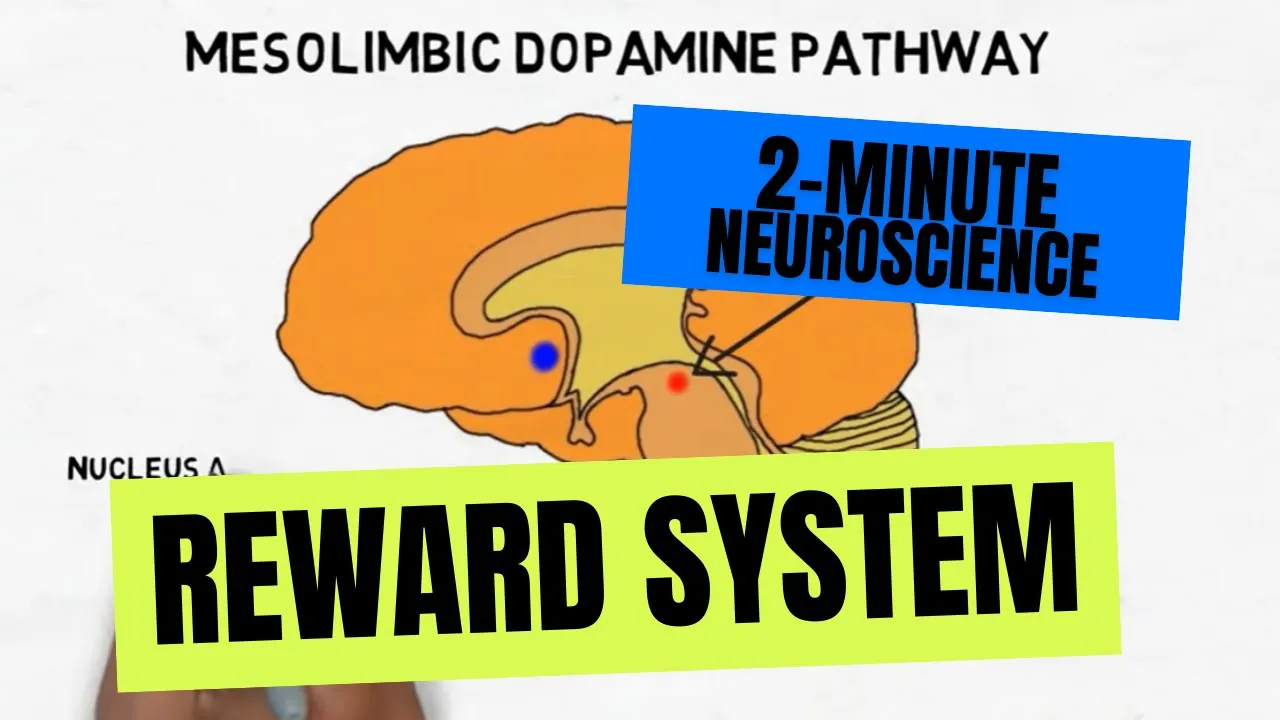
Dopamine signaling in specific brain regions, particularly the dorsal striatum, plays a crucial role in habit formation and compulsive behavior; research shows that dopamine circuits in the dorsomedial striatum promote punishment-resistant reward seeking (compulsivity), while circuits in the dorsolateral striatum are essential for habit learning, and individual differences in how these circuits develop during early life, especially in response to stress, can predispose individuals to different levels of risk-taking behavior and vulnerability to psychiatric disorders like addiction and depression.
Dopamine's Role in Habit Formation and Compulsive Behavior
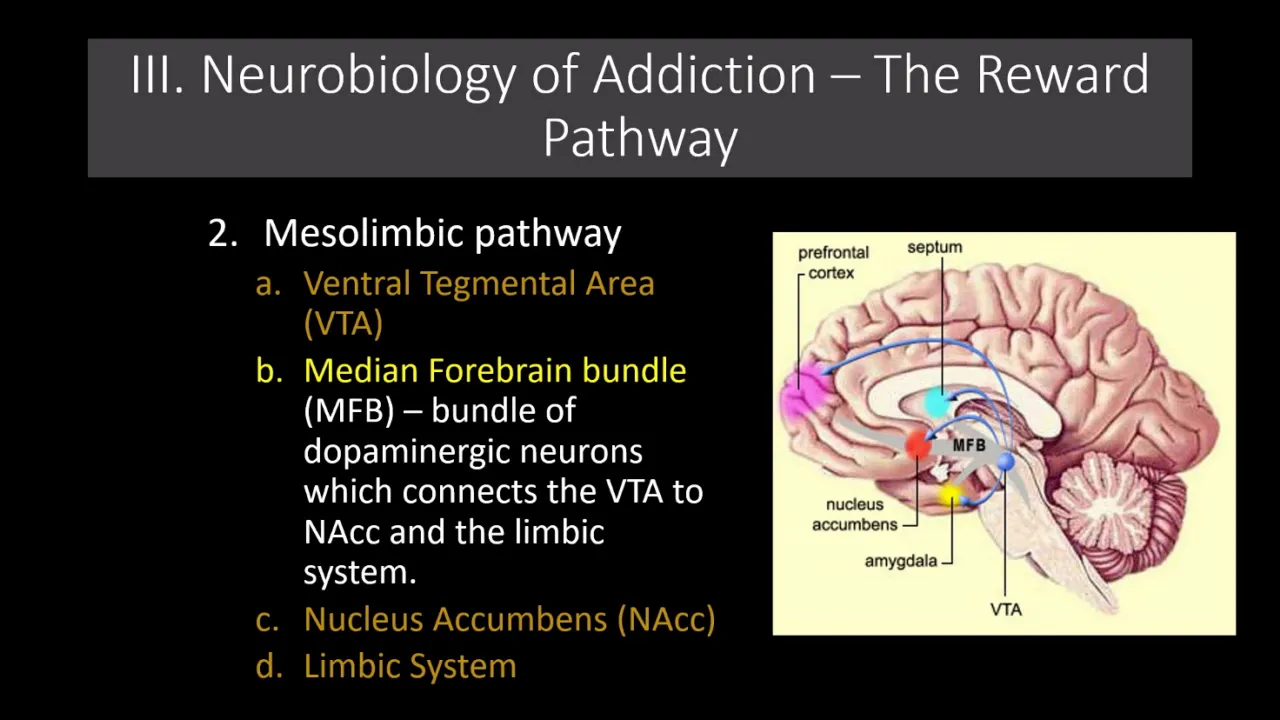
Added:Basic neuroanatomy of the brain's reward system, particularly the mesolimbic pathway and the striatum.
The fundamental role of dopamine as a neurotransmitter regulating motivation, reinforcement, and motor control.
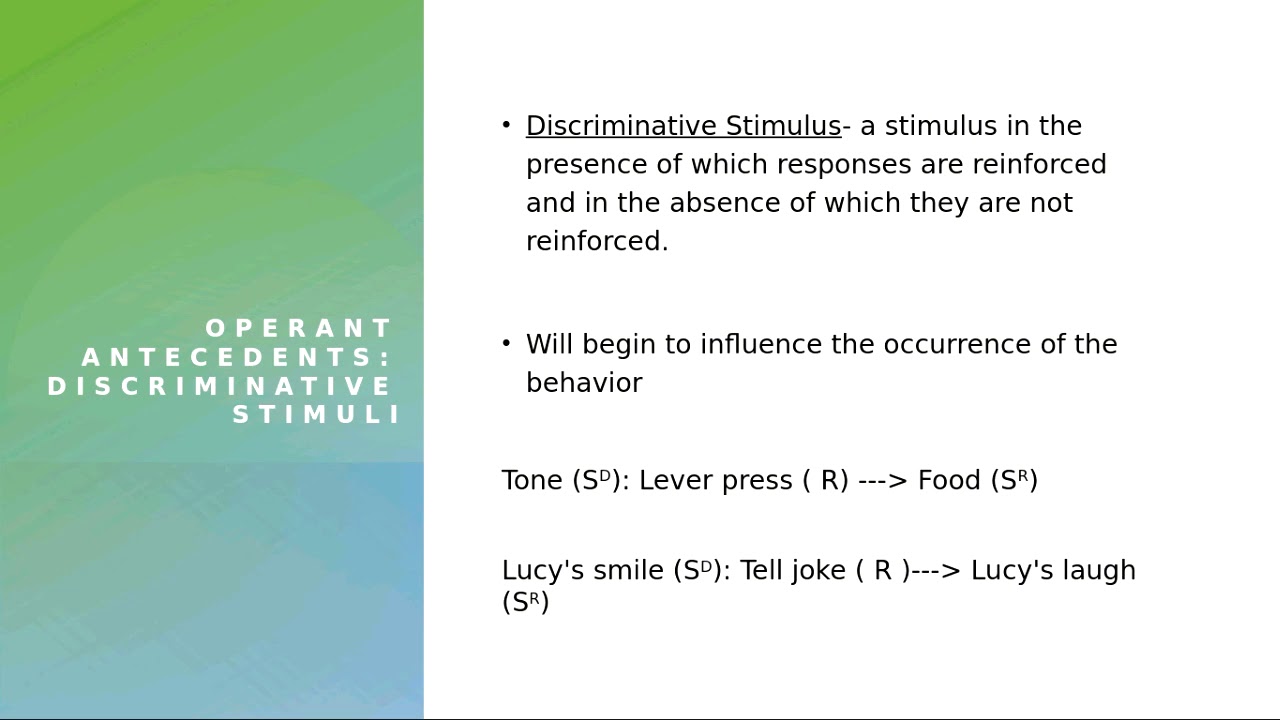
Behavioral psychology principles of operant conditioning, specifically how reinforcement loops and cues drive behavior.
An introductory understanding of how the HPA (hypothalamic-pituitary-adrenal) axis and stress hormones affect brain function.
The neurobiology of substance and behavioral addiction, exploring how drugs of abuse hijack natural dopamine pathways.
Clinical treatment modalities for Obsessive-Compulsive Disorder (OCD) and other impulse-control disorders.
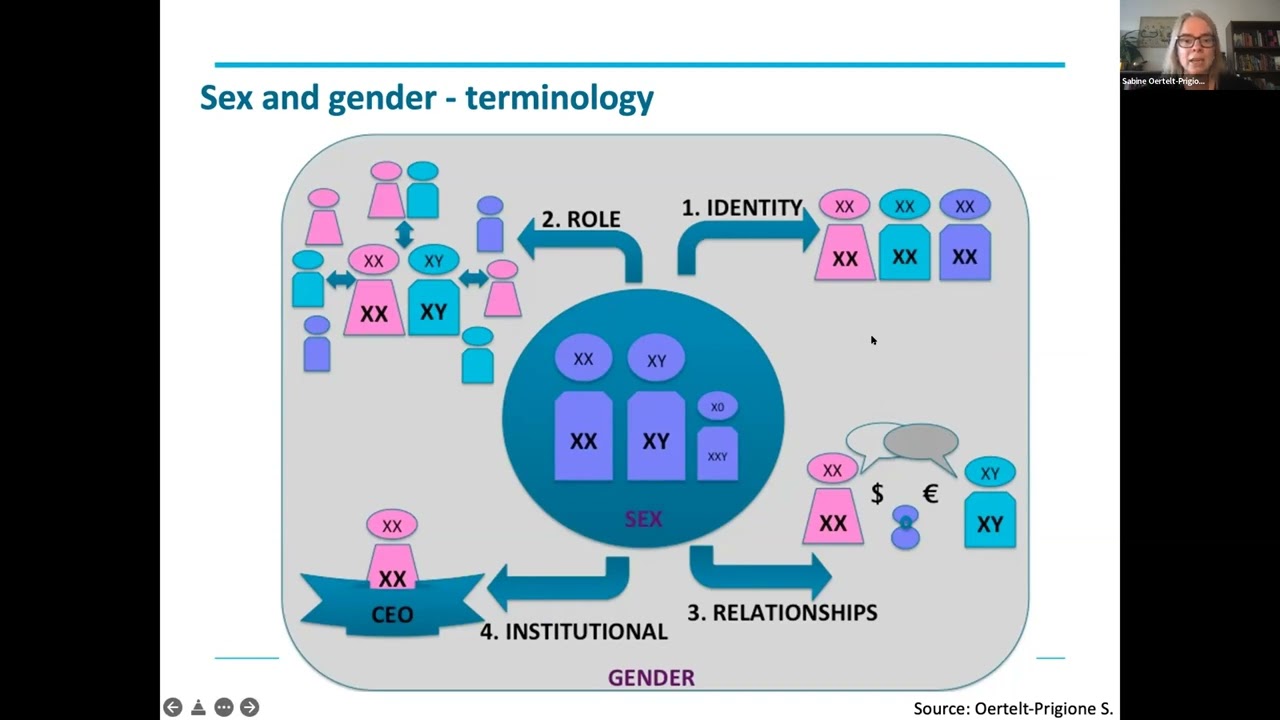
The study of sex-specific medicine and psychiatry, analyzing how sex hormones influence psychiatric drug efficacy and disease prevalence.
Neuroplasticity-based strategies for behavioral change, such as Habit Reversal Training (HRT) and cognitive restructuring.
392 views6likes22:22Original Release: 2025-08-25
Today we are re-sharing an episode that we originally released in fall 2022 about habit formation and the role of dopamine in the brain. Our guest is Talia Learner, assistant professor of neuroscience. She discusses the work in her lab studying the dopamine system and the neural circuit basis of motivation, reward learning, and habit formation.
Aaron Spain is host of the show and she'll take it from here. Let's jump right in.
>> But before we get started, please subscribe and ring the bell to be notified of new videos. Welcome to the show, Dr. Learner.
>> Hi, nice to be here.
>> Define habit for me and habit formation in the context of the work being done in your lab.
>> Sure, I'm happy to. So in animal models, which we use in my lab, habits are generally defined as being behaviors that are resistant to change. And the way that we test that is with usually either outcome devaluation, meaning the reason that you were doing something like going to the ice cream shop to get an ice cream cone is devalued. Like something happened, you don't like ice cream anymore. So why would you go?
Maybe because you have a habit. And the other way that we define it is if there's some sort of broken action outcome contingency, which just means that even if you want the outcome, the action is not really connected to the outcome anymore. So you might walk towards the ice cream shop even though actually the ice cream shop closed recently and you would need to walk somewhere else to get the ice cream that you want. As I mentioned, you're specifically interested in dopamine circuit systems. Now dopamine is involved in so many systems and functions of human behavior. Tell me more about dopamine within these various systems and its particular role in this habit formation research that you're doing in your lab.
>> Yes, this is really important to understand because I think sometimes in the sort of popular imagination, dopamine is a chemical that means a specific thing like wanting or pleasure, but that's not really true. In fact, dopamine is involved in many different neural circuits. And that's an important consideration in our research that actually dopamine neurons aren't one type of neuron. There are many types of neurons basically that release dopamine under different circumstances and kind of make the molecule mean different things. So there are some dopamine neurons that actually react to negative things and might signal to you that there's a warning. There's other forms of dopamine that do act to help you predict things that are good. And for habits specifically, it's been shown that dopamine in a very specific sub region of the stratum called the dorsalateral stratum or the putaman in humans is important for habit. So if you get rid of that specific dopamine projection, you can prevent habit and motor skill learning. And so that's the specific part of the brain where we think dopamine is carrying a habit learning signal. I'm wondering big picture what got you interested in the dopamine circuit systems and brought you down this path. Dopamine is a really fascinating molecule. It really seems to be at the heart of so many neuroscsychiatric disorders that I think it's a really appealing thing to study for someone that does want to find a way to take basic neuroscience and make it eventually hopefully meaningful to patients. So I have had both for example people in my family suffering from Parkinson's disease where dopamine neurons degenerate particularly those dopamine neurons that project to the dorsalateral stratum and are involved in habit. So that's one thing that made me curious about that part of the dopamine system and what it does. And then I've also had people in my family struggle with addiction. And so that seems like a completely different disease from Parkinson's, right? And yet fascinatingly it seems to involve this same molecule dopamine. And so just that in itself also the idea that wow how can dopamine cause both of these things really got me fascinated and interested in the heterogeneity and the dopamine system and what it means in different parts of your brain. You mentioned the stratum and one of your most recent investigations looked at how dopamine connects with sub regions of the stridum essential for habit formation. These findings were recently published in cell reports and they address how habits are potentially formed. Tell me more about that study.
>> In that study, we were trying to understand a fundamental question about how a habit becomes a habit. Usually, we don't start out habitual. We start out goal- directed, meaning we're trying to achieve some specific outcome that we want. The idea is that if you repeat an action many times, it can turn into a habit. But the question for us as neuroscientists is what's going on in your brain that makes your brain decide, I've repeated this enough. it seems to work all the time or most of the time, I'm just going to kind of put it on automatic and make it into a habit that I can do without thinking. So, there's some theories out there about how it might work, but none of them had really been explored in a level of circuit detail that I found satisfying at least.
And so, we set out to do that. And we were particularly interested in a hypothesis called the ascending spiral hypothesis which suggests that information kind of spirals through different regions of the stratum through the dopamine system to finally get to that area that I mentioned the dorsalateral stratum where we think habit formation and learning is happening. And so we looked at connections between other stridal sub regions and the part of the dopamine system that goes to the dorsalateral stridum. And we tried to assess where are the synapses, how strong are they, what activates them, things like that.
And we came up actually with some interesting surprises. We did find that there are synapses connecting these straight sub regions to each other through dopamine circuits, which is what the theory predicted. But they didn't work exactly like we thought that they would work. They didn't directly control the firing of these dopamine neurons.
And so what we think they might be doing is actually maybe gating some other signal that's coming from a different part of the brain. And so ongoing work in the lab is kind of looking for what that other signal maybe from motor cortex or some other part of the brain what what signal it might be gating and how it would be doing that. So we're working on that. And then the other actually really exciting thing that I think came out of that exploratory study was we looked at essentially the opposite circuit what we call the descending spiral. And we kind of named the descending spiral in this study because people didn't think that that direction existed. They thought maybe there's an ascending spiral that makes you turn goal- directed actions into habits. But no one had ever sort of heard of going the other direction in a sense of of turning maybe your habit back into a goal- directed behavior. But there's plenty of circumstances in which you might imagine it'd be important to do that if you really need to learn to break a bad habit or habit that's no longer useful to you. And so we were kind of actually excited to discover evidence for this descending spiral.
We'll see where it leads, but we think it could be kind of an interesting way that maybe also things can be transitioned back towards goal- directed control, which could be very useful therapeutically in neuroscychiatric disorders where we think excessive habit formation contributes to the pathology.
So things like addiction or OCD. What's the reaction been from the scientific community?
>> I think people seem excited. This has been a hypothesis that has been out there for about 20 years and it forms a lot of thinking especially I think in the drug addiction kind of research community but the fact that we didn't have synaptic details circuit details about how it's actually working sort of impeded our ability to really rigorously test the hypothesis and also I think impeded our ability to think about ways that we could manipulate the circuit to ameliate the symptoms of diseases like addiction. So I think the there is excitement there for that we can figure out how to do it and it might give us some ideas of how to move forward and and possibly translationally in addition to in terms of advancing the basic neuroscience understanding.
>> I want to talk about another study that you published this year that found dopamine signaling promotes compulsive behavior in animal models. Tell me about that.
>> Yeah, so compulsive behavior of course is also related to things like addiction, right? People talk about compulsive drug seeking, for example, is, you know, you know the drug is bad for you, but you still really want to take it or seek it out. And so what what causes you to sort of make that miscalculation?
Again, there's sort of been competing theories. As a lab that's interested in habit, we were interested in the idea that compulsive drug seeeking is habitual drug seeking. But that's only one possibility. There could be other possibilities for compulsive reward seeking. And in fact, we kind of got a surprise because we looked at dopamine release in different sub regions of the stridum as animals learned to get a reward and then they started to receive punishment for getting that reward. So this is our definition of compulsive reward seeking is that animals will actually continue to try to get these sweet rewards even when they're getting shocked a little electrical shock for trying to do it. You know, the animals will kind of naturally divide themselves into groups. Some animals say, "No way.
I don't want to get shocked. I'm going to stop doing this." And some animals seem to say, "I just really want this reward, and so I'm going to keep going, and I don't care about getting shocked."
And so, we were looking, you know, in the brains of those animals to say, "Well, what's the difference between them? What's the difference between an animal that will not care about the punishment and an animal that will care about the punishment?" And we thought maybe it would be related to these habit signals that are in the dorsal lateral stratum. But instead what we actually saw is that it seemed to be related to a different dopamine signal in the dorsome medial stridum. And so that is something that we also think is a useful finding.
We can manipulate the dopamine release in the dorsome medial stridum. We can either turn it up or turn it down. And we found that when we turned it up, we got more compulsive reward seeking. And when we turn it down, we could prevent the compulsive reward seeking. And so the fact that we can manipulate this circuit to control when animals actually do this was exciting because it again it gives a way to say, you know, in cases where maybe someone is doing an inappropriate behavior, we know what we might need to change about it. And I think that is important. Also, I will just say to think about the balance there. You know, we often think about problems like maybe you're compulsively seeking an addictive drug that's really bad for you and and that that would clearly be bad. But I also think of it as existing for a reason which is resilience. There may be some circumstances in which you know you're going to face challenges in your life and there are worthy goals worth pursuing despite danger. Right? We see you know some of like heroes in our history do this all the time right you know Martin Luther King would get up and give speeches and despite the risk of death which he eventually experienced but we view that as virtuous right and so there's a value to having this behavior as well as a cost you know the circumstances in which it ends up being valuable and the circumstances in which it ends up being clearly detrimental can really be dependent on context and what that individual is actually experiencing in general addiction neuroscychiatric ric disorders are also primary interests of your work and dopamine and serotonin are the targets of many drugs of abuse as well as psychiatric medications and as we're saying though there's a lot of variability in behavior that's motivated by dopamine across individuals. Explain that to me how individual differences and you alluded to that with the study on compulsive behavior but how individual differences in circuit architecture can affect risk for neuroscychiatric disorders.
>> Right. So, where does this individual variability come from? At least in part, we think it may come from dopamine circuits being set up differently in different individuals and how that's done is a major question in my lab, but we've done a lot of circuit mapping to look at inputs to dopamine neurons. And we're interested in doing this sort of under different circumstances. One thing to note about the dopamine system is that although dopamine neurons are born in uterero, they continue to grow and expand into other brain regions and actually form neural circuits through childhood. And even for the prefrontal cortex into adolescence, the dopamine system is still maturing. So there's all this lifetime opportunity for your dopamine system to be shaped by experience.
And so a lot of my lab also is really interested in stress and what stressful experiences particularly at different developmental time points may do to the circuit architecture of the dopamine system that predispose individuals towards different levels of risk-taking behavior. In fact, you received the National Institutes of Health director's new innovator award in 2019 to look at this topic of stress and psychiatric disorders following childhood adversity. Now, this is a pretty cool award. It is just for early career investigators supporting projects in biomedical behavior or social sciences and these are usually kind of what they consider risky projects. Tell just tell me about that the award and what you're doing and how that project's going. Yeah, it's certainly an honor to get a reward an award like this. It is meant to support high-risisk research.
So, you can kind of take a crazy idea and run with it and see where it goes.
And that's an exciting for thing for a new investigator, right? So, what we had proposed to do was a lot of this sort of mapping with different stressors at different time points and we have been working hard on that goal. So what we can do is we can manipulate the early life experience of mouse pups and we actually are trying to push it in both directions. So we give some moms with their pups sort of limited resources, limited bedding and nesting materials essentially for them to care for their pups. And we also give some cages the standard sort of treatment. And then we also give cages extra stuff. And the idea is to get a big range in terms of maternal care allocation and see what that does to the later development of the dopamine system and also the later behavior of the pups and to look at the mechanisms by which that might happen.
Right? We we've been putting lots of effort into this technically. There's a lot of sort of components to it. Both doing the circuit tracing part of it, monitoring things like stress hormones and other, you know, changes in sex hormones that might make sex differences. Here we've been videotaping all of the maternal behavior so that we can evaluate what actually happens to the interactions between the moms and their pups. And all of these things I think will go into hopefully sort of a grand model of like how early life experience actually leads to changes.
This is something that I think will be applicable to humans. It's a very well doumented literature that adverse ch childhood experiences for humans leads to later adult risk for all sorts of neuroscychiatric disorders including things like depression and addiction.
And so asking why and which individual it happens to is kind of the goal of that project. So we use mouse as a model, but they have a similar dopamine system and a lot of similar brain structures to humans. And so we're hoping that what we learn about sort of circuit architecture principles from this project will carry over. And we've actually found an interesting connection already to the study that I mentioned on compulsive reward seeking. In that study in standardly raised mice, we saw that this dorsome medial stridum dopamine signal correlated with punishment resistant reward seeking. And we see that mice raised under stressful conditions, particularly the female pups, get a bigger dorsomedial stride and dopamine signal sort of naturally whatever happened to them that signal went up and they also do more compulsive reward seeking. So there's sort of coming together at least that one aspect into some model of how this might all come together.
>> Wow, that's fascinating. It's probably fascinating to so many people out there listening to be able to really explore this and see at that you know circuit level what's happening in these situations is fascinating. Any idea of when we might see some published results?
>> Right. So we published like I said the finding that the dorsome medial straight dopamine signal is related to compulsive reward seeking. I think you know in the next year or two hopefully we're trying to get together results on the different early life conditions. So we'll we'll get at least some pieces of that work out and I think it'll continue after that hopefully for many years to come because I think there's a lot of really interesting manipulations that we can build on this work. The new venovator award has been really great in terms of getting those projects started and I think that's the point and in some sense we've derisked some of the projects by finding interesting preliminary results and showing we can do the methods. So now I'm applying for more federal funding through sort of more traditional mechanisms that hopefully we will get to kind of continue looking at this more closely. You know, I started my lab just 5 years ago and I've got a long career ahead of me to try to figure out some of these things and I'm excited actually to be at a school of medicine partly because although I don't have a medical degree myself, I'm a PhD scientist, I'm surrounded by people who are clinicians and who hopefully will find ways to collaborate with in the future to really carry some of these basic insights into the clinic.
>> Yeah. Ideally, how could you see a relationship like that working? You working handinhand with a MD who is treating patients with some of these conditions. Sure. I think there's lots of ways to look for signatures of what we see in animal models in humans once we know what we're looking for. The difficulty with studying human patients is you can't do all of the invasive techniques in humans that you can do in animal models. It wouldn't be ethical, right? But once we know how things work or have at least a good hypothesis of how things work from our animal models, we can know exactly what to look for in humans, we can design ways to look for this with, you know, human imaging studies and things like that. So an example, actually this is not published in a peer-reviewed journal yet, but we posted it on a pre-print server bioarchchive. We looked at differences in how the dopamine system functions when stress hormones are chronically elevated. We saw that there are changes in the dopamine system when stress hormones are elevated in both male and female mice, but actually that it happens by different mechanisms in the different sexes. And this is really fascinating to us because people have been trying for a while to make drugs for stress related disorders like depression by targeting different sort of things with that we know are within this stress hormone signaling pathway.
and they've worked pretty well when people test the drugs in male rodents.
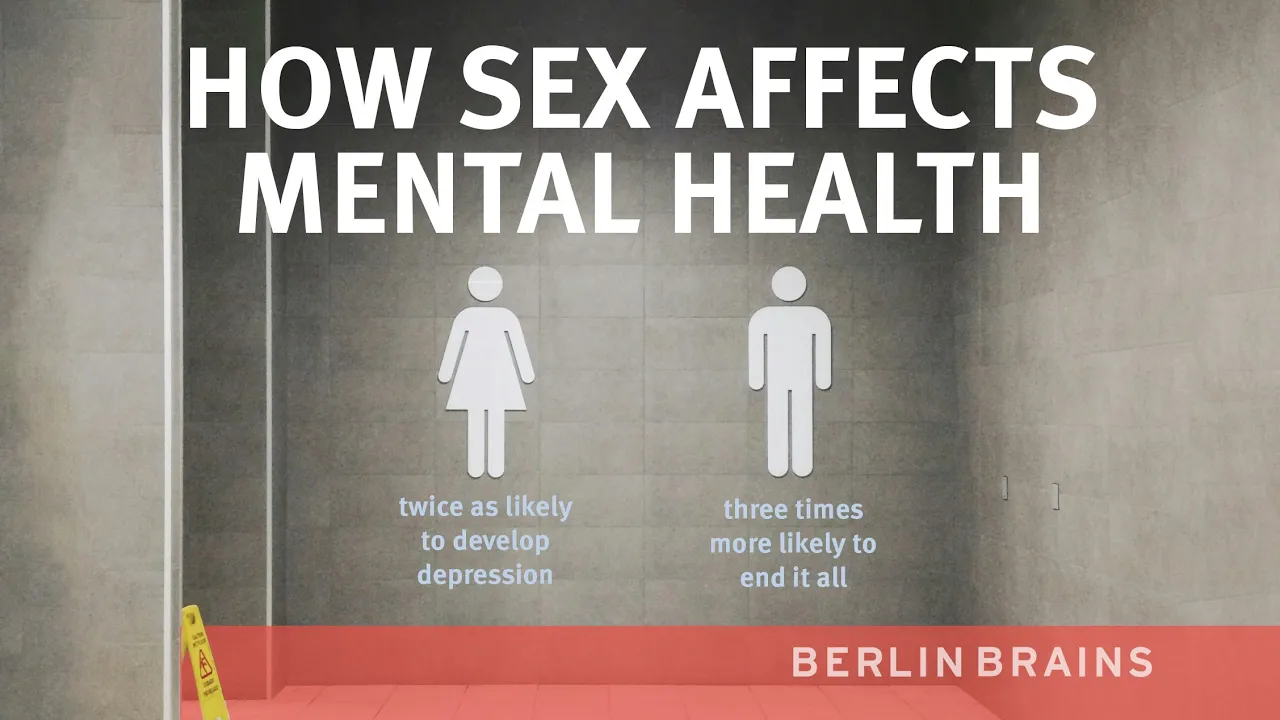
But then they go to test human populations and actually women are twice as likely as men to be diagnosed with depression. When you recruit into depression trials, you get a lot of women in those trials and the drugs have been failing. And so we think actually noting for example in a basic study that there are differences between male and female animals and that you might need to do sextailored therapies is really important. So maybe what we can do now is think about talking to clinicians who have human data or are willing to collect human data and to do a better analysis by sex and to think about well maybe this therapy would work in men but not women or maybe it would work in people with depression who also have this particular hormone signature but not in people who don't. And so we might be able to sort of design more studies that personalize approaches to some of these disorders like depression that can that can present very heterogeneously like people get you know people get different symptoms of depression right and so what makes again some one person gains weight when they're depressed the other person loses weight one person is up all night with insomnia the other person is sleeping too much right what makes the difference and if we can sort of identify different individual differences that cause these different symptoms in animal models. Then we can maybe make a drug that works for someone with a specific set of depression symptoms and do more targeted studies in humans. And that sex difference is worth noting. You mentioned in the studies that you're doing with stress in the mice pups that females already you can see a difference in reactions females versus male pups.
>> Yes. So we do see that there are differences in how the male and female pups behave once they grow up into adults if they experienced early life stress. And we are trying now to figure out kind of why because I think often also the assumption is oh it's about biological sex and we think actually that could be the case but it might not be the case. There may also be differences in how the moms allocate their limited maternal resources to male and female pups. So, they might be getting different maternal experiences as well. And we're kind of trying to tease that apart cuz I think that is also important for understanding what's going on in the brain. You know, is this sort of a real sex difference or is it something that's more about just what experience did you actually have? Well, this is really fascinating work. I'm sure to many different people listening and as you said you're just getting started here so we look forward to what you have coming in next and in the years to come. Thank you so much for being on the show Dr. Learner. Thank you. It was really fun to talk to you about my research.
>> Thanks for listening. Please click the bell to receive notifications about our latest episodes and follow us on social media at NU Fineberg Med to stay uptodate with our latest research findings.
Up Next

26:58
Nervous System Part 2: Brain, Basal Ganglia & Parkinson's | BSCMLT
@mlthealthyvlogs
588 views•2021-09-23
21:55
Deciphering Neural Circuits Controlling Anorexia in Mice | Richard Palmiter
@AllenInstitute
2.3K views•2011-10-10

4:10
Vagus Nerve (CN X): Anatomy, Nuclei & Functions Explained
@Alilamedicalmedia
305.2K views•2022-10-31
13:03
How Exercise Benefits Your Brain: Science Explained
@TED
11.4M views•2018-03-21
Related Study Plans & Knowledge Roadmaps
Structured learning paths in Neuroscience
neuroscience
Appetite Regulation: Brain Circuits & Hormones
01Foundations of Endocrinology and Brain Anatomy
02Introduction to Energy Homeostasis
03Peripheral Signals: Leptin, Ghrelin, and Insulin
+ 2 more learning modules
14h5 modules
Explore Roadmap
neuroscience
Neuroeconomics: Value, Risk & Brain Mechanisms
01Foundations of Neuroscience and Brain Anatomy
02Introduction to Neuroeconomics and Subjective Value
03Dopaminergic Prediction Errors & Reinforcement Learning
+ 3 more learning modules
18h6 modules
Explore Roadmap
neuroscience
Spatial Navigation: Cells, Grids & Brain Maps
01Foundations of Brain Anatomy and Memory
02Place Cells and Head-Direction Cells
03Grid Cells: The Brain's Coordinate System
+ 2 more learning modules
12h5 modules
Explore Roadmap
neuroscience
BCIs: Neural Decoding & Prosthetic Control
01Neuroscience Foundations: How the Brain Signals Intent
02Signal Acquisition: Recording the Brain's Activity
03Neural Decoding: Translating Brain Waves into Data
+ 2 more learning modules
25h5 modules
Explore Roadmap