


















Building a successful membership community requires choosing a topic aligned with your passion and expertise, crafting a clear value proposition, offering four types of value (help, action, learning, and connection), validating demand through waitlists before launch, structuring the community with intentional culture and events, and focusing on member onboarding and engagement rather than content overload; key success factors include avoiding lifetime memberships, using quarterly/annual payment plans to reduce churn, gathering member data for insights, and understanding that community building is fundamentally about facilitating connections between members rather than being the dominant voice.
How to Build an Online Community: A Complete Guide to Membership Community Strategy
Added:Understanding of basic digital marketing concepts, including target audience segmentation and buyer personas.
Familiarity with various business monetization models, particularly subscription-based and freemium structures.
Fundamentals of digital platforms and communication tools, such as forums, social media groups, and messaging applications.
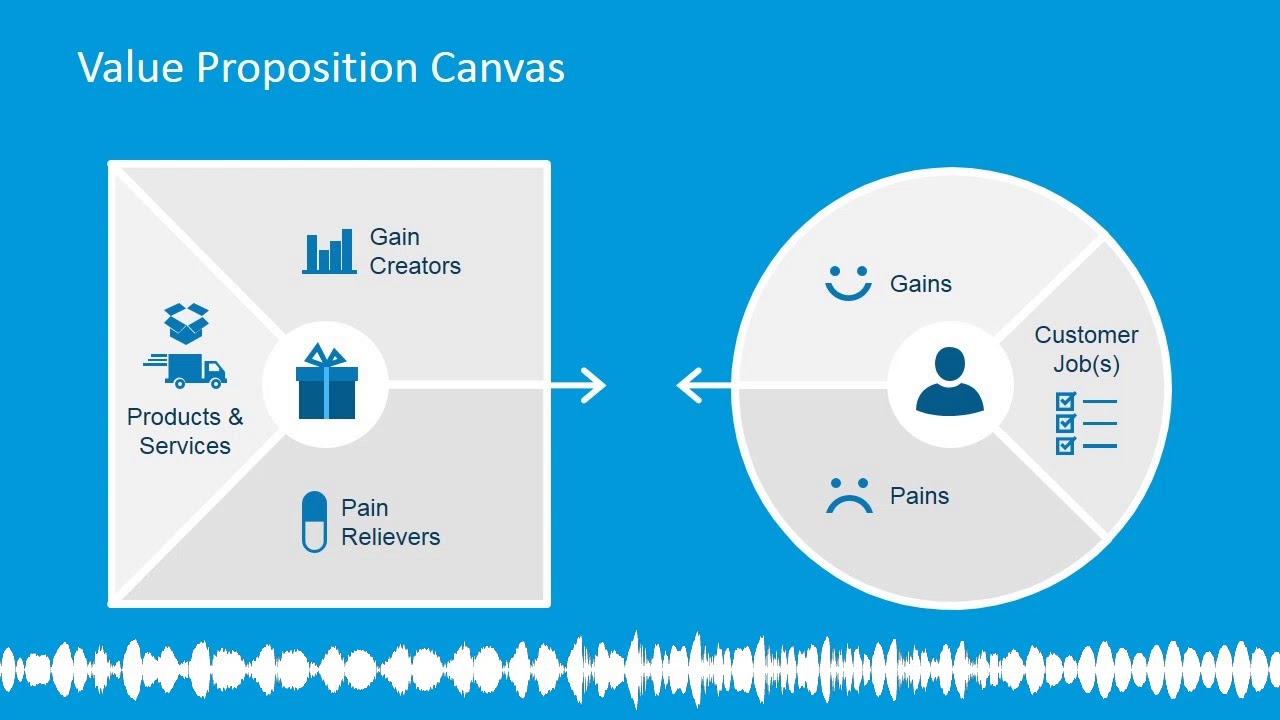
The core concept of a value proposition and how to identify the needs and pain points of a specific target demographic.
Advanced community analytics and key performance indicators (KPIs), including tracking member retention, churn rate, and lifetime value (LTV).
Designing community governance structures, moderation policies, and conflict resolution strategies for large-scale groups.
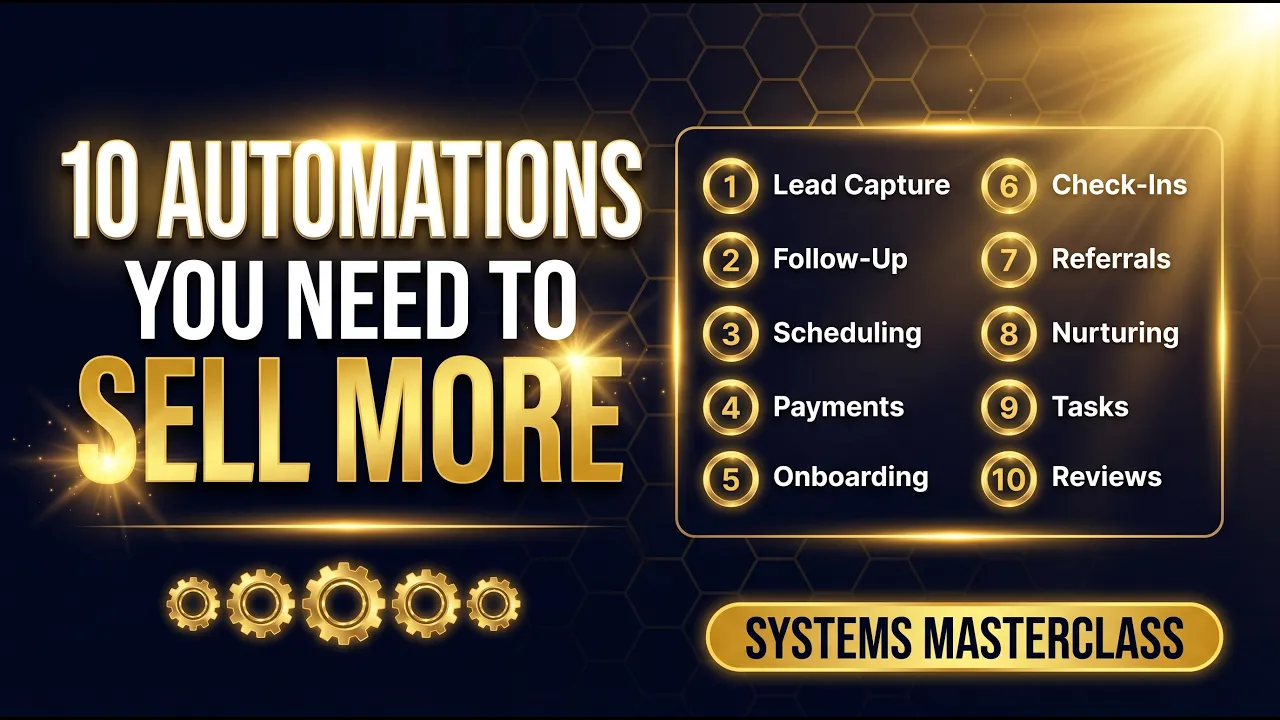
Automation and tech stack integration, such as connecting community platforms with CRMs, email marketing tools, and payment gateways.
Strategies for scaling communities, including member-led growth, ambassador programs, and sub-group creation.
85.5K views2.8Klikes1:25:34Original Release: 2024-04-09
to be a great Community Builder you should be a great facilitator it is not like social media like all eyes on you this is my warning don't offer lifetime memberships is your community a community for people who want to build communities loads of people actually join just to see how I'm running my community and then steal that so how do you blow away new members with value in their first day hey everyone today I am super excited to explore membership communities with all of you you might have noticed but they're kind of exploding right now and there are so many amazing membership communities that are thriving but you may have looked at them and thought am I capable of launching or building one what's actually involved in running a community like this and is it applicable to my skill set and my Niche we're going to cover all of that and more today and I want to give you a real stepbystep breakdown of how to think about membership communities hey Chris thank you for having me back of course Tom always happy to have you I think we were just saying a minute ago it's the third time on the channel and uh it's always fun but I always want to try and up my game again I'm excited to chat today all about membership communities so let's start by looking at why membership communities matter well first of all I love Community because it lets you serve your people at scale and therefore you can have a positive impact at scale they let you help a lot of people in essence also you yes you watching can run a subscription business one of the most powerful things about membership communities is they're generally on a kind of recurring Cadence in terms of member payments and this is huge if you've always handled like oneoff projects you know they're kind of feast and famine cycle but if you have a recurring subscription based business it is incredibly incredibly powerful and I personally love this model communities can and do work at any scale and any Niche so if you're thinking like maybe this isn't right for me trust me I work with some people in some incredibly like micro niches I've worked with face painting Community a community for arborists which I learned me tree surgeons so don't worry about how weird or small your niches I promise there's an angle communities can be full-time and a membership Community can be a really big business if you want it to or it could just be a side hustle and I actually run a thriving pretty successful membership Community as a hobby right now as a side hustle and I'm going to dig into how I do that around a busy day day job and being a a new dad and finally communities enable members to help members this is huge communities are bigger than you we're all used to social media where we have to be the dominant voice all the time and the one coming up with all the answers and all the content but the truth is if you build your community right members are going to be helping each other while you sleep and this is huge but I want to caveat some things before we get into today building Community is not always easy communities can take a lot of work particularly to get off the ground at the very start and they involve dealing with people a lot communities are essentially you know people connecting their relationships between human beings and it's your job to manage those relationships and facilitate them so you're going to be dealing with people a lot as a result you can't really afford to be hands off this is a common mistake I see people launch a community dump a bunch of members in and then think they can sit back and it just doesn't work like that and in fact Community doesn't sleep you know I've taken vacation and points maybe my community got AIT quieter I wasn't there driving it for it or maybe I came back to a very full inbox and tons of notifications I had to get back to because the community didn't stop when I wasn't there and finally members often won't actually do what you want and this can feel kind of frustration it's like why why are you not taking advantage of all the cool stuff in the community why are you not engaging why are you not talking to people or maybe why are you celing they're autonomous human beings they're not always going to behave like robot and so again dealing with the nuances of people and this ecosystem of humans in your community does come with its challenges but I want to underline the benefits once again because despite these challenges it is possible to run a great community and it is super super fun and rewarding if you get it right Chris I know you run uh the future Pro Group how have you found that experience I think every point you've outlined is 100% true 100% true good they don't do what you want they're like cats in a room and sometimes they behave and sometimes they don't we introduce new learning paths new tools and resources we have an AI agent to help them but they just don't do it and it's it's like you have to kind of approach this as you can put the best intentions forward but you have to constantly I I don't know if this is the right word but train or encourage people to use the things that you've built for them in order for them to succeed you kind of have to nudge them along the way yeah and part of community I've had to come to terms with is you can do everything right you can do all the right strategies you can really really care and it's just not going to work out with some members and that's fine that's all part of it and I'm going to break down some tactical things today that you can do to try and give yourself the best chance of success what I really want you to get from today and I I was talking to Chris about this before we uh we went live here but I've been doing this for 20 years now I've been pretty deep in the community world I'm CEO of design Cuts we're at a million members now and have a real thriving community there and I've taken all that experience and distilled it recently into the most comprehensive Community course on the market it's 9 hours long 12 modules and 45 lessons and when I set up this this workshop with Chris I said okay how can I take all of that material and condense it down to less than one hour and give it away for free so my intention today is to try and give you all the foundations and what it takes to build a successful community and essentially give you the Highlight Reel from my wider course because I'm not going to be able to include every bit of nuance every practical exercise in the course but I can give you the really really key big steps that are going to guide you in building your community so if you're ready let's Dive In Step One is choose your topic I feel like people can really overthink this but for me it comes down to these three areas something you're passionate about something you have genuine experience and credibility in and something where perhaps you see an opportunity maybe the market is under served or there's not a ton of great communities existing already or people are hungry for something like this if you can get these three areas right you give yourself half a chance of success Chris I know you've talked about iy guy and and variance of this but it really comes down to the same thing right it's like what are you good at what are you going to have passion for that you can sustain that effort and what is something the world needs that's right this is a a different way to describe similar Concepts so 100% And I guess icky guys sounds kind of nicer and fancier than p po or however you say this it's a terrible acronym yes the acronym is not sexy looking so once you've decided your topic and like I say it could be anything it could be uh you know as broad as a community helping marketers or it could be as narrow as the one I mentioned earlier helping people into face painting once you have this you should craft your value proposition and the simplest way I can explain how to do this is your community name help helps this type of person achieve this type of outcome because communities ultimately are going to help members achieve something maybe that's feeling less lonely maybe it's Landing their dream job whatever it is your community should be the vessel for them achieving that success or outcome well let's give it an example here how how do you describe design Cuts let's both you and I put ourselves into this so that people can see what it sounds like I want to show how people get it wrong first before showing them how to get it right all right because this is a super common mistake I ask so many people what's your value proposition for your community and they're kind of Mumble something like well my community helps people in the mid to late stage your life who are trying to self-actualize and reach their fullest potential across a wide spectrum of Endeavors while staying true and on and on and on and Chris I I know you're not so specifically involved in the community world but you help people all the time right I'm sure you see something similar yeah it's just a lot of word salad here yeah word salad exactly so this is a little test which I kind of came up with myself the podcast test can you confidently and concisely deliver your value proposition every time you're interviewed on a podcast because if it's this if it's the long garbled one you're not going to be able to repeat that word for word every single time which proves it's not an effective one but you hear really really great speakers and people that have nailed this and you're listen to 20 different podcasts and they're saying the same thing verbatim every single time so my one for Lear Community is Lear community helps you to launch and grow a successful online community pretty short and snappy right I don't need to reinvent the will or explain that 50 different ways it's like that's who we are and what we do hopefully uh yeah hopefully that makes sense Chris so I'm gonna try it I'm gonna try it yeah let's do this yeah so the future Pro Group helps creative entrepreneurs scale their business and you know what's so good about that people can self-identify so that crucial bit creative entrepreneurs people will hear that and say hold on that's sounds like me I'm an entrepreneur but I'm definitely more on the the creative side I'm I'm in a creative industry and such and it's speaking to their goals and their pain points you know they're desperate to scale they really want to grow so in one sentence it's like that's for me and it gives me something I want like short Snappy and effective you should really teach this stuff Chris anyone ever tell you okay so step two consider what you actually want to offer inside your community and honestly like I I can and have talked for an hour just about this but I'll give you the kind of top level view of how I think about this there's four different types of value that your membership Community can offer help action learning and connection help is let's say a space for people to ask questions and I'm sure you have something similar in the future Pro group right Chris they're like I I need help with this I'm really stuck and then you and your team and other members can go and help them which is awesome yeah this happens all the time yeah and what's beautiful is the community members helping each other and then the next one is action because if people aren't taking action they're just kind of spinning their wheels so this is where you can bring in things like Sprints or boot camps or challenges where you're basically just guiding and pushing people to take action and even better if you can do that as a group because if you're there with like-minded people and you're achieving something over the course of like a week or a day or a month you're going to collectively feel really good and you're going to appreciate the community more it's like ah from being a member of this community I I achieved something so action is huge the next one is learning and again this can come in loads of different forms uh it could be workshops it could be a knowledge base it could be uh content and material in the community or it could be a course so there's lots of different ways to teach but I think by kind of bundling this knowledge and this training into your community and it could be live as well by the way you know teaching live is fantastic or it could be a bit of a blend so when I first Dro My course I did it inside our community and I made it a community powered course so it was like I'm going to draw a module and then I'm going to support that with live sessions and people can actually apply live what they're learning in the course and ask questions it made it much more interactive and then finally there's connection this one is typically quite overlooked and what would you imagine I mean when I say connection Chris in this context I would imagine how they connect with each other how they do business with one another yeah right so it's about forming relationships uh maybe some business networking something like that but this is huge and I'll give you an example inside learn Community um I wanted to push connection and so we were doing things like making intros between members or setting up kind of group chats for like-minded members but I actually started launching connection events where I'm like we're not going to talk about work it's not going to be anything professional we're just going to join the call and there were things like ice breakers stupid inside jokes people opening up and getting vulnerable and just chatting about personal stuff and as a result people made genuine friendships from people they met on the call and then engagement in The Wider Community lifted because you know what you're more likely to help and interact with people if you have context on them think of any Community where you're a member you're much more likely to help the person where you have a kind of loose friendship with them instead of a complete stranger so by building connection you kind of feed all the other parts of your community super important we do something similar using air Meats have you used air Meats before I'm not personally uh using it but I'm pretty sure I'm aware of it yeah how are you finding it we like it a lot we do these once a month and there's two components of it that we really like number one is speed networking so you have five minutes to connect with somebody and we give you a quick prompt on how to introduce yourself and talk about what uh what you need help with and how you can help serve other people then when the speed networking stuff is done that usually runs for for about 30 minutes or five or six Cycles then we we release people to tables and tables are cool because they're organized by subjects and you can you can sit at a table and leave you could participate you could do whatever you want so it's way more interactive so we set up tables for people are interested in video production or social media marketing or branding or coaching and they sit at those tables or one's just called catching up and you sit there and people they self they run they run by themselves There's No Agenda and the these calls usually are set up for 90 minutes but we'll log back in a couple hours later and people are still hanging out there so it's it's really neat to see you just landed on two things and I don't want to skip ahead too much here but these are two foundational pillars of building community so number one is that it should happen when you're not there and as you just said you leave these calls and the value continues right it's not that everyone should be interacting with you personally the second part is to be a great Community Builder you should be a great facilitator and again it is not like social media like you've constantly got the mic All Eyes On You everyone's hanging off your every word a lot of it is about getting out the way creating the structure and the spaces to enable connection for your members so you're putting people in groups you're bringing them together you're organizing them you're creating the themes you're doing a lot of the you know facilitation and Logistics and then you're getting out the way and letting your members find Value through each other super underrated people go into Community thinking in a social media mindset that it's all about them and it's not it's about we not me well speak for yourself Tom it's all about me I'm just kidding um I when we do these air meets I try not to pop into rooms or tables too much because then everybody just shuts up and then wants me to talk and then it becomes a lot more training or coaching which is fine I don't mind that but then it doesn't allow the community members to get to know each other so I'm deliberately kind of staying on the outside just kind of peering in not not wanting to interrupt what they're doing I I think it's a good approach someone told me recently uh the kids have more fun when the teacher is out of the room so they might learn more when you're in the room but you know they probably connect more when you're not let's keep going here step three plan your finances like any business if you're actually planning to turn this into a business or even a profitable side hustle makes sense to actually think about money there's two steps because people really over over kind of complicate money um but there's two main things I I try and think about number one is how much do you actually need to earn and really this is what is your home goal which you know should of course be after costs and after tax and all that good stuff so how much do you want in your pocket at the end of the day and then how much can you realistically earn and this is where sometimes I have to give people a reality check because they're like I want my community to with very little e effort earn like you know 250,000 in the first year but I have no experience and no audience and no way of reaching members and no track record of of doing anything online um in which case that might be unrealistic so what do you need and what can you actually achieve um is this kind of remotely similar to any Frameworks that you use Chris yeah I use something like this for calculating your project fees and it's it's based on what you need to live and live comfortably divided by the time in which you can actually realistically work and the number of projects you want to take on per month so that is very similar nice I do think that crucial context of what can they realistically earn is often miss though right because we're not all exactly the same like Chris you have a higher hourly rate than I do and with your personal brand you can and should command that and that's fine like I don't expect to be able to charge the market what you charge we're at different places currently yeah yeah I mean you have a few years on me so I'm trying just a few yeah and I have a much more expensive shopping habit so I got to feed theit all right so here's six pricing considerations just a this exercise a bit easier for people number one like I say how much do you actually need to earn so does this community need to support you full time or is it perhaps uh more of a side hustle in which case it's not so pressing to earn a whole time um what percentage do you want the community to be of your total income so are you going to have other income streams or consulting or something like that or is it all resting on this community so what is your need figure um which as Chris says going to cover your living costs do you have a recommendation what is a good percentage of you're starting out it really varies and I think this is this is the key right often I get questions from Community Builders and I I always say I can't give you one size fits all because there's going to be someone who is building uh a hobby community that they want to turn into a profitable side hustle and they have very limited time and there's going to be someone else who wants to go all in and maybe they got some funding and they're pursuing it as a whole business venture and there's a lot of gray space between so I can't give a kind of arbitrary percentage um but what I would say is I have a lot of friends and I kind of apply this to my own side hustle when Community works it can be the dominant Revenue stream that everything else hangs off because it's much more reliable and so as your community scales things like um service based income and and Consulting income can kind of fall away and let you really double down on that Community model the second part is what is a typical price for communities in your space so this is basically trying to ascertain like the market rate so you should research other communities in this space and try and establish a range what is the low end of the market what are people charging and what's the high end and that typically is the range you'll be able to operate in unless you want to do something wildly Innovative so you're going to sit somewhere between these um and it's up to you whether you want to kind of skew low or high I have a different take on that yeah please I think you should think about the experience that you want to create so if you are interested in having lots of people then you can afford to charge a little bit less and know that each person gets a little bit less attention from you or the or the resources that you you want to give but I know a lot of people want to send everybody that's in their Community a box of goodies like books and a welcome kit and that costs money and so we know that whenever you're visiting a new town you have a lot of options from Airbnb to ins and motel to the Ritz Carlton are the four seasons I think you have to start thinking about what kind of experience you want to create so I think people in your space give you a starting point but then you have to add the X Factor do you want to do a little less a little bit more and and create a really bespoke experience for each member then you can charge a little bit more yeah great minds I I have a somewhat similar slide but I really like how you put it better to be honest so what is the ROI for members and this kind of speaks to the experience but how much value is your community realistically going to members and this is not just monetary as Chris touched on there it's it's about experience so if you're going to blow them away and give them the Ritz carton experience um that's pretty high Roi and you could expect to charge a bit more you also need to think about how necessary the community is because some communities are kind of a nice to have where people are going to cut that out of their life pretty quick if funds get tight but others may help them generate life-changing results or just be such an incredible experience uh they would never want to give that up number four is what model do you actually want for your community um because if you're doing a VIP Mastermind for 10 people which is still a form of community that's going to be super high ticket and expensive versus doing a scalable Forum Community with 400 members they're going to be on completely different pricing spectrums number five is what price can you realistically command and again this is that kind of reality check I touched on where it's like be honest about your reputation your audience size and credibility in your Market because an A-list influencer in a market can command more versus an unknown person just starting out and that's fine that's to be expected we all start somewhere and we should be increasing our rates and our prices over time and finally and I really like this one what price gets you excited this is actually a tip from my friend Jay CLA and Jay asked me this question what price would make you feel excited every time a member signs up and I think it's a really interesting reframe because if a member signs up and you're like almost resentful you're like oh that's such a low amount it's not worth my time that's not good um but I love it I you know I feel pumped when a new member signs up I'm like I can't wait to jump in and serve that member you know I've been um kind of Staggering and increasing our our membership price over time I've done this like three or four times now since launch and every time I I increase it and then a member signs up I get more and more excited um versus if I look at my founding members rate I'm like me I really undercharge then that's no good um and I mentioned at the bottom here the value seesaw you need to get value as well as your members and it needs to kind of float in equilibrium because if your members get all the value and you get nothing resentment is going to cre creep in and you won't be committed and do a good job equally if you get all the value and all the money and the members get no value they're all going to churn and it's going to destroy your reputation so you want everyone to be happy basically can we talk about this a little bit more yeah let's do it uh about the value seesaw I like this concept there's a strong visual here can you think of a time when you started some kind of subscription based service where you're like I don't I'm not feeling good about this and what was it about it can you share something I I will as well yeah totally so um I touched on then our founding members price for loan Community it it was pathetically low to be honest I was testing the concept yeah yeah it was way too low hence I keep increasing it now but um yeah it was terrible I love those founding members and some of them are still with us today grandfathered into that price but I look at it now and I think I totally should have got like a quarter of the number of members but at a much higher price um with everything that I continue to learn and I I priced it from a uh insecure and and poor psychological Place how about you have you got an example well yeah well first of all thanks for sharing so openly and transparently and just their level self-awareness and the confidence to be able to say that and I think that's where a lot of people run into they're like oh my God you like me okay here's give me five bucks and I'll give you all of my resources and we'll spend 10 hours in the community I think with where this starts to become something where you start to build resentment is the amount of energy you have to put into it versus what you get out of it it's hard to say like there's a very hard and fast rule but just think of it in those terms communities are very different than say client relationship where we know this is going to be a pain in the butt and they're going to have a lot of expectations on us and we can hold our nose for a period of time and get through the project but the community is ongoing it's organic and it it never sleeps as you mentioned before Tom so you kind of have to think about that there have been a couple of times where I think to myself gosh I think I'm doing a little bit too much when you feel like you work for the community yeah and whereas you're not the community leader so what I what do I mean by that well let's say they start bombarding you with like technical problems I can't log in or where is this resource and we asked for this four weeks ago so now you're beholden to them and it's like now you're you're working for them as an employee and it doesn't feel good so I think when you start to get a decent amount of people in your communities and you charge whatever you think and then you start to do the math you're like wow every single month I can buy a new car that's pretty dope so if they want to reach out and quote unquote harass me I'm good with that because that's what that's what is required now I have a very expensive Community uh it's $3,000 a month and there are 10 people in it so that's generating about $30,000 a month for me but the amount of attention and energy I have to put into it is sometimes overwhelming for me I love working with those community members but shoot it's very demanding so I'm like exhausted after every call because I was like I have to be on point because they expect so much for paying $3,000 a month yeah it's such a good point and I think tuning into how you feel is so key because it's unsustainable if you're there feeling harassed and you're not happy with that change something right otherwise you don't want to do this for the next 10 years um I don't think I got a slide on this but uh this is my warning publicly please don't offer lifetime memberships they make me very sad I've worked with so many people that are really adamant they're like but it's so valuable I really want to do it and then you see them like two three years in where the members are still requesting stuff from them and they're not getting a dime from that and it creates this complete imbalance where you get excited at the member at the moment they sign up and then it just becomes increasingly imbalanced as the years go on I I don't like the model well the problem with a lifetime membership is you change you grow but the membership doesn't in terms of what it does for you and you may want to take a break or you might want to do something different but they're like wait wait wait you promis us this thing this is the way you can think about it it's a marriage so when you agree to a lifetime membership you're getting married to each and every single person you make that commitment to and that's a difficult thing to hold up with so many different people I like the analogy um by the way I don't know if you're familiar with this model Chris the van West and door pricing model no it's uh the best pricing model I think I've ever seen and if you search this on YouTube You'll see the video thumbnail I've just put up here it's like 4 minutes long honestly genius so if you ask your audience um or your network hey what do you want to pay for this community or product or whatever it might be they're always going to give you a lowball answer it's very ineffective it's a poor question whereas this teaches you to ask four questions and I think if I can recall them uh correctly something like uh at what price would this be so cheap that you would really question the quality at what price would you consider this to be a bargain at what price would this be getting you know on the expensive side for you and at what uh price would this be too expensive that it would be prohibitive for you and you basically input all the data from your answers and you see down the bottom here it it then drops into a graph with four lines and where the lines intersect and form that little kind of you know Square um that's your Sweet Spot somewhere in there so it's like a very scientific way of learning from your audience what their sensitivity to pricing is without skewing results with like a a false answer I like it yeah check it out for sure also use an MR calculator so Mr stands for monthly recurring Revenue which is going to be your favorite thing in the world once you get your community running and you should at least project out a few years of Revenue based on things like how many members you want to get um and and the price that you want to charge because often I get people to do this exercise and then they're like oh I'm never going to reach my goals because I'm really undercharging or I'm being too ambitious with how many members I need or whatever it might be so you need to figure out your Revenue ceiling and when you use some of these tools they're going to tell you at a certain point you're not going to be able to grow forever you're going to kind of cap out at this point uh unless you you know ramp up your acquisition so all of this might um a little bit fancy or technical to be honest I rely on tools and there are some really really good tools out there so you can find online calculators if you Google Mr calculator and they're going to tell you a lot of this stuff and let you kind of plug your numbers in and just play around but they really help you make informed decisions around what to charge and and what scale you're trying to build for it's also really really key um to understand the power of churn churn is how many members are going to cancel in your community and and essentially your churn rate is going to inform your growth often more so than acquisition right everyone's so worried about attracting new members but if your churn rate is bad you're really going to struggle to grow and you can see it has this compounding effect you can see it a bit on that graph down the bottom if you for example change the number of people canceling each month from 10% to 5% that will let you grow exponentially faster even if you're attracting the same number of members I'm sure again Chris you you've probably seen the impact of churn on your Community for sure you it's it's a rough one it's a number I don't like looking at right and often I get the question what is a kind of reasonable churn I think the the churn that I tend to look at is if you're getting 10% or less churn um month on month you're doing you know you're doing pretty good if it's 5% or less you're doing exceptionally well if it's getting up to like 15 20 25% plus uh you got a bit of a leaky bucket and and there's some work to be done to try and improve things there otherwise um it's going to be hurting your business but um yeah CH churn is really tough um metaphors here so we can understand there's a bucket and you can pour as much water into the bucket as you want but if there too many holes at the bottom it could be exhausting for you to fill that bucket so managing a community or subscription model is based on plugging as many holes as possible it will never be zero yeah but it'll be some percentage and then putting your efforts into making sure the experience is so good that only people who are in a good fit wind up leaving or perhaps they quote unquote graduate from the community and they find that their business model and what they're doing is totally no longer applicable to what it is they used to come to the community for so Tom I'm curious about whether you plan on talking about this or if this is a good time to ask this which is what have you done to slow the churn rate down I'm definitely going to cover that and um you will learn that churn is affected by so many things you touched on some of them there on boarding acquis position finding the right members pricing appropriately um I'll give a nugget now right so um your your worst enemy with churn tends to be monthly subscriptions because in that case people have 12 decisions to make throughout the year there's more likelihood for things to go wrong like card failures uh transaction issues and whatnot uh and monthly subscriptions tend to attract the least committed people because they just want to kind of trial the community and and they're much more likely to leave which is why I shifted from offering monthly and annual plans to now quarterly and annual and I've noticed a real Improvement in the quality of member and and the retention signs look very promising and I think you're the same right qu there's no monthly there's no more monthly yeah we we kind of say you got to make a n it takes 90 days to start a new habit and so we get way more committed people to join and you I'm guessing you would never go back I don't think there's a compelling reason to go back yeah yeah exactly and I see this time and time and time again um you generally will experience churn the most with your monthly people do you do in-person meetups when you talk about connection you said that there's a connection um event that that you produce but do you do this ever in person we are planning them with design cuts um given that learn communities a side hustle there's been talk of it but um I'll be honest since being a parent my free time is is very limited there's a lot of stuff if I wasn't is what you're saying yeah that's a yeah that's a good way of putting it but yeah it's the dream I know you have and they've been great I've been to some of them all right step four choose a platform I don't want to go too in depth on this because there's a whole you know separate guide I could go through for choosing platforms but essentially I go into R&D like research and development mode before picking a platform what a lot of people do is they're like uh I use slack and they don't really think it through so instead try and create a list of all your platform requirements try and Mark what's a must have and what's a nice to have and then go and investigate different platform companies and you know create a spreadsheet like this so I anonymized some of the platforms here but essentially you can see pretty clearly it's like in this case platform 2 would probably be the best fit because it's just within budget and it does everything you want apart from realtime chat which is a nice to have so it doesn't matter too much whereas all the others kind of have inherent problems this is a much more objective way of picking platforms instead of just like a a gut feel or like a rushed decision well out of curiosity which is the platform you guys use uh I think the same as you so Circle that's what you guys are on right yep we use Circle and I'm really happy it's not perfect but it's it's pretty good I left a slide out um here that's in my main course but you know in Goodwill Hunting you've got Robin Williams um where he gives the whole speech of like you know what sport like she's not perfect and neither are you but the question is are you perfect for each other so I feel the same way about Community platforms none of them are perfect but there's going to be some that you kind of fall in love with and and that was Circle for me all right step five validate demand find founding members this is a very very important step so if you're going to pay attention to any of them please make it this one I highly advise using an application and building a weight list what you don't want to do is go away spend months creating this community and designing it and building all the features and then push it out and it's Cricket people just don't want it and Chris I'm sure with all the stuff you do on your show you talked lot of people who talk about stuff like this right it's it's a very kind of tried and tested method of Entrepreneurship Beyond even just Community it's like you the ideal way that you launch anything whether it's a product service or a community is you need to have more buyers who have expressed intent than what you can supply so when demand is greater than Supply you're in a good place and it's a hard thing to do it really is it sounds like easy like yeah let's let's let's do a secret drop with Nike um Jordan Air Force Ones or something like that with a limited edition collab yeah well the world wants that but you're like I'm launching my community I only have 30 products to sell or 30 slots to fill and you can't get 31 people to be interested it is a tough thing so I'm curious what have you done to be able to create or generate demand that exceeds what you can accommodate yeah it's a good question I I cover some of this in a little bit in terms of launch Strat but I think it's not even necessarily about like cranking up demand at this phase it's about seeing if anyone wants it full stop because maybe your concept is flawed um you know you really need to see are people interested at all um and so if you went to everyone who was a a good perspective uh fit or fit your member Persona and you said hey I'm building this thing are you interested do you want to join the wait list and they all gave you a hard no yes that is and yes that's demoral liting but it's less hard compared to spending months building it and then having the same conversation trying to sell it and they tell you know at that point right so you'd rather get the door slammed in your face early on before you've committed too much that's the whole Joy of validation so as I kind of break down here like you know it helps you prove demand it helps you prove the concept uh and avoid this kind of crickets later on when you launch it also gives you really key uh member data so often as part of the weight list you can ask questions that are going to let you then take those ideas and shape the community with them it demonstrates a real willingness From perspective members and I'll give you a side tip everyone so I I like having a question on my wait list that says something like which plan do you want to sign up for and they choose and they're like I want to pay this much for the annual plan or this mon this much for the uh the quarterly plan and you must include an option that says uh sorry I can't afford this right now because without that I used to get people picking one of the others and i' reach out and be like I think you're a great fit like do you want to join and they're like I have no money sorry and I'm like why do you app play yeah so yeah have that your funnel so good yeah cuz you're such a Charming guy time oh well back out you silver tongue devil um so yeah it also um it allows you to filter members against your idal persona so you get to learn about these people when they're on the weit list and you might look at some people and be like they're an incredible fit I want them in my community and other people you're like I see some red flags maybe they're not going to make the cut um and I actually did this so you kind of asked how I executed this I I had I know right um I had some existing audience nowhere near as large as yours but um you know I had like 40K Instagram followers um and 5,000 people on my newsletter my personal one at this point and I said to myself I want to launch you know this community for Community Builders but I only want to launch if if I can attract 100 founding members that will kind of prove demand and give me enough early cash to get this thing going so I put out a few coms did a bit of marketing and said hey I'm thinking of building this thing I'm going to launch it soon um sign up for the weight list and I got nearly 400 applications which meant I was like cool this is 400 people that have committed to paying I Whitt down I had this whole traffic light system that you can kind of see here for like qualifying people uh and you can see the tiny price right this is what I was talking about near near the right of that image it was 10 bucks a month 10 bucks a month or 100 for the year so no wonder I got 400 people right so this this pathetic little price and um and so I I filed it down and I I got my 100 members so I was like cool the great thing about that was not only did I prove the concept worked but I was like oh wow I need to go build this thing now so I I signed up for Circle I I learned the circle platform and I built the whole community in three days because I was like I got 100 people ready to pay me I can't hang around now but it's a much better way to do things that way you're doing Market validation a product Market fit does what I do in the price that I want to charge does the market want this does it need it and so you're you're doing this before you go and spend the three days building a community only to find out no one wants to sign up yeah and if I didn't have 100 people waiting with money in their hand I probably would not have spent 3 days building it I probably would have spent three months and I would have got all per cist and all that other stuff but when people are there waiting it really uh puts a rocket up your behind I think step six build a community this is what I'm talking about so common mistakes let's kind of get into the nitty-gritty you should be structuring your community in a pleasant enjoyable way for your members and I see these same mistakes over and over so first one is it's way too busy it's got too many sections or on the circle platform we call them spaces people just like stuff their Community with as much you know as many things as they possibly can because they think it brings more value but actually it makes it super overwhelming for members the next thing is it's difficult to navigate or not intuitive so maybe things are are named very uh unclearly or it just doesn't make that much sense um again that's going to be a terrible experience for your members and the final thing is a poor balance of content versus community and what I mean by this is uh people as I say they stuff so much content in there that it kind of drowns out these spes where people can actually connect interact ask questions that kind of stuff because 99% of what's in the menu is content related so it starts to feel more like a membership site where they're they to consume content instead of a membership Community where the primary purpose should be uh not consumption but connection I don't know if you've uh experienced any of these Chris but i' I've definitely kind of learned by failing in some of these areas uh definitely number one and number three for sure we used to run our community on Facebook where you have very little or very few tools to organize the group and so it was kind of hard to kind of create different spaces for conversations that happen because it was just all like one universal timeline so when we went to launch our Circle Community we added in everything that they've always wanted and what we've always wanted to do and we found that if you take a 100 people and you create 10 spaces there's a good chance that some space will have zero activity and some will have too much activity yep and you're you're kind of diluting your audience across these things and we had to make the hard decision by shutting things down this is a prime example of when less is actually more make it easier for people to figure out the other thing that you want to take into consideration is for people who have not been on an interface like Circle or Community like this before it can and will be very overwhelming for them to like not know where to start and so the confusion part shuts them down and they can't it's like too much of a cognitive load too much processing going on so they they elect to do nothing y they will very likely be the people who are part of your turn rate because they're like I'm not getting value from this it's too complicated yeah so less is more and the last one at the bottom one is something that we we struggle with because I'm a teacher I I think they want more teaching and more content and so it got to a point where we are running so many calls and having so many subject matter experts teach things that they're like we we just can't do this anymore and it's kind of wild to say like oh if you like chocolate here's all you can eat chocolate and it turns out first of all it's not good and they become diabetic it's like oh we should we should not do this thank you I appreciate you sharing that because the fact is myself and Chris and even people that you know run successful communities we're constantly learning and we will still make mistakes and it's trial and error forever and that's kind of disheartening and freeing I think all at the same time because it makes you realize like it's fine to make mistakes it's just about tweaking and adjusting and iterating as you go also I know your audience Chris are all about brand you're all about brand I love brand as well um and I definitely think communities deserve to have their own brand right we shouldn't overlook this when you're building Community I think a good starting point can often be choose three to five words that you want people to associate with your community or use to describe it so I I don't have any uh spring to mind Chris for future right generous professional I can see that ambitious mhm creative those are the four words I can think of while you put me on the spot and you know what I think they're great because I know other communities that are probably less professional and less ambitious than the future and I think what you've built has a certain bar of of like quality and commitment about it that differentiates it so yeah I I think that's a great set of words what are the three to five words you use to describe your community you can see him here at the top so this is for learn Community practical and actionable because you can probably tell I really hate vague generalism and theories I'm like show me exactly how to do it and how to implement it helpful and supportive um and this is like extens to our culture and our members but I get back to every single question and provide unlimited help because I can do that at the scale that we run it right now um and I really love helping people so that's like I kind of get a kick out of doing that personal and open so so this is like being vulnerable and being human and sharing and fun because I think all too often we can get bogged down in um in the work and like it can get quite heavy and overwhelming and I have to remind myself often I'm like just stop and like chill and have some fun it's like maybe people don't need more work and and you know tasks to do maybe we could just hang out and have some fun and I think members would like that too yeah so um I don't know if you do anything similar with your brand work Chris but I like um breaking down touch points in the community and then kind of scoring them against these brand words so this is a bit out of date now um but when I first put this together there were definitely areas where I looked at it and I'm like hm like we're kind of failing we're not really hitting these touch points so um you know people experiencing that are not having the brand experience I want and one example is circle offer like a default weekly digest that goes out which is really convenient you know if you haven't got time to do a custom one and it's good that it it does it for you but in my case I'm like this is failing it's not hitting my brand words because it's like an automated thing so I stop that going out and now I do a custom newsletter that's much more friendly and on brand and has my tone of voice and stuff so I turn that thing around so you can kind of quite systematically ensure that your community is on brand by doing a bit of an order of of how you set it up we are when you're breaking out tables and things like that I'm like dang all right you can tell I've been really really deep in this world um you know for a long time but especially since we chatted two years ago I've been so deep in figuring this stuff out I also looked a lot younger and less tired when we chatted two years ago I went and watched that Parenthood it hammers you like all right step seven plan and create culture culture is so important because if Community is all about Connections and relationships and human beings then the culture that binds them together is one of the most powerful things so what is community culture it is the expected behaviors and values shared by the group and successful culture should be clear and easy to understand it should attract the right kind of members into your community and put off the wrong kind of members it should be something upheld and championed by the members even when you're not there and it should be consistent across the community rather than something that kind of and flows I thought you might appreciate this example Chris but in Cobra Kai you've got miago and Cobra Kai you could say that they are kind of communities you know schools and they're achieving the same outcome they're literally trying to get their students into the all Valley tournament they're training them in karate but they are vastly different in terms of their cultures right one's like really mean and violent and um what's the the Cobra Kai motto right it's like no mercy or something yeah also it's strike First Strike hard strike fast um and and the the karate school that you're talking about is called a dojo let me help you there are you just trying to sneak in your last name but you can tell a lot about these two communities if you will to to use your parlance here Cobra Kai it's the it's it's like a gang and there's a bunch of them and they wear black and they're non-traditional because they all have like sleeveless GES and then miago is basically one old man who's kind of like a gardener guy who works on cars and he they only have one student Daniel laruso so it's community of two and they're very intimate and they it's like a fatherson relationship ship where where Cobra Kai is an abusive fatherson relationship this is something we've done very intentionally from day one with design Cuts you know we regularly see we've got thousands of five star reviews now and and we see it on our Live Events and people are like I really love the the vibe of this community the feel of this community and I think that's you know at the heart of what we're trying to build there so when it comes to learn Community I had very intentional trads um I wanted it to be welcoming and inclusive supportive and kind practical and actionable go deep into problems instead of surface level be personal and thoughtful honest open and vulnerable and no hierarchy I want to do to be very egalitarian everyone's opinion matters something you can do I would definitely put together traits that you would love to see in your members but also try and map the antithesis to this so what are traits that you really don't want as part of your culture and I don't want people that are pushy or spammy judgmental or mean selfish um feeling like a pressure to show up so there are some communities where it's like you must engage every single week or we're going to kick you out and I didn't want to build that people who take more than they give people who po ethics or morals or people that are overly serious and can't have fun we haven't had many but you know we've had a couple of members who've joined and maybe have gone against the culture and you can really feel it and when you've defin it you can identify why that's happening have you um done anything like this Chris or or do you just kind of you know perhaps have it in your mind right now we actually have a code of conduct very cool that's pinned to our community and it outlines a certain behaviors that we encourage and some things that we say if you break this you will be asked to leave it's powerful and I I love like if you have that pinned for everyone to see um is a constant reference point it's really useful so how can you build community culture because I'm sure we all agree it's very important but there are specific things that you can do first thing is lead by example so much comes from the leader it's the same way you and I are CEOs in our company we kind of demonstrate the behavior we'd like to see in our teams or in this case in our members encourage POS behaviors so I to recogize and call out you know it could be aout notes to people like you are just being amazing right now in the community I really appreciate you and um you can also build culture traits into your idol member Persona when you're being intentional and thinking okay who do I want in the community I want to make sure my landing page speaks to them when you're clear on the trades that factors into those kind of key marketing decisions as well all right step eight plan community events there's a whole bunch you can do and I'm I'm going to kind of whip through these I'm sure you do some of these Chris but I wanted to give an overview for people just who are curious about what can I even offer for my members the first one is amas like ask me anything uh or office hours this is a regular slot where members can join and ask questions oneon-one attention is super valuable so if someone gets a slot to ask a question and in Chris's case learn from him that's very valuable for them and just a tip if you're struggling with engagement around this try theming them this is something that I've implemented recently and I think often people don't know what they don't know so if it's super open it's like come and ask anything that can be intimidating but if it's like come and ask a question around uh we did one about engagement recently more people show up because that kind of prompts them to think of a question around that topic and they know that everyone else's question is going to be relevant to an area they care about right now versus they're going to join and every other question is going to be like super random next up one-on-one coaching you can actually offer this in a scaled Community um and let people just book in for a limited number of oneon-one slots with you so in my community I call these deep Dives and essentially are occasionally announc and we like we got some free slots and they book up pretty quick but people love them because they're essentially getting like one-on-one Consulting time but other members can watch that conversation happen live or watch the replay and learn from it workshops so you or your team um could actually show up and teach a specific thing also members can and I'm I'm going to get into that a little more in a second socials I talked about this before but you know it doesn't have to be all about work you can have social events or connection based events where people can just hang out have fun and make friends connection um so going a bit deeper into this again you can structure it with ice breakers I use breakout rooms as well in Zoom which is super powerful you can like pair people off and and get them um talking about some pretty vulnerable stuff which can be really really powerful show and tell so um Chris I don't know if you do anything like this but I love basically seeing a member doing something incredible with their community and then say hey can we host um a session where I kind of half interview you you half do a workshop but we basically like break down what you're doing successfully so that everyone El can learn from it I have a question for you here I just answered me something here yeah yeah please is is your community a community for people who want to build communities it's for people who want to launch a community if if they have an idea for one and they need help launching it or they're running one and they're kind of struggling they're like I my engagement is not what I want it to be um I'm feeling a bit lost it's not growing like I want it to be um so yeah it's very uh Inception like meta very meta yeah it definitely is yeah which I love because loads of people actually join just to see how I'm running my community and then steal that and implement it for theirs which I'm like please feel free it's great so yeah we we we do showcases um but yeah you could map this to anything like in the future Pro it could be like this member's crushing it like Landing clients so we're going going to you know break down how they're doing it so it doesn't all have to come from ukis interviews um so again this this could be about anything it doesn't have to be in a showcase format it could be more free flowing or just learning um about some of your more inspiring members shining a light on them role play Chris I've seen you do this a lot actually and people seem to love it where you get into that like I'll be the client you be the salesman kind of thing um definitely works in community you've done it on uh Twitter spaces and such as well but it goes down pretty well right yeah I love doing this it's kind of part teaching and part improv yeah exactly um yeah and people people find it engaging uh content as well I think this is an interesting one that I thought about recently it could be that there's something really topical going on so like in the creative industry a lot of people are concerned about AI some people are freaking out if that impacts your members you could have a bit of a town hall where it's like this is happening right now let's talk about it um and people can find that really uh really valuable I think it's good if you have a framework for discussing things if you've been trained to be kind of a group coach or group therapy if you're not it can actually make the problem worse because people talk about it the more they talk about it the more toxic it becomes and if there isn't a clear plan and helping to support members it it can actually exacerbate the problem it's a great Point yeah and again this comes back to being a good facilitator so you should come you should be a good kind of you know chairperson for the conversation if you will have a structure set expect ations guide the conversation help moderate these are the skills of a great Community Builder feedback meeting so um this can be used to actually learn from your members how to improve the community so it could literally be like here's some stuff we're planning what do you all think like how's everyone getting on doing that in a live setting can be incredibly impactful and Retreats we touched on this before super fun I'm in a few communities as a member one of them is a group called Founders in the UK for entrepreneurs I'm also in community pros of London and I've been to iners and Retreats several times and they're awesome like people love in real life and as much as I'm championing uh online membership communities um on this call I truly think that in real life is where the the most magic happens so if you can bolt that on fantastic and finally don't burn out because you might be seeing all the stuff and again you you're tempted to content stuff or in this case event stuff because you care and you want to show up and serve your members super easy to burn out event take a lot out of you so if I start minimal don't do too many don't overcommit because it's a lot easier to ramp up over time instead of take these away and also consider the time around just being live because most of these is not just like show up and talk off the top of your head some of them take preparation you have to organize the replays and the content and structure all of that so there's often more work than people realize hence start simple and member Le is your friend it's less work for you it's often better content and what I've found and I've seen this echoed by many many very talented Community Builders that I'm friends with often your members actually prefer that content which kind of hurts at first it's like but I'm going to be the expert they're going to you know respect and appreciate me and actually when your members grab the mic and they start teaching something I think it just adds fresh perspectives variety it shouldn't be a oneperson show and so I love leaning into member leg content and you can see a couple of examples here like you know they're always super fun people really enjoy them and um yeah I like the variety it creates step nine launch up until now we've been exploring you know you're trying to validate demand you've got the concept in mind people have proven they want it you're getting some applications in you planned your events how do you actually launch this thing so once you've hopefully built this weight list you want to try and create a launch offer that really converts I'm a huge fan of leveraging urgency and scarcity they're two of the the best kind of pillars or levers when it comes to marketing um so try something like a limited time discount for founding members perhaps limited time bonuses or better yet a member cap and the third one is my favorite because increasingly I'm going off the idea of discounts and instead I lean more into scarcity it's much better than saying like you get 50% off for joining it's much better to say we're only going to let in 20 members for this first cohort and people fight over those 20 slots and there's no discount required has that been your experience as well Chris yeah I think that's the preferred way to go yeah I think you want to say this group is valuable the reason why it's valuable is because it's going to be very intimate and we're going to spend time working with you and learning from you so I I prefer doing that versus giving a discount I abhor discounts by the way yeah I know you do but um yeah I I agree and I I've definitely shifted that way too you can also uh lock members in you don't have to discount for this but what you can say is I will be increasing the price in future this means that if they're locked in not only do they feel good they got in at the rate because they see it go up in six months or a year and think like I feel really good about my rate they'll be less likely to cancel because if they cancel and want to rejoin they're going to have to pay more and I had this um I invested uh using a team in the states to help remotely consult and help me build my studio that we're looking at right now that you complimented me on earlier Chris and it was a lot of money at the time I'm I'm not going to lie you I wanted to take it serious and I do a lot of events and courses so I invested but it kind of hurt until I saw that they have increased the price nearly 300% in the 18 months since I paid for it so now I look at that price and I'm like man I got to steal like I feel amazing about the price that I paid and your members will feel the same step 10 your community landing page which I should stress is not needed at launch so when I launch learn Community this is kind of funny but I I didn't have a landing page I think for 6 months because I built the weit list and then I just sent people to a payment page and they paid and they went in the community so I never had like a slick professional page and I was so busy serving our early members I didn't have time to build one so after six months I was like this is getting ridiculous I should probably build a page that explains what the community is um but it wasn't necessary so I don't think people should get tripped up by that really this is what your page should do so a landing page is just a page with one purpose in this case it's to Showcase your community and let people sign up for it it should clarify who your community is for and Chris said before um creative entrepreneurs is who the future is for so let people identify with that it should explain why it's actually valuable it should show what happens inside the community of course allow people to sign up with a a CTA or call to action address any questions or common objections that people may have and it should of course present you and your community as credible and and trustworthy and this is a typical kind of structure that I recommend because again people get really bogged down and confused if they just see like a blank canvas they're like what do I put in this page number one is qualification so put that at the top like you know this is a community for these types of people then value um you know you're hitting them with that value proposition and this is where people read it and think do I believe this is actually going to help me and be valuable you can then get in the weeds a bit more and talk about the specific features and benefits and what's actually included and then you have your CTA which is basically your offer here's the price like go sign up you can address objections and questions with a simple faq's thing somewhere near the bottom and I recommend closing with another CTA because if you don't end on a button where they can sign up they're going to have to scroll back up on the page to actually do that so end on a call to action and then throughout the page you should kind of weave in case studies and I got these all over my page if you go to learn. community my favorite domain name by the way um you know we got videos and and text and you know images of our members raving about the community because they are the ones that really sell it for you so if you don't have testimonials at launch and you're trying to build an early stage uh landing page maybe you could leverage um industry people or past clients or people that kind of speak to your expertise around your community topic Step 11 ongoing marketing and growth I'm curious what you think of this uh Chris but I I came up with this equation on the right I was like what really uh you know leads to a community that scales and for me I think it's how valuable the community is then the market size as well as your positioning and how well you fit that market and then how good you are at actually marketing the community so your focus around this your effort and your skill and all of this kind of combined leads to how big the community can get interesting formula I think in concept a little bit harder to to actually do as a formula but I think it's they're good general areas for you to focus on so that you you know this is going to work and the reason I broke it down like this as I say on the left here people typically focus on the first part but that's very rarely the issue so they're like I need to make my community more valuable I need to stuff more things in there and actually that isn't the weakest part it's normally that they're doing hardly any marketing or maybe they didn't validate properly and they don't have kind of product Market fit I I I was chatting with the uh the CEO of one of these Learning Management systems and I asked him of the people who are very successful using your platform what is the commonality of all of them he paused and he said you know it's actually they focus on creating a product that people can have money to buy they have an ability to buy so he said that to me I'm like shoot I think this is our problem we teach people often times creatives in a financial distress State y so we're we're trying to help the poor basically right yeah and the poor don't have an ability to buy and so it's one of our biggest challenges like we're trying to sell things to people who have an unhealthy relationship with money they don't have enough of it and when they make it they want to hoard it they don't believe in investing in themselves that's a fairly typical creative person so as he was sharing with me one of the courses that did really well they did like a a million dollar launch in a week he said it was a lady who used to trade on Wall Street and she was teaching like Investment Banking or something like that so of course anybody who has money who wants to learn Investment Banking can afford to pay for whatever course it is yeah and there was another person who launched a course on how to get a job at Facebook or Google so of course then you you kind of know that people in Silicon Valley make ridiculous amounts of money it's going to be a 6ig salary with options and perks so they can invest a few grand into nailing the interview and getting that job so it's one of these things so if we're looking at the ability to grow a successful and thriving Community I look at maybe similar ideas but number one does the market feel this problem deeply as a pain that they would like to make go away so if your community doesn't solve that that you you have a design problem number two do have an ability to buy so they feel the pain but they cannot buy the solution that's probably you got to go back to the drawing board and number three do you have the ability to deliver so if you can bring people in who have a problem who can afford to buy and you can deliver the solution what'll happen organically is they're going to tell more people and so you're going to bring in more people with the same problem and you could solve this over and over again your community should grow it's such an interesting point I um I cover something similar in my course where I audit myself as a member over the years because I've been an exceptional member in many communities where um you know I've been given free membership because I contributed so much or promoted in the community or you know one one of the biggest contributors and so on I I believe in being a good member I've also being a member in several communities where I I'm like a ghost right I'm completely inactive I cancel eventually and I bring no value and I tracked my behavior over the years and what was going on in my life and I had varying degrees of budget I had varying degrees of time uh like I've been in some communities where I I think this is an incredible Community I got zero time I'm running my business I'm enjoying my side hustle I got a family I don't have time to behave like when I was 16 years old and I lived and breeded community and I think what it goes to show is um you know yes it's definitely who you're targeting and the market you're serving but often um kind of to your Point Chris the issue lies with the member and their situation rather than your offering so let's look at some key marketing channels this is not an exhaustive list but these are typically the ones that I pay attention to you've got an audience maybe you built an audience with a newsletter or a YouTube channel or an Instagram whatever it may be maybe you've got a network as well this could be a network of connections on LinkedIn uh an in real life Network maybe you got a network of past clients that are paid to work with you distribution this is getting in front of other people's audiences so it could be well what I'm doing right now I'm very meta right Chris but like I'm trying to bring your audience as much value as I can possibly must and I'm getting in front of them and I've been on your show two times before to this day we get members that join learn community and there's a little field being like where did you discover us and they're like oh so so you're on the future and like what you had to say so I signed up distribution is very powerful paid ads my least favorite if I'm being honest particularly when it comes to community because we're not selling products here we're selling um an experience where people need to be very invested and I like to think it helps if they have a warm relationship with you so I don't really like going in cold um with something like ads and member referrals this is often overlooked people have members loving their Community they never incentivize or ask them to tell their friends and I've done this with a few clients that I've worked with where we've ramped up that channel and it's exponentially helped them to grow so that again can be very powerful and my distribution hero Chris it's [Music] you I think this is a screen grab from my last conversation but truly I've I've referenced you a lot when I've talked about this because whenever you know we've had a a conversation like this typically you will say oh yeah I got you know four more podcasts that I'm doing later on other people's shows and I see your name popping up everywhere and even people that don't have huge audiences you're still like getting in front of their audience and bringing value relentlessly like I don't know anyone else who does this so consistently day in day out and you have a huge audience so it would be really easy for you to get apathetic and just kind of put stuff out to your own audience and that's it um but you're constantly and intentionally getting in front of new audiences and so when people aren't doing this I'm like hold on you have zero audience and you're not bothering to do this Chris has a huge audience and he's still prioritizing that um so yeah I look up to you with this truly this is a real look at some of our earlier growth um I need to do a more upto-date version of this graph but again I'm cave atting you know this is a hobby for me this community this is like a passion project so this is not my main business so these are not enormous numbers but you know they're still pretty cool um for a Prof profitable hobby so um I just want to prove that marketing really matters because when I initially launched I was doing some marketing efforts and you can see there's this kind of stepping stone thing going on cu we get new members shut down for a month and not let people in and then two months later open up and let people in and we were growing pretty nicely then you can see the line goes incredibly flat we had to basically make the community open people could sign up anytime no more launches no more cohorts and no more marketing because I was dealing with a newborn and it was a lot I'm not going to lie so um I went into maintenance mode and basically like the only energy I have remaining in my day after everything else in my life is to serve the members we have I don't have time to get new members so we went super flat then things started to pick up a little bit and then not too long ago we launched uh our course inside the community and this bought a whole bunch of new people in and now the community is kind of just starting to grow a little bit I'm very happy with this kind of like taking along nice intentional growth but as kind of almost embarrassing as it is to show some of the flatness of this graph because this is not like oh I exploded to six figures in six months I hope it's more realistic for people and it also shows that marketing really works it's like when I stop marketing I stop growing when I Market more heavily the growth follows and the proofs in the pudding I think step 12 community onboarding so this is how your your new members may be feeling after they join did I make the right decision signing up is this actually my kind of place are these my kind of people is this actually worth my time will this community be important to me what do I do next how do I use this Community it's very common to have these thoughts on boarding is designed to answer these questions and I actually really love I connected with David Spinx who's um you know like an OG in the community world uh we've had some really good conversations and in his book The Business of belonging he says onboarding is what we want new members to feel to know and to do and I think that's such a succinct beautiful way of putting it so feel that that's kind of back to theand stuff we touched on like how how do you want them to actually feel when they sign up like warm and fuzzy or like super laser focused and motivated like how how do you want them to feel no what should they know like they should know how to actually use things or maybe what to do next or or you know what to expect from the community and do what do you want them to do as their first step do you want them to introduce themselves or get help with their pressing problem or whatever it may be um but again I love this framing so shout out to uh dbid for this there's a a term in the world of community called activation it's basically the sooner you can activate a Community member to take some level of action the better because it's the people that never activate that become passive and then inactive and then churn and if you don't get people to activate generally quite early certainly within their first week uh there's a much higher likelihood you're going to lose them so my rule is within 24 hours of them joining how do I wow them as much as possible because often you join a community and that initial day experience is you deciding if it's going to be worth it or not so how do you blow away new members with value in their first day you could solve a problem that you saw in their application form you could send them a really warm personal message provide a resource that's perfect for their needs right now or maybe make a valuable connection or introduction so they're making friends on day one but do something don't just dump them in there and hope that they kind of find their feet hey I have a suggestion for you can you go back to that slide yes I watching your presentation here might I humbly suggest that you turn all these key ideas into bite-sized rhyming alliterative statements to kind of own and brand this whole thing so you say first 24 hours wow but I was trying to figure out like what rhymes with Wow and I couldn't couldn't figure it out but if you say just in quick win then you could brand this whole thing does that make sense Tom I was thinking about this recently and I'll be very honest I haven't had time to get around to this I'm such a believer in this because then you start owning Concepts right so I know you ched with Daniel prestley he talks about key person of influence he talks about over subscribed these are not new Concepts but you get IP in the space by Framing them in a compelling way so yeah I completely agree it's on my to-do list and I appreciate the suggestion yeah if you go back in and look at all the key points about community and you come up with your 27 phrases it's like Tom Ross's 27 phrases Community like Robert Green's that would be cool Laws of Power well I I do dream of writing a physical book on this one day so um there you go I'm G to get my hip hop hat on and uh get some Rhymes kicking off and then and then you can make stickers you can do merch and swag and all that kind of stuff all right we are getting we're getting near the end everyone who's with us still right now I appreciate you uh I get I get a bit carried well congratulations everybody you made it to Step 13 you you're go ahead and reward Yourself by going hitting the like And subscribe button right now leave us a comment let us know what community you're planning on launching given the information you're getting right now okay back to the show I told you I want to make it like a a free course essentially Step 13 Gathering member data it sounds kind of onerous right and and weird in like a Facebook way um and also when people hear data they get scared right it's like okay that sounds very complicated really I think a better way of framing it is insights because the more you know about your members the better you're going to understand their needs and the better you're going to be able to serve them it's impossible in fact I'm trying to think of a rhyme right now don't don't be a hater gather member data there you go um that sucks yeah good try good try so you know really when it comes to member data you should be an instigator how's that R to you I'll go all night um so it it is impossible to remember everything about your members and having these insights means Flying Blind so I didn't actually do this well enough when I launched loar community and I'd be talking to a member and be like wait what does their Community do again or like what did they need help with and I store all in my brain and it was it was terrible um when you actually track this stuff and record it it becomes really key for Community Management and handling member connections it also informs you what marketing channels are working because one of the data points I mentioned before is when someone joins you should ask them where did you discover this community it's gold because now every time a member joins I can see what marketing channels are working and if I do some stuff and no members ever site that I'm like cool I won't do that again it's a waste of time I double down on the ones that are working I haven't got time to kind of go through uh my whole process for this but I've gone really deep on this Chris like we we now have a set of Milestones that people fill out so if someone asks a question like how do I do community challenges I can filter bio members and be like here's eight members that crushed Community challenges and they can share what works step 14 Drive member engagement everyone realizes when they do community engagement is freaking hard and it really is even the best communities wish for more um it's very very difficult these are the three areas that I think impact engagement the most you have the value and offering of your community if that's really great that's going to help we talked before Chris about you might have a great offering but if you got the wrong people in there then engagement is going to be poor so the number of members obviously a degree of like critical mass applies and also the quality and relevance of those members um matters to and then the big one is community experience so what are you actually doing with those members once they're inside and again I've got a hugely in-depth module in my course about engagement but I want to give you a couple of my favorite strategies that you can take away today so what most Community Builders do is they sit back and hope members engage and they typically won't or they start endlessly posting to fill the silence and this has the opposite effect cuz you're basically hogging the mic and giving no space for your members to converse and this is so common people get really insecure they're like it's a ghost town I better start like posting threads or answering my own questions and fill that void um that is not the right way to go about it so what actually does work is being a facilitator we've touched on this throughout this chat you need to be the driver and the organizer of those early conversations my favorite technique is private to and what this means is Chris imagine you're in my community and you're not posting which is very common Behavior right it's not a priority you haven't got around to it you don't know how to frame your question you feel insecure or whatever it may be I reach out to you privately and I say hey Chris how's it going and you may reply and you're like I'm good like you know business is tough at the minute and I'll have a conversation I'll be like oh why is it tough what's going on and maybe you open up and you're like uh we're struggling to grow right now because you know I feel a bit lost when it comes to marketing and in that convers I pin down the specific issue you're and I say you know what I can help with that but if you go post it publicly in the Forum I think our conversation and the help I give you will help other members and other members will chime in and give their perspectives and they help you too does that sound good and 99% of the time they're like yeah that sounds amazing so what I've done is I've gone to them instead of waiting for them to come to me I've helped get them to Clarity and then I've apped them to go do it publicly in the community and the the best part is all the other members seeing this wonderful discussion unfolding it appears organic to them they don't know I've been the Puppet Master behind the scenes making this happen it just looks like great engagement happening naturally that's a lot of work Tom yeah it is I can see why you're good at this um and thing is because this is a hobby I do all of this stuff in 30 to 60 minutes a day this is how Community is scalable when you do it right because the whole ecosystem of a community is that people are not going to be hounding you every single day day and day out majority are going to be passive which is fine they might just enjoy consuming resources or or watching other conversations and the active people they're going to get some help and go away and do the work they're not going to Hound you again an hour later typically so for me I can I can drop in respond to every single question leave personal Loom responses give someone a dedicated five minute video answer do that several times a day make a few connections have some DMS and drive facilitating the whole ecosystem in less than one hour and it's super fulfilling you can also make one-on-one member introductions you can personally invite people to events and one of my favorite things is you can tag members so here here's the exact workflow right a member posts I'll give my best response and then after that I will use the data I talked about to find other members who might be able to help so in this example Lara posted asking about challenges and I was like I know Joy's done challenges um I'll tag her up Joy then jumps in because of that prompt which she wouldn't have done without it leaves an Incredible video breaking down her exact approach and suddenly members are helping members and I just had to facilitate that with a a little light nudge so we're nearly there Chris that is that's basically my framework for how people can think about building community and I want to end by talking about objections because invariably people might have some number one I don't have an audience so I can't build Community with learn Community even though I started with an audience 80% of our members come from places other than my own audience talks like what I'm doing right now for example so if you don't have an audience lean on your network and lean into distribution there are other channels than audience I'll delay launching my community until I release a ton of content and build an audience again you don't need one an audience building as you know Chris takes a long time it's definitely a smart strategy but a lack of audience shouldn't stop you launching your community just lean on the other that we touched on I don't like marketing I just avoid it unfortunately no it is not Builder and they will come people are not going to magically just know about your community so you know what sucks more than learning marketing failing not being able to follow your dream or seeing Zero traction I've seen a lot of people that claim to hate marketing and once it started working for them because they stuck at it they didn't hate it so much I think it can be intimidating to learn a new skill but I hate seeing people with great ideas with communities just never bring them to life because of this blocker it only work for you Tom because you're already established again my existing audience and network helped I won't lie but I managed my expectations to be much smaller than some established names so Chris my community as a side hustle with my level of audience earns way less than your community and I'm just fine with that because that makes sense so I I advise people make your goals realistic my community is bigger than some peop and smaller than other people if you're just getting started you know I've helped members launch a community with eight members and they get a bit of extra money in their pocket and most of all they serve those people and care about them and help them and that's a wonderful thing so start at whatever Point um you know it's relative to where you're at I appeared on a podcast and it didn't work I've definitely felt this before so it's unrealistic to think everything will work I um I listened to Noah haan's um new book the other day I think he said like 80 to 90% of his marketing experiments fail that is just marketing it's it's trial and error and it's a lot of failure and I have definitely found this I've tried tons that didn't work um and I basically found the ones that do and got data remember on which ones work and I do more of them I'm marketing my community but not seeing great results either your community isn't properly validated or positioned or you're marketing but not enough or not well enough typically it's the latter people are very kind of sporadic with their marketing and and when I've interviewed vied members who really crushed it with their launches people are very surprised at the level of effort and commitment they put into their marketing campaigns so generally you need to be doing more marketing than than what feels natural nobody seems to care about my community again this is why we validate so this should actually become evident at the validation phase not at the launch or marketing phase until you have something that you're sure people actually really want don't jump into building and marketing it and that is it I'm going to take a breath um and just say if you do need help with next STS um at learn Community you can find the entire course that these highlights are taken from um plus join our community of 150 likeminded Community Builders you also get unlimited help and questions from me one-onone calls for Community critiques you name it I really like to try and overd deliver for people and I would love to be your personal guide when it comes to community if you don't have any budget then I actually featured Chris in my 175 page free book at Community manual.com which breaks down tons Community strategies as well as an analysis of how the future and Chris Bild community so well and finally thank you thank you Chris for having me on thank you everyone for your time and attention I didn't realize this would be such a long Workshop but I hope it's been helpful um and I really really want you to feel inspired to go create your dream Community we'll include the links that Tom mentioned in the show notes below make sure you click on those if you want additional resources that he's talking about or if you're curious about his community and want to look at his sales page make sure you check it out
Up Next
83:47
Building Profitable Online Communities: Insights & Strategy
@DeepDivewithAliAbdaal
72.9K views•2024-04-25

12:54
Triumph of Orthodoxy Icon: Byzantine Art & History Explained
@BenCallan
2.1K views•2024-08-06

9:49
FastAPI vs Flask vs Django: Choosing the Right Python Web Framework
@TechWithTim
302.5K views•2024-05-26

1:42
Game of Thrones Opening Credits: A Cinematic Analysis
@gameofthrones
46.3M views•2011-04-18
Related Study Plans & Knowledge Roadmaps
Structured learning paths in General & Interdisciplinary Studies
general-studies
Elevator Engineering: History, Physics & Cities
01From Hoists to Safety Brakes: The Dawn of Vertical Lift
02Hydraulic vs. Traction: The Engineering Physics of Elevators
03Modern Speed, Safety, and Algorithms
+ 2 more learning modules
12h5 modules
Explore Roadmap
general-studies
Rubber: Material Science, History & Geopolitics
01Origins of Natural Rubber & Mesoamerican History
02The Chemistry of Natural Rubber & Vulcanization
03The Geopolitics of the Rubber Boom & Colonization
+ 2 more learning modules
12h5 modules
Explore Roadmap
general-studies
Containerization: Evolution, Logistics & Trade
01Ancient Trade & Bulk Cargo: Amphorae to Barrels
02The Industrial Revolution & Cardboard Packaging
03The Containerization Revolution: Malcom McLean
+ 2 more learning modules
12h5 modules
Explore Roadmap
general-studies
Textile Tech: Evolution, Labor & Global Impact
01Pre-Industrial Textiles: Handloom & Cottage Industry
02Mechanization: The Spinning Jenny to the Power Loom
03The Factory System & Global Labor Transformation
+ 2 more learning modules
10h5 modules
Explore Roadmap