Chemosynthesis is the process by which certain microorganisms produce their own food using chemical reactions instead of sunlight, typically occurring in dark environments like underground soil or deep-sea hydrothermal vents; unlike photosynthesis which uses light to convert carbon dioxide and water into glucose, chemosynthesis involves various bacteria (such as nitrogen bacteria in soil and sulfur bacteria near hydrothermal vents) that utilize specific chemicals in their environment to generate energy and nutrients.
Understanding Chemosynthesis: Chemistry in Nature | KS3 Biology
Added:Deep Dive
The concept of photosynthesis, specifically how green plants convert carbon dioxide, water, and light energy into glucose and oxygen.
Photosynthesis in plants
274.6K
Photosynthesis is the process by which green plants convert atmospheric carbon dioxide and water into glucose and oxygen using sunlight, occurring in two main stages: the light-dependent reactions (light reactions) where light energy splits water to produce ATP, NADPH, and oxygen, and the light-independent reactions (Calvin cycle/dark reactions) where ATP and NADPH are used to fix CO2 into glucose; this process takes place in chloroplasts, specifically in the thylakoid membranes for light reactions and the stroma for the Calvin cycle, with the enzyme Rubisco playing a crucial role in carbon fixation.
Click to watch →
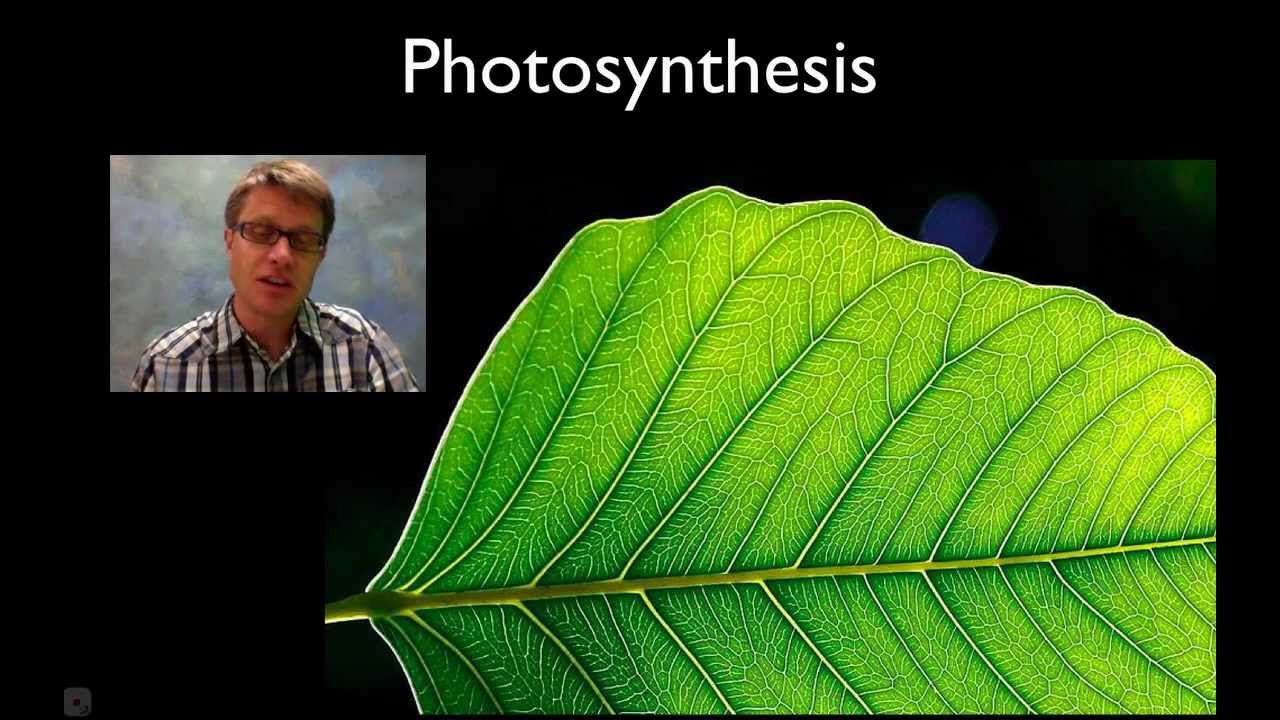
Photosynthesis
3.9M
Photosynthesis is the process by which plants, algae, and some bacteria convert light energy, water, and carbon dioxide into glucose and oxygen; it occurs in two main stages—the light-dependent reactions in the thylakoid membrane that produce ATP and NADPH by splitting water and generating oxygen, followed by the Calvin cycle in the stroma that uses these energy carriers to fix carbon dioxide into glucose; plants have evolved specialized adaptations like CAM and C4 pathways to minimize photorespiration (a wasteful process that occurs when oxygen competes with CO2 for the RuBisCO enzyme).
Click to watch →

George Baker - Agricultural Scientist | SRS #044
67.4K
Photosynthesis is the process by which plants convert carbon dioxide and water into glucose (energy) and oxygen. For every pound of carbon dioxide a plant absorbs, it produces approximately four pounds of oxygen. Plants use only about 1% of available sunlight for photosynthesis, with the remaining 99% reflected or otherwise unused. The process requires water from roots and splits water molecules (H2O) to extract hydrogen while releasing oxygen into the atmosphere.
Click to watch →

Photosynthesis, an introduction for Leaving Cert Biology students
23.9K
Photosynthesis is the process by which green plants, containing chlorophyll in their chloroplasts, convert light energy from the sun into chemical energy stored in glucose, using carbon dioxide from the air and water from the soil; the overall word equation is: carbon dioxide + water + light energy → glucose + oxygen, and plants use the glucose for energy, growth, and storage as starch or cellulose.
Click to watch →

Photosynthesis
33.3K
Photosynthesis is the process by which green plants convert light energy into chemical energy, occurring in chloroplasts within green plant parts; it involves two main stages—the light-dependent phase (which requires sunlight and takes place in thylakoids, producing ATP and oxygen from water) and the light-independent (Calvin) phase (which uses ATP and carbon dioxide to produce glucose in the stroma)—requiring water, carbon dioxide, and light as raw materials to produce glucose and oxygen as products.
Click to watch →
Deep Dive
The basic structure of food chains and webs, including the role of primary producers (autotrophs) in initiating energy flow in an ecosystem.

Senior 1 Homework Chapter 1 Lec 4 | integrated Science | Mr. Omar Soliman
1.7K
Primary producers (autotrophs like plants) form the base of food chains and webs by converting inorganic carbon (CO2) into organic compounds through photosynthesis. They are the primary source of energy and carbon for all other organisms in the ecosystem. Primary producers are essential for ecosystem functioning because they capture solar energy and convert it into chemical energy that can be used by heterotrophs.
Click to watch →

LECTURE I Basic Ecological Principles
196
Autotrophs (producers) feed themselves through photosynthesis (90%+) or chemosynthesis. Consumers (heterotrophs) feed on others: primary consumers eat producers, carnivores eat herbivores, omnivores eat both. Decomposers break down complex organisms into simple nutrients. Trophic levels represent feeding positions. Food chains are linear relationships; food webs are complex networks showing all possible feeding interactions.
Click to watch →

10-شرح كتاب ناصر عبد الكريم تحصيلي علمي أحياء 2025 القسم 10 علم البيئة
2.1K
Autotrophs (plants, some bacteria) produce their own food through photosynthesis. Heterotrophs cannot produce their own food and must consume other organisms. Heterotrophs include herbivores (plant eaters), carnivores (meat eaters), and omnivores (eat both plants and animals). Food chains show single pathways of energy transfer from autotrophs to top predators. Food webs represent multiple interconnected food chains within ecosystems. Trophic levels include producers (autotrophs), primary consumers (herbivores), secondary consumers (carnivores eating herbivores), and tertiary consumers (top predators). Energy flows in one direction through food chains, starting with autotrophs and moving to heterotrophs. Decomposers break down dead organic matter and waste products, recycling nutrients back into ecosystems.
Click to watch →

Food Chains အစာဂေဟစနစ်
290
Energy flow describes how organisms obtain energy to stay alive by eating other organisms. Primary producers (autotrophs) are the first step in energy flow, getting their energy from the Sun to make nutrients. Plants convert water and carbon dioxide into food using sunlight energy. This energy then transfers through the food chain as organisms consume each other, with primary producers having the most available energy.
Click to watch →
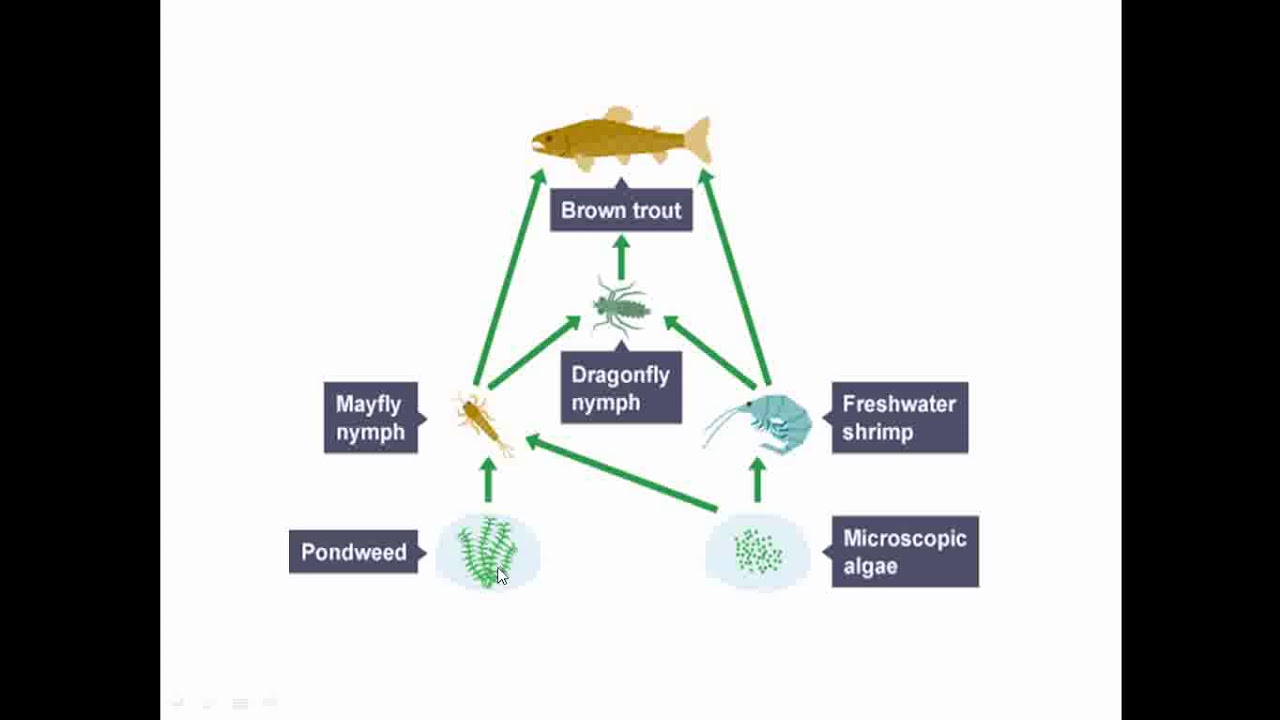
Food Web
115
Producers, also called autotrophs, are organisms that can make their own food through photosynthesis. They form the base of all food chains and food webs. Plants and algae are the main examples of producers. They capture solar energy and convert it into chemical energy stored in organic compounds. This energy then becomes available to other organisms in the ecosystem when producers are consumed. Without producers, no other organisms could survive in the ecosystem.
Click to watch →
Deep Dive
An introductory understanding of chemical reactions, including how reactants are converted into new products.
Introduction of chemical reaction Chemical reaction & equation || Class 10 || Part 1 || Rahul Sir
260
Reactants are the substances that participate in a chemical reaction and are consumed during the process. Products are the new substances formed as a result of the reaction. In a chemical reaction, reactants transform into products with entirely different properties.
Click to watch →

6 PM Class 10 NCERT Chemistry - Chemical Reactions and Equations by Yakshu Ma'am| L1 English Medium
37.6K
In a chemical reaction, the substances present at the beginning are called reactants, and the new substances formed as a result of the reaction are called products. The transformation involves reactants converting into products through a chemical process.
Click to watch →
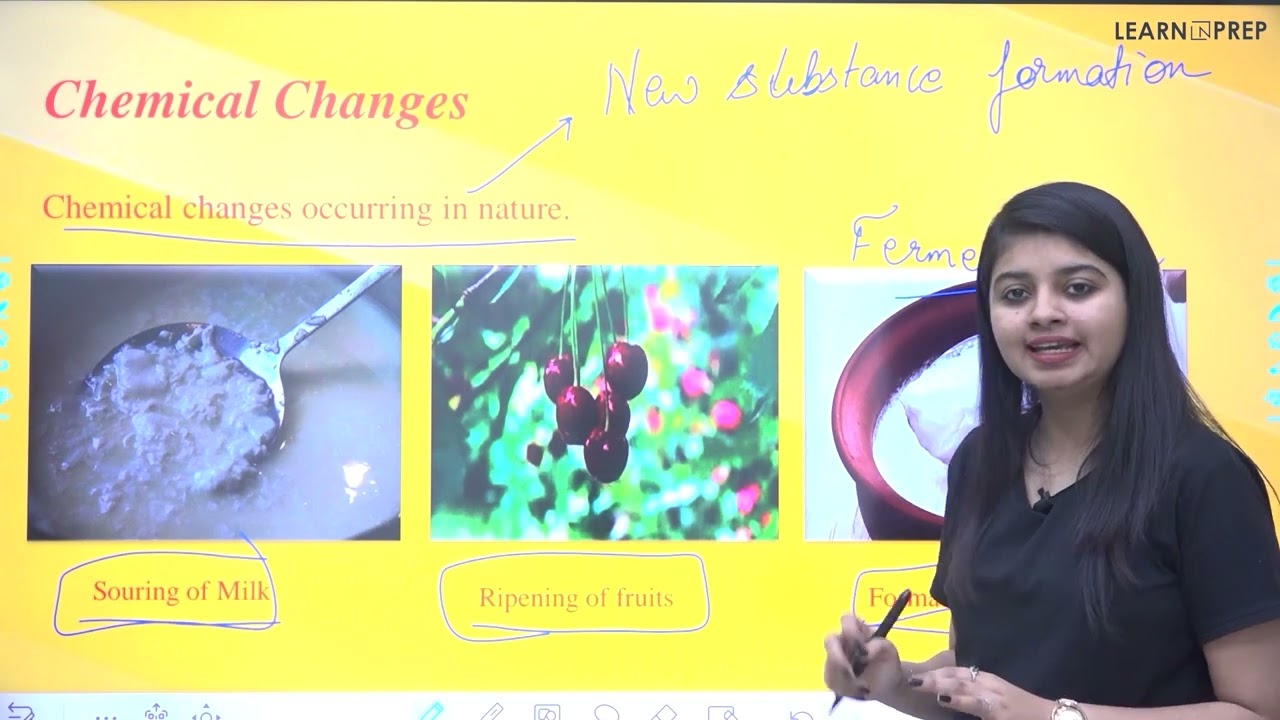
Introduction to Chemical Reaction | Chemical Reaction & Equation | Science | Class 10th | CBSE
123
A chemical reaction is a process that transforms one or more substances (reactants) into new substances (products) with different properties. During a chemical reaction, atoms rearrange to form new molecules or compounds. Reactants are the original substances that participate in the reaction and are always written on the left side of the equation. Products are the new substances formed as a result of the reaction and are always written on the right side. For example, in the reaction H2 + O2 → H2O, hydrogen and oxygen are reactants, and water is the product. The original substances are consumed, and new substances with different characteristics are produced.
Click to watch →

Chemistry grade 10 unit 1 part 1 | Chemical reaction and stoichiometry | Chemical Equations
43.7K
A chemical reaction is a process in which reacting substances, called reactants, are converted into new substances called products. The characteristics of the products are completely different from those of the original reactants. For example, when sulfur burns with oxygen, the sulfur and oxygen are completely converted into sulfur dioxide, which is a colorless gas with a pungent odor, completely different from the original substances.
Click to watch →

||Chemical Rections And Equations|| Introduction || Class 10th||
141
A chemical reaction is a process where new substances are formed with new chemical properties. In nature, reactions occur during respiration, food digestion, rusting of iron, and fermentation. Reactants are the starting materials combined to form new substances, while products are the new substances formed. For example, sodium (solid) reacts with chlorine gas to form salt, and hydrogen gas reacts with oxygen gas to form water (liquid). Chemical reactions are generally represented with reactants on the left and products on the right, separated by an arrow.
Click to watch →
Deep Dive
The fundamental characteristics of microorganisms, particularly bacteria, and their presence in diverse environments.

Biology का महा Revision 🔥 | Class 11th UP Board | पूरी किताब का निचोड़ (अध्याय 1 से अध्याय 7 तक)
96.1K
Microorganisms (सूक्ष्म जीव) are organisms that cannot be seen with the naked eye and require magnification to be observed. Bacteria are the most abundant microorganisms found in nature. They can be found in almost every environment on Earth, including extreme habitats like hot springs, deep-sea vents, and highly saline environments. Bacteria play crucial roles in nutrient cycling, decomposition, and as symbionts or pathogens.
Click to watch →

Update Seputar Covid-19 Dan Ditivi - KATA DIDI
131.1K
Bacteria are microorganisms that can live in various environments including soil, air, rocks, furniture, and even inside the human body. They are found on hair, hands, clothes, and throughout the body. Bacteria are not limited to specific locations but can exist in almost any environment.
Click to watch →

8th Science Revision Crash Course (RCC) | Chapter-1 | Living World & Classification |
17.7K
Microorganisms are organisms too small to see with the naked eye, classified as Prokaryotic (bacteria) or Eukaryotic (Protista, Fungi). Bacteria are unicellular prokaryotes with size 1-10 micrometers, lacking a well-defined nucleus. They reproduce through binary fission, doubling every 20 minutes. Bacteria can be beneficial (lactobacillus in yogurt) or harmful (causing diseases).
Click to watch →
സ്യൂഡോമോണസ് | Pseudomonas | സർവരോഗസംഹാരിയും നല്ലൊരു ടോണിക്കും | Usage and Benefits | Krishi Tips
174K
Bacteria are microscopic organisms that exist in various environments and play important roles in ecosystems, including decomposition, nutrient cycling, and some species can be beneficial to humans and other organisms.
Click to watch →
बिहार D.El.Ed. परीक्षा 2025 की तैयारी | जीवाणु और जीवाणु से संबंधित रोग #live #deled #abadatsir
62.1K
Microorganisms (micro-organisms) are tiny living organisms that include bacteria, viruses, protozoa, and fungi. Bacteria are a specific type of microorganism that are typically unicellular and prokaryotic (lacking a membrane-bound nucleus). They possess a cell wall and can be found both inside and outside the human body. Bacteria are simple organisms that can survive independently in various environments. In the context of D.El.Ed entrance exams, bacteria-related questions are frequently asked, making it essential for students to understand this topic thoroughly.
Click to watch →
Prerequisite Knowledge
- Concept 01The concept of photosynthesis, specifically how green plants convert carbon dioxide, water, and light energy into glucose and oxygen.
- Concept 02The basic structure of food chains and webs, including the role of primary producers (autotrophs) in initiating energy flow in an ecosystem.
- Concept 03An introductory understanding of chemical reactions, including how reactants are converted into new products.
- Concept 04The fundamental characteristics of microorganisms, particularly bacteria, and their presence in diverse environments.
Subsequent Learning
- Step 01The ecology of hydrothermal vent communities, focusing on symbiotic relationships between chemosynthetic bacteria and deep-sea organisms like tube worms.
- Step 02The study of extremophiles—organisms that thrive in physically or geochemically extreme conditions such as high pressure, high acidity, or extreme temperatures.
- Step 03Astrobiology and the search for extraterrestrial life, exploring how chemosynthesis might support life on ice-covered moons like Jupiter's Europa or Saturn's Enceladus.
- Step 04The specific chemical pathways of chemosynthesis, such as using hydrogen sulfide or methane to produce organic matter, and how this fits into global carbon and sulfur cycles.
Definition
Examples
Definition
0:02Playing Section
- 1
Chemosynthesis creates compounds using chemical reactions, not light.
- 2
It contrasts with photosynthesis, which converts light into food.
- 3
Microorganisms use this process to produce glucose in dark areas.
Photosynthetic Dependency of Modern Chemosynthetic Ecosystems
While chemosynthesis is typically introduced as a food-production process completely independent of sunlight, scientists point out that most modern chemosynthetic ecosystems are actually indirectly dependent on photosynthesis. For chemosynthesis to occur, many microbes rely on oxygen dissolved in the water to oxidize chemical compounds like hydrogen sulfide or methane. Since the vast majority of Earth's free oxygen is produced by photosynthetic organisms in the sunlit zones, these deep-sea food webs are not entirely isolated from solar energy. This perspective encourages students to view global ecosystems as interconnected rather than completely separate.
Deep Dive
The ecology of hydrothermal vent communities, focusing on symbiotic relationships between chemosynthetic bacteria and deep-sea organisms like tube worms.
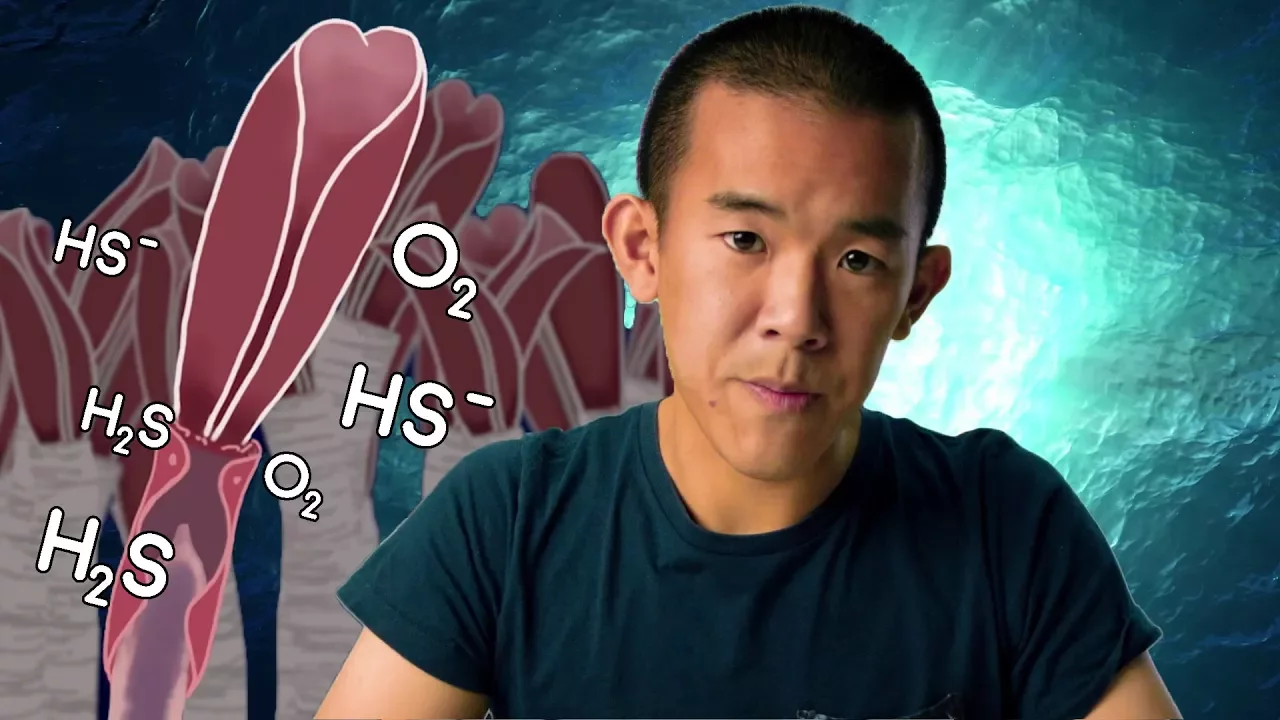
How Giant Tube Worms Survive at Hydrothermal Vents | I Contain Multitudes
227.6K
Giant tube worms (Riftia pachyptila) survive in complete darkness at hydrothermal vents through a symbiotic relationship with chemosynthetic bacteria; the bacteria live inside the worm's trophosome organ and use hydrogen sulfide from the vents as an energy source to produce organic compounds, providing nutrition for both the bacteria and the worm without the worm needing a mouth or digestive system.
Click to watch →

Animals Scarier Than Dinosaurs
347.8K
430 million years ago, tube worms colonized underwater volcanic vents by making friends with bacteria. The worms have no eyes, mouths, or way to catch food on their own—they sit in their tubes letting bacterial roommates process chemicals from the vent water. This symbiotic relationship has been maintained for nearly half a billion years, with the same species of bacteria still living in the same locations.
Click to watch →
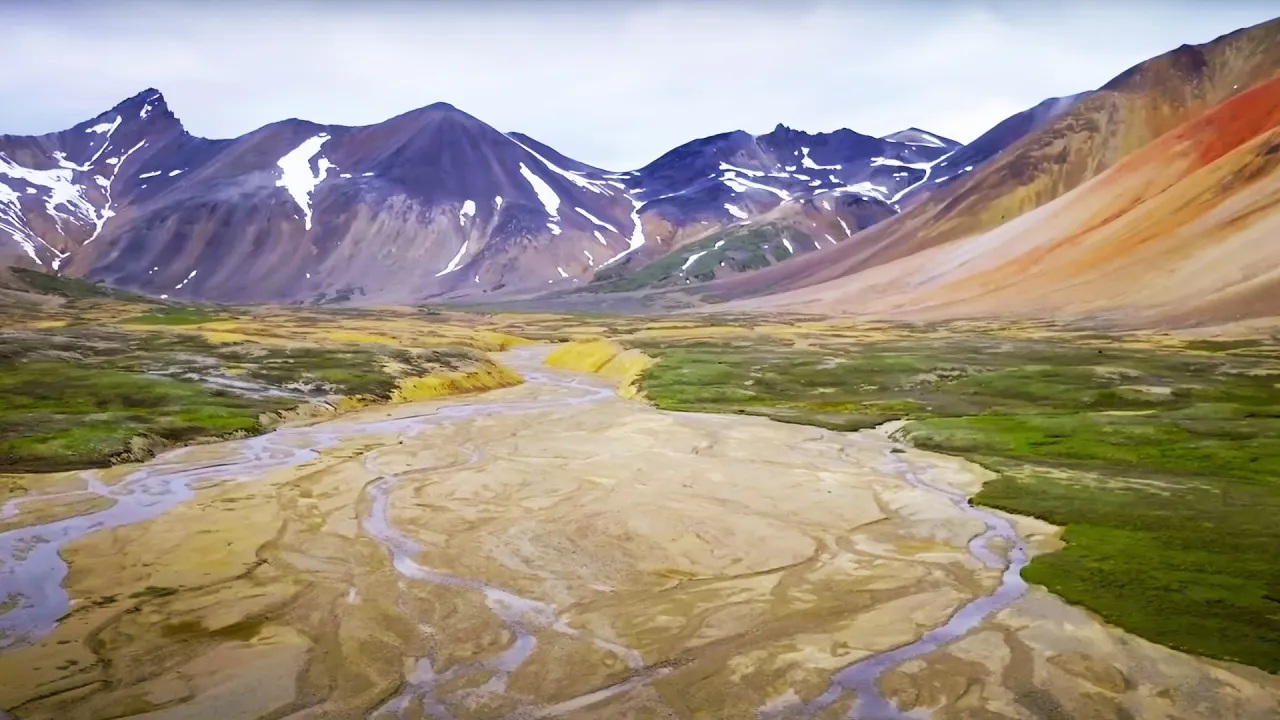
Unveiling The Mysteries Of Black Tusk And The Garibaldi Volcano In British Columbia
2M
Giant tube worms living around hydrothermal vents lack mouths and digestive systems and live entirely from bacteria that live in symbiosis inside their bodies. The worms absorb dissolved gases such as H2S, CO2, and oxygen using red gills on their upper bodies. Molecules penetrate into their circulatory system and are brought to the bacteria which carry out chemosynthesis reactions that feed the worms.
Click to watch →
![해양생물학자가 실제로 본 심해 2,000m의 광경 알려드립니다 (feat. 김동성 박사) [취미는 과학/ 73화 확장판]](https://i.ytimg.com/vi_webp/6tIg6sRDAKk/maxresdefault.webp)
해양생물학자가 실제로 본 심해 2,000m의 광경 알려드립니다 (feat. 김동성 박사) [취미는 과학/ 73화 확장판]
369.4K
This segment details the biological mechanisms sustaining hydrothermal vent ecosystems. Chemosynthetic bacteria convert inorganic chemicals like hydrogen sulfide into organic matter through chemosynthesis. Many vent organisms have evolved symbiotic relationships: Riftia tube worms lack digestive systems entirely and rely on internal symbionts, while yeti crabs cultivate bacteria externally. These are described as 'oases' in the deep-sea desert. The segment covers mineral resources (gold, silver, nickel, cobalt, rare earth elements) and the biotechnological potential of vent organisms' specialized enzymes. The researcher discusses future goals including creating accessible deep-sea maps and developing deep-sea tourism.
Click to watch →

The Abyss | Deep Sea Documentary for Sleep (4K)
3.8M
Hydrothermal vents form where seawater seeps into cracks in the crust, becoming superheated to over 400°C before rushing back into the ocean. The erupting water carries dissolved minerals stolen from rocks far below, crystallizing upon meeting cold seawater to build chimneys of stone and metal. Black smokers emit dark clouds rich in iron, copper, and zinc sulfides. These vents form entire fields sometimes hundreds of meters across, but their greatest marvel lies not in minerals but in life. A living fuzz of chemosynthetic microbes coats the rocks—unlike almost all life on Earth, these microbes have no need of sunlight. Instead, they draw energy from hydrogen sulfide, methane, and iron through chemosynthesis, transforming chemicals into sugars. This quiet alchemy sustains entire communities independent of the sun. Giant tube worms (Riftia pachyptila) root themselves in vents, their bodies sheathed in 3-meter tubes with crimson feathery plumes drawing chemical breath. They have neither mouth nor gut, instead housing billions of bacteria in a trophosome organ. The pompeii worm builds tubes along smoker walls where temperatures exceed 80°C, surviving through symbiotic bacteria that insulate it, detoxify chemicals, and provide nourishment. Deep sea skates use hydrothermal seepage at seamounts to incubate eggs, while octopuses brood for years in warmed crevices—the longest incubation time in the animal kingdom.
Click to watch →
Deep Dive
The study of extremophiles—organisms that thrive in physically or geochemically extreme conditions such as high pressure, high acidity, or extreme temperatures.
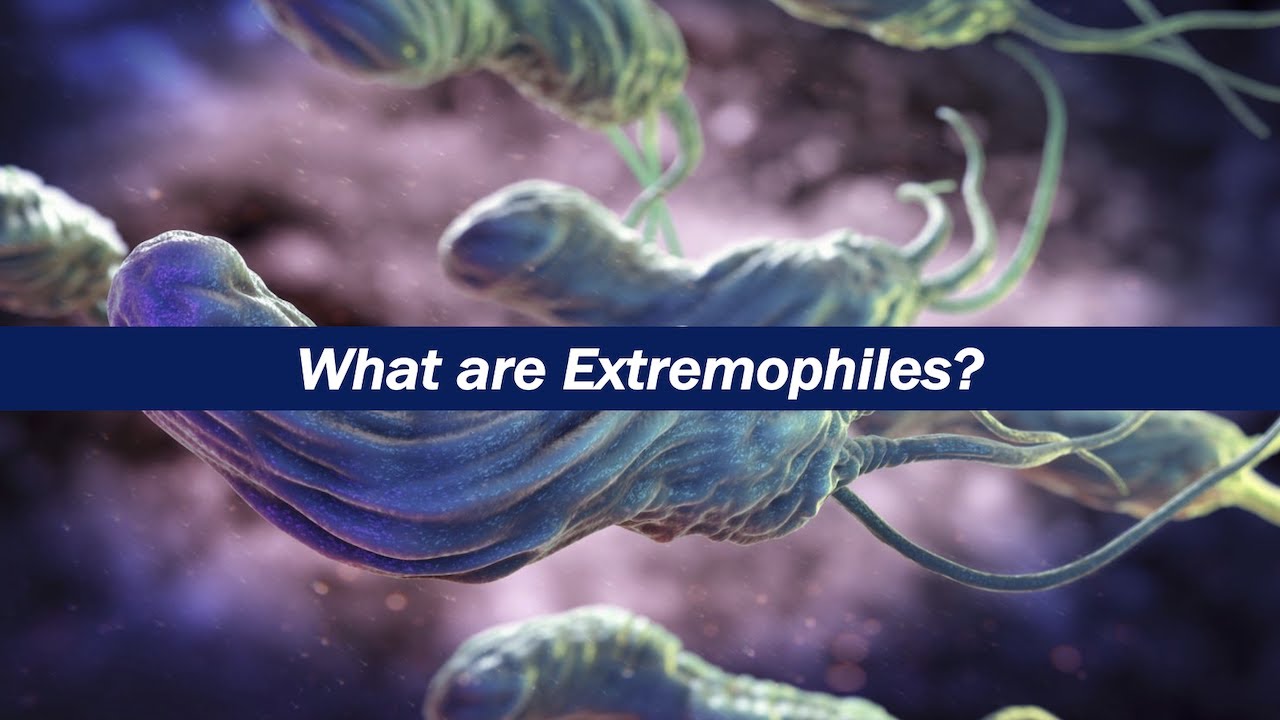
What are Extremophiles?
2.7K
Extremophiles are organisms that can survive in extreme or inhospitable environments. They can thrive in geochemically and physically extreme conditions, including incredibly hot or cold places, environments with extreme pressures, and water with high levels of substances such as salt. Some extremophiles have been discovered in environments previously thought to be incapable of sustaining any form of life.
Click to watch →
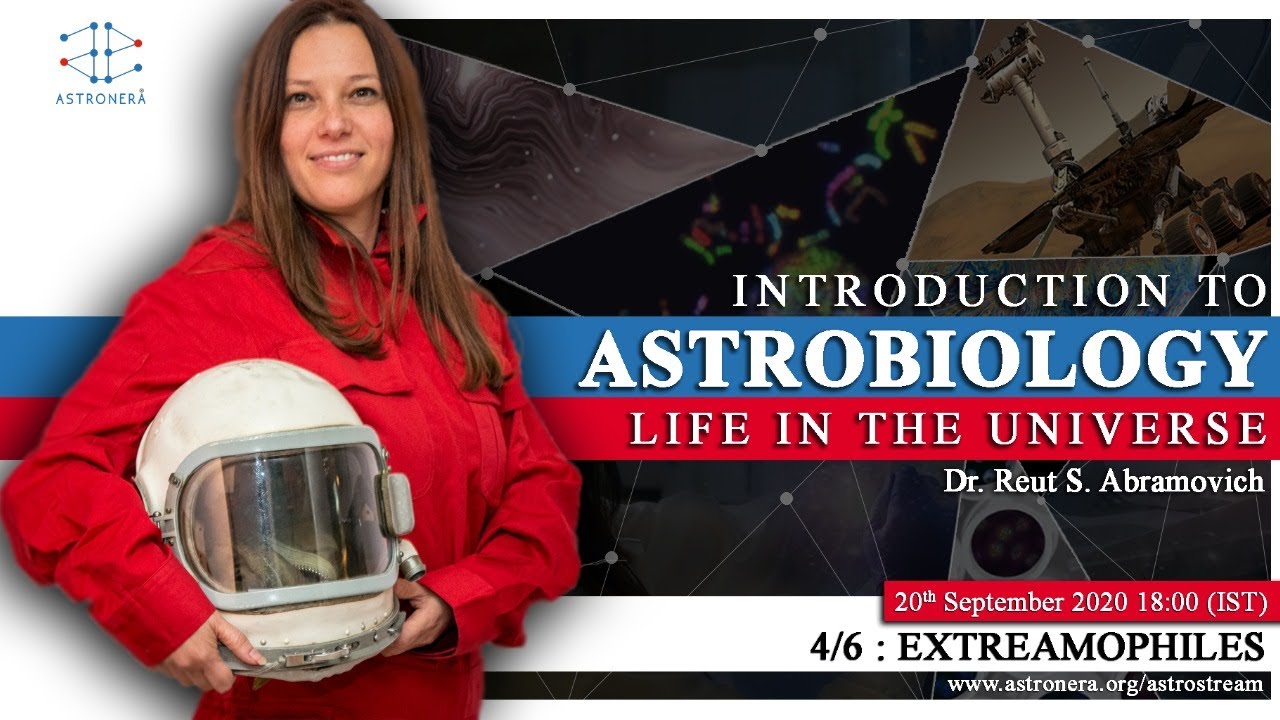
Ep 4/6 | Extremophiles | AstronEra with Dr. Reut S. Abramovich
247
Extremophiles are organisms that can thrive in extreme physical conditions that would be lethal to most life forms. These conditions include extreme temperatures (both high and low), high pressure, high salinity, extreme pH levels (acidity or alkalinity), and high radiation exposure. The term is relative to human physiological limits, and what is extreme for humans may not be extreme for other organisms.
Click to watch →

1.5 Years Current affairs for Prelims 2025 by Devraj Verma | Lecture 36
208
Extremophiles are organisms that thrive in extreme environmental conditions. Scientists have discovered bacteria that can survive in microwave ovens despite high radiation exposure. Extremophiles are classified based on their preferred extreme conditions: Thermophiles thrive in high-temperature environments, Psychrophiles thrive in cold environments like polar regions, Halophiles thrive in high-salt environments like salt lakes, Acidophiles thrive in acidic environments, and Alkaliphiles thrive in alkaline environments. These organisms have specialized biochemical pathways and membrane structures that allow them to survive where most organisms cannot. Their adaptations include specialized macromolecules that remain functional under extreme temperatures, salinity, pH levels, or pressure.
Click to watch →
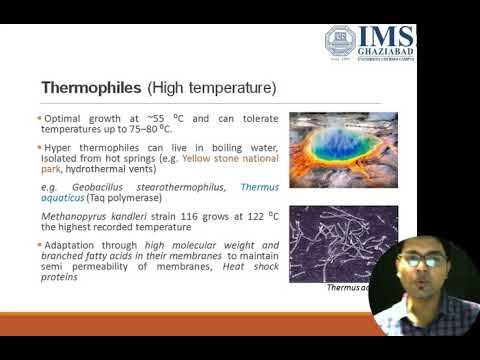
Extremophiles 1
18.3K
Extremophiles are microorganisms that have evolved the ability to survive and grow in extreme environmental conditions such as high or low temperatures, extreme pH levels, high salt concentrations, high pressure, and high radiation. These organisms span all three domains of life (Bacteria, Archaea, and Eukarya), with Archaea being the most successful group. They are classified into categories based on their specific environmental adaptations: thermophiles (optimal growth at 55°C, tolerating up to 80°C), hyperthermophiles (growing above 80°C, up to 122°C), psychrophiles (low temperatures), acidophiles/alkaliphiles (extreme pH), halophiles (high salt), barophiles (high pressure), and radioresistant organisms (high radiation). Polyextremophiles can thrive in multiple extreme conditions simultaneously. These organisms serve as model systems for astrobiology research, helping scientists understand potential extraterrestrial life forms.
Click to watch →
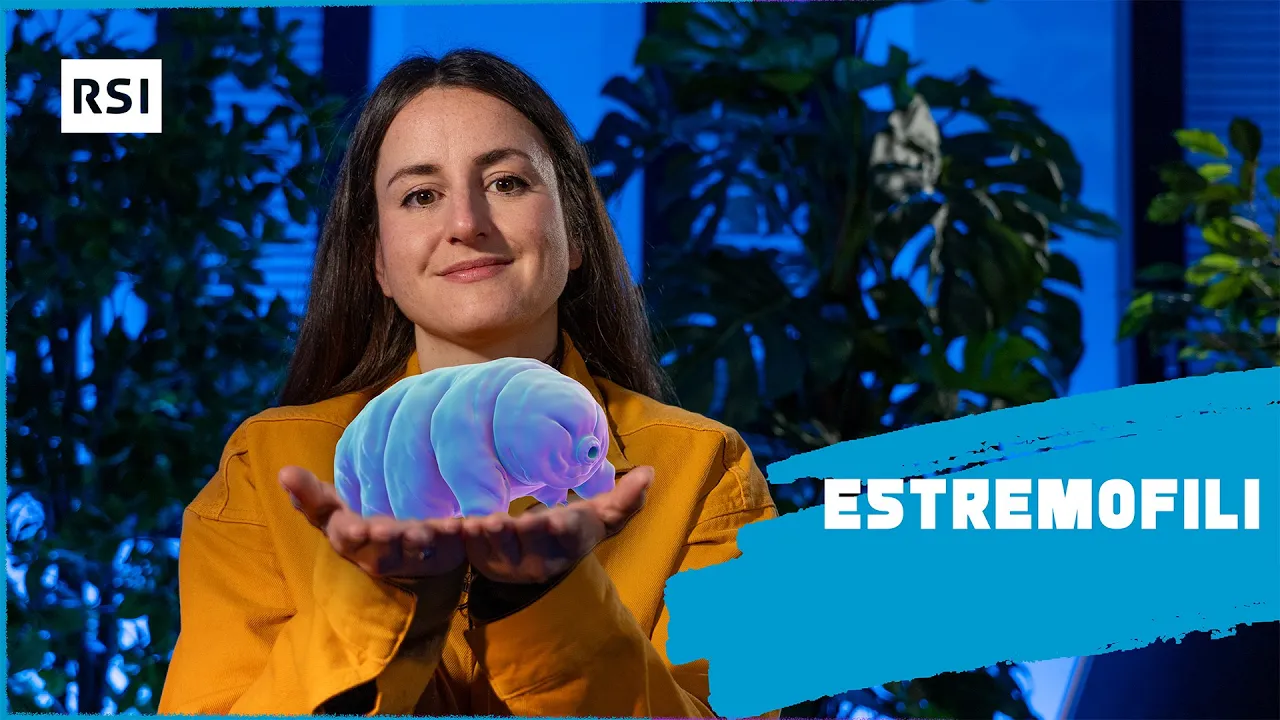
cosa sono gli estremofili? | Ambiente | RSI EDU
777
Extremophiles are organisms (bacteria, lichens, fungi, algae) that thrive in extreme conditions such as high temperatures, radioactivity, extreme acidity, or high pressure, and are studied in astrobiology to understand potential life on other planets like Mars and Europa, as their survival strategies suggest life could exist in similarly harsh extraterrestrial environments.
Click to watch →
Deep Dive
Astrobiology and the search for extraterrestrial life, exploring how chemosynthesis might support life on ice-covered moons like Jupiter's Europa or Saturn's Enceladus.

Toda la Ciencia de la Astrobiología: La Búsqueda de Vida en el Cosmos | Ciencia para Dormir
471
As we move away from the Sun, the traditional habitable zone concept breaks down. Temperatures drop to hundreds of degrees below zero, yet we find promising candidates for extraterrestrial life: ocean moons. Europa, Jupiter's smallest moon, has a subsurface ocean beneath 15-25 km of ice, containing more water than all Earth's oceans combined. Tidal heating from Jupiter's gravity keeps this ocean liquid. Enceladus, Saturn's small moon, emits plumes of water vapor and ice from its south pole, containing organic molecules and molecular hydrogen - evidence of active hydrothermal reactions. Both moons could harbor ecosystems in perpetual darkness, powered by chemosynthesis.
Click to watch →

Why NASA Stopped Going to the Bottom of the Ocean (And What They Found)
879
Before 1977, the dominant model for life required sunlight and proximity to a star. The discovery of chemosynthetic ecosystems around hydrothermal vents established that life can sustain itself on chemical energy from geological processes without sunlight. This changed the geography of possible life in the solar system. Europa becomes a serious candidate if its ocean has hydrothermal vents. Enceladus becomes a candidate because its water plumes contain organic molecules and molecular hydrogen that could serve as food sources for microbes. Every Hadal zone organism adds data points to the argument that life is more adaptable than assumed.
Click to watch →

The Abyss Beneath the Ice: Earth's Alien Ocean | Full Documentary
409
Lake Vostok serves as Earth's primary analog for the subglacial oceans of Jupiter's moon Europa and Saturn's moon Enceladus. Both share identical thermodynamic constraints: crushing pressure, absolute darkness, and reliance on chemosynthesis rather than photosynthesis. The discovery shatters the anthropocentric myth that the sun is the sole giver of life. Life only needs friction, gravity, and the slow decay of heavy metals to weave its intricate web. If an independent biological matrix can sustain itself for 15 million years relying on planetary heat, the probability of shadow biospheres existing in Europa's hidden oceans approaches certainty.
Click to watch →

Could Alien Life be Under the Ice of Alien Moons? What Life Can Europa and Enceladus Host?
115
Europa and Enceladus, icy moons of Jupiter and Saturn respectively, may host life through chemosynthesis powered by tidal heating from their parent planets' gravitational forces, with potential metabolic pathways including aerobic respiration using oxygen from ice ionization, anaerobic processes, and alternative energy sources like acetylene or methane, though no current missions are planned to explore these moons' habitability.
Click to watch →

Why We're Searching For Life on Jupiter's Moon
56K
Jupiter's moon Europa may host life because its intense radiation environment transforms surface ice into complex chemical compounds like hydrogen peroxide and oxygen, which could be delivered to the subsurface ocean through subsumption, creating chemical gradients that might support a biosphere similar to Earth's hydrothermal vent ecosystems.
Click to watch →
Deep Dive
The specific chemical pathways of chemosynthesis, such as using hydrogen sulfide or methane to produce organic matter, and how this fits into global carbon and sulfur cycles.
This was The Earth Before The Dinosaurs: The Hell That Existed First
278
Microbial metabolisms were diverse and directly coupled to ancient environmental chemistry. Some microorganisms obtained energy by oxidizing reduced inorganic compounds. Others used molecular hydrogen as electron donor and carbon dioxide as acceptor, fixing carbon via pathways like the acetyl-CoA cycle. Sulfur-metabolizing bacteria oxidized hydrogen sulfide to sulfate or reduced sulfates to sulfides, closing sulfur biogeochemical cycles. Methanogenic archaea developed metabolism producing methane by reducing carbon dioxide, acetate, or other simple compounds—releasing energy and introducing large amounts of methane into atmosphere and ocean. On an oxygen-poor Earth, this atmospheric methane helped maintain strong greenhouse effect, compensating for lower solar luminosity. Bacteria capable of using sunlight through anoxygenic photosynthesis emerged, using electron donors like hydrogen sulfide or ferric ion instead of water. The interaction between chemosynthetic and photosynthetic organisms formed complex microbial food webs where waste products of some groups became substrates for others. This network gave rise to global biogeochemical cycles of carbon, nitrogen, sulfur, and iron in which biosphere and geosphere became intimately coupled.
Click to watch →
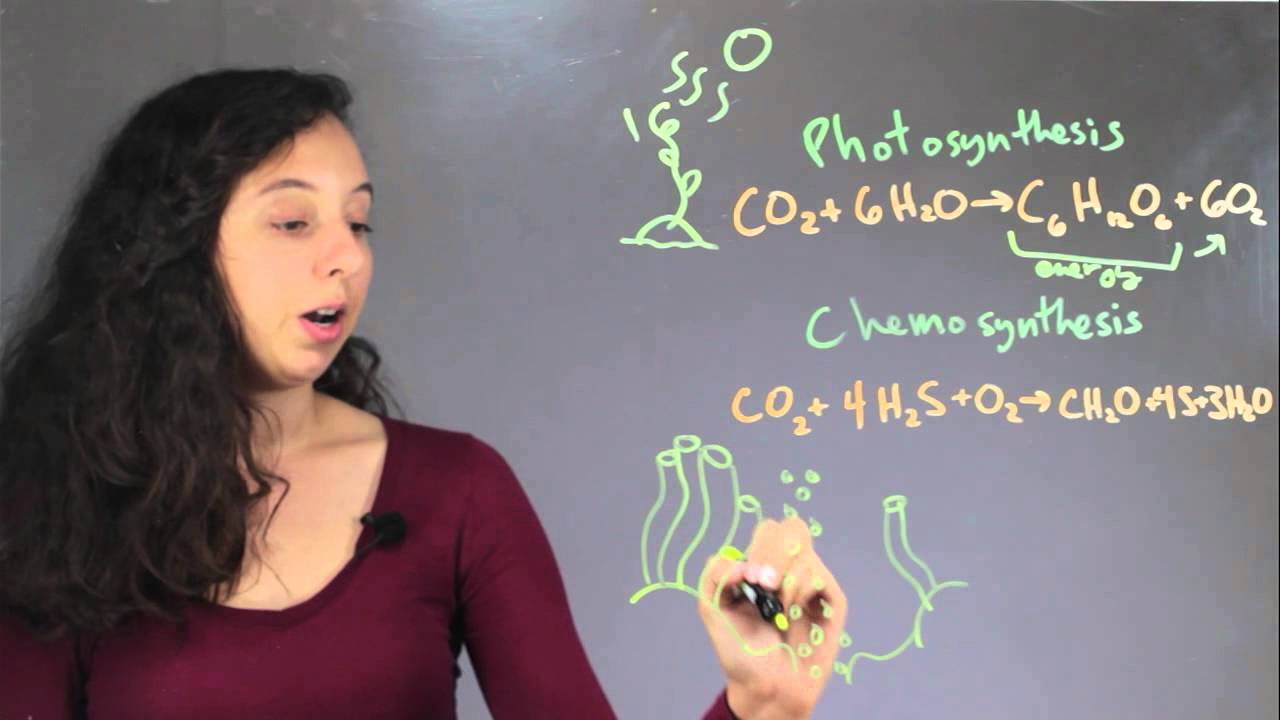
How Does the Chemical Formula for Chemosynthesis Differ From the Formula for Photos... : Chem Class
13.2K
Photosynthesis has a single, consistent chemical formula: carbon dioxide + water → sugar + oxygen, while chemosynthesis has multiple chemical pathways depending on the available gases, such as carbon dioxide + hydrogen sulfide + oxygen → water + sulfur + energy, or methane/hydrogen gas as alternative energy sources.
Click to watch →

احياء الخامس علمي 2025 | الفصل الاول | المحاضرة 5
81.2K
Chemosynthesis is the process of forming organic molecules from inorganic molecules without light. Three types of bacteria perform chemosynthesis: (1) Nitrite bacteria oxidize ammonia (NH3) to nitrite (NO2) in soil, (2) Nitrate bacteria oxidize nitrite (NO2) to nitrate (NO3) in soil, (3) Sulfur bacteria oxidize hydrogen sulfide (H2S) to sulfur in sulfur springs. These bacteria are called chemoautotrophs because they obtain energy by oxidizing simple inorganic compounds and use this energy to build organic compounds.
Click to watch →

Why Microbes Are Necessary for All Life on Earth! GEO GIRL
12K
Biogeochemical cycles transfer essential elements (CHNOPS: carbon, hydrogen, nitrogen, oxygen, phosphorus, sulfur) between Earth's biosphere, atmosphere, hydrosphere, and geosphere, maintaining global nutrient balance. Microbes drive these cycles through diverse metabolic pathways: fermentation (anaerobic organic carbon oxidation), respiration (organic carbon oxidation with oxygen or alternative electron acceptors like sulfate), photosynthesis (light-to-chemical energy conversion using water or hydrogen sulfide), and chemosynthesis (inorganic carbon conversion using oxidized compounds). All energy-gaining reactions involve oxidation-reduction where organic carbon loses electrons (oxidized) and electron acceptors gain electrons (reduced). Microbes are present in every habitat and are essential for making bioessential compounds available to higher life forms.
Click to watch →
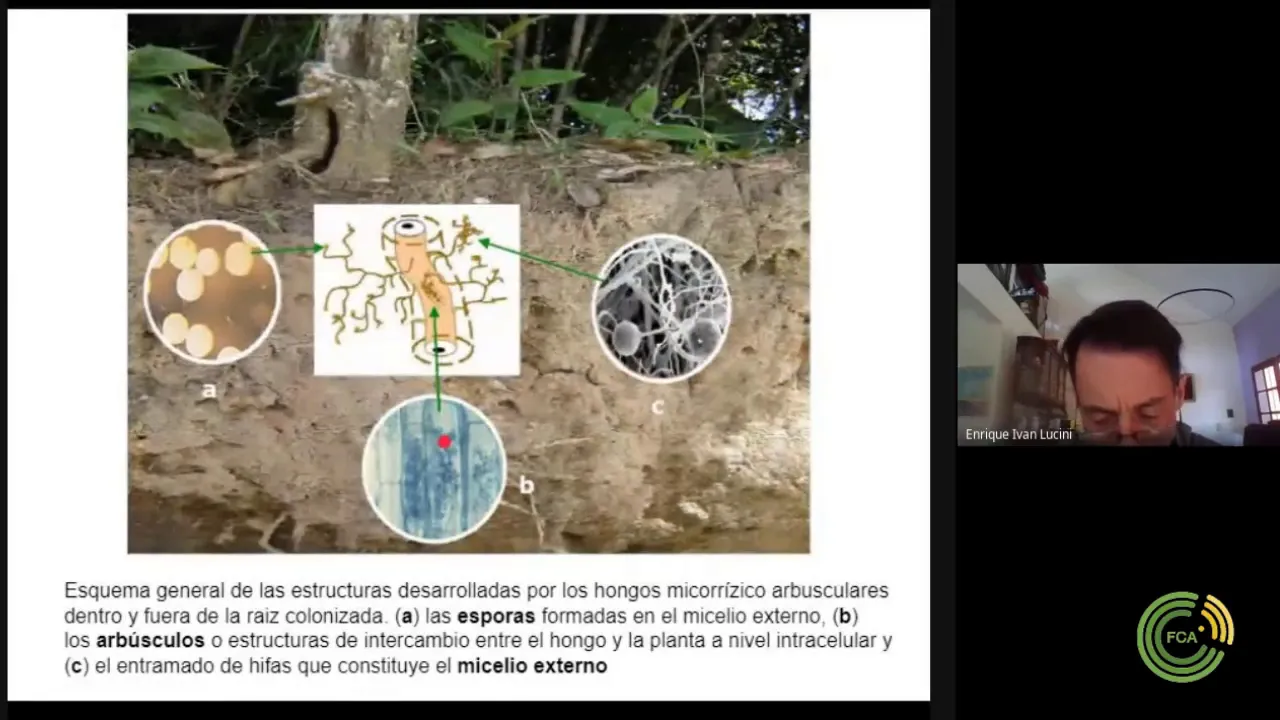
Teórico Nº8: Disponibilidad de Nutrientes para las plantas (Parte 5)
919
Sulfur has dual reservoirs: atmospheric (gaseous) and geological (parent rocks). Atmospheric sulfur is fixed by microorganisms, while geological sulfur is released through weathering. Sulfur in organic matter (proteins with methionine and cysteine) undergoes mineralization, releasing hydrogen sulfide gas. This gas is then oxidized to sulfate through two pathways: aerobic oxidation by bacteria like Thiobacillus (H2S + O2 → SO4^2- + H2O) and anaerobic oxidation by strict anaerobes like Desulfobacter. The choice of pathway depends on oxygen availability and microbial community composition.
Click to watch →
Definition
Examples
Definition
0:02- 1
Chemosynthesis creates compounds using chemical reactions, not light.
- 2
It contrasts with photosynthesis, which converts light into food.
- 3
Microorganisms use this process to produce glucose in dark areas.
Photosynthetic Dependency of Modern Chemosynthetic Ecosystems
While chemosynthesis is typically introduced as a food-production process completely independent of sunlight, scientists point out that most modern chemosynthetic ecosystems are actually indirectly dependent on photosynthesis. For chemosynthesis to occur, many microbes rely on oxygen dissolved in the water to oxidize chemical compounds like hydrogen sulfide or methane. Since the vast majority of Earth's free oxygen is produced by photosynthetic organisms in the sunlit zones, these deep-sea food webs are not entirely isolated from solar energy. This perspective encourages students to view global ecosystems as interconnected rather than completely separate.
The concept of photosynthesis, specifically how green plants convert carbon dioxide, water, and light energy into glucose and oxygen.
The basic structure of food chains and webs, including the role of primary producers (autotrophs) in initiating energy flow in an ecosystem.
An introductory understanding of chemical reactions, including how reactants are converted into new products.
The fundamental characteristics of microorganisms, particularly bacteria, and their presence in diverse environments.
The ecology of hydrothermal vent communities, focusing on symbiotic relationships between chemosynthetic bacteria and deep-sea organisms like tube worms.
The study of extremophiles—organisms that thrive in physically or geochemically extreme conditions such as high pressure, high acidity, or extreme temperatures.
Astrobiology and the search for extraterrestrial life, exploring how chemosynthesis might support life on ice-covered moons like Jupiter's Europa or Saturn's Enceladus.
The specific chemical pathways of chemosynthesis, such as using hydrogen sulfide or methane to produce organic matter, and how this fits into global carbon and sulfur cycles.
44K views0likes3:03@revisionmonkey3859Original Release: 2020-06-02
let's start this video on chemosynthesis by first recognizing it sounds quite similar to a word that you may have studied before which is photosynthesis while you break down the word photosynthesis it meant using light to produce chemical compounds by a reaction so let's now look at chemosynthesis so the chemo part stands for chemical and the synthesis is the same so the production of chemical compounds by a reaction so in chemosynthesis rather than using light to produce chemicals we are using chemicals to produce other chemicals let's remind ourselves of the photosynthesis equation it was carbon dioxide reacts with water to produce glucose and oxygen and we said that plants and algae use this along with needing sunlight and Coralville for this reaction to produce their own food to produce glucose in chemosynthesis there is not a general word equation for chemosynthesis as there are many different chemical reactions that this could be but often one of the reactants is carbon dioxide and that will react with another chemical to produce glucose and another product chemosynthesis is used by microorganisms that live in the dark for example underground or in the deep sea now these microorganisms don't have access to sunlight so they couldn't evolved to use photosynthesis like plants and algae did instead they use the chemicals around them so in the soil or in the water to produce their own food lots of bacteria do chemosynthesis nitrogen bacteria live in the soil and use nitrogen in the soil for chemosynthesis to produce their own food and sulfur bacteria live near hydrothermal vents at the bottom of the sea they use the hydrogen sulfide released from the vents for chemosynthesis and some sulfur bacteria live in tube worms like you can see in the image and tube worms have no stomachs so they use the substances that are made by the bacteria hi guys if you enjoyed that last video then please click on the screen to subscribe you can also find all my videos in one place at GCSE revision monkey comm if your teacher check out the key state 3 package at Science surgery calm it contains all of the revision monkey videos as well as loads more Key Stage 3 resources
Up Next

10:37
DNA Supercoiling & Topoisomerases Explained
@fundamentalsofbiochemistry9572
97.6K views•2014-06-12
50:12
Bacterial Communication: Quorum Sensing and Biofilm Formation Explained
@JHUAAP
12.6K views•2011-06-28

5:35
Enteric Nervous System Explained: The Gut's Brain | Neurobiology Lecture
@alumniu6029
438 views•2018-09-12
7:08
Bacteriophages: Earth's Deadliest Killers and Future Antibiotics
@kurzgesagt
34.6M views•2018-05-13
Related Study Plans & Knowledge Roadmaps
Structured learning paths in Biology
biology
RNAi: Biogenesis, RISC & Gene Silencing
01Molecular Biology Foundations: DNA to Protein
02Introduction to RNA Interference (RNAi)
03Molecular Biogenesis of miRNA and siRNA
+ 2 more learning modules
10h5 modules
Explore Roadmap
biology
Mycorrhizae: Signaling, Biophysics & Ecology
01Foundations of Mycorrhizal Symbiosis
02Molecular Signaling and Root Colonization
03Biophysics and Bioenergetics of Nutrient Exchange
+ 1 more learning modules
11h4 modules
Explore Roadmap
biology
Circadian Clocks: TTFL, SCN & Periphery
01Foundations of Molecular Biology & Gene Expression
02Introduction to Chronobiology and Actograms
03The Core TTFL: Molecular Architecture of the Clock
+ 3 more learning modules
14h6 modules
Explore Roadmap
biology
Population Genetics: Math, Drift & Selection
01Genetic & Probability Foundations
02The Hardy-Weinberg Principle and Baseline Models
03Mathematical Modeling of Natural Selection
+ 3 more learning modules
18h6 modules
Explore Roadmap