






















Resilience is a dynamic process of positive adjustment despite significant adversity, involving complex interactions between genetic factors, epigenetics, neural chemicals (including cortisol, DHEA, norepinephrine, BDNF, and oxytocin), and brain circuitry (amygdala, prefrontal cortex, hippocampus) that enable individuals to return to homeostasis after stress; understanding this neurobiology helps explain how psychosocial interventions and healthy lifestyle choices can build resilience by promoting adaptive coping strategies and rewiring neural pathways.
Neurobiology of Resilience: Stress Response, Epigenetics & Treatment
Added:Basic neuroanatomy, specifically the functions of the amygdala, prefrontal cortex, hippocampus, and the HPA (hypothalamic-pituitary-adrenal) axis in threat processing.
Fundamentals of neurotransmission, including how neurotransmitters (like serotonin and dopamine) and stress hormones (like cortisol and adrenaline) transmit signals.
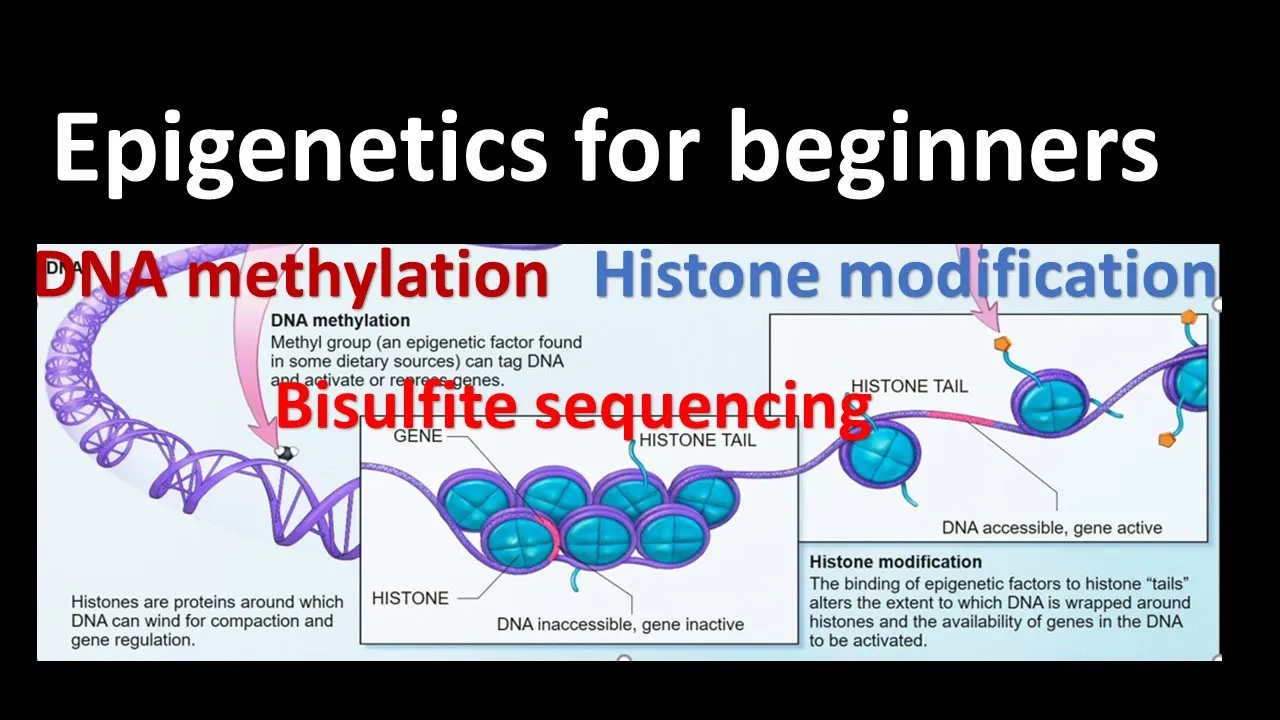
Introduction to genetics and gene expression, including the basic concept of how environmental factors can influence gene activity (epigenetics).
The physiological mechanisms of the human stress response, including the difference between acute fight-or-flight reactions and chronic stress.
Advanced epigenetic mechanisms in psychiatric disorders, such as DNA methylation and histone modification patterns resulting from trauma.
The neurobiology of therapeutic interventions, exploring how cognitive behavioral therapy (CBT) and mindfulness physically alter brain networks through neuroplasticity.
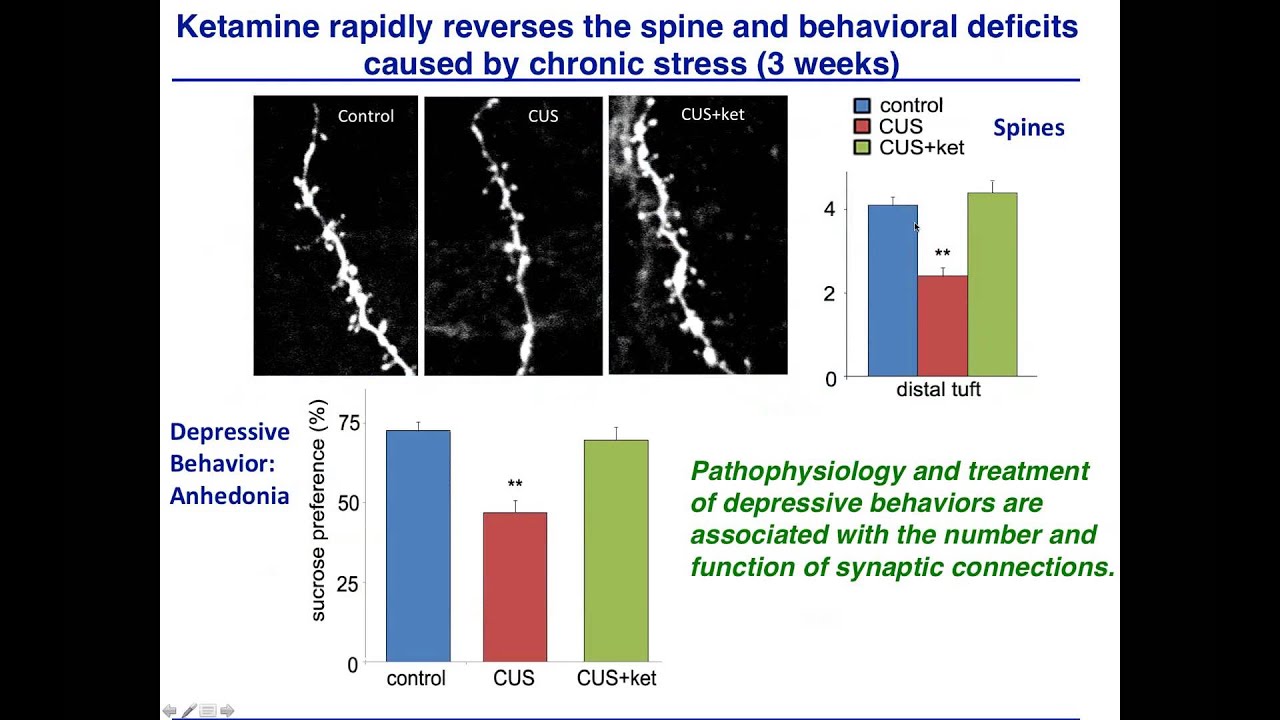
Pharmacological developments targeting stress-response systems, including the role of fast-acting antidepressants and novel neurohormonal therapies.
Translational psychiatry and public health: designing and implementing neurobiologically-informed resilience-building programs for high-stress professions.
1.1K views20likes29:01Original Release: 2018-09-28
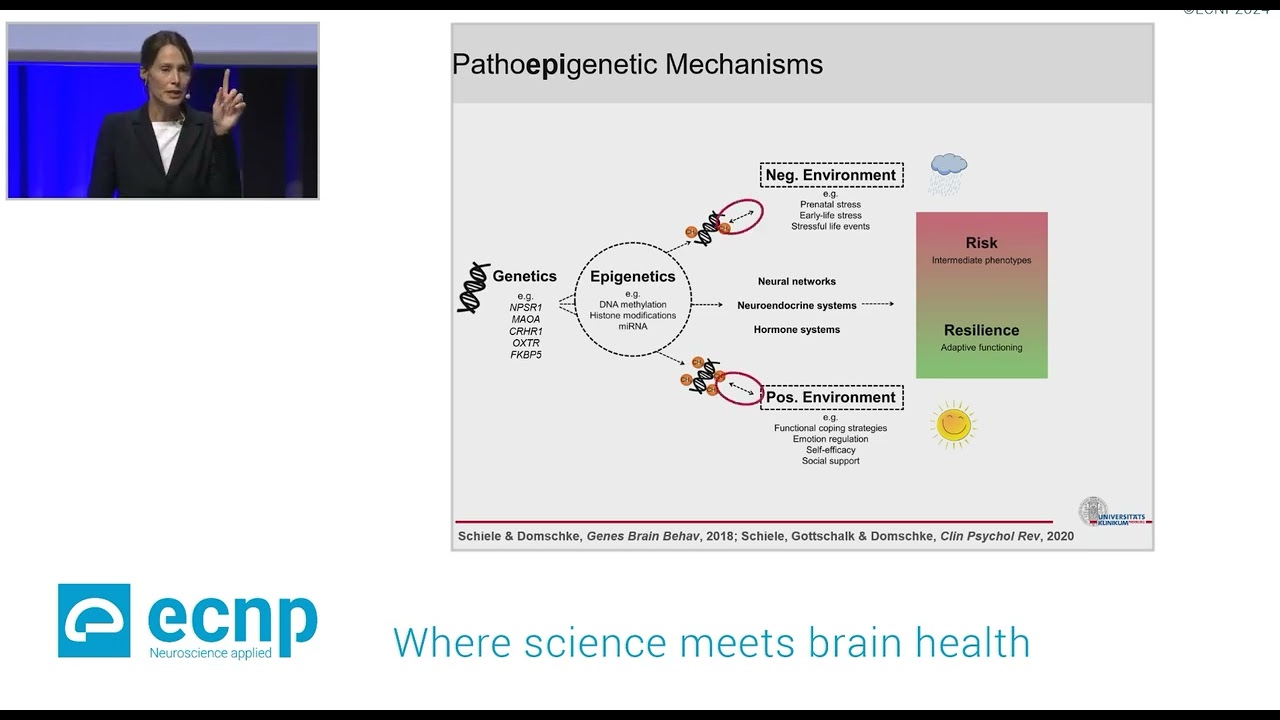
welcome my name is Jim Rodriguez I'm with the 3d Technical Assistance Center at the Mystic solar Institute for poverty policy and research and again welcome to this presentation on the neural biology of resilience before we begin I'd like to say I'm not a neuroscientist I'm a social worker in psychologist comes from psychologists but what I hope to do is provide a better understanding of the neural biology of resilience based on the available literature so a little bit of background here at the SeaTac and at the mixed silver Center we've been interested for some time on trauma and trauma-informed care and its relationship to issues of poverty and focusing a lot on behavioral health systems as we've done that work on trauma informed care and understanding the impact of adverse childhood experiences and the studies done on aces we've been moving more in the direction of identifying and understanding resilience better and as we go through the presentation I'll explain why understanding resilience is so important in the context of trauma and toxic stress but for me I've always been interested in in neuroscience the neuroscience of the human stress response and understanding the human stress response and and also understanding better understanding the neuroscience of resilience so that's why I'm doing this webinar today and while neuroscience is a complex topic and one that can focus solely on individual characteristics I believe that a basic understanding of neuroscience can actually help us to better understand development in context and I hope this presentation will better help you understand psychosocial protective factors and the neurobiological basis for some of those protective factors it will also help you understand how people especially those exposed to adverse events and trauma cope with stress and then I'd also like to talk a little bit about traditional psychosocial treatments and it's tensions for trauma and toxic stress and how they are related to neurobiology I'm going to focus on psychosocial treatments I'm going to speak a little bit about psychosocial treatments in the course of the talk I won't focus as much on medication in cycle form ecology because there's quite a bit of research on that already and then lastly I hope that people will understand the importance and potential impact of neurobiology for alternative treatments and the importance of healthy lifestyles in our treatment and interventions and these are some of those goals that that I want to lay out once again so quickly a definition of resilience the definition that we often use this out there on resilience is this comes from the psychological literature resilience is defined as a dynamic process reflecting positive adjustment despite significant risk or adversity and there's two important pieces to this definition one is of course understanding adversity so we're talking about resilience we're not talking about sort of garden-variety adversity stress daily stress but we are talking about severe adversity and and by severe adversity we mean anything that has high odds for maladjustment things like maternal depression or being exposed to community violence being exposed to traumatic events living in chronic poverty and other risk factors that have high probability or high odds for maladjustment or poor outcomes and then positive adaptation plus is the other important piece of that definition and that's adjustment that is much better than expected given the high probability of the adversity in the person's life and so we've given that definition we view resilience and this is out there in the literature as more of a process as an outcome rather than as an individual characteristic or trait interestingly the neurobiology of resilience focuses a lot on it and the individual obviously the cycle neurobiological aspects of resilience and so with that they're the determinants to we used in biology and physiology that's related to resilience is a low status and that's the dynamic process the regulatory process were in homeostatic control is maintained by the individual or by the organism by an active process of adaptation during exposure to physical or behavioral stress so we do know that there are biological processes that are consistent with resilience and and what research is is looking more into now is again the social context the environmental context of that neural biology that physiology so we often talk about in artwork here resilience as being the other side of the coin from understanding trauma we know from the Aces study that exposure to trauma and chronic stress or trots Express is more widespread than was thought prior to the ASA study and we know that that trauma toxic stress leads to many unhealthy coping strategies and ultimately poor health and mental health outcomes so resilience in many ways many ways is the study of how people cope with stress and adversity if we know that external stressors can contribute to the development of health mental health and social problems among individuals then external factors such as treatment and psychosocial interventions can help people cope with recover and heal from exposure to trauma in context stress so that's why we refer to resilience as understanding the other side of the coin from trauma so if we're Julius's the other side of the coin from trauma and chronic stress before we move on we must understand the human stress response so when someone is exposed to a stressful or feel furlough event this is essentially the human stress response and how the body responds the amygdala which is the area of the brain where emotions are processed especially strong emotions sounds the alarm is sort of the body's alarm system that something threatening is happening a signal is sent to the hypothalamus which produces corticotropin-releasing factor which sends the messages to the pituitary gland to produce adrenal cortex and hormone or ACTH which sends a message today at Drupa to the adrenal glands to produce cortisol which prepares the body for fight-or-flight so chemicals such as adrenaline noradrenaline to the bloodstream and the impact of that is that respiration increases blood flow is forced away from digestion into our muscles and limbs our pupils dilate awareness intensifies sight sharpens pain diminishes and the immune system mobilizes with increased activation we're focused on short-term survival at that point so this is our body's primitive automated and born response to harm or threat to our survival but it can also be triggered when we experience excessive stress or internal worries or for external circumstances so even though I said that adversity and the definition of resilience does not apply to sort of garden-variety stress this stress response is in fact triggered when we are experiencing daily stressors whether that be familial conflict at home work well some of these are adversities actually bullying problems at work with co-workers being exposed to community violence or the traumatizing events so these are the stress hormone but again it can it can occur in the course of daily sort of garden-variety stressors and this response is hardwired into our brains and actually represents a genetic wisdom designed to protect us from bodily harm it's a necessary response and can be helpful the problem is is that excessive or chronic stress leads to over activation of this human stress response that can lead to disorders of the autonomic nervous system and things like muscle tension headaches chronic somatic complaints upset stomach racing heartbeats all of these things can lead to anxiety depression and also contribute to other health disorders such as obesity COPD again all of this stuff that's been coming out of the adverse childhood experiences study so when we talk about the neurobiology of there are a number of different factors that need to be understood with regards to neurobiology there's genetic factors epigenetics which is critically important to understand in in the context of resilience neural chemicals and neural circuitry it's a complex system neuroscience is still trying to figure it all out so what I'm going to talk about today is just describing these different factors but there's some emerging research that gives us some clues about how these this complex interaction of genetics epigenetics neural chemicals and circuitry can impact resilience a little sort of primer on genetics first so neurons there's billions of cells in the body neurons contain the cell body and the nucleus of the cell which carries our chromosomes and argentine entire genetic code is been printed on those chromosomes a specific gene is made up of a combination of nucleotides adenine thymine guanine cytosine so our genetic code is stepped from inception but not all genes are expressed for example someone might have a genetic predisposition for depression that involves a complex interaction of genes but whether someone actually experiences depression likely depends on the expression of a complex combination of genes in throughout the system there are two processes associated with whether genes are expressed or not methylation so that's methyl groups compounds of atoms are added to the DNA molecules that tightly pacts them and can switch genes off and a set elation is to settle groups that you know loosen these the molecules or the space around the molecules and switches them on this is the basis of epigenetics so it's important to understand epigenetics in the context of resilience a nice way to think about genetics and analogy that I've seen I've picked it up this is not totally mine it's from the internet but I kind of appreciate it because I'm a movie lover so so the DNA sequence if you think about epigenetics you might think about the process of creating a movie so the DNA sequence would be the script of the movie the script is written is complete the basic outline of the movie is all should all be included in that script the individual cells in our body would be the actors and actresses and will be vey move things they make things happen and in part the DNA of the script tells them what to do so the concept of veget epigenetics actually comes in when you think about the director so the director can choose or tweak scenes or dialogue and can alter the movie or the script in a variety of ways the script is filled the script but the director may decide how that script and how the actors play it out so epigenetics is everywhere epigenetics controls genes the concept of epigenetics is having control genes it's everywhere it's in the environment um epigenetics is what makes us unique so when you think about if you think about a movie and you think about different movie directors a movie the same script given to Spike Lee will look very different from the scripts if it's given to Steven Spielberg and even more different when you when it's done by Quentin Tarantino this is what makes us unique and also it helps us understand how the script can be changed and in neurobiological terms this is what we refer to as neuroplasticity that the genetic code is reversible or changeable flexible or or plastic and there's many epigenetic factors that can impact the expression of genes exposure to stress environmental toxins prenup the prenatal environment diet exercise the importance of development on critical periods when adverse events and traumatic events take place is critically important and it affects Aging and viruses and infection can also affect gene expression this is just to tie in epigenetics to this conversation around toxic stress and adversity so we know from the Asus study for example in a child with sticks or more categories of adverse childhood experiences is 250 percent more likely to be an adult smoker the two women on the left are identical twins one a smoker the other one is not so if the genes could not could not be turned on and off as epigenetics suggests right these two women would look identical would still look identical at their age but the fact that they they have different lifestyles leads to a markedly different look between the two of them so um so going back to the discussion of the human stress response as I mentioned there's neural chemicals are heavily involved in this process there are a number so as I was talking about the human stress response I talked about the release of cortical cortical children releasing factor and cortisol and noradrenaline so there are a number of other neuro chemicals neurotransmitters amino acids hormones and steroids that are produced when people are exposed to stress that impact people's ability to return to some level of healthy regulation so these neural chemicals can mediate the neural circuits between structures in the brain like the hippocampus amygdala and prefrontal cortex and others that impact cognitive functioning the fear response and regulations of awards and emotions and social behavior so we'll talk about that neural circuitry in a little bit but for now I'd like to give you a sense of what some of the other neuro chemicals involved in the stress response are and also involved in the neural biology of resilience so I've previously described the HPA axis that human stress response that I was talking about that HPA the relationships between the hypothalamus pituitary and adrenal glands it's heavily involved in human stress response and many people already may be aware of some of those some of those neural chemicals like cortisol and adrenaline when the human stress response is activated so and just to review cortisol is associated with increased vigilance and selective attention it prepares the body for action to watch cortisol in the body can suppress in the immune system increased blood pressure and sugar decreased libido produce acne contribute to obesity and more this is why many researchers have many researchers and a lot of research has focused on the production of overproduction of cortisol because of its association with stress and the negative effects of it in high doses but there are some other hormones and neural chemicals involved DHEA this is there's less known about this particular hormone but it does seem to be associated with stress reduction so this is also produced during the stress response and it's associated with stress reduction and studies show that people who perform better under stress need to have more DHEA or a higher ratio of DHEA to cortisol so it's important to understand this and I'll talk in a little while why but DHEA is not necessarily the amount of these neural chemicals that make the body respond differently to stress but the relative balance of these neural chemicals so so moving into the next sort of column that next section there in the hypest excuse me the sympathetic nervous system in a sympathetic nervous system norepinephrine also known as noradrenaline is a neuro chemical that works a lot like neurotransmitter under stress it's produced in the adrenal gland and the brain brain and is the neuro chemical and the fight-or-flight response that specifically helps to focus attention on the threat and it says in a stressful situation neuropeptide Y is an amino acid that acts like a neurotransmitter and it's associated with reducing stress anxiety pain perception and blood pressure and it is also release during the stress response but it NPI neuropeptide Y or NPI is not really sufficient balance to norepinephrine the body remains in stress mode so in many ways cork cortisol puts the metal down puts the pedal down on stress and increases the body's sympathetic nervous system but neural chemicals or hormones like neuropeptide Y help to take the gas take the pressure off the gas pedal gallon is an amino acid that affects cardiovascular and seep regulation the anxiety response it's like MPI in many ways it's it affects learning skills memory and pain response control and gallon n' is also released when norepinephrine is released again in the sympathetic nervous system it appears its body needs a balance between the production of norepinephrine neuropeptide Y and gallon into function best and then lastly moving into the so one of the things that's critically important though is what helps to when we're talking about the sympathetic nervous system what helps to trigger the parasympathetic nervous system which is the body's rest and digest feed and read respond beat excuse me breathe response and so that is what in many ways helps people to brick to come back to some sense of balance or homeostasis so other neuro chemicals that are involved include dopamine stress inhibits the release of dopamine in the reward or pleasure centers of the brain so but stress also activates the release of dopamine in areas of the brain associated with complex cognitive behaviors and decision-making so this explains why when you're under stress you can't enjoy the simple pleasures in life and you can't think clearly but it does help to reduce the stress response likewise there atone is a neurotransmitter that regulates appetite sleep feelings of well-being and happiness and again that helps to suppress the image stress response BDNF it BB NF is a steroid associated with in the brain in the and it's produced in the brain when they're stressed in the prefrontal cortex and the amygdala and in this case BDNF can improve or promote resilience by promoting thinking and decision-making an emotion regulation so low levels of BDNF is associated with anxiety and mood disorders and a low is a steroid that helps the HPA access return to normal functioning so chronic stress can lower the production of aloe and then lastly oxytocin is a hormone that's produced by the hypothalamus and secreted by the pituitary gland it's often referred to as the love hormone because it's involved in many activities and human reproduction in women it's related to two contractions and lactation and Men it plays a role in moving sperm and the production of testosterone but also it seems to be produced oxytocin seems to be produced in the context of supportive intimate gestures such as hand-holding and other types of soothing physical contact it also plays a role in the recognition of feelings and others in the development of trust and reducing anxiety in general oxytocin seems to be associated or produced in the context of close intimate relationships with others so the reason why I'm giving you this sense of an idea a description of all these neural chemicals is again they are produced and can be produced in the during the human stress response but two really important points first all of these neuro chemicals are produced and some are involved in the process of bringing the individual back to homeostasis or healthy physiology and the other thing that's important to understand is that many of these chemicals can be impacted by environmental factors or lifestyle choices for example NPI and BDNF looks like it may be tied to certain types of diets high high protein diets low fat high protein diets or good fat low protein diets are associated with the production of BDNF and and neuropeptide Y serotonin is associated with or is produced in when people are exposed to sunlight massage exercise remembering happy events dopamine is also produced during exercise unfortunately many drugs especially stimulant drugs are also produced when dopamine is G we are also increased dopamine and also explains why many people sort of to these less healthy coping strategies in the context of stress and then so all of these factors all of these canura chemicals have some connection to external healthy lifestyles choices that people can make that help to increase their resilience to stress and this might speak to why wellness approaches and healthy lifestyles approaches can be an incredibly powerful adjunctive intervention for folks who have serious problems related to chronic stress and trauma and in this research I just want to share this very quickly so talking about brain circuitry in this study 30 research participants were given fMRI scans while exposed to either highly threatening violent or stressful images and then on and off between that and neutral non stressful images for six minutes each the scientists found three distinct patterns of response to dress to stress activation of the brain regions that signal monitor and process potential threat distress response increase and then decreased activation of the stress response and resilient coping initially low reactivity of the prefrontal cortex that area of the brain on the left side then increased activation so it's flexible neural response and after taking the scans the researchers asked folks about their coping strategies what they typically or how they typically cope in life and the folks on the Left are folks who kind of talked about some of the healthy ways in which they cope and having higher neural flexibility and being able to deal with stressful events in their lives in healthier ways folks on the right who engaged in risky coping strategies coped many in many ways by things like avoiding stressful situations smoking using drugs other unhealthy ways of coping and so what this what this shows us is that in many ways people's response to stress those who develop healthier strategies have a higher level of activation in the prefrontal cortex they are problem-solving and trying to figure out ways of coping with that stress when they are exposed to it and we're going to move into the neural circuitry now and talk about that and what what that means so Center and his colleagues outlined three neural circuits between the various structures of the brain and the brain that mediate emotional states and can help restore resilience and in this section I'm going to talk a little bit about how interventions can play a role in building resilience and individuals so in order to understand resilience at the neurological level we need to understand the neural circuitry of fear you see that in the red the neural circuitry of rewards and then in the green and the neural circuitry of emotion regulation you see there in the blue the full details of these neural circuits are not yet fully understood by neuroscientists and time for clues even a cursory explanation of these but a quick view of these circuits locating the limbic regions of the brain I'll talk about that and highlight some important points as you can see there are three brain structures that are repeatedly involved in these neural circuits the amygdala where emotions are processed the prefrontal cortex where planning reasoning and judgment take place and the hippocampus where memories are stored while stress can contribute to this regulation of these circuits to promote unhealthy ways of coping and ultimately lead to more physical and mental health problems resilient coping can lead to more healthy ways of dealing with promoting healing and recovery from toxic stress and trauma so for example in the fear circuitry just as traumatic or fearful events can be conditions through the hippocampus which stores memories of the amygdala that process fearful events inhibition of the amygdala by the three prefrontal cortex can help to control the fear response so interventions such as exposure therapy and in vivo masteries have demonstrated effectiveness in helping people learn to control their fears and inhibit the the fear response in the amygdala in the reward circuitry the nucleus accumbens regulates the person's response to nap rewards and is also involved in addictive behaviors so we know that people exposed to traumatic and and chronic stress can sometimes cope with adversity by using drugs and substances however studies have shown that positive emotions and optimism are linked to resilience and the reason fMRI study by sheraton colleagues demonstrated the increased activation of the anterior cingulate cortex that are ACC an area the prefrontal cortex and the amygdala was associated with imagining future positive events so this indicates that interventions that help individuals think about the benefits of engaging in healthier lifestyles can be rewarding and help people move towards here lastly the emotion regulation circuitry involves two complex subsystems however a number of studies have begun to demonstrate the cognitive reappraisal or the ability of individuals to reevaluate the meaning of negative stimuli the meaning of negative events in their lives involves the capacity of areas of the prefrontal cortex to be to reduce amygdala activation this may help explain why interventions that can help people gain some positive meaning in their lives from adverse life events can promote healing and resilience so interventions like these allow the person to experience the discomfort of talking about remember or remembering or confronting fears that have been wired in but in a supportive way that allows them to rewire the neural circuitry Zafir rewards and emotionality so it's healing and health so this gives you some idea of why our interventions work I want to stop there and thank you for joining us in this brief description of the neurobiology of resilience please feel free to email me at JR 4139 at NYU dot e-d-u if you have specific questions or if you want information on the references or to request more offerings on this topic you can also email the SeaTac at sea-tac NY at nyu edu if you also want to ask for more information or request more offerings on topics like this thank you
Up Next
57:15
How Gut Bacteria Influence Mental Health: The Microbiome & PTSD
@BBRFoundation
12.5K views•2017-07-12
21:55
Deciphering Neural Circuits Controlling Anorexia in Mice | Richard Palmiter
@AllenInstitute
2.3K views•2011-10-10

4:10
Vagus Nerve (CN X): Anatomy, Nuclei & Functions Explained
@Alilamedicalmedia
305.2K views•2022-10-31
13:03
How Exercise Benefits Your Brain: Science Explained
@TED
11.4M views•2018-03-21
Related Study Plans & Knowledge Roadmaps
Structured learning paths in Neuroscience
neuroscience
Appetite Regulation: Brain Circuits & Hormones
01Foundations of Endocrinology and Brain Anatomy
02Introduction to Energy Homeostasis
03Peripheral Signals: Leptin, Ghrelin, and Insulin
+ 2 more learning modules
14h5 modules
Explore Roadmap
neuroscience
Neuroeconomics: Value, Risk & Brain Mechanisms
01Foundations of Neuroscience and Brain Anatomy
02Introduction to Neuroeconomics and Subjective Value
03Dopaminergic Prediction Errors & Reinforcement Learning
+ 3 more learning modules
18h6 modules
Explore Roadmap
neuroscience
Spatial Navigation: Cells, Grids & Brain Maps
01Foundations of Brain Anatomy and Memory
02Place Cells and Head-Direction Cells
03Grid Cells: The Brain's Coordinate System
+ 2 more learning modules
12h5 modules
Explore Roadmap
neuroscience
BCIs: Neural Decoding & Prosthetic Control
01Neuroscience Foundations: How the Brain Signals Intent
02Signal Acquisition: Recording the Brain's Activity
03Neural Decoding: Translating Brain Waves into Data
+ 2 more learning modules
25h5 modules
Explore Roadmap