









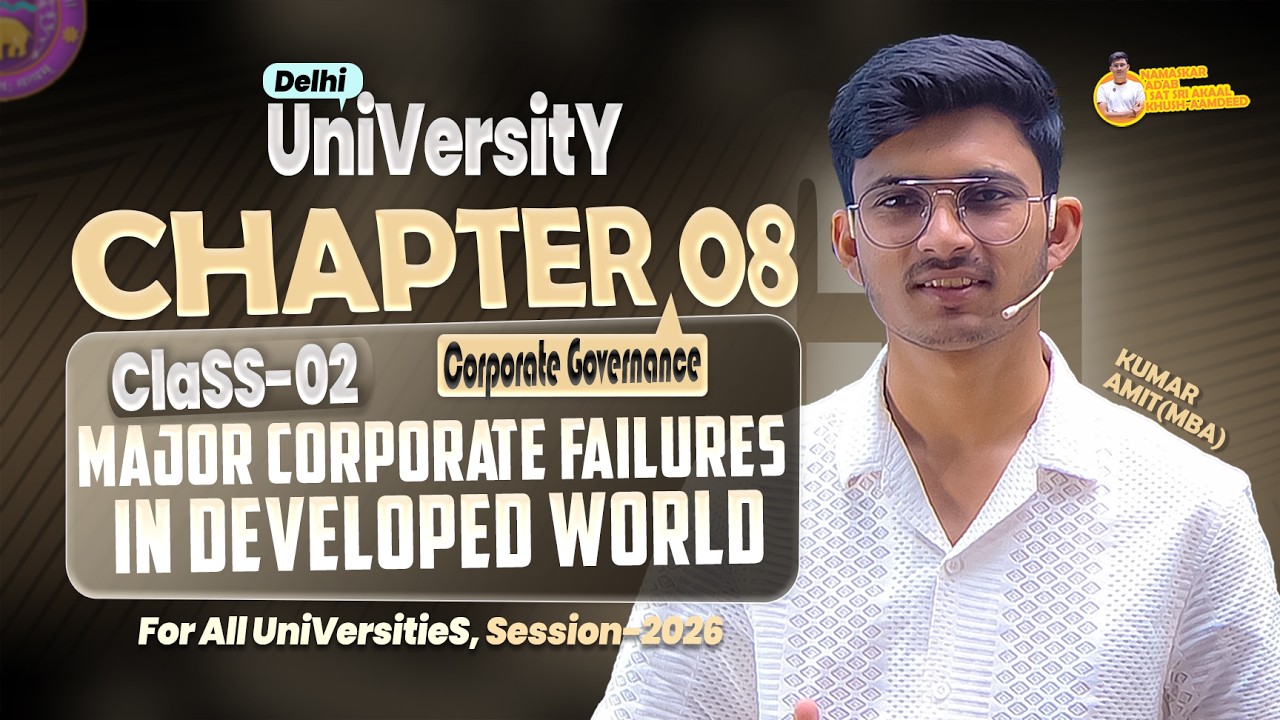

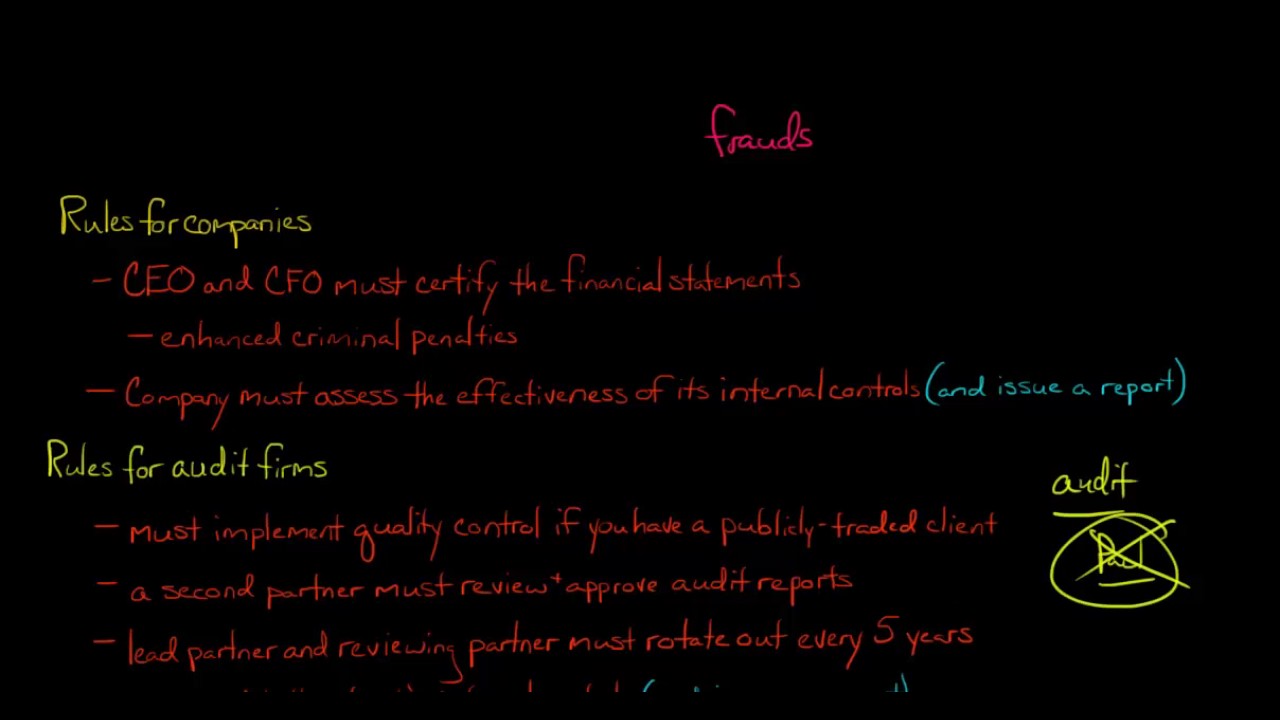


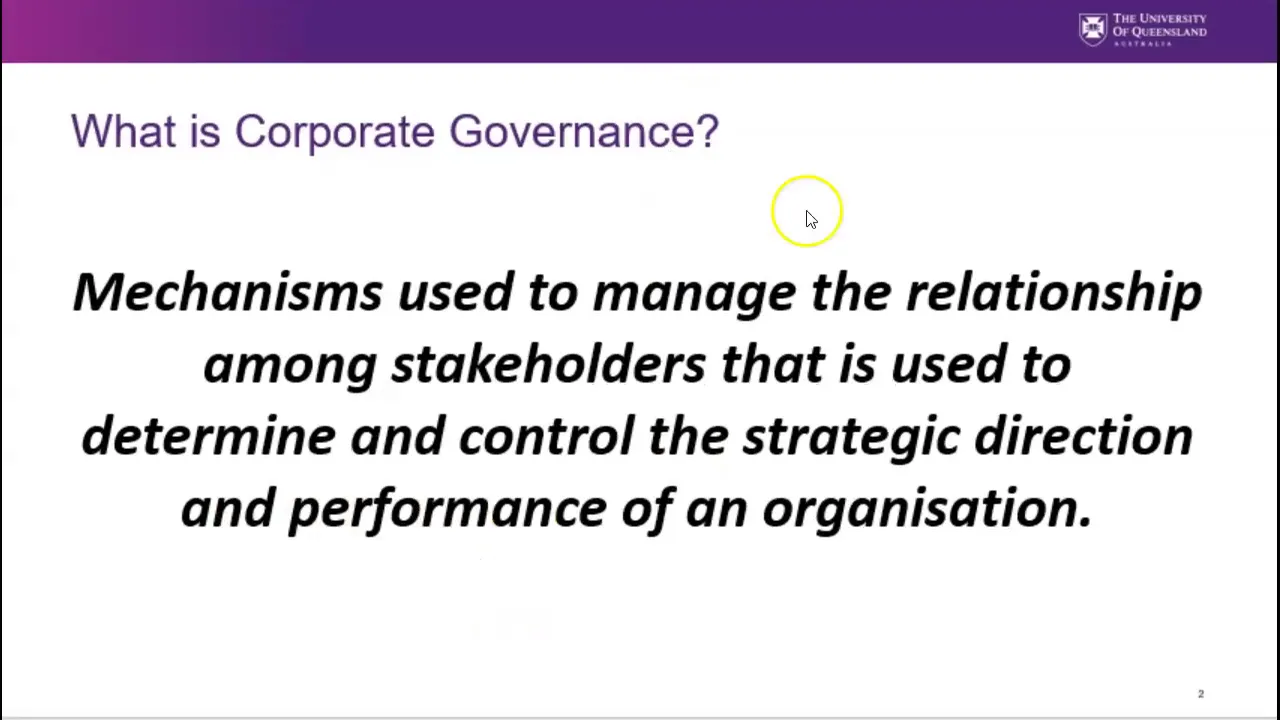







Corporate governance is the system by which organizations are directed and controlled, distinguishing it from day-to-day management; it encompasses four core principles—accountability (boards must answer to shareholders), fairness (equal treatment of all stakeholders), transparency (providing timely and adequate information), and responsibility (satisfying all key stakeholders)—implemented through a hierarchical structure where shareholders appoint directors who oversee executive management, with boards comprising both executive directors (who hold management positions) and non-executive directors (who provide independent oversight), supported by specialized committees like audit, nomination, remuneration, and risk management committees.
Corporate Governance Explained: Principles and Board Roles
Added:Basic understanding of business entities, particularly the organizational structure of a joint-stock corporation (shareholders, board, and management).
The concept of 'Agency Theory' and the inherent conflict of interest between business owners (principals) and managers (agents).
Fundamental business ethics and the concept of fiduciary duty.
Basic financial literacy, including the role of auditing and internal financial reporting.
Analysis of landmark corporate governance failures (e.g., Enron, Lehman Brothers) and subsequent regulatory responses like the Sarbanes-Oxley Act.
The design of executive compensation packages and their role in aligning manager and shareholder incentives.
Integration of Environmental, Social, and Governance (ESG) criteria into modern corporate strategy and reporting.
The mechanics of shareholder activism, proxy fights, and hostile takeovers.
Comparative corporate governance, studying the differences between the Anglo-American market-oriented system and the continental European stakeholder-oriented system.
20.8K views307likes1:47:16Original Release: 2021-01-02
great so once again welcome you all to today's section today we are going to look at for corporate governance everything about corporate governance and you'll be fine so let's see corporate governance good so corporate governance everything to know about corporate governance so first of all let's look at what is corporate governance their definition for corporate governance then what is it about corporate governance basically talks about how organizations are directed and controlled so it's coming from the word directed or controlled so it's a system in which the system right google governance just refers to 16 and which organizations are directed directed and controlled yes you can bring manage but um google governance is a bit different from you managing an entity so we will look at a few different now corporate governance move beyond just managing the entity when you talk about management or managing entities you are just talking about the day-to-day activity managing the day-to-day stuff managing the day-to-day stuff but um global governments go beyond that so that's what we are going to look out for so basically so what would be the distinction between management and corporate governance there's a difference clear difference between these two terms they have to get declared now the corporate governance directive or instructions is in the hands of the directors so the directors they direct and control the organization usually the board of directors is in the hands of the board of directors and the management of the organizations also in the hands of the management team so there are two people running the organization their board is doing their part which is not the day-to-day activity and then the management team is also doing their part which is the day-to-day activity so now you see the clear distinction so what the board does it's what we refer to as what corporate governance so corporate governance refreshes systems in which the organization would control or direct it directly from the top so you realize that the board of directors have much power than the management team because the management have to report to the board going to answer questions about it so basically that is the difference between management and what corporate governance corporate governance do beyond just managing organization great and then decisions that we normally take at a corporate level affect the entire organization good so that is the corporate governance the corporate governance then we look at the board and then those that charge governance their respective functions and then the rule good and basically we look at the the principles of good corporate governance the principles of good corporate good now shareholders form parts plain rule in the corporate governance normally they sit on the board they have a representative on the board so they affect the controlling and the directing of the organization good so their rule is make implement appoint someone on their behalf on the board state that that person will look after their interest so if we're a shareholder and then you can appoint members onto the board on your behalf so that that person look after your interest if you are not on the board can appoint someone that will look afterwards your interest good great so now let's look at the principles of good corporate governance so principle of good corporate governance so in the good copper governance what are the evidence what are the attributes what do you see what will be the driven factor the force what will be dead you feel realized that um this organization has been concluded well it's been directed well so you pick the very first one we have what you call accountability so the first principle on the list is what accountability good so accountability accountability it's a principle so that's the first corporate governance presence in fact these principles every body of corporate governance have their own yes we have oecd they brought a principle so after this one we look at some few of other principles also have the principle of what good corporate governance practice good so now when you talk about contamination what do you mean here we are saying that those charging governance who are those those charging what government charge the governance those that they have to direct those that are in charge of the corporate governance they should render accountable or they should be accountable to the people employ them we are saying that is the board of directors who are in charge of what governance so we are these principles suggest that this board they are what they should be held accountable or they should render accountability reports to who the employer so we employ the board of directors booth is that shareholders thank you the owners so shareholders good so the shareholders they have to appoint members onto the board so that their board will look after their interests or their shareholders you know they can't be on the board so that appoint few members onto the board then good so those board of directors these principles state that they are directly accountable to who the shareholders because if someone have employed you then you have to also report to the person regularly so that's the first principle of good corporate government it says that the board of directors who are entrusted the directing and then the control of the organization in their hands the board of directors they control the direct organization so they have to also discharge their accountability responsibility to their shareholders so that's the first principle good now let's type further what are they going to render accounts too so they're both what are they going to talk about so let's put some viewpoint down what they are going to render account so first they are going to talk about monitoring of the executive team or executive managers so monitoring only train of what the executive members or the executive managers so this principle stays bad you have to discharge your duties to shareholders in terms of monitoring goods and then any other principle stated in the laws and the regulation so principle prescribed in the laws and regulation regulation so these are the systems in which the board of directors render an accountability rule that of the shareholders you know owners have set up a business but they are not managing it themselves they are not continuing themselves they have entrusted their control or the directing of the organization into the hands of food what you call the board of directors so agents agents number one board of directors agent number two and then the board of directors to have employee management in recorded executive management we will look at this structure executive management good so this one is being headed by the board chairman executive team headed by the ceo chief executive vote officer or the md also the board have also employed management team to also conduct the day-to-day activity whilst they are also seeking board they're directing so it means that these people um they are a bit powerful so so powerful just that the real powerful guy is who the owners because they employ the board and then the board also employed it the executive management so it means that these people have an accountability rule to render to who that of their owners that is the point that we are talking about here good so basically that is it now let's move on to the next principle great so the next principle that we will talk about it is fairness we are saying that the good corporate governance principles there must be accountability the board must be held responsible for the actions that they take to whom shareholders that's what you're talking about your board must be responsible for the actions that they take decision that they take so if you come and then be on the board and then you act act with the word negligently then you should be heard liable to that of the shareholders that is accountability whatever you do run that account towards the owners the next one is fairness oh yes there must be fairness fairness fairness simple means their board must give equal opportunity to their shareholders equal opportunity towards their shareholders about their rights about their rights they should allow their shareholders to exercise what they are right fairness that is the fairness over here if your boss of employee and now you're preventing your boss to come and then control you now you are now powerful than your boss good normally happens it happens in the service industry yes when you go when you come to service industry is inevitable normally those that do the work they are far from the boss take the legal team take a look at him or fame of lawyers the lawyers that they have employed by the owner now they are the bosses yes because they are the one that runs the business if they don't move the business does not move so they can detect good so here we are saying that the board of directors must grant their shareholders adequate opportunities and also rights and then they are responsibilities so that's what we are talking about here fairness there must be fairness on the board in decision making appointment contribute effectiveness a good corporate governance principles so in simple quotes in fairness shareholders rights must be protected and have to give equal opportunity towards other shareholders no preference me i was appointed by children on my aim so is i what in favor of that person if someone if another child would have another group where i was not the one they are not the one who appointed my enrollment from all my involvement i'll go against us so that is it so here we should protect the rights of the shareholders go to the rights of the shareholders that's a fairness that we are talking about protect the rights of the shareholders and give them equal opportunity don't disadvantage any of the shareholders and then likewise on the expense of the other or an advantage of the other person so that's what we are talking about good you can pick a question now finally over here to we can also say that gives you call hearing to all the shareholders yes to address or voice out their their challenges if any have a challenge the system must allow all of them must provide a fair basis now that some of the shareholders they can come straight and come and then discuss their challenges other ones have to go to the assistant yes no here we are saying that grants equal chance or equal opportunity to the shareholders for them to express their challenges or any issue that they have that's the fairness they are talking about good now let's move on to the nest so the next principle is what transparency so for transparency or transparent here we are saying that the board of directors they should provide timely and adequate reports or information about the company transparency so that and the owners they will not suggest or think that they don't have access to certain information or they have little information only the board and the management team are holding the information the owners don't have so here to avoid this then this principle principle for transparency suggests that as a board make sure that timely regularly finish their owners with adequate information about what about the activity of the organization so that's why you prepare quarterly reports monthly reports yearly reports annually and then so on you prepare report and issue them out if you tell them what is going on other than that one if one person have more information than the other then the fairness is not there the fairness is not there two they want to have more information who use it as a disadvantage or for the owner good and this includes what you call agency problem agency problem so we will look at that so that's the transparency so we are saying that for transparency make sure that the board provide what timely or regularly or routine adequate information or report about the activities of what the organization basically that is the transparency then we are done down to it again perfect so this relates to the board yes it relates to the board the principles of good corporate governance if you look to those charged with governance so it's between the board and what who the shareholders the employers of what the board of directors so that is it that's the principle of google governance and then sometimes standing towards the organization good so that is the principle great now with the transparency it means that there must be what free access to information yes the boy please do not block any shareholder when they try to request for information good good so transfer simple means uh information must be shared freely to are the key stakeholders now the principle we are sending to other stakeholders but the most key ones is the shareholder that's why we always talk about them about that tree all that i've talked about is so far it's relating to the shareholders because they are there but they have the highest power when you come to that of the corporate governance they have power good and the last principle that i will talk about is the responsibility responsibility is a responsibility good so here we are saying that the entity must provide the interest or satisfy all the key stakeholders required by law anybody that your activity affects the key stakeholders you have an obligation to satisfy that person so that's why a customer can take you on to cut that's why a supplier can take you to cut yes because it's a stakeholder or keystoker so you are responsible to maintain its interest so that's a responsibility so responsibility principles suggest that the board or the company as a whole must provide the interest of all the key stakeholders not only shareholders or not only the directors themselves it's also care for the other people provide for the other people good so now we are done with that of the principles of good corporate governance good now we will go to the system their system of the corporate governance and then we look at it from that angle so first look at the structure so from the shareholders shareholders to go board of directors and then towards executive management so these are the rules so now we should know the functions of the shareholders and then the functions of the board the functions of the executive managers for this these functions can be find the last two settings paper so we look at that now we are going to look out for the functions of their shareholders what they do not body noise shareholders right they are the one that secure said they've invested their money value of purchasing shares in the company we look at these three people they all rule their functioning because they are three different you know together and the people that charge the governance especially the board of directors they are the buddha child about governance so we look at their rule and they play then each of them so please and please again you know the rule played by all these three people let's tell the shareholders they are rule so the good board of directors in that order sell this they can actually who is a shareholder who is what a shareholder and then explain their functions or their role now if i sell this they are in there for approval so most of their role is in the form of what approving documents are proving decisions so what are the decisions that showed us who approved that is all shareholders most of their job their rule is to approve certain decisions in the company but the company is for them is a company they are the owner so certain decisions have to pass through their hands what are they that's all so first one we'll talk about what appointment of what external auditors so decisions that shareholders need to be approved so decisions that shareholders need to be approved no need to be approved decision number one we will talk about appointment of what externa auditors so number one appointment of externa auditors dude so appointment of external auditors no subjects instance number two what about appointment of members onto the board so shareholders they have to appoint members onto their board before they will appoint you onto the board show others afterwards approve that shoulders have to approve your appointment onto the ball so that's the second row appointment of members onto the board right go so a point the appointment of members appointing of members onto their board right put onto their competing board so then what are the other approval selling substantial assets if you are going to sell substantial assets of their business shareholders have to be approved our shoulders need to be informed and they will approve that yes you are going to share sell what substantial assets so the corporate asset if i selling oh in fact not yes one would do very cool so that's how to approve no that's not what you're talking about substantial like something of great value something that when you sell is like this company's offered the company shareholders need to be away or if you are selling all the assets so if you are selling all to number three don't talk about selling all selling all or substantial very great value shareholders need to watch approve all these transactions good so basically these are the rules that um show this that there are many so we discuss remaining parts good portraits good okay so to go over first user appointment support external auditors second appointing members onto the board to selling all all substantial assets of the company good selling all substantial assets all the company show their stuff to approve that perfect if you ask the question on the board at the point can they say that they are too many so they want to reduce it now shareholders have to approve reorganization or capital reduction scheme so this must approve capital reduction scheme or reorganization amalgamation measures acquisition shareholders mother ought approves so they have to approve decisions with regard towards reorganization amagamati measures and acquisition if the company want to go through capital dashing process shareholders need to be informed and approved before the process can continue so that's the point number four so that's the point number four point number four so shareholders need to approve reorganization amalgamation measures and acquisition showed us how to approve all this before take into consideration now shareholders have to also approve when the entity want to add a function want to add another another area of business or restrictions don't impose certain restrictions or remove restrictions on the business shower that's need to approve good shoulders you need to approve all this decision great killers need to approve all these distractions good so take notes of that now changing the cooperation capital to need approval from the existential orders so changing what the corporate share capital without increasing it reducing it shareholders need to approve good okay so these are the few uh functions of what shareholders in terms of approval good in terms of approval so that's the road that they perform now let's go to the bottom directors who are the board of directors so let's go to the board of directors now we're down here with this let's move straight to the board of directors okay great now let's um continue the game without a board of directors what are their rules they are functioning who are border directors now all listed companies required to have a board good all listed companies you have location board of directors now basically the board of directors they are there to come through and direct the organization and then report timely towards their shareholders and they're also there to provide the interest of what they share with them now the board of directors is combination of what decision making they take decisions why shareholders approve they will take what the decision so you see the rule right so that's the big boss they have to approve one of the writers have to make that critical decision and then they tell themselves to approve so if you take the board of directors no shortcut to the outro is in two they only make decisions the making of what of certain decisions or economic decisions so making up decisions they make decisions so let's go straight forward about this we just make decisions and then two they also have monitoring role yes monitor so monitor the activity of the organization so monitoring so all the specific road that we are going to look at the board of directors they are in there to make decisions and to monitor but that things are done right that's all that's all we are born overseas to check the activities of the executive management so let's look at the specific functions of the board of directors these two are the general functions from the bottom directors that the specific function that we are going to look out for it will be the breakdown of this then we are done so specifically let's look at the first function of the board of directors the first function of the board of directors so here we are saying that with a board of directors they determine their strategies for the corporate world's body so they give direction so they set strategy to settle strategy strategy and what direction wow direction let's give a clear direction set strategy and give awards clear direction don't no that is the one number two they supervise and monitor the executive management i like that they do what supervision the supervised and monitor monitoring issue and monitor who the executive management executive management so the board of directors have to make sure that they supervise and monitor the executive management good so that is it that's the first and then the second specific rule this one's a general rule so an example asks you what are the fines of the bottom directive oh for the board of directors um they are rules in direction of making of decisions and monitoring of the executive board or the executive management now below are the specific rule performed by the board of directors board now the board of directors designed internal controls the design was internal control the board of directors designed the internal controls and the management team put the internal control into actions and like that every single connection is the board that have designed internal controls control over cash control over this control over asset control purchases control over buying it must be set by who the board of directors but who carried this control is a management they carry like an instruction in common instructions good so that is the third point second of what internal control internal control good then we can also talks about supervised and monitoring as it gets bored you can go ahead and then look at that the animation packages for that of the executive management federation was packages for executive management so it means that it is the board of directors that will determine the amount to be paid by who the executive management for instance money to be paid by the finance director finance manager yes all the pay will be determined by who they bought yes the board should determine the salary the immigration packages that we should be able to give to who the executive members for the executive management team now the next one is through the audit content the board of directors challenge the quality of financial reporting of the organization so point number four they challenge i like that too they do not challenge they challenge their quality quality of what reporting or quality of financial reports the quality of reporting in the organization they challenge the quality of reporting in the organization so that is the that is the role great so we said that the board challenged the quality of what financial importance because when the financial statement is being prepared or the financial reports been prepared it must send to the board for approval so if you go and then the one purpose is the management team have to go and answer certain questions for the quality purposes before finally it will be hand over towards the auditors because if the board does not challenge the financial statement and go to the house of the test and fraud or material has been detected it go against the world yes because the company think the border was those things together the one who know me what standard that oh it was the company who was managing who was directing the company good so that's why they have a role to challenge the quality of the report before any information come out from the company the board must make sure that that information is what authentic is fit for represented good now this one is a subset of one of the point that we've cut already let's go to point five point number five rule number five of board of directors the board is responsible for assessing risks and designing and implementing of what risks controls so they have to do what first assess risks to assessment of risks so first assessments responsible for assessing risks to the body's world responsible for assassination organization and designing after you assess that the way we keep cash our company of late is highly risky but one day we can test someone who can just walk in take the safe or open the seat whatever amount the hand hold and run away with it so now let's now design and implement control over the risks that we have identified if we are mining firm you do have your wrecks we call it what the business risks good if we are bank we do have rex financial institution if a trading company does risks if we have farming into farming a greek rex if if we're a poultry farmer sometimes that have foul disease oh i have power who gone by this xmas you'll get some to sell yes so all this one is in the hands of the board so then they are the body after now we assess the were our atm there's no ctv game right there try somebody can come and manipulate it for us yes so let's face it we came right there good the way our atm is too far from our security point no it's not safe let's get to close the security point assassin riggs and implement it make sure that the atm has moved from where it was to the security point you have implemented it not just assessing that oh people can just come in and then and walk straight to uh today atm and then you do any amount or like fought look if you access it you'll see about what design design goes to ways to mitigate such wrecks the board of directors to can also determine direct appetite for the company yes the amount of risks that they cannot accumulate certainly you cannot accumulate too no it's over you in fact it's over you certain ways you cannot donate looking at our capacity look at what you have can we accommodate certain type of risks every one day your board has made this enough all your money that you should go and then trade um in forest forest trading try what if all this money let's say about 30 percent of your reserves they are going to easy to trade in their works 30 percent of the reserve or 30 of your of your cash they are going to use you trading what the stock market or even let's say the treasury not the forex market yeah there is a you can we can lose everything up and down so you can gain boom you also lose can also lose everything boom so if you are going to invest all your egg in one basket and offer them for you all of them cash if you have other eggs iran you've been feeling too you've been feeling it i mean when you have a lot of cash over 50 000 going even when you're 50 gallons it is fell down like a nice little fell down let me feel it but when you spend all your money finish play on one cd for now in a broad daylight you won't both like to look for it because you cannot accommodate that loss of language meanwhile you could have accumulated what loss of 100 ganaches when you have over 50 000 cities so at any point this time we have the risk that the company can do what accommodates and our appetite good so it is what all for the board of directors make that decision good now the same risks the same rates point number six now the board have to monitor the effectiveness of the risk control and keeping them and a lot with you so that means when it when he talks about rex there there about three keywords four points under wrecks we said the board is responsible for what monitoring the effectiveness of what directs control the controls that you put in place to mitigate the wrecks are they effective monitor and see whether they are effective good and keeping them or keeping risks under review so review directs and see but uh in fact you are making what a headway that is it okay so it's given 6.6 and then i'll give the last point then move on to management management i'll give the last point then we go to management then we come and take the board and talk about it into detail because we have to talk more about the board the last point that i'll give which will be the rule or the function of the board of directors is to report to shareholders on its review of internal control they have to report to shareholders on its review on antenna control so number six what is your number seven report to share with us the report to share this on its review of internal control that's going to show that the states of the internal control whether the internal control they have is adequate or they're in the process of developing adequate ones good assessing the compliance level of the corporate body that's the last function so that's making it right assessing what the compliance level of the corporate body so are they complying with laws enacted by the government and other agencies are they coping with the local loss especially [Music] assessing the compliance level of corporate body assessing the compliance level of corporate body especially the foreign companies trading in the country are they obeying or comply with the local laws or their bodies or they brought their own foreign laws the board have to make sure that compliance it's that highest good so that's why um with the financial institution we have what head of what compliance the very critical section make sure that you comply all laws and regulation locally internationally don't go for our business you have to comply with it now let's go to management then we come back to the board in detail management so let's quickly look at the rules or the functions of okay so management team what are their rules instead of governance management what's their function now for management team but they take the day-to-day decisions the day-to-day they manage the business okay locally right yes good so day-to-day activity so specifically the first rule or the function is to carry the instructions the policies and the controls set up by who the ball so that's the first function of the rule performed by who the management team towards to carry out to make sure that the objective of the ball will come into pass so that is it so management to implement so implementation so one might have to implement our implementation of policies and what decisions taken by the bottom directed decision taken by the board of directors to their body good so that's the first function of the management team they have to take or carry the message that the board of directors have for the organization they have to now carry it and then like implement it and make sure that it will add healthy good now for the management team they also make decisions with the type of product market that a company must build in so that type of product a company must produce management make decisions towards that so management have to decide which products you go in for and then the other section so the product that organization should pursue so products that organization should produce products and what services that the organization have to pursue how to perceive so that's a it's a management role yeah basically you can also looking at um review of what antenna controls review of internal controls they also review internal controls yes for instance uh antenna auditors or the internal audit function is part of the management good and then they review the internal control what that is in their position world now this point so that's a point three review of the internal control i went to point four the point four is very important management is responsible for prevention and detection of what fraud prevention and what detection of what fraud is a management responsibility so management is responsible to determine what or to detect fraud and prevent fraud yes this is not the main duty of an external auditor no is the management team who are responsible for detection and prevention of fraud so that's the fifth point that we will look at it so basically that is it now we will come to uh the board let's dive a bit detail to the board the remaining points are in their handouts one are posted on the platform all the rules are misleading many of them good now the management team rules their head so we can also pick some key management team and then they ask for their function management team is headed by who all the management in the offices they are officers what are the accordance of managers or directors why is informed part of the management team officer good and then their boss is who they see you the chief executive officer so they see oh heck the management team they see on the md so they see oh or the md head the executive team so he's the head of the entire executive board managing good so that is it we should know their responsibilities they have function friends of cu or the md fans of the md or the ceo is the head of what good he is responsible to answer questions query on the board meeting so he will be queried or he'll report to the board on the performance of the company regularly so they want anybody to like defend the company is that what they see you who carry the company performance at a board meeting at the board level so that's the basic function of the world the ceo he is the head of the executive management good and then we also have internal auditors internal auditors they also form part of their management these two guys are a bit powerful yes so you know they are functions or they are ruled that they perform especially the antenna on it has been splitted nicely in the manual so when you get it and then good now internal audits they but i sometimes call them the executive for this company they review their wrecks facing the organization yes they also view their expression organization and then they they implement the internal control set by the board of directors or the management team so they carry the mandates or the instructions of the audits from team good so that is it so basically antenna audits function and then they also enforce the implementation of the internal controls we've talked about that one two nine ten auditors in fact they prevent and detect fraud we started the responsibility of the manage management team to detect what and prevent fraud internal auditors are part of the management team they are responsible for that they are in the executive management so they have make sure that controls are working perfectly if controls are not working they report back to who those who say they come true and then they can also make recommendations to the board and to the management oh i suspect that you should have a second key i suspect that one person should not have access to our cash or i suspect that one person should have assets we separate them and then two people have to sign before cash move from the organization basically that is what we talked about okay so that is the antenna that finds on the internal audit so the carrying what management team the objective of management team they move it into what reality good and then they report to the audit committee of the board they report to the audit company they report to the audit committee on the board but in terms of management level the report who as they see you good so that is it now i can go and then look at my mod i can go and look at my my board the board the board look at the functions there are two types of directors on the board two main directors there are so many directors but you are going to look at you executive directors can write non-executive directors so who are they so ezra gets into it and what non-executive director so now the executive directors is the director who on the board and also play a management rule so they have the two functions the other companies bought at the same time play or form part of the management team so for instance the antenna auditor if the internal auditor is on the board then such a person is an executive member or executive director so let's say finance director number one finance director they see you or they empty yes you go on the board they see you and then the empty good so these are the two people now i'm not executive directors they are the directors that are not but i do not take active management of the organization that's the day-to-day running they are the outsiders you can see people that on the on the company board which are not working within the organization they are called non-executive directors good and then we need them so if we take a typical board they're comprised of this executive and non-executive directors the non-executives they don't take part in their management day-to-day running of the organization they only come when there was a board meeting or when there's a issue that they have to resolve that is the end unlike the finance director who reports every day not exactly that they do not report every day they have their functions you look at their functions too the functions of non-executive directors they find some who non-executive directors they have their own functions good so we look at them they advance that epic three risk challenge and then road good so their fashion is a bit three rings they also assess the risks and then two monitor and challenge challenge or supervise the executive directors the monitor supervise and challenge or the negative directors then three you can also talks about reward yes they designed the reward packages for who the executive directors so the non-executive directors will determine the pay of executive director good so that is it you talk about the functions rex and then monitoring and then the road okay now let's see let's see the composition of the board varies from company to company depending on what your size however we have the minimum quota good okay great okay let's go over the executive and non-executive directors executive directors they are the directors that's what they are the directors that on their board at the same time take the day-to-day activities or partake in the management of the business so he's a a manager at the same time a board member for the same company you are called executive director you are who a board member at the same time and director of the company at the same time you're on the board so you are executive member or executive director but if you are director of the board or a member of the board but you don't hold any position in your company you don't report functionally in the company don't report daily on the company you are what non-executive directors you are a non-executive director so if you don't report to the company but you only come around when there's a board meeting and then and then all right then that's the non-executive and we said that another executive challenge the executive the supervisor executive yes because if you are part of then you can supervise your move an outsider can do this provision very well than an insider so those those are not within they can come around come and supervise us those within and see whether they are doing what will contribute to achieve the objective of the organization okay so basically that is the difference then we went ahead and we said that the rules of who the executives are the non-executive directors who said that rex they are suspects facing organization and then design controls to mitigate such wrecks and it says okay they also challenge monitor and supervise the executive management and they say they also design the remuneration of packages they also designed what the remuneration packages for the executive members good so these are the functions of the non-executive directors now we know the non-executive directors yes they are or the function that they play in organizations this okay good now let's go on to that of the board of directors and then they are composition and then the counties another board of directors good now the size of the board should reflect the industry knowledge about the company so the boss size is often depend on the capacity or the size of the organization ideally the like that organization the the number of people on the board so if you are operating a small-scale business you need a board so to this they have a board no we are talking about company where they have a lot of a lot of business activities good so the boss size we don't have a precise one size you have ten five fifteen no then cut it according to your size or your capacity your stature or your capacity yes that the minimum amount would be four minimum as you would for gold this minimum is as a result of the thing good corporate governance principle so minimum of four on the board not for on the board and majority should be non-executive if it's a financial institution it must be it must be a bank it might be a guardians for a bunk booth so perfect now let's look at the committees under the board and then their respective functions from this that we should have under the board once you are listed companies have a board and then the board must be headed by a chairman in which if it's a listed company the chairman should not be or the chairman and then the ceo should not help out the same person the same individual especially for bank whether listed or not our corporate governance principle does not allow they see you or the md and then the ceo and the chairman of the board or the chairperson is in the same individual no why is it like that so why is that they see you they see those rules and then the bottom ones you must be performed by who individuals one to prevent unaffected power if you are now ask the uh the voter person or the chairman and then that of the cu in the same person it means that that person cannot be wrought i cannot be carried he had the board at the same time had what that the executive management so that person if the person is making mistakes no one checks on a person but if they are in different hands at least one one person make mistakes the other person will be there to correct because they are two tough people and this new position please this one is for what listed company and unless that got bank for a bank bought off the chairman of the board and then the ceo of the management team should be a different person and honestly company so for a financial institution in ghana that's resort listed company aside this you can have so if you see a private company unlisted company the chairman can be what they see you there's nothing wrong with it because it is not a financial institution or a listed company i can give you a bitter example in ghana if we take indu indian group yes okay great we're about to look at the communities that we have under the board but uh the head of the board with chip in the head of the board you are saying that the person who should head aboard is the chairperson is ahead the person should have a management team is what they see you and these two positions should not be held by the same person or one individual why are we saying that by saying this because that person will have unaffected power nobody can call that person nobody but here we say we have a limit if it's a financial institution or listed companies that's where that who applies like the company is unlisted oh they see what can be there the chairman of what they bought good we look at the contest after this after chipping this because the last one that we will do good so i was giving you a quick example before he resigned as a chairman pakistan was the chairman of the board at the same time they see you good so that is it now i'm giving a try out work you should know the the rules of the chair person or the chairman of the board oh yes please yes please good all of them take defensive line so the other people who have the same person being the head of the management team as a ceo at the same time chairman over here and they are saying because they don't want to pay different money to different people you can just give it to one person and then we move on but for listener campaign no financial institution no shouldn't do that good so that is it now i need the functions of these people let's look at the ceo i think we've come across you left with a chairperson or chairman chairman's function in fact he proposed he prepares the meeting for the board he give policies instructions the agenda state agenda for every meeting that's a chairman good so i'm giving you some please complete it for me now let me go to the game of the day the countries under the board let's go to the counties under the board what are the reasons that we have under the board the various communities that we have under the board and number one we have audit continue updates continue audit company so that's the first company that we have good addition audit counting so from this of the ball number one audit continue number two the remuneration county premier nation from t number three nomination they are different remuneration and nomination then number four rex management team the risk management so every board should have these committees under them so that's why if you have the limited number you can have all these countries that's a limited american how about this country so let's look at the composition each of them you should know their composition and then they are function that's all composition and their function composition and their function composition and their function good composition and then their function so let's start with the audit continue audit continue now audit company first they are composition orders from t they are composition added complete composition first it made up of what directors both executive and non-executive but the non-executive should be more so that's the first point we thought the examiner is read about who the composition of what is complete but i think i have to write this one it's very important composition of audit content so composition of audit county one comparison of what both executive and non-executive directors but the non-executive director should be what more should be more than the executive good it should be worth small so if there are about five people on the board then at least the that of one executive should be more than half so let's see three going it can be three it can be four and then we are done okay good now uh the directors that should be appointed onto the audit from t there must be a directors that have adequate knowledge in finance and the company's operation yes so now there's anybody at all important company no one it might be someone that have what reasonable knowledge in the finance aspect because as an audit company remember you are going to challenge the quality of the financial report so if i'm not good in front in finance uh you can't challenge you company i'm going to say yes yes yes whatever you've done is going to sign and go why there's something wrong that you have to carry them good so we should have directors that have got adequate knowledge in what finance and then the basic loss about a company so for a bank for instance it should be persons that have adequate knowledge about what finance second directives that are conversant with a banking or loss not just anyone with the finance background no you should have the banking loss the laws basic loss govern world the organization so that's the point number two so point number two that's what you said you have what finance reasonable knowledge in finance the director's mass comprise of directors who have what the doctors must have reasonable knowledge and finance and basic law of the organization then we can also talks about the ceo good they see you good now they see you and the finance director and then the head of the antenna audit units good she'll be invited for meetings she'll be invited so that's the point three the md the following people should be invited yes invite them to audit complete they are compositional you are talking about the composition so if you go and any audit meet any audits complete their composition there's md there don't complain he was invited internal audit finance director so number three the following people must be invited md or they see you two head of international head of internal three external auditors yes external auditors so these people must be invited to audit continuity yes you have to remind them then finally we have started the composition composition finally the audit comes in the head or the chair person or the chairman of the county should always strictly be non-executive director she do what strictly and always non-executive director so the chairman must be what non-executive director so the chairman must be a non-executive director how do you get that so chairman must be non-executive director sorry that part is not coming chairman must be non-executive director we are down the composition of audit company now let's look at the small functions about them they are rule but the rule if we look at it because all the rules that they perform is in line with the rules performed by the board because of them we need the board so they will take a specific actions of the board good so first the rule of audit content number one appointment of external auditors so they recommend the appointment of external auditors they recommend the appointment of externa auditors so recommendation of what appointment of external auditors that's the rule of party company first room so if they want to appoint externa or the test is the other company that's have to recommend do the recommendation so it's recommendational so you can recommend shareholders have to approve i'll be getting good so number one you have to comment the appointment of external auditors external auditors okay then basically you can also talks about the list with the external auditors like the layers with who the external auditors for the purpose of what maintaining and ensuring audit quality so they list with their external auditors so they do collaborate for the external auditors to make sure that their the other quality is what maintain so they have to lose with the external audit test to make sure that product quality is maintained good and then uh okay so two we said that the is the least with the yes with the external auditors number three and with the 10 points here the review review the report of the external auditors extend our auditors they review the report externally test on a financial statement boot so the audit committee have to review whatever the external desks are saying whether that counter true and fair view what are they afraud they rejected good so that is it and then they also number four they also review the adequacy of the internal controls just for their function the review and then make sure that review the adequacy of the antenna controls the internal controls and the systems otherwise of the internal control and the systems good and then finally finally audit complete provide a channel provide channel or direct channel of communication between the following people so audit company provide direct channel of communication between the board between the board so you provide direct communication and the fit point between the board and what the externa are the tests and the antenna audience so these are the few functions of who the audit committee is very important upon all the companies that we have under the board the four countries the origin company is the one that they fought they have for examination purposes they are the one that most examines acts fans of audit committee composer funded something now we are done we are moving on to the next one and the next steps we just discussed about them so we'll look at their nomination committee right nomination and then we have remuneration now the names are just nominate they nominate members onto earth their company so they appoint executive directors so the nomination is done by their county so they have to nominate the executive directors the appointment of finance director must go through the nomination good and purely purely it might be non-executive directors if possible non-executive directors non-executive directors then we go to we've talked about their composition and then they are rule they nominate they appoint executive directors so like finance director finance manager chief accountant those key executive directors operations head of operations head of compliance those key positions the appointment is by who is by nomination from t so head of internal audit it must be by what nomination countries might be coming from the board hr cannot appoint head of internal audit it must come from where they're bought which side of the board what you have come to so it must come from nomination from t they stick to proper opposition of the executive management good then we go to the remuneration committee remuneration they design the compensation packages to the employees or to the executive managers so executive employees the nomination committees appoint the executive members example head of internal audit finance director head of operations head of administrations all these people are appointed by who nomination from t so the question what are the hiv they're doing hr hr they are responsible to appoint the employees of the workers good so hr is there to employ the workers then you go to the remuneration county where as them suggest remuneration remuneration those that they design their compensation packages clearly there must be non-executive directors in fact if there's any director who is designing his own salary or pay he must exclude himself from the meeting yes if you know that the way that they are going to decide the decision you are part don't go yes you are going to decide on your your own life so that you are going to like inflate it then if let it tie and expense of the company's money no remove yourself from that meeting if you know that your compensation is part and on that board remove yourself don't even go for damage good so they are there they are responsible for the remuneration of who the executive directors so the head of internal audits those people that are appointed by the nomination is a reminiscent that will design their compensation schemes how we get it good so the design compensation scheme for executive committee please executive companies or executive managers or executive members they are different from employees we have ranks even though all of them are employees but we have ranks we have executive members or executive managers or executive management team the other head the head of the units the head of the units admin head audit head finance head hr head all those head head head good there's no design their own remuneration and then finally we have rest company what's with their function assessing direct facial organization mitigating ways to deal with the risks and then design a rick's appetite of the company in fact everything concerning rex they have to stick to it okay so basically that is the accomplished board if you have all this are these units over there good unfortunate for us this is how far the good lord brings us but if you do have questions suggestions and let me know so there's a section that was not done so before we go i think we'll look at that one that would be the last discussion point then move symptoms of poor corporate governance what are the symptoms of poor corporate governance a very topical issue so if the corporate governance system in that company is poor what are the evidence so symptoms of for corporate governance let's quickly discuss that one and let's see so the symptoms of poor corporate governance number one number one the first same thing what is very dangerous is that uh the bodies are the company itself is dominated by single individual if you see any company which is dominated by a single individual one person when he says having nobody challenge he knows everything about the company in the act you know everybody everybody history everything about the company everything about the companies everything about the company so domination by single individual good so this one it normally happen if if they see you and then it is same as you the chairperson of the board so that the entire company is dominated by a single individual he had a board also had executive so he can command on a board section and still command at the executive section so you dominate when you say yes nobody can say no even if it's wrong good then ah let's jot this down good to talk about uh domination by single individual a sign of poor corporate governments if one person can join everything move the board section the management section is a sign of what for corporate governance number two number two lack of involvement lack of involvement lack of involvement now with this one yeah everybody must partake in decision making so the board must mix the most mustard meets often and everybody must partake in it no they are different these two points are different the first one is domination by single individual one person one person second charge here the involvement of the bordeaux lack of involvement of the board not by individuals no involvement of the board yes the board the board must involve like challenge the executive managers good so the board must involve in the running sometimes no some of the board it's just that they call themselves board of directors by making decisions becomes an issue they don't involve themselves in the company you call them monty monkey yes the board should be involved both collective decision so meeting often yes meeting often now you can also irregular meetings that is the involvement good then the third point will be lack of supervision we said the board supervise the executive managers so number three lack of supervision lack of supervision then lack of advocate controls lack of what adequate controls or control function lack of adequate control can also be a symptoms of poor corporate governance and then you can also talk about lack of independent scrutiny yes scrutiny even from supervision supervision is where they're born supervising who executive managers scrutiny is a tropical point let me through the advancement and put it there lack of what scrutiny what are we talking about this one is who watches the watchman the body itself they have to synchronize them yes check their stellarius check the abort fees and see whether it's reasonable it's equipped towards their work good so that's the independent scrutiny so you can say that point number four lack of independent scrutiny so the chief executive officer yes the chief executive officer and other um he staff has to be questioning or answer necessary questions posed by the external auditors posed by the extender auditors good then point number four lack of point number five lack of content with shareholders lack of contact with your others no contact they share this you don't take decisions or instructions from shareholders you meet on your own no involvement of shareholders no it's a poor open governance prices yes because you are trading the shareholders money load so the lack of contact weight shoulders good then number six and seven i'll be seven then we are done because you know a lot of points six ah yeah we will talk about emphasize on short-term profitability when the company is submitted by a single individual lack of involvement lack of discrimination help of adequate control lack of independence with me lack of context so you can talk about emphasis on short-term profitability short-term short-term profitability shut them profitability you know any company that is focusing on short-term profits there's a sign of what poor corporate governance have but look for the long term short term means that they are chasing the interest of the directors not the interest of their shareholders because they showed us have a long term benefit or young interests they're interested in a long term profitability not their short term i know the directors for them they will not build the company for long because they are there for short while some of them four years they reappoint again they will go four years so it's not the four years that i'm coming to and make the company profit up in the long run no when i come i'm coming for my position my interest no but whenever i do this it's a sign of what poor corporate governance practices then let's look at the finally misleading and account information publishing misleading accounts and information misleading of what account as a point is leading us accounts accounts that the anna reports the financial statements and other and what information your publishing lies on your website like you have achieved this award i'm going to take a picture somewhere and so that is the order you've achieved six of them seven of them know i have keep only praying they are publishing what false information all of them among to poor corporate governance practices good then we can scan through these sections these questions okay so the first section is the section 58 and then section 60 of the banks and special deposit taking act institutions i think this one will discuss about it the other time go and explain the financial duties of directors you also explain about this and shrine in the companies act these two has been indicated yes we discuss about it the other time in it so in fact all of them are in the material the first two are in there those are not in our latino then the third one is the rule and responsibility of the internal audit department in corporate governance system of banking institution go so uh there are internal audits they are the one that we discussed here relating to banking certainly example it must come from where banking section code corporate governance issues in the annual audit report of the bank okay as one functions of the board audit committee of financial institution look at that the composition of an audit company in a good corporate governance what are the symptoms of poor corporate governance in a financial institution yes all this also work there goes on that note we call it a successful meeting but it's end exactly 9 15 on the dots time
Up Next

3:28
Corporation vs LLC: Delaware Business Entity Comparison
@IncNow
19.2K views•2008-05-13

46:36
Retention Habits of Top DTC Ecommerce Brands Revealed
@SendItPodcast
44K views•2026-03-03

15:23
Decoy Effect: How Pricing Psychology Influences Consumer Spending
@bobinvestsUS
90K views•2026-01-05

17:30
The Planned Obsolescence of Light Bulbs and Tech
@veritasium
25.3M views•2021-03-26
Related Study Plans & Knowledge Roadmaps
Structured learning paths in Business
business
Pop-Up Retail: Strategy, Design & Execution
01Introduction to Pop-Up Retail & Strategic Goal Setting
02Budgeting, Site Selection, and Legal Essentials
03Experiential Retail Design & Visual Merchandising
+ 2 more learning modules
15h5 modules
Explore Roadmap
business
Reg CF: Startup Funding, Marketing & Launch
01Introduction to Equity Crowdfunding & Reg CF
02Platform Selection & Legal Preparation
03Crafting High-Converting Campaign Assets
+ 2 more learning modules
14h5 modules
Explore Roadmap
business
Productized Services: Scaling Solo Freelance
01Foundations of Productized Services
02Packaging and Scope Definition
03Pricing and Subscription Models
+ 2 more learning modules
15h5 modules
Explore Roadmap
business
Gov Procurement: Find, Bid & Win Contracts
01Introduction to Government Procurement & Business Setup
02Small Business Certifications & Set-Asides
03Finding and Analyzing Contract Opportunities
+ 2 more learning modules
14h5 modules
Explore Roadmap