
















Marcel Mauss's seminal 1925 work 'The Gift: The Form and Reason for Exchange in Archaic Societies' argues that gift-giving in pre-capitalist societies functions as a complex social institution where giving and receiving create mutual obligations that permeate economic, social, and moral life; unlike modern market economies, gift economies operate through cycles of obligatory returns where recipients carry the giver's spiritual essence (embodied in concepts like the Maori 'hau'), making retention dangerous and necessitating reciprocal exchange to maintain social harmony.
Marcel Mauss 'The Gift' Review | Anthropology of Exchange
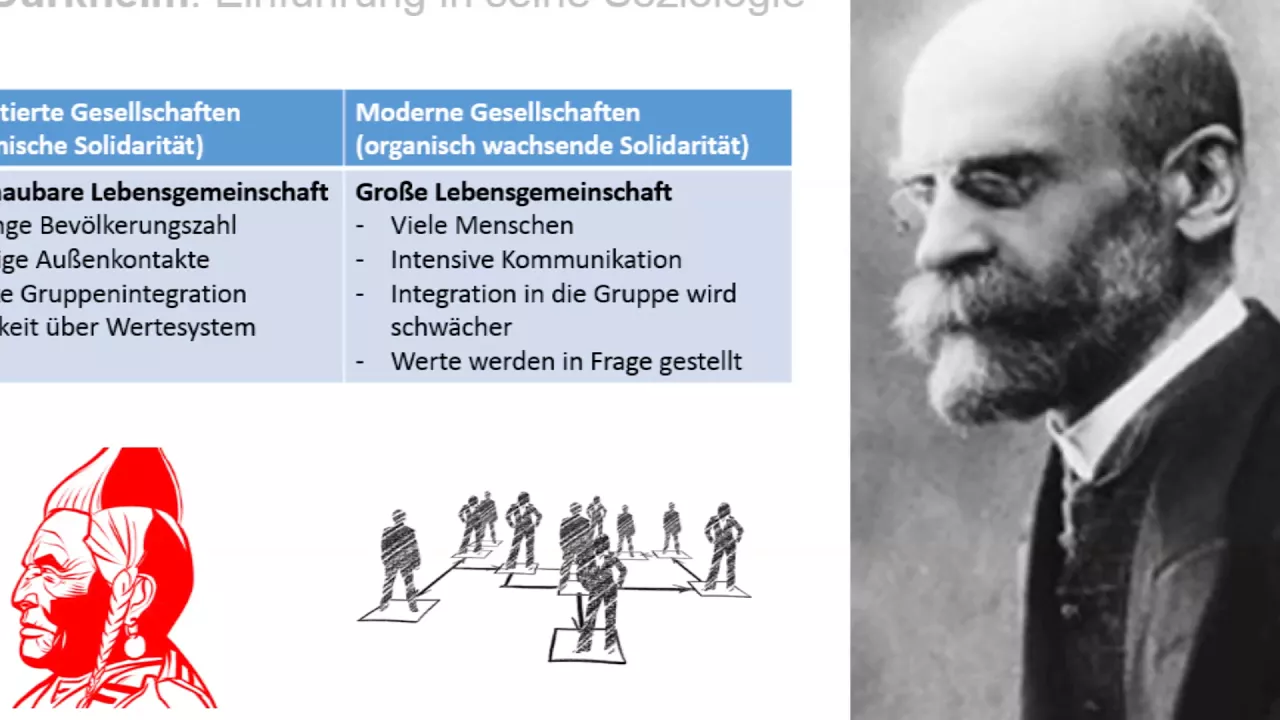
Added:An understanding of early 20th-century French sociology, particularly Émile Durkheim's theories on social solidarity and collective consciousness.
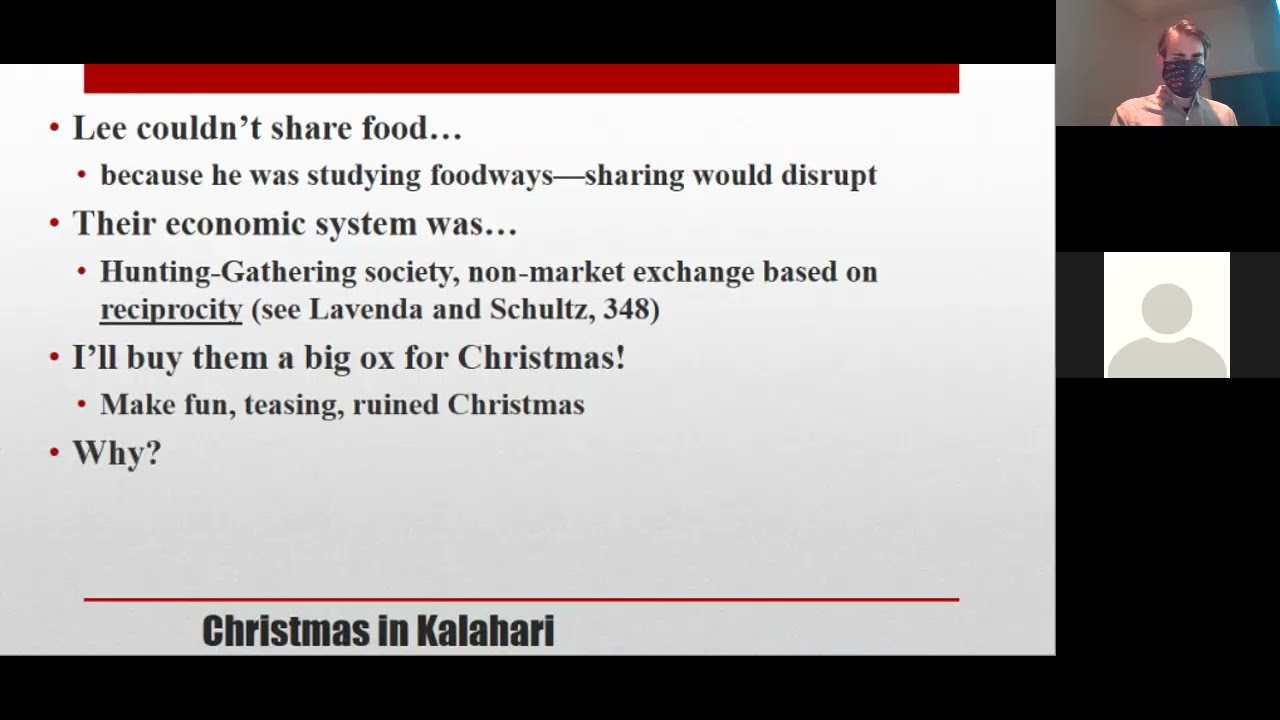
Basic concepts of economic anthropology, specifically the distinction between commodity-based market economies and non-market economies.
Familiarity with the anthropological concept of cultural relativism and how early ethnographers studied indigenous or 'archaic' societies.
The fundamental definition of reciprocity as a social mechanism for building and maintaining interpersonal relationships.
Marshall Sahlins' typology of reciprocity, which categorizes exchange into generalized, balanced, and negative reciprocity.
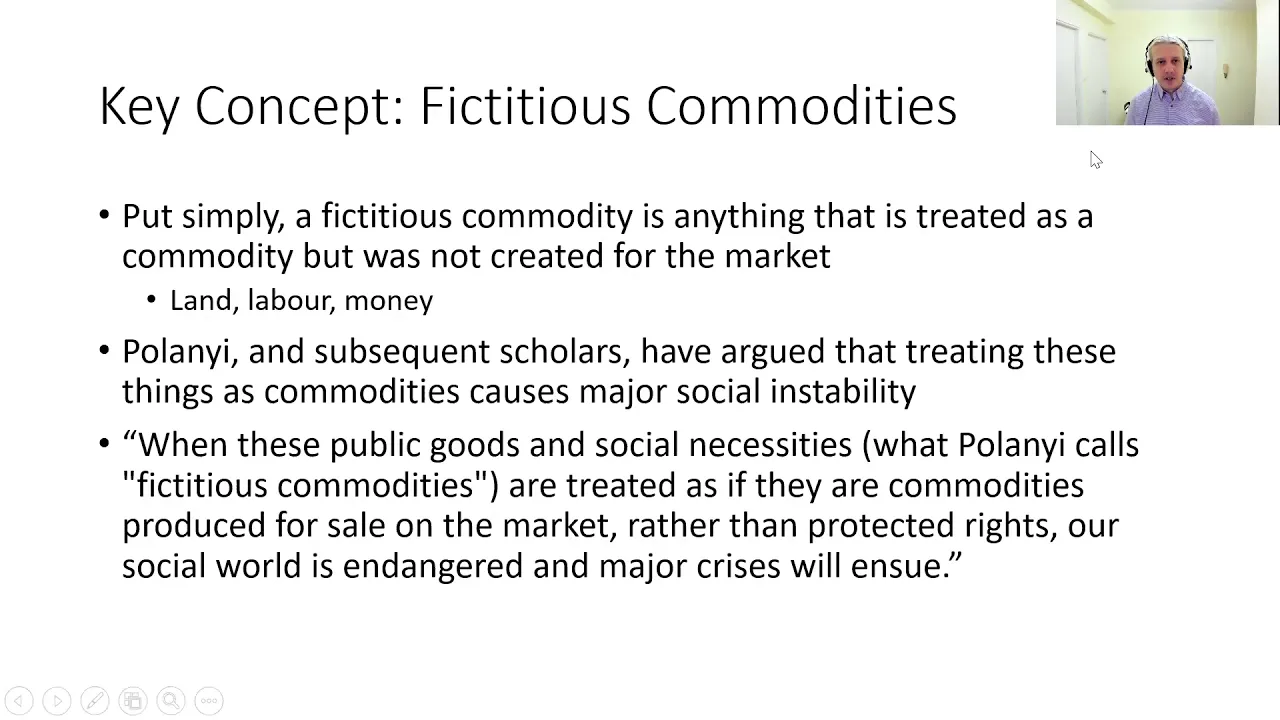
Karl Polanyi's substantivist economic theory, which explores how economy is embedded in social, religious, and political institutions.
Claude Lévi-Strauss's structuralist critique of Mauss, focusing on the symbolic nature of exchange and the concept of the 'hau' (the spirit of the gift).
Modern applications of gift theory to contemporary phenomena, such as Richard Titmuss's study on blood donor systems, the open-source software movement, and the digital creator economy.
10.7K views117likes15:27Original Release: 2013-03-05
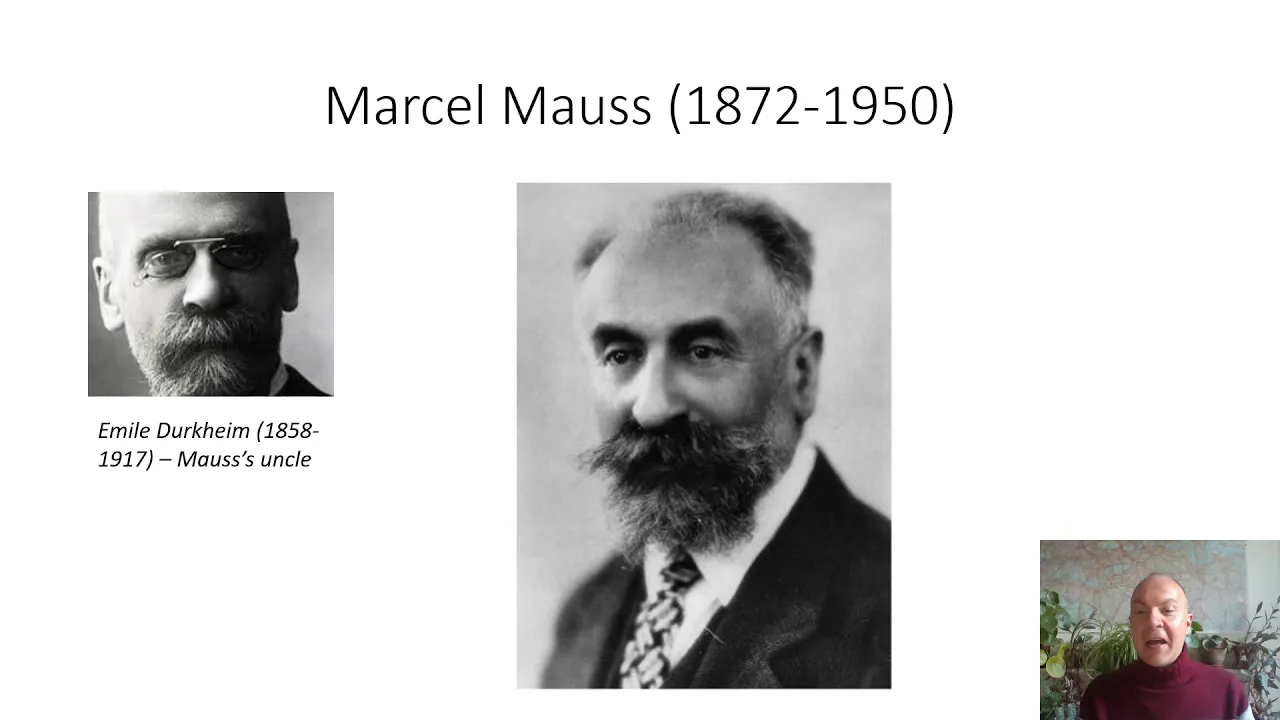
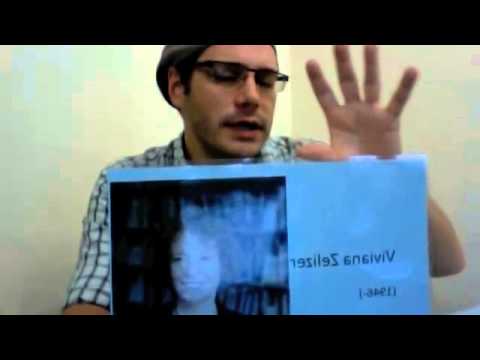
every once in a while I pick up a book just laying on one of my shelves because I know that it's really important and I read it not so much out of that I'm fascinated to read it but just because I know that I should and I should that I should know more about the subject and this was one of those and it was kind of a mixed experience so I'll tell you a little bit about it it's called Uh the gift this is a recent reissuing of it uh the gift the form and reason for Exchange in archaic societies uh ignore that sort of clumsy subtitle but it's by Marcel Mouse um the gift is probably um you you may recognize mouse's name he was a uh pretty well-known French Anthropologist during the early part of the 20th century and the gift is probably one of the only things that people still read by him it's very short um in fact about half of this book is notes and commentary and it's still a pretty thin book so um the book itself is um about 80 or 85 pages long in fact it's called um in in French MOS called it an essay and that actually might be more appropriate uh this was originally published in 1925 and it's one of the most influential pieces of anthropology written in the whole 20th century U it explores the economies of pre- capitalist cultures and peoples from several different parts of the world including melanesia Polynesia and the Pacific Northwest this specific Edition has an introduction by Mary Douglas who is herself a uh wonderful social and cultural Anthropologist in her own right um and ie especially recommend this because it's a brilliantly done wonderful concise introduction and it also sheds a lot of light on what Mouse talks about and sometimes leaves unclear in fact if you can't even read the entire essay SL book that Moss wrote read the introduction because it it pretty much sums up everything that you'll encounter later in the book for those interested in the history of anthropology and its development over time uh like I am uh Moss was one of Emil durkheim's greatest students in fact durkheim was also Moss's uncle and his influence can be seen quite a bit throughout the work uh while durkheim believed in the individual um as in the physical individual and the potential for individual action he was also a vocal critic of individualism per se as we would understand it uh for example he recognized that individualism couldn't explain uh certain phenomena that we see in cultures like ruled governed action um which is of course rif in both our society and and most others that you'd encounter durkheim's positive is also on full display and mous never feels his point is made unless he's shown it several times with several different tribes or people all over uh different parts of the world the main idea here is the centrality of what Moss calls the gift now what does that mean is it is it you know very different from the way we use the word gift uh when he when he uses the word it's an item given within a complex set of social relations and institutions which at the same time comprises those relations and institutions now that sounds clumsy uh probably because I wrote it um that's not Mary Douglas's or or Mouse's description at all but he what he's talking about is giving things and receiving them back and this notion of sort of sharing things and and the idea of reciprocity both of which I'll talk about in a minute M also um like I said he emphasizes that mutuality and the the obligatory nature and the reciprocity of gift giving um he says even the idea of a pure gift is contradictory By ignoring the universal custom of compulsory gifts we make our own record incomprehensible to ourselves right across the globe and as far back as we can go in history of human civilization the major transfer of goods has been by cycles of obligatory returns of gifts I I think I just said he said that's actually from Mary Douglas's introduction uh just as important is the way in which gifts function within an economic system and of course we do have to think about this as an economic system because this is way before the rise of anything that we would recognize as uh modern or even premodern capitalism he even hints at how these gift economies which he calls them softly Echo the Dynamics of Adam Smith's invisible hand uh Mary Douglas says gift complement Market in so far as it operates where the latter is absent the following quote uh again taken from Douglas's introduction is very Central and important so I'll read it in full quote like the market it the gift supplies each individual with personal incentives for collaborating in in the matter of exchanges made a typo there excuse me uh gifts are given in the context of public drama with nothing secret about them in being more directly cued to public esteem the distribution of honor and the sanctions of religion the gift economy is more visible than the market just by being visible the resultant distribution of goods and services is more readily subject to public scrutiny and judgments of fairness than are the results of market exchange in operating a gift system a people are more aware of what they're doing as shown by the sacralization for their institutions of giving as mentioned above Moss's work is exhaustively ethnographic and so far as he visits different people and visits different tribes I mentioned Melania Polynesia the Pacific Northwest Etc he also talks about Roman law uh ancient Hindu law um viic law Etc uh he talks about also the maues uh or the Maui um native to of course New Zealand and their concept of something they call the the how uh I don't know if I'm pronouncing that correctly corly but it's spelled ha auau and the how is the spirit in something that inheres in things as they're passed on from person to person and from generation to generation uh mous says that what imposes obligation in the present received and exchanged is the fact that the thing received is not in active uh even when it has been abandoned by The Giver it still possesses something of him and through it The Giver has a hold over the beneficiary just as being its owner through it he has a hold over the thief and that thing that inheres in the object and apparently um Acres around it is the how that that thing that that is passed on with the gift that's also um in addition to it Moss again emphasizes the the importance of reciprocity as he does with every uh tribe or people that he discusses um quote in this system of ideas one clearly en logically realize that one must give back to another person what is really part and parcel of his nature and substance because to accept something from somebody is to accept accept some part of his spiritual essence of his soul to to retain that thing would be dangerous and Mortal not only because it would be against law and moral morality but also because that thing coming from the person not only morally but physically and spiritually that Essence that food those goods whether movable or immovable those women or those descendants those rituals or those acts of communion all exert a magical or religious hold over you in the second chapter Moss discusses the trob BR people who are perhaps best known for um or from bres malinowski's ethnographic work uh Argonauts of the Western Pacific um melanowski um if you're not familiar is uh another Anthropologist who who worked very extensively with the Troon people uh things look remarkably the same here too um at the bottom of this system he says of internal Kula and Kula uh is the word the Troon word for a gift economy or what Moss is calling a gift economy uh the system of gift through exchange permeates all the economic tribal and moral life of the trob Brant people it is impregnated with it as malanowski very neatly expressed it it is a constant give and take the process is marked by a continuous flow in all directions of presence given accepted and reciprocated obligatorily and out of self-interest by reason of greatness and for services rendered through challenges and pledges uh many Western civilizations seem to have economies in which item exchange um some items are exchanged obligatorily and others where it isn't and these are sort of mixed within a given culture Moss recognizes that and sees this perhaps as a problem and attempts to address it he asks uh rhetorically quote yet are not such distinctions fairly recent in the legal systems of our great civilizations have these not gone through a previous phase in which they did not display such a cold calculating mentality have they not in fact practiced these customs of the gift that is exchanged in which persons and things merge he claims that a more detailed analysis of Indo-European legal Theory will indeed show that this transition can be located historically whether mous ever finds this transition point at least in this essay is questionable though in the last chapter uh Moss attempts to tie the concept of gift economy to Trends in modern-day social democracy remember he's writing in 1925 and here he pretty much completely fails as Douglas points out in the uh introductory essay he said says that the concept of a safe social safety net provided by the mutual sharing of tax dollars is analogous to the gift economies that he's been talking about however he completely ignores the coercive power of the modern state in making this comparison part of the reason why Potlatch uh confers such honor with many of the people discussed is because the person or family of their own accord decide how much to sacrifice in the act of gift giving the state on the other hand makes laws which makes this giving non obligatory in all the other circumstances we've been talking about giving how much you want when you want uh if you don't give you know in the modern State the state uses its coercive power to come in arrest you f you perhaps put you in prison um you pay the punishment right right uh Moss's politics sort of shine through here in his defense of social democracy but unfortunately they have nothing to do with the topic of the book at hand Moss's style is pretty dry and demonstrative uh much of the book is taken up with etymologies of Indo-European words sometimes in a sort of convoluted attempt to support his ideas uh even when the ideas are clearly presented the translator who is um WD hulls should have mentioned that earlier uh the translator sometimes leaves a lot of the words untranslated so you get these Mau words or these uh Sanskrit Words which you know almost no one is going to be able to recognize and he'll just mention maybe a translation of them once and then every time after that use the original word so so you have to sort of flip back and forth um because it's it's tough to to remember all of those new words for 20 or 30 or 40 pages at a time um there is one really interesting thing though this book was a huge influence on like I said a lot of people earlier including a writer by the name of Lewis Hyde whose uh one of whose books was assigned for a college class that that I took once um the book is called the gift imagination and the erotic life of property and we were only assigned small parts of that book but now that I've read this I really want to go back and read that because it seemed really really fascinating at the time and I should have read it all when I was assigned it but um the gift um Lewis hid's the gift turns 30 this year so do Lewis hide a favor and go read his book because it's really fascinating too anyway if you're interested in the history of anthropology um there's certainly more you know page turning books out there but um this is certainly influential makes up for it in that respect the gift the form and reason for Exchange in archaic societies by Marcel mous
Up Next
67:29
Economic Anthropology: Formalist vs Substantivist Debate | UPSC Anthropology
@AnthropologyforUPSC
36.9K views•2021-03-09

38:41
Astrobiology Through an Anthropological Lens: Field Insights
@georgiatechastrobiology
128 views•2021-04-14
4:45
Proxemics Explained: The Study of Personal Space
@Vox
536K views•2016-07-05

10:38
Psychology of Internet Trolling and Pranks Explained
@AzzyLand
10.7M views•2017-12-20
Related Study Plans & Knowledge Roadmaps
Structured learning paths in Anthropology
anthropology
Space Anthropology: Analogs, Culture & Habitats
01Foundations of Space Anthropology & Cosmic Imaginaries
02Extreme Isolation & Micro-Societies in Orbit
03Space Analog Habitats & Earth-Based Simulations
+ 2 more learning modules
15h5 modules
Explore Roadmap
anthropology
Legal Anthropology: Customary Law & Pluralism
01Foundations of Legal Anthropology and Social Justice
02Legal Pluralism: Coexisting Legal Systems
03Customary Law and Indigenous Dispute Resolution
+ 2 more learning modules
15h5 modules
Explore Roadmap
anthropology
Global Tourism: Gaze, Authenticity & Heritage
01Introduction to the Sociology of Tourism
02The 'Tourist Gaze' (John Urry)
03Staged Authenticity in Tourism
+ 3 more learning modules
14h6 modules
Explore Roadmap
anthropology
Modern Kinship (ART, Adoption & Chosen Family)
01Foundations of Kinship and Family
02Assisted Reproductive Technologies (ART) & Relatedness
03Transnational Adoption and Global Kinship
+ 2 more learning modules
12h5 modules
Explore Roadmap