











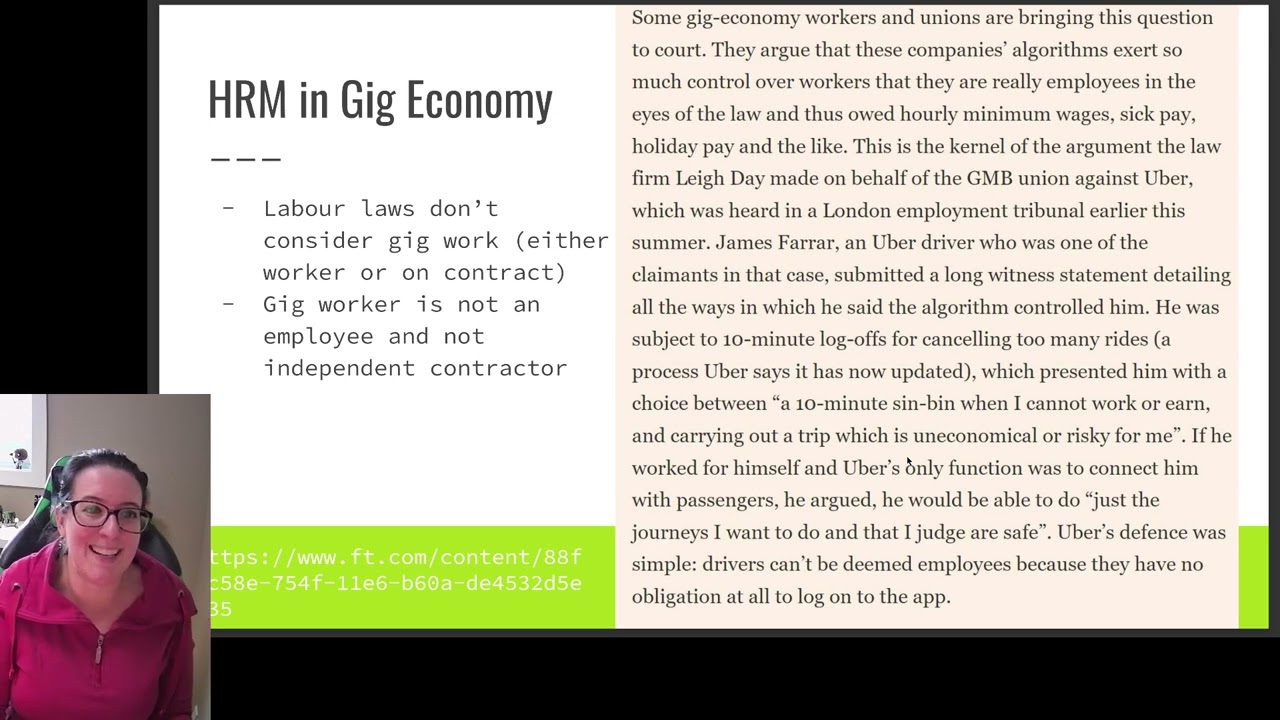
















When retail stores implement operational changes without adequate planning, gig economy workers face significant challenges that can negatively impact their performance and customer ratings, as demonstrated by a Publix policy change that disrupted Instacart shoppers' workflow during peak tourist season.
Publix Deli Policy Change Impact on Instacart Shoppers
Added:Understanding of the Gig Economy business model, specifically how platforms like Instacart utilize independent contractors for order fulfillment.
The mechanics of algorithmic rating systems on gig platforms and how customer ratings directly influence worker visibility, batch access, and earning potential.
Basic retail operations, specifically the integration between brick-and-mortar grocery chains (like Publix) and third-party on-demand delivery services.
The concept of service-level expectations in the on-demand economy, where speed, accuracy, and customer communication intersect.
Analysis of algorithmic governance and the ethical/legal debates surrounding labor rights and worker protections in the gig economy.
Operations management strategies for aligning inter-organizational policies between retailers and third-party delivery platforms to minimize friction.
Crisis communication and customer relationship management (CRM) tactics for gig workers facing supply chain or policy disruptions.
Risk mitigation and portfolio diversification strategies for independent contractors navigating platform-dependent income streams.
404 views26likes7:23Original Release: 2022-04-05
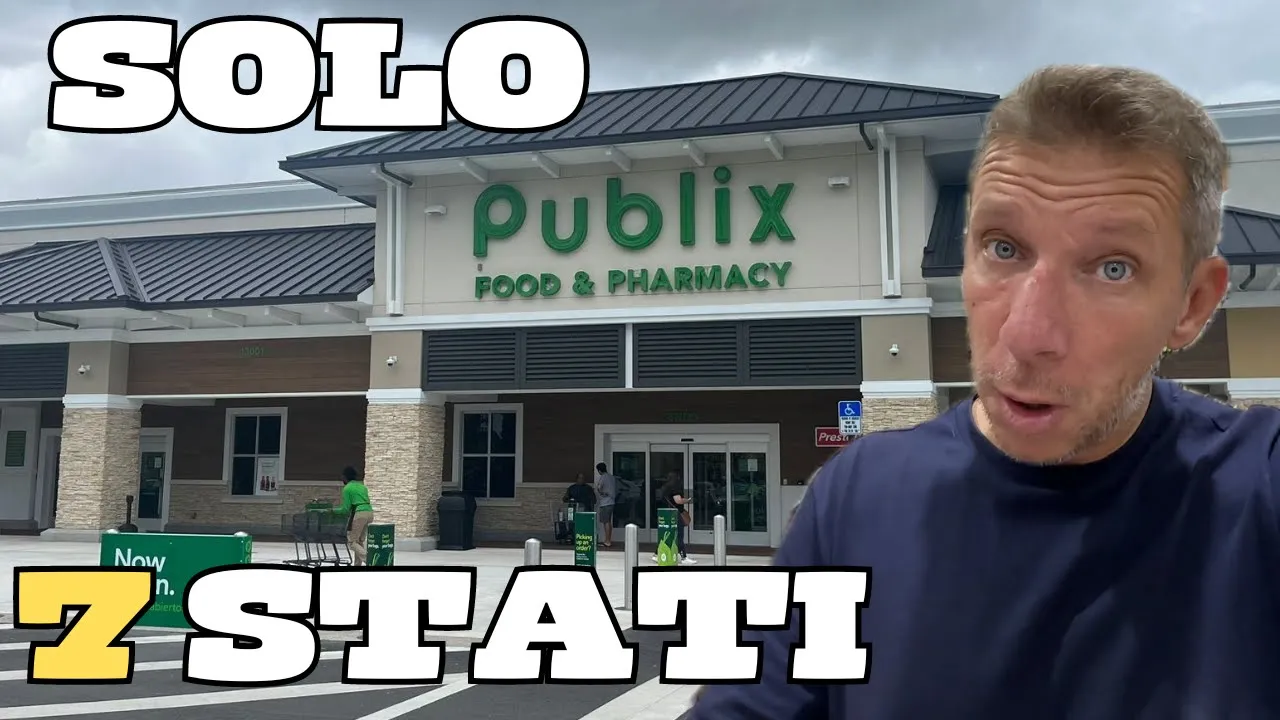
foreign [Music] [Applause] [Music] so [Music] [Music] so i just got more bad news today i'm shopping at batch here in publix and i found out that they're not going to be doing the uh the deli [Music] orders ahead of time if you're an instacart shopper in this store which is destin or also panama city beach or even a watercolor you have to check in with the deli department and wait like everybody else no more on the weekends can't just grab and go they told me it's because that stuff just sits there nobody picks it up well that was a mistake taking that triple order batch um man i couldn't turn down the money though that was the problem well anyway so publix changed something and they are now doing away with the instacart online ordering pickup for us shoppers in some stores the store i just did they they popped it today at some point today they put the sign up which i'll show you right now and that's what they did [Music] all of us instacart shoppers in the store were like what the heck is going on here so the deli folks were telling us stand in line not the regular customer line stand in another line they created another line i guess just stand here and [Music] we stood there and stood there and stood there the deli line was extremely long when i started and i was still standing in line when that you know 20 minutes later literally half a mile turn left unbelievable i walked away i told the customer that publix screwed up the entire instacart ordering system for delhi orders and i've been standing there for 20 minutes and i got a message from instacart asking me if there was a problem and then i've reported there was i said long lines which of course is non-descriptive right and then it prompted me to contact care i wasn't doing that i just wanted to get out of the store i refunded the deli item and i moved on i just i couldn't deal with it any longer because i knew i was gonna have to wait in a long checkout line anyway and i'm like about the apps yelling at me for standing in this deli line they're really going to have fun with me at the checkout so anyway i messaged the customer explained her what the problem was i apologized and i don't know we'll see what happens we'll see if i get a bad rating or some other message maybe i'll get a nasty gram from the customer before i finish the delivery we'll see i'll keep i'll keep you posted but before i do one more thought on this not only were the store customers confused as to which line to stand in use the left lane to turn left all of us customers were confused as to which line to stand in and and then we were just getting mad everybody was just getting upset so i can't imagine that publix thinks this is a good idea too what is this the day of bad ideas what the hell this is spring break this is the peak of spring break here in destin florida and i throughout the entire emerald coast and it's unbelievable unfreaking believable i gotta go all right so it's sunday i'm back in pensacola i'm actually sitting outside a walmart doing an ubereats pickup uh we'll see how long i last on this one but yes i did get dinged on the ratings i got a four star from that customer there ends a nearly year-long streak at being a five-star shopper and you know you see i've already got another four that's been in the forgiving column for a while that happened back in november when um uh gosh what happened that happened back in november when a customer was totally non-responsive didn't respond to phone calls didn't respond to texts and i ended up having to refund like 10 items which is a quarter of her order and then i i just was worried about this one so i left a handwritten note please don't rate me poorly this has very bad repercussions for a long time to come and she gave me a four star anyway so she probably would have rated me even less if i hadn't written that note i don't know so yesterday's four star probably had something to do with that deli item but i also screwed up too where i gave one of her items to another customer on the prior drop off so i actually deserved less than four stars so i'm grateful that it was a four because this other four is going to roll off after i do about another 30 orders from my calculations um it just goes to show you that here we are april 3rd and i got that uh last four star at some point in november so we're talking over four full months of me having to work 70 orders on instacart so that tells you how few orders i'm actually taking on instacart anymore because the payouts are crap the offers just aren't there there's not many offers so um if i want offers i have to go to a different zone that's it and that's what i did yesterday and i did well you know because of spring break i do well at certain peak tourist times i do really good so anyway fair ends that five star streak it'll be okay um i'm not really overly worried about it hopefully if everything holds that will roll off in time for may which will help me with the summer tourist season because that way i can continue to see those nice big 60 70 90 orders and the like so we'll see what happens but a 4.98 hey it could be a lot worse but we know how in instacart world of 4.98 means you're a total piece of garbage so anyway we'll see i'm brian with bulldog delivers until next time go get em
Up Next

21:30
Trade Unions for Outsourced Workers: A Case Study
@theGuardian
33.9K views•2020-08-12

26:22
Walking in the City: Urban Rituals and the Flâneur in Contemporary India
@PSBTIndia
1.9K views•2016-08-02

9:49
FastAPI vs Flask vs Django: Choosing the Right Python Web Framework
@TechWithTim
302.5K views•2024-05-26

1:42
Game of Thrones Opening Credits: A Cinematic Analysis
@gameofthrones
46.3M views•2011-04-18
Related Study Plans & Knowledge Roadmaps
Structured learning paths in General & Interdisciplinary Studies
general-studies
Artificial Light: History, Tech & Human Impact
01The Pre-Electric Era: Fire, Oil, and Gas Lighting
02The Incandescent Revolution and Grid Electrification
03Gas Discharge and Fluorescent Illumination
+ 3 more learning modules
14h6 modules
Explore Roadmap
general-studies
Elevator Engineering: History, Physics & Cities
01From Hoists to Safety Brakes: The Dawn of Vertical Lift
02Hydraulic vs. Traction: The Engineering Physics of Elevators
03Modern Speed, Safety, and Algorithms
+ 2 more learning modules
12h5 modules
Explore Roadmap
general-studies
Rubber: Material Science, History & Geopolitics
01Origins of Natural Rubber & Mesoamerican History
02The Chemistry of Natural Rubber & Vulcanization
03The Geopolitics of the Rubber Boom & Colonization
+ 2 more learning modules
12h5 modules
Explore Roadmap
general-studies
Containerization: Evolution, Logistics & Trade
01Ancient Trade & Bulk Cargo: Amphorae to Barrels
02The Industrial Revolution & Cardboard Packaging
03The Containerization Revolution: Malcom McLean
+ 2 more learning modules
12h5 modules
Explore Roadmap