



















![Tomomi Shimogori - BTBD3 controls dendrite orientation toward active axons [...] (2014)](https://i.ytimg.com/vi_webp/Q2T3I_HV3zE/maxresdefault.webp)
Cell adhesion molecules neurexin and neuroligin regulate dendritic arborization through three distinct mechanisms: initial transient stabilization of dendritic filopodia upon contact, clustering of postsynaptic proteins via the intracellular PDZ domain, and activity-dependent synapse maturation that drives filopodia elongation into mature dendritic branches; this expands the traditional view of these molecules from solely regulating synaptogenesis to also directing larger neuronal structural growth, with implications for understanding cognitive deficits in autism spectrum disorders.
Neurexin-Neuroligin Roles in Dendritogenesis
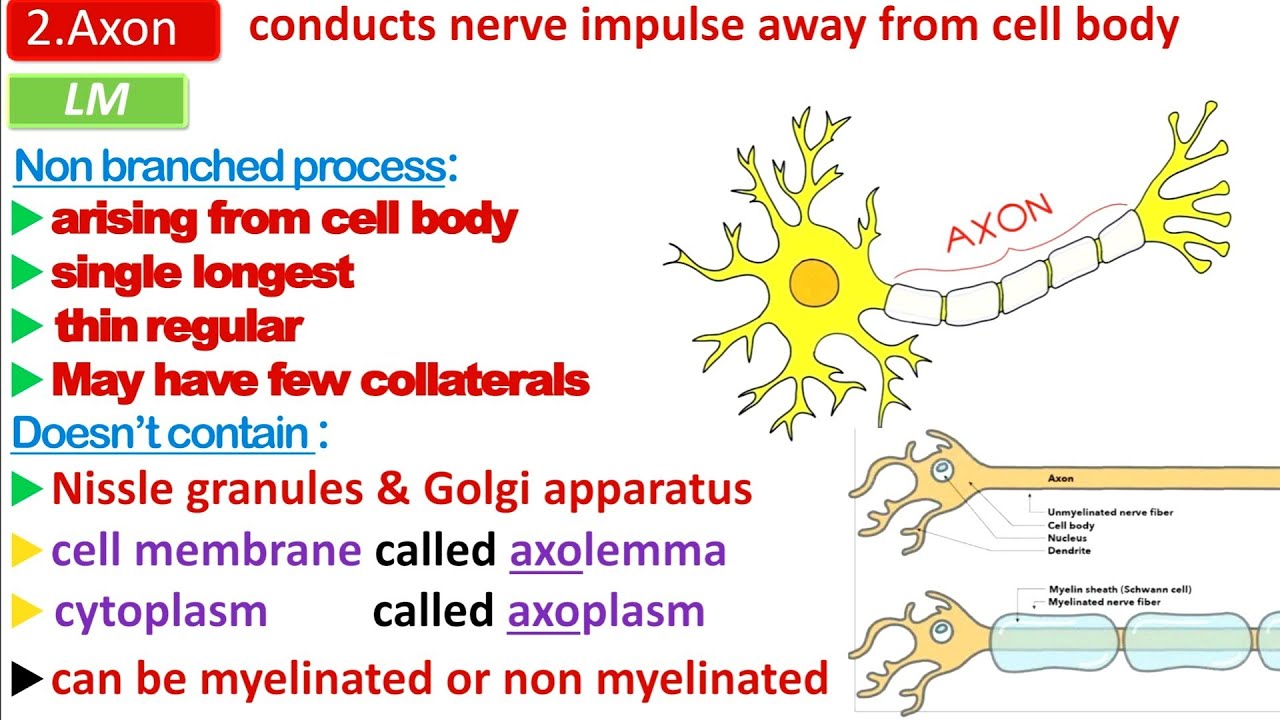
Added:Basic neuronal anatomy, specifically the structure and function of dendrites, axons, and the synaptic cleft.
The concept of cell adhesion molecules (CAMs) and their general role in cell-to-cell recognition and structural stabilization.
The fundamentals of synaptogenesis, including how pre-synaptic and post-synaptic membranes align and differentiate.
Familiarity with the Xenopus laevis (tadpole) model system and its advantages for studying in vivo brain development.
The clinical implications of neurexin and neuroligin mutations in neurodevelopmental disorders such as Autism Spectrum Disorders (ASD) and schizophrenia.
Advanced imaging techniques, such as two-photon excitation microscopy, used to capture real-time structural plasticity in living specimens.
The downstream intracellular signaling pathways and cytoskeletal dynamics (e.g., actin and microtubule remodeling) that drive dendritic branching.
The interplay between neural activity (sensory stimulation) and molecular cues in guiding activity-dependent dendritic arborization.
3.4K views19likes5:01Original Release: 2010-09-17
hi my name is Kurt hos from the Brain Research Center at the University of British Columbia in Vancouver and I'll take you through some of the methods we've employed for our study in this issue of neuron where we examin the roles of the cell adhesion molecules neurexin and neuren in dendritic arbit growth within the intact and awake developing vertebrate brain we use the albino zenopus lais tle as a model organism because its transparency offers a window for direct viewing into the devel in vertebrate brain we transfect individual brain neurons using a technique called single cell electroporation for expression of gfp along with constructs that either interfere with or enhance interactions between neurin and neuragen in VI two photo microscopy then provides high resolution three-dimensional images of neurons rapid timlapse Imaging in the intact and awake tadpole allows us to capture the of the dynamic dendritic growth Behavior as philipot sechs their environment for appropriate pres synaptic Partners at this stage of neuronal maturation dendritic philipot are not precursors of spines but rather they develop into longer branches in our study we demonstrate application of our new Dynamic morphometrics analysis that allows identification tracking and measurement of all dendritic philodon branches in 3D across brief time points over periods of hours these methods offer unprecedented quantification of d I Dynamic growth and have allowed us to distinguish the subtle morphological effects of initial cell adhesion interactions from subsequent synapse development using long interval Imaging over days we can capture the cumulative effects of normal or altered rapid growth behavior on the mature dendritic Arbor here we combine these strategies to test the acute and long-term effects of the cell dehes molecules nxen and neuren in dender Genesis in Vivo now the lead author of the study will take you through the results hi everyone my name is Simon Chen I'm a PhD student in Dr kous Lab at the University of British columia in this study we focus on how social molecular neuraxin your Lian regat syc a growth during early brain development to date the majority of research on neuraxin and nean have been mainly focused on their roles in synapse development and function but our results show that these molecules also play an important function in a larger context in directing neuronal structural growth at first we overexpressed cipus neon one in individual tcto neurons and performed invivo two Photon tlapse Imaging we found that overexpressing nean one hyper stabilizes dric filopodia shown by increased filipodia Lifetime and low motility over 4 days this leads to the formation of small but complex and compact dendric Arbors we also blocked neuraxin NE one interactions by knocking down endogenous nean one using morlino oal nucleotides knocking down nean one prevents pholia fun stabilization shown by decreased filipodia Lifetime and high motility knocking down nean one also results in the formation of simple dendric Arbors over four days combining with our other results we show that neurax and nean wi interactions regulates poio civilization in three distinct mechanisms and here's the model that we propose in the initial step upon nent aono dendric contact neuraxin and Newan one create adhesions that Comfort transient stabilization to prevent filipodia from Rapid retraction ction subsequently NE Lian one clusters and promote recruitment of other post synaptic proteins through its intracellular pdz domain neuronal transmission is then necessary to drive activity dependent synapse maturation to convert filipodia stabilization and promote further elongation and transition into dendric branches synapses that fail to mature will eventually be eliminated and lead to philodon retraction these results demonstrate that we have to think more broadly about the roles of cell adhesion molecules as not just regulating synaptogenesis but contributing to regulation of larger neuronal morphological growth these results are also important given the recent findings of mutations in urin and auragin and their binding Partners in autism spectrum disorders suggesting that abnormal dtic arbit growth May contribute to the cognitive deficits underlying developmental neurological disord
Up Next
12:35
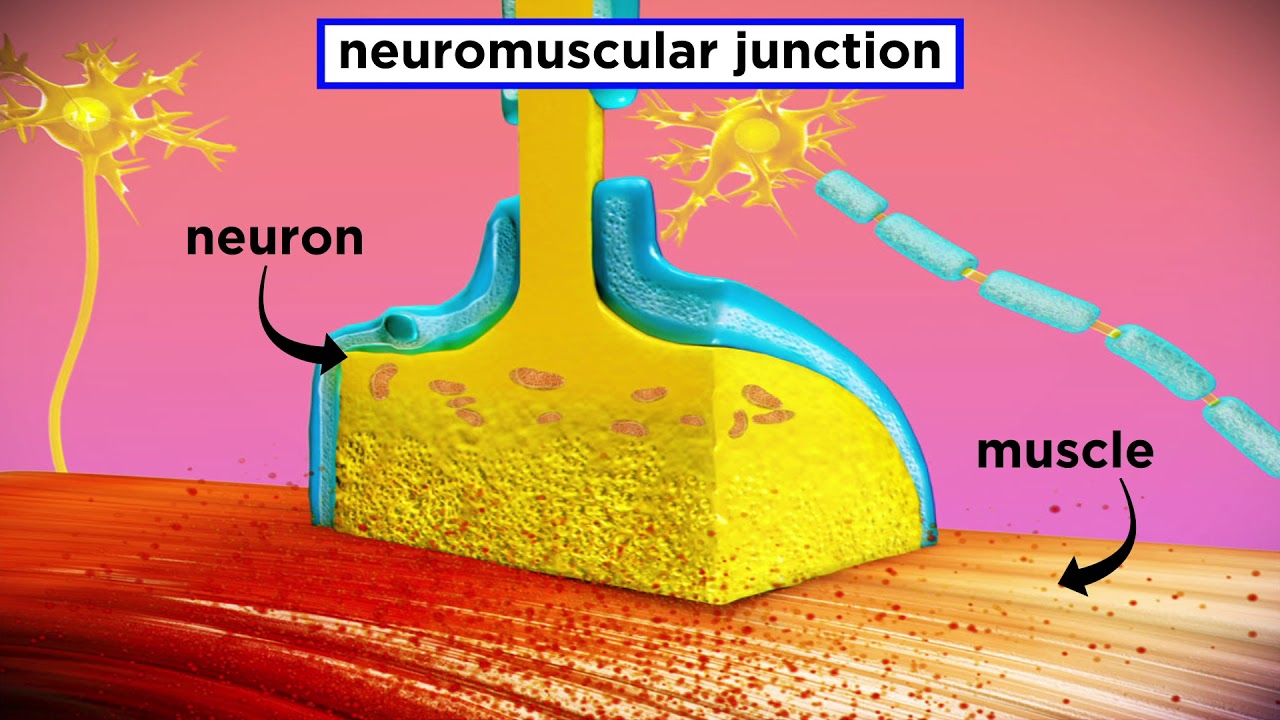
Muscle Contraction Mechanism: Sarcomeres & Neuromuscular Junction
@ProfessorDaveExplains
2M views•2019-02-07

50:12
Bacterial Communication: Quorum Sensing and Biofilm Formation Explained
@JHUAAP
12.6K views•2011-06-28

8:22
Human DROSHA Structure & MicroRNA Biogenesis | RNA Scissors
@cellvideoabstracts
2.6K views•2016-01-14

7:08
Bacteriophages: Earth's Deadliest Killers and Future Antibiotics
@kurzgesagt
34.6M views•2018-05-13
Related Study Plans & Knowledge Roadmaps
Structured learning paths in Biology
biology
RNAi: Biogenesis, RISC & Gene Silencing
01Molecular Biology Foundations: DNA to Protein
02Introduction to RNA Interference (RNAi)
03Molecular Biogenesis of miRNA and siRNA
+ 2 more learning modules
10h5 modules
Explore Roadmap
biology
Mycorrhizae: Signaling, Biophysics & Ecology
01Foundations of Mycorrhizal Symbiosis
02Molecular Signaling and Root Colonization
03Biophysics and Bioenergetics of Nutrient Exchange
+ 1 more learning modules
11h4 modules
Explore Roadmap
biology
Circadian Clocks: TTFL, SCN & Periphery
01Foundations of Molecular Biology & Gene Expression
02Introduction to Chronobiology and Actograms
03The Core TTFL: Molecular Architecture of the Clock
+ 3 more learning modules
14h6 modules
Explore Roadmap
biology
Population Genetics: Math, Drift & Selection
01Genetic & Probability Foundations
02The Hardy-Weinberg Principle and Baseline Models
03Mathematical Modeling of Natural Selection
+ 3 more learning modules
18h6 modules
Explore Roadmap