![Ritorno al Gold Standard e le nuove vie dell'oro - Black Box live a The Last Question [ENG & ITA]](https://i.ytimg.com/vi/mskjjjf7PNw/maxresdefault.jpg)





























This debate examines whether the United States should adopt a gold standard, with Dr. Richard Ebeling (Austrian School economist) arguing that the gold standard would prevent government monetary manipulation, reduce inflationary pressures, and impose fiscal discipline by anchoring money supply to physical gold, while Dr. Robert Barsky (University of Michigan economist) counters that historical evidence shows gold standards cause greater price instability, transmit economic crises internationally, and constrain necessary monetary flexibility during deflationary periods, advocating instead for flexible inflation targeting by independent central banks.
Gold Standard Debate | Ebeling vs. Barsky Economic Analysis
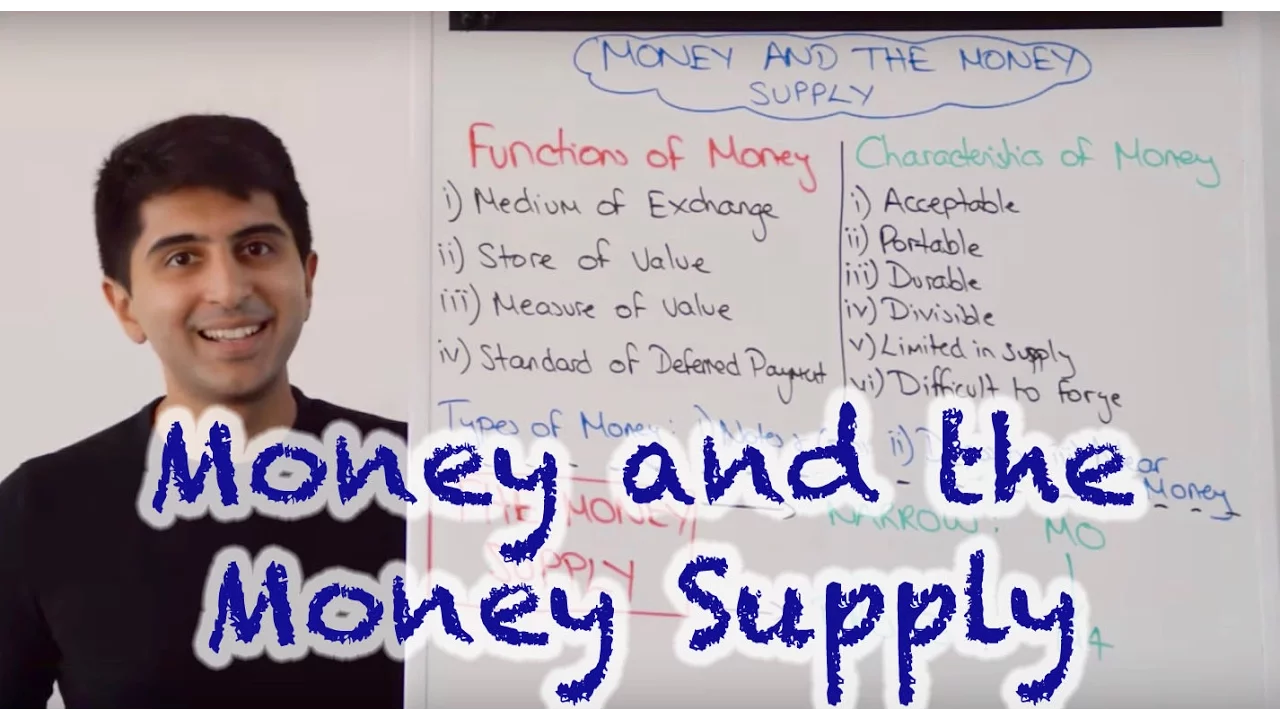
Added:The fundamental difference between the Gold Standard (commodity money) and Fiat Currency (government-issued money not backed by a physical commodity).
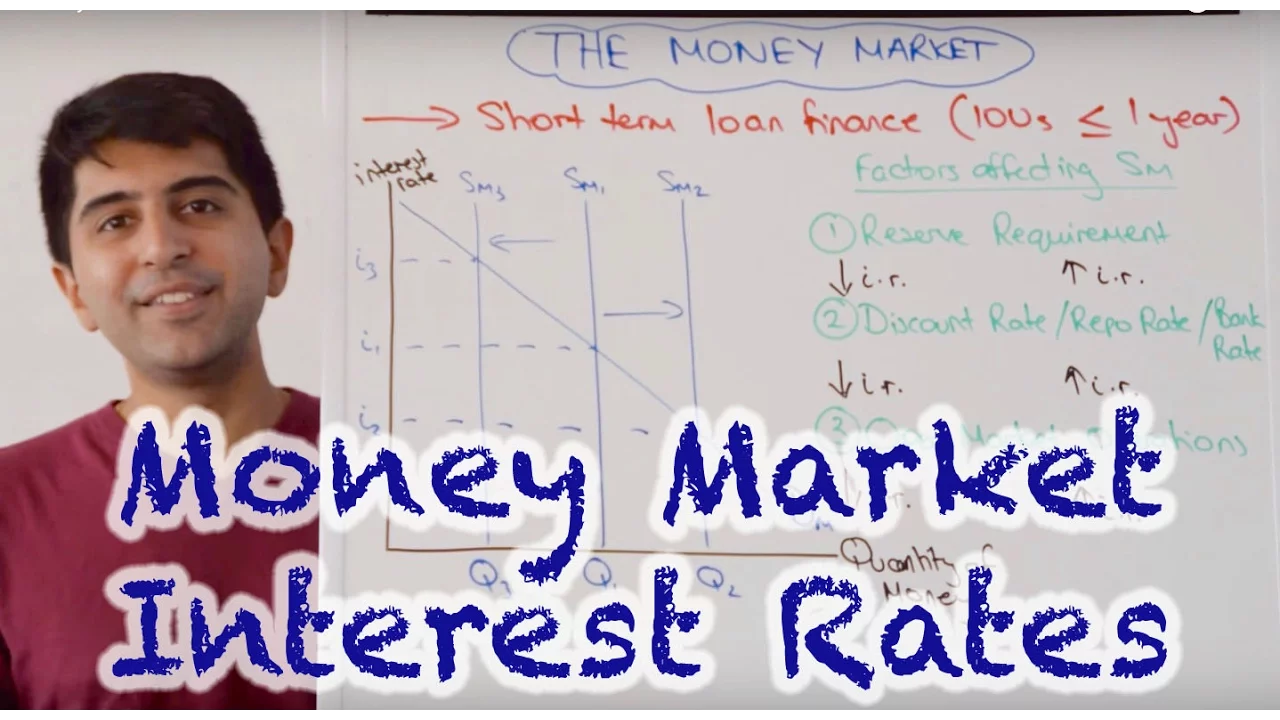
Basic principles of Monetary Policy, including how central banks control the money supply, influence interest rates, and target inflation.
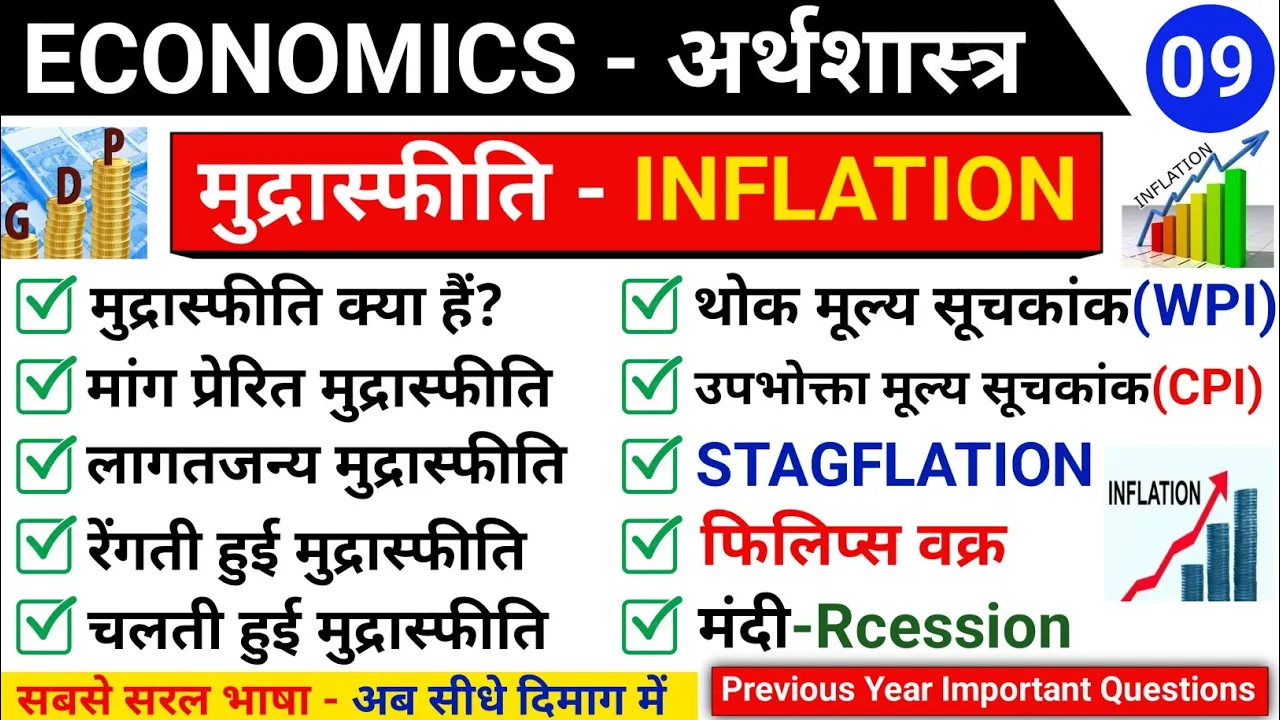
The definitions and economic impacts of Inflation, Deflation, and Stagflation on purchasing power and business cycles.
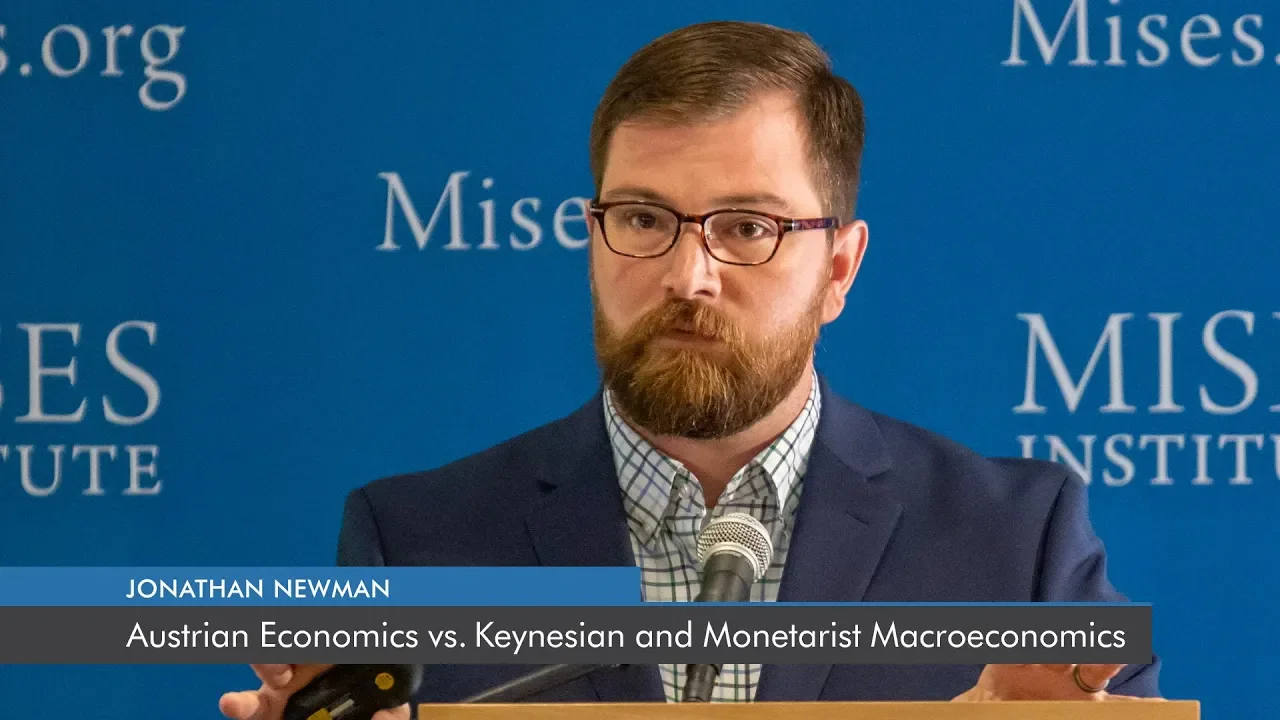
An introductory understanding of the major schools of economic thought, specifically Austrian Economics (which generally advocates for hard money) and Keynesian or Monetarist Economics (which advocate for active monetary management).
A deep dive into the history and collapse of the Bretton Woods System and the implications of the 1971 'Nixon Shock'.
An analysis of the role of the gold standard in the severity and duration of the Great Depression, comparing the arguments of Milton Friedman, Ben Bernanke, and Austrian economists.
The study of Modern Monetary Theory (MMT) and contemporary debates surrounding quantitative easing (QE) and central bank digital currencies (CBDCs).
An exploration of cryptocurrency (specifically Bitcoin) as 'digital gold' and its potential to act as a modern, decentralized hard-money alternative to fiat systems.
1.4K views0likes1:36:28Original Release: 2012-03-19
well good evening everyone and welcome good evening everyone and welcome my name is Glenn moots and I'm professor of philosophy and political science here on our Michigan campus and I serve as director of The Forum for citizenship and Enterprise The Forum was founded in 2009 uh here in Michigan to support our Northwood idea and promote the kind of discussion and uh habits necessary for good citizenship and honorable Enterprise it's my pleasure to welcome you to our debate of the resolution America should adopt the gold standard our debate is generously sponsored by the atlas economic Research Foundation as part of their sound money initiative and those of you that got here early got a copy of uh something that they've produced with freedom Works called a guide to sound money you can also find this online if all the copies are taken and Atlas has been a generous partner of the Forum and we're very thankful for their assistance we are also partnering with students for free economy a program of the Mino Center for Public Policy here in Midland and they are streaming our debate live uh via their website so we'll also extend a special greetings to those of you joining us through the worldwide web I'd like to turn over our Podium uh to our moderator professor John grether Professor grether earned his undergraduate degree here at Northwood in economics and management his master of arts and economics from Central Michigan University and his jurist doctor from Michigan State University College of law professor grether joined the faculty at Northwood in 1994 and has served in a variety of teaching and administrative roles including chair of the economics Department academic dean of the Michigan campus undergraduate program and he is currently associate professor at the DeVos Graduate School of Management here at Northwood as a teaching Economist Professor grether received Northwood senior class faculty Excellence award in 2004 2005 and 2006 Northwood University's faculty Excellence Award in 2005 and the Sam marada faculty ethics award in 2006 and when John was teaching in our undergraduate program he was a big favorite and I suspect he is in the graduate program now Professor grether's research interests include Austrian economic theory international trade international law new institutional law and economics public Choice Theory and experimental economics he has been a commentator in both local and National media on a variety of Economic and education issues and has been published and presented internationally on the subject of regulatory institutional failure John will provide you with an overview of our subject and our format and introduce our participants at the conclusion of our debate Professor grether will be moderating about 30 minutes of questions and answers and I'm asking everyone uh who has a question to use one of those cards that was available at the back there's a table with cards and if you put your question on there we'll collect those and get those to Professor grether so that he can moderate the Q&A at the end and uh so with that please join me in welcoming our moderator for tonight's event professor John grether good evening I'd like to thank Professor moots for giving me the opportunity to moderate uh this evening and all of you ladies and gentlemen for your attendance I think this is going to be an interesting evening for all of us in the wake of the global financial crisis in 2008 the ability of developed Nations to meet their obligations into the future looks Grim according to a 2010 report by the bank of international settlements the unfunded cost of developed World social welfare programs unfunded is estimated to be $95 trillion over the next 30 Years uh the same study estimates the total sovereign debt capacity for the developed world over those same 30 years to be something around 35 trillion so the difference between 995 trillion worth of obligations and 35 trillion dollars worth of borrowing capacity uh is a problem that we will will be facing the prescription from Bank of international settlements is the reduction and possible elimination as soon as possible of many contingent spending programs that are offered by governments in the developed world so reduce our social security system reduce our uh funded medical benefits reduce those obligations that what they don't say in that same very interesting paper is that the only alternative to that is for the developed world to monetize their debt now if governments do that there's a risk of inflation today we see gold at record nominal prices in real terms we still aren't anywhere near where we were in the 1980s but people are turning back to gold and silver as Hedges against inflation at least in their expectations the reality of that inflation has yet to appear so we see the commodity markets especially the gold and silver markets responding to an expectation of increased inflation that may or may not exist depending at least from my perspective on the political will of the developed world so it's within this Frame that I introduced tonight's de debate topic that America should adopt the gold standard before I introduce our presenters allow me to explain the format for this evening's debate I will serve as the timekeeper our presenters will each have 15 minutes to present their constructive arguments in favor to or opposed to the topic after that our presenters will each be allowed 10 minutes for rebuttal and the rebuttal portion will be followed with five minutes each for concluding arguments and responses upon conclusion of the formal debate I will take written questions from the audience to pose them to each of our speakers each speaker will have the opportunity to respond to those questions um the question and answer period should last till approximately 8:30 I think that's the time we are scheduled to be done and as Professor moots pointed out if you have questions along the way we would like to have those questions to the front uh prior to the beginning of the question and answer period tonight arguing the affirmative position is Dr Richard Ebling Dr Ebling is a professor of Economics here at Northwood he's recognized as one of the leading members of the Austrian School of Economics Dr ebbling writes and lectures widely in the United States Europe Asia and Latin America on monetary Theory and policy government regulation of business and the welfare state the economics of growth stability and international trade fiscal policy Taxation and government debt and the political and economic principles of the free Society he's the author of political economy public policy and monetary economics Ludwick Von mes and the Austrian tradition uh and also Austrian economics and the political economy of Freedom he's the co-author of in defense of capitalism and the editor of selected writings of Ludwig von mises in three volumes published by the Liberty Fund he served as president for the foundation for economic education from 20 3 to 2008 and was the Ludwick Vana professor of Economics at Hillsdale College in Hillsdale Michigan from 1988 to 2003 and served as vice president of the future Freedom Foundation uh from 1990 to 2003 in 1990 and 91 Professor ebing traveled frequently to the former Soviet Union and worked with the government of Lithuania and members of the Russian Parliament and the City of Moscow on free market reform and privatization of the socialist economy in January 1991 he witness firsthand the Soviet military Crackdown in vilnus Lithuania where 13 people were killed while in Moscow in August 1991 he joined the Defenders of freedom and democracy at the barricades surrounding the Russian Parliament during the failed Soviet Hardline communist coup attempt the he's the author of hundreds of articles as writings have appeared in the Washington Times the Boston Globe Investors Business Daily Detroit News National Review online reason the Freeman ideals on Liberty the American Journal of economics and sociology political studies International Journal of world peace advances in Austrian economics and numerous other Publications Dr Ebling appears frequently on radio talk shows around the United States discussing government policy and the American econom omy he is regularly interviewed by radio Liberty on American and Russian political economic Affairs which are then translated and broadcast into Russia he's appeared on Fox news CNBC and Fox Business News with Neil Cavuto Richard ebbling received his PhD in economics from middle sex University in London his ma in economics from Rutger's University and ba in economics from K State University Sacramento won't you please help me welcome Dr Richard [Applause] elyn arguing the negative position tonight is Dr Robert barski Dr Robert barsky earned his ba from the University of Michigan in 1980 is PhD from the Massachusetts Institute of Technology in 1986 he joined the University of Michigan faculty in 1985 and has been there ever since except for a brute period spent at the University of Chicago Graduate School of Business Dr barsky is a faculty associate of the survey Research Center at the University of Michigan and a research associate at the National Bureau for economic research working in the monetary economics group he has been a visiting scholar and or consultant for the Federal Reserve board the international monetary fund and most recently the Bank of Israel he recently participated in a joint project involving the Japanese cabinet office and the center for research in the Japanese economy at Columbia University to study the Japanese bubble and subsequent deflation and long-term stagnation of the Japanese economy a volume from this project was published by the MIT press late last year he has written extensively on macroeconomics and finance business Cycles monetary Theory and history and related areas his work has been published in the American Economic Review the Journal of political economy the quarterly Journal of economics and the Journal of monetary economics his recent work has been on the macroeconomics of new shocks and animal spirit shocks with applications to consumer confidence and the fundamental origins of business Cycles appropriate to this debate Dr barsky has several published papers on the behavior of prices and interest rates in the United States in written during the gold standard era his early paper Gibson's Paradox and the gold standard joint with Lawrence Summers was the basis for a lawsuit against Summers during his ten tenure as Secretary of the Treasury alleging a conspiracy to depress the price of gold very interesting would you please help me welcome Dr Robert barski [Applause] and we will start right away with the affirmative constructive affirmative and that would be Dr elbling so would you start the sity of the current economic crisis has been serving as a catalyst for reconsideration of some fundamental questions about Economic Policy this has included the size and role of government in society the national public debt and the sustainability of entitlement programs and the relevancy of fiscal stimulus for economic IC recovery it has also thrown into sharp relief some crucial flaws in the nature and workings of the prevailing monetary system the central question I will argue is whether or not we should continue to leave monetary and banking policy in the discretionary hands of central banks and the monetary Central planners who manage it make no mistake about it Central Banking is monetary Central planning the United States and indeed the virtually the entire world operate under a regime of monetary socialism historically socialism has meant an economic system in which the government owns manages and plans the use of the means of production modern Central Banking is a system in which the government either directly or through some appointed agency such as the Federal Reserve in the United States has Monopoly ownership and control of the medium of exchange through this control the government and its agency has predominant influence over the value of the purchasing power of the monetary unit and can significantly influence a variety of Market relationships these include the rates of interest at which borrowing and lending goes on in the Banking and Financial sectors of the economy and therefore the patterns of savings and investment in the market if there is one lesson to be learned from the history of the last 100 years it is the fundamental disaster of placing control of the money supply in the hands of governments it is worth recalling that money is not the origin does not have its origin in the laws or the decrees of kings and princes money is the most widely used medium of exchange and generally accepted uh device for undertaking transactions is an outgrowth of the free choices and decisions of Market participants themselves Commodities such as gold and silver were selected over Generations by market participants as the monies of choice due to their useful characteristics to better facilitate the exchange of goods and services but for almost all of recorded history governments have attempted to gain control of the production and manipulation of money to serve their seemingly insatiable appetite to extract more and more of the wealth produced by the ordinary members of society ancient rulers would clip and debase gold and silver coins of their subjects more modern rulers have taken advantage of the monetary printing press to churn out our P out paper money to fund their expenditures and redistributive laress in excess of the taxes they impose upon the citizenry today the process has become even easier through the click of a mouse on a computer screen which in the blink of an eye can create tens of billions of dollars out of th air thus monetary debasement and the price inflation that normally accompanies it has served as a method for imposing a hidden tax on the wealth of the citizenry it is the corrosive destructive and distortive effects for monetary manipulation by governments that led virtually all of the leading economists of the 19th century to endorse the anchoring of the monetary system in a commodity such as gold to prevent governments from using their powers over the creation of paper Monies to cover their budgetary extravagance under a gold standard it is gold that is the actual money paper currency and the various forms of checking and other deposit accounts that may be used in Market transactions uh are money substitutes representing a fixed quantity of the gold money on deposit with a banking or other financial institution that are then redeemable on demand any net increases in the quantity of currency and trekking and related deposits are dependent upon increases in the quantity of gold that depositors with Banking and financial institutions add to their individual accounts and any withdrawal of gold from their accounts through Redemption requires that the quantity of currency notes and checking and related accounts in circulation be reduced by the same amount under a gold standard a central bank is relieved of all authority and power to arbitrarily manage the monetary order now many critics of the gold standard consider this a rigid and inflexible rule about how the monetary system and the quantity of money in society is to be determined and constrained yet The Advocates of the gold standard have long argued that this relative inflexibility is essential to discipline governments within the confines of a hard budget without the escape hatch of the monetary printing press governments either must tax the citizenry or borrow a part of the savings of the private sector to cover its expenditures those proposing government spending must either justify it by explaining where the tax dollars will come from and upon whom the taxes will fall or make the case for borrowing a part of the savings of society to cover those expenditures but at Market rates of interest that tell the truth about what it will cost to attract lenders to lend the sum to the government rather than to private sector borrowers and therefore at the social cost of private sector investment and future growth that will have to be forgone in other words it prevents the government from monetizing the debt to cover part or all of its budget deficits The Borrowed sums cannot be created out of thin air through the Central Banking monetary expansion process the government under a gold standard can no longer create the illusion that something can be made from nothing now it must be admitted that even some Advocates of economic freedom and limited government have been Advocates of paper money the most not able one in the second half of the 20th century was Milton Friedman over most of his professional career fredman argued that maintaining a gold standard was a waste of society's resources why squander the men material and Machinery digging gold out of the ground to Simply store it away in the vaults of the banks it is better to use these scarce resources to produce more of the ordinary goods and services that can enhance the standard and quality of people's lives control the potential arbitrary recklessness of central banks Freedman proposed by setting up a monetary rule that says increase the money supply by some small annual percent with no discretion left in the hands of the monetary managers but is less well known that in the years after fredman won the Nobel PR the Nobel prize in economics in 1976 he had second thoughts about this mon monetary prescription in a 1986 article on the resource cost of redeemable paper money he argued that when looking over the monetary mismanagement and Mischief caused by Banks uh government and central banks during the 20th century it was as he put it crystal clear that the cost of Mining minting and storing gold as the basis of a monetary system would have been far less than the disruptive and destabilizing costs imposed on society due to a paper money inflation system and the booms and busts of the business cycle in his 1985 presidential address before the Western economic Association on economists and public policy he said that public Choice Theory had persuaded him that it would never be in the longrun self-interest of governments or central banks to manage the monetary system according to some hypothetical public interest those in government are holding the levers of the monetary printing press will always be susceptible to The Temptations and pressures of short-run political gains that monetary expansion can fund he admitted that it had been as he put it a waste of my time to try to get governments and central banks to follow his idea for a monetary Rule and in another article in 1986 on has government any role in money Freedman said that while he he was not ready at that time to Advocate a return to the gold standard he did conclude that quote leaving the monetary and banking arrangements to the market would have produced a more satisfactory outcome than was actually achieved through government involvement but it is not only the political dangers arising from government mismanagement to paper money that justifies the establishment of a gold standard it is also and equally the fact that monetary Central planning is unworkable as a means to maintain economy-wide stability Full Employment and growth especially since the 1930s many economists and policy makers influenced by canes and the Keynesian Revolution have believed markets are potentially unstable and susceptible to wide and prolonged fluctuations in employment and output that can only be prevented or reduced through activist monetary fiscal policy but in reality the causation runs in the opposite direction it is C Bank manipulations of money credit and interest rates that have generated the instability and periodic swings in economy-wide production and employment the fact is financial institutions and interest rates have important work to do in the market economy Banks and other Financial intermediaries are supposed to serve as the middleman who bring together those who wish to save portions of their earned income with others who desire to borrow and invest that Savings in profit oriented productive ways that generate Capital formation technological improvements and cost efficient production of new better and more goods and services to satisfy consumer demands in the future Market determined interest rates are meant to bring those savings and investment plans into coordination with each other so that the amount of invested capital and the time shape of the investment Horizons that are undertaken are consistent with the available real savings to support them to maintainable completion monetary expansion by central banks creates the illusion that there is more actual investable Savings in the economy than really exists and the false interest rate signals generated in the banking system by a monetary expansion not only misinforms potential investment borrowers about the amount of real savings available for capital projects but creates but creates an incorrect basis for determining the present value calculations that influence the time Horizons for the Investments undertaken it is these false monetary and interest uh monetary and interest rate signals that induces the misdirection of resources the malinvestment of capital and the incorrect allocation of labor among Employments in the economy that sets the stage for an inevitable and inescapable correction and Readjustment that represents the recession stage of the business cycle that follows the collapse of an artificial Boom the monetary planners can never be more successful in determining an optimal quantity of money or the rights interest rates to assure Savings in investment Co coordination than all other socialist planners uh were ever were when they try to plan agricultural production or industrial output in socialist economies all such attempts at Monetary planning and management by Central planners are instances of what Friedrich Hayek called in his Nobel lecture a pretense of knowledge that they can know more and better than the outcomes generated by competitive interactions of the market participants themselves and as Adam Smith warned nowhere is such regulatory power quote so dangerous as in the hands of a man who has the Folly and presumption enough to fancy himself fit to exercise it there is no way of knowing the optimal amount of money in the economy other than allowing the market participants in the competitive uh exchange process to decide what they want to use as money which has historically been a commodity such as gold and silver and there is no way of knowing what interest rate should be other than allowing the market forces of supply and demand for Lending and borrowing to determine those interest rates through a process of private sector Financial intermediation without government or Central Bank interference and manipulation finally how do we return to a functioning and workable goal standard under the current government and Central Bank controlled monetary system the simplest method might be for the monetary authority to stop creating and printing money in credit over a short period of time a fairly reasonable estimate could be made about the actual quantity of a nation's currency and check checking or related deposits that are in existence and in circulation a new legal Redemption ratio would be established by dividing the estimated total quantity of all forms of these money Serv uh substitutes uh in in circulation and divide that into the quantity of gold possessed by the government and the Central Bank a country following this procedure would then once again be on a gold standard its long run maintainability of course would require that the government and the central to follow those rules of the game that no increase in the quantity of money substitutes should be created and brought into circulation unless there has been a net uh increase in the deposits of gold that people have deposited into their accounts with those Banks and financial institutions can we trust governments and central banks to abide by these rules of the gain The Temptations to violate them will still remain strong in a political environment dominant ated by ideologies of wealth redistribution special interest favoritism and numerous entitlement Demands a gold standard nevertheless can serve as a form of a monetary Constitution setting formal limits and imposing restraints on those who would want to AB abuse the monetary printing press similar to the way political constitutions however imperfectly are meant to limit the abuse of power lusting monarchs and the plundering majorities and functioning democracies if it fails it should not be for want of trying and a gold standard can be one of the positive instrumental reforms in the attempt to put the economy on a sound monetary and fiscal basis by instituting sound money thank you very [Applause] much Dr barski is is your turn to present the constructive negative thank you well thanks very much for having me here I'm very happy to be here um except that I I did have to miss my uh course in rabinal Judaism uh this evening in order to be here um I can take some comfort though in the fact that the uh arguments that Richard has uh has just made have uh quite a religious character to them um I don't think this is a question of religion or ideology it ought to be decided on the basis of empirical evidence and perhaps sound a practically oriented Theory um in the course of tonight's debate I will look at some empirical evidence and uh uh hopefully enunciate some basic economic principles as well and I will demonstrate uh first of all that the gold standard uh has a terrible record uh in terms of price stability which is supposed to be its primary virtue gold standards are inflationary I will show that gold standards are associated with far greater short to medium run price variability than Fiat standards at least in countries such as the United States and Britain and uh I will stress the fact that short run price instability is a real problem because it's highly detrimental to Output stability now I will focus especially on the Great Depression period I will show that the gold standard transmitted the depression across countries and that the gold standard was a severe constraint on government's ability to fight the depression uh by providing a critical monetary easing um we'll see that countries that were not on the gold standard in the first place didn't have a great depression and we'll see that countries that left the gold standard earlier covered earlier the lineup is quite striking now perhaps the most potent set of arguments of all against the gold standard at least uh as far as the you know practical application to the present period as concerned is that this is uh this is exactly the kind of situation that we're in now uh the kind of situation that we're in now is exactly the kind of situation that does not call for a gold standard gold might very well be a good way to constrain a government that is liable to Runaway money creation and inflation for instance the reform of the German hyperinflation comes to mind uh that involved reinstitution of aspects of a gold standard and it was successful this is not the situation that we are in we have actually learned how to conduct excellent price stabilizing monetary policy by uh the policy of flexible inflation targeting it has been successful in country after country uh in the US the green span and Bernan periods have had perhaps the best price stability performance in U in history even Israel which had serious inflation problems for years has had excellent uh price as well as output Behavior under Stan Fisher's flexible inflation targeting regime most critically at the present we are if anything facing a risk of deflation not inflation gold is the last thing one needs in a period like this as the evidence from the Great Depression will uh will drive home uh if banki had been constrained by a gold standard I would argue we would very likely have had a severe deflation and depression instead of a uh uh at most mild disinflation deflation situation and a uh serious recession but one that uh that was contained now one might argue that loose monetary policy caused the housing bubble that preceded the recent severe recession uh I'm saying this partly an anticipation of an argument that I expect Richard to make but partly he's already talked about the uh the Austrian idea that uh that excess liquidity created by a central bank can cause a bubbly boom period that will inevitably be followed by recession now um there's something to the notion that the uh the FED contributed to the housing bubble with excessively loose monetary policy uh the FED should have tightened in 2004 I believe but uh Capital flows from Asia were also a principal cause of low interest rates if not the main cause and the financial Innovation that produced new and exotic Securities was at least as critical to the formation of the bubble as were low interest rates proper regulation including and maybe especially limits on Leverage could have prevented the bubble if anything the FED should have been even looser and more proactive at the beginning of the Great Recession period my last set of arguments will focus on the idea that a gold standard is only as good as the fiscal and monetary policy of the government so Richard's notion was that uh somehow the government will stick to the gold standard and uh that will constrain its a fiscal and monetary policy that'll keep the government from spending and printing money in order to finance the spending well uh uh an alternative possibility is that the government will run the gold standard into the ground a government that is committed or can't help itself from uh excessive money creation and excessive spending um in other words the use of the so-called inflation tax cannot maintain a gold standard that standard will be subject to speculative attack and collapse in a small way that is what happened to the us at the end of the Breton Woods period on the other hand a prudent government that conducts good fiscal and monetary policy doesn't need gold the gold standard was never an automatic system of the sort that uh Richard seems to describe the classical gold standard was highly managed by the bank of England the so-called gold multiplier which is the ratio between the amount of gold money physical gold money and money in the brother sense was a highly variable uh uh quantity and one that uh that um uh is always subject to management and manipulation by the government sometimes in a positive way and sometimes in a very negative way the libertarian anti-government argument for the gold standard is weakened by the realization that good government policy was always critical to the smooth functioning of gold Center how much more time do I have for the concrete evidence excellent because there is plenty of concrete evidence um could I please have the first slide which uh uh uh opens the discussion of the gold standards performance with regard to price stability it's not showing on my screen here as it was supposed to but I think we can well can you make it show no okay I'll have to move um first of all we can see uh this this shows the world price level between 1821 and 1914 which is often thought of as the you know classical gold standard period England returned to the gold standard in 1821 yes thank you very much apprciate okay so the first thing we see in this picture is that the overall trend of the price level during the gold standard standard period was highly deflationary not surprising the Gold stock uh has to come out of the ground it doesn't keep up with growing real GDP and uh because gold is an exhaustible resource uh the asmic path of the price level uh really would uh would be uh just a you know eventually a falling falling price level that uh there's nothing you could do about short of relaxing the gold standard you know and raising the gold multiplier now the second thing you see here is that the uh year-to-year volatility of the price level uh during this period is extremely high these are uh enormous uh fluctuations I'll show you also uh uh in the rate of growth the inflation rate as well in a minute there's a lot of year-to-year volatility much more than there has been uh any time since the gold standard at a famous paper uh Benjamin kleene wrote about the uh uh issue of high uh short run price instability in the gold standard uh he felt that was compensated by uh increase longrun price stability because governments uh generally uh cannot expand the money stock uh without you know without limit they cannot uh engage in uh in uh constant rapid money Creation with a gold Center there is some truth to that although there are other ways and we can talk about that in the rebuttal other ways to uh constrain the long run growth of the price level as well but um what you see here again is a highly deflationary Trend a tremendous amount of fluctuation uh in in terms of the short run this is really very these are highly variable prices highly variable prices produce highly variable output so it's not surprising that we had a Panic of 1873 and a panic of 1896 and whatever uh because uh because the gold standard uh is a uh is is uh a system with a great deal of instability if you want to ask uh how how could the solid metal produce highly variable prices well the solid metal uh is subject to Gold discoveries it's subject to periods of gold shortage as output grows uh and it's subject to the monetization or demonetization of the monetization of of non-monetary gold in other words people melting their gold jewelry and monetizing it uh Anna Schwarz demonstrated that a great uh inflation occurred in ancient times when uh the uh when a Persian Invasion uh led to the melting down of Babylonian idols and this is only an extreme case of the general tendency for the metal to go between monetary and non-monetary uses causing price instability and resultant instability and output um next slide please okay so here we see uh just uh uh in the period 1800 to 1920 uh two very large bursts of growth in the Gold stock uh the uh uh first one that you see here is associated with the 1849 uh California Gold Rush or the minor 49er uh the second period uh is after the uh um um widespread use of the cyanide process to separate gold from uh from Sand which uh allowed the vast deposits in South Africa to be exploited um so these are the two uh you know in just in this sample two big um big um um periods of growth in the in the world Gold stock there are many other sources of uh of uh growth and uh uh and um reduction in National Gold stocks because gold flows across countries often quite dramatically it's hot money next slide please um so here we see uh gold and inflation before and after cyanide uh you can see that uh the Gold stock starts to grow uh relative to G&P after 1896 there is a corresponding increase in the mean rate of inflation but you also see that inflation is high variable before and after again uh there are lots of sources of price variation which are not due to Gold production some of it may actually due to be be due to the behavior of government uh uh in uh stretching and uh uh and relaxing the gold multiplier and uh a lot of it has to do with uh flows between countries and flows between monetary and non-monetary use of gold next slide please okay here we see real national product in the Great Depression and it shows a number of countries the US Britain Germany France Italy Canada and Japan well the uh Blue Line chose Japan's national product from 29 to uh 38 and um uh what do we see well Japan didn't have a Great Depression Japan was not on the gold standard nor was China which also did not have a Great Depression although it's not shown here uh the US and Britain were on the gold standard they are the uh the Gray Line and the black line and uh they had the deepest depression and uh on the other hand uh you can see a turnaround uh it comes in 1933 that is after Roosevelt suspended the gold standard in the United States devalued and uh and suspended in other ways involving the ability to to use gold coin which we can uh again revisit later Germany was on a gold standard but left early and you see that although it had a severe um downturn it uh turned up more rapidly than did the United States or Canada now uh a very interesting case here is the case of France France did not have as severe a downturn as did the United States Canada or Germany but uh we also see that uh France um relative to its own uh decline uh basically failed to recover during this whole period France was the leader of the gold block it shows up more dramatically even in the next slide can I see next slide please okay so here we see from a famous paper by I green and sax um we see on the horizontal access axis sorry the exchange rate um and um industrial production on the uh industrial production as of 1935 uh on the vertical axis now notice that uh the countries uh at the top left Finland Denmark and Sweden uh left the gold standard very early and they have high industrial production relative to their 1929 um um Benchmark um look at uh who's in the worst shape there it's France uh France didn't depreciate at all against gold and uh France uh uh has the lowest industrial production relative to uh to its own your time is expired so I'd ask you to finish okay so uh again I I've shown that the price level under a gold standard was deflationary in Trend and unstable uh from period to from from month to month year to year etc etc I showed that the Great Depression uh seemed to have a lot to do with the gold standard countries not on the gold standard didn't have a depression countries that left the gold standard earlier recovered earlier and um I argued that uh uh while a gold standard may be valuable to prevent runaway money creation the situation we are in now is quite the opposite uh we uh do not want to be in a situation where the central bank is not able to uh create liquidity and Central Bank performance has been uh quite excellent in recent uh Years thank you Dr emilyy you have 10 minutes Dr re you'll have 10 minutes to rebut Dr berski okay uh let me sort of deal with a few of these in uh more or less of the order that Dr berski discussed them let's first talk about uh gold production and deflation in the 19th century it is true that uh there were gold discoveries in the 1840s in California in Australia uh and this brought about a certain fluctuation in the relative rates of uh gold monetary uh growth uh during these short periods of time but the implication over the century or a good part of the 19th century that doc Dr berski tried to create it is that because the world was on the leading economies were on gold standards uh and prices were falling during this time this obviously shows a negative effect one of the biggest mistakes that I think is often uh presented in a confusing manner in the General Media and to be quite Frank uh among some in the economics profession is to assume that falling prices is itself a sign of depression or economic bad times Milton Friedman and Anna Schwarz in their famous monetary History of the United States uh show that uh between uh 1865 and 1900 uh the prices in the United States fell on average and in general by about 50% that was also the period of America's Industrial Revolution before 1865 we basically were in Agricultural and Light Industry economy that's when we became an industrial power and as Milton Friedman pointed out in one of his essays that period shows that in fact falling prices in economic Prosperity go hand inand and it was logical the the the for most of that time output was increasing dramatically technological innovations were occurring year after year and the result was more and more goods and services were coming on the market and given the money supply each unit of money was able to buy more and therefore people were experiencing radical improvements in their standards of living by the real value of their money increasing through declining in prices representing positive supply side increases at lower costs at which these growing number of goods and services could be purchased the other element that um that Dr burki emphasized uh was this period uh of the Great Depression uh I think we need to to understand that the Great Depression was itself uh at least especially in the United States the result of monetary mismanagement by the Federal Reserve the Federal Reserve under the influence of a famous economist neor Irving Irving Fischer professor of Economics at Yale decided to carry out a policy of price level stabilization and if one looks at the general wholesale and Consumer Price indices let's say 1922 to uh 1928 uh the general price levels are uh fairly stable and the impression was therefore the Federal Reserve has Le had learned the matter of how to monetary manage the economy to assure a growing economy with price level stability but in fact what was going on beneath the surface was a relative inflation if the Federal Reserve had not increased the money supply because of output increases cost efficiencies greater supplies of goods and services prices would have been gently falling Supply positive supply side effects the Federal Reserve was increasing the money supply artificially keeping prices above where they would have been through interest rate manipulation and monetary and credit expansion and therefore beneath the surface of price level stability were creating distortions imbalances and mismatches of resource allocation and patterns of savings in investment that finally cracked in 1929 so the recession and the and then the depression that occurred was in in fact the result of the fed's own mismanagement of the money supply why was The Depression as prolonged as it was well to a great extent it was because of the misguided non-monetary policies of governments both here and in and and in Europe intervening in labor markets in in industrial and product markets to prevent wages and prices from appropriately adapting and adjusting in the face of the bubbles of the 1920s bursting and a need for a re Readjustment resorting out of prices wages resource allocations it was the government's not allowing the market to work that resulted in this depression being as severe and as prolonged as it was now Dr burki also said well look at Japan look look at look at look at Germany for example they came out of the depression that's because they didn't have market economies Japan was a fascist economy following the the the Italian corporatist model after 19 33 Hitler imposed a planned Economy based upon the fascist model of corporativism where all prices and wages were controlled by the government and Hitler went on a big SP spending spree of deficit budgets early Keynesian policy to bring everybody into work building Auto bonds and what began to be a rearmament of Germany that was not a healthy recovery it was a distorted and twisted recovery precisely because government planned economies prevented markets from working so there was the illusion of prosperity everybody looked at Nazi Germany why can't we be like Germany it was not a normal Market recovery it was the distorted economies of government just using resources and employing people what it wanted for its own planning and War purposes and the same applied to Japan you could have looked at the Soviet Union they had no Great Depression yeah everybody's employed by the state doing what Stalin tells them to now so the old standard did not cause the Great Depression it was monetary mismanagement yes there was a monetary contraction but I would argue that the severity of the monetary contraction because of depositor panics uh uh uh companies unable to pay back their loans to the banks was precisely due to the fact that prices and wages were artificially kept rigid so that so so that the the unprofitability and the falling outputs and the rising Unemployment uh snowballed because governments prevented the market from doing it job to set to allow supply and demand to adapt and adjust itself then then finally I at least have to mention uh the comment that that the last that the regimes of Allan Greenspan and Ben Bernan as monetary Central planners have been Blissful and wonderful uh and I'm saying that with prisy to be sarcastic and I mean no offense the fact is is that under Allan greenpan and then Ben Bernan we have have had two severe recessions there was the artificial bubble of the second half of the 1990s the tech bubble which was fed Again by monetary expansion under that same type of 1920s illusion of stable prices prices should have been falling during that Tech bubble but they were artificially kept up by monetary expansion and interest rate manipulation then from 2003 to 2007 you just need to look at the data from the St Louis Federal Reserve their monetary Trends public apption that they issue each month and you see that during that time when adjusted for inflation interest rates were artificially kept in real terms at either zero or negative rates interest rates were not telling Savers what real returns are interest rates weren't telling investors what the real cost of borrowing or the real availability of savings to support capital projects were they were artificially kept low and the money was just po poured out maintaining investment bubbles housing bubbles Consumer Debt bubbles that is the result of monetary mismanagement by not allowing interest rates to tell the truth if there was an increasing demand for for one reason or another by investors who want to borrow given people's savings preferences interest rates would have nudged up and that would have cut off excess borrowing and Investments that were that could have hypothetically been unsustainable interest rates were allowed were prevented from doing their job which is to tell the truth what is the supply and demand of the market under a gold standard that could never have occurred Dr barski was concerned about well a recession and if they hadn't done the increased the money supply the FED has has created practically $2 trillion dollar worth of additional reserves there wouldn't have been a recession If the Fed hadn't mismanaged the monetary system and manipulated interest rates to create the bubble that resulted inevitably in the recession and that is why we have to take the control of money out of the hands of the government and harness them and restrain them with an external uh anchor which is gold thank you very [Applause] much Dr barski you have 10 minutes uh to Dr Emily Richard made some impressive arguments I'll try to address at least uh some of them um um it's hard to know exactly where to start there are a lot of uh lot of issues here uh let me first talk about the interest rate issue the issue of uh excessively low interest rates due to excess liquidity that uh creates uh boom conditions that uh uh uh can burst and produce uh depressions recessions depressions um that kind of instability of liquidity uh can be produced by any monetary system in which uh uh in which uh money is uh is is variable and there's no presumption that money is more variable uh under a Fiat regime uh uh managed by a good Central Bank than under or even an average Central Bank than under a gold standard uh there is a tremendous amount of variability in the money stock during the gold standard this is something the the notion there's a famous book called The Golden constant it is a fallacy that uh that uh that uh gold money is uh is not subject to uh to highly variable uh supplies and and um uh in fact the original Theory uh of uh of excess liquidity depression of interest rates etc etc that Richard referred to uh was developed to uh explain what happens in the wake of gold discovery and how you get low interest rates and Booms uh from gold Discovery so there's nothing that particularly um um commends a gold standard in uh in that situation now the issue of the deflation of the late 19th century um this is a very interesting question um economists have talked about good versus bad deflations and the notion is that a good deflation is one led by an expansion of accurate Supply of the sort that Richard talked about it was a period of rapid industrialization and Technical progress and uh it does uh tend to depress the price level uh especially in a situation where uh where money is not growing rapidly so um uh in a situation that is accurate Supply driven it is at least uh plausible that deflation is not a bad thing uh nor is it likely to be an especially good thing it's likely to have uh to to not be uh much of an issue uh when it is driven by uh smooth uh uh rapid increase in uh in aggate Supply but uh when uh a a deflation is led by accurate demand and a collapse of accurate demand uh this is a very bad thing the uh deflationary spiral causes very high real rates of interest and these very high real rates of Interest cause uh a dramatic collapse of investment and uh the purchases of durable goods leading to uh severe depression situations and uh those are very difficult to get out of the only way to get out of them is to have a substantial monetary expansion and that substantial monetary expansion uh is not um uh it could happen in a gold standard if they happen to Discovery discover gold in the right day but it uh uh is not liable to happen so a gold standard can be a severe constraint uh just when you do need to uh create liquidity uh to lower real interest rates and to get uh uh business investment restarted now um the other point there is that uh the good performance the good General performance in the late 19th century uh the long run performance might have been even better without gold um certainly we were subject to panics I mentioned the Panic of 1873 and 1896 uh these panics uh might not have occurred if it had hadn't been for uh the gold standard and uh performance might have even been better but I agree that uh that real performance in that period uh was not bad even though the price level was rather unstable um now do I believe that the severity of the Depression was indeed caused by bad Central Bank Behavior Uh to to a substantial extent yes uh the uh the Central Bank uh did not take action both the United States and Europe did not take action to undo the essential instability of the private banking system it is well known that what collapsed during the Great Depression was the money multiplier it was the inside money created by private Banks it was not a problem of high powerered money which is under the control of the government so the FED uh didn't uh uh didn't uh perform well because it did not uh offset the decline in the money multiplier by by printing more High powerered money sometimes printing money is a good thing sometimes we have to be free to print money now there's a big debate as to whether the gold standard was the thing constraining the FED uh during the early 30s um I believe that the gold standard was one of the uh issues although uh the FED actually had a fair amount of leeway to act because the US had large gold stocks um for Europe uh the gold standard uh was a constraint now even for the United States when Britain left the gold standard in 1931 the United States uh felt and probably correctly felt that it had to sharply increase the rate of interest uh in order to keep the United States from losing gold in a speculative attack and being forced off the gold standard so we would have done much better to leave the gold standard and uh not Jack up interest rates to a point point where it uh changed a severe recession into a true Great Depression now as far as the um oh so then there's the argument that the Nira the National Recovery Act caused the uh uh the Great Depression to um um uh to continue and to uh an inhibited recovery uh this argument is is highly debatable the uh um the preponderance of professional opinion is that the ni was not a very important factor uh either way um there is as good an argument that it was stimulatory uh by uh uh um damping uh deflationary expectations there's at least as good an argument that it that it had a stimulatory effect in in getting rid of infl deflationary expectations as there is an argument that it uh that inhibited private Enterprise I do believe I do believe that the N the kind of policy that Richard was talking about regarding prices and wages uh did inhibit uh employment so I believe that uh um one of the reasons you had much better performance in uh output than employment uh in the in the 30s was the Nira even there though it's very complicated because there was a conscious attempt to reduce the work week so that people didn't have to work as hard and uh so the reduction in labor hours uh is uh in in part due to that 2003 to 2007 the housing bubble I agree rates were uh on the low side but um and the FED might have tightened uh earlier on the other hand um you have to recall that we were facing uh a threat of deflation uh coming from the uh the recession uh the 2001 recession uh that began with the collapse of the internet bubble and uh in fact fact uh the fed's policy seemed to be correct if the goal was uh to keep the price level stable the uh the puzzling uh question the question that I I'm actually working on a number of economists are working on now is uh what is the relationship between uh uh inflation of goods prices caused by excess liquidity uh uh as opposed to uh asset price what you might call Asset price inflation or in other words bubbles um it does seem to be true that the rate of interest that uh keeps you out of a bubble the non-bubble rate of interest uh may be different than the uh the uh non-inflationary rate of interest and this is something that Austrian Theory can't explain because the bubble interest the the non-bubble interest rate is also the natural rate that's what I learned too uh this is something we have to work on and I don't know um the the full answer to that this is a a very interesting question uh why there seem to be two natural rates of interest um when we blame the FED for the recent um uh the bubble that preceded the collapse and the Great Recession uh we we do have to remember that uh the low rates were uh to a substantial extent caused by a global imbalance due to very high saving rates in Asia and a great interest on the part of the Chinese and others in uh uh government debt uh United States government debt so um so uh you know there were a lot of people that wanted to buy us bonds uh at high prices or in other words low interest rates and that certainly had a lot to do with the bubble um further more regulation uh including limits on Leverage could have prevented the bubble regardless of um the you know somewhat low but maybe not dramatically low uh interest rates if you consider the uh fact that prices uh commodity prices were so stable um let me see the uh you're at your time okay one one last Point um Richard commented on the huge reserves or high-powered money that the FED created recently um professional economists believe this is irrelevant uh first of all the interest rate is essentially zero and second of all uh the FED uh pays interest on reserves anyway uh reserves have ceased to be money reserves are just another uh kind of lending to the government um and uh uh it's essentially inconsequential whether Banks hold uh reserves or hold uh government debt so we can no longer think of this in terms of a runaway monetary expansion thank you Dr Dr Ebling you now have five minutes for your concluding remarks and you may begin okay I I think that this kind of the discussion that we've had here uh suggests to me that it is precisely the need for an anchor external to the powers and influences of governments and central banks uh and an anchor such as the gold standard uh the presumption is here um and Dr barsky was suggesting this when he said well well maybe they kept interest rates to too low into n 2006 2007 well how do you know what the rate of interest should be the central planner cannot the only way that we can know what the rates of Interest should be given people's willingness to save and other people's desire to demand as Borrowers is to allow the market to set the price if interest rates are too low given people's intensities and degrees of demand to borrow whether it be the government or the private sector the price will then start rising to reflect the greater demands relative to the scarcity of savings there's no need to wonder is it too low because the market tells you what the rate of interest should be you don't need to rely upon Central planners now H how do you free the monetary Central planners of having having this Authority in needing to make these decisions by putting the supply of money outside of their hands the M medium of exchange is supposed to represent an intermediary function between real savings and real borrowing real spending and real production and when the monetary Authority has the ability to just print sums of money then this sends out an immense amount of false information and wrong signaling about what is the amount of real purchasing power in terms of goods and services what are the real patterns of demand how do you know if the FED increases the money spice since a dollar looks like a dollar well this is a real demand because of a change in people's preferences or or other factors in the marketplace or whether this is a a false signal of more dollars demanding this particular good and that particular good and therefore misinforming people in their individual or as The Economist says microeconomic market decisionmaking and resulting in mism mismatches between supp demand resource allocations capital investment across sectors of the economy and the types of Investments undertaken there is no way to get over this problems there is no way for them to have the knowledge and ability to outthink and outsmart the market it is why as I suggested as I suggested as uh quoting from hyx the title is Noel Nobel lecture this is a pretense of knowledge on the part of macroecon economists and and monetary Central planners through Central Banking who think that they can do better let me just sort of do one thing here and that is to give the the the the view of one of the most famous of the 19th century classical economists John Stewart Mill most famous for his essay on Liberty but he was also a great Economist he said this in the middle of the 19th century No Doctrine in political economy rests on more obvious grounds than the Mischief of a paper currency not maintained at the same value with a metallic either by convertibility or some other principle of limitation equivalent to it great as the evil would be if the supply of money depended on the accident of gold production it is still greater the danger is still greater when placed at the arbitrary disposal of an individual or a body of individuals who may have any kind of kind or degree of interest to be served by an artificial fluctuation in fortunes such power in who in who who whom soever vested is an intolerable evil and to be honest that is neither that is that that that is that is is neither ideology or philosophy as Dr barski began his comment it is the Judgment of history in an informed and intelligent way markets know better than planners and managers in the government and as as public Choice Theory and the wise Judgment of earlier economists pointed out you cannot trust those who can have a hand of the crank of the monetary printing press not to abuse it at the expense of all of us in society that's reason thinking applying economics and the wisdom of an informed interpretation thank you very much [Applause] Dr barski you have five minutes for your concluding remarks and then we will move directly to questions well Richard wants to put the money supply uh take the money supply out of the hands of government but uh instead he wants to put it in the hands of a random process involving gold miners and Jewelers and um um hard to see uh to me how how this uh could be systematically better than government some governments are good governments some governments are bad governments gold may be very good at preventing runaway money creation and inflation by highly proplate governments and may have a role in the stabilization of a hyperinflation but this is hardly the situation we're in at the present in fact we are at the so-called zero lower bound on interest rates uh this means that uh basically the market cannot in a monetary economy the the market cannot achieve the natural rate of interest this is uh this is this is exactly the point uh it's it's not true uh in a monetary economy that uh supply and demand for uh saving and investment uh will uh um um necessarily find the uh natural interest rate uh when you uh when you have issues of uh uh price uh stability and monetary instability and again monetary instability can come from government monetary instability can come from a gold standard it is an inherent feature of a monetary economy uh not uh not something associated with a a particular Central Bank or any Central Bank uh uh in in in in general um so um again uh the issue is that the so-called money rate of interest and the real rate of interest uh differ uh in general unless prices are perfectly stable now um this can be associated with unanticipated inflations which as I demonstrated are far greater during the gold standard period than in other periods unanticipated inflations and deflations which uh cause uh the natural rate of the money rate of interest to differ from the natural rate and uh that screws up the economic calculation of the marketplace that Richard is talking about and finally when you're in a deflationary environment um the the lowest the nominal interest rate can go as zero uh the natural real rate may uh may need to uh be very low or negative and uh uh the only way to uh to get that with a zero nominal interest rate is to have inflation sometimes we need inflation sometimes the government has to uh create some inflation uh in order to uh get the economy out of uh that kind of a slump um and um uh we are currently in a situation of that of that sort um a good Central Bank a good Central Bank can do a better job of stabilizing both prices and output than can a gold [Applause] standard okay we've had a few questions that have come in before and uh during the debate and a couple that I came up with and I want I want to start with one of mine um since I I had the opportunity to sit here and and listen to this um if you look at at today's international monetary system we have uh Fiat currencies that are publicly traded P available to be traded on foreign exchange markets and the theory to some degree has been that this creates a competitive money system at least in terms of multinational corporations who need to do their business around the world and that the system is developed enough in the past 40 years in the past 40 years that um the markets can punish governments who mismanage their financial households and uh I I think for some degree that that was true we certainly saw in the Asian uh currency crisis in the in the 1990s and so I wonder to to what degree is that still hold true is is the market capable of constraining government pracy when it comes to their deficit spending and or their monetary policy and I'd like to start have you start with that Bob again I'd like to reiterate that uh government pracy is not always the problem um um now it is true that we're we're worried uh we're worried about the fiscal situation going forward and uh you know there's the possibility that fiscal deficits will be financed by monetary uh creation I think that will be true for Greece and not true for the United States but um but that may be uh speculation I assume what you mean uh the kind kind of competition you're talking about would be that uh for instance if the uh dollar uh uh becomes a currency with unstable prices and uh uh uh High inflation people will switch to the Euro or something of that's they have the option to do that they have the option to do that and that's an interesting idea I hadn't uh thought much about that um the extent to which the US government is is deeply committed to having the dollar be the reserve currency rather than the euro I don't know but that you know so yeah that that could uh possibly be uh that could possibly be something but but again I just I really want to stress the idea that uh that it's not true that in all times and all places the job is to constrain monetary expansion there are periods of monetary contraction each of those occurred under gold standards and under fat standards okay Richard well I think that it's the problem since the second world war the United States dollar has been the world currency reserve the medium of exchange through which many major Commodities such as oil is regularly uh traded and denominated but the fact is is that because of America's fiscal mismanagement uh growing budget deficits that are growing by the trillions each year and therefore accumulating a massive debt people's concerns about America's ability to fund and finance this accumul ating debt and the entitlement programs uh the funding of which is coming down the road in increasing quantities of obligations each year in the coming decades uh is resulting in a lot of people around the world uh governments private investors as to whether they can have confidence and Trust in the US dollar the way they have in the past even with mismanagements in the past but seemingly more stable than other governments and other social situations around the world but the very fact that people are saying that maybe they should invest or shift their portfolio Holdings of other currencies into the Euro or into some uh uh international monetary fund uh virtual currency of paper gold known as special drawing rights which would just give the IMF the control of a paper currency uh which is advocated by China least publicly the the Russians and a few other countries just shows to a great extent besides power politics among great Powers uh who don't who would prefer the us not to have their dollar as the Global Currency uh is showing the the growing lack of confidence in the monetary and fiscal mismanagement of this country and if the dollar is moved out of the US government is not going to be able to finance a lot of its borrowing the way it has through the fact that it has been able to gain a huge seniorage that is the profit from issuing a currency that other countries take hold use and you get to buy their goods and they get and they hold your paper that's going to disappear and that's going to have dramatic effects on the cost in the ability of the US government to borrow thank you Richard uh there's been a a question that has come through several times and you I'm couple different people have put it up here I want to different set it slightly different ways but um the question comes to down to neither neither of you have really mentioned anything about globalization and and if we look at stable money in a global economy as opposed to you know thinking parochially about our national economies is there a way to guarantee or at least what is the best way let's I I I know there's no guarantees in life let's let's say what might be the best way uh to establish a monetary system for the world that will limit government's abilities and Central bank's abilities is to do bad things and Richard I'll let you start with that well the 19th century showed that as well the first major wave of globalization occurred in the second half of the 19th century with the end of the Napoleonic Wars the the the stabilization of economies after what had been 25 years of war in Europe before 1815 uh the freeing of economies through growing liberalized policies led by Britain and first Britain uh uh returning to a gold standard and then other countries doing so as well uh the degree of international trade flows of investment movements of peoples became dramatic in terms of previous records in human history and all of this was facilitated by the fact that not through in an international agreement or an international monetary fund each national government on its own Guided by the classical liberal principles of that era decided to stabilize and anchor their currencies in a market-based medium of exchange which ended up being gold and gold became the international money why because while each country still had its National currency each currency was fixed at a certain rate of redemption a ratio of how many notes of a currency equals let's say an ounce of gold and through that the fact that you could trade your pounds for for a certain amount of fixed Redemption rate at the bank of England you could go up to over to France trade in your gold for fixed amount of of Franks you could undertake your investments in different countries you could have money to travel around the world with you could under undertake your your purchases of goods and service in this way and that's what facilitated the monetary confidence and security and soundness and in spite of what seemed to be fluctuations and goals of Lies if you read the people who lived at that time the monetary theorists who lived at that time they considered this a golden era of monetary soundness even with the degrees of fluctuations and the occasional uncertainty of gold discoveries and that is what can do it returning to a commodity-based standard that represents the international and Global medium of exchange I think Richard is is characterizing the uh gold standard of the late 19th century it was highly managed by the bank of England um few countries were on the gold standard for the whole period countries were on and off they they needed Capital controls and in order to to stay on the gold standard in many cases now of course that got much worse after World War I with the uh the um reinstitution of the gold Center in the 20s um but uh the notion that this is an automatic thing in which the private Market uh chose to use a certain metal and uh prices were determined by uh forces of supply and demand without any government U uh intervention is simply not an accurate characterization um as I said before the money multiplier the ratio of Total Money to gold was large and variable and again uh it was critical that the bank of England uh manage the uh manage the standards uh Richard referred to the rules of the game which is that uh you're not allowed to uh inflate uh when you lose gold you're not allowed to sterilize gold outflows or um deflate when um um when you're getting Gold inflows by sterilizing them you're supposed to uh let the uh um International uh uh flow low stabilized price levels uh across countries uh uh countries didn't always follow the rules of the game often didn't and again the bank of England had to uh had to take up the uh had to take up the slack as far as designing an appropriate monetary system for the present I am I think I'm over my head uh it is true we one of the undercurrents here has been uh although we've talked mostly about money um there is a fiscal uh framework that underlies the uh the monetary set of issues and this is if there's a place where I'm more sympathetic to the kind of arguments Richard makes it would be here uh because uh it could be true that uh Devotion to a gold standard would uh uh constrain fiscal policy on the other hand uh on the other hand uh you can leave a gold standard uh so how much of a constraint uh a gold standard really is is I think is is an open question and has a lot of political economic uh issues attached to it I'll let you carry I'll let you continue that thought with another question that has been posted a couple other times as well and one that one that was on my mind as well if if we're really worried about the the the fiscal side of this as much as anything that as you've stated central banks have been able if they're well run to maintain price stability and therefore uh help the economy operate more smoothly if we're really just worried about the fiscal issue to what degree then could we not get the same result by just imposing our legal will on our government through let's say a constitutional amendment that would prohibit the government from ever accumulating the level of debt that it has today so I'll let you continue do you think that that would be a more appropriate way to handle this issue or do you think the monetary policy has a place that's funny I I at first thought you were going to talk about uh sometime uh some kind of a constitutional uh constraint on the uh on the central bank which would be another uh another thing um I mean a central bank that refuses to monetize government debt uh is a very helpful constraint and that's exactly what uh what the conservative Central Banker model starting with vulker and then green span and banki uh is about uh so I do think that you need something to keep uh the monetary Authority uh independent of the fiscal Authority and and not subject to uh to excessive uh manipulation or pressure from the fiscal Authority but uh again I um it's not at all clear to me that gold is better than uh than uh uh the notion of appointing uh conservative Central Bankers who see inflation uh as the lexographic uh more you know uh price instability and inflation as the as the biggest thing that a central bank is supposed to um is supposed to stabilize um sorry I forgotten the other I forgotten the last part of the uh no the question was is the fiscal the fiscal issues yeah um we're not in a desperate fiscal situation now uh but um I I am not sure that any monetary constraints can deal with the fundamental problems of entitlements and an aging population Social Security Medicare uh medical health insurance these these are serious issues uh that that have to be dealt with and I I'm not at all sure that any kind of monetary Constitution or constraint uh uh could uh handle these issues uh let me sort of lead into this by uh saying that at one level there are certain things that Dr barski has emphasized before and reiterated again that I happen to agree with but our interpretations perhaps would be a little different he's absolutely right that in the 19th century these were government managed gold standards and they did follow either rules of the game or they violated the rules of their own rules of the game same time and there were degrees of instability three times in the middle Decades of the 19th century uh the the bank of England had to uh uh uh uh suspend gold Redemption because of monetary problems uh and there were many other instances in as the 19th century progressed in which uh there was monetary instability uh under a gold standard but why to my mind it is precisely because the you still had central banks with Central Banking managers responsible to follow these rules now were institutional reasons concerning the reserve rules that I think caused the instabilities in the British banking system separate from uh uh the mismanagement sometimes by by the Central Bank Authorities but the fact is the problem was is that these were still central banks in government hands who that were generally Tied by these rules of the game and within sort of a corridor more or less followed them a good part of the time but they too came under these political pressures uh from various factors within the society and their own governments and they violated the rule that is why in my view the advocacy of a gold standard for the government is a preface and what is it the preface to the abolition of Central Banking completely to separate money from the state totally to privatize banking to have competitive Free banking having nothing to do with the government make Banking and Financial intermediation the same as as going to Kroger's or Macy's for a financial service where you deposit your gold and silver and the bank to which you've deposited your money issues its own notes and is liable under law to make make payment on demand and therefore to properly manage its reserves to outstanding liabilities to see that through the clearing mechanism and demands of depositors it does not get excessively beyond what can afford to do in terms of lending that is the ultimate thing to get government out of the money business completely the privatization the denationalization of money the advocacy of a gold standard is merely like I said at the end of my original comments the Imp however imperfectly constitutions can often act as ways to delay limit the abuses that a political Authority otherwise would have if they didn't have controls the same thing applies here if you have people who don't believe in constitutional restraints the Constitution is ignored if people manage a a government Central Bank even with a gold standard but ideologically philosophically for whatever special interest reasons don't want to abide by the rules it's violated at the end of the day it requires an attitude in the society that the purpose of government is to protect our Liberty and not to use government to give ourselves favors at other expense including through the monetary printing press and until that happens gold standards can delay it when you sort of straight jacket what the monetary Authority can do within certain constraints but until that philosophic change occurs in society you'll always have these Temptations taken advantage of because governments can go off the gold standard which they did in Wars since Dr barski is our guest here at Northwood University I'm going to give him the opportunity to have a last comment we are almost out of time so I'll let you conclude your you know make a grand closing statement but instead I'd actually like to try and respond to a couple of things that um Richard raised again just because that's you know more intellect satisfying um the first um uh so it's it's very interesting that uh that this private money system that Richard is proposing uh requires a government regulation that they have to make payments in Gold why is why do you need such a government regulation if uh if the private economy uh can can do everything by itself uh and uh second of all uh we did a lot of what Richard is spelling out there uh with the shadow banking system that uh we had uh uh that greatly expanded during the 2000s period and this Shadow banking system as widely understood to have created a disaster in uh all kinds of unregulated Securities that uh nobody uh fully understood and that uh uh uh uh the the uh the uh uh lack of any constraints on Leverage um government's screw up and private markets can screw up and the presumption that governments screw up more than private markets seems to me to be uh unclear uh it seems um uh more likely to be true when you're talking about fiscal authorities and presidents and congresses and parliaments and to my mind less likely to be true uh under a uh highly professional uh Central Banker of the sort we've had uh uh in the greenpan and banki per perod and um the last thing there um uh yeah again I just wanted to uh I I want to stress that uh governments uh the way the way Richard has talked tonight and the way um the way Richard has spoken tonight uh there's always this bias towards government being too loose uh the the government monetary Authority being too loose the government monetary Authority can also be too tight you can air in both directions and I I want that's one of the things that I hope that uh uh people will will take home and that ties in to my mind with the uh with my perhaps technocratic view that uh this is uh not so much an issue of ideology where you know we have to be concerned with uh with a government that uh uh is uh primarily devoted to abusing its power uh uh via the printing press and rather uh to to to treat this as a a rather technical issue to involving uh how do we keep uh money stocks and interest rates uh uh under uh reasonable control thank [Music] you ladies and gentlemen just a minute um I would like to formally thank Dr Richard eding Dr Robert barski for participating in this evening's debate and and again uh it's been a wonderful night I I hope the audience has uh learned as much and Come Away with as much as I have H so thank you all very very much thank you thank you very first reut ni job e e e
Up Next

53:21
Fed Independence and Accountability: A Debate with Sir Paul Tucker
@StiglerCenter
199 views•2026-01-15
5:07
Impact of Yuan in Indo-Russian Trade Amid Sanctions
@WION
261.9K views•2022-07-01
10:33
Behavioral Economics Explained: Rationality, Nudges, and Risk
@crashcourse
1.1M views•2016-03-12

113:18
The Age of Easy Money: Fed & Inflation | Full Documentary
@frontline
21.2M views•2023-03-15
Related Study Plans & Knowledge Roadmaps
Structured learning paths in Economics
economics
Sovereign Debt: Defaults, IMF & Restructuring
01Introduction to Sovereign Debt & Government Bonds
02Debt Sustainability & Credit Ratings
03Anatomy and History of Debt Crises
+ 2 more learning modules
12h5 modules
Explore Roadmap
economics
Market Design: Matching Theory & Gale-Shapley
01Introduction to Market Design and Price-Free Markets
02Two-Sided Matching & The Gale-Shapley Algorithm
03School Choice Systems and Mechanism Design
+ 2 more learning modules
10h5 modules
Explore Roadmap
economics
Impossible Trinity: Forex, Capital & Policy
01Introduction to Monetary Policy and Central Banking
02Exchange Rates and International Capital Flows
03The Mundell-Fleming Model
+ 2 more learning modules
8h5 modules
Explore Roadmap
economics
Healthcare Economics: Market Failures & Systems
01Introduction to Healthcare Markets and Market Failure
02Asymmetric Information and Adverse Selection
03Moral Hazard and Insurance Design
+ 2 more learning modules
12h5 modules
Explore Roadmap