







![Биохимия фотосинтеза: #3. АТФ-синтаза [Clockwork]](https://i.ytimg.com/vi/BWkJg4EmLdo/maxresdefault.jpg)



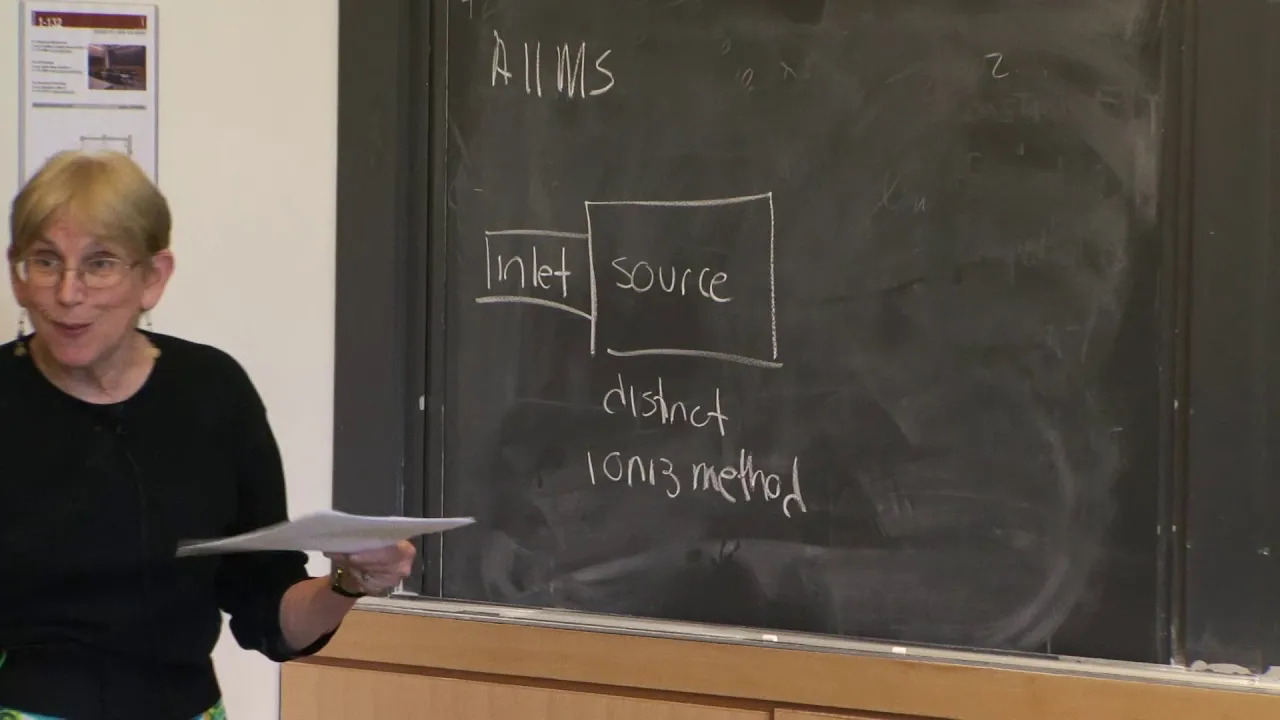




This course emphasizes studying cellular processes at the molecular level to understand life, focusing on macromolecular machines like the ribosome, protein folding mechanisms, and degradation pathways, while highlighting how molecular-level understanding enables therapeutic development for diseases such as cancer and coronary disease.
Biological Chemistry II: Course Overview & Key Themes | MIT 5.08J
Added:Fundamental biochemistry concepts, including protein structure levels (primary to quaternary) and basic enzyme kinetics (Michaelis-Menten equation).
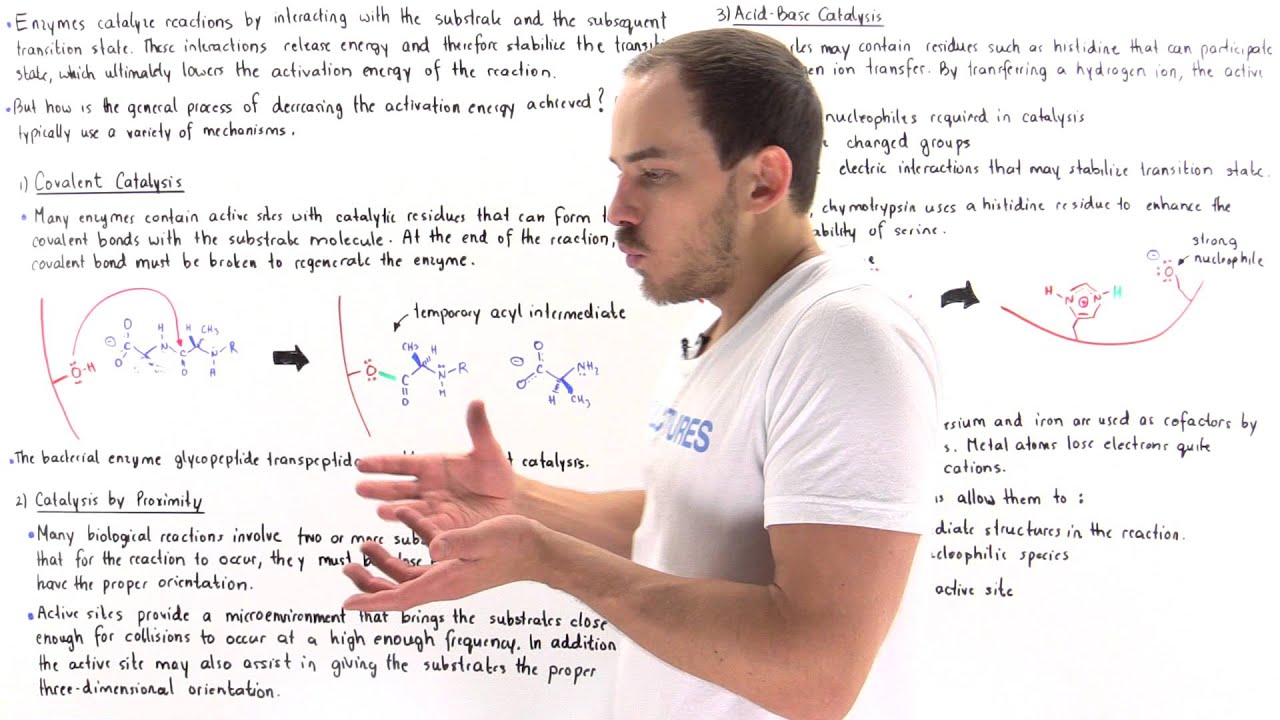
Organic chemistry reaction mechanisms, specifically nucleophilic covalent catalysis, acid-base chemistry, and carbonyl chemistry in biological contexts.
Basic cellular biology, including major metabolic pathways (e.g., glycolysis, citric acid cycle) and cellular compartmentalization.
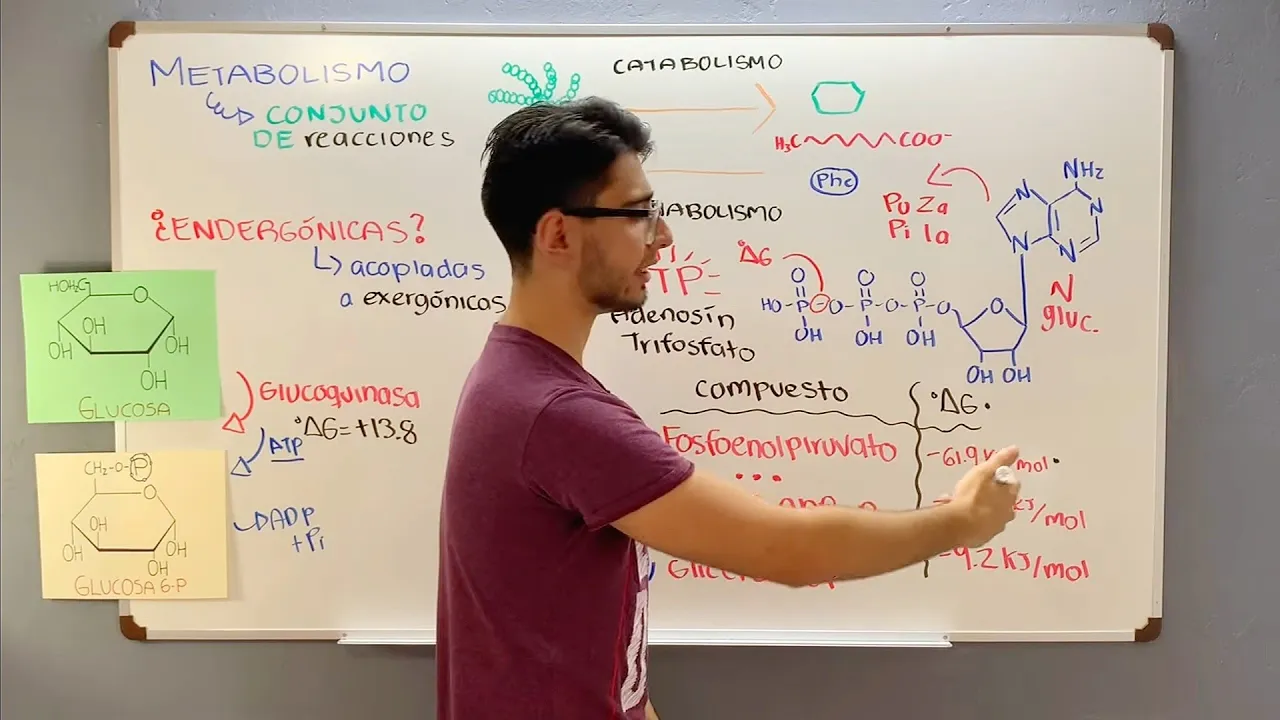
Thermodynamics in biological systems, particularly Gibbs free energy, coupled reactions, and the role of high-energy phosphoryl transfer.
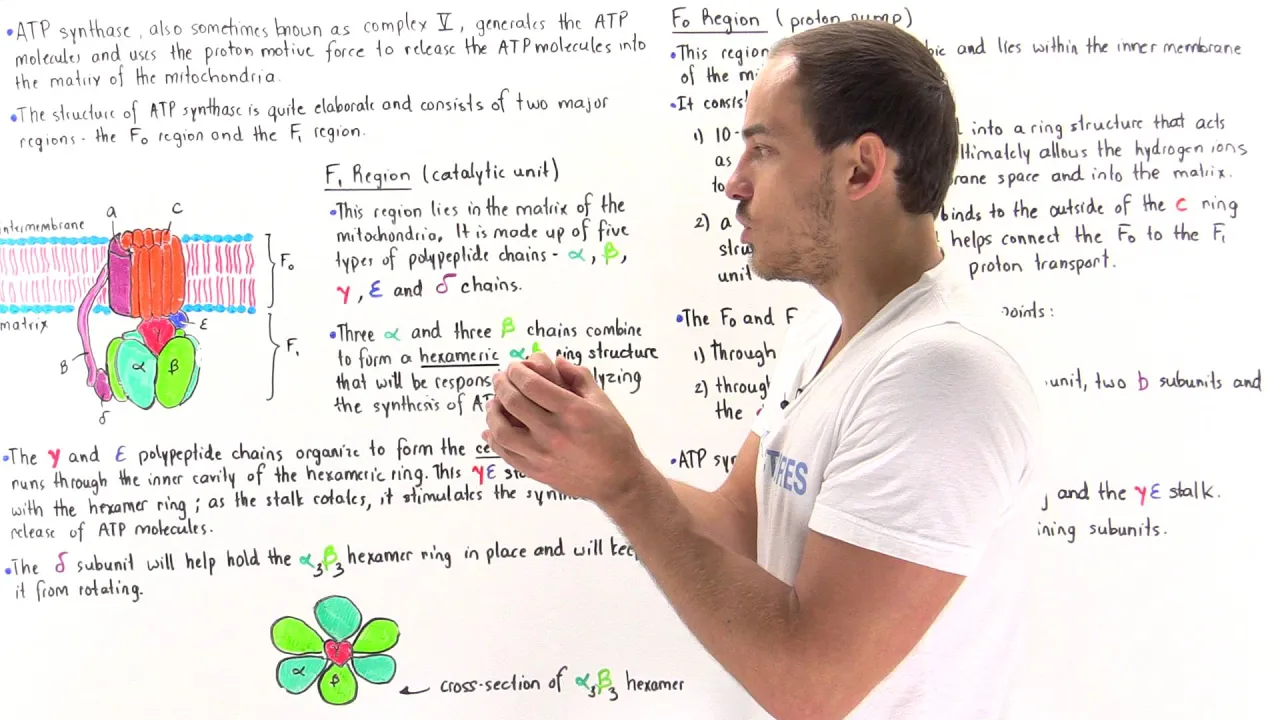
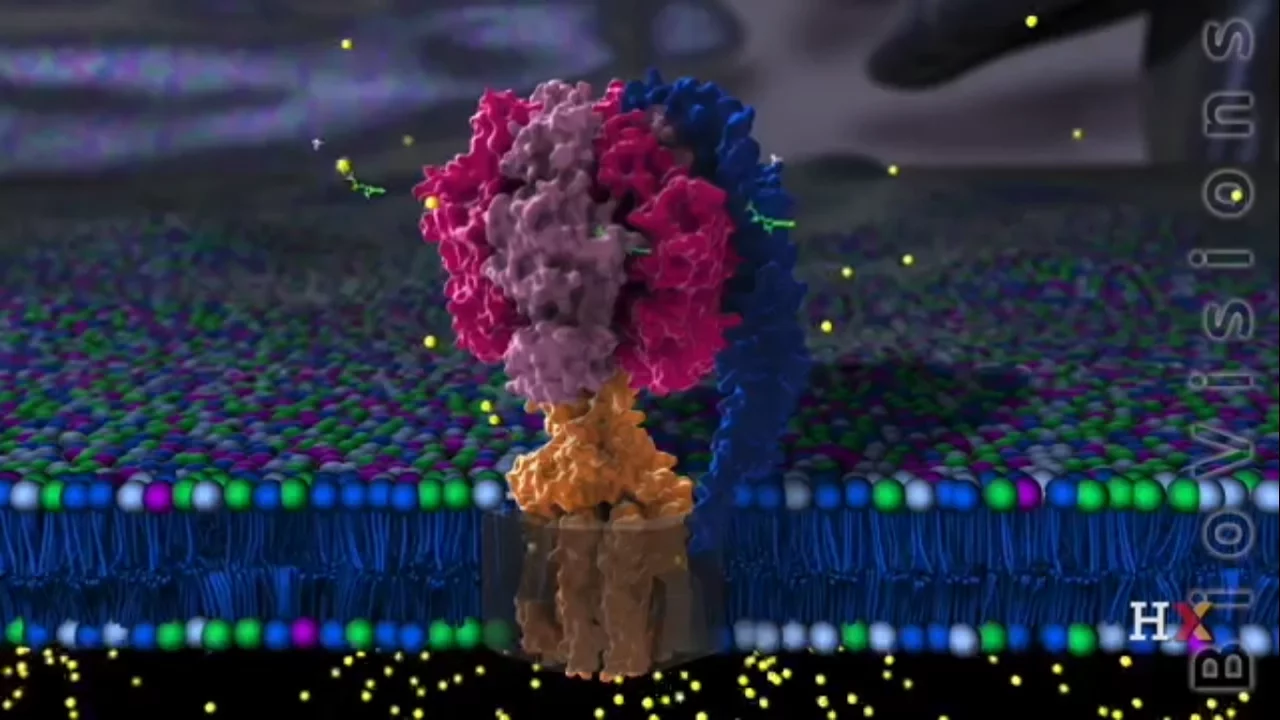
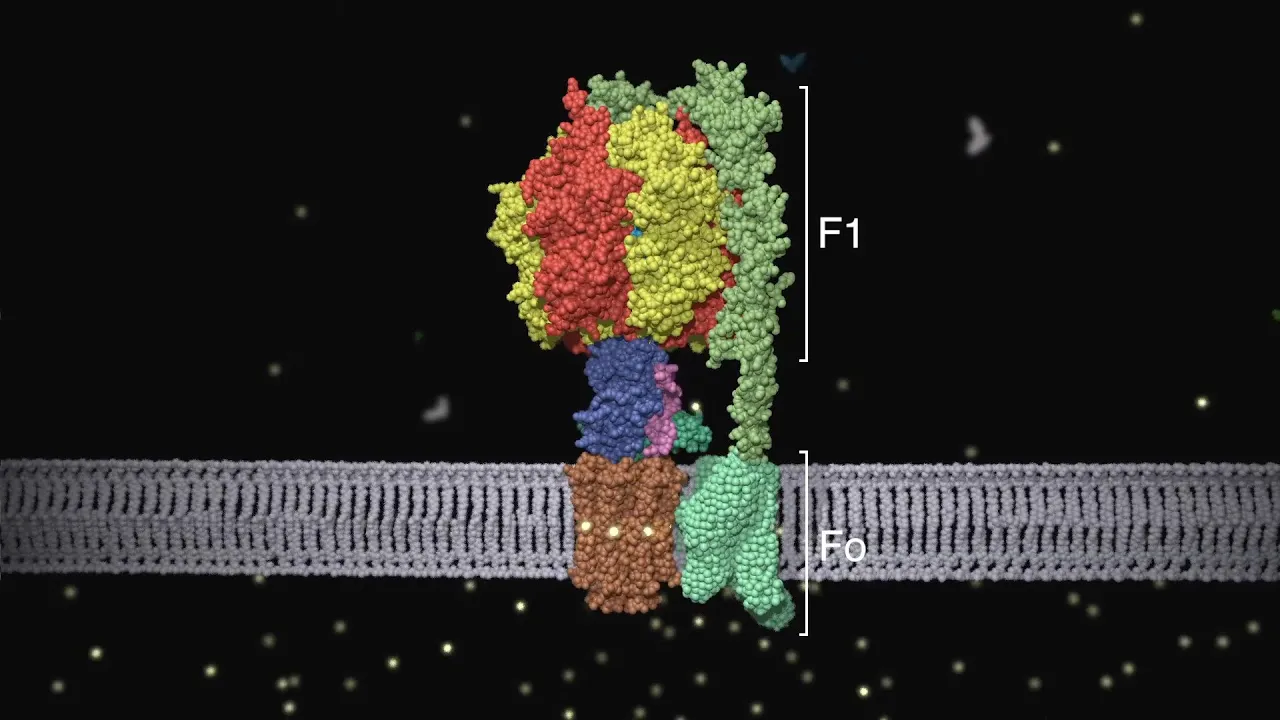
Detailed structural and mechanical analysis of complex macromolecular machines, such as ATP synthase, biological motors, and ribosomes.
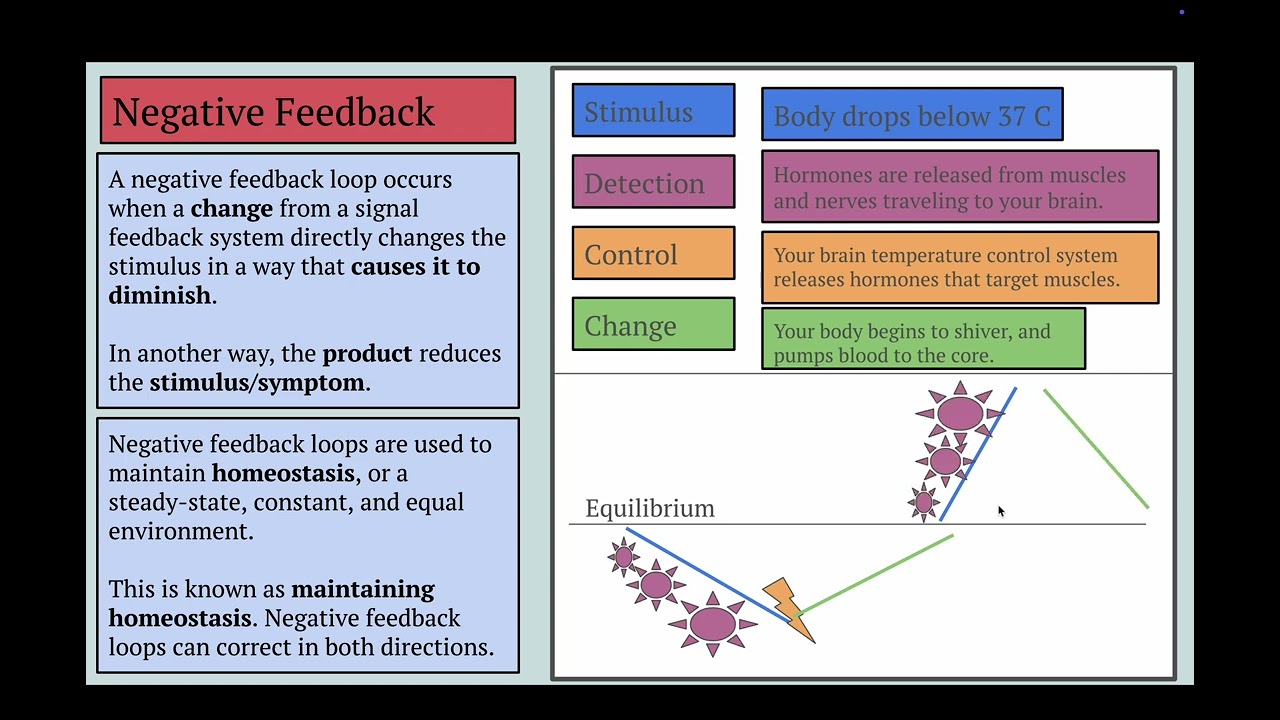
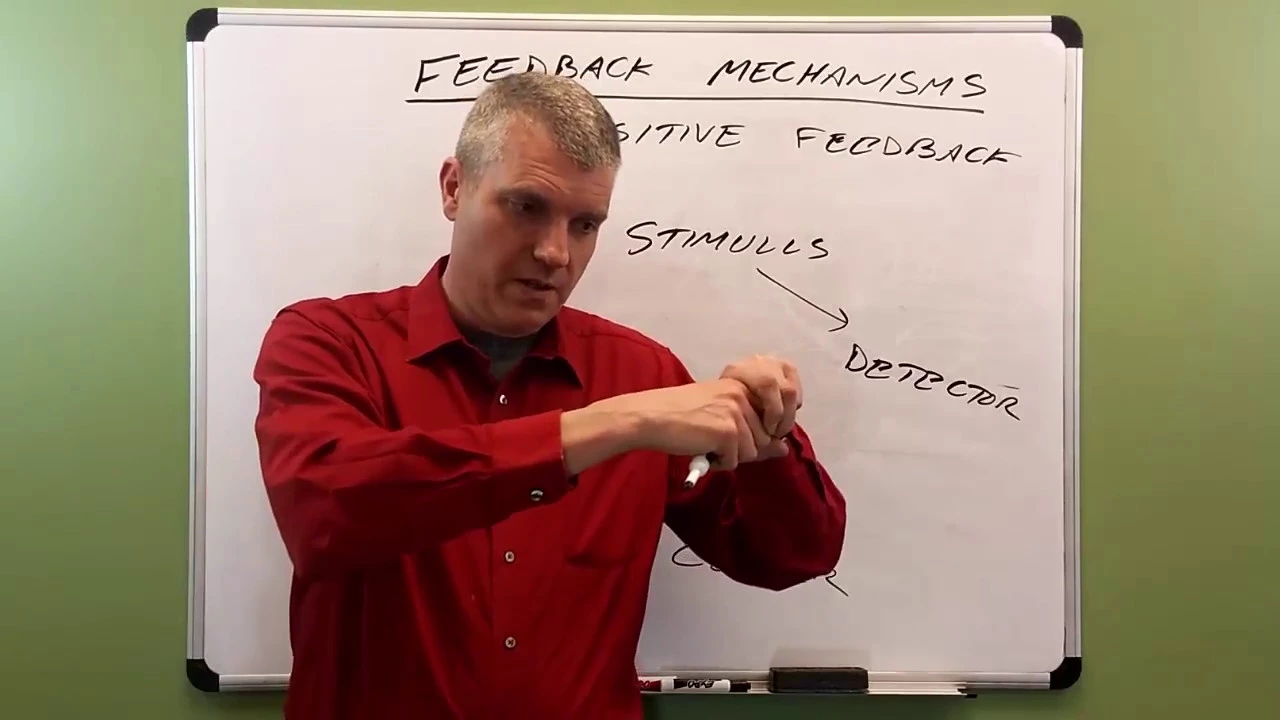
Feedback loops and molecular signaling pathways that regulate systemic homeostasis and metabolic flux in response to environmental stimuli.
Modern experimental techniques in chemical biology, including quantitative mass spectrometry, biophysical spectroscopy, and kinetic assays.
Applications of biological chemistry in pharmacology, including rational drug design, identifying drug targets, and understanding molecular toxicology.
65.9K views1Klikes35:56Original Release: 2019-08-01
the following content is provided under a Creative Commons license your support will help MIT OpenCourseWare continue to offer high quality educational resources for free to make a donation or view additional materials from hundreds of MIT courses visit MIT opencourseware at ocw.mit.edu welcome to the class we're gonna discuss the themes that are going to basically permeate every topic and module we'll talk about here and one of the central themes of this class is that we're interested in studying the cellular processes of life at a molecular level right so it's biochemists and chemists were interested in this level of understanding right and what we see here is a cartoon depiction of the cell and we see that there's many types of biomolecules in this environment so what are our core themes for this year first we believe that life must be studied on a molecular level to truly understand it and so we need to think about the cellular environment both on a macroscopic scale and on the molecular level and this environment is complex and it always needs to be considered right so as experimentalists and biochemistry often we're doing experiments in aqueous buffer with proteins or some other biomolecule how does that relate to a context like this one here where the environment is very different and much more complex something we'll see especially in the first half the first four modules of this course is that in cells complex processes are carried out by macro molecular machines and elaborate systems and these systems are fascinating you'll see that we know a lot but as we learn more there's more and more questions that come up and more questions we need to address with that in addition to these macro molecular machines some additional themes for this course involve homeostasis and signaling and these will be especially emphasized in the second half of the course when Professor stubby takes over there so how do we think about homeostasis and signaling in these contexts something that will come up again and again is how basically understanding cellular processes at a molecular level or the molecular features can help explain mechanisms of human disease as well as therapeutics and so an example we'll see in the early part of this lecture involves the ribosome so many antibiotics target the ribosome and by understanding ribosome structure and function we can understand how these small molecule therapeutics work another example involves the proteasome which we'll hear about in the second half of the course so there's therapeutics that target the proteasome for instance for cancer and cholesterol biosynthesis will come up and you know how does our understanding of cholesterol biosynthesis leaves two ways to treat coronary disease something that Joanne and I really like to think about day to day and convey to you in this course is the importance of experimental design and choice of methods so as scientists and experimentalists how do we think about designing an experiment because that design is really critical to the outcome and what we can make of the data and so throughout lectures and recitations things to keep in mind and that will reiterate or that all techniques have inherent strengths and limitations and so it's something we all need to keep in mind when we analyze data and think about how an experiment was done and these systems we're going to look at in 508 are very complex and what that means is that many different types of experimental method are needed in order to answer complex and sometimes not so complex questions right so one method alone just often isn't enough we need insights from many different techniques and types of expertise and so we look forward to informing you about different types of methods whether they be established and quite old or new that are important today and as I alluded to before something we have to keep in mind when doing biochemistry in the lab is that the test tube is very different from the cell these environments are vastly different and so we always need to think about how to relate data back to a cellular or physiological context right if you measure a dissociation constant of one micromolar what does that mean in a cell right versus one picomolar for instance another point to make is that the hypothesis is a moving target right us so we prove have a hypothesis experiments are designed to test this hypothesis and there's some outcome maybe that supports the hypothesis maybe not or maybe there's some new insight from a related field that really changes how we think about something so in many cases we're integrating data and insights that are quite new and Professor stubby and I won't have all of the answers and so that type of uncertainty is something that we aim for you all to gain some level of comfort with so there's many complexities and primary data often uncertainties and that's just an aspect of this course and I anticipate that to you here and along those lines just keep in mind we know so much and I think it's amazing and if I step back and think about this for some of the systems we'll see actually overwhelming and it's really due to dedicated efforts of many many people over many many years but with that said there are so many remaining unanswered questions and you know we hope that you'll find inspiration in some of these questions as looking forward within this field there okay so what about the cell and macromolecular crowding just to emphasize this point a bit more here we have any coli okay so e coli our laboratory work horses for biochemists they're fascinating I love e coli but I just show you the simple eco like cartoon and this depiction here to emphasize how how did the cellular environment is right so we have an e.coli of about two microns long and maybe half a micron wide a volume of about a thumb two liter okay and if we think about the e coli genome for a minute it encodes about 4,000 proteins that's a lot of proteins and if we think about one equalized cell of this small size can just ask a simple question how many ribosomes are there so we all know the ribosomes are needed for polypeptide biosynthesis how many ribosomes are packaged in one E coli and you guess so 10100 pardon yeah let's say a thousand times 15 or 20 so there's about 15 to 20,000 ribosomes and one e coli cell right and as we'll see in Friday's lecture the ribosome is very large um how do they all fit and there's not only the ribosomes but there's many many other players just you know as noted here in this cartoon okay so you can think about what does that mean in terms of concentrations will bring up concentrations of biomolecules in the cell throughout this course and what does it mean having them packaged together so much here so very different than the test tube our goals some of which I think have been communicated by me so far but just to emphasize we're interested in these macro molecular machines and chemical processes responsible for life we hope by the end of this course everyone gains an appreciation for the complexity of life and our current understanding of the topics we present to you this spring there's close links between basic fundamental research and medicine and technology development as well understanding the experimental basis for understanding foods and hypotheses and what we think is something that you know we hope to achieve and that you can bring to other places after this course is really to being able to knowledgeably and critically evaluate methods and results especially primary data and we also hope that you know we convince you that biological chemistry is really thought-provoking and fun and hopefully you all think that right now as well so what are the actual topics we're going to cover we organized this course into modules and these modules are listed here and different modules will have different numbers of lectures dedicated to them but where we'll go between now and spring break I'll present to you during these weeks is that we're going to focus on the life so that life cycle of a protein for the first three modules and many of you are familiar with aspects of this we're going to present these topics I think a bit differently than what you've seen before again very much from the standpoint experimental methods and hypothesis testing so we'll cover protein synthesis doing a careful case study of the ribosome will continue with protein folding so asking the question after the ribosome synthesizes the polypeptide chain how does that polypeptide assemble into its native form what happens when proteins are Mis folded and then we'll move into protein degradation and we'll look at proteases and machines that are involved in proteolytic degradation and where we'll close the first half is with module 4 which is on synthesis or often called assembly line and homology and this is a different type of template driven polymerization that's involved in the synthesis of natural products and then after spring break professor stubby will take over and the focus will be on cellular processes that involve homeostasis metabolism and signaling and so these topics will involve cholesterol biosynthesis and type of molecule car cult terpene and so a third way to make a carbon-carbon bond will be introduced in this section so you've heard about claisen and aldol condensations and prior biochemistry courses this will be another route and then we both love metals in biology so there's a whole field of bile in organic chemistry and it will be introduced to you here with iron homeostasis as a case study and moving from here and something quite related involves reactive oxygen species so I'm sure you've all heard about these somewhere maybe in the news maybe from your lab work what are these reactive oxygen species are they all reactive what kind of chemistry do they do in a cell how do we study that here and then and then of course we'll close with a section a module on nucleotide and deoxy nucleotide metabolism excuse me as well as regulation and then an integration of course concepts so we have a lot of exciting topics and exciting things to tell you about in terms of level of understanding for this course as I said many of these systems are complex we're going to look at huge macro molecular machines and multi-step processes this is a biochemistry course and we are interested in molecular level in addition to this big picture and so things to keep in mind when thinking about structure okay you need to think about the amino acids and please review these if you're a bit rusty so to know the side chains PK's etc that's all important to have in mind what are the protein folds what are the arrangements of these macromolecular assemblies and and how do we we study that in terms of reactivity will see bond breaking and bond forming reactions so again we need to think about things like pk's nucleophiles and electrophiles if you need to brush organic chemistry textbook or biochemistry textbook is a good place to go and then something to keep in mind is dynamics so the macro molecular structures and enzymes and proteins will look at our dynamic often we only have a static picture or some number of static pictures but there's conformational change transient binding occurs and we always need to think about kinetics so these are things just to keep in mind when you're reading and questioning to yourself about any given system here so what about experimental methods this is just another topic to go over in this course overview so there's many methods that come up in 508 and we don't expect that you have knowledge of any or all of these at the stage of starting the course the difficulty that comes up is that we can't introduce all of these methods to you at once in a level of detail that's needed for everything we do okay so what will happen is that if methods come up in problem sets that haven't yet been addressed will give you enough background information in the problem set material such that you can think about the questions and answer them okay and will let you know when a method comes up you know you'll hear this in recitation X or we'll talk about it more in class so right now what I'd like to do is just go over a few of the methods that you're going to see multiple times okay and the thing to keep in mind is that the context of how the context in which these methods are being used may differ but the underlying principles are the same okay and we choose methods that are being used today and are important some of these were developed decades ago some of these are very very new and hot off the press so if it's an older paper please don't brush it off it's like oh this is old and so you know it's not new right we're all really excited by technology and every thing here but many of these older methods are robust and used all the time here so what are some methods and tools that we'll have under our belt okay the first to point out our methods involved in macro molecular structure here okay so we care a lot about structure because we need structural understanding to be able to comprehend how these systems work and so one method we'll see a lot and you'll discuss in recitation this week is x-ray crystallography okay and in addition a method that will come up quite a bit and we'll see both of these in the initial discussions of the ribosome is electron microscopy and another method to be aware of and if you're curious talk to your TA Shiva is NMR okay so NMR has a lot of applications here with in biological chemistry but we won't discuss that what can go along with methods in this bioinformatics yeah so how many of you have used blast how many of you know what blast stands for you know basic local alignment search tool so you know what does this let you do right it lets you find regions or similarity between sequences whether that's amino acid sequence a nucleotide sequence and you can use that information to make hypotheses and design experiments there so that will come up with additional methods and possibilities okay what about fluorescence so how many of you have done an experiment that involves fluorescence either in lab or in your research how many did that involve a fluorescent protein what about a small molecule yeah that's Florence so have you thought about why the protein was used versus maybe why a small molecule and what our inherent strengths and limitations are one or the other depending what you want to do right so fluorescence is used in many many different contexts we can think about proteins like green fluorescent protein we can think about using small molecules okay and we like fluorescence because it allows us to see right we can get visual information and so where fluorescence will first come up in this class is with the ribosome and in recitation week 2 there'll be some discussion about using small molecule fluorophores to label trna s-- and using fluorescence as a readout of steps in the translation process and there's a lot of considerations and caveats do that do we have a pizza delivery thank goodness no okay often in this class we get pizza deliveries for someone else I don't know if that's already starting yeah yeah okay we'll also see GFP being used in the proteasome section for degradation so a folded protein has fluorescence a degraded protein does not what about kinetics here so what different types of kinetic studies can be done so what do we all hear about an introductory biochemistry class pardon yeah steady-state kinetics right turnover so we have steady state which I encourage you to review Michaelis Menten kinetics here and you'll also be introduced in the first weeks of this course of especially recitation three so recitation two is going to build up to this pre steady-state kinetics okay so here you've heard about this in 507 or another course introductory course right and we're looking at multiple turnover of an enzyme okay and these experiments are set up with an excess of substrate right in order to afford conditions that allow multiple turnover right so there's formation of an enzyme substrate complex and then there's product formation so review as needed so what about pre study state kinetics how many of you are familiar with with this method not so much so what does the name suggest Cardon okay so I'm Gabi I'm just speak one we're both dead we're but I'm really deaf so do you want to say something so I hear ya a single turn over maybe I think is what if we're having multiple turnovers here in the study state right if we're before the study state what does that mean right it means we're in the initial really initial part of this reaction right where we're looking at a single turn over here and how do you do this okay basically you look with sub stabbing limiting substrate rather than excess substrate and this is just to give a little Prelude in terms of thinking about experimental design okay so here look at the first moments of a reaction alright so so what type of timescale is that yeah small right maybe a millisecond timescale right compared to a timescale of seconds or minutes all right so what does that mean it means you need some different experimental setup right you can't do pre steady-state kinetics in the way we've done steady-state kinetics say in a lab class for instance and so you need a special apparatus and you know what does that let you see here you're looking at multiple turnover products forming you know here in the early stages what can you see maybe intermediates in intermediate formation and why might that be important for thinking about mechanism so those will come up in the first weeks of recitation here another topic that will come up and it's something that you always need to think about and relates to integrity of materials is that of purification okay so how our proteins purified for studying the ribosome how do we get ribosomes that are pure and are correct or what if you'd like to use a mutant ribosome how how does that get generated so here you can talk about ribosome or protein purification and so I'll present to you on ribosomes and mutant ribosomes in week four of recitation and this topic more generally of proteins will come up in passing again and again so how many of you have purified a protein many how many of you used an affinity tag yeah so are they the answer to all problems no there can be a huge help but they can also be problematic in one way or another right so with the ribosome we'll look at a case where there is really some elegant work done using an affinity tag approach to allow researchers to obtain mutant ribosomes we'll also though talk about the limitations and that type of methodology and the things you need to think about if you're doing protein biochemistry and how a tag may affect your experiments and data there in addition to think about is assay development okay an analytical methods and so there will be many different types of assays that are presented in this course and something just to think about how do you develop the right assay what are all of the considerations how do you know your assay is a good one for the question you want to address there this is actually really complicated and so there'll be some case studies that come up in the course but just more broadly to think about so often you know in lab classes you may have an assay but you might not be aware of all of the considerations that went into actually developing that assay such that it works and then there's the analytical methods that are used either for analyzing assay data or other data and again these have strengths and limitations just some that will come up to present Western blots okay an immuno precipitation so these methods involve antibodies and so we need to think about the antibodies themselves here radioactivity okay how does this work why did biochemists like to use radioactivity and assay development and how to think about this productively and correctly so should you be afraid of iron 55 you know yes or no you know how does that exposure compared to being in an airplane for instance they're so seriously because there's a lot of fear associ with radioactivity that may or may not be well-founded depending on what you're doing and so this gives us a lot of sensitivity and Joanne will talk and week to a recitation about about radioactivity and designing experiments that use this as a readout what else so affinity measurements okay so dissociation constants or affinity constants how are these measured when reading the literature is a value a good one or a not-so-good one and how can you make that distinction mass spec in proteomics so these will be in the later half of the class I believe recitations eleven and twelve and and many others and we're introducing CRISPR this year in the context of the caress cholesterol unit as well so as I said we can't take care of all these methods immediately we'll let you know when they're coming up when when you need to more know more details about them as we go through the course here before that so we can get started and in the last few minutes what I'll do is just give you a brief overview of the macro molecular machines we'll look at through modules one through three and basically what is the big picture and then we're going to break that down into looking at individual components so if we think about the lifecycle of a protein okay basically well fast forward to having mRNA from transcription of the genetic code and then we have the macro molecular machine the ribosome that allows for translation of this message message to give us a polypeptide chains okay so some linear sequence of amino acids and then what happens we need to get from a polypeptide chain to some functional unit and so there's a whole number of interesting players that are involved in protein folding so we have folding which is enabled by chaperones okay is what we call these proteins that facilitate folding right and that's going to give us some structure that has some function and this protein has some lifetime in the cell so at some time for some reason it will be time for this protein to get degraded right in which case we need machinery that will facilitate the process to break down this folded protein into smaller fragments whether that be individual amino acids or short polypeptide chains of seven to eight amino acids right so from here we have degradation okay to give us small fragments okay and the players here our protease is and chambers of June one of which is the proteosome and actually I forgot to mention there will be a second guest lecturer in recitation this year Ruben Sanders who is a senior and does research in the Sauer lab on one of these chambers of doom called clip XP and so he'll present on single molecule methods and fluorescence methods to study how this degradation chamber works so that that will be really exciting he was the student in our course two years ago so let's just take a look we have the ribosome here what are the structural features of this macro molecular machine and how does it do its job we'll look at a number of seminal studies that we're done and it's truly fascinating and incredible what about protein folding so look at this macro molecular machine here grow a Oh grow a yes look at how big this is so how does this chaperone allows some nascent polypeptide that's unfolded or partially folded to obtain its native structure okay and there's many details in this depiction here that probably aren't apparent yet but by the time we're done with module two it will be their protein degradation so here is just a cartoon type depiction of a chamber of doom and its accessory protein from ecoli clip x clip P so look we have a folded protein here it's a beta barrel our friend GFP that emits green light and somehow this protein gets threaded through clip X enters this chamber which has multiple protease active sites and that proof Dean gets all degraded so how does this work how did clip X and P work together to allow aggradation of this condemned protein and then finally we're all clothes is on something I think a little bit different for most everyone and it's a type of template driven polymerization involved in the synthesis of small molecules like penicillins and erythromycin so these are antibiotics so how do we get at molecules like these from simple amino acid precursors or precursors like those you've seen in fatty acid biosynthesis here and often these are described as assembly lines and something will just need to keep in mind in this unit is you know are these proteins really acting like an assembly line or is this just a way to help us think about the templates and what's going on here so that's where we'll close okay so with that I'll finish up and on Friday we'll begin with looking at the structure of the prokaryotic ribosomes you
Up Next

63:22
Microbial Secrets Revealed: Tips for Microbiome Research Labs
@qiagen
1.1K views•2023-09-06
50:12
Bacterial Communication: Quorum Sensing and Biofilm Formation Explained
@JHUAAP
12.6K views•2011-06-28
49:08
Chemical Bonding Lipids and Membranes | MIT 7.016 Introductory Biology
@mitocw
262.9K views•2020-05-12
7:08
Bacteriophages: Earth's Deadliest Killers and Future Antibiotics
@kurzgesagt
34.6M views•2018-05-13
Related Study Plans & Knowledge Roadmaps
Structured learning paths in Biology
biology
RNAi: Biogenesis, RISC & Gene Silencing
01Molecular Biology Foundations: DNA to Protein
02Introduction to RNA Interference (RNAi)
03Molecular Biogenesis of miRNA and siRNA
+ 2 more learning modules
10h5 modules
Explore Roadmap
biology
Mycorrhizae: Signaling, Biophysics & Ecology
01Foundations of Mycorrhizal Symbiosis
02Molecular Signaling and Root Colonization
03Biophysics and Bioenergetics of Nutrient Exchange
+ 1 more learning modules
11h4 modules
Explore Roadmap
biology
Circadian Clocks: TTFL, SCN & Periphery
01Foundations of Molecular Biology & Gene Expression
02Introduction to Chronobiology and Actograms
03The Core TTFL: Molecular Architecture of the Clock
+ 3 more learning modules
14h6 modules
Explore Roadmap
biology
Population Genetics: Math, Drift & Selection
01Genetic & Probability Foundations
02The Hardy-Weinberg Principle and Baseline Models
03Mathematical Modeling of Natural Selection
+ 3 more learning modules
18h6 modules
Explore Roadmap