
















Algae management in reef aquariums involves balancing the symbiotic relationship between corals and zooxanthellae algae, where optimal nitrate levels of 1-2 PPM promote accelerated coral growth while 0.25 PPM nitrate and 0.02 PPM phosphate enhance coral coloration, achieved through biological nutrient reduction processes that maintain algae nutrients at predetermined levels without requiring reactors or resins.
Reef Aquarium Algae Management: Nitrate & Phosphate Control
Added:The Nitrogen Cycle in marine aquariums, specifically the biological pathway converting ammonia to nitrite, and ultimately to nitrate.
The symbiotic relationship between reef-building corals and zooxanthellae, including how light and nutrients affect this symbiosis.
Basic water chemistry parameters for reef aquaria, particularly how nitrate (NO3) and phosphate (PO4) accumulate as waste products.
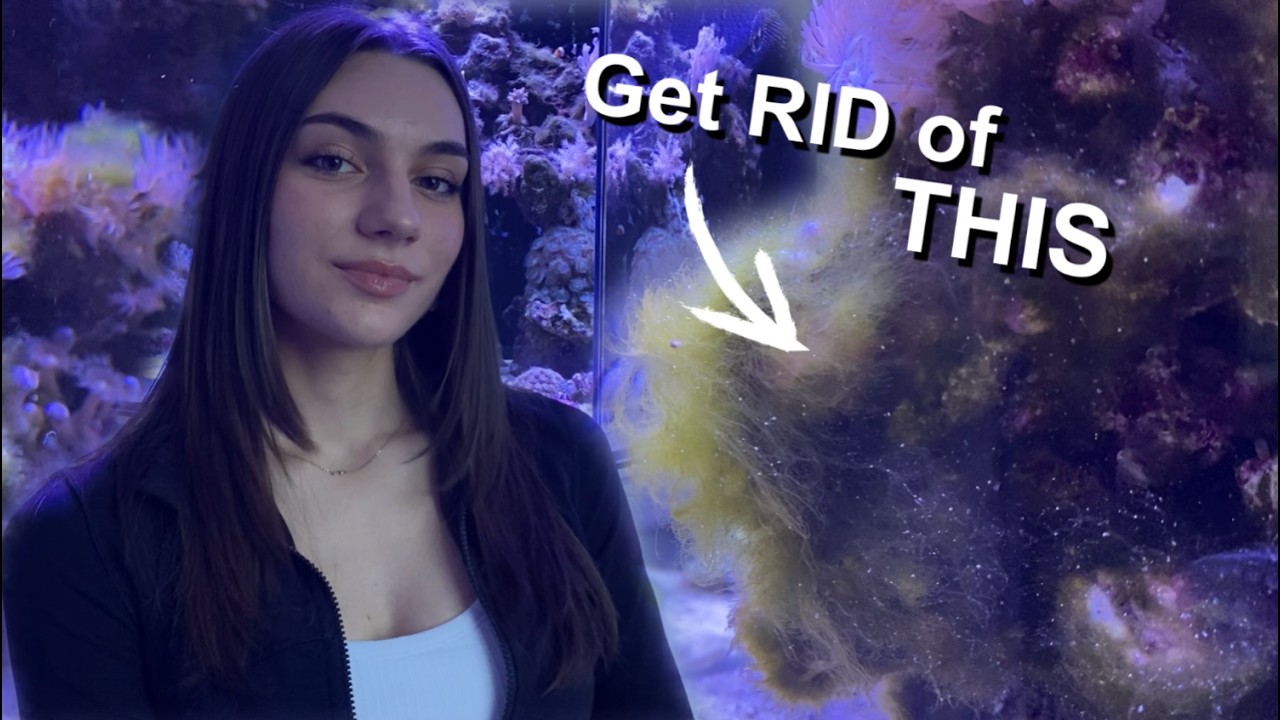
The definition and impact of 'nuisance algae' (such as hair algae, film algae, and bryopsis) on coral growth and aquascapes.
Carbon dosing methodologies (such as using NO3:PO4-X, vodka, or vinegar) to stimulate bacterioplankton growth for nutrient reduction.
The Redfield Ratio (C:N:P) and its application in closed marine systems to prevent imbalances that lead to cyanobacteria outbreaks.
Advanced mechanical and biological nutrient export techniques, including Refugiums, Algae Turf Scrubbers (ATS), and high-efficiency protein skimming.
The relationship between ultra-low nutrient levels (ULNS) and coral coloration, and the subsequent need for targeted trace element and amino acid dosing.
57.4K views235likes6:55Original Release: 2012-01-09
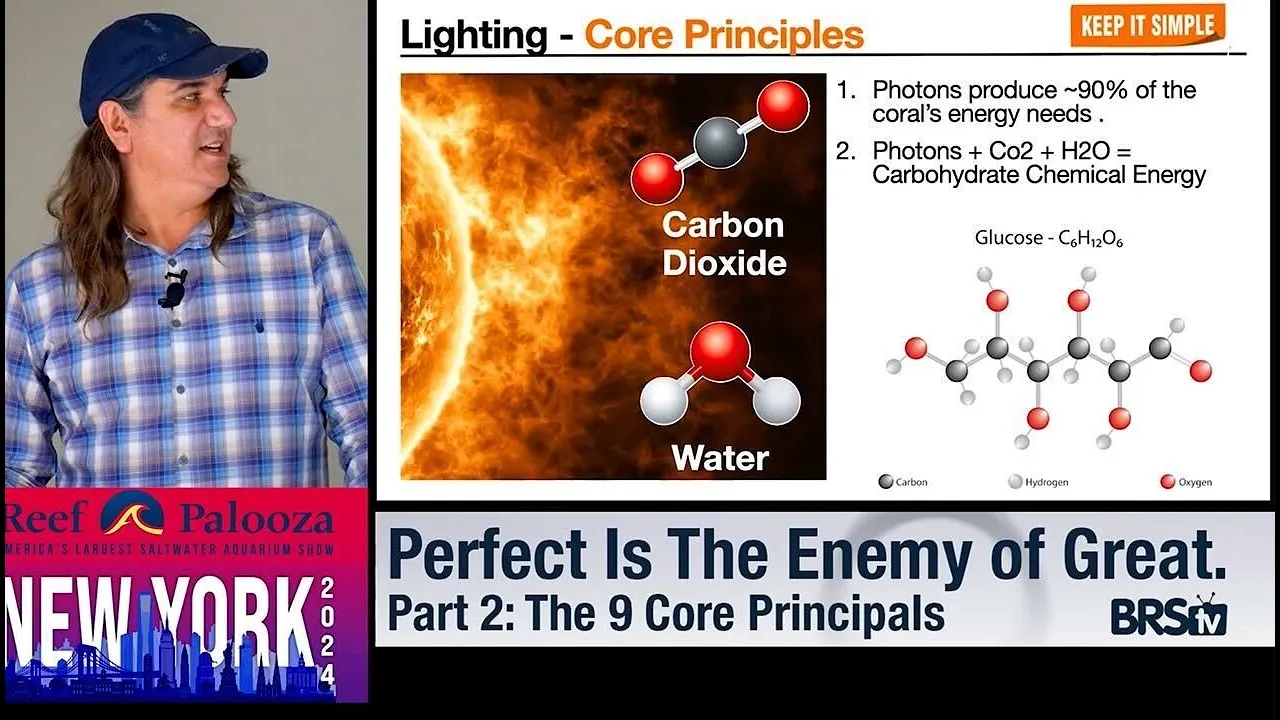
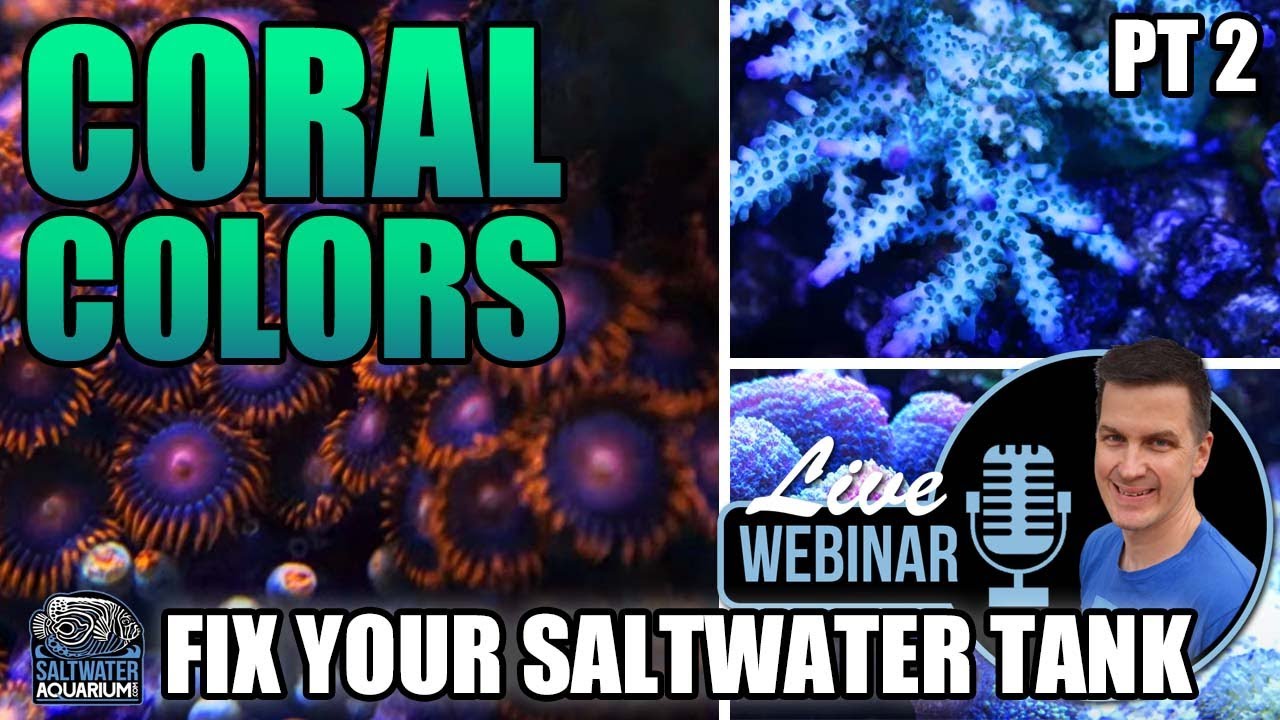
welcome back to the reef CARE program in this episode we'll be looking at the algae Management program the algae Management program is all about setting and maintaining the desired levels of nitrate and phosphate which are algae nutrients and therefore have a significant effect on all algae in the reef aquarium I say all algae because on the one hand we want to get rid of the nuisance algae that can quickly overrun a tank however on the other hand we need to look after the beneficial symbiotic zanelli algae that are essential for all so-called photosynthetic corals the program itself is based on promoting a natural biological process that can maintain the algae nutrients at a predetermined level without the need for reactors resins or other equipment and which has no undesirable side effects I'll explain how we do this shortly but first we need to understand the role played by the symbiotic zukan Thell algae in their connection to the energy corals need corals host millions of tiny zuk sanelli algae inside their soft tissue the symbiotic relationship is simple zuk andeli are photosynthetic algae and use light energy to metabolize the carbon nitrogen and phosphorous waste products of the coral in turn the zukan the's waste products are made up of the carbohydrates amino acids and fatty acids which are coral nutrients in fact the zuk anelli provide photosynthetic corals with approximately 85% of the nutrients they require to fuel their metabolic processes the zuk andeli have a physical presence inside the coral soft tissue protecting the corls from the intense light radiation by absorbing the light energy and shading the delicate inner layers Reef aquariums tend to have higher levels of algae nutrients than in nature which induces an overdensity of zuk sanelli giving the corals a brownish color rather than their natural Vivid pigments this however is not always a bad thing slightly higher densities of zuk anelli will provide relatively more energy such as required for Accelerated Coral growth but we must bear in mind that excessive densities of zuk anelli will cause harm so corals will only be able to display their natural colors at lower densities of zanelli however there is more to this story exposure of the soft tissue to more direct light induces a photor protection response similar to The Way We tan when exposed to sunlight corals will intensify their pigmentation by producing more chromoproteins this however requires more more energy as well as the specific minor and Trace elements essential for their production in the previous episode about the Foundation program I explained that accelerated growth requires energy and a few moments ago I said enhanced coloration also requires energy so our job then is to create the right conditions higher densities of zuk anelli which Supply 85% of the nutrients combined with the elevated levels of foundation elements will support the energy requirements for Accelerated growth since corals are only able to display their natural colors at lower densities of zuk anelli to avoid an energy imbalance we must reduce growth rates by lowering the foundation elements and increase the coral nutrients available in the water the individual parts of the reef Care Program are coordinated to optimize the energy demands of the corals remember everything is interconnected in every aquarium with live rocks marine substrat or porous filter media there are anoxic areas that house colonies of nitrate and phosphate reducing bacteria however under normal conditions there are not enough of these bacteria to reduce all of the algae nutrients that are constantly generated in an aquarium why because even bacteria need nutrients and minerals to flourish recently Reef Keepers have been experimenting with vodka or vodka sugar and vinegar to regulate their nitrate and phosphate levels with various levels of success personally I have better uses for vodka cheers now this got our scientists thinking and after a few years of research and development they came up with NO3 P4 DX or noox for short which is a unique complex of carbons and other elements that are used by the various nutrient reducing bacteria ensuring nitrate reduction to nitrogen gas and the absorption and utilization of phosphate noox is formulated for daily dosing and when combined with weekly measurements of nitrate and phosphate enables gradual changes and the fine control of algae nutrients that are so important for the long-term health of all corals the highly accurate colorometric comparator test kits that we developed specifically for dosing notox detect the very small but significant differences at ultra low levels of algae nutrients full instructions for using notox or converting from other methods can be found on our website however as a rule of thumb to get rid of nuisance algae and promote accelerated Coral growth we recommend a nitrate level of between 1 to 2 PPM and for enhanced Coral coloration a nitrate level of 0.25 PPM and phosphate level of 0.02 PPM so there you have it our algae Management program contains the supplement and test kits which can best help you set and maintain the desired levels of nitrate and phosphate ensuring optimal water conditions for your aquarium to learn more about the biological processes that are going on in your reef and the role of the other subprogram in the RCP see each of the episodes in this series so get with the program and make the most of your Reef
Up Next
8:01
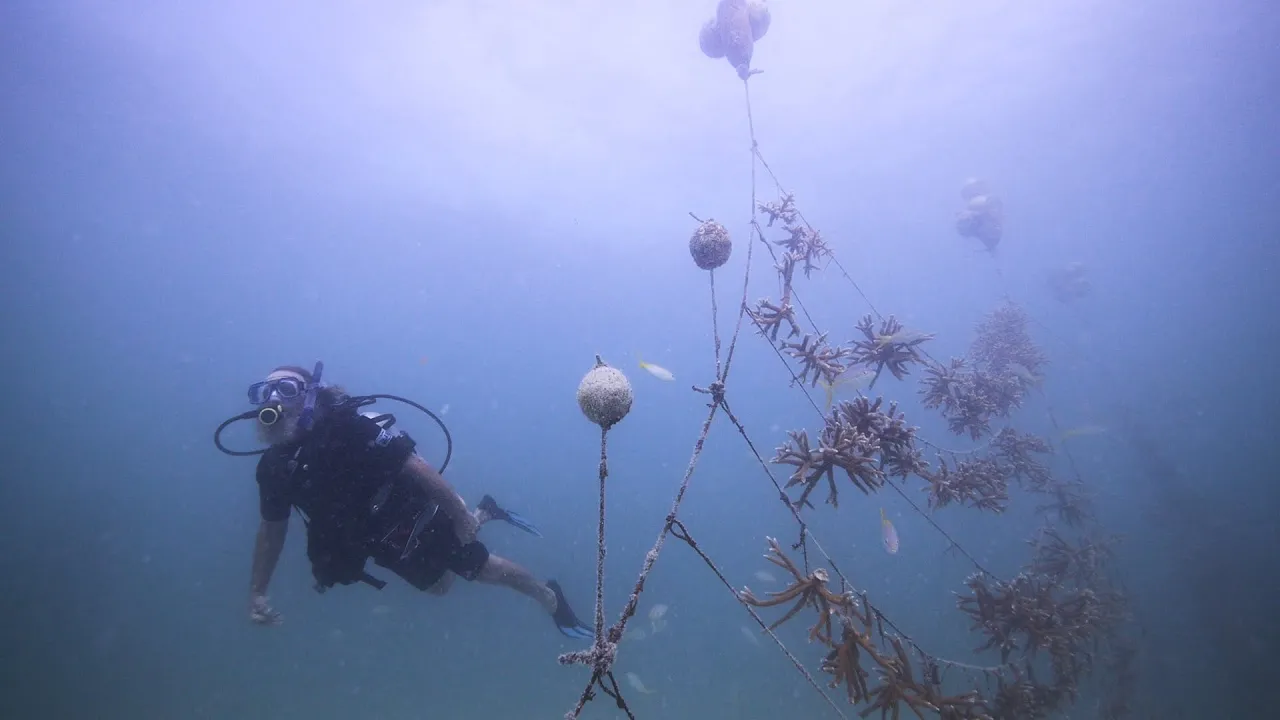
Microfragmenting: A Breakthrough in Coral Reef Restoration
@TheAtlantic
91.6K views•2016-02-22

50:12
Bacterial Communication: Quorum Sensing and Biofilm Formation Explained
@JHUAAP
12.6K views•2011-06-28

5:35
Enteric Nervous System Explained: The Gut's Brain | Neurobiology Lecture
@alumniu6029
438 views•2018-09-12
7:08
Bacteriophages: Earth's Deadliest Killers and Future Antibiotics
@kurzgesagt
34.6M views•2018-05-13
Related Study Plans & Knowledge Roadmaps
Structured learning paths in Biology
biology
RNAi: Biogenesis, RISC & Gene Silencing
01Molecular Biology Foundations: DNA to Protein
02Introduction to RNA Interference (RNAi)
03Molecular Biogenesis of miRNA and siRNA
+ 2 more learning modules
10h5 modules
Explore Roadmap
biology
Mycorrhizae: Signaling, Biophysics & Ecology
01Foundations of Mycorrhizal Symbiosis
02Molecular Signaling and Root Colonization
03Biophysics and Bioenergetics of Nutrient Exchange
+ 1 more learning modules
11h4 modules
Explore Roadmap
biology
Circadian Clocks: TTFL, SCN & Periphery
01Foundations of Molecular Biology & Gene Expression
02Introduction to Chronobiology and Actograms
03The Core TTFL: Molecular Architecture of the Clock
+ 3 more learning modules
14h6 modules
Explore Roadmap
biology
Population Genetics: Math, Drift & Selection
01Genetic & Probability Foundations
02The Hardy-Weinberg Principle and Baseline Models
03Mathematical Modeling of Natural Selection
+ 3 more learning modules
18h6 modules
Explore Roadmap