

























The nursing home industry has become a highly profitable investment sector due to the aging population, with investors extracting returns through aggressive cost-cutting, understaffing, and exploiting vulnerable elderly residents who lack financial literacy and alternatives, resulting in approximately 20,000 premature deaths annually; this occurs because the business model prioritizes profit over care quality, with private equity firms using leverage buyouts to maximize returns while slashing staffing and services.
Nursing Home Profit Motives: A Financial Analysis
Added:The basic structure and funding of the U.S. long-term care system, including the distinctions between Medicare and Medicaid reimbursement.
The core business model of Private Equity (PE) firms, including leveraged buyouts and the expectation of high short-term returns.
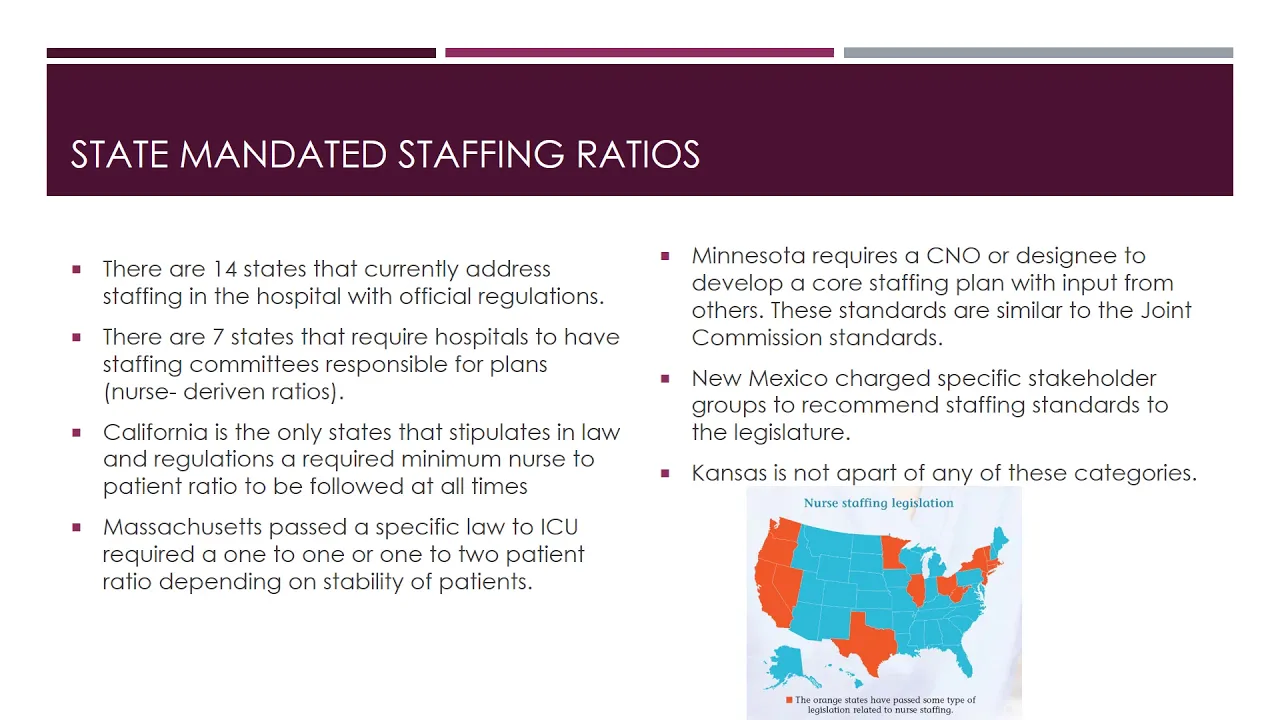
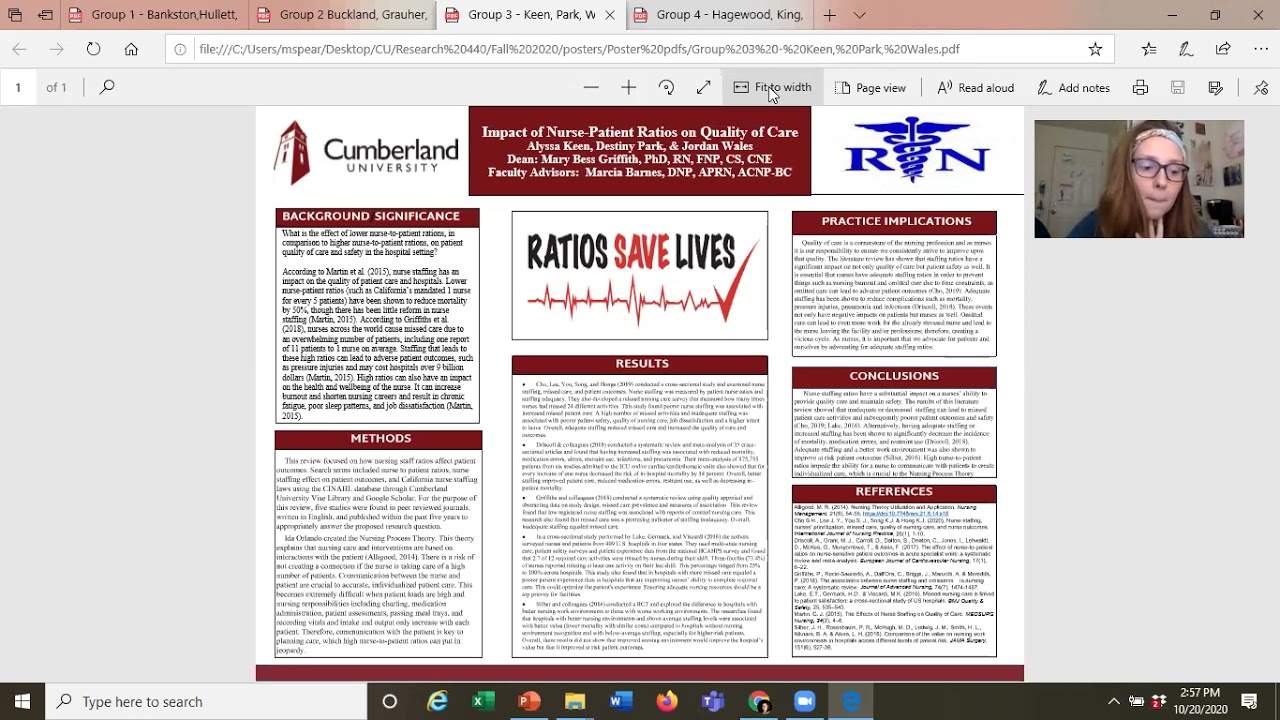
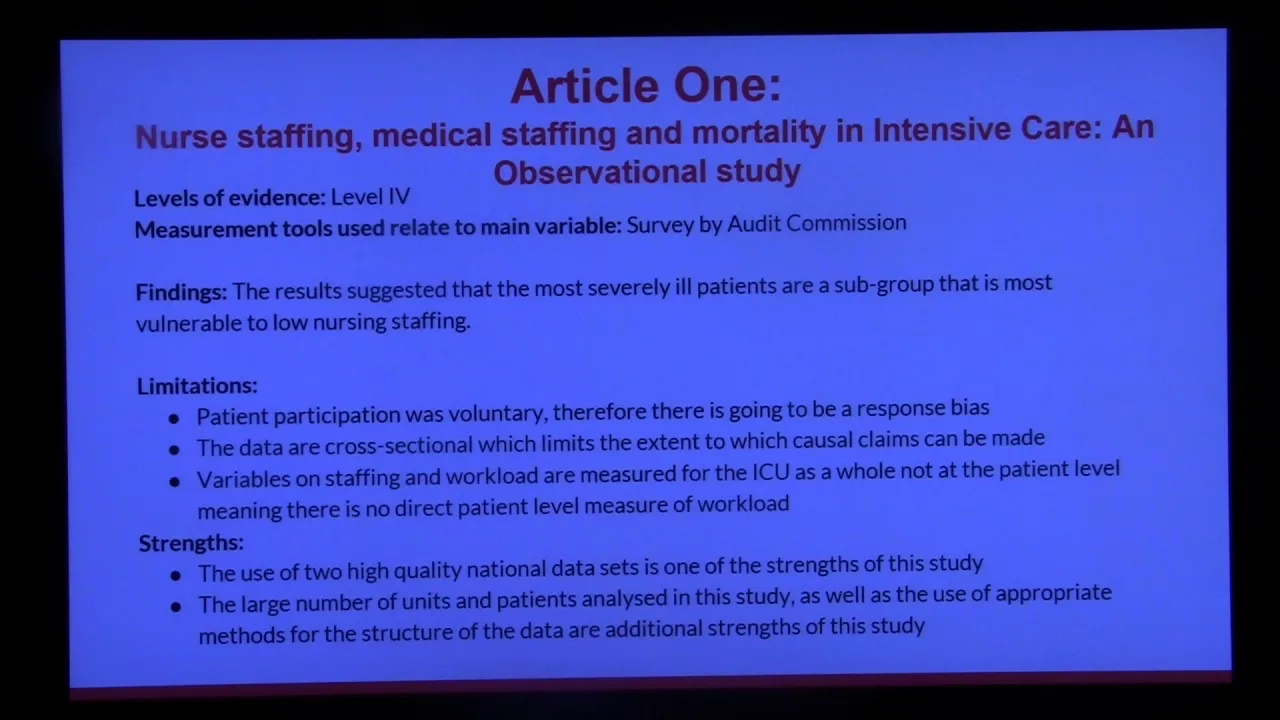
The relationship between nurse-to-patient staffing ratios and clinical quality indicators in healthcare facilities.
Basic corporate finance concepts, specifically cost-cutting strategies, operational efficiency, and debt-servicing requirements.
Analysis of Real Estate Investment Trusts (REITs) and sale-leaseback transactions often used by nursing home operators to shield assets.
The impact of federal and state legislative reforms, such as mandated minimum staffing hours and ownership transparency laws.
Alternative, non-profit, or community-based elder care models, such as the Green House Project, and their comparative outcomes.
Legal frameworks surrounding elder abuse, corporate negligence, and the use of mandatory arbitration clauses in nursing home contracts.
300.1K views10.6Klikes15:02Original Release: 2024-02-10
there are institutions operating in America today that are responsible for over 20,000 premature deaths all in the name of profit they make their money by housing vulnerable people and cutting costs wherever they can often breaking the law in the process these might sound like for-profit prisons but I am actually talking about nursing homes although maybe that's no coincidence because a lot of these places are owned and operated by the same people every nursing home across the country according to a recent survey 87% of providers are fac Staffing shortages you trust nursing homes to take care of your loved ones but two News investigates found several in our area have received below average Rank and exposed insulation in the bathroom nobody should have to live like this if you were an investor with a lot of cash and good connections age living is an attractive business opportunity the Aging population means that you will have an Ever growing number of customers Revenue can be sourced from insurance companies individuals and the government and once you have residents in your homes it's unlikely that they will ever check out until well they check out according to research done by the National Bureau of economic research elderly Americans are also less financially literate which means they won't know if they are getting a good deal or not the investment potential gets even better the more of these businesses you own because overhead like Administration sales and Contracting can be shared across multiple locations consistent cash flow a growing customer base and synergies at scale has made nursing homes one of the most targeted alternative asset classes in America investors can now gain exposure to the age care Market through direct investment private equity and even exchang listed real estate investment trusts that can be purchased by anybody with a Robin Hood account and $90 but the reality of this business is werin margins distorted incentive structures and a raise to the bottom on quality and safety Age Care is a broken business model that smart money investors need to squeeze incredibly hard to get any kind of returns for three reasons and there are three terrible ways to squeeze ing is getting done the first reason is that the profit does not come from looking after the elderly the National Bureau of economic research published a report on the effect of private Equity investments into nursing homes which is one of the most damning things I have ever read the only reason why it isn't getting more attention is because the report is 30,000 words long so I have gone ahead and read it so you don't have to the paper outlines the damage that the private Equity business model has done to patient care but before it even gets to that it outlines just how broken the age care business is no not all Senior Living is made equal and the business is operated off three classifications that have different requirements and qualify for different subsidies the first classification is an independent living facility these are for seniors who are largely independent but want to live in an environment where they have the community of other seniors the convenience of having meals transports and social events organized for them and the Peace of Mind Of Care Facilities being close by if they need them these kinds of facilities are common in lifestyle retirement States like Florida and some of them offer luxurious accommodations and amenities to the residents these Age Care facilities are usually privately funded and operate not too differently from a gated community that only allows people above a certain age to live there investors in these kinds of facilities make their money by selling or leasing homes directly to Residents leasing commercial properties to businesses that want to operate within the facility and from charging management fees on top of the fees to maintain grounds organized activities and upkeep amenities since residents pay out of their own pocket to live in these facilities the operating companies can charge as much as people are able to pay a luxury home at The Villages the largest Independent Living Facility in the country is currently listed for just under $2.4 million that is separate from the ongoing fees to stay in the community more modest offerings for a smaller independent living facility run about $55,000 a month for Combined rent and services fees on a one-bedroom apartment most retirees fund their stay at these living facilities by selling their homes so as homes have become more expensive the prices of these facilities has kept up at almost exactly the same pace Independent Living is in a way an indirect way to profit both off the Aging population and increasing home prices so if you waiting for an inheritance to finally own your own home I'm sorry to tell you but these guys are the first in line now these facilities are made for people that are mentally and physically fit enough to live by themselves so nobody is being forced into these homes but it starts to get a lot worse at the next level up assisted living facilities provide more personal care than independent living facilities accommodations and these types of Age Care establishments are much smaller than the regular Apartments of freestanding homes in ILS typically they are single on Suite rooms that connect directly to communal facilities like food halls and on-site medical facilities these home support residents with daily activities like bathing dressing and medication management but they still let their elderly clients maintain as much Independence as possible with planed shopping trips leaving to go to see friends and family and even vacations if it's deemed appropriate these types of facilities are still most mostly paid out of pocket by residents but since they are a blend of a home and a care facility insurance companies will cover part or some of all of the fees to stay in these homes if the residents have coverage in very rare cases residents can also receive funding from Medicaid if it's determined that they need the support of one of these homes and they have no other way of paying for it at this level of care there are two problems that arise that lead to bad outcomes for both residents and staff the first problem is that insurance providers have much more negotiating power on their pricing so investors in these facilities can't increase their margins by charging more instead they turn a profit by lowering their standards of care the National Bureau of economic research study found that since for-profit assisted living facilities had no required Staffing levels the head count of on-site nurses and nursing assistants felt to dangerous levels the basic functions that these facilities report to offer to patients like bathing regular medical checkups and even providing food have been missed because of inadequate funding a report by the Associated Press listed hundreds of incidents of residents in these facilities simply starving to death another report by The Washington Post found that just dozens of elderly patients in the care of these homes dead after they simply walked away without being noticed by the skeleton staff running these homes if a long history of deadly negligence wasn't bad enough this business model gets even worse since a large share of these residents in these homes were placed there against their will so it's time to learn how money Works to find out just how broken the age care industry is this week's lesson is sponsored by ground news it's important for me to stay up to date on news to prepare for my videos but it's hard to get the facts of a story nowadays because it seems like everything has some sort of political bias or opinion ground news helps you cut through those biases and I feel like partnering with them is a duty to all of you their app and website gathers related articles from around the world in one place so you can compare coverage instead of just reading one source and believing it to be true for example they analyzed nearly 100 sources reporting on President Biden implementing nursing home Staffing Reg regulations for the first time ever up top I get a summary of the issue from different perspectives and it's interesting to see the opposition from the nursing home industry which cites Staffing shortages as one of the key challenges in meeting the new regulations down below I can compare every article on the topic including the White House Press release with tag showing me the bias reliability and ownership of the source and I can see most of the coverages coming from Center and left leaning sources creating a potential blind spot for readers that consume more right-leaning news ground news has an entire feed dedicated to stories like this that are receiving lopsided coverage and it's interesting to see the types of stories that each side of the political Spectrum tends to focus on getting access to multiple perspectives is key to making informed decisions and it's why I love using ground news so go to ground. news/ how many Works to try it out sign up today for just $1 a month or use my link and you'll get 30% off their unlimited Vantage plan the same one I use to see the full picture and cut through media bias the age care advocacy group of my Elder recently published a story about Max Kaplan an 80-year-old man who in 2011 went into a hospital to receive a minor surgical procedure which led him to never seeing his home again according to the report the hospital told Max that for them to discharge him back to his home he would have to agree to allow a social worker to visit his home and determine if it was safe for him to return the social worker determined his own home was not good enough and put him into the custody of Adult Protective Services which checked him into an assisted living facility to provide him with care that he was living without before his ill- fated hospital visit Kaplan was later appointed a legal guardian by a New York Court who sold his home and Furniture cashed out his retirement savings and used the money in addition to his pension and social security to pay for his continued care in an assisted living facility Kaplan is only allowed $50 a month of his own money to pay for incidentals as of September 2023 when this article was published Max is not allowed to leave the building for any reason no one can sign him out and his Guardian was not responsive to requests for comment now you might be thinking this sounds a lot like the movie I care a lot something that sounds like an overdramatic work of fiction but guardianship abuse happens all the time especially to Elders who have had a lifetime to amass assets worth siphoning off with a literally captive Market assisted living facilities have very little business pressure to increase their quality of care because a residents seldom have the ability to leave and find a better provider the price of assisted living facilities has also grown as facilities have started to offer additional amenities nice food bigger rooms and more activities to Residents that have better insurance coverage or money from retirement savings and home sales to pay out of pocket these are mostly high margin items that can be charged at a premium within assisted living facilities to increase Revenue because residents have nowhere else to spend their money it's easier and more lucrative for operators to upsell these Services rather than charge more money for what is really needed which is more staff and that's the second reason why Senior Living care is a broken business it's getting squeezed from all angles in 2021 a group of Florida Healthcare Providers urged the FTC For assistance with anti-competitive pricing coming from staffing agencies so the operators that have been accused of ripping off residents were themselves complaining about being ripped off by service providers according to data from salary.com zip recruiter and indeed the average salary for a full-time elderly caregiver here in California is between $12.35 and $827 an hour or $28,000 to $399,000 a year that is a terrible income for such a demanding job so when demand for a central staff Peak during covid-19 the companies that provided staff to facilities that didn't hire their own staff started charging more which made it unprofitable to run assisted living facilities insurance companies won't pay more Medicaid has a fixed reimbursement that hasn't been adjusted to keep up with inflation and facilities are already meling as much as they can out of residents with means to pay for additional Services that's why a survey conducted by the Florida Healthcare Association found that 59% of Assisted Living facilities were operating at a loss or negative total margin and if you thought that was bad then it only gets worse for the third type of aged Care Facility skilled nursing facilities offer the highest level of care to Residents with serious health conditions that require constant supervision these homes are a blend of living accommodations and a hospital and are funded through fixed Medicare payments or health insurance some of the largest agare communities in America will have independent living assisted living and skilled nursing facilities all on a single property so residents can move between them as their need for care increases as they age normally residents don't spend very long and skilled nursing facilities before they are either moved back to Assisted Living if their health improves or the more if it doesn't the regulatory requirements around minimum Staffing to run these facilities is very high but revenue is even lower Since By the time most of the population gets to a Skilled Nursing Facility they don't have any personal assets or insurance coverage left so providers have to make do with Medicaid which isn't enough since most providers are still run for profit it's taken some very creative business practices to get money out of these facilities which is the third reason why everything about Age Care has gotten so bad there is still a lot of money in age care it's just not in the operating homes the National Bureau of Economics research paper outlined one highly controversial practice that private Equity firms have been using to extract business value out of all three types of these facilities private Equity Funds are motivated by capital gains so if they can acquire a struggling age care company and turn it around they can make large profits and even if they can't turn it around they still have some tricks up their sleeves so if you're a cunning private Equity manager who wants to cash in on the misery here is what you have to do you need to find a nursing home that is struggling with profitability but still has a strong asset base some nursing homes own their own facilities and these are a great Target since the company is barely profitable you should be able to buy it for not very much money and once you can take ownership immediately sell whatever assets you can and then lease them back to the companies you sold them from the age care Real Estate Investment Trust that you can buy on a public market get most of their properties from buying and leasing back properties like this with this pile of new cash you can pay back your firm a good amount of the money that they spent on the acquisition in the first place after this you should buy more properties and then use your market dominance to drive down expenses wherever you can and squeeze out a profit once you have made a profit you can use this to get the AG Care Facility to take out a loan and then use that money to pay back your firm even more the ongoing expenses of H care facilities are now strained by rent and Loan repayments but even if they end up bankrupt your firm still has made most of its money back leverage buyouts like this have been responsible for 20,000 premature deaths and Facilities across the country as the quality of service is slashed in the name of turning a profit but without the liquidity provided by private Equity there would probably be an even bigger shortage of Age Care Providers private Equity isn't moving into age care because it's a great business they are moving in because it's a struggling business other firms have found that there is more profit in buying up companies that provide third party services to these homes in 2018 h capital acquired Reliant Rehabilitation one of the largest providers of contract Healthcare Services in America providing nursing staff on a contract basis to hundreds of assisted living and skilled nursing facilities across the country this complemented their portfolio nicely as they were able to share administrative overhead with wellpath another healthcare service provider they acquired in 2013 that provides the same services to private prisons I have worked for nearly half a decade in Investment Banking in the healthcare sector putting these kinds of deals together they don't always have to have such bad outcomes but with such vulnerable people right in the middle of conflicting corporate interests they are usually the first group to be compromised I'm going to write an op-ed for my own experience in what separates bad deals from good deals in the space over on my completely free email newsletter compounded daily so make sure to sign up at the link below if you are interested in reading that if you want to start your own private Equity Fund to start profiting off broken business models like this yourself then go watch my in-depth video covering what these businesses actually do to keep on learning how money works
Up Next

0:57
Financial Statements Explained: A Beginner's Guide to Fundamentals
@BrianFeroldiYT
169.7K views•2024-11-19

46:36
Retention Habits of Top DTC Ecommerce Brands Revealed
@SendItPodcast
44K views•2026-03-03

15:23
Decoy Effect: How Pricing Psychology Influences Consumer Spending
@bobinvestsUS
90K views•2026-01-05

17:30
The Planned Obsolescence of Light Bulbs and Tech
@veritasium
25.3M views•2021-03-26
Related Study Plans & Knowledge Roadmaps
Structured learning paths in Business
business
Pop-Up Retail: Strategy, Design & Execution
01Introduction to Pop-Up Retail & Strategic Goal Setting
02Budgeting, Site Selection, and Legal Essentials
03Experiential Retail Design & Visual Merchandising
+ 2 more learning modules
15h5 modules
Explore Roadmap
business
Reg CF: Startup Funding, Marketing & Launch
01Introduction to Equity Crowdfunding & Reg CF
02Platform Selection & Legal Preparation
03Crafting High-Converting Campaign Assets
+ 2 more learning modules
14h5 modules
Explore Roadmap
business
Productized Services: Scaling Solo Freelance
01Foundations of Productized Services
02Packaging and Scope Definition
03Pricing and Subscription Models
+ 2 more learning modules
15h5 modules
Explore Roadmap
business
Gov Procurement: Find, Bid & Win Contracts
01Introduction to Government Procurement & Business Setup
02Small Business Certifications & Set-Asides
03Finding and Analyzing Contract Opportunities
+ 2 more learning modules
14h5 modules
Explore Roadmap