










![Act Out! [73] - Standing up to Big Brother & The Man; The Surveillance State & Protester’s Rights](https://i.ytimg.com/vi/6NoDlgt9_3k/sddefault.jpg)






![Claudia Diaz - Two tales of privacy in online social networks [05 Apr 2013]](https://i.ytimg.com/vi_webp/_IfcbTZfovY/maxresdefault.webp)

![[HOPE X] Unmasking a CIA Criminal](https://i.ytimg.com/vi/_pOPcmNBKAs/maxresdefault.jpg)
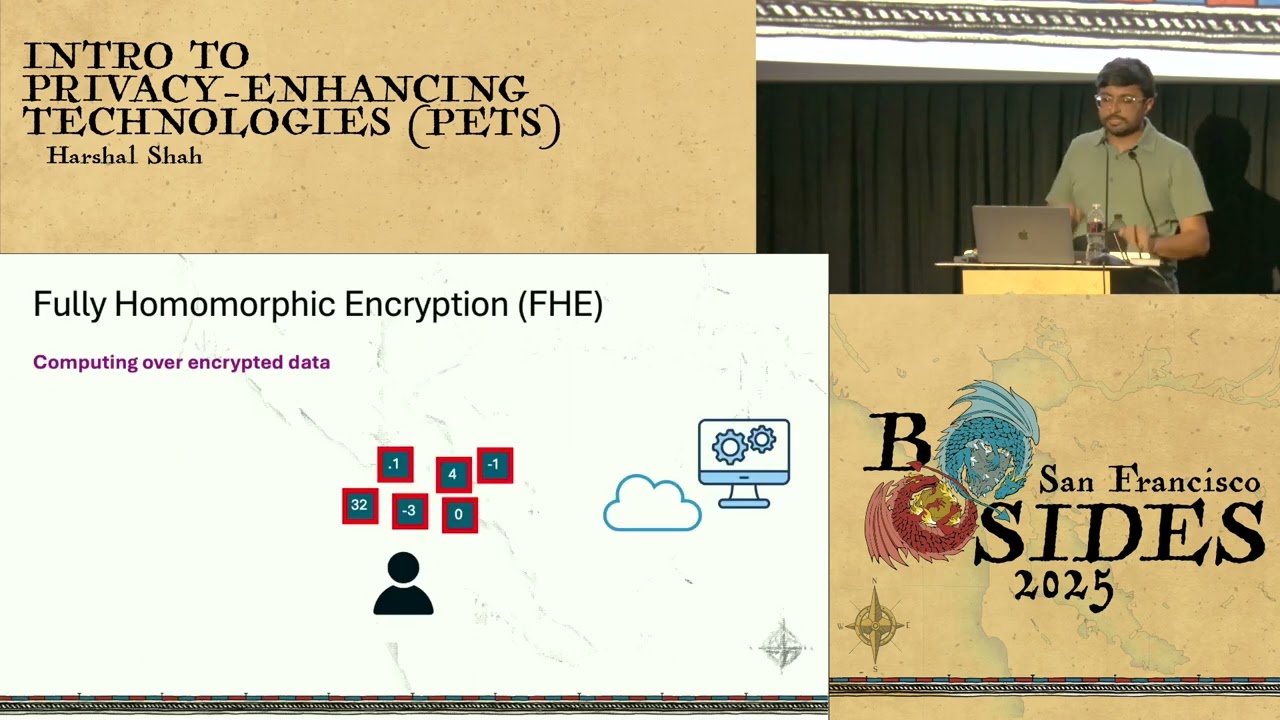


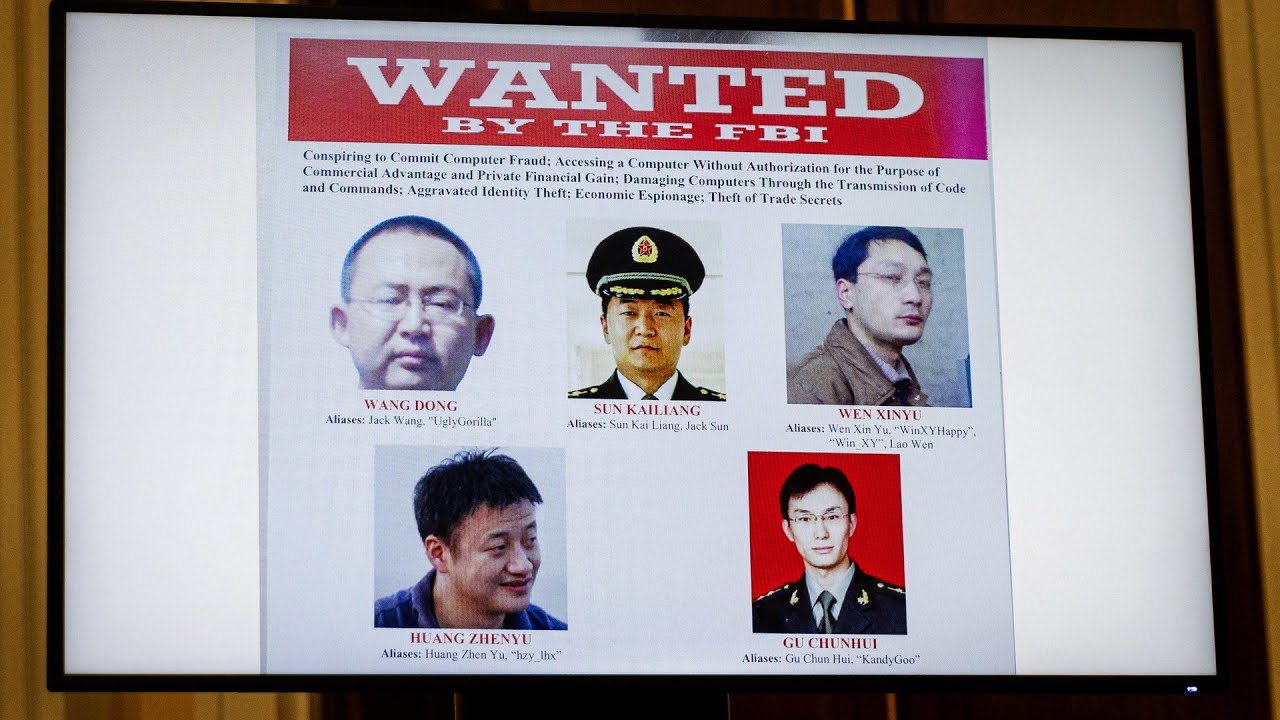







China has developed an advanced AI-powered surveillance state that leverages big data, facial recognition, and algorithmic governance to create comprehensive control over its population, raising significant concerns about human rights and democratic values; this represents a fundamental challenge to liberal democracies as technology becomes increasingly centralized and predictive, enabling unprecedented levels of state control over citizens' lives.
Digital Authoritarianism: China, AI, and Human Rights Conference | Stanford
Added:Basic understanding of political systems, specifically the core differences between democratic governance and authoritarian regimes.
Fundamental concepts of Artificial Intelligence, including how machine learning, big data harvesting, and biometric surveillance (such as facial recognition) function.
An overview of global human rights frameworks, particularly the rights to privacy, freedom of expression, and association as defined by international bodies.
The historical context of state-sponsored surveillance and intelligence gathering prior to the digital age.
Advanced study of AI governance and regulation, such as the European Union's AI Act and democratic frameworks for ethical technology deployment.
Exploration of Privacy-Enhancing Technologies (PETs), encryption, and decentralized communication tools used by activists to counter digital censorship.
Analysis of geopolitical tech-diplomacy, focusing on how international standard-setting bodies shape global internet protocols and technology hardware supply chains.
In-depth research into specific case studies of algorithmic control, such as social credit systems, predictive policing models, and information operations globally.
159.4K views1.6Klikes2:03:59Original Release: 2020-09-30
and i'm delighted to welcome you to this four-part conference on the rise of digital authoritarianism china ai and human rights this conference is a joint project of the hoover institution the global digital policy incubator or gdpi which is part of stanford cyber policy center and the human rights foundation we are also pleased to have as a co-sponsor hai the stanford institute on human-centered artificial intelligence this conference has been a remarkable team effort among the organizations i've just mentioned we have come together around a common concern that artificial intelligence and the entire constellation of digital tools must be used to enhance human freedom and opportunity not suppress it as you will hear over the four sessions of our conference this week and next the power and possibilities are staggering it is driving exciting innovations in economic production energy transportation health care and much more but what happens to political freedom human dignity and international peace and security when the world's most powerful authoritarian regime bids to become the dominant a.i superpower and how should democracies respond those are the core questions we're going to be exploring in this conference following our opening remarks this morning today's panel will examine one of the most alarming asp aspects of china's application of ai emergence of the most technologically sophisticated system of state surveillance in human history this thursday our second panel will explore the ethics of doing business with china and chinese companies a conundrum that many u.s and european-based technology companies are wrestling with as they weigh the risks and opportunities for collaboration and market entry in china following this thursday's panel at 10 am on thursday former executive chairman and ceo google and co-founder of schmidt futures eric schmidt will engage with my gdpi co-leader eileen donahoe in a wide-ranging dialogue on the issues of this conference next tuesday morning october 6 our panelists will discuss china's rise as a global ai superpower and we'll hear a keynote address from mike brown director of the defense innovation unit we conclude on friday morning october 9th by discussing how democracy should respond to china's emergence as an ai superpower this fourth and final session will begin with keynote remarks from taiwan's digital minister audrey tang our panelists will then debate how democracies can respond to the challenge effectively and positively without doing more harm than good our conference will close that morning with remarks from hai co-director fei-fei li and a conversation between her and eileen donahoe i want to introduce now glenn tiffert hoover research fellow and manager of our new hoover project on china's global shark power and jenny wong's strategic advisor to the human rights foundation glenn thank you larry it's my pleasure to welcome you to this conference on behalf of the hoover institutions project on china's global sharp power a new initiative focused on how the chinese government is exerting its growing economic and political influence around the world to burrow into the soft tissues of other nations particularly democracies this conference falls squarely within the mission of our project by spotlighting one of the most significant domains in which the tools of china's dictatorship are overspilling its borders and dictatorship is in fact the term that the chinese government still uses to describe itself through ai it is poised to shape the technical standards values and balance of military and economic power that will govern not just the lives of its own citizens but also a great many others around the world at a time when democracy and human rights are under extraordinary pressure over four sessions we will grapple with the stakes and choices those ambitions pose particularly to free societies and to those that yearn to be free or still true some of these challenges have analogs closer to home but china presents them in a stark and sweeping form the chinese government has proven time and again that it cannot abide knowledge or people beyond its control and ai gives it tools of unprecedented power to indulge its impulse to dominate both if we are to make principled judgments about when to cooperate in constrain or resist china's growing capabilities in this critical sphere then we must look beyond just the usual metrics of technological and geostrategic competition we must also give thought to the kind of world we want to live in and what will be required to achieve it this conference explores those parts of the conversation and i would be remiss for those of you interested in taiwan um if i did not mention our upcoming conference beginning on october 12th on taiwan in the indo-pacific region which you can find more information about on hoover.org i thank you for joining us and i'm delighted now to introduce jenny wong strategic advisor for the human rights foundation thank you glenn hope everyone is doing well and staying healthy during these difficult times my name is jenny wang and i'm with the human rights foundation hrf hrf is a non-profit organization dedicated to protecting and promoting human rights and countries ruled by authoritarian regimes we do a series of events around the world called the oslo freedom forum and can learn more about us and our initiatives at href.org on behalf of hrf thank you all for joining us here today as we kick off this joint online conference event the rise of digital authoritarianism china ai and human rights we are so happy to organize this event in partnership with stanford's global digital policy incubator the hoover institute and stanford's institute for human-centered ai in the coming days you will have the opportunity to engage in a series of world-class conversations hitting the nexus of human rights and the chinese government's use of artificial intelligence during the programming please don't forget to ask questions via the link below we believe these discussions diving into the ethics of the chinese government's use of technology is incredibly important and we look forward to increasing dialogue and understanding about this topic i will now hand it back to larry diamond who will introduce secretary condoleezza rice the director of the hoover institution for opening remarks thank you again uh thank you so much jenny and thanks for the partnership at the human rights foundation it's always a a great honor and really a deep personal pleasure for me to uh introduce the woman who is our opening speaker this morning the director of the hoover institution and the denning professor of global business at the graduate school of business dr condoleeza rice uh as you all know dr rice served from 2005 to 2009 as the 66th secretary of state and in the four years prior to that as national security adviser uh to president george w bush having previously served president george hubert walker bush uh in the national security council at a time when the world was being remade and germany reunited if i can partially quote one of her books uh with the end of the cold war i think you know before that she served as professor of political science at stanford university and one of most stanford's most popular teachers and from 1993 to 1999 as stanford's provost she has written widely about democracy and global affairs and very much wants to energize these activities at the hoover institution condi thank you for joining us thank you very much larry and thank you also to uh my colleagues at the hoover institution to our stanford partners and to the human rights foundation thank you very much for being a part of this very important uh set of conversations uh digital authoritarianism who thought that we'd ever put those two phrases together but in fact that is what we're seeing um i come at this from a kind of interesting perspective um i was a specialist of what was called the soviet union and one of the questions that i'm most often asked is are we now in a new cold war uh is there something to learn from the way that we dealt with the soviet union with this rising china and i always say no that was a very different set of interactions it had a worldwide ideological cast which we may still have but don't yet have with china it had a sense of military confrontation uh that was uh acute with armies faced off across each other uh in germany and across the world and a nuclear overhang that every day seemed to threaten civilization and yet i'm going to say something to you i think this challenge with china is not just different but in many ways harder now the soviet union never accounted for more than one percent of its gdp in international trade it's completely isolated from the international economy and though we thought of it as a military giant it was actually a technological and that meant that eventually we were able to defeat the soviet union on our values of course but also because its technological deficit eventually caught up with it and it wasn't even able to sustain itself militarily against a revitalized american military under ronald reagan fast forward to china that's not the china that we face china has gone in four decades from a place where made in china was synonymous with cheap goods to a technological challenger to the united states and the rest of the advanced industrial world uh china's therefore very different proposition and the interesting thing is that we had a notion of how to integrate this china going back to the time when deng xiaoping decided to bring china out of its isolation we engaged in a policy that was bipartisan across different different administrations to try to integrate china into the international economy the idea was that you didn't want this massive new 1.4 billion people outside of the international economy you wanted them to be a part of it and so we did everything that we could to help china build a modern economy we even accelerated china's entry into the world trade organization actually well ahead of when its laws and practices conformed with wto standards uh one of the hard jobs i sometimes had the secretary was to go and explain to the russians why we were accelerating china's interest into the wto when in fact russia was further along in terms of principles and practices and even laws about things like intellectual property protection and i would say to them i would actually have to say to them well actually your economy doesn't matter as much and that's why we're integrating china but the hope was that integrating china would not just make it an economic powerhouse but a responsible partner a responsible stakeholder as my deputy bob selleck once called it in the norms of the international system and the international economy there were even those who hoped that we would be looking at the liberalization of chinese politics as chinese people became richer 500 million lifted out of poverty as a growing middle class began to think about its rights there was really a hope that we were going to see a different china and that hope was at the center of the belief that we could integrate the chinese economy even though the political system was fundamentally different from our own that is what has been disappointed by the last several years of our experience with china particularly under xi jinping indeed china has become technologically sophisticated beyond what any of us ever thought possible in part drawing on the benefits of its integration into the international economy its contact with western scientists its training of its students in american universities its and and and other universities abroad its ability to bring uh manufacturing and assembly into china it's benefited from that and it has pushed its own technological frontiers by a very determined desire to be the leader as xi jinping put it in the frontier technologies of ai quantum computing and associated technologies like machine learning the story of that china its assertiveness in international politics whether we talk about the south china sea the asia pacific uh its attitudes towards taiwan or its complete reversal of its promises about hong kong and one country two systems whether we talk about belt and road and the penetration of the infrastructure uh across central asia as well as in places like africa we are seeing an assertive china with military expenditure and military developments that look as if they're aimed at pushing the united states out of the region this is a big challenge and it's not surprising therefore that it's a big area of priority for the hoover institution this conference though allows us to bridge another major area of interest and priority for the hoover institution and that's how to understand technology and governance we sit in the middle of the silicon valley where a lot of the our colleagues have actually been those who have created the technologies with which we now deal sometimes in the silicon valley there's a sense that technology is just good but in fact we know that technology is neutral it's how it's used it's what the institutional constraints look like on it it's what the values of those who would use it and push it forward those values are important to whether technology can be for the good of humankind or whether it's actually a problem for humankind and indeed human beings have generally been a lot better at the knowledge part in technology than at the wisdom part in technology and so this is our challenge to look at technology and governance from the perspective of institutional constraints and values and that's why the marriage of ai this incredibly powerful technology with authoritarianism and an assertive china is such a challenge and why we really do have to understand what we're facing as well as react to it ai and its sister machine learning in the hands of a democracy is certainly going to find institutional constraint we're going to have those debates about what is ethical and what is not uh here at stanford the human centered ai project is trying to do exactly that how do we think about issues like the inequalities that might be built into historical machine learning how do we think about the ethics of privacy as data about medical records become available how do we think about ai implications on contact tracing during a pandemic we are going to debate the ethics of these issues because we are a democracy and if the government doesn't want to debate it then civil society is going to want to debate it and the press is going to want to debate it and so we will struggle with these issues in doing so i think we can take advantage of the promise of ai to help with curing disease by being able to use massive numbers a massive amount of data to understand maybe even to deal with the next pandemic the possibilities are massive but when ai and its sister machine learning are in the hands of authoritarians that's a different set of values there are a few institutional constraints and it's a very different proposition it becomes a matter of the control of knowledge something that every authoritarian craves control of the narrative something that every authoritarian trade values it gives citizens no place to hide in a kind of orwellian survive surveillance system that's for citizens but if you're an ethnic minority it's simply the brutal suppression that the weakers for instance have experienced and part of our problem is that the authoritarians are not content to just use this powerful technology for control at home rather they seem intent on spreading this technology to other authoritarians and the methods are indeed spreading the kind of authoritarian model that people like erdogan in turkey crave so that you take the highest technologies and you make them serve the state at the expense of the citizen of course the military applications of ai that the chinese are fully exploring and will fully use and even the ability to interfere in democracies their democratic processes to stir trouble among disaffected populations and so authoritarians with this technology have the possibility to dream big in ways that authoritarians of the past would have died for this is therefore a very big challenge they have some advantages we know that the data that one can gather if you have no concerns about privacy will give them massive amount of data that's of data which is a real advantage in ai and machine learning democracies need to recognize that of course we have differences among about privacy but those differences pale in comparison to our differences with china and so whether it is a matter of human rights whether it is a matter of interference in our own societies whether it is a matter of military applications we need to have a concerted effort on behalf of free peoples to make sure that the digital authoritarians don't win they can't win the race for this technology because whoever wins this race is going to have a leg up on shaping the international system going forward in major ways i'll bet on free peoples i'll bet on our openness i'll bet on our ability to innovate from below i will bet on our public-private partnerships i'm confident in us i want us to be ever attentive to our values i don't want us to try to out china china but i also want us to recognize that we are in a race here a race that i think has huge implications for the future of humankind who i still believe want to live freedom thank you very much and i very much much look forward to the outputs of these conversations that will go forward thank you so much for those uh incredibly thoughtful and deeply inspiring remarks i really cannot imagine a better way to have kicked off uh this conference and um what a great launching pad into our first session uh before i introduce our moderator uh for the next hour i would like to thank the hoover institution staff who've done such a fearless and efficient job of producing this conference particularly betsy phillips and mike wong now it's my pleasure to introduce our moderator for the first session today the the panel discussion today melissa chan is an independent journalist with the global reporting center with wide experience in china formerly based in china so melissa over to you welcome everyone to the panel and our title is how ai is powering china's domestic surveillance state and we have a fantastic group of panelists to discuss this i'm going to start with some introductions to each and every one of you we have bethany allen ibrahimian who is the china reporter at axios previously she led the china cables project with the international consortium of investigative journalists which revealed the inner workings of mass internment camps in xinjiang and she is writing a book about china for harper collins due out in 2022 which i'm absolutely excited uh to read when it comes out we also have paul mozar who is asia technology correspondent at the new york times he's based in taipei these days and uh he was unfortunately one of the journalists recently kicked out of china and he's been based in asia for more than a decade and was previously with the wall street journal and has been twice named as a finalist for the pulitzer prize and i also had the pleasure of working with him on a new york times project looking at the export of video surveillance technology to ecuador and looking at china's involvement in different developing countries we also have xiao qiang who is the founder and editor-in-chief of china digital times which is a resource i highly recommend and which i along with many other current and former china correspondents have used over the years and he is also associated with the school of information at the university of california berkeley and we have glenn tifford who spoke earlier if you missed a little bit of what he said he is a research fellow at stanford's huber institution where he manages the hoover projects on china's global sharp power and he also studies taiwan he studies authoritarian interference and serves on the executive committee of the academic security and counter exploitation program which aims to heighten security awareness in academia you already know who i am just a little bit more i was a journalist formerly based in china at a time when google was still china's number one search engine which uh i remember and i also remember the moment when google was blocked and all of that feels pretty quaint these days compared to what we're seeing us uh happening in china today so you can join this conversation once again a reminder you can submit your questions and you can upvote questions that others have posted that you think are important and we'll try to get to as many as possible and i'll be checking um throughout to look for those questions so each and every one of the panelists are going to deliver some introductory remarks and i think um we had a little internal discussion and it would be great to have xiao start if he's ready thank you melissa and this is a wonderful opportunity for all of us to pause and think about how ai is powering china's domestic surveillance state i'm going to start from what happened since xi jinping come to power and i'm going to ignore not even more but i'm just going to pass all the data you know the details just to say that from 2013 until now xi jinping's regime became uh so strong that pervasive censorship gaining almost full control of online political discourse and made online monitoring and surveillance endemic something i didn't know that chinese government can do but there's something else happened in the past few years xi jinping encountered which is the growth of the big data 5g ai cloud computing and china's digital economy in 19 no 2019 china's digital economy has valued added 35. trillion yuan accounting for 36 percent of china's gdp that's a lot and the top powerful private companies are shaping realities like google amazon apple facebook and three out of seven are chinese too alibaba so xi jinping's leadership has enthusiastically embrace embraced the ai technology right it is born in free societies but now particularly thrived in the outside tournament states like china why because big data is new oil the oil plus data plus ai is new form of rooting power and artificial intelligence offers the possibility of centralized analysis of huge quantities of data allowing the recognition of patents and the deviations and systems of centralized regulation all without active human participation by a state rapid rapprace apparatus and big corporation can do that so it is a perfect instrument in the hands of communist party well think about the data right we can think about all the transaction data erp uh you know electronic comments we can think of all the interactive data wechat weibo instant messengers we can think all the transitional data gps rfid particularly we have to think about all the government data in china the government has the most complete core data of the industries the business the taxes your electricity bills your social security everything and the big data enables prediction of human responses and the future therefore it can be manipulated accordingly and the big data and ai generate knowledge not enabling the rooting power so that is what we are facing right ai enabling control surveillance manipulation with ease and the scale that we have never seen before so by this the chinese government is creating a 360 degree view of the entire population every one of them or if you are offline you are not digitally connected but you don't even can't but when you're walking on the street the cameras with facial recognition capacity still focusing on you the there's a project of sky night the project called sharp eyes right so by the time in a few years china has nearly 300 million cameras so every chinese system has two cameras focusing on them and official recognition as a powerful ai technology is now in the hands of certain rulers and is being used to combine those camera datas i haven't even talked about the criminal 19 copy 19 the house code that chinese citizens in a cell phone app installs house code which is a qr code very effectively helps the chinese government to put the pandemic under control so very instrumental but there's also a fear that this house code collects so much private information of each chinese citizens now stay on their cell phones find the similar code becoming something else chinese government social service social governance and there is some city like suzhou in september 6 putting out something called civility code which is now trying to contract citizens their bad deeds running red lights doing volunteer work allow privileges accordingly i mean under the chinese population's outcry on this particular civility code it's offline now but the tendency is still there in many many governmental parts i'm going to spend a few minutes talk about china's social credit system because that's essential for us to understand the logic of this digital reality not only in china entire world in this society right in america and europe in many places were facing but in china as a my previous speaker uh professor condoleezza uh saying that this is different in the hands of authoritarian regime and social credit system is that right it's a coordinated administrative system which feeds the data from different government sources has ability to sanction and publicly shame individuals then in the new decade it may bring further advancement of system through the enhanced technology integration of data it's it's a at a upgraded national social credit platform that could make personal evaluations and punishment even more pervasive such a system could additionally encourage individuals to model their behavior along the lines of the conduct prescribed by the chinese communist party and there is a new word emerging that in the chinese think tank political policy document it's called digital personnel right digital personnel digital personnel profiles generate digital model of image from the credit data of a citizen it's not your physical personnel but it's under form the base of algorithmic ratings so in the chinese government onward the social credit system aims to use big data data analysis artificial intelligence and machine learning to develop a data-driven comprehensive governing structure around algorithms to generate real-time rewards and punishment for legal economic social and other behaviors and this is a new trend of algorithmic governance wow china's current situation is not there yet but the vision is clear but let's think about it in even our in our own life right social media the credit bureaus the pharmacies the courthouses shopping websites how many data we have a digital trees in the hands of the companies but what about those companies also under the full control of the chinese government has to share those data with the government and government has so much data with each one of you already this is the incredible form of potentiality for everyone but it's also who control it control your fate control your chance of life life chances and a new form of ruling power well um there's many ways to look at this new form of power right think of your social credit score it has a dimension of your house has a dimension of your social media social networks has a dimension of financial transactions you could have a dimension of many many other things so your travel and everything else mobility um they're all embodied right as a philosopher will say it's all about you express something terrible about yourself your fitness your social ability your social influence your character right but it's also objective right it's it's a data it's come up from your behavior it's some kind of as a sociologist will say objectified and it's institutionalized as a political scientist will say right it's existing not only from the one place but it's controlling your insurance from your credit union but it also can circulate to your dating website now in government from one province to another province from your village into all the way to the central uh cities and that is incredible power that has chinese gun potentially have over every chinese citizens right think about the totality of it right think of up let's see the difference between our credit score because china's social credit system has this large scale o incompassion and a state ownership of your data and it covers market society government law everything else the totality of it is what's striking it's also very hard to contest politically because it's micro targeted it's graded the data it's no categories of choices and it seems like it cannot like you know trade a union or something to develop politics not as in china today you can develop other kind of politics but with this kind of credit card score is particularly difficult and even more so the outcome appears legitimate right it's only the behavior differences it's because your own act causing your own greeting it sounds like even morally legitimate legitimate and that's why the chinese government promoting seemingly is increasing of social class and many chinese people accept that and that form of legitimacy it's really important for the chinese communist party to have over the chinese people so now let's go to from the chinatown party why social security system as an idea it's a potential it's so important because it's a gateway it's a central hub of china's digital totalitarianism i'm going to use the word totalitarianism i know i want to talk about that actually i i want to make sure that everyone on the panel actually in the q a section that's actually my first question for you guys is about totalitarianism versus authoritarianism sorry i just had to interject there sure and the totalitarian state recognized no limits as the authority of any sphere of public and private life right that's a classical definition seeks to extend the authority to whatever lenses he can but china aren't the uh in the classical definition we'll see the totalitarianism the total unlimited power but it's kind of power demands everybody's dominated in every aspect of their life but i just described our digital choice today so-called digital personnel is reflecting every aspect of our life our personal behaviors our social interactions our financial transactions record everything and if the authoritarian government get a hold of those data and not only can you control you but the use can you know motivate you connect your behavior and it can punish you well that is the totality of totalitarianism right so let's for this one the greatest obstacle to this totalism ambition is human beings are unpredictable we are spontaneous we're creative we have a freedom but if those things are being eliminated and there's a new form of digital technology and produce some kind of predictable subject then we are being reduced to a bundle of conditioned reflexes that controllable by some kind of stimuli and provided by in this case not only the corporations under the state and protect prediction into power if we're able to predict the future or make able to influence and change it and that power now is in the chinese government i'm gonna say two words and then i will stop here one is another word it's going to be in the chinese policy document it's not there yet but let's watch it's called aggro algorithmic governance aiming to guide influence people's behavior identify classify source under control that's in the some chinese policy researchers own words in their own words it's called scientific means of naturalizing social members that's digital engineering that's digital totalitarianism if you combine that with xi jinping's china dream which is the individual well-being is also dependent on the state greatness and that's and the state greenness is the rejuvenation of the chinese civilization over the world well that china's dream is chinese people's nightmare and it's a nightmare of all the freedom loving people in the world so while the ai makes the authoritarian regimes stronger because it's possible to process enormous amount of information centrally and it makes a centralized system far more efficient than diffuse systems because machine learning works better than the machines has more information to analyze well now the main handicap of the authoritarian regime in the 21st century and in 20th century last century the desire to concentrate on information and power in one place now become a decisive advantage in the 21st century so let me just end to say all freedom-loving societies must counter the global advance of chinese digital talent learning totalitarianism and i'm looking forward to my co-panelists thank you thank you so much xiao um and you spoke in big general terms which is why i actually want to go to bethany next because you're going to take it down to a more specific level in terms of how this actually works yes um thank you melissa can can you hear me yes great okay uh so today i'm going to talk about something called ijop it's the integrated joint operations platform ijop is a massive data collection and analysis system that is used by public security bureaus in xinjiang to select residents for investigation and detention it's a tool that chinese authorities have constructed to assist them in their campaign of mass detention high-tech surveillance and cultural genocide against ethnic minorities in xinjiang ijop is at least aspirationally a pre-crime platform that facilitates what i have called arrest by algorithm chinese government personnel collect vast amounts of personal information on citizens from a range of sources and feed this data into ijop which then formulates lengthy lists of so-called suspicious persons based on this data ijop functions both as a basic database that you can put new information into and that you can make queries of and as a kind of automatic alert system that flags people based on certain criteria ijop connects to an app on the phones of public security officers police can use this app to run background checks and to communicate with ijop in real time according to a report by human rights watch the sources for some of the data that has been put into ijop include xinjiang's checkpoints many checkpoints closed circuit cameras with facial recognition spyware that the police require some wiggers to install in their phones wi-fi sniffers that collect identifying information of smartphones and computers and even package deliveries human rights watch obtained a copy of the igop mobile app and reverse engineered it to learn how it is used by police and what data it collects the group found that the app prompts police officers to enter detailed information about everyone they interrogate height blood type license plate education level profession recent travel household electric meter readings and much more now to be clear we have a somewhat limited amount of information about how this app is actually used these are potential capabilities in the app that were discovered through reverse engineering human rights watch did and did speak with interview some people who had witnessed the app being used but just because these are potential things potential capabilities it has or potential you know features it has doesn't necessarily mean that they are being used or that they are very functional i previously led a project as melissa mentioned at the international consortium investigative journalists we obtained several classified chinese government documents that revealed some of the daily behind the scenes operations of ijop these documents also showed some other kinds of data that had been collected and put into the system including from an app called zapier which is a mobile file sharing application developed by a beijing-based startup that has a silicon valley partner that encourages users to download the quran and share religious teachings with loved loved ones we don't know how ijop was able to access the data from the app zapya the documents also point to the role of china's embassies and consulates in collecting information for ijop which is then used to generate names for investigation and detention it cites an ijop generated list of 4 341 people found to have applied for visas other documents that chinese consulates or who applied for replacements of valid identification at our chinese embassies or consulates abroad so that's a quote from the documents the the bulletin includes instructions for those people to be investigated and arrested quote the moment they cross the border back into china so some of this is clearly analog it's not you know this is just where the data is coming from not necessarily you know all of it's something that you would need an ai capability to deal with uh police officers receive push notifications with people's names who have been flagged for investigation um and these this this is the people whose names are flagged they're called which i thought was an incredibly orwellian just phrase you know push notification people these are people who end up in detention camps um perhaps even more significant than the actual data collected are the grinding psychological effects of living under this kind of system i mean it it flags you know ordinary activities uh based on stuff like daily prayer travel abroad or using the back door of your home too much with batteries of facial recognition cameras on street corners endless checkpoints webs of informants ijop generates a sense of an omniscient omnipresent state that can peer into the most intimate aspects of daily life to the point about totalitarianism i don't know of anything that's more totalitarian than that as neighbors disappear based on the workings of unknown algorithms xinjiang lives in a perpetual state of terror the seeming randomness of investigations resulting from ijop isn't a bug but a feature samantha hoffman who's an analyst at the australian strategic policy institute described it like like this she said that's how state terror works part of the fear that this instills is that you don't know when you're not okay i'll never forget one sentence that i read in one of these documents and it provided instructions on how to conduct mass investigations and detentions after igop has generated a lengthy list of suspects and here's the sentence from my memory in the period of one week in june 2017 ijfp produced 24 412 names of suspicious persons security officials in various localities in xinjiang rounded up fifteen thousand six hundred and eighty-three xinjiang residents and placed them in internment camps the sentence fifteen thousand six hundred and eighty-three names fifteen thousand six hundred eighty-three human beings whose lives were disrupted and perhaps ruined because of unknown criteria written into an algorithm and i remember sitting for i mean hours thinking about that sentence thinking about the lives i don't know their names and i don't know if we ever will that was that was one week in 2017 three years ago has this one happening every week and you know the rest of that document it was about a page and a half was dedicated not to this discussion of like finding out they'd actually done something wrong but to why they had not been able to detain the other 8 000 names the other 8 000 people because the the list produced was 24 412 names and they were like why didn't we get more of them that's what this was there's a lot we don't yet know about ijop the information we have is based on leaked classified chinese government documents and from open source information gleaned from local chinese government websites and other sources around 2018 and some interviews from that time chinese government has become a lot more careful about what it posts online and it's harder than ever for foreign correspondents to report from xinjiang as of 2018 the platform seemed to be using pretty basic algorithms to sort through the data its use of artificial intelligence is at best aspirational it's a blunt instrument but ijop clearly fits within the chinese government's goals to use mass data collection as part of its policing and governance model which requires the development of artificial intelligence to effectively analyze and draw conclusions from mass data and just one more point i want to add it is not that the chinese government is pioneering this type of program there's one active right now in florida now it's different i mean you know i i do not mean to draw false analogies between you know what one police department in florida is trying very badly to do involving junk science and you know what xinjiang is doing however the point is is that you know this this is something that everyone in the world is dealing with or is going to have to deal with but the chinese government because of the nature of the regime and the inability of citizens to push back can go faster and take it further with greater harm to humanity than most other governments can that echoes what secretary rice was saying about the difference um is that there can be a conversation to be had in in democracies that authoritarian states do not have um bethany gave us a specific example shall sort of set things up glenn give us some context and take us forward thank you melissa thank you bethany and xiao by most accounts the chinese government has the most sophisticated apparatus of censorship and surveillance on the planet and ai figures prominently in that most discussions of that censorship focus on its application to discrete contemporary events especially as reflected in social media but the chinese government's goals are in fact far more ambitious if i can be metaphorical for a moment it is in a constant battle against nature obsessively plucking weeds and eradicating pests to cultivate its own perfect garden and we on the outside tend to focus on what or who has been silenced or erased in that effort but the flip side deserves equal attention because very often something deliberate is simultaneously being amplified or built to illustrate what i mean let me start with an analog example from popular culture we know that the character of mulan is han chinese at least the film version is but it is surely one of history's cruel ironies that the earliest known version of her story characterizes her and the regime that she fought for as belonging to a people descended from the steps of central asia try to make that movie in present-day china and see how far you get such a movie would sabotage xi jinping's han centric policies of ethnic assimilation his deracinated notion of what it means to be chinese and his sense of where the historic boundaries of china actually lay but he need not face that challenge because the story of mulan was synthesized centuries ago so long ago in fact that most have forgotten who she might have been to the point that the story has most recently been flipped into a modest epic of han nationalist triumph over evil barbarians at the gates and for she's china that is useful problem solved the more that we dig into china's past the more that we discover such inversions official dynastic histories depict a well-ordered society governed by confucian morality why because that image of harmony served the ideological and political interests of the imperial state and its elites until quite recently historians had accepted that as conventional wisdom then scholars gained access to chinese archives where we discovered a routine uh in the routine paperwork generated by the imperial state and other reality all together a litigious world with rife with conflicts and transgressive and licentious behaviors that would make a sailor blush the survival of those records and our access to them a century or more later exploded the myth now of course all nations have myths that mask unpleasant truths in the united states is certainly no exception to that rule but in china you get whiplash trying to keep up and technology is transforming the game about 20 years ago liberal chinese legal scholars rediscovered a brilliant jurist from the middle of the 20th century a 1935 graduate of harvard law school named yang zhao for them he was a homegrown hero and an inspiration because he belied the communist party's canard that rule of law as you and i understand it has no roots in china and his 12-year imprisonment as a counter-revolutionary indicated that responsibility for the rule of law of unhappy fate in the prc instead lay with maoist repression young's collected writings were posthumously republished conferences were held in his honor and surviving family and associates issued folsom tributes then the political wind shifted just as digitization was taking off digitization is a game changer in this regard because sensors no longer need to sift through mountains of paper physically dispersed across countless libraries and collections to reinvent historical narratives libraries are voluntarily trading the analog volumes in their stacks for convenient digital facsimiles delivered from distant servers along centralized distribution chains and the authorities who control these servers can silently manipulate that knowledge base at its source without ever leaving their desks making one alteration after another each with the potential to propagate instantaneously around the globe it is the stuff of orwell's fantasies now what does this have to do with yang zhao long in the story about the rule of law that xi jinping's china would like to tell if you had access to original paper copies of the right chinese publications from the late 1950s then you would know that young was a key player in a fierce battle over the future of china's legal system and the extent of direct party control over it should it follow the professionalizing technocratic trends and emergent in post in post russia or embrace the revolutionary spasms exemplified by the cultural revolution if you can get to the paper you will find a rich documentary record of the party in that period denouncing his abominations the rule of law and all of the institutions and bodies of knowledge that we associate with it however that poses an awkward problem today for a chinese communist party that has since codified an idiosyncratic reference to the rule of law in china's constitution other governments might say oops we made a mistake and we fixed it but in china the party can never be wrong about something so fundamental and so it has made the awkward bits the discordant notes disappear and they have done that log into the online platforms hosted in china that carry these primary sources and you would never know that the party deliberately crushed an alternative to the murderous path that china ultimately took or that publications or that the publications in question had ever existed because sanitized digital versions of them are the only copies that most scholars around the world have access to now and in that sense these platforms are helping the party to globalize its lives all that remains are the fragmentary bits that today's china can assemble into a legitimating backstory you won't find much in the archives anymore either because many of the relevant paper sources that were accessible a decade ago have been withdrawn now i've used machine learning to reverse engineer the censorship model that they're using and at least in this domain i can replicate their results very reliably this isn't crude keyword searching they know exactly what they're doing making smart choices with a fairly fine degree of discrimination it's not unlike what they're doing in the domain of social media there are other examples i could cite but you get the point and the march of time will only intensify this trend the progressive digitization of china's information space gives those who control it unfettered opportunity not just to control data but also the meaning that people construct from that data just this year we've seen how that can unfold in real time eventually covet 19 and the suffering it has caused will fade into the past but the chinese government's efforts to control the narrative about the pandemic will linger in the source space and memorialize a very selective version of events for posterity as recollections fade those sanitized and falsified fragments will mature into the myths that inform how people understand their present and imagine their futures lenin famously remarked that communism is soviet power plus electrification for she the key is informatization he is counting on it to continually refresh the foundations of his rule reduced to endlessly pliable bit streams china's century of humiliation the tiananmen massacre the cultural revolution the great leap forward and the tragic death earlier this year of wuhan dr lee wenyang are all clay to reshape according to the material requirements of the moment and the growing reliance of outside observers to data products hosted in china means that we too are increasingly subject to those whims ai is helping the party to dynamically corrupt our information space and the knowledge we derive from it especially as pertains to china with unprecedented ease and at unprecedented scale and this will have lasting consequences it's garbage in garbage out at the speed of the network so over to you paul paul over to you um i think glenn just to um underscore something you were talking about the power of digitization xiao also said uh the catchy phrase big data is new oil which i actually wrote down apollo you were most recently of of everyone here in china tell us what uh what you would whatever you would like to say actually some great presentations uh a little bit bleak i'm afraid for an early morning but i'll keep in that tone um i think i'm going to try and talk a little bit about the norm setting and the ways that some of these systems can impact people's lives outside of china um so you know one of the things we hear a lot about is this sort of ai race and you know you i get questions a lot about who's ahead china or the united states who will win in the end and i don't think that's the right way to think about it i think the way to think about it is that china is now on a stage uh with a sort of large group of kind of leading players and uh you know it's kind of the first time we've seen a deep country at that kind of cutting edge in probably 20 30 years for a long time we've seen um you know the asian tigers and you know european democracies north america australia as the kind of trendsetters in that space and this is extremely important because if you're the ones creating the new technology you're able to dictate the use um you know we talk about technology being neutral it is and so as you create it the immediate applications you design it for the kind of ways that it goes out into the world and spreads um and so one of this is interesting because some of the most important achievements china has made in digital authoritarianism to this point are things that you can do with very readily available technology um i think probably the most innovative accomplishment uh of probably you know to come out of china period is the great firewall um you know this kind of catch-all that we use to describe the censorship and surveillance uh within the country um but the idea that you could actually control the internet the idea that you could actually massively wipe out and expunge millions of people's comments about regular things and preside over a filter bubble that exists on a national scale and is so pumped with propaganda that you can actually stoke your own sort of weather system of nationalism uh is just an absolutely monstrous achievement and one that i don't think anybody really thought was possible and what made this possible was not any particularly sophisticated technology but simply political will uh the opacity to kind of do it behind closed doors and the lack of a need for consent so authoritarianism at its core enables these kinds of innovative uses of already available technology um and i think you know one i i used to see this all the time at the tech conferences i would go to in china and i went to one in urumqi uh last year in xinjiang where uh a guy was selling a um it was this company that was selling a prison bed that was a smart prison bed and so what they had done is they had taken a bunch of sensors and lined the inside of a mattress and the idea was that it could register the heart rate of prisoners as they slipped and you could then take that information and kind of figure out what that what the regular heart rate was of each prisoner if the heart rate sort of goes up you know they're awake uh if the heart rate ceases all together you know there's some kind of problem you know no more digging out of a prison with a spoon at night you know i mean this is sort of next level stuff and you know i don't know that it was necessarily bought it probably will be bought someday um but the point is if you sort of brought that out and trotted it out in in a democracy or in a place where there is transparency uh you would probably be shamed out of abandoning that product or certainly there would be inquests into it but in china you don't learn about these things you just don't hear it um and so a lot of times we kind of see them blazing their own path ahead ethically with technology that's already around um and so you don't have to be sort of building the next um iphone or you know you have to have the fastest super computer you don't have to have the quickest algorithm even if you lag a little bit there's still tremendous amounts you can do and as you set those new sort of uh ethical precedence there are plenty of countries that will follow along with you um and so one of the one of the stories i did last year that i think kind of points to this most sharply uh is the way that um chinese police starting in around 2017 2018 began to use facial recognition to automate the ident identification of ethnic minorities um so in in the west and in a lot of places there were discussions about unintentional violence in ai systems right so this is the idea that because you trained your ai system on a bunch of white guys you're really bad at identifying um you know say east asian women and therefore um your system will not do as well and will have all these biases baked in that was the kind of level of discussion and concern uh in the united states for instance uh meanwhile what china uh what the chinese police were doing was actively saying uh to their companies build us an algorithm that every time it sees an ethnic minority uyghur will tell us that there's a weaker walking by that camera and just keep following that person and we'll see where they go but we want to know and and so common was that that it became sort of just commonplace there are a couple of different ways of referring to it um you know hon chinese non-han chinese was one kind of euphemism for it um or han identification or minority identification and these became so popular that you know it was spread throughout it was pervasive in the procurement documents um you know over several years but the thing is we didn't realize that this was happening you know i i'm a journalist living in china who covers this stuff very very closely they were doing this for about two years before we even realized it was happening and the only way we realized it was happening is because we actually started uh built kind of a search engine that allowed us to search uh through the back end of the chinese internet for databases that were left open and dig up a bunch of surveillance databases that were active or test test databases and analyze them and when we went through them we saw in the code sure enough leader not leader you know and that was there next to color of shirt you know is this person wearing glasses is this a person wearing a hat and then you see minority or not minority um you know and so seeing it in the in those sort of stark terms made us sort of realize oh wow what is this um and then when we went back we were able to kind of sort of through open searches of procurement documents and other things build out and realize that oh my god this has been going on for years and nobody had even really understood it the whole the rest of the world is debating the sort of ethics of how well you're training your algorithms and china's just trained it for one of the most nefarious purposes you could possibly imagine which is literally to automate um sort of ethnic profiling um so that i think that was a really interesting moment and what i began to hear as i was reporting on that is that some of the chinese companies uh were actually already talking about selling this stuff overseas um and and so they had actually had a few offers from the middle east and elsewhere and they're very quickly building out um you know sort of headquarters in in different places around the world trying to sell this technology um now what's interesting about it is uh when we sort of reported on this a lot of a lot of what we heard is actually the technology isn't really good enough yet and it's interesting because we build up and we talk about china's surveillance state as this incredibly capable kind of sophisticated thing but in reality it really isn't there yet and and one of the reasons is because um you know authoritarianism doesn't really have the accountability that it takes to be iterative and get better uh at certain types of technology right so so the ijop system which bethany so chillingly talked about that system is not actually doing a good job of telling you who might turn out in the streets and be your political opponent what it's doing is just flat out oppressing people for arbitrary reasons what a uh sort of you know automated ethnic recognition platform is doing is the same exact thing it's just putting people into broad crude buckets using very advanced technology to do it and doing it very stupidly right i mean it's not actually coming if you are the communist party and you want to hold on to power and be sophisticated about it the way you do that is to build an engine that is truly predictive and understanding of what people are doing yet when we see it being used in regular sort of day-to-day uh actions in china it's not really doing that it's quite crude and it kind of reflects the abuse and stereotypes that are kind of inherent in the in the politics that designed it if that makes sense um and so when these things do get exported and ai itself you know we're only at the very very beginnings of seeing real ai systems exported but what i'll talk about really quickly is what we you know the trip we went on to ecuador where what happened was in ecuador um uh the government bought a basically large system of cameras right so thousands and thousands of cameras that they could spread out across their country and use to to watch people um and this is sort of modeled off of what ecuadorian leaders saw at the beijing olympics in 2008 they went to beijing they said oh my gosh this is amazing you can you can watch everybody in the capitol and you know exactly what's going on we want this so they buy it they bring it to ecuador they spread it around they install it and they have these large kind of control rooms where they have dozens and dozens of almost always only men watching cameras and just spying on people across the country now so ecuador has a major crime problem um and so the idea you would think is if you put up cameras everywhere that would be very effective at dousing crime but in reality because this was a system designed for surveillance and designed for the sort of autocratic ends within china that's not actually why it was made and and a lot of times chinese leaders will talk about sort of ending crime with these surveillance systems but when you actually sort of break into it and see how they're used and how they work that's rarely the actual logic and so what the system did is um you know it gave them 10 000 feeds from all the streets of you know plenty of streets across ecuador but they were unable to act on any of it because there was no actual intelligent response to flag that something bad was happening so you'd get all this stuff coming in and they couldn't do anything about the crime rate crime problems that didn't really help and you would ask random ecuadorians about the cameras and they laugh and they say oh they don't do anything i got mugged in front of one um you know horrible things happen in front of these cameras and police never even went back to check the footage later um often had been deleted before the report surfaced up to the top but what it was effective at doing is they were able to put cameras in front of political opponents um of korea the leader at the time and and so in doing that it's much much better because what you can do is if you have 12 people you want to spy on that's much easier than looking out for for muggings and and and you know shootings in in a city of several million if you have 12 people you put those cameras on those 12 people you have those guys in the control room watch those 12 people and then when they move you follow them on the cameras so so the system was very effective at following and intimidating political opponents of the government even as it was utterly ineffective at stopping crime which was what it was sold to do now the government used it that way and what was interesting is the people didn't sort of fully understand that so when you would actually go talk to local political leaders even though they knew that these cameras were ineffective because the genie sort of was out of the bottle and the idea of mass surveillance the promises that it offered was there they said well okay yeah i was mugged in front of a camera sure but like if we build more cameras and we make a system that's more responsive maybe that will solve the problem uh you know instead of say training police better getting more police like having them respond in a meaningful way to crimes uh all these you know ending the corruption in the system that was stopping them from responding in the first place so all these other easy low-hanging fruit fixes that you would imagine get sort of this big old technology band-aid and and regular people see it and they kind of just double down on the idea because it's there and because it's easy to kind of have a solutionist outlook to things um and so china sells that oftentimes uh and and usually what you actually get after it's sold is something very different from what you hear about and what it seems to be and so the actual impact of this technology around the world is far more complicated um and nuanced and different to you know specific to each different place that it goes um and and so i think that's a really interesting and important thing to bear in mind but in you know ecuador's case for instance this was a struggling democracy and of course the sale of this chinese technology strengthened a populist strongman and and that's the kind of thing i think that we're going to see more of and we are already sort of starting to see um so yeah so in the end i think that that ultimately that is the way things are going and and one final point is that um you know about this kind of the the chinese outlook the chinese government outlook on this is kind of surveillance for surveillance sake so um xinjiang is a very specific uh example and it's and it's much more intense there the surveillance and the repression is much more intense but in other parts of china where they have to deal with a you know a richer elite who will react negatively to too many cameras or too forceful you know an intervention in people's day-to-day lives um we see kind of a quieter build up of capabilities but not necessarily those capabilities being used in any way so what we see is surveillance for surveillance is safe more cameras and more feeds than you could possibly know what to do with more data than you know what to do with uh and no real logic for what you will do with it in the end just kind of this hope in the long run that there will be a way to use it and that's sort of where china is at the moment i almost think of it as like a a a moon shot or a boondoggle of data collection because they're gathering all this data but they don't really know necessarily what to do with it and i'm not sure they even have the capabilities to fully analyze it or use it oftentimes it's not very well labeled other issues like that so so that's to say that that while they're doing all this and building up all these products they're creating these things that there's no demand for nobody in the world wants you know 20 cameras on each block of their street yet they're building that reality and at some point we are going to cross a threshold where they are able where computer technology commercial technology is going to be able to do something with this stuff and when we hit that point things are going to change a lot and china's going to be sitting on what is ultimately more like a weapon than like a sort of technology as we can eventually think of it because it will be the gateway to true techno totalitarianism and that's the thing that i kind of worry about in the longer term well you know you that's fantastic you end on your last sentence with totalitarianism there have been i've been looking at the questions there are some fantastic questions from people who are tuning in so i want to actually go to them i originally had the idea of having moderators privileged to ask a question that you guys could discuss but i'm just going to just say that the question was to think what what you guys thought about whether you know glenn and um glenn especially was talking about reframing and the way we think about things um to what extent is the the the very title of this conference the rise of digital authoritarianism inappropriate when we are talking about china when you have had like so many of you guys in the last hour mentioned the word totalitarianism instead um and i'm reminded of um tang bio the chinese legal scholar who is now in exile in the united states where he's made the argument um that it should be totalitarianism and not authoritarianism as the term that we use when we talk about china precisely the distinction he made was that of the pervasiveness of the invasion and intrusion into people's private lives right um so that's something that i think um instead of asking you guys a question maybe just think about that uh duality and and maybe at the end um perhaps as a final ender people can you guys can weigh in on on where you feel is headed or where it is um but i'm actually gonna go straight to the questions because they were so um fantastic uh and i want to actually start with um an interesting one which is who is the who is the people's republic of china's most valuable ally when it comes to building out its a.i um which i think is a very interesting question and you know let's try to keep a conversational we have about 45 minutes not everyone has to answer every question so whoever wants to just dive in um and and and uh weigh in on this question i mean does china even have an ally in ai maybe it doesn't paul i see you [Music] oh you're you're on mute now oh i am and now you are not not on you you're good you're good it states is the answer um and it's the answer because the microchips that power the super computers that crunch all this stuff are all made in the united states a huge amount of the chinese talent is trained in the united states american companies have trained a large number of the people who have created the sort of facial recognition contractors that now sell into these places um and i mean i think it's a hard question for the united states but something you have to think about where i mean you know there is a degree to which uh the united states is supplying the kind of building blocks for these things and training people who go back and and do use them that way and as an open society the united states has a different set of parameters uh for how it should treat people um and what it should do but it is also something to think about um you know that and i think we should be very open open-eyed about that and clear-eyed about that to add to what paul said i think one of the greatest challenges really that we face is in our university sector and people are grappling with that problem right now um the expansion of technology the the category we used to call dual use technology technologies with civilian applications but that can also be easily applied to military purposes or or military-like purposes has grown so much in recent years it's very hard to distinguish the basic mathematics and the algorithmic science that go towards beneficial uses of ai from those that can be applied towards truly chilling ones and unfortunately a lot of this research is occurring in american universities with the best of intentions but without thinking through the social consequences of of what these collaborations might lead to when you work with the chinese partner and it may not just be the chinese partner themselves but it might be the the party cadre behind the curtain who ultimately is governing how the data that's collected in that enterprise might be used or the actual application of the technologies and the breakthroughs that are made in what might on its face seem really benign yeah um i i will twist a little bit to say that the chinese government biggest ally in in in constructing this kind of digital social engineering are actually chinese internet users the chinese population because we are i mean as a consumers in any other society we are all willingly participating in this regime uh by in extent of convenience and service right google the iphone you submit your data and then uh you get your service but in china you submitted your data and you're getting a service from wechat from tungsten from alibaba from baidu from weeble from wechat everything people embracing that kind of advancement of technology bringing the the ease for their life but with the price to participate this regime you submitted your data your privacy and now become this income digital personnel which is a set of numbers but in some it's a knowledge about you it has a prediction power over you but in the hands of somebody else in this case it's in the party state and but they're collaboratively building it that's why i say this is kind of a digital totalitarianism has certain legitimacy of it and that's the most horrible part great uh the next the top question uh is what are the prospects of china maintaining and expanding its social credit system and what are the long-term implications of the system for the world i want to add that um when it was first reported people were horrified and then um there was a little bit of a shift as as journalists based in china foreign correspondents looked into the social credit system and looked at how it was playing out in reality on the ground and um and then there was a bit of a shift like it's not as as orwellian as everyone thinks um it's more of a sort of like a the same way that we have a credit rating on our finances if we don't pay our credit cards on time that kind of thing um and i feel like that conversation never then continued um and some curious uh along with that question whether you each of you guys have a thought about where things stand with the social credit system is it time to sort of migrate back to a more orwellian view of it uh or not and no i know paul you've written a lot about it bethany you've also written a lot about it so if either of you guys want to jump in first i'll i'll say just something briefly about it which is i you know when it comes to the social credit system i think it's important to remember that that part of what's happening here is the creation of blacklists uh you know uh people who can't be they can't buy you know plane tickets or they can't do this or they can't do that or you know and this um is i i think a little bit perhaps immediately separate from the conversation about i ai at least for now i mean that's um sort of a way of control uh that the chinese government has showed a lot of interest in and i think that's something that we're we're seeing a little bit more often now that we used abroad as well um i i still feel like there's there's a we're still quite far from you know mass data collection and and artificial intelligence you know being used to power this um but i you know go over to paul on that super high tech right i mean that's the the thing is this is a bureaucratics and legal solution to a set of problems and it's be it's imposed in a way that we would think would violate rights all over the place um but at the end of the day there's not that much technology pouring into it and people thought there would be in part because there was this idea that alibaba's credit products would be linked into the system and that ultimately alibaba started kind of uh taking its powers and using it to kind of give out privileges like you know visa free uh travel to thailand and angered uh the central bank which was in charge of the whole thing to begin with and so so they kind of got booted from the whole project which definitely dumbed it down a little bit i think uh but you know i talked to somebody in the ndrc at a local province uh one time and he said the extent of the social credit uh efforts for them was literally um calling up uh local sort of officials around the province and asking them for data on people and getting back spreadsheets that were completely disorganized random excel sheets with like rows you know completely non-standardized and then having six people in a room go through and try to like actually order them and then three quarters of the time when they'd call the officials the officials would do what they do to journalists which is say who are you oh yeah let me let me call you back in a little bit and then never pick up your phone call again so i mean that there is that side of it as well so on the next the other top oh sorry go ahead shell yeah i i think i mentioned that in my uh talk but i'm just really ill the the the scenario i'm describing is more the chinese state now is aspire to right but the china's social credit system does has a potential and it's already have a characteristic of large-scale encompassing data and state ownership well i didn't mention the data's new oil but so in the chinese many chinese research newspapers police newspapers saying well it isn't that if it's a strategic resource that's the oil then the data should be in the state hand that should be owned by the state but in china it should be owned by the party state but authoritarian state i also want to say a word about what paul mentioned of the chinese technology right now it's not that great they're they're they're they're cru they're uh crude uh they're not so sophisticated yes but also they are effective you don't need to be precise you can make a lot of mistakes that also have a cheating effect over the people think of the pentagon they they only just need to know the idea of their data being collected well they are potentially being watched then they will watch themselves they'll behave themselves that's what the state wants and that the technology can achieve at achieving them two yes go ahead glenn i wonder if i can add i think sometimes we're looking for it in the wrong places too the social credit system is is a particular set of initiatives that have largely civil purposes but we know from the application of analogous technologies in xinjiang that much much more actually is being done and this is really a parallel system it is the social credit system that's sort of under the rug uh where they are measuring does this person go to mosque does this person drink alcohol does this person wear a beard uh at a profound level of specificity and making real choices that have consequences for individuals lives that is a social credit system in and of itself to what extent has any of this changed um sorry i looked paul uh there seems to be a little bit of a delay but go ahead wait and i just want to say that the specific social credit system i think that we refer to is the combination of the ndrc and the pvoc doing this kind of broad civilian set of checks but there are massive amounts of blacklists run by the chinese police um that look exactly like what we described when we say talk about the social credit system that are utterly opaque and used in xinjiang and elsewhere and so yeah there's you know there if there's a very specific thing that is the social credit system is defined by the 13th five-year plan and all the rest but then there's you know sort of the sort of philosophy which trickles down across uh the security state so yeah great i'll go on to the next question which is what can the world do to help the groups being persecuted in china through advancements in a.i should the world be concerned with china uh using its influence and advancements in ai to infringe on human rights outside of china the latter question i think we all think i think the answer is yes one word answer so let's focus on the the former question which is what can the world do can the world do anything to help these groups can i can i jump in here um i mean yes things can be done it's you know it's it's a very it's it's a difficult question and there are no simple answers and so you know um for example just sort of piggybacking off of what paul said and i agree with that you know who's who's the biggest ally and helping trying to build this kind of system well it's the us not the gov not the us government specifically promoting these kinds of systems in china but the the use of you know u.s technology and so we see the us government now i mean just a couple of days ago you know going one step further in uh you know trying to and placing more export restrictions on semiconductors and um you know cracking down on this on the ways that these chips are being used however and you know there are we could talk about this topic for a long time um but a sort of simplistic way to look at it is that if the us had wanted to prevent china from being able to develop these systems on its own they should have done this numerous years ago right now you know to implement this kind of a block even if if they're able to do it effectively because china now is technical technologically advanced enough it is not going to stop them it might delay them but it's that you know they will be able to get there on their own get get there on their own and uh you know what it might do is in the long run force china into becoming self-reliant in the development of the technologies so if the us were to have done something it should have done something earlier than it did if you believe that that is the kind of correct approach well where does that leave us i mean there's a range of options and this is really just a smaller version of the larger question that we're trying to ask about china which is what do you do in the world's second largest or largest economy one of the world's two most powerful countries decides to go down an authoritarian route both domestically and abroad what do you do and there are you know that that is a question that we're really trying to face uh for the first time you know in in in this a country that's within the system the international system uh you know it's a member of the un and you know the world trade organization and the world bank and all these things is integrated in our system that's choosing to go down this route so you know there's a whole debate right now do you kick them out of those institutions do you try to weaken its power from those institutions should we try to have um more should we sanction them should we you know tariffs to try to contain them should we you know what should you do uh and because at the end of the day because they're so powerful there are very high costs and a fundamental question that we have to ask ourselves is how much are we willing to pay like how much are we willing to sacrifice to try to prevent them from doing this that's our question that we have to address glenn i saw you nodding there yeah i think that's absolutely right and that's what makes the china challenge so difficult um over the last 40 years so many of our systems in the united states economic academic otherwise have been deeply integrated with china and so figuring this out writing new rules is very painful and whether you call it decoupling or not or unraveling there is a certain amount of hard thinking and hard choices that have to be made about what we're willing to engage in in the future and what we're complicit in uh and hopefully this conference will help focus some of those questions and thinking in that regard well at the start of the so go ahead show uh i just want to add uh some specifics which is china of course right now is not in every area under ai technology surpassing united states but in certain areas facial recognition is one uh voice recognition uh uh those sort of uh security uh uh related uh technology using ai uh exactly type of thing we're talking about china is ahead and we also know china's head on the 5kg right yes which only with that kind of 5g bandwidth and speed that those new generation of the data transmission and the technology can be used the whole world needs that and china's at least a year ahead um secondly how does those chinese technologies come goes ahead we had some in the past some kind of uh arrogance but ignorance think oh the authoritarian regime they cannot innovate people are just listening to their leaders but not entirely true in the technology field in the social economic life in the area they've been allowed and encouraged to be competitive in the chinese tech industry highly innovative and competitive but it's also highly guided by the state there's hundreds of thousands of different startups on certain things that state wants them to do such as ai technology on surveillance but once certain companies of technology becoming take a head state invest everything to it and then push that company to the top other than promoting that strategically through their state power around the world look at the huawei you look at alibaba look at and look at tick tock these are the authoritarian regime particularly are doing the pattern which actually in fact europe united states doesn't have that kind of mechanism well we've been so um i think this last question was sort of what can the world do to help persecute groups just following on that theme of sort of questions that are seeking solutions uh one of the questions um upvoted is how can we use ai to reverse the trend of authoritarianism and of course at the start of this um this discussion um secretary rice was talking about the the fact that technology is neutral we've spent more than an hour talking about all the scary things that uh china can potentially do um but 10 ai help in this uh ideological battle i don't know if anyone wants to step in i wonder paul is smiling glenn is also sort of paul go ahead the answer i mean like there's uh i don't know what you would do i mean my one thought is that if you're in the united states or a place like that you set norms and you build technologies that and you work on rules that create a world that you want to see um and that's the best way to push back against these things and so they were injured like after we did our sort of automated ethnic profiling story there were interesting changes where for instance ibm came in and they were doing you know they were they were they did have a system that was sort of identifying people's races as it was doing a bunch of other things so it wasn't specifically targeting uh any given minority but all you had to do is search for a specific uh race and you would be then sort of automating uh uh sort of ethnic profiling right it's just one more step and so seeing how abusive china was with the technology set a precedent and set off an alarm bell that allowed other parts of the world to realize oh my goodness that really is something that we want to stay away from and to change course and so i think that's probably the best way to do it is to look at what's happening in china learn from it and and know that if this is how this technology is being used by china one day it could be used where you live and so to make rules and make sure it doesn't get used that way where you are you know glenn uh i i see you raise your hand i just want to just add though very quickly after paul's comments that uh that reminds me of what secretary rice said at the beginning which is i don't want us to out to china china right but yes glenn yeah i think um the tendency when we when we confront these kinds of questions with respect to ai is to reach for technological solutions and actually i think that that's a really limited view it's too limited uh the best solutions lie in really traditional categories like human rights democracy governance civil society it's building up those things which will help individual countries and people in countries around the world including china push back on on the more negative aspects of of ai and ensure that the better aspects prevail and so really it's getting back to basics and not treating this as a problem of technology or unique to technology it really comes down to broader issues of human rights yeah and then i i see bethany also wants to contribute yeah i actually want to differ with my company a little bit and actually i want to differ with secretary rights a little bit to say that technology is not neutral some technologies are more in favor of the democracy and freedom and some technologies are more in favor of authoritarianism internet at the beginning we all know we have the digital promise of freedom information freedom organization and giving the wireless people voices and will embracing it as a liberal technology but the new generation of digital technology which means big data artificial intelligence is in favor of authoritarianism because in favor of centralization of data and data processing and that is a much bigger challenge we are facing in again not only in china in every part of the world but china because of the large internet market large data so can train the algorithm the better and it has its own comparative advantage and that's where the threat is bethany um to add you know to the idea of having our own standards and making sure that we have a strong civil society and that we have our own standards for technology which prevents it from being abused that can't just happen on you know a country by country level there needs to be a really strong multilateral effort to establish that as like a a major global norm and so you're seeing more people talking about creating some kind of multilateral group or body or institution that's designed to address these issues of technology and um and digital issues for the 21st century and to create strong multilateral agreements and norms about how to use them so that it's not just one country or you know several countries setting their own but the problem of course right now uh is that the us is seems unlikely um under the current administration to be interested in creating a brand new multilateral body organization or agreement um so that seems you know it's not something that seems very realistic uh if there were to be a second term of a trump president uh presidency so you know perhaps that's something that is going to have to be left up to eu south korea japan and other countries that are both you know highly technologically developed and also interested in pursuing democratic ideals uh we have a question from ambassador michael mcfaul a very good one would any chinese communist leader have used ai for autocracy the same way she has had has done so or is there something unique about she his views and his policies can i say that i i don't think that it's it's she in particular i mean if you look you know what paul mentioned about and what everyone here has already talked about the the great firewall i mean that was already under construction before xi jinping um came to power you know i mean 2009 2008 these were really important years and that was under hujin tao um you know ai is is a separate conversation but you know if we're talking about thinking creatively um you know going beyond what the west has thought about and what the west has done in terms of um you know the digital world and how to harness that and contain that and also use that i don't think that that's unique to xi jinping i think that what she has brought is he's a big thinker and he has been willing to you know he he's probably brilliant and has been able to see to look at the geopolitics of the world and see that china was not taking advantage of many of its latent strengths and he has been able to create a vision and to draw that together and to say we can do this and create that political will to do things like create the great firewall which in you know the year 2000 we were all you know giggling about hahahahaha nailing jello to the wall you know but but he was like no we can we can actually make this for real make it happen and he's been successful at that and i think that that is you know what has made him strong uh but but it could have been another leader to do that glenn you were quite eager to jump in yeah i think the impulse to control information is an old one and it has been there throughout the history of the party this is not new but i think she is a game changer in the sense that he adds a fundamental new urgency to the problem and as bethany suggested he came to it with us with a strategic framework in mind and he's pushing that out across a range of issues um and and this ultimately gets back to to um to something that's very much an ambassador to mcfaul's backyard it's his analysis of what went wrong in the soviet union and how the chinese communist party might very much have been on in in late stage socialism and communism and something drastic needed to be done to reverse that trajectory and so to an extent it really is down to she but he is energizing a very old impulse paul rochelle no thoughts on that additional thoughts well let me just say i basically agree with my previous panelists that uh any authoritarian leader will take this opportunity of new wave of technology in favor of them uh uh to gain the control it's not just a she uh i i prefer a little bit to say that she personally uh is is a brilliant a big thinker i wouldn't use that word to describe him but i would describe him as a very deterministic has a sense of mission to keep the chinese council in power and to uh uh do everything out of his power that to uh uh uh to keep the chinese kings party lasting uh uh it's the monopoly of political power in china it's not only just as he said for china's uh prosperity and strong and wealth it's also out of his own fear he is not a old uh uh a dominant uh a power figure like mao zedong or even deng xiaoping he lives in fear and he cannot move out of his office he cannot step out of his office without fearing that his political enemy and all he's doing is the policy reversing the political progress history of chinese modern history that can lead him any good ending therefore he's doubly deterministic yeah uh committed to hold on power use everything he can that technology is helping him right now down to the rest of the bureaucracy and that's one of the things we've seen with a lot of the blunders and issues i think is that everybody's terrified and you get this kind of bureaucratic overrun where because she says something you can't possibly you know not do everything she says to the absolute maximal and so people do this um and it becomes a kind of a negative feedback loop where things get out of control it reminds me of like uh you know in gulag archipelago when um i think maybe it's stalin who speaks and everybody claps and nobody wants to be the first to stop clapping and so everybody just keeps clapping for you know sort of 10 minutes 15 20 and then finally the first person who stops does go to the gulag um but uh so in that sense i always think that like with the technology that's available we're very lucky that the chinese sort of government and especially the security state does not look like the stasi in east germany and looks a lot more like the soviet union in some ways with the way that the fear and the bureaucracy sort of misfires and malfunctions and kind of you know is crude and and and that as xiao said it's still very effective and it does in some ways it doesn't matter it still imposes fear over everybody but it is like you know you can the people who are maybe the most um potentially dangerous to she or not necessarily the people who are going down in this new surveillance state it's kind of arbitrary who's going down we have a question about um potential collaboration how can we make sure we avoid a race to the bottom and collaborate with china on ai safety particularly as large platforms are working on getting to artificial general intelligence i'm not quite sure how quickly we're going to get to that general intelligence but uh the gist of the question in general you all know can can we collaborate i know bethany you talked about uh international system as as being really the only solution but um bilateral anybody a point of learning you know i mean you you should collaborate but you should if you're collaborating make sure that certain key ethical steps are being taken you know we looked at studies with bioinformatics and things where very basic things like informed consent weren't done and so if you are collaborating just make sure that it's all in the in the sort of you know it's above board and that there's a back and forth there's always cultural back and forth when you have multinational teams working on things like artificial intelligence and the best thing to do is to learn from you know say chinese researchers and have chinese researchers learn from you and in that way kind of improve this sort of outlook and understanding um although i will say despite that i think probably there are plenty of people who would you know say a company that does do facial recognition in xinjiang or something like that so i don't i beyond that i don't know but i think at least you can try to teach as you as you work together cutting each other off is rarely the answer you know um i of course there are many things the us needs to collaborate with china global warming is for what and and and many others um but in terms of general ai yeah that's a bigger topic or what about a machine thinking you know faster than not only faster than us but more intelligent than earth etc um but let's go back a little bit think about history history's not going to repeat uh it's not just the mental form but let's think about history when the nuclear power being discovered right i studied in physics for 10 years and my hero was those set of physicists in the early 20th century uh they are um you know invented the quantum mechanics and then went to the build some of them uh a part of building the atomic bombs for what the second world war uh there are some of them in nazi site kind of building it some of them are in a allied site in the united states trying to building it and afterwards are they collaborating they were not but after the war there are also physicists led by einstein are calling for a peaceful usage of the nuclear power but ai is that kind of a power general ai does have this kind of power to influence the world and geopolitics and all our people's life in including the fate of humankind so talking about collaboration we need a common value and a standard but also during the cold war uh you as the soviet union on nuclear disarmament they're talking they were there were the treaties there were there were mechanisms there were both sides have people to try to preventing this most disastrous result of humankind so think about those things in history what technology could do now we can think about what we do with china in terms of a little bit looking at um sticking to the theme of the what international actors and other states can do one question is has he used uh sort of approach to data security and and gdpr the privacy legislation around that um can that sort of interrupt um some of the policies that we see in in china at least in terms of its export right um at the international stage anyone have anything a great challenge with respect to china is that china can be very good about announcing the right sounding policies and the right sounding framework documents that appeal to all of uh you know the the better instincts in the room and make it seem like oh maybe things are changing and collaboration won't be as problematic as we might imagine it could be uh but then ultimately you fall back to the root question of how specific and enforceable are these statements and then you fall back on the chinese on the chinese court system on the fact that there's no separation of powers on the fact that you know under uh national security legislation the chinese party state can swoop in and grab whatever it likes and essentially do whatever it likes and so the question really is what do these documents mean we have to look at them very carefully we can't simply mirror image that because a chinese official comes to us with a document and it's called a law and it says the right sounding sorts of things that it will be treated in a chinese context in the same way that it would be treated in brussels or berlin we need to understand that china is a little bit different in this regard cool i'll go into the next question unless anyone has something else um this is a little bit different let me pull it up i lost it a little there's so many questions here how well yes here's the one how it's it's blockchain related how will china's planned central bank's digital currency impact digital authoritarianism or china's geopolitical position anyone know anything much glenn yes you're here you're in silicon valley yeah this is actually something we're going to start working on in our china's global sharp power project so um the short answer is stay tuned uh but the longer a slightly longer answer might be it's it's too early to tell the quote joe and lie but on the other hand um there is the possibility just as china is exporting some of its ai stack to authoritarian regimes around the world that its digital currencies and electronic payment stack will be similarly exported to nations around the world to give them and china to tie them more closely to china and for geo-strategic purposes to give china a way to circumvent the swiss the swift system and the u.s financial system which essentially like our technology export control system has them in a vice grip so this is an end run potentially around that um and that is part of the strategic play that's happening here now also in a domestic sense it gives the chinese government a fabulous tool of surveillance they instantaneously know all of your purchases where you've been what your habits are and that all could get fed into that mountain of data which they don't quite know what to do with yet but maybe one day they'll figure it out right that it's um it is interesting the degree to which you know most there's a huge amount of payments in china are already digital digital in terms of uh on week chat and on alipay uh and in both cases it's very rare for the police to actually access those uh that data very like they have so much other data that oftentimes they don't actually uh use it and i was always sort of amazed that that was not a kind of key part of how they tracked but every from everything i've seen it and from everything i know about sort of sources in the companies that's not the biggest part uh so it's kind of it's almost again that's sort of too much data it's like you need to get to a point where you can i mean it will be terrifying when when they can process it but but when will that be you know we have one last question i like the specif specificity of this and it is a huge issue um i personally think so we'll we'll have this question and then i'm gonna go back to rounding out the thought about authoritarianism versus totalitarianism but the question is will cutting off usmy conductor equipment exports to smic have a material adverse impact on chinese development of ai or will it simply harm you as companies how important is semiconductor technology to the chinese military and will restricting its export make a difference or not um for example the russians have strong military capabilities but they don't have advanced chip technology ah the semiconductors well paul you're in taiwan i don't know how closely you've been looking at that i'm sure actually each one of you have thoughts on this journey into tech started in semiconductors so um it's fascinating but a little bit can be tedious sometimes i guess the thing is if you really actually succeeded in cutting off these semiconductors and it's in particular semiconductor manufacturing that matters so much within china because there's plenty of very sophisticated companies that design the chips it's actually making those chips that's the the difficult part um and uh and so smick is the main uh producer of chips within china and there's a few other smaller ones but it's it's really the thing that's closest and and so so desperate was the chinese leadership for chip technology when they created smick that they actually let its creator bring in two churches uh to shanghai and set them up um you know he was he was a christian uh taiwanese uh taiwanese american i think from texas um and so so this is really fundamental to everything that a modern military does that a modern economy needs um and if the us were actually able to completely cut off china from all of these things it would create a massive set of problems um the question is there's a million workarounds a lot of these things are already kind of commercially available and commodity in some ways and so you're never going to really get a perfect solution so in cutting off only partially how much do you kind of sort of in you know push companies to kind of create new uh uh workarounds or do you just sort of force you know china could nationalize tsmc's fab in uh in china tomorrow and try to learn from that it could arrest every single tsmc employee working in china question them and try to you know develop the next thing i mean there's a bunch of really draconian things china could do if it felt like its back was truly pressed against the wall on this stuff so i mean i guess it's to be said i think it's something we'll see fights over for the foreseeable future but i don't think we're going to see any kind of end solution one way or the other and i think we'll see kind of these calculated risks happening in both ways but the u.s and kind of going down that neo-liberal road of globalization exported a lot of capability and we're seeing china's rise kind of push some of that back the other way with the for instance tsmc building out a fab in the united states glenn a big a big part of that is human capital too i mean shutting off the technology valve from the united states is part of it but china's been very aggressive about recruiting engineers from tsmc the mid-level people who run chip fabs the people who can ensure that processes are done with a requisite level of quality so that you get good product out the other end and really that's where china has been struggling and so china is pulling out all the stops to recruit these people from taiwan and so an important part of the equation is making sure then that our partners in this technology supply chain are also on board with what whatever initiatives we undertake yeah i mean taiwan it's it's actually quite a nice place to end in terms of our conversation because i know that stanford is going to have a series of con panels on taiwan uh coming up next um it'll be on their website so i think we'll just end with that going back to that question after the past two hours i don't know if i was listening i'd be feeling like this is edging towards more totalitarianism and not uh uh authoritarianism but uh what's everyone's thinking on that uh your final thought of bethany well i think it's pretty clear that in xinjiang we do have something that's you know totalitarian that doesn't mean that it's like super skillful totalitarian uh you know with ijop like they're doing things are they actually predicting who is going to go out into the streets and protest the chinese government no but they have you know everyone is absolutely terrified out of their minds and is afraid to pray in you know that people are afraid to go into a closet and pray you know for various reasons and you know a lot of that is a different kind of surveillance you know it's that you know chinese government employees are living in their home talking to their children threatening to take away their children and put them in a camp and some of that has to do with this all this massive surveillance yes you know what we have in xinjiang is absolutely totalitarian uh you know i i tend to disagree with people when they say that the rest of china is totalitarian it's it's like mostly not um and i also you know would disagree with people who say that you know xinjiang is a lab and they're you know developing new technologies there to export to the rest of china that's not how it works really uh but we we certainly have you know something that is who wasn't who said this i can't remember but you know one of the reasons probably that you know the ccp authoritarian or totalitarian model in the mao era did not succeed is because they didn't have the technology uh you know to really bring it forward and to really make it successful and in a lot of ways they now do and i'm not even talking about ai necessarily but you know other more basic kinds of technology so that's what you have in xinjiang and i don't think it's going to get smaller i think it's going to get bigger i think it is going to expand yeah that was secretary rice who was saying in the beginning that some of the technology out there would have been the dream of 20th century uh governments such as the east german sasi um ciao what are your final thoughts on on which system which we call it well i think china is well on its way to a new kind of totalitarianism it is still totalitarianism because the state has the capacity and actually means to control every aspect of the people's lives but it's a new kind it's not the mouse china it's not a fascist italy or nazi germany or soviet union it is a society with largest internet technology in the market has a uh one of the largest world economy has all the interactive uh links uh from to the rest part of the world and has now gained a new ability to firmly control its people but develop this economy the people having economic opportunities people have paid their mortgage people have worked hard and people like but it's still improving uh on technology sectors is competitive uh um and the technology also brings the society some kind of security uh and delivering a lot of things despite uh uh the new situation and all the challenges so but talking to the fundamental human freedom and dignity talking about the quality of life the chinese people deserve to and really aspire to for the last two centuries then we say that current china is firmly on its way to its opposite which is a digital totalitarian totalitarianism it's which is a threat to the globe paul echo what bethany said a bit um you know the the totalitarian instincts in the sense there is a destination to this you know at the end if you get enough technology if you're sophisticated enough you can know everything everybody's doing and control them perfectly uh you know we're not even close to that yet but technology doesn't actually have to do what it says it's doing to be effective a lot of times and so to kind of come back to this idea of the panopticon effect if you can scare the living daylights out of people and convince enough people that you know exactly what's going to happen uh then you can intimidate them into sort of doing whatever you want and controlling them completely and controlling every aspect of their lives completely and there is already a totalitarian solution within a heavily authoritarian state which is china which they can deploy when they want wherever they want and we've seen it happen in xinjiang we see it come out of the bag in inner mongolia recently when there were protests there we've seen it in tibet we see it in other areas where people get upset i think we're going to start seeing a version of it in hong kong over time as well and they know how to do it they know how to set up checkpoints they know how to put up the cameras they know how to arrest enough people they know how to monitor your internet send people to knock at your door if you say the wrong things on social media such that enough people are scared that people won't do anything that could potentially threaten or you know sort of shake the boat politically now that is not the reality that is lived by people in shanghai people in shanghai feel a certain set of privilege and a certain amount of ownership over the country and uh you know don't feel like they're in that place but if the people in shanghai got really upset about something they would find themselves in that place so i guess i see like basically china is an aspiring totalitarian state with a sort of you know geographically limited option to deploy totalitarian technology where it needs and and backing that is of course a massive amount of policing and bureaucracy that would have to go in i mean you know the way that xinjiang works is you have people you have police on every street corner running facial recognition scanners you don't have those people the technology is useless so so you need the people and you need the other side but with those people you do have that option um so we can already see one version one very crude version of techno totalitarianism and what we'll see as we go on is a much more scalable sophisticated version of that um yes that's my feeling about it glenn i'll keep it short um in in view of time i think that the ingredients for totalitarianism are there the logic of totalitarianism is baked into the regime but the great genius of the communist party for the last 40 years is it's known well enough to get out of the way of the chinese people and a great many spheres of life to liberate their energies to produce and and are responsible for the incredible development of china for the last 40 years had china been totalitarian that would not have occurred and the challenge for the party is to keep that going um to stay out of the way but unfortunately demographic trends economic growth slowing and various other factors are going to make it harder for the party and so i think it's going to have to increasingly reach for that authoritarian totalitarian toolkit that it's been developing in places like xinjiang and that uh that that's not a happy ending glenn xiao bethany and paul thank you so much for joining the conversation for the last couple of hours it's been a really wonderful talk larry over to you great uh thank you so much melissa this has just been an incredible panel i want to thank uh you uh for your really uh smart and lively moderation uh uh and your command of the issues i want to thank your four great panelists uh bethany paul glenn uh and xiao and i just want to conclude by reminding our audience uh that we will resume with the second day of programming on this thursday again at 9 00 a.m when we will have casey newton of silicon of the verge silicon valley editor of the verge uh moderating a panel with uh mary way of the hong kong-based technology and business she is the hong kong based reporter for quartz mega raja gopalan who's international correspondent for buzzfeed news and our own beloved alex damos of the internet observatory here at stanford that'll be from 9 to 10 and then 10 to 11 we will have a former uh google executive chairman uh and co-founder of schmidt futures eric schmidt in conversation with eileen donahoe so please join us uh 9 to 11 a.m pacific noon to 2 p.m eastern time on thursday morning october 1st thank you all so much you
Up Next

6:31
Pegasus Spyware Found on Khashoggi Fiancée's Phone: A FRONTLINE Investigation
@frontline
217K views•2021-07-18

12:54
Triumph of Orthodoxy Icon: Byzantine Art & History Explained
@BenCallan
2.1K views•2024-08-06

9:49
FastAPI vs Flask vs Django: Choosing the Right Python Web Framework
@TechWithTim
302.5K views•2024-05-26

1:42
Game of Thrones Opening Credits: A Cinematic Analysis
@gameofthrones
46.3M views•2011-04-18
Related Study Plans & Knowledge Roadmaps
Structured learning paths in General & Interdisciplinary Studies
general-studies
Elevator Engineering: History, Physics & Cities
01From Hoists to Safety Brakes: The Dawn of Vertical Lift
02Hydraulic vs. Traction: The Engineering Physics of Elevators
03Modern Speed, Safety, and Algorithms
+ 2 more learning modules
12h5 modules
Explore Roadmap
general-studies
Rubber: Material Science, History & Geopolitics
01Origins of Natural Rubber & Mesoamerican History
02The Chemistry of Natural Rubber & Vulcanization
03The Geopolitics of the Rubber Boom & Colonization
+ 2 more learning modules
12h5 modules
Explore Roadmap
general-studies
Containerization: Evolution, Logistics & Trade
01Ancient Trade & Bulk Cargo: Amphorae to Barrels
02The Industrial Revolution & Cardboard Packaging
03The Containerization Revolution: Malcom McLean
+ 2 more learning modules
12h5 modules
Explore Roadmap
general-studies
Textile Tech: Evolution, Labor & Global Impact
01Pre-Industrial Textiles: Handloom & Cottage Industry
02Mechanization: The Spinning Jenny to the Power Loom
03The Factory System & Global Labor Transformation
+ 2 more learning modules
10h5 modules
Explore Roadmap