










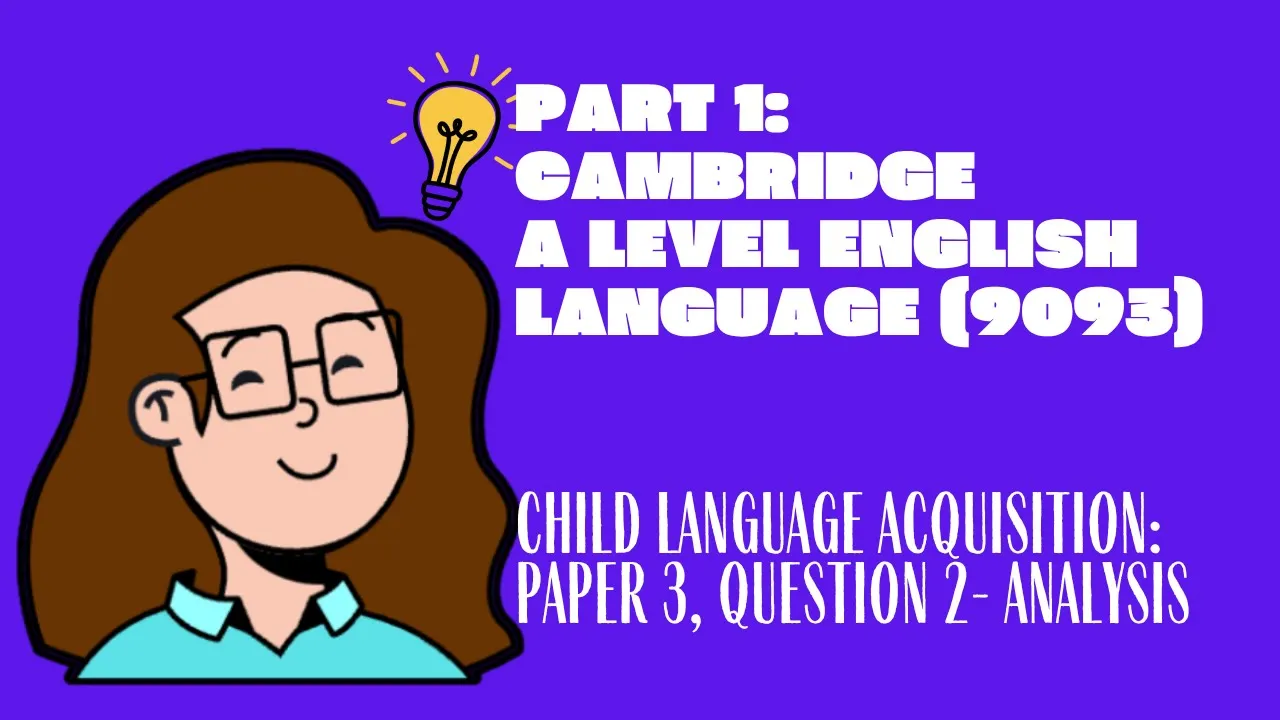






When analyzing child language transcripts for English Language A Level exams, systematically examine five key areas: (1) Grammar - focusing on negative formation, question formation using auxiliary verbs, tense markers, and number agreement; (2) Phonological processes - identifying syllable deletions, consonant cluster reductions, and glide errors; (3) Lexis - analyzing overextension and underextension of vocabulary, deictic expressions, and the balance between content words and structural words; (4) Discourse features - examining turn-taking, topic control, interruptions, and conversational dominance; and (5) Context and Child-Directed Speech - considering the child's age, activity setting, and adult communication features like simplified grammar, repetition, and praise, while referencing theoretical frameworks such as Chomsky's virtuous errors, Skinner's imitation theory, and Vygotsky's sociocultural learning theory.
Child Language Acquisition: Transcript Analysis for A-Level
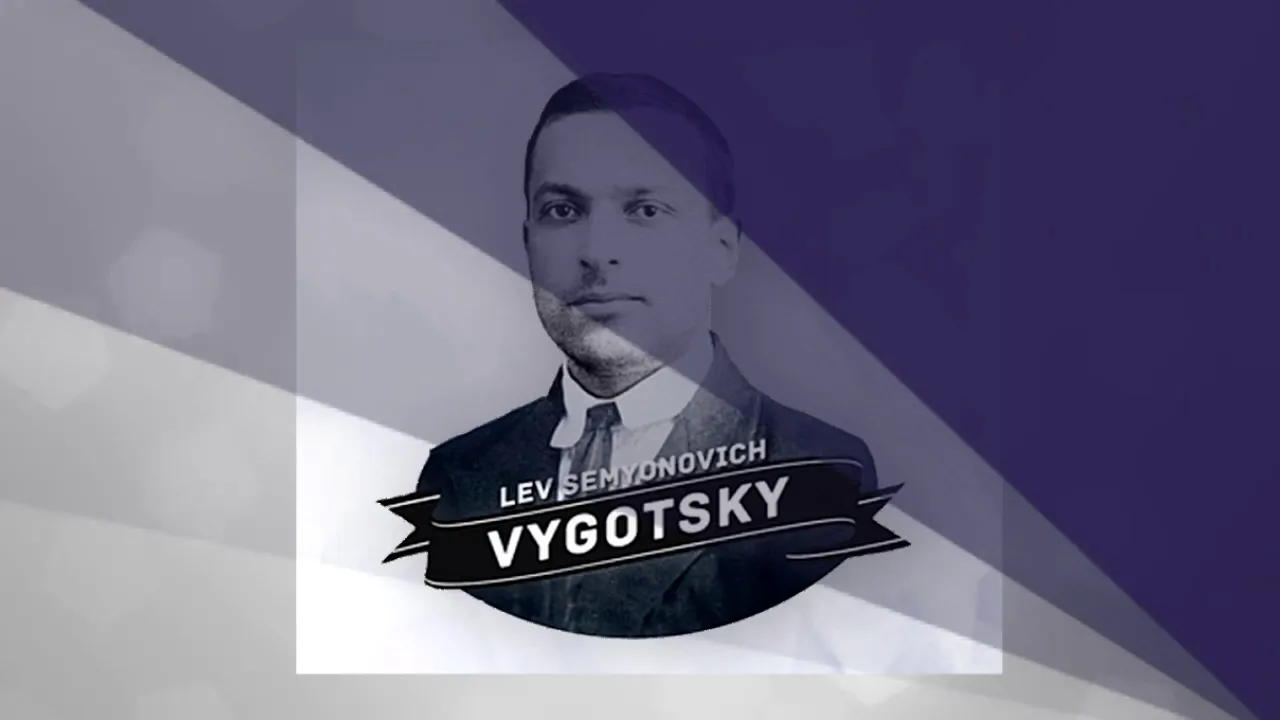
Added:hello and welcome back to light Maria today I'm going to talk you through child language acquisition and the sort of text you might get in the exam which will be a transcript of a child speaking with someone other children or an adult so this is for English language a level and we are going to look at the transcript and I'm going to tell you five things that you would really need to look out for in a transcript [Music] the way I'm going to organize this is I'm going to first look at grammar then phonological processes Lexis discourse features and finally child directed speech and the context surrounding the transcript it's an exhaustive list of the things that you need to analyze but it is a guidance to the thought processes that should be going on in your head so let's get started grammar to begin with we are looking and this is where you're going to get the really high marks at the grammatical structures of child language usage we want to look at negative formation we want to look at question formation and both of these will involve thinking about auxiliary verbs whether the child has progressed far enough to use auxiliary verbs like I do not have instead of just not have and whether they have started to use auxiliary verbs and swapping around the verb and the pronoun in questions like are you coming so really look closely at formation of negatives formation of questions and look to see if auxiliary verbs are being used and this will give you a real good idea about how competent the child is with grammatical usage another thing to look at when you're talking about grammar is tenses and number so tenses showing past perhaps looking at Future looking at adding ing to an end and also number singular and plurals has a child managed plurals appropriately are they using plural in an appropriate context are they using the tenses in the appropriate context and in the right place now really key extra little tip here is when you're thinking about tense or number to think about Chomsky Chomsky the theorist who cites virtuous errors so virtuous errors are when tenses or plurals are formed in a regular pattern on irregular formations so for example if the child says I goad instead of I went or there are five mouses instead of five mice Chomsky would regard these as virtuous errors and of course there's plenty to say about that with his theories okay so that's grammar next moving on to phonology so when we're looking at phonology of a transcript we're thinking about phonological processes here we're thinking of moments when the child says things we could say incorrectly or they are learning how to say things correctly but they are missing key bits so for example we might be looking at syllable deletion where a syllable is emitted so it might be an unstressed syllable at the beginning of the word something like Nana instead of banana so that's when something's been missed out a deletion we also have things that are sometimes compressed together and we call these reductions so a typical example that you might come across is cool instead of school and this is called a consonant cluster reduction so when the skur has been missed out and the child has only managed to do the K phoning cool instead of school another example of a phonological process where a child is beginning to say things and is just mismanaging the hardware in their mouth will be some something like wabbit instead of rabbit it's a particular example of a Glide it's known as a Glide where the consonant is being said in a slightly different way so look out for all those types of phonological processes you should have quite a long list in your revision notes to learn do make sure that you're engaging with that and thinking how is this being said how is it sounding the next area I would look at is Lexis lexical development so I'm hoping you all understand about overextension and under extension so examples of this would be a child calling or men dad so pointing at a man in the supermarket and calling him dad that would be over extension the opposite is having a very specific word for something so if the family pet is referred to as dog and the child hasn't managed to make the jump to know that other dogs are also called dog so there are two types of different ideas with the difficulties that a child has they're getting to learn vocabulary but they're using it not quite in the right way I would also recommend you look at in terms of Lexis pointing and labeling language particularly diet dick Expressions when the child is pointing and using this or pointing and using the color or um saying lovely or pointing and saying table dog so these deactic Expressions often part of a child transcript that you will receive in the exam they're really good to comment on because you can say the child is quite Advanced and using deactic Expressions particularly to label different things and Alexis I would also look at content words versus structural words and to be able to comment to whether we're using words such as open class words describing different things and different actions or closed class words that more part of the structure of the language use of pronouns for example and prepositions so being able to talk about that and see that the child has moved perhaps from one to the other so an advanced child will be able to use the pronouns um for example me and my referring to themselves rather than using their name so lots there to think about in Lexis as I've said this is just a cursory reminder but really often very fruitful analysis can come from Lexis a really key feature that I think you should absolutely look at is discourse features now these are often forgotten and it's about the structure of the text and the interaction between different speakers so in this section I would definitely consider turn taking look at any interruptions or overlaps I would look at who is the dominant speaker and who is controlling the topics who moves on to a new topic and shifts the topic on who is doing the questioning who is doing the answers so this is all about looking at the shape of the discourse and the relationship between the different speakers here this is really important when you get a transcript not just to look at the main speaker that you've been asked about which will be the child but to look about how they're interacting because it shows about the Cooperative principles that the child is learning and sometimes politeness features as well so do please take care to note that another key key area that you should look at is the context of the transcript now this again is something that we can sometimes Overlook number one look at the description at the top of the exam paper when it asks you the question it will say how old the child is and what they're doing so quite often it's an activity like meal time or bath time or getting dressed and that's important because it frames the rest of the text you should also consider in the context If the child is talking with an adult any features of CDs that's child directed speech some of you may know it as caretaker language so look at things that the adult is doing look at their volume look at repetition reinforces The sing-song Voice the way they are offering praise and here it's really good idea to get in some Theory so you might be able to mention Catherine snow who first observed this caretaker language this CDs you might be able to talk about Skinner who talks about children learning by imitation and if the adult says something and then the child says it you can refer to Skinner and another key one to think about is vitgotsky here vikonski talks about having a more knowledgeable other and if the older child or the adult is saying things more fluently and perhaps dominating the conversation but the young child is joining in there we have great evidence for vikotsky's learning styles where he says the adults or the older child can operate as a more knowledgeable other towards which the younger child moves and aspires to speak like so there we have our five things to consider when analyzing a child language transcript [Music]
Up Next
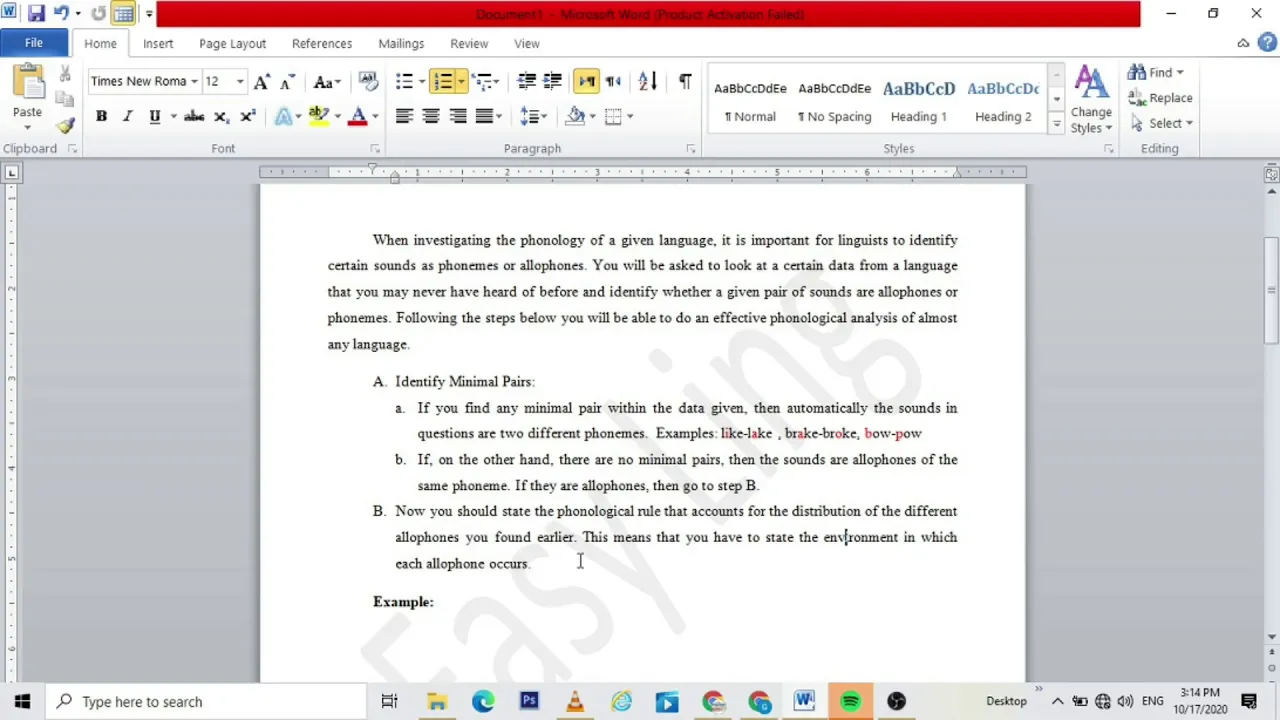
Phonological Analysis Guide: Identify Phonemes & Allophones
@easylinguistics4779
4.1K views•2020-10-18
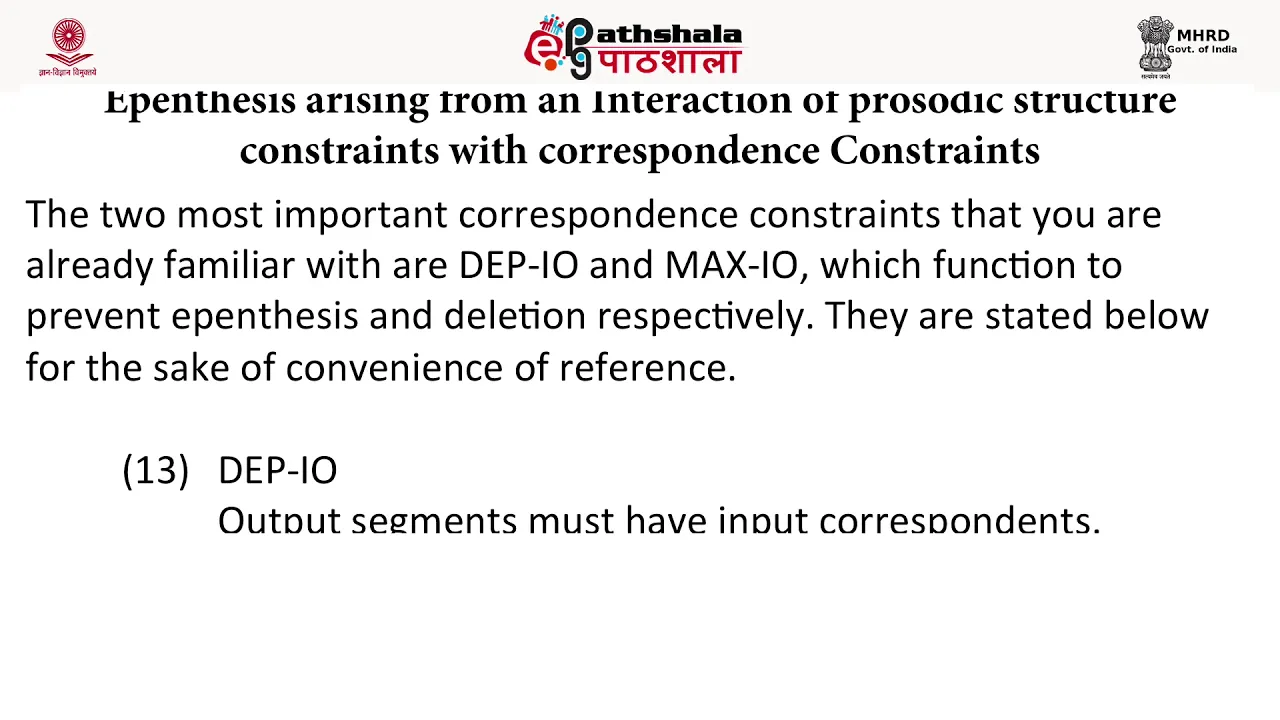
Constraint Interaction in Optimality Theory: Epenthesis & Deletion
@Vidyamitra
180 views•2018-08-20

Forensic Linguistics: How Language Solves Crimes | PBS
@pbsstoried
1M views•2024-01-25

Accent Expert Explains U.S. Regional Dialects | Part 1
@WIRED
9.3M views•2021-01-21
Related Study Plans & Knowledge Roadmaps
Structured learning paths in Linguistics