













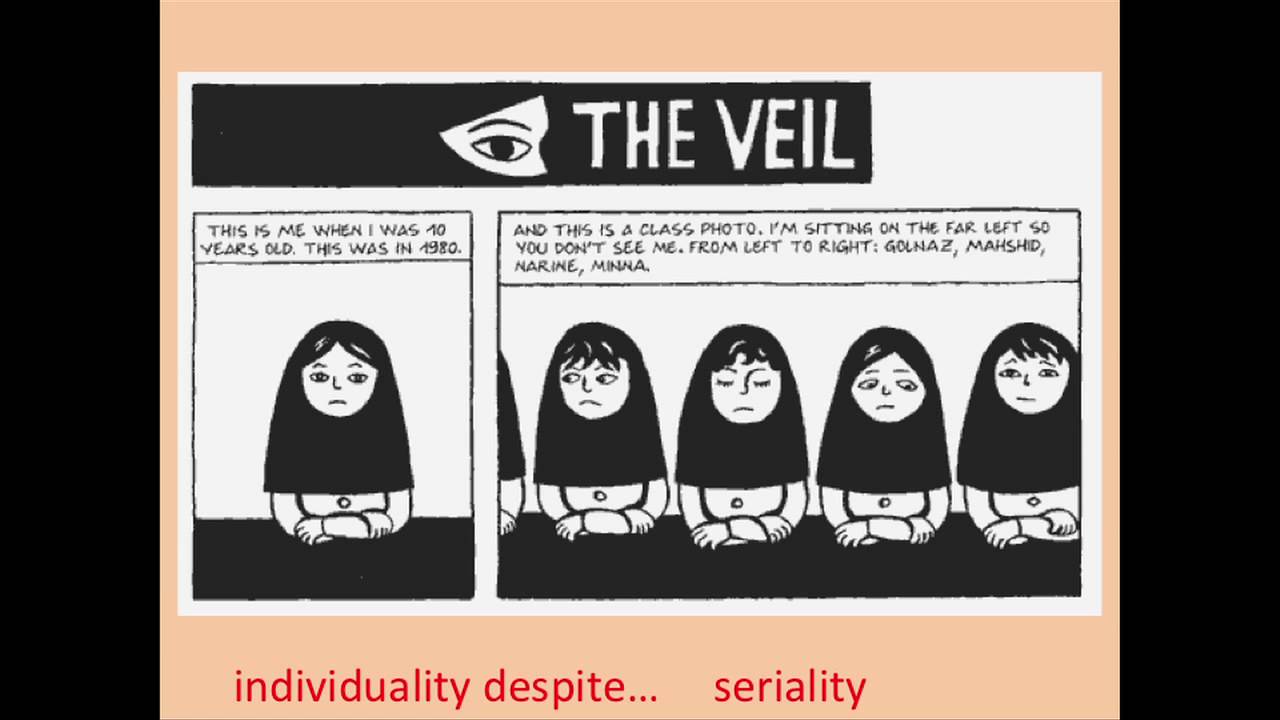


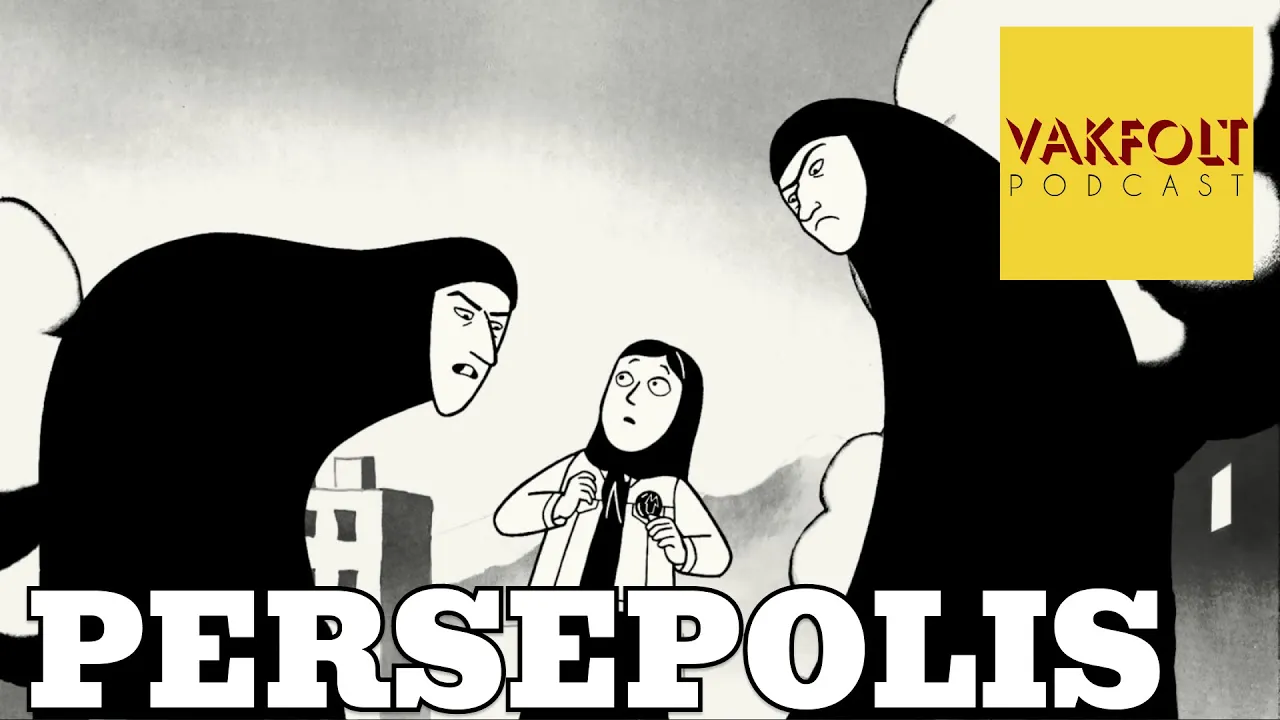

In graphic memoirs like Marjane Satrapi's PERSEPOLIS, authorial choices such as point of view, visual metaphors, symbols, abstract imagery, breaking the fourth wall, and panel positioning serve as powerful literary techniques that convey meaning beyond literal representation, allowing authors to explore complex themes like identity, politics, and personal history through layered visual storytelling.
Persepolis Analysis: Satrapi's Authorial Choices in Graphic Narrative
Added:Historical context of the Iranian Revolution (1979) and the Iran-Iraq War, which serve as the primary setting and catalyst for the memoir's events.
Fundamental vocabulary of graphic narratives, including terms like panels, gutters, splash pages, speech balloons, and vector lines.
The conventions of autobiographical writing and the graphic memoir genre, particularly how personal memory intersects with national history.
Basic literary devices such as symbolism, irony, juxtaposition, and first-person narrative voice.
Comparative analysis of Persepolis with other seminal graphic memoirs, such as Art Spiegelman's 'Maus' or Alison Bechdel's 'Fun Home', to study diverse approaches to trauma and memory.
Application of postcolonial and feminist literary theories to analyze Satrapi's critique of both Western imperialism and fundamentalist domestic policies.
An exploration of visual semiotics and comic theory, specifically how minimalist, high-contrast black-and-white art affects reader empathy and iconicity (e.g., Scott McCloud's theories).
Analysis of adaptation techniques by comparing the graphic novel of Persepolis to its 2007 animated cinematic adaptation, focusing on how visual style translates to motion and sound.
34.3K views0likes19:13Original Release: 2020-12-14
welcome back part two authorial choice in margin satrapi's persepolis yeah we talked about all this stuff but i forgot to mention one thing so she wrote persepolis in 2002 which is great but her career is ongoing as recently as 2019 she directed a movie called radioactive which is about the life of mary curie which is not surprising that she would direct that movie she was nominated for an oscar for the movie version of the complete persepolis so she's very much still producing art very much still an awesome thinker 14 images i'll go back to 13 because i'm close to it uh point of view so a point of view in images is like uh where's the camera where's the camera for this one for this one for this one for this one so for each one you'd say like where's the camera positioned is it below is it above that's where you think about things like it seems like this guy's floating he seems higher seems up above now there's a close-up this shot right here is a very interesting point of view where you can see margie's mom through the mirror so these are complex layers of meaning that operate at the level of the image speaking of complexities here she is with a complex and interesting narrative technique at this point she has i don't know i guess created an expectation that your narration is in the box and that here is interaction between the characters and dialogue she swaps it up right here with this very clear image of young margie saying and that was that which is really uh breaking the fourth wall to have margin who is supposed to be a character act as a narrator i i would say that's kind of like she's flexing her muscles a little bit and showing how powerful this narrator can be because all of the reality that's depicted visually is under her control which is pretty cool so speaking about images she frequently blends and this is one of the most powerful frequent authorial choices almost every page has like these i call them abstract images you know so this for example here we have a realistic depiction of her mother looking at herself in the mirror did this actually happen i don't know it's memoir so the so there's you know was martin how does margie know was she standing behind her and she kind of snuck up and saw her looking at herself in the mirror with this expression on her face probably not but it's something that's realistic it's something that could very well have happened same thing with this one this one this one you know all of these but then we have this image right here which is really abstract you know it's really designed to give the feeling you know at no point was her mother surrounded by disembodied heads of fundamentalist leaders or the fundamentalist secret police or something like that so it's an abstract image that is designed to convey some kind of realistic events but like she does that a lot and it's part of the work that we encounter making meaning from this is determining when she's doing what so sometimes an even more abstract set of images right here in that this is what i call an imaginative sequence so she has over her head there a visual metaphor or a symbol and that's kind of can be i don't want to say it's confusing but it's just a level of complexity and interpretation is it a visual metaphor or is it a symbol is it a visual metaphor as a symbol so a metaphor you know is when two things are are brought together um and one becomes the other you know here we have a possible symbol in that this ruler is kind of a symbol for that it works with in conjunction with the narration that the ruler might be a symbol for this modern and avant-garde style of her family whereas here we might have uh the the figuration and the art as a symbol for the persian ancient persian influence or islam in general but what about this is this a metaphor is it a symbol well it's a sun and so sometimes if you're saying is it a metaphor or a symbol you have to ask like a ruler um what is a ruler what does a ruler do you have to dig into um the representation and and what it might mean a ruler yeah there's there's possible uh metaphoric or symbolic meanings that have to do with a ruler but but we only see it once you know whereas this is a little bit more persistent this sun and then we look in other places and we see where do we have fire okay sun huh so maybe there's something more going on maybe it's not um as simple as a metaphor maybe it's a little bit more persistent as a symbol so we have to say things like what is the sun what is light what does light mean and this is the same way that you know in shakespeare he'll talk about light and dark and all of a sudden you know all these uh thoughts and feelings and moments are associated with light and dark and it just becomes part of the way that the meaning is layered and brought together um satrapi does things like that visually and so what does it mean that they're jumping over fire here what does it mean that the fire is represented again in this image with the candle well that's your you know that's your thing to think about as you're interpreting i just want you to know that there's a language that's used so sometimes we talk about visual metaphors sometimes we talk about symbols and that determining which is which is you know you make choices in doing that so that's number 18 and that's number 19.
and where i started was symbolic abstract imaginative sequence so sometimes you'll have a sequence of images and if you're going to analyze this and talk about you know this image it would make sense to say well this image falls in a sequence of images in which margin is depicted in a abstract or symbolic fashion with a sun as her face which is also reflected on the other page with the sun in the corner or her family jumping over the fire those are the kind of things that you're getting into for where you're where you're seeing the meaning where you're seeing the value in what uh ms satrapi has constructed for us let's see where we go yeah let's go 20 now illusions are frequently used and they start right here with a allusion to zoroastrianism which is a very interesting religion i always like to talk when i think about zoroastrianism i know it's a very rich very old set of beliefs that predate islam in the country of iran islam interestingly of our of the three large monotheistic religions in the world is the youngest um it was it was before this this is the persian this is the conquest of uh the persian empire where the zoroastrianism was replaced with islam so in any case sometimes there's just a visual representation sometimes they'll shall mention the name but we'll see more of those figures on the next page here we have uh adjusted position where these two images are right next to each other but there's definitely a um dialogue or something between the two images where this is her imaginative idea of her family that might be a little bit closer to uh some of those zoroastrian beliefs maybe i mean this is you know this is my interpretation and speculation so i can't say that it's like what she intended i'm talking about the work as i'm inter as i'm reading it um so uh you know that she saw things this way but in reality they were this way and so it's a juxtaposition and it lets us it gives us some insight into her character into her family dynamics and that is number 22.
number 23 looks like it's right here uh characterization in relationships and so we can start to say how are characters built how are traits revealed how our relationship's revealed and sustained and other visual aspects to this so when we see the depiction of her grandmother and all these images what is there that is significant in these images in the way that the image is composed the relationship between the narration and the dialogue and then the third one is that here we have a technique we haven't seen elsewhere this is a three panel dialogue you could call it a short anecdote so you know as she moves through the novel the memoir you know at different times she's depicting events symbolically sometimes she's moving quickly so that you understand an atmosphere or environment or things that were happening and then sometimes we get to this is a moment you know and a lot of times we'll call that an anecdote you know so you could call this a a sequence of images three images that that depict a short anecdote and the relationship between margin and her grandmother so the structure is that we have three panels with a shared or unified narration this is just the language that we use but you see this narration right here stretches this to these which we read one two three just a different technique and the language that we use to define it that's kind of what it's all about it's what i'm working on here uh here we have number 25 something that we haven't seen before we have a symbolic or imaginative imaginative character so this is her depiction of god is this the god of islam is it her own personal god in this moment or is this the god of zoroastrianism i don't know i don't know clearly but we know that this is her depiction of her early yearning her early longing to to be a prophet and to be an important person with respect to religion here we have position center dominant position she is in uh very much not the dominant role here and she's embarrassed reaction so uh i wonder what's oh here we go and then we have uh number 26 we have visual characterization so here we have a sequence of images and this one particularly she is centered in the sequence of images which depict you see these three images right here are her parents and then the next sequence the teacher the disapproving teacher has been replaced with margin herself and there she is centered in the image and in this three panel sequence of images it's a close-up her parents are cropped out so it really focuses on her and i didn't finish the word here but she lies you know so that's that's powerful characterization and you can see how the visual aspects of that characterization let us know that this is an important moment this is this is an important insight uh for who mar margie you know margie the character who she is and so at this point uh we have developed a little bit of a relationship with that narrative voice and so uh the narrative voice um you know and i have just highlighted here just so you can see we've now we've heard a lot from this narrative voice this margie from the future this is the voice this is the consciousness that structures uh the sequences of images and that moves the reader from symbolic to realistic representations of the past you know this is a very powerful voice that can take us from you know one moment here she is having a an imagined conversation with god to depict her early attachment to religion here we have kind of like a symbolic representation of what she valued at that age and we recognize it's kind of a unique thing about this and i i think it kind of might generate some of the feelings people have strong reactions to this is that we know that this voice that's guiding us through all this is this little girl you know this little girl as she has grown matured and gone through a lot of stuff here's a representation of some of the things i was talking about um here we are new chapter so chapter headings this is another choice i didn't even annotate this one but here this position here she's doing that thing again where she breaks the fourth wall and the narrative control is given to the character little margie and so this i think this builds our relationship with margie i think it's a very powerful technique and very effective um my faith was not unshakable you know it feels like she's so directly talking to us and then we see her interacting again and we recognize there's a huge difference between this margie right here and this one right here this one is empowered with that voice of the future so very self-conscious you know breaking the fourth wall is always self-conscious it's when you recognize the art form itself is saying i know i'm not real you're having you know that's that's very powerful so that older satrapi here what does she do she's she's guiding us back and forth between figurative representation to literal representation to an exploration of a thought or a feeling to a little representation to a literal to a symbolic representation of literal events to things that didn't in fact happen and uh and it's very powerful i feel um and so we have this figurative and imaginative reality here that's all this is all this stuff is you know did she play war with her friends probably but like this image right here is pure abstract metaphor a visual metaphor and hear a verbal metaphor for the revolution obviously it wasn't just a simple process and then here we have um abstract representations of 2500 years of history but we also have at the same time oh this is important here especially because it's so effective right here is we have we have literal figurative imaginative uh happening at the same time because this is quotations from her father my father said it's her has fought her father's quotations that she is then transforming into these abstract visualizations which is very effective moving along we have structure something about structure here we have panel position top left like the topic sentence you know this this is like the topic sentence our main idea and this is about her growth as a as a thinker as an intellectual a very very young intellectual so this is a powerful position here we don't have that center position but here we certainly do and it's double wide and it's a very very important dynamic between these two characters these two imaginative characters she didn't uh and then we have more illusions so more allusions to philosophers politics people who are important in religion or revolution there so at this point we've developed this relationship with uh who seems to be a very sensitive imaginative intelligent independent minded and probably maybe most important likeable child and so what will happen this is remember this is all imaginative here really this is you know these conversations didn't happen there they maybe they happened in her mind you know while she was thinking here in bed and reading they were happening and we get to this page here we have you know she's trying to continue her relationship with uh with god but then she hears something look at this no narration is this the first panel that has had no narration it's just us and so this for the first time we have to make the meaning from this she's heard something and look at her where's she positioned so she can hear her parents in the other room as they talk visual foreshadowing she uses this elsewhere but why is there a bush here that looks a lot like an explosion i don't know why would she put that there it's choice and then here's reality so we have this girl with this vivid imagination and she's she's troubled with should i become a prophet can i become a prophet well what happens when her world turns completely upside down and so here we have images that are very very powerful but they're like symbolic or abstract depictions of actual events so center position very powerful abstract layers and then finally this and this i think is when the the graphic memoir really comes alive for a lot of people it's this almost the entire page very close should this the first time she's had an image like this and that is what she creates and so we're drawn in what will happen what will happen to margie i guess you will find out
Up Next

4:35
The Best We Could Do: A Graphic Memoir of Family & Vietnamese Refugee Experience | Thi Bui Book Review
@LiterallyGraphic
1.5K views•2022-05-14

13:43
Formalism in Literary Criticism: An Academic Lecture Overview
@mattalberhasky9952
39.1K views•2015-08-05

6:08
Point of View in Fiction: First Person vs. Third Person
@magicalthriftyteacher
153.8K views•2014-03-31

15:25
1984: Orwell's Dystopian World and the Mechanisms of Totalitarianism
@AlternateHistoryHub
7M views•2017-03-04
Related Study Plans & Knowledge Roadmaps
Structured learning paths in Literature
literature
Graphic Memoirs: Visual Art, Trauma & History
01Foundations of Sequential Art and Visual Language
02Autographics and Processing Historical Trauma
03Visualizing Personal Trauma, Grief, and Graphic Medicine
+ 2 more learning modules
14h5 modules
Explore Roadmap
literature
Campus Novels: Evolution, Themes & Critique
01Introduction to the Campus Novel Genre
02Mid-Century Satire and the Post-War Academy
03Dark Academia and the Critique of Privilege
+ 2 more learning modules
14h5 modules
Explore Roadmap
literature
Theater of the Absurd: Philosophy & Plays
01Postwar Existentialism & Historical Roots
02Dismantling Narrative: Esslin & Absurdist Conventions
03Samuel Beckett and Tragicomic Existentialism
+ 2 more learning modules
12h5 modules
Explore Roadmap
literature
Revenge Tragedy: Justice, Madness & State
01Foundations of Early Modern English Theatre
02Anatomy of Revenge: Structural Conventions
03Psychological Complexity: Madness and Melancholy
+ 2 more learning modules
15h5 modules
Explore Roadmap