


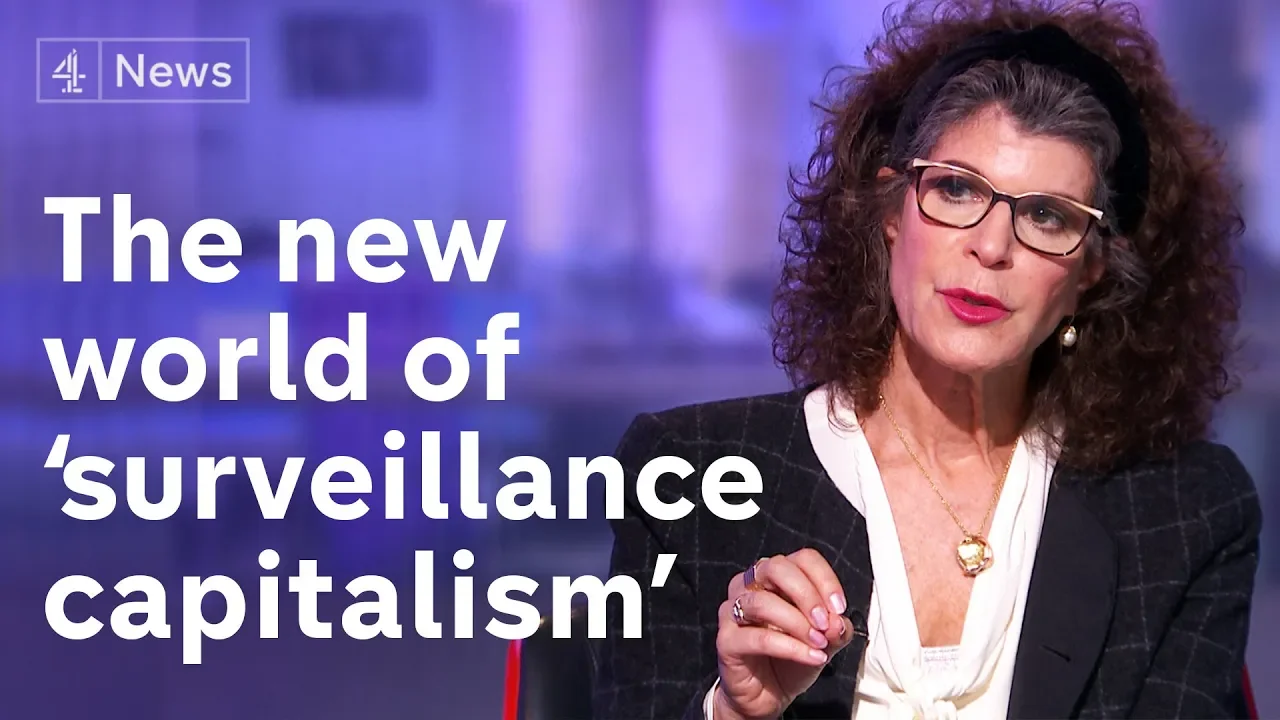


















Social media has evolved from a tool promising connection and democratization to a system where algorithms and corporate interests have created a dystopian environment threatening democracy, privacy, and human connection; however, users can reclaim control by slowing down their digital consumption, understanding that data is the new currency, and leveraging their collective power as the actual engine driving these platforms to demand better practices and alternatives.
Social Media Dystopia: Regaining Control of Our Data and Attention
Added:The Attention Economy: Understanding how modern digital platforms treat human attention as a scarce and monetizable commodity.
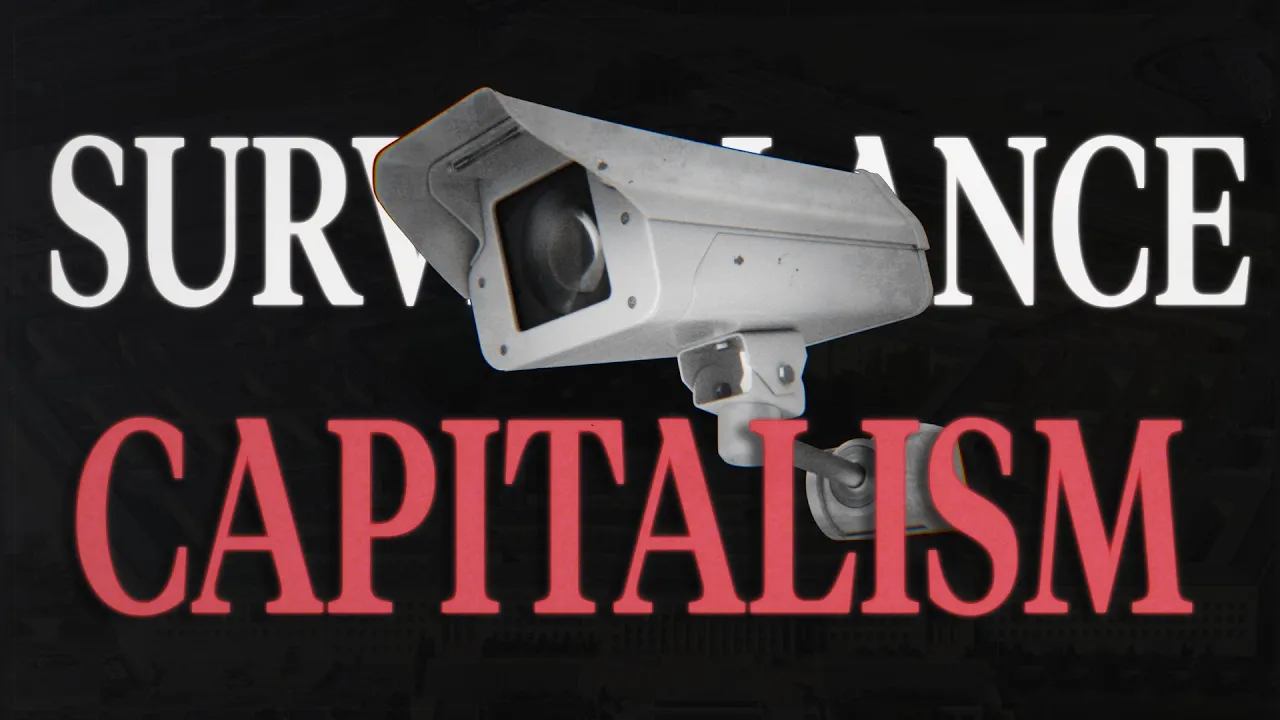
Surveillance Capitalism: Familiarity with the economic system centered around the commodification of personal data and behavioral modification.
Algorithmic Feed Curation: Knowing how recommendation systems operate to maximize user engagement, often leading to filter bubbles and echo chambers.
Basic Data Privacy: Understanding what personal digital footprints are and how data tracking mechanisms function across different websites and apps.
Digital Wellbeing and Cognitive Sovereignty: Exploring practical frameworks, habits, and tools for reclaiming focus and setting boundaries with technology.
Data Sovereignty and Decentralized Networks: Studying alternative internet architectures, such as Web3 or the Fediverse, that aim to return data ownership to the user.
Regulatory Policy and Tech Governance: Analyzing legal frameworks like GDPR, CCPA, and upcoming AI regulations designed to curb the monopolistic power of Big Tech.
Humane Design Principles: Investigating ethical software engineering practices that prioritize human psychological well-being over metrics-driven engagement.
619 views3likes54:57Original Release: 2018-11-26
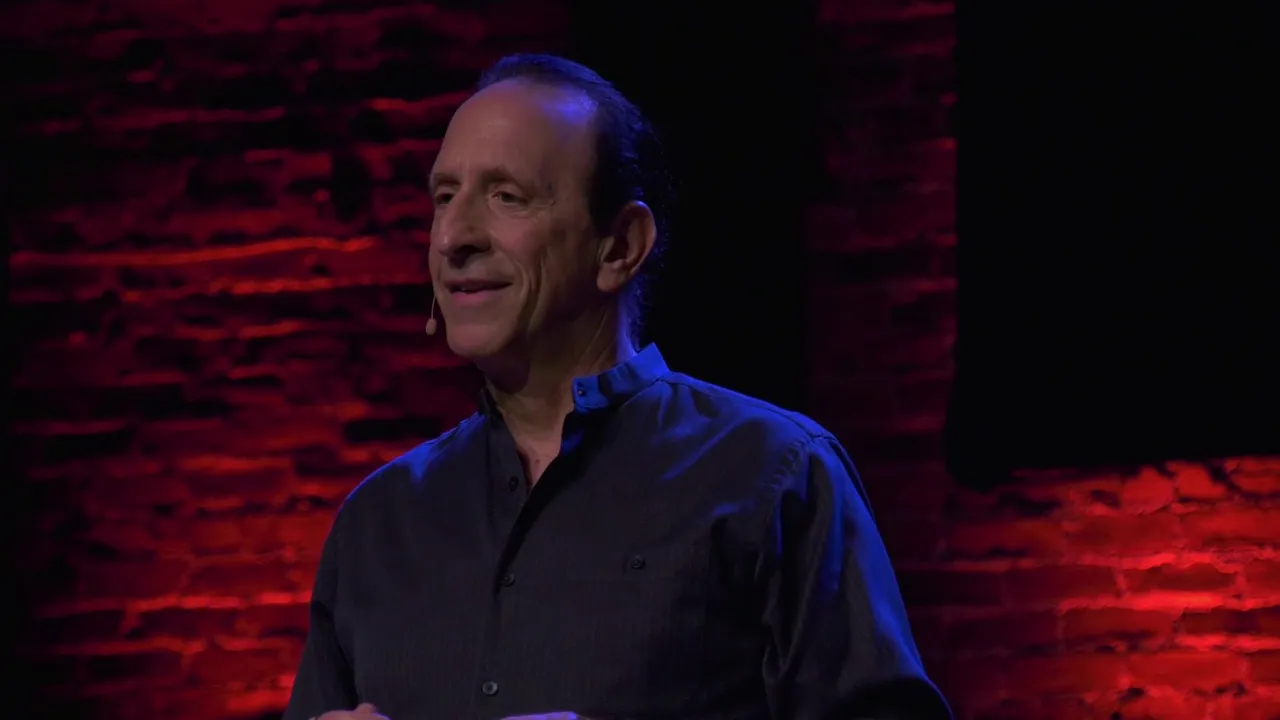
[Music] wow that was such a nice introduction the one thing that I should clarify is that I also have a one-year-old so I in fact do not sleep so we're gonna talk a little bit differently than some of the other sessions have been today because I I really admire people who have figured out all these platforms and know how to engage and really know how to use all these tools in in incredible ways I've loved listening to some of the different presentations but I tend to look at things in terms of the big picture and trends and patterns and you know if you read the headlines these days things aren't really looking so good you know for a long time there was it just to give you a little bit of a spoiler what my talk is gonna be okay if you read the headlines if you read the news it sort of feels like that catchphrase that the early adopters used to all use which was move fast and break things has been working a little bit too well right everything kind of seems broken Facebook whose slogan that was basically seems to have almost broken democracy itself so with everything so broken the question becomes what do we talk about at social media week where are things going my answer to that is I think we need to start talking about fixing things and that's where we begin so where it all began and what it could have been if you think back to the early days of the digital world social media was promising to connect us to like minds it was going to help us reconnect with friends and family around the globe to connect with people who had shared ideas and ideals the whole premise was if you you know if you were bullied by the kids on your street or if you were someone who was an outsider or didn't fit in instead of having to be friends with the people who lived near you you could find your communities of like mines anywhere on earth there was the potential that these tools could help bring democracy to corners of the world that were led by authoritarian regimes there was so much hope and we did a lot of good you know the early stages of all this was the beginning of web 2.0 web 1.0 was pretty static right was Netflix and web pages that maybe had hyperlinks but weren't truly interactive in the way that social media and wiki's and blogs were these were tools that let us shape the internet it wasn't just surfing the internet it became our platform our medium and new world and in essence an extension of the world that we live in on a daily basis the good that came of it we really did level the playing field there was traditional gatekeepers of media who weren't necessarily inclusive in terms of who they let be on the big screen or on mass media all of a sudden we had an opportunity to get past them and if you look at how trends in media have changed it's not necessarily that decisions makers have become more altruistic over time they've seen that people can go and create their own audience audiences people said you know what I'm not get being given an opportunity on these traditional platforms I'm gonna do it for myself I'm gonna do it on YouTube I'm gonna do it on Instagram and mainstream media caught on and said huh maybe there's profit to be made from this there was a connecting of like minds there was a democratization of ideas all of this happened there was the phenomenon of the more the more there's a very collaborative spirit when the internet works well and what I mean by the more the more is if you look at the pattern of youtubers compared to traditional the way traditional media works you see often that youtubers will collaborate with each other and that's how they build their audiences now if you think of traditional media I think a prime time where there's you know between 7:30 and 9:00 there's maybe three spots less if you're thinking about hour-long productions and so people especially if you're similar are competing with each other as opposed to in the algorithm economy which you know this is maybe the the last thing that I will say that's Pro algorithm economy for a while but if someone was similar to you it was going to drive more views to you so there was a lot of collaboration then there was this idea of cognitive surplus this is an idea that was introduced by Clay Shirky about ten years ago at this time when we were really in the early days of web 2.0 and at of the sort of true collaborative internet and the notion of cognitive surplus was that thanks to technology rumors were becoming creators it was what we were doing with our spare time and this was phenomenal in this book he documented the fact that in a fraction of the time that we spend watching TV we had built Wikipedia and imagined the things that we could build together for fun because we wanted to instead of just consuming all the time we were connected so around this time again I had finished grad school I was working for PBS Frontline on a project called digital nation and I had the opportunity to go to Blizzcon and I don't know if there's any gamers in this room but Blizzcon is the big conference in Anaheim for World of Warcraft and Diablo and it was phenomenal here's an event that had 30,000 people at it it had sold out in 20 seconds so this was a community that wanted to get together and the reason that tickets go so fast is yes they want to see what the next expansion is but more than that these were guilds of players who lived in different areas of the country sometimes of the world and this was that annual Mecca this was the opportunity for them all to meet up face to face and the stories that I heard were phenomenal I I don't think it's it's overstating things to say that for me it was life-changing it was certainly in terms of my career it set me on a certain path in that mainstream media again was showing us pictures of gamers who were down their parents basements in ketchup or tomato sauce covered undershirts and just staring at computer screens meanwhile in this room there was grandparents with their kids there was people pushing baby carriages because they had met in the game and fallen in love and gotten married there were people who told me stories about helping each other's kids these are you know the people who played in the same game guild as them in world of warcraft helping each other's kids right their college admission papers of mourning when there was a death in each other's family or celebrating births together this cannot be i cannot underscore this enough the value that came out of human connection and the value of collaborative experiences this is what we live for we want to be something that's part of something that's bigger than ourselves now I know everyone in this room was also familiar with the fact that there's been a lot of and ringing over this right we have all heard so many times that were staring into screens instead of looking into each other's eyes right well I would argue that this has nothing that that didn't start with our screens that didn't start with video games in fact it goes back decades this is a phenomenon there's a psychologist in Ottawa named sue Johnson who talks about a tsunami of loneliness and it is going on we do see it but I don't know that Tech is singularly to blame if you go back decades there's a book called Bowling Alone by an author named Robert Putnam and he talks about the fact that in the 1950s so I'm just gonna have a sip of water the 1950s the era of Family Values right Leave It to Beaver and Lassie that's when we got cars and got TVs and moved to the suburbs so I'm gonna have a sip of water and then I'll explain how all this makes sense so we got our cars we got our TVs we moved to the suburbs obviously I wasn't there but we collectively did and what ended up oh my god I'm so addicted to my phone that I picked it up just because I was standing next to it uh we got our car little aside I always joke about being a cyborg even though it is not physically embedded in my body it is always connected to me but I've my clicker now so we got our cars we got TVs and we moved to the suburbs and what that meant was that instead of walking into town to get groceries instead of walking up the street and saying hi to your neighbors and knowing your community when you were going on your way to work we were commuting you were living in the suburbs driving into work when you got home you had dinner together you had dinner in front of the TV often with TV meals but community as it existed before that collapsed and that's the title of the book Bowling Alone things like bowling leagues and bake sales these things that had been the foundation of community disappeared and yet our desire for them our need for them still existed so naturally when you see things like massive multiplayer online games or social networks we we ran towards them all to say this hand-wringing I think we always we're always bad at being introspective and really identifying where the source of a problem originates people also love to point fingers and one of my favorite topics to examine is selfies and I think also this is a great audience to to talk about this with so selfies when they first came about people pointed fingers and wanted to criticize and said that they were narcissistic and self-indulgent but this was missing really the driving finding was a massive misunderstanding of the social media generation I remember being in a room of digital producers right so this isn't television producers this is people creating content for the Internet and they were all just railing against selfies this was a couple days after and we know these happen every six months these viral stories of death by selfie because someone has fallen off a cliff or someone has fallen off the side of a building and all of a sudden it becomes a huge phenomenon and they were making fun of this but I'm sure everyone in this room knows that if you're working online you don't make fun of your art audience that's the cardinal sin that's the number-one rule understand what motivates them understand what the appeal is and as researchers have started following selfies digging into selfies what you find it is is a medium of activism it is a way to speak out against the status quo to take control of our own image and to push back against that this sort of you know I'm a media professor and I my undergraduate degree was in film and you know we're taught about in film theory the male gaze that is you know the sort of quintessential example of the male gaze is the shower scene in psycho where there's a woman and I was knife and it's all being watched by this person who has traditionally had control of media well all of a sudden people are saying I want to frame the image around me I want to show the world who I am and what I look like the other piece of this is that for a lot of the people who are railing against selfies they weren't good at change and they were stuck in the past case in point there was a lot of traditional institutions the con Film Festival they banned the selfie stick okay well that made a lot of headlines and it made people kind of scoff their noses at selfies but they also forced whim to wear high heels the same year they were out of touch with change now talking about change we often can't see the forest for the trees there's a Marshall McLuhan expression that a fish doesn't know it's swimming in water we're not really good at seeing the world around us or seeing things change and this is true of the critics who didn't understand how these new tools how social media and our connective platforms were being used to change the world the sort of notion of power to the people but it's also true for us missing how in parallel the platforms that we're driving all of this were benefiting how they were gaining control over our attention and our data and so for as much as we talk about not being able to see the forest as you're staring at that tree or being that fish that's in water that doesn't know that it's in water have you heard the analogy of the Frog so I hate the story and yet it is so evocative if you put a frog into a pot of boiling water it will immediately jump out but if you put a frog into a pot of cold water and slowly turn up the temperature so it gets warmer and warmer to the point of boiling the Frog will die and unfortunately that sort of brings us to the moment that we're at now I went from keynote to PowerPoint this is what happens we are on the verge of a dystopia and the worst part about this is that we've got here without really ever having consented to this in any kind of informed way right we weren't asked we weren't told what the repercussions were gonna be I see people taking pictures maybe I'll go back for one second this is important I think this isn't a message that we all need to get behind the reason for this the reason that we got to this space without without really understanding that it was happening certainly without really offering buy-in is that technology advances exponentially it doesn't advance at a linear pace it doesn't admit means and natural life-forms advance at a linear pace we grow year by year but it exponentially means two and then four it's a constant doubling where the last five years don't prepare us for the next five years certainly but it's not something that we can wrap our heads around because there's nothing to help us prepare for it it's not a human pace of progress but it's not just the pace of technology that's brought us to this moment it's also the predominant business model of our era which is can it scale right you've heard this a million times can it scale can at scale scaling has been the driving sort of momentum of all of these companies without thinking of the fact that sometimes when you scale too quickly there are massive unintended unintended consequences so you've got companies like Facebook and Google YouTube that whole ecosystem Amazon that wanted to scale and because they were scaling so quickly they needed to bring in automation case in point and again I think these are statistics at this audience being a social media audience is familiar with you know there's more content posted to YouTube every hour then we can watch in a lifetime which means it is really hard to have humans moderating all of that it would they would you know it's certainly not cost-effective and that's you know when we're talking about scaling we're talking about money you are talking about making profit but even in terms of the instantaneous need in nature the trouble is when we bring in automation when we bring in algorithms no one was thinking about a few key factors no one was thinking about who was creating those algorithms and what their biases might be and what their blind spots might be and what could possibly go wrong when we leave really important decisions societal decisions global decisions - automated systems where there's no human input or no human intervention in parallel with all of this with all of this scaling and massive growth social media was no longer just for the early adopters and I want to say here I'm not talking about being a latest I'm not talking about it oh it was no longer just for the cool kids and kids wanted to get off Facebook cuz mom and grandma were on it I actually think it's good I think it's great that everyone wanted to be connected and wanted to use all these platforms for all the reasons we were talking about before we can access information we can connect with each other there's joy that comes from all of these things we actually the same cuddle chemical that gets released when we hug and embrace is released in our brain when someone likes one of our posts or when we get a nice email it's it makes us feel good it is a sort of chemically part of what it means to be human the problem is when everyone was on social media all of a sudden platforms like Facebook were so big that they had unprecedented power and this is a phenomenon called the network effect the basic concept of the network effect is the idea that once the majority of people and businesses and resources are together in one place no one else can compete right if you know that there's a 90 percent likelihood that the businesses that you're trying to connect with are on one platform we're not going to use other platforms it's not convenient and so that's where there becomes this monopoly or if you want to think about another way the new Oleg arcs that come about because control becomes more and more and more centralized till it's held in the hands of only a few and this is when things started to really shift right here we were in a medium in a movement in an era that was supposed to be power to the people we were given tools that were giving us the opportunity to take control and yet there was an unprecedented control of that information and access to each other by just a few organizations so and again speaking to this room I think that a lot of people when we talk about kind of the sadness or anxiety that's going on in this time this is when things started to shift because creators couldn't access their fans anymore people had ported their mailing lists over to Facebook because of the promise of you know being able to access them and communicate with them more readily and all of a sudden Facebook was taking them hostage there are stories of people who have fan groups of two million that all of a sudden were reaching 20 people with a post unless they were gonna pay tens of thousands of dollars to those people this is not advertising this is reaching a community that has opted in to hear from you but they understood all of a sudden that there was algorithms that could dry and drive a monetary process and so clique started going down and eyeballs started going down but there was also more concerning shifts that started going on right algorithms started making decisions without human input one of the examples gosh I can't remember how long ago this was but it was one of the early examples where I think some red flags started going up that historically a significant photo of the Napalm girl was banned it was pulled down by Facebook there was a rape that was live-streamed and then as we've seen most recently this year our information has been starting has been used against us to manipulate us into voting specific ways right this was the whole Cambridge analytic a scandal where seemingly in nein information this was not like you know you having identified which political party you were gonna vote for this was like did you like the page for Hello Kitty and The Colbert Report and pizza well we know who you are and we know your behaviors better than you know yourself and we are then gonna manipulate to you you to certain ends it sounds really dark it's not fiction and it all happens so fast that even those of us who have been trying to keep up with it who have been keeping up with it she'll be wildered there is anxiety right democracy is under attack I'm talking about this in in past tense you know where we're sort of in this moment right now people were starting to feel anxious and depressed there was a lot of FOMO a lot of fear of missing out right what this is sort of phenomenon that we're living in is it's Saturday night and you're in your pajamas and you're scrolling through people's feeds looking at their insta-fix and you got a bowl of ice cream on your chest and your hand is in a bag of chips but guess what same with them there was this hole oh there's nothing I just you know what this actually looks better than the slide here this one's a little a little cropped there was a sort of mythical reality that we started living in where people's lives were different than their realities we were projecting things forward and people started also getting angry this is something that we're seeing on all those social media platforms it's something that's making it less pleasurable to be in these places and also having huge repercussions pushing creators and pushing people leading thinkers offer some of these platforms because they're such hostile spaces our shared experiences that which the internet was built to create built to foster started disappearing and it worked like this you know originally there was the concept of the filter bubble the filter bubble is the idea that we get our information from our social feeds which tends to be people who we went to school with or who are our friends maybe our family it's people who think like us probably act like us and vote like us so we weren't getting access to broader information that's out there it's not like if you traditionally and you know there's we can debate this for days about the objectivity of traditional print newspapers but it wasn't like we were getting any kind of objective information we were choosing what we wanted to see or if we were getting information we were getting it from people who also thought about the world the same way that we did except for maybe that one uncle who was in your feed who sometimes post something that you like but then based on sort of the way that we responded to these filter bubbles it became a model that the algorithm started learning from right and so we had further personalised news feeds where everything that was being shown to us was things that we would like and from the personalized news feeds we got to what I would arguably say is the tipping point which is where that information that was targeted to us no longer even needed to be real it just had to be stuff we wanted to see so we were so much in these echo chambers or were so much now in these echo chambers of people who just think like us that these same platforms that had been used to give voices to diverse creators to foster niche communities were also being used by extremists with violent views and for the first time since it became unacceptable to burn a cross on someone's front lawn or to put a swastika on the side of a building hey all of a sudden has a place to congregate again yeah bad place but this is not the end of my talk believe it or not I'm an optimist I'm a cautious optimist this is a term I heard someone use probably about 10 years ago now and I thought that's really smart that's really smart and that's something that's what that's what I am I'm a cautious optimist I am defiant in my view that we are go again I almost picked up my phone again in my view that we can make the we can fix all this we can make the world better we have the tools this is the irony and I think it's what's so troubling and so frustrating is that we have the tools to make change and yet those tools are also part of the problem right now the thing with social media to keep in mind is that it is us right we are the engine we are the product we are the content we are the users these platforms have a sort of infrastructure but other than that they wouldn't exist if it weren't for the media that we create that we of our own accord without getting paid for put up then we consume it we engage with it but we are everything in this process and we do not give ourselves enough credit we're not taking advantage of this we are the way forward and in this sense we have more control than we think so when I talk about escaping this dystopia which I would say you know when I say I'm an optimist I don't think we're quite at the dystopia there yet but we're really really close and that's where it sometimes feels like we're already there because we're so close that that's scary and it feels like the pendulum could swing in any direction without us really having control that's what it feels like and yet I do think we have control what we need to do right now is to regain control of our data and the way that we do that is to regain control of our attention so I brought up a nostalgia a little bit earlier when we were talking about the 1950s and the era Family Values nostalgia is a funny thing I would say nostalgic be dangerous right don't get me wrong when I say nostalgia I'm not talking about history history as a fight all history is very very important but the trouble with a nostalgia as we tend to look towards the past with rose-colored glasses where we don't remember things as they really were and unfortunately we don't remember the things we overcame and the lessons that we learned in the process the thing is the world is moving forward right we cannot stop the march of time and I would argue we absolutely do not want to the world is connected and there's no going backwards yes we need to push back right now against the overreach of a very small number of massive tech companies but we also have to remember that this is a very privileged position for us to be in right now because there's also a huge decline in internet freedoms around the world right now there are authoritarian governments that are using data and surveillance to cut back on the freedoms of their populations and this is what we have to avoid this is what we've seen in history and we what we don't want to repeat change is scary change is hard but it is happening when we talk about change we know when it comes to technology one of the great examples to use is this notion of the singularity and the thing about the singularity as a concept is it's that moment on the horizon that you can't see past you know horizon line we don't know what's on the other side of it it's the reason that people thought that the world was flat because it doesn't give you any indication of what's beyond it so the singularity is this moment where life because of technology because of AI will advance to such a point that it is unrecognizable to those of us living in today's world this is something that you know futurists like Ray Kurzweil say will happen within our lifetime from my daughter who's now 1 maybe around the time that she's in college unless this sound like science fiction are just a bunch of crazy futurists the World Economic Forum says that for kids who are entering school today 65 percent of them are gonna work in jobs that don't currently exist that's staggering right and if you think of someone who's went 5 or 6 years younger if my daughter that's probably up near 80 percent things changing and this means my thought is that the way we move forward is to really understand how things have already changed that if we can understand the status quo and the shifts that have already happened that's how we can both understand the changes that are happening ahead of us but also and more importantly if there's anything that I want to underscore in this it is shape the change that's happening and so this is what I'm gonna walk you through from everything that I've observed over I'd say a decade plus in this space the things that never really needed an explanation these principles that sort of drive the contemporary world have shifted and they need a bit of an explanation so I'll start with power right power is a big driving principle in the world power now is information so again about eight years ago seven years ago I remember being in an interview where I was told by a privacy expert security expert about this insurance company CEO and he had said that he only paid for a fast food using cash and so here we go fast forward to this year John Hancock one of the biggest insurance providers in the world has said they will only provide coverage to people who use personal trackers this CEO he knew he was on the inside he had information information as power he knew where things were going so there's people right now who will say well I'm really healthy and I never eat fast food I maybe have like one you know box of Timbits a year or one Big Mac a year but by and large I'm really healthy I'm really active I'm gonna get a lower premium for doing this but the skeptics are gonna say I don't know if it can be used for good we've been seeing this there's a precedent for this it could be used against you so you have a heart attack and all of a sudden because of your credit card records you know you had a Big Mac last year we're not gonna cover it information is power knowledge is power talking about power right power and money they go hand in hand currency what is currency I would argue that data has become currency we have been told that we live in the attention economy that it's all about clicks and eyeballs I think that's a little bit of fallacy because it's the aggregate of those clicks and eyeballs it's what those clicks and eyeballs tell us it's the profiles they create on us it's the information the pictures that they paint it's the in it's the it's the data that's there so I wrote an article I think last year on this phenomenon of data being the new oil the idea that the biggest most profitable companies in the world aren't making tangible things they're not making tangible products but they're dealing in a currency of data and that data is ours you know free isn't free anymore I think everyone's familiar with the notion that if you are using something that is free you are the product and that's why now we're seeing this interest in the notion of decentralization and decentralization we won't get into sort of cryptocurrency and blockchain and all of that but the idea of decentralization is that instead of all of our likes being translated to dollars that are going into the piggy banks of a few organizations we could own our information we could control our data and it could exist in sort of pods or in a distributed way where we could in an essence try and rebuild this kind of infrastructure that we're working with online uh so from currency to value now I'm talking about currency and value as two different things well I would say yes it's absolutely true that there is arguably monetary value for data when we talk about value it also is this notion of scarcity and abundance right that which we do not have is valuable what don't we have right it goes back to that slide I did I had on the filter bubble and on personalized news feeds and on fake news we don't have trust trust is at an all-time low there's a fascinating phenomenon right now where major financial institutions major corporate institutions are all trying to poach the top journalists they all want journalists in their organizations not even marketing people because what they realize they need to do is get people to trust them they're no longer pitching in hard selling and trying to talk people into into whatever it is that they're trying to sell they're just trying to get back this thing that is so so scarce and so so valuable misinformation is rampant it is probably one of the biggest issues we're dealing with as a culture at this moment in that you know everyone has their own idea of what's going on in the world even though half of the time it's fictional and so this idea of truth having value is really important I would say for anyone who's working in the social media space thinking through how you can re-establish trust I think a lot of it has to do with having respect for the audience and having a reciprocal relationship with that audience knowing that if they are giving you their time and their eyeballs that you need to be reciprocal with it now yes okay you say something really sensationalist and it's fake and you get people to believe it and there's content farms making lots of money off of this but that's not gonna solve problems right now who's in charge this is a really good question you know I could say it's the big tech companies and maybe that's true although they would say they don't know what's going on you know anything any time things go awry anytime there's a scandal which I would say is you know once a week it's either Facebook or Amazon or Google that's in the headlines for some new thing gone wrong they would say oh well we didn't know you know they have a feign ignorance so we're not in charge so then who is it is it their boards maybe you know a board of directors is it government regulation arguably is should be more than it is now right there's no one holding these companies accountable there's no pushback they're starting to be a little bit but more than anything I would say it is us remember we are the users we are as a content we are the engine of social media we are just not fully wielding our power for the change that we want to see just yet and it's not our fault I'm not pointing fingers this is because it was all happened so quickly it is because we've been following a timeline that has been created by tech and following a timeline that's been driven by this notion of scaling which is not a human pace of change the other thing that's really changing is borders right the major social media platforms or the main you know the sort of big five tech companies are bigger than any country you know they've got two billion users they're richer than any country and so this fundamentally changes the notion of you know where we congregate where we live what borders are oops let me go back for a second however there are some ways that again when I talked about who's in charge there is there are some interesting examples of regulation so for example last year the GD P R came about which was the privacy regulations coming out of Europe and yes they made things difficult I'm sure they made things difficult for many people in this room who had to change policies and make people aware and maybe you know lost half of their mailing lists in the process but the interesting thing is that in terms of sort of broader trends in terms of people's privacy and the consent you know how I say we didn't consent to this moment in terms of the ability to have a decision about the direction things are heading in the GD p-- era was really helpful in that now when I talk about borders the interesting thing about being in a arguably borderless world is that even though the GD P R was European regulation it's having a trickle-down effect on those of us in Canada people in the US because companies weren't gonna go and make different policies most of the time for different countries so if they were doing in a business with Europe and say Facebook or Google if they were doing business in Europe and had to change their policies for the GDP our we would just sort of in a secondhand way benefit from that as well now this can also work in the opposite direction as I mentioned internet freedoms have gone down for the eighth consecutive year around the world there's 18 countries as a report from a think-tank in the u.s. called Freedom House that said last year I think 18 countries saw a decline in internet freedoms that has to do with limiting what information people can share what information people can access surveillance like we've never experienced before giving people scores based on in a combination of their real world behaviors and their online behaviors scary stuff and for companies that are doing business with those government's if they change their policies in a universal way to be in accordance with them that I could have a trickle-down effect on us as well so here we are with the with Canadian freedoms and yet if we are using tools that are arguably borderless there's some good and there is some bad that will come from it I want to touch on skills for a little bit partially because I think this is another area where there's a lot of anxiety right skills if you are working in social media feels like every time there's a new product you have to learn how to use it we don't have enough time in the day you know we're told about automation that's gonna take away all of our jobs I think the some of the most important things from the discussions that I have with industry with again sort of think tanks watching students seeing patterns of change over time some of the most valuable things that you can be fostering are clarity there is so much noise so being able to cut through that both as a communicator and as a researcher it's sort of in terms of date the data flow right bad data in means bad data out so you need to be able to have some kind of clarity amidst all the noise this is also really relevant when it comes to the whole phenomenon of misinformation and fake news right how do you keep an even an even path forward the other thing is clarity and focus there are so many distractions it is so easy to pick up every at your phone every time that you're near it right I'm an example of it but focus and clarity are going to be increasingly essential with every passing year on top of this you know problem-solving is a another really big area creative problem-solving and there's been a fascinating switch so I teach in the Faculty of Communication and design at Ryerson and as Michelle was mentioning at the beginning I'm the director of the innovation studio which is our hub of three creative incubators so it's people who are working in creative communication spaces using technology trying to push boundaries and innovate and what's been fascinating to see is where even as much as five years ago as recently as five years ago people were talking about the need of STEM skills everyone was gonna have to know how to program AI and work alongside robots whereas now we're seeing a shift in that what's really valuable is problem-solving certainly if this talk hasn't hasn't made the case for why we need to be problem solvers I don't know what will but also creativity the things that are innately human human skills the things that computers and machines can't do so I you know I encourage you to and when you do have a moment to check out some of the projects and some of the teams and some of the work that they're exhibiting because they're fascinating projects they're working in VR they're working in podcasts and new platforms some of them some of them are working in fashion and in music in different disciplines but they're also trying to tackle some of these big problems you know creating for niche communities having respect for your audience and there's some fascinating learning outcomes that come from all of this finally and this is the last slide I'm gonna leave you with I think maybe the most important is speed or our concept of time we have gotten into this pattern where the pace of our lives is dictated by timelines and it is go by very very quickly and it is dictated by technology which advances exponentially here we are the creators of these tools and yet we have adopted to keep up with the pace of machines as opposed to our natural human biological clocks our natural human the pace of human lives slowed down I promise you this is probably the most most most important thing that we can do when we slow down were able to regain control of our attention a little bit which means we're also able to regain control of our data in the process this will help us fake fight the spread of misinformation there was a report that said that six out of ten times people will share an article based on its headline alone and I we're all guilty of it right we've all done it we're not reading everything that we're sharing this is how fake news spreads sometimes those articles don't even have the content that they say is in the article based on the headline if we slow down we will be halfway to solving the problem of the spread of fake news the other piece of this is as I mentioned off the very top of my talk it was Facebook so you know you you have to recognize also that they were very quiet about changing their slogan over at Facebook I think that they realize that they maybe we're breaking too many things in the process but this idea of moving fast and breaking things well here we are we are at the stage where arguably the way we access information and even democracy itself is close to being broken so we need to slow down it will serve us well the other thing that it does is it buys us some time we're not at the dystopia yet we're not living in a dystopia but we are very very close and if we continue to move forward at this breaking us Nick breakneck pace that's driven by a sort of exponential growth and scaling scaling let's keep scaling without thinking about the consequences or we don't keep thinking if it even makes our platforms better all of a sudden it will just hurtle into the the abyss but if we can slow down a little bit it gives us the opportunity to reflect on our values reflect on what's important to us and I would say gain the benefits that these tools promise to us to be able to connect to be able to collaborate to be creative to see the democracy ssin democratization of ideas and ideals to be able to fight back on sort of authoritarian leadership or regimes or ideals there is so much good that comes from these tools but we're moving too fast which means we're not the ones who are making decisions right now and I'll leave it at that thank you [Applause] um I I guess if there's I think that there might be time if there are any questions I see Michelle's right here for questions we got about ten minutes so I'm sure that people in here do have questions for you we've got mic runners I think there was one back there but maybe he's just scratching his head yeah there he is thanks thanks for the presentation I was just curious you're you studied filming your undergraduate degree yeah really into visual images and yet in your presentation there was only text and I was wondering why you made that choice so I it's a great great question I always do very very visual decks this was actually a big departure for me there's two things one is I also really like simplicity so when I I don't like a lot of text on presentations so I really like simple text usually I use very very visual slides I felt like for this talk you know sometimes things are so specific that the image has really come in handy I feel like for this content it's so it's so visceral and I think it's so timely we're all living this right now that you know a stock image of a computer hand touching a human hand wasn't going to do it justice the idea of sort of building up the colors according to the you know level of what is like the bomb scare the level of concern dude I'm talking about you know when it goes like it's a the threat level of yellow the threat level is orange the threat level of red I just I know that we've all got these images in our brains so it was sort of more that it was just I think that there's sometimes opportunities this is I think also kind of storytelling 101 is sometimes you want to visually tell the story so that there's no room for ambiguity no room to fill in the gaps but I think quite often you know we bring our personal experiences to things and so I I just I think that this felt to me like a place where the images weren't going to do justice to what people already had what people knew I don't know I was a successful anyone else yeah yeah I think there's a mic coming hi I was wondering what are some of the things you do personally to regain control of your own attention span it's a great question so um I've taken four starters I've taken Facebook off my phone I've taken a lot of things off my phone just because at least then if I'm picking it up I'm not using them it forces me to like log into a browser which is really inconvenient just adds a few more steps in between my husband and I have a codeword for when we're using our devices too much in front of our daughter and it's hard because so this is another here's another you know I was focusing on social media but there's there's a story that I love to tell that goes back to when I was working on digital nation with frontline as well which was this was like there were there were no iPhones yet this was BlackBerry's and is more about sort of connectivity but I remember interviewing a woman who was a professional and had little kids and they played soccer and she used to miss the soccer game it's because she had to be at work and all of a sudden she had her blackberry and she was able to make it to those soccer games and there was a day where she was at the soccer game and she was responding to something from her boss and she heard all this cheering and she looked up and she realized that her kid I just scored this massive winning goal but he was like totally crestfallen because she had missed it because she had been texting and it was just this it's this debate that I think we're still living in which is you know physical presence versus met kinda mental presence conscious presence and it had before that even though she wasn't able to be at the soccer game he would come home and over dinner he would tell her and she was there and she was engaged the full time as he was recounting his experience and all of a sudden yes she was there but she had missed it and he was hurt and I still come back to that because I don't think that we have solved that in some ways we maybe you know we all kind of have our personal rules but widely we certainly don't have sort of like etiquette for the 21st century around it so okay did that I know that doesn't answer your question it just speaks to my internal debate as well I think the first thing is just I don't know that the answer is leaving the platform's at least until there's other other options although if you want to more power to you but I do think cutting back you know the other thing I didn't talk about when I talked about time and speed is this kind of myth about synchronicity versus a synchronicity there's a fabulous book by Douglas rushkoff called programer be programmed and he talks about time and aether encase synchronicity and just to like give you the very condensed version of this it used to be that communication was all synchronous so someone phoned you you picked up the phone you were in the middle of writing a document in the middle of writing a proposal in the middle of doing whatever you were doing and you were distracted and you had that call then when the internet came about we had control of our time because you know was dial-up and it was very slow but you would do it a couple times a day and you would get your messages and you would communicate maybe in the morning then do your work and at lunch and then do your work and it was phenomenal and then we got these devices with push notifications which were supposedly you know advancing you know efficiencies and solving all sorts of problems but they brought that first problem that we were originally trying to solve for which was being distracted and being interrupted and all of a sudden it was like 10,000 fold because every time there was a notification so I think it's just thinking through turning off all the notifications that you don't need you know yes if there's something from a parent or a babysitter or something or a boss you can be getting those but there's really no reason that these devices need to be dictating the pace of our lives there's no restarted to think that there's an urgency over it like what happens if this person has reached me and I haven't you know I think we can have conversations with each other around like I'll get back to you as soon as I can when I'm not at work or when I'm out of the meeting but just give it a few minutes it's the same kind of phenomenon that's led to like I'll take down a post if someone doesn't like it with him you know by the end of the day or within an hour you know these are sort of stories that or reactions that you hear and that are collected so I it's really anything that you can do to push back against this new art the artifice a technology driven notion of time is really important I think a few things like turning off notifications maybe taking things off of your phone still accessing them but having control over when you access them I have a question actually as well and I may be more of a comment question yeah do you think that awareness is part of it as well I saw I forgot who it was and if he was from face a former exact from Facebook or Apple but he was developing something sort of some sort of similar to how Apple watch has metrics around your biometrics actual feedback that you could implement in your device that would actually tell you about your usage so I'm seeing more and more of this and I think there are ways that we can start actually becoming more aware of how much time we're spending on Facebook on Twitter on Instagram in chat you know browsing various news sites and do you think that if we become more aware of the time that we're spending do you think people will be surprised will it be more than what we thought less so I think it's a great idea it's actually when I teach an interaction design course which I haven't I didn't teach this year it's the first assignment that I give students and I used to just say like keep a spreadsheet and just mark you know when you're trying to change your dietary habits or if you think that there's something that you're getting Valerie County or even just like I have a rash or I have a stomachache and I want to figure out what it is you we don't know what we eat and so you track it and I think it's the same thing we don't know what we we consume without thinking about what we consume and that's true of everything that we consume there's all sort there are a ton of apps that you can download now but even and I think with the latest OS I mean I know weekly Apple is telling me about my usage although I'm not sure I trust it because every week it tells me that my screen time is going down and I'm not sure that that's true but maybe it is not this week though this is yeah it's just like feeding it's like feeding into this myth of like you're doing better I keep going I think we could take one or two more questions yeah just wait for the mic she'll be right there is it on oh hi hi how are you good how are you good thanks so congratulations because you're a recent mom thank you my daughter turns one next week congratulations to you a big debate at home has been how much screen time we allow for her and how much we are also on our phones in front of her so I wanted to I have my own opinions but what is your opinion on sort of educating her about phone usage or screen usage and how do you plan or hope to like implement that or phase that into her life that's a very good question so the Canadian American Pediatrics Association everyone says no screens until 2 that is the current recommendation and it's very hard to do you know if you read articles there was a huge buzz over this in the last few weeks even though this is nothing new the idea that all of Silicon Valley does not let their kids use the devices that they create like 10 years ago we knew that Steve Jobs didn't let his kids create any of the tools that he or use any of the tools that he was creating so that was not really any new information I saw some interesting backlash to that article though which was that this becomes an argument of privilege right this becomes another way that the Silicon Valley elite and people who are very wealthy are able to push back against everyone else and say you're doing things wrong and we're doing things right it's very kind of like Eve alia is but it's also very kind of like the evil masterminds when they're creating all these very same things also it's it's hard for people you know if you're a single parent and you just need a few minutes to make dinner or do the laundry or get a little bit of work done because you have come home early because you've got these devices which means you can like it's complicated and so the piece of me that's extremely empowering for relying on these tools you know I would like to say and I think I probably have many times and columns like you cannot let YouTube be a babysitter especially when you know what makes it through those algorithms and like the vicious Peppa Pig remixes and you're like but I also feel like life is really hard and really complicated and so we I don't wanna make people feel worse when they do use these tools that they use on daily basis so it is really complicated I mean I would suggest waiting as long as possible for us we don't like sitter in fact we don't we don't do screen time she doesn't watch TV and we don't sit her in front of our phones luckily she loves books but but I will say she knows that we're on it all the time and she loves nothing more like she's very she has got like tapping and swiping fear doubt she can do slow-mo video it's just like she knows that there's certain things she can press that get a reaction but that I don't I don't know maybe I'm just cutting myself some slack but I don't really count that as screen time because we're not sort of putting her in front of a kid's app or something like that there's another this was actually my radio column yesterday but there was a report from the UK Children's Commissioner that just came out that was talking about the fact that by the time kids are 13 parents will have posted on average 1300 photos or videos of them by the time they turn 18 they will themselves have posted 70,000 social media posts and the concern is that we don't know the unintended consequences and if you think again about Cambridge analytic and how this inane information right like whether you like to have a big to give a better example now you know these whether you like these ridiculous things were pieced together to create these profiles that were then used to manipulate us well that was when Facebook we had only been around for 10 years if you consider now that it's starting and this was another part of the report that's quite chilling you know six months before that kid is even born because people are posting their scans to social media and then tracking them till 18 the concern is does this is gonna stand in the way of the next generation getting jobs getting a mortgage what their credit might be getting insurance you know we're seeing again with that John Hancock example information you know we're told oh if you're good it will help you you got better rates you'll get all these other things but you know what is you know it's getting a box of donuts really such a bad thing and it's so it's very complicated and all to say I think we need to try and be as cautious and conscious as possible but I also think we have to be really we really have to help each other through this transition time right now because these tools are part of our lives right and so I don't think we want to make people feel worse for relying on them but if possible I would say try and try and hold back as much as you can [Music]
Up Next

59:24
Understanding Male Friendship and Purpose Through F3 Workouts
@artofmanliness
849 views•2020-02-04

105:00
The Internet's Own Boy: Aaron Swartz Documentary (2014) | Digital Rights & Activism
@moviemaniacs
2.4M views•2014-07-01

9:49
FastAPI vs Flask vs Django: Choosing the Right Python Web Framework
@TechWithTim
302.5K views•2024-05-26

1:42
Game of Thrones Opening Credits: A Cinematic Analysis
@gameofthrones
46.3M views•2011-04-18
Related Study Plans & Knowledge Roadmaps
Structured learning paths in General & Interdisciplinary Studies
general-studies
Elevator Engineering: History, Physics & Cities
01From Hoists to Safety Brakes: The Dawn of Vertical Lift
02Hydraulic vs. Traction: The Engineering Physics of Elevators
03Modern Speed, Safety, and Algorithms
+ 2 more learning modules
12h5 modules
Explore Roadmap
general-studies
Rubber: Material Science, History & Geopolitics
01Origins of Natural Rubber & Mesoamerican History
02The Chemistry of Natural Rubber & Vulcanization
03The Geopolitics of the Rubber Boom & Colonization
+ 2 more learning modules
12h5 modules
Explore Roadmap
general-studies
Containerization: Evolution, Logistics & Trade
01Ancient Trade & Bulk Cargo: Amphorae to Barrels
02The Industrial Revolution & Cardboard Packaging
03The Containerization Revolution: Malcom McLean
+ 2 more learning modules
12h5 modules
Explore Roadmap
general-studies
Textile Tech: Evolution, Labor & Global Impact
01Pre-Industrial Textiles: Handloom & Cottage Industry
02Mechanization: The Spinning Jenny to the Power Loom
03The Factory System & Global Labor Transformation
+ 2 more learning modules
10h5 modules
Explore Roadmap