![인간의 뇌와 수면, 그리고 꿈이 갖는 의미는 무엇인가? [박문호교수의 신경과학에서 만나는 통찰의 세계 1강]](https://i.ytimg.com/vi_webp/lF9yU1nkfQo/maxresdefault.webp)


![Amnesiac - A história de Henry Molaison (H.M.) [Legendado]](https://i.ytimg.com/vi/W0TTQroCjoQ/maxresdefault.jpg)

















![[PARTIE 2] À chacun son rythme ! La VFC en endurance - Invité : Laurent Schmitt](https://i.ytimg.com/vi/2LkBc9kxQU4/maxresdefault.jpg)
Exercise enhances memory and cognitive function through multiple mechanisms: it releases brain-derived neurotrophic factor (BDNF), which promotes neurogenesis (growth of new neurons) in the hippocampus, the brain structure critical for memory formation; even brief exercise sessions (as little as 10 minutes of walking) can improve mood and cognitive performance, while regular cardiovascular exercise (2-3 times weekly for 45 minutes) produces lasting improvements in hippocampal-dependent memory and prefrontal cortex function, making exercise one of the most accessible tools for boosting attention, memory, and overall cognitive health across all age groups.
Boost Memory & Focus: Science-Based Tools | Wendy Suzuki, PhD
Added:Basic neuroanatomy, specifically the roles of the hippocampus in memory formation and the prefrontal cortex in executive function and focus.
The concept of neuroplasticity, which is the brain's ability to adapt, reorganize, and grow new neural connections throughout life.
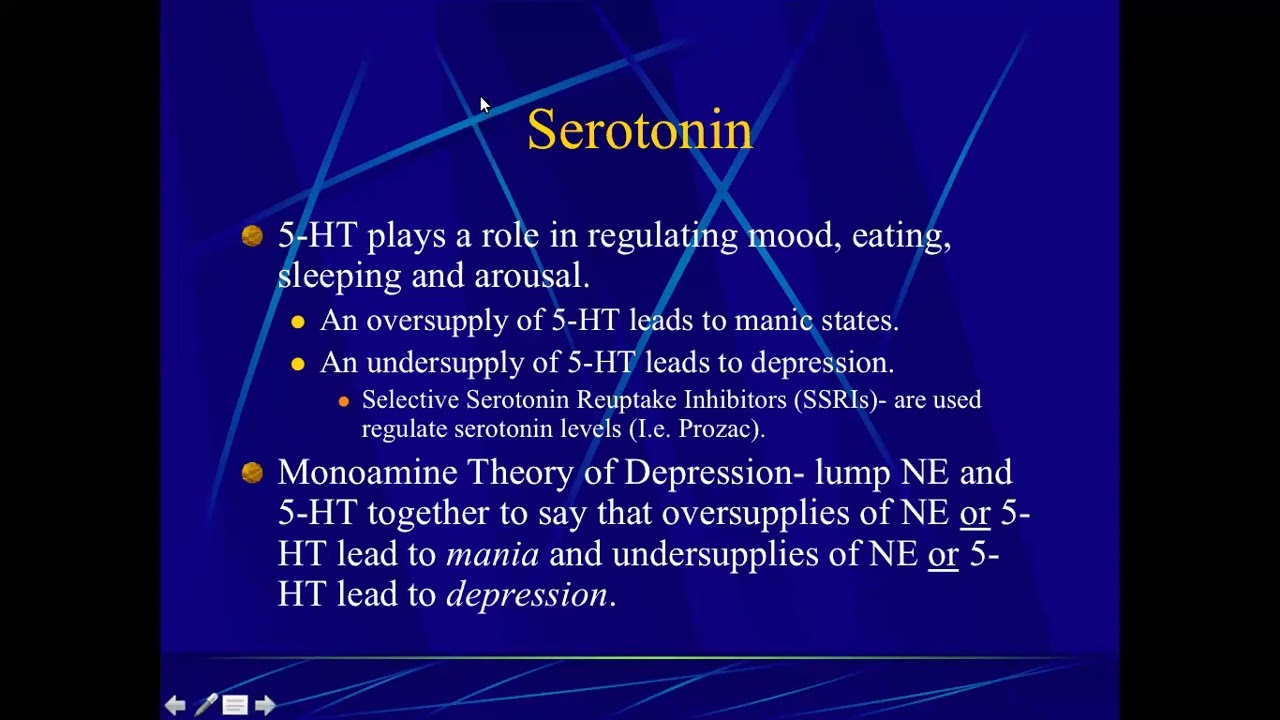
The fundamental role of key neurotransmitters, such as dopamine, serotonin, and norepinephrine, in regulating attention, mood, and cognitive performance.
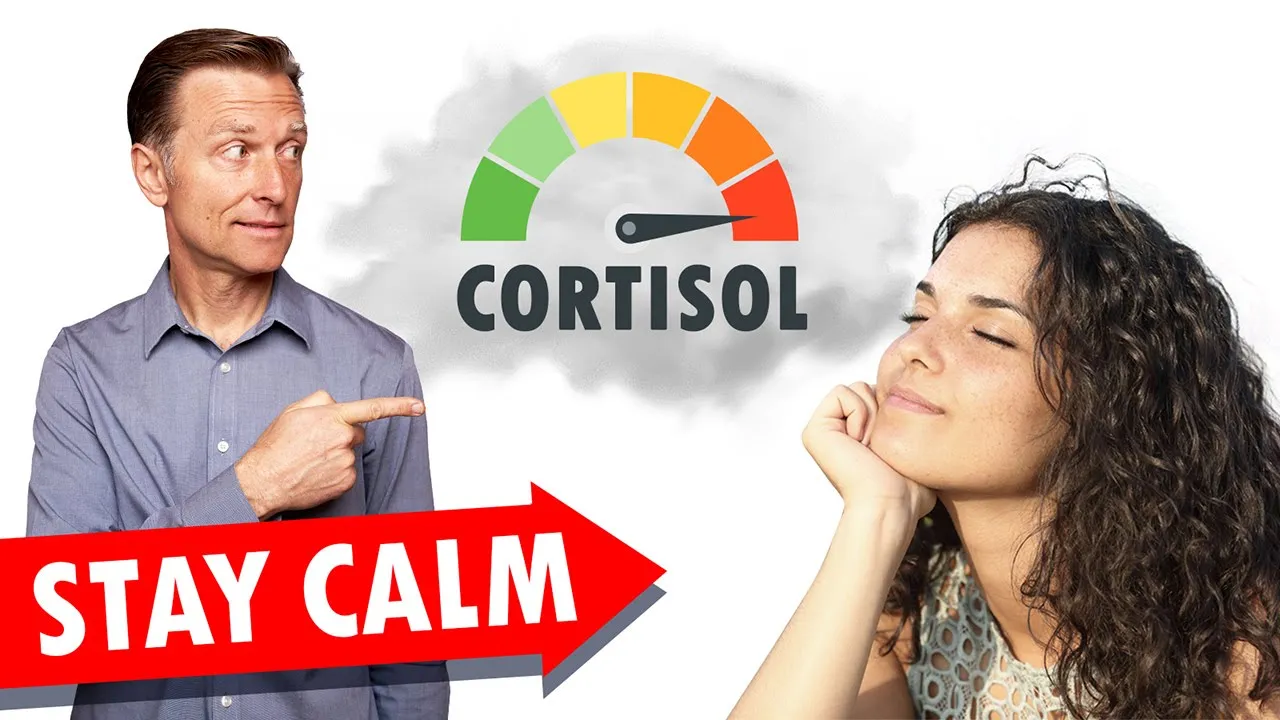
The basic physiological mechanics of stress and how the hormone cortisol can negatively impact cognitive function and memory.
The biochemical mechanisms of neurogenesis, specifically how physical exercise stimulates the release of Brain-Derived Neurotrophic Factor (BDNF) to build new brain cells.
Advanced behavioral protocols for cognitive enhancement, including the integration of sleep hygiene, circadian biology, and nutritional neuroscience.
Clinical applications of exercise and mindfulness in preventing or delaying neurodegenerative conditions such as Alzheimer's disease and age-related cognitive decline.
The study of quantitative methods to track cognitive health, such as measuring heart rate variability (HRV) or using cognitive testing software to assess attention and memory.
132.7K views4.1Klikes36:51Original Release: 2026-01-15
Welcome to Huberman Lab Essentials, where we revisit past episodes for the most potent and actionable science-based tools for mental health, physical health, and performance.
I'm Andrew Huberman and I'm a professor of neurobiology and opthalmology at Stanford School of Medicine. And now for my discussion with Dr. Wendy Suzuki.
Wendy, great to see you again and to have you here. It's been a little while.
>> It's been a while. So great to be here, Andrew. Thank you so much for having me.
>> Yeah, delighted. I'd like to start off by talking about memory generally and then I'd love to chat about your incredible work discovering how exercise and memory interface and what people can do to improve their memory and brain function generally.
>> Yes.
>> Maybe you could just step us through the basic elements of memory.
>> Well, I like to say there are four things that make things memorable.
Number one is novelty. If it's something new, the very first thing uh the very first time we've seen something or experienced something, our brains are drawn to that. Our attentional systems draw us to that. And when you are paying attention to something, that's that's part of what makes things memorable.
Second is repetition. Third is association.
So if you meet somebody new that knows lots of people that you know. So you and I share many many many many people that we both know. It's easy to remember.
It's easier to remember you especially if you were somebody new that I hadn't met before. We have met before. Uh so association. Um and then the fourth one is emotional resonance. So we remember the happiest and the saddest moments of our lives and that also includes you know funny surprising things. Uh that is the interaction between two key brain structures. Uh the amygdala which is important for processing uh lots of emotional particularly threatening kinds of situations but uh those threatening surprising kinds of situations. The amigula takes that information and makes another key structure called the hippocampus work better to put new long-term memories in your brain. So that in fact is the key structure for long-term memory. This structure called the hippocampus.
>> Yeah. Step us through kind of what this structure is, what it looks like.
>> The word hippocampus means seahorse. It is visually anatomically beautiful with these kind of interwining sub regions within it. So that's anatomically functionally what does it do? Well, it's easiest to understand what it does when you uh look at what happens when you don't have a hippocampus anymore. We know this from the most famous neurological p patient of all time. Uh his initials were HM. So all psychology neuroscientists neuroscience students know him. Uh he was operated in 1954 and the paper was published in 1957. Um they removed both his hippocampi because he had very terrible epilepsy and um they knew that the hippocampus was the genesis of of epilepsy and this was experimental. his epilepsy was so bad that they decided not just to remove one hippocampus but both. And what happened was immediate um immediate loss of all ability to form new memories for facts and events. So this hippocampus does something with all of these perceptions that are coming at us every single day, every minute of the day. And not for all of them, but for some of them that have these features that we just talked about, maybe they're novel, maybe they have associations, maybe they're they're emotionally relevant, maybe uh uh maybe they've been repeated. Some of those things uh in the realm of facts or events get uh uh encoded in our long-term memory. The hippocampus and what it does really defines our own personal histories. It means it defines who we are. Because if we can't remember what we've done, the information we've learned and and the events of our lives, it it changes us. That that's what really defines us. But what people have started to realize that it's not just memory. It's not just putting together associations for what, where, and when of of events that happened in our past, but it's putting together information that is in our long-term memory banks in interesting new ways. I'm talking about imagination. So, without the hippocampus, yes, you can't remember things, but actually, you're not able to imagine uh events or situations that you've never experienced before. So what that says is the hippocampus is important for memory is a too simple a way to think about it. What the hippocampus is important for is what we've already talked about associating things together writ large. Anytime you need to associate something together either for your past your present or your future you are using your hippocampus and it takes on this much more important role in our cognitive lives when we think about it like that.
That is kind of the new the new hippocampus that that neuroscientists are studying these days.
>> There are some memories that can be formed very quickly. So-called one trial learning.
>> What is it about emotionally salient events that allow memories to get stamped in? There is this protective function um of our brains that has evolved over the last 2.5 million years that you need to pay attention and remember certain things for your survival. If something terrible happens, if something very scary happens, um you remember that and that that fear and that memory of all those things. I mean, I I have one uh when I lived in Washington DC, I went to work at NIH on a Sunday afternoon and I came back and when I rounded the corner to my door of my apartment, um it was crowbar barred in. Somebody had taken a crowbar, opened up my door and stole the nicest things in my apartment. Ever since then, whenever I rounded that corner, I still had that memory. It was terrible because, you know, it put me in a terrible state when I was just coming home. And that that's a survival mechanism. Do you want to uh be alert to possible danger? Absolutely. Yes. So part of those one trial memories I think is often taking advantage of this evolutionarily developed system to tamp in things that could be potentially dangerous to you into your memory. So you forever will remember this particular corner or this this hallway because that is where something really bad happened to you.
>> For people trying to learn information that they're not that excited about, right?
>> Is there something that we can do to let to leverage knowledge of how the memory system works naturally to to make that a a more straightforward process? Maybe we could talk about your story and how um you came to the place you are at now >> because I think it provides a number of tools that people could um implement themselves.
>> Yeah. Yeah. As I was working to get tenure at NYU and and as you know it's a it's a stressfilled process. They give you six years to you know show your stuff and you are judged in front of all your colleagues and either they say okay you can join the club or they say sorry.
And so my strategy was um I'm just going to not do anything but work. I'm going to uh just work as hard as I can for the six years. And um what happens when you work and you don't have any sort of life outside of work? Uh you gain 25 pounds, which is exactly what I did. And you get really really stressed. And so I decided to go on vacation and I I did a adventure river rafting trip in Peru.
And so I go by myself and you know meet other interesting people and um I I was the weakest person on this whole trip.
It was embarrassing. And I came back and I said, "Okay, I cannot be the weakest person. I'm in my late 30s. I have to do something." So I went to the gym. Fast forward year and a half, I've lost the 25 pounds. So proud of myself. So much happier. And I'm sitting in my office doing what you and I do a lot which is writing an NIH grant which is our lifeblood right and um writing writing writing and this thought goes through my mind that had never gone through my mind before which was during this six years of grant of frantic grant writing when I was trying to get tenure and that thought was grant writing went well today that that felt good but when I thought about it I thought it's it's not just today my grant writer writing seems to have been getting smoother like I'm able to focus longer. it the sessions feel feel better to me and you know at that point the only thing that I changed in my life it was a huge thing but I had become a gym rat rather than a workaholic and that's when my you know spidey sense for neuroscientists popped up and I said what do we know about the effects of exercise on your brain um because if I think about it what was better about my writing is I could focus longer and deeper very important And I could remember those little details that you try and pull together for your million-doll NIH grant from, you know, 30 different articles that you have open on your screen all at the same time.
That's a hippocample memory. I was studying that. I was writing the grants on on hippocample memory. And uh so that's when I got really interested in the effects of exercise on both prefrontal focus and attention function and hippocample function because of my own observation and this kind of I still remember where where I was sitting which office I was in when I had this revelation. But the thing that really sealed it for me is right around that time um I got a phone call from my mom um who said that my dad wasn't feeling well and that he had um told her that he got lost driving back from the 7-Eleven which was literally seven blocks from our house that I grew up in. And um I knew that was that was hippocample function. I suspected dementia. I suspected though didn't want to admit Alzheimer's dementia which he which he had. My dad is the engineer not so active all his life but would loved and sit sit and read books all day. My mom was the athlete. She she played tennis, team tennis into her 80s and it started to show at that point. I noticed that all the things that were improving in my brain suddenly went away in my my dad's brain and I started thinking this isn't just something to help you know somebody who wants to get tenure um this is something that could help millions and millions of people most importantly our aging population what if you know what's happening and so the thing that makes me wake up in the morning is when I realized that every single time you move your body um you are um releasing a whole bunch of neurochemicals and some of them we've talked about that the good mood comes from dopamine and serotonin and neuradrenaline but the thing that gets released also particularly with aerobic exercise is a growth factor called um brain derived neurotrphic factor or BDNF and that is so important because what it does is it goes directly to your hippocampus and it helps brand new brain cells grow in in your hippocampus. We all have that. Even if you're a couch potato, you can get new brain cells in your hippocampus to grow.
But it's like giving your hippocampus a um a boost with this regular BDNF if you are exercising, which means that we all have the capacity to grow a bigger, fatter, fluffier hippocampus. And so what I like to give people is this image of every single time you move your body, it's like giving your brain this wonderful bubble bath of neurochemicals.
What's going on? I I need my bubble bath of noradrenaline and dopamine and serotonin and growth factors. And with regular bubble baths, what am I doing?
I'm growing a big fat fluffy hippocampus. And I'm not going to cure my father's dementia, Alzheimer's dementia. But you know what? If I go into my 70s with a big fat fluffy hippocampus, even if I had that in my genes and it starts to uh kick in, it's going to take longer for that disease to start to affect my ability to form and retain new long-term memories for facts and events, which is my motivation for getting up and doing my 30 to 45 minutes of of aerobic exercise every day.
>> Tell us your routine. Your routine is 30 to 45 minutes of are you a Pelaton cyclinger? Are you Does it matter? The data suggests that as long as your heart rate is getting up for these long-term effects on your hippocampus and prefrontal cortex, you also um get better at shifting and focusing your attention. Um for that you need cardiovascular and what I use is um a video workout. They are 30 minutes that I sometimes add on a 10 to 15 minute stretch at the beginning or at the end.
But um I love the variety. Sometimes I do it with weights, sometimes I do it without weights. Uh uh I love kickboxing, so they have a lot of kickboxing in there. It just fits my um fits my fits my routine and it's always there and I don't have to get all dressed up to go to the gym to uh to to work out. So that's that's what I do.
>> So let's imagine your morning routine.
You you do your cardiovascular exercise.
Okay, so you're pumping more blood.
>> That's the definition of a higher heart rate. Stroke volume of the of the of the heart goes up over time. You're getting fitter. So blood flow to the brain is increasing. Do we know >> how that gets translated to a signal to release more BDNF?
>> Yeah. Um before I go into the aerobic thing, I always like to start with the least amount of exercise to get something really useful because I don't want people to say, "Oh god, I hate, you know, sweating. I don't want to listen anymore." So, so I always like to start with um studies have shown that just 10 minutes of walking outside can shift your mood. That is part of that neurochemical bubble bath that you're getting. Dopamine, serotonin, nor adrenaline. Um and 10 minutes and anybody can walk for 10 minutes. Um and so that is uh for all of you thinking that out there, what is the minimum that I could get some of these brain effects?
10 minutes of walking. That minimum amount of movement in your body can get you th those mood effects. But what about the big fat fluffy hippocampus?
What about the better performing prefrontal cortex? That's where you start to need the the cardio cardio workout. And from my reading of the literature, there haven't been enough studies, you know, um, uh, directly comparing contrasting kickboxing with running with, um, whatever whatever other cardio that you need to do. But any cardio workout that is done has these positive effects. So, I'm going to say my interpretation of that is that whatever way you get your heart rate up, including a power walk, a power walk can get your heart rate up, that that is beneficial. and what is happening. There are two pathways that have been studied about how you go from moving your body to more BDNF that that neurotrofen that's uh that's um increasing the growth of new hippocample brain cells.
The two pathways are the following. One is a myioine which is a protein released by the muscles. So and not your heart.
These are strided muscles um in your body. And so by running this these were studies done in rats on running wheels.
They showed that the running rats had um more of this myioine release the myioine past the bloodb brain barrier. So it got into the the uh rarified very protected bloodstream of inside the brain and that myioine stimulated the release of BDNF in the brain. That's pathway number one.
Pathway number two comes through the liver. Uh because exercise is a stress on generally. Uh how do we know that?
Well, cortisol is released whenever we exercise it. We we need we need uh that sugar uh in our blood. And so so that's how the physiological um mechanisms work. And so um there is a uh ketone um beta hydroxybutyrate that we've known for a very long time that gets released by the liver during exercise. And we also know that that particular ketone passes that bloodb brain barrier and it's another stimulant for BDNF. So kind of the final common pathway seems to be um BDNF stimulation in the hippocampus.
Is it the only one? Probably not. But that's the one that has been studied most most clearly. So it's you know it comes from all of our physiological systems. Our muscles working our liver um responding to the stress of of exercise. And what is it doing? It is making our uh you know giving more BDNF precursors to get into our brain to cause the upspike of BDNF um which is part of your bubble bath that you're getting every time you move.
>> This issue of new neurons >> is one that you hear a lot. you know, neurogenesis. You're going to grow new neurons, new neurons. And and my understanding is that the rodent literature is very clear. Running more on a wheel can trigger neurogenesis that literally that the the birth of new neurons and the addition of new neurons to the hippocampus. And in humans, I think it's been a bit controversial.
Some people say absolutely yes. Other people say absolutely no, there are new neurons added to the adult brain. I haven't followed that literature down to the detail. Um but I do remember one study that I don't think is contested which is the work of Rusty Gage at the Sulk Institute where they actually injected a a sort of die type marker into the brains of terminally ill humans who very graciously offered to have their brains removed and dissected after death. And in these very in some cases very old >> terminally ill humans they did see evidence for new neurons being born in the hippocampus.
>> Can I trust that idea still? Is that generally accepted? Well, so after that study, which was quite a while ago, uh there are more recent studies, still controversial, but um showing and demonstrating using even new and better techniques than were used in that that original Rusty Gage study, which was groundbreaking at the time that um that suggest and I think show that there are new neurons born in adult human brains into the ninth decade of life. So they not only did this I think those those patients were in their 60s then they they died of cancer um but but these new studies uh looking across the timeline can we see because the other thing was yeah maybe you have some when you're 20 but by the time you're older and you might need these new neurons you have no new neuron growth and so these studies seem to uh suggest that yes yes you did yes you do and we all do even into old age. If you would, could you tell us about some of the more specific effects of exercise on memory?
>> Absolutely. Let me start with um kind of the immediate effects, acute effects as they're called, of exercise on the brain. So, this is asking what does a one-off exercise session do for your brain? And there um uh there are three major effects that have been reproduced.
I've seen it in my lab. Many labs have reproduced this. This is usually an aerobic type type exercise session. 30 30 to 45 minutes. What you get is that mood boost very very consistent. You get um uh you get uh improved prefrontal function typically uh tested with a stroop uh test which is a test that uh asks you to shift and focus your attention in specific ways. um it's a challenging task and clearly dependent on the prefrontal cortex largely and um significant improvements in reaction time. So your your speed at responding often a motor kind of uh but cognitive motor response is is improved. one of the unpublished studies that I did looking at the effects of 30 minutes of age appropriate workout um in subjects ranging in age from their 20s all the way up to their 90s. So what are the um the things that I saw most consistently irrespective of your age everybody got a decreased anxiety and depression and uh hostility score which is very important you know so it's it's not just decreasing your anxiety and depression but decreasing your hostility levels >> making the world a better place >> making the world a better better place >> energy the feeling of energy went up and um what we found is in the older population even more than in the younger population. We saw improved performance on both stroop and um Ericson flanker task which are which is another task dependent on um really focusing in on different letters and paying attention to what letter is being shown. Um so so these are consistent effects. How long do they last? One of the studies that I did publish in my lab showed that the immediate effects of exercise lasted up to two hours. Unfortunately, that was the longest that we last. They were still there at 2 hours. Um, so that's, you know, that's that's a pretty big bang for your buck. That is one 30 minute.
>> So, what this tells me is that, um, exercising early in the day >> may have a special effect, >> right? I know there there are moms and dads out there and they just say, "Look, I have a kid that the kid's more important than my doing my exercise."
So, you will get benefits if you if you do it whenever whenever you can. So, that's great. More power to you. But what all the neuroscience data suggests is the best time to do your exercise is right before you need to use your brain in the most important way that you need to use it every day. And so that is why the morning for most of us is beneficial. That's why I do it in the morning. I'm lucky enough to be able to do that.
>> I also want to emphasize I'd love to get your thoughts on just memory and memory loss in general.
>> You know, my understanding of the literature is that somewhere in our 50s or 60s, we start noticing little hiccups in memory.
>> Yeah. But I have to imagine that doing the exercise throughout one's entire life is going to help offset some of this simply because of the BDNF and other downstream effects.
>> Yeah. First, I want to share one of my favorite studies, which is a longitudinal study um done in Swedish women. And this was published in 2018.
And uh what they did was back in the 1960s, they found um Swedish women, 300 Swedish women in their 40s and they characterized them as low fit, midFit, high fit. Okay? And then 40 years later, they came back and found these women.
let them do live their lives and they asked what happened to these women as a function of whether they were low fit, midFit, high fit in their 40s. They're now in their 80s. Um and what they found was that um relative to the low fit or midFit women, the women that were high fit gained nine more years of good cognition later in life. Now, this is not a randomized control study. Um, this is a correlational study. But does it agree with everything that we've been talking about today? Yes. Does it agree with this idea that, you know, the women that were high fit were giving their brains this this bubble bath very, very regularly for that entire 40 years and that built up their big fat beautiful hippocampi. Yes, it does. So, um, that's one of my favorite studies.
>> Yeah. another cause for getting the exercise in consistently.
>> Yes. So, when I jumped into the exercise work, um, everybody was studying people 65 or older because that's when cognitive decline begins. And if the idea is exercise can help you with your cognition, then makes sense. However, I thought, well, you know that it's great.
There's lots of work there. I wanted to know what happens in people in their 40s and their 50s, maybe even their their 30s and their 20s. Why? Because that's when we as humans are able, ready, will willing and able to increase our exercise and um gets us set set up to, you know, build our brains as we go into our 60s. And so um the first study that I did looked at low fit participants from their 30s to mid-50s. And we wanted to ask this question, you know, how much exercise do you really need to start seeing benefits? Do you see benefits? Or maybe you have to wait until you start seeing cognitive decline to get benefits. That was one of the the theories out there. And so that's what I wanted to do. And so what we did was three months of two to three times a week cardio. It was a spin spin class.
So spin classes are great for cardio.
And the the comparison group was two to three times a week of competitive video scrabble. So no heart rate uh change, but but they had to come into my lab and and be in a group just like they were in a group for the for the um um spin class.
uh we tested them cognitively cognitively at the beginning of the end of the session. What we found was two to three times a week of cardio in these people. They were low fit which means specifically that they were exercising less than 30 minutes a week for the three months previous to the experiment.
So they went from that to two to three times a week of spin class. And what we found was um changes in baseline rates of their positive mood states went up relative to the video scrabble group. Um their uh body image got more positive because they were exercising which is great. And really important their motivation to exercise went up significantly compared to the video scrabble group which is which is great.
So the more you exercise the more motivated you are to exercise. What about cognition? and what changed in the cognitive circuits of their brain.
Number one, we got improved performance on the stoop task, but uh we're headed towards my favorite structure which is the hippocampus. What we found was improved performance on both a recognition memory task which was a um memory encoding task um and uh that is can you can you differentiate uh similar items that we're asking you to remember and an spatial episodic memory task where we had them play one of those doom like games when they went into this spatial maze and they had to do things in a virtual city. their performance there got better which is very very classically dependent on the hippocampus. So it was so satisfying to to do this study because um uh I've been wanting to answer this question. What is a minimum amount or doable amount of exercise that will get you these cognitive benefits? And now I can say in 30 to 50 year olds that are low fit two to three times a week. Is that doable?
Absolutely. Will it be hard if you're low fit? Yeah, it's it's going to be challenging, but absolutely doable. This is not like you have to become marathon runner to get any of these benefits.
This is you have to start moving your body on a regular basis, two to three times a week.
>> How long are those sessions again?
>> 45 minutes.
>> 45 minutes.
>> Yeah. 45 minutes. Uh warm up for 5 minutes and a cool down for 5 minutes.
So, it's really 35 minutes. 35 minutes of, you know, they're really pushing you. Yeah. The second study that I wanted to share is part two of that study that I just described, which was the low fit people. Next, we moved to midFit people. Like, what about us? You know, we're already exercising. How how am I going to benefit from increasing my exercise? So, here again, we collaborated with a great um spin studio that had a whole bunch of midfit people that that by our definition were exercising um two to three times a week on a regular basis. That's great. All you people out there that are doing that, you should know you're already benefiting your brain. But our question was, what if we invited them to exercise as much as they wanted at the spin studio for three months from, you know, two to three times all the way up to seven times a week. And let's just see what happened. And the control group, um, we asked them not to change their exercise. Um, and so what we ended up with was a nice big array of starting with midFit people that exercise between staying at two to three times a week all the way up to seven times a week. And the bottom line from that study is every drop of sweat counted. That is the more you change and you increase your workout up to seven times a week, the better your mood was. you had lower um lower amounts of depression and anxiety, higher amounts of good um uh good affect and the better your hippocample memory was with the more you worked out. Again, this was for three months. So, I love that too because it gives power to to those of us that are, you know, regularly exercising and wondering, do I really need to I mean, is it really going to help me? And the answer is yes.
I mean not all of us can exercise go to a spin class seven times a week but um I love the message that our body is responsive to that and and you can get better hippocample function better overall baseline mood a effect with with a higher level. So it works for uh the midfit uh people as well. What is if any the value of affirmation of telling yourself something positive about yourself or of exercise on not the exercise itself but on mood, self-image, memory and brain function. Yeah, I looked into this because I am also a certified exercise instructor and the form of exercise that I teach is called intensi that it's a form of exercise that was developed by this amazing um fitness instructor Patricia Moreno. Um and she combined physical movements from kickbox and dance and yoga and martial arts with positive spoken affirmations.
So each move, if you're punching back and forth as you would do in a kickbox class, you don't just punch, you say something like, "I am strong now," which every punch is associated with a word.
And you know, you you can um create your own series of affirmations with the moves that you put together. There's something about the declaration using your own voice of saying things that you, you know, don't often say to yourself, like, "I'm strong. I'm inspired. I believe I will succeed are all the kinds of affirmations you say.
And so I started to look into what was known about affirmations. And it was clear that there was a literature showing that that uh positive affirmations, saying them or reading them, um could change mood. It really gets you into a habit of of saying good things about yourself. And then you start to remember uh start to realize, oh my god, I'm so mean to myself. I I have lots of negative thoughts going on about about myself in my head and which was part of the other reason why I loved this this particular form of exercise.
So what you get in intensate is the mood boost from the positive spoken affirmations together with all the other brain and um a effect boosts that we've been talking about for this whole uh podcast from the exercise because it's a sweaty workout as well. So >> interesting. I'd like to touch on meditation.
>> Yeah. Sounds like you've discovered a minimum a close to minimum threshold of meditation that can really benefit us.
So um so maybe you tell us about that that study.
>> Very practical study. Um just 10 minutes, not 30 minutes, not an hour meditation. That's too hard. 10 minutes guided meditation. A um it's a body scan, very basic but easy to follow kind of meditation. Uh we looked at cognitive effects um before and after this. It was eight weeks of daily it was actually 12minut meditation um 12 minutes of body scan meditation and um what we found was significant decreases in stress response. So we did the strier stress test to see how how you responded to a unexpected stressful situation. The meditators did much better. their mood was better and their um their cognitive performance was also better.
>> I know there's so much evidence that meditation is beneficial.
>> Yes.
>> How do you think it's working or what what do you think it's doing?
>> I think that one of the most important things that gets um worked when we are doing a simple 10 minute or 12 minute body scan um meditation regularly. this 10 minutes a day, 12 minutes a day is um the habit building and the practice of focusing on the present moment. I think that is very hard for us modern humans to do. If you know how to do that, that gives you this powerful tool for the rest of your day. You're not locked into that fearful future thinking that so many of us have or that that that uh just reliving of the terrible past, but you could enjoy enjoy the present moment.
>> Are there any other things besides exercise and meditation that you would like to see people do in terms of trying to increase their powers of attention?
So I would say the top three uh tools that everybody right this minute today can use to up their capacity to attend where they want to. Uh include exercise for the reasons we've talked about. It has a direct effect on functioning of the prefrontal cortex. Meditation also clearing improved ability to to focus and and particularly focus on the present moment. Um and the third has to be sleep. It is so important for all core cognitive functions uh uh including attention, including creativity, including uh um just good basic brain function. So exercise, meditation, sleep can help you learn, retain and perform better than if you do not have these three things in your life. Wendy, thank you so much for your leadership in the university system, for your leadership in public education, for the decades of important work on memory and neural circuitry, which uh we've got to learn about today as well. Thank you ever so much.
>> Thank you, Andrew. Fun conversation.
Up Next

27:57
Brain Health & Dementia Prevention: Barbara Sahakian's Insights
@dervilaglynn7966
361 views•2023-11-08

21:55
Deciphering Neural Circuits Controlling Anorexia in Mice | Richard Palmiter
@AllenInstitute
2.3K views•2011-10-10
35:44
How Your Brain Interprets the World: Neuroscience with Dr. David Berson | Huberman Lab Essentials
@hubermanlab
79K views•2025-10-16
13:03
How Exercise Benefits Your Brain: Science Explained
@TED
11.4M views•2018-03-21
Related Study Plans & Knowledge Roadmaps
Structured learning paths in Neuroscience
neuroscience
Appetite Regulation: Brain Circuits & Hormones
01Foundations of Endocrinology and Brain Anatomy
02Introduction to Energy Homeostasis
03Peripheral Signals: Leptin, Ghrelin, and Insulin
+ 2 more learning modules
14h5 modules
Explore Roadmap
neuroscience
Neuroeconomics: Value, Risk & Brain Mechanisms
01Foundations of Neuroscience and Brain Anatomy
02Introduction to Neuroeconomics and Subjective Value
03Dopaminergic Prediction Errors & Reinforcement Learning
+ 3 more learning modules
18h6 modules
Explore Roadmap
neuroscience
Spatial Navigation: Cells, Grids & Brain Maps
01Foundations of Brain Anatomy and Memory
02Place Cells and Head-Direction Cells
03Grid Cells: The Brain's Coordinate System
+ 2 more learning modules
12h5 modules
Explore Roadmap
neuroscience
BCIs: Neural Decoding & Prosthetic Control
01Neuroscience Foundations: How the Brain Signals Intent
02Signal Acquisition: Recording the Brain's Activity
03Neural Decoding: Translating Brain Waves into Data
+ 2 more learning modules
25h5 modules
Explore Roadmap