















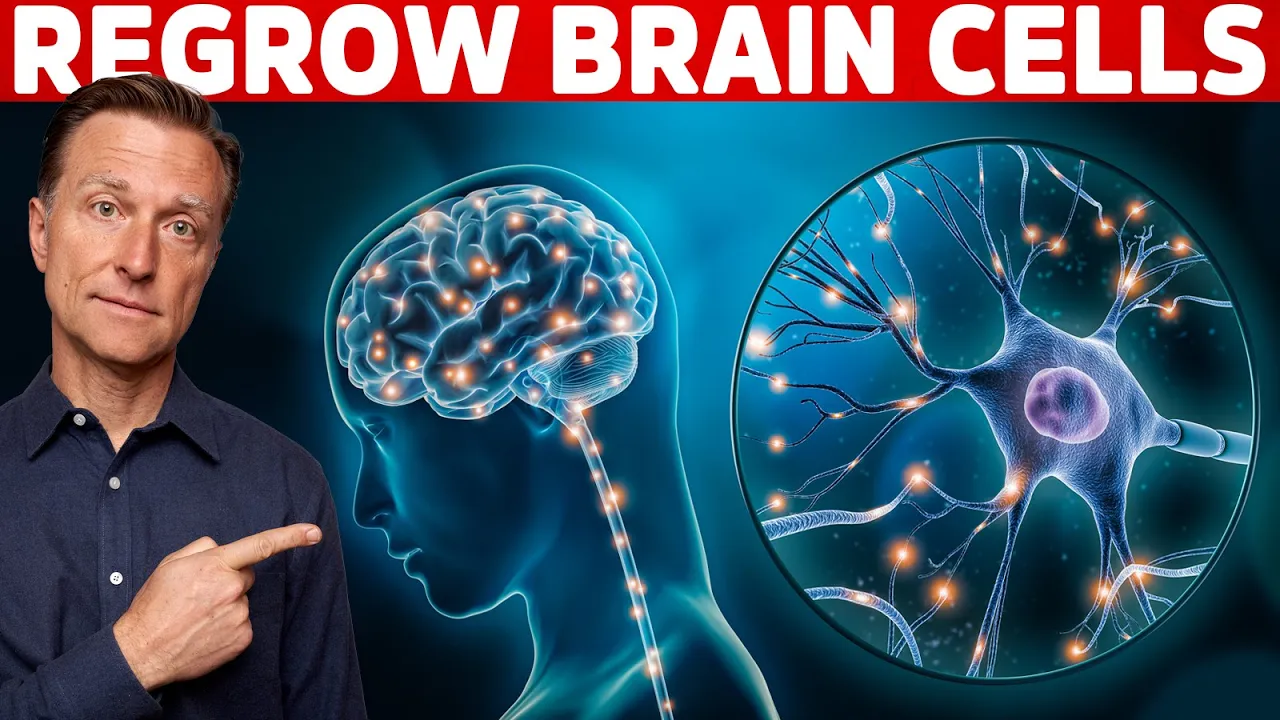






Neuroplasticity is the brain's remarkable ability to form new neural connections throughout life, enabling recovery from brain damage and cognitive enhancement; this phenomenon allows the brain to compensate for lost tissue (as demonstrated by patients who have had entire brain hemispheres removed yet still function normally), and can be enhanced through learning new skills, practicing languages, maintaining a healthy diet rich in polyphenols, regular exercise, and stress management, all of which help reduce the risk of dementia and improve overall cognitive function.
How Neuroplasticity Rewires Your Brain to Prevent Dementia
Added:Basic neuroanatomy, specifically the structure and function of neurons, synapses, and chemical neurotransmitters.
An understanding of what dementia is, including its common forms like Alzheimer's disease and its general impact on cognitive decline.
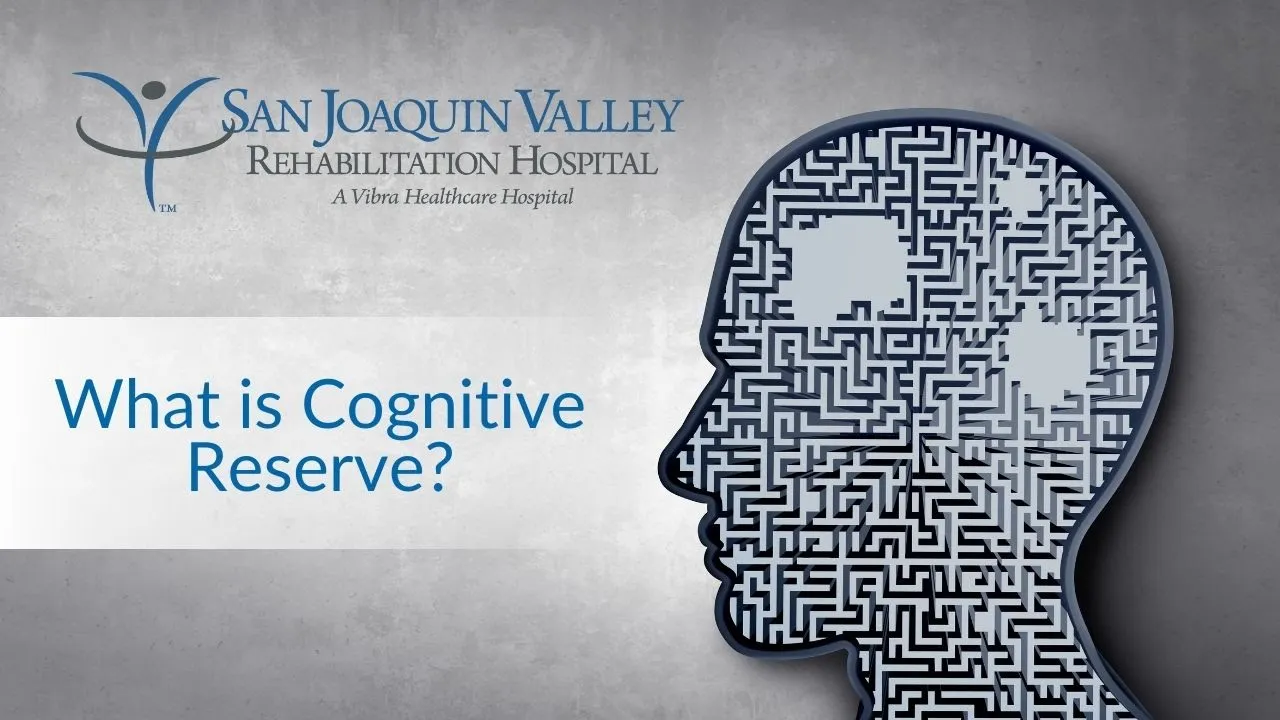
The concept of cognitive reserve, which refers to the brain's capacity to improvise and find alternate ways of getting a job done when damaged.
The historical scientific shift from the 'static brain' paradigm to the modern understanding of neural adaptability.
The molecular mechanisms of synaptic plasticity, such as Long-Term Potentiation (LTP) and Long-Term Depression (LTD).
The role of neurotrophic factors, particularly Brain-Derived Neurotrophic Factor (BDNF), in promoting neurogenesis and synaptic survival.
Epigenetics in neurobiology, specifically how lifestyle habits like diet, exercise, and sleep physically alter gene expression related to cognitive longevity.
Designing and clinically evaluating cognitive rehabilitation protocols and brain-training programs for aging populations.
386.8K views16.5Klikes11:24Original Release: 2022-06-25
It's the year 1995. Cs is an eight-year-old girl who went on a beach vacation with her parents.
The whole family was looking forward to the trip and they enjoyed the great weather.
But little did the family know that their whole life would change during this trip.. one morning the girl's foot began shaking. Her parents were concerned and rushed to the next hospitals where doctors conducted first tests. When the doctors made a diagnosis the family was devastated. CS suffered from a rare disorder called rasmussen's encephalitis.
In this disease the immune system attacks parts of the brain which causes seizures.
The doctors proposed the only viable option to stop the seizures: removing one half of a brain. A few years later cs just finished high school and achieved several outstanding honors with parts of the brain being removed. Wow how is it possible? My name is Clemens and today we'll talk about neuroplasticity how we can make a smarter and how we can fight alzheimer's disease.
Back to the beginning of the story. The girl suffered from a rare disorder called rasmussen's encephalitis. The exact causes of this disease are still debated but somehow the immune system recognizes the own brain as an intruder and starts to attack it.
What is quite special is that often only one half of the brain is being attacked.
Affected brain regions then get swollen and partially die off. This process then causes seizures. In cs case the right side of the brain was being attacked and so the only viable option was to conduct a hemisphereectomy and this means that they had to remove the diseased brain half.
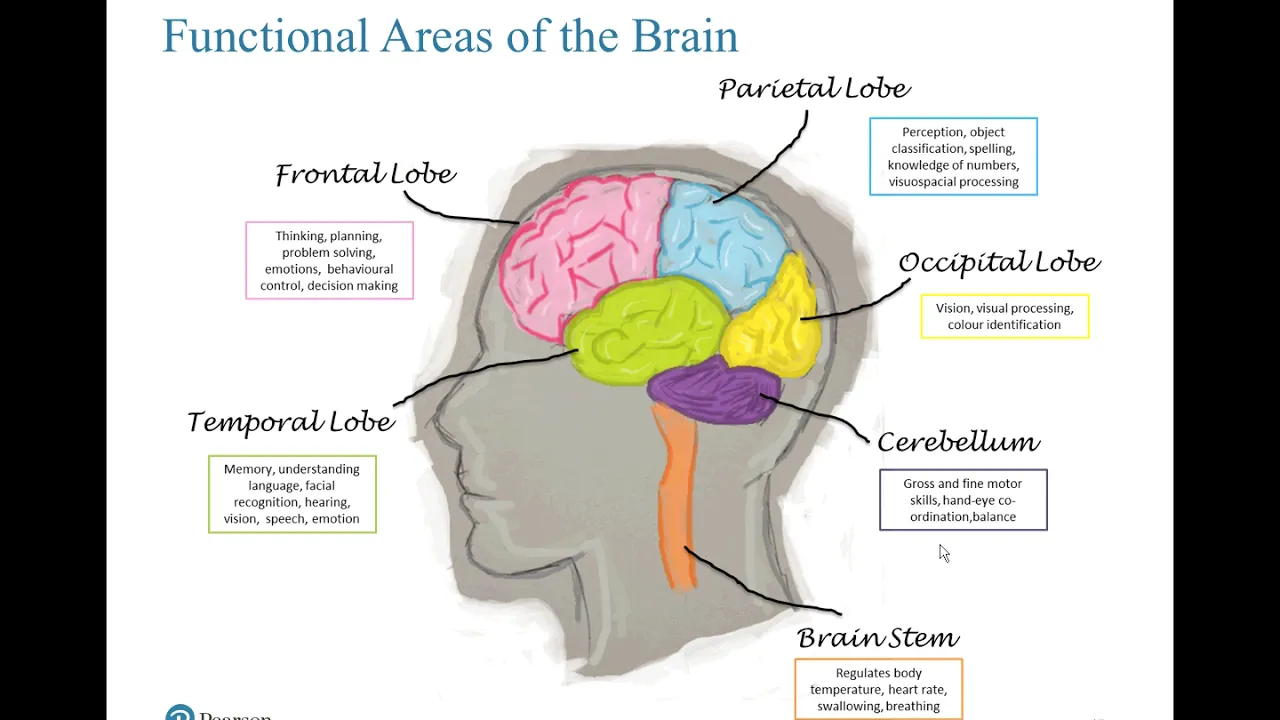
Initially the parents did not agree to this procedure as of course there are many risks if we remove certain brain regions. They feared that the surgery might change her personality destroy her memory and make her permanently disabled. You see the right brain hemisphere performs many important tasks and is involved in attention memory reasoning and coordinating the left arm and leg. Having local brain damages can already be detrimental but losing the entire right part of the brain can have unforeseen consequences. So the family went back home.
But then her condition worsened. She experienced up to 150 seizures a day she vomited she had many troubles. So eventually they had to agree to the surgery. The surgery took 14 hours and then.. the child woke up. She had a horrible headache but otherwise her body tolerated the surgery extremely well. Her memory was fine her attention span as well and after rehabilitation she learned to control her left arm and leg. Over the next years she just didn't finish school but also university and became a speech pathologist. You can read her story online the link is in the description. So somehow our brain could nearly entirely compensate for losing the right health.
How?! As we grow in size our brain grows as well but at a certain point though our brain doesn't largely make any new brain cells anymore. But despite the fact that we do not constantly grow new brain cells we can still learn new things. We can learn new skills new languages learn to drive a car or learn fun facts from your favorite small science youtuber (thanks). And the fact that we can do all of that is due to a phenomenon called neuroplasticity. Neuroplasticity means that our brain cells form new brain connections. Whenever we learn something new certain brain cells are active at the same time. If we now repeat the same thing a couple of times the same brain cells are active over and over again which triggers the formation of new connections. Neuroplasticity can also be summarized in a sentence "cells that fire together wire together". And this sentence is so often used in biology lectures you can call it the despacito of neurosciences. witty joke check. In the aforementioned case we've seen a girl that has lost her complete right brain hemisphere but after a while of training her remaining brain hemisphere neuroplasticity led to new brain connections and she could partially compensate for the lost brain areas. Neuroplasticity of course doesn't only happen in such dramatic cases but every time we learn something new.
Neuroplasticity is amazing but can we use it for example to make us learn more efficiently? And can we use neuroplasticity to fight alzheimer's disease? You know where this is going.
Imagine you're in the streets of london uk. Take a deep breath ah air pollution. London is a historic city and like many historic cities has complicated streets.
On these streets we find a class of special people cab drivers. Cab drivers drive through the streets all day they have to navigate through busy streets and they have to find shortcuts.
A couple of years ago scientists conducted magnetic resonance imaging to analyze the hippocampus of taxi drivers. The hippocampus is a part of the brain which is involved in memory and in navigation. What the scientists found out is that the hippocampus of cab drivers is larger than normal. Navigating all day through the streets of london has changed their brain in the sense that neuroplasticity has been activated making the hippocampus bigger. And the fact is that we can all trigger neuroplasticity to rewire our brains and make us "smarter". And the good thing is that we can do it and start at any time there is no age limit to that. So if you want to start here's what you can do: number one learn new things (obviously). By default learning new things make new brain connections. But in the end you will not only learn new skills but your resulting neuroplasticity also overall changes your brain. Learning a second language for example has been shown to facilitate the formation of new brain connections between various brain regions. iIn other words learning second languages doesn't only help you with your reading comprehension but also multitasking and problem solving. It has also been shown that learning a second language improves the attention span of people. Here it is hypothesized that a bilingual person must actively suppress one language when speaking another. So neuroplasticity can lead to more global changes in your brain.
Besides actively learning new things you can also actually trigger neuroplasticity with the right food and exercise. Some studies suggest that diets rich in polyphenols promote neuroplasticity in several brain regions. Polyphenols are found in fruits vegetables and tea and it is suggested that they support the metabolism of brain cells. This and overall helps the function of brain cells and to form connections more easily. Fasting has also been shown to activate pathways in the brain which helps to improve neuroplasticity. Here right now it seems that intermittent fasting provides the most benefits. Getting regular exercise also promotes neuroplasticity.
People who regularly exercise throughout their lives have an overall increased volume in their hippocampus and a bigger frontal temporal and perito lobe. And as i'm writing the script right now it's actually crazy how many positive effects a healthy lifestyle can have i mean think about our aging video. We've seen how diets fasting and exercise might help to slow down aging in cells and here the same mechanism also helped neuroplasticity. So i guess we should just try to stay fit guys. And last but not least stress management also helps to promote neuroplasticity.
Of course life is stressful we all know that but we can try to minimize the stress to some degree at least because this can also help to shape our brain. iIn one study participants underwent meditation training for eight weeks. Their brains were scanned before and after the training and it was found that those who have reported a reduction in stress also had a reduction in their amygdala.
They amygdala is the brain region which handles emotions and also have to deal with stress and it seems that neuroplasticity has actively modelled this region upon stress management.
So you see that we can all trigger neuroplasticity and help to train our brains. And this might not only help us in our day-to-day lives but also help us to fight age-related diseases.
Dementia is one of the greatest medical challenges of the 21st century. Over 55 million people suffer worldwide from a form of dementia and this number is expected to rise. Alzheimer's disease is the most common form of dementia. We all know how terrible this disease is. We might forget where we left our keys or we might feel a bit irritated. It becomes harder and harder to learn new things and we become more confused. Within the brain we start to find small damages which spread over time.
In more advanced stages alzheimer's disease patients are unable to communicate and cannot swallow properly anymore. oOther complications such as pneumonia might occur and the disease becomes life-threatening. Most of us are afraid to suffer from alzheimer's disease one day or have any relatives suffer from the disease. And although there is no cure for alzheimer's disease there are some steps we can take to lower the risk of getting it. And one of these ways is neuroplasticity and training your brain. Education has been shown to counteract alzheimer's disease.
In people with at least a high school education the rate of dementia has fallen nearly half since the 1970s. Education and the resulting training of the brain leads to what we call cognitive reserves meaning that the brain can compensate for some of the damages caused by alzheimer's disease. For the same reason people who have learned a second language or an instrument in their teen years also have a 30 % decreased risk to develop mild forms of dementia. So this means if you try to learn constantly new things throughout your life you have a lower risk to develop alzheimer's disease. Of course there is still a risk because nothing in biology is absolute but the risk is lower. Some people still will develop some form of dementia but also here we can do something with some form of brain trainings. Music therapy for example has been shown to provoke neuroplasticity in alzheimer's disease patients. In one study the so-called mozart effect has been used to treat dementia patients over the course of six months. The patients listened to mozart in the morning and pachebel in the evening and regularly had to do tests. The results showed that music therapy helped to improve the abstract thinking of alzheimer's disease patients.
Another study has shown that singing familiar songs or songs the patient has known in the past can help to improve the self-consciousness. And then karaoke also has been shown to improve symptoms in dementia patients and that's kind of cool. They're different forms of music therapy but they overall improve attention memory orientation and the executive function of alzheimer's disease patients. But what i want to point out here is that there is also another very important factor of these therapies and that is the improvement of mood music therapies help to decrease anxiety and depression in dementia patients. It has been shown over and over again and the impact is very important. Upon starting music therapy alzheimer's disease patients are less secluded and they interact more with their environment. And these interactions can also help to train their brains.
It makes perfect sense to have such therapies and this is not my opinion but they help to increase the overall mood and they also help to combat the disease itself. So let's see how available they will become in the next decades. Although our brains stop growing once we reach adolescence we can still positively impact the structures in our brain. We can try to learn new things new languages sports or hobbies and be creative. This helps us not only by reducing your risk to develop certain diseases later in life but it also can make us happy and that's all we want in the end right? Dang that was cheesy. But for now i hope that you enjoyed this video. If so feel free to like it and comment how you train your brain let us all know that it's interesting or just post some random stuff it's a free country. And with that i'll see ya!
If you're interested in a similar topic where we discuss how a baseball accident made a genius or how we might reverse aging you might like these videos!
Up Next
17:20
Meditation Science: How Mindfulness Rewires Brain Networks for Health
@AndreaStephanyDiaz
5.6K views•2021-08-05
21:55
Deciphering Neural Circuits Controlling Anorexia in Mice | Richard Palmiter
@AllenInstitute
2.3K views•2011-10-10

4:10
Vagus Nerve (CN X): Anatomy, Nuclei & Functions Explained
@Alilamedicalmedia
305.2K views•2022-10-31
13:03
How Exercise Benefits Your Brain: Science Explained
@TED
11.4M views•2018-03-21
Related Study Plans & Knowledge Roadmaps
Structured learning paths in Neuroscience
neuroscience
Appetite Regulation: Brain Circuits & Hormones
01Foundations of Endocrinology and Brain Anatomy
02Introduction to Energy Homeostasis
03Peripheral Signals: Leptin, Ghrelin, and Insulin
+ 2 more learning modules
14h5 modules
Explore Roadmap
neuroscience
Neuroeconomics: Value, Risk & Brain Mechanisms
01Foundations of Neuroscience and Brain Anatomy
02Introduction to Neuroeconomics and Subjective Value
03Dopaminergic Prediction Errors & Reinforcement Learning
+ 3 more learning modules
18h6 modules
Explore Roadmap
neuroscience
Spatial Navigation: Cells, Grids & Brain Maps
01Foundations of Brain Anatomy and Memory
02Place Cells and Head-Direction Cells
03Grid Cells: The Brain's Coordinate System
+ 2 more learning modules
12h5 modules
Explore Roadmap
neuroscience
BCIs: Neural Decoding & Prosthetic Control
01Neuroscience Foundations: How the Brain Signals Intent
02Signal Acquisition: Recording the Brain's Activity
03Neural Decoding: Translating Brain Waves into Data
+ 2 more learning modules
25h5 modules
Explore Roadmap