























![สมาธิ ลดเครียด เพิ่มภูมิ ชะลอวัย by หมอแอมป์ [Dr. Amp Guide👨⚕️ & Dr.Amp Podcast] [Sub TH, EN]](https://i.ytimg.com/vi/z7CnMJTPFyM/maxresdefault.jpg)
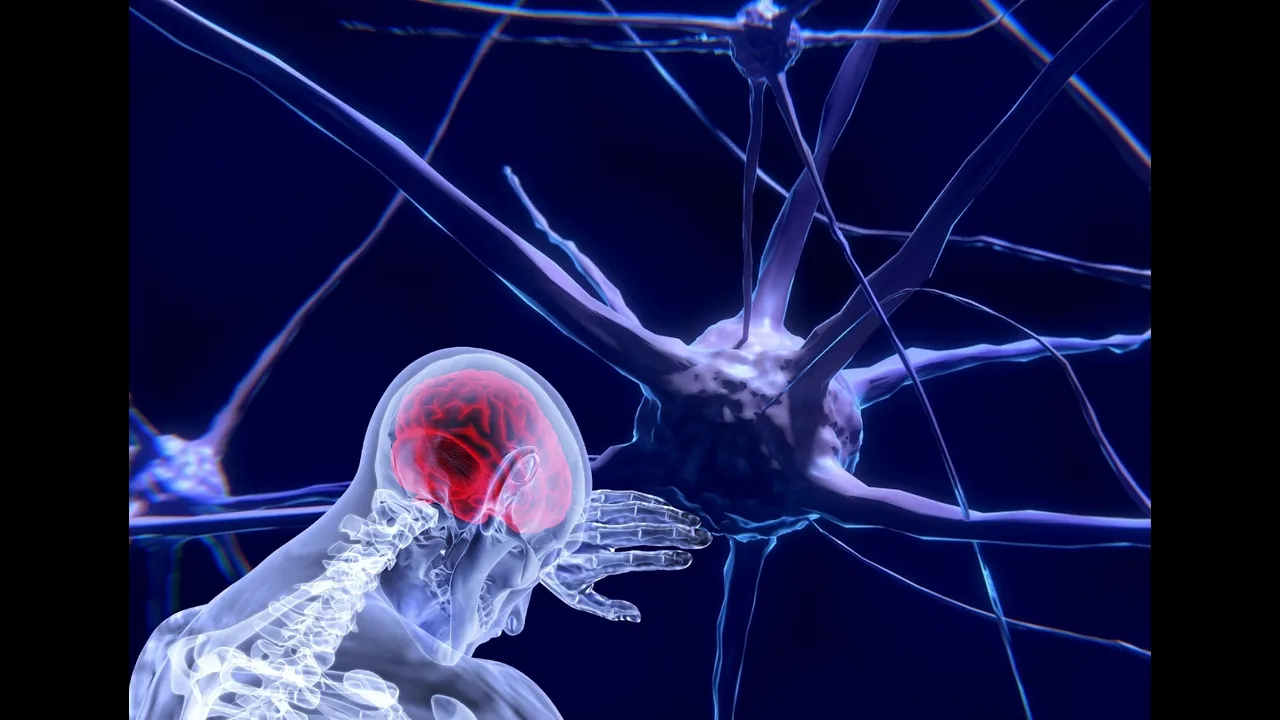
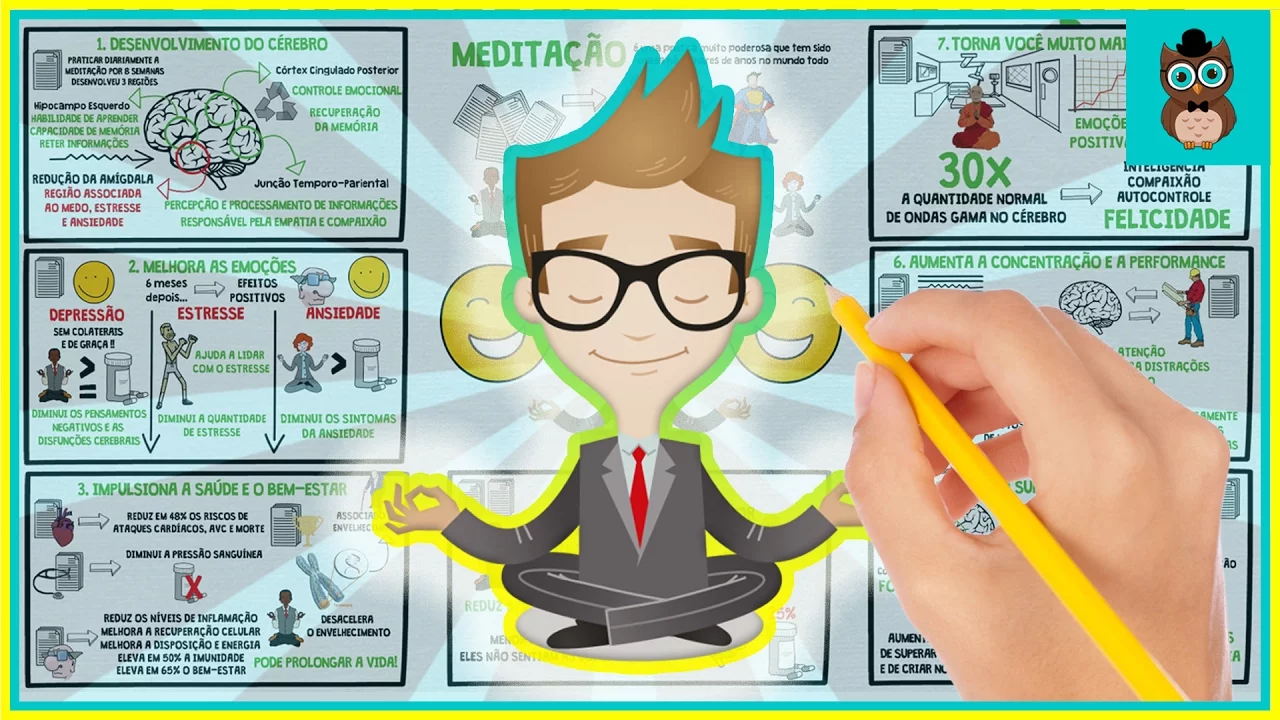
Scientific research demonstrates that regular mindfulness meditation practice produces measurable changes in brain structure and function, including increased gray matter density in the prefrontal cortex and hippocampus, decreased gray matter in the amygdala, and improved emotional regulation; these changes correlate with scientifically validated benefits such as reduced stress, decreased symptoms of depression, improved pain management, enhanced attention and focus, and better overall quality of life.
Meditation Science: How Mindfulness Rewires Brain Networks for Health
Added:The concept of neuroplasticity, which is the brain's ability to structurally and functionally reorganize itself in response to experience and learning.
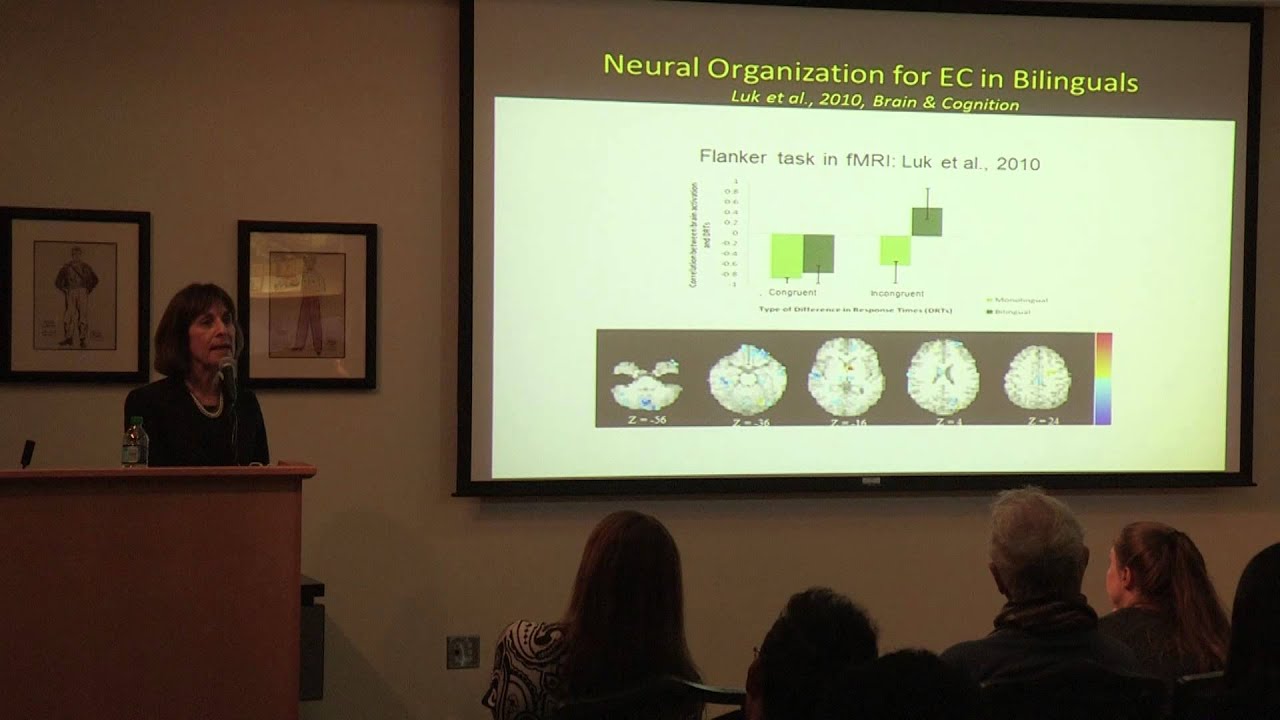
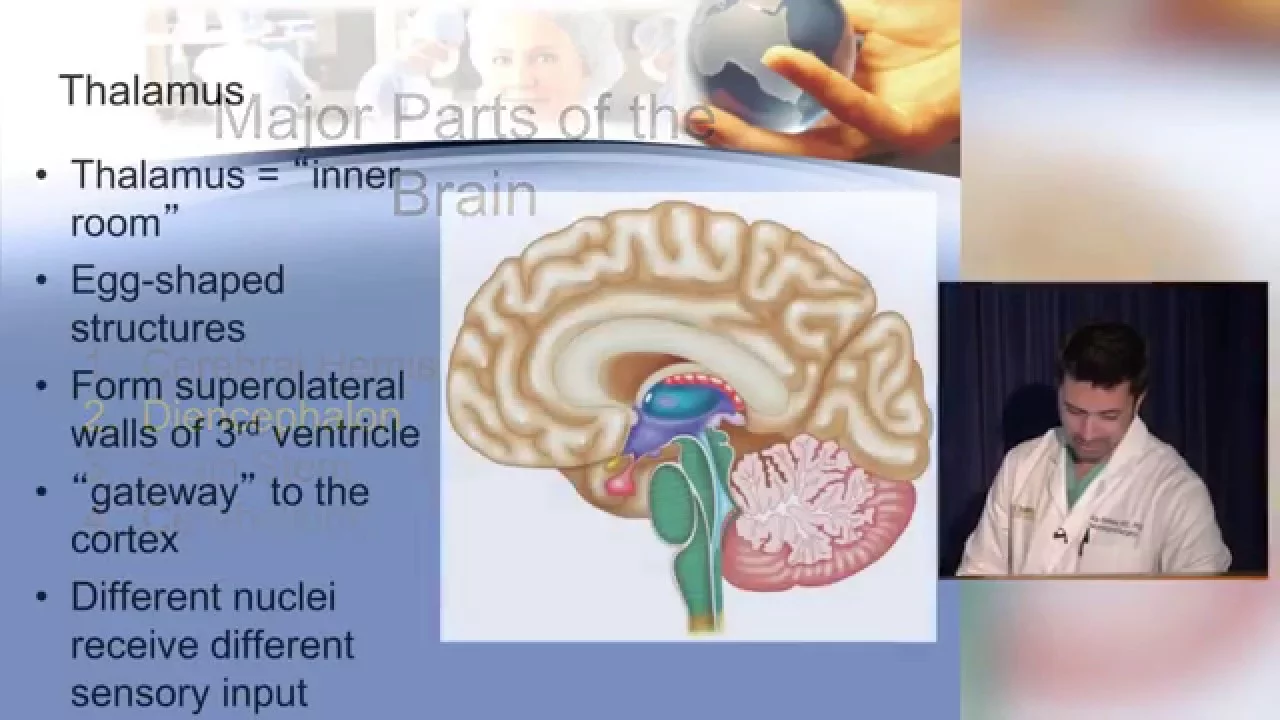
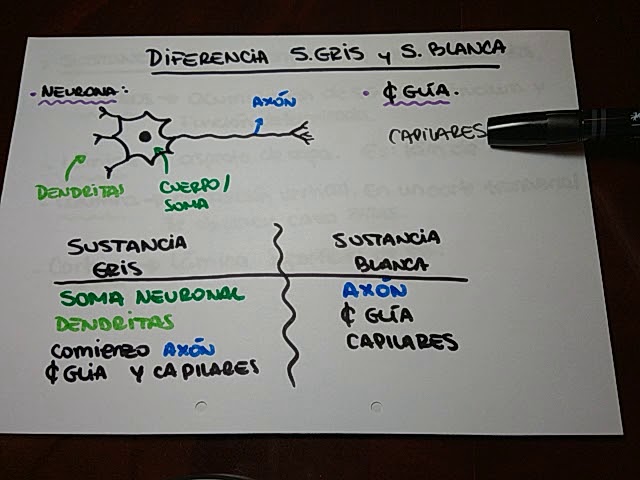
Basic neuroanatomy, specifically the distinction between gray matter and white matter, and the primary functions of key regions like the prefrontal cortex, amygdala, and hippocampus.
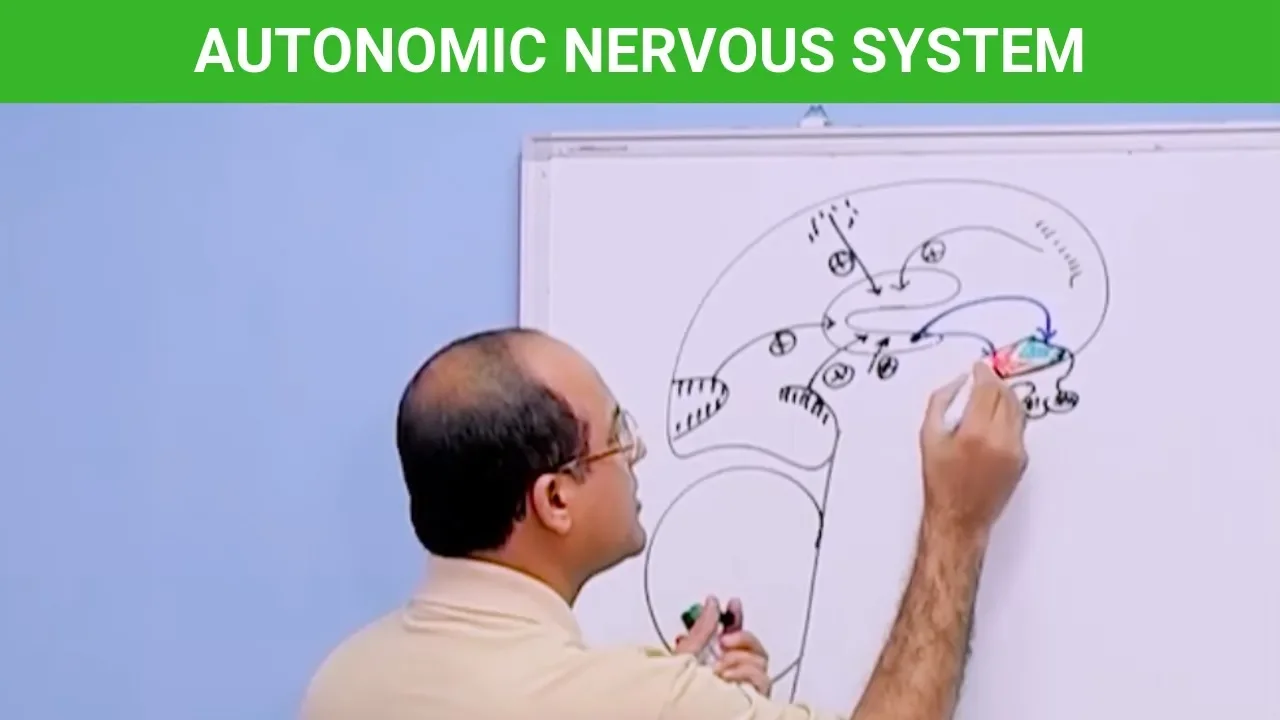
The physiology of the human stress response, including the role of the sympathetic nervous system and the activation of the amygdala.
A foundational definition of mindfulness and meditation practices, distinguishing between focused attention and open-monitoring techniques.
The clinical application of mindfulness through standardized programs like Mindfulness-Based Stress Reduction (MBSR) and Mindfulness-Based Cognitive Therapy (MBCT).
The neuroscience of the Default Mode Network (DMN) and how meditation alters self-referential thought, mind-wandering, and ego-dissolution.
The molecular and genetic effects of meditation, including its impact on cellular aging, telomere length, and inflammatory gene expression.
The use of neurofeedback, EEG, and real-time fMRI to study and guide advanced meditative states and brain-computer interface applications.
5.6K views287likes17:20Original Release: 2021-08-05
there's something people constantly tell me you speak so fast it's something that i just can't control even when i'm speaking in english which isn't even my first language i speak super fast i don't know why i would say this is because my brain just won't shut up i constantly have like a billion thoughts even when i'm just thinking my thoughts go at like a thousand miles per hour but then the pandemic started no god please no no all of a sudden my super hectic life aligned with my super hectic brain was just forced to stop so there i was stuck in my house thinking um this is too much for me i need to do things i just need to do things so what did i do i started binge watching productivity videos of course i've always been obsessed with being super productive and that was not going to change because of a worldwide pandemic and all of the videos agreed that if you want to be super productive working for something on 10 hours a day isn't going to get you that in order to be really productive your brain needs to be in its full capacity therefore it needs some moment of relaxation and that's when i constantly started to hear the term mindfulness mindfulness is a type of meditation whose goal is to achieve a mental state by focusing on the present moment being aware accepting your feelings a thought in a non-judgmental way up until that moment i was familiar with meditation but i thought mindfulness was something that was taught in big companies for their employees to be more focused or something like that i had no idea but it's a term everybody kept mentioning but of course i'm a science girl and most of us scientists are skeptical towards well everything and i knew everybody said meditation was very good for like stress reduction and stuff like that but i thought why does that matter to me i mean i'm not stressed right i'm not stressed so anyways i started meditating on a regular basis doing mindfulness or at least what i thought it was and i actually loved it having that moment of peace and silence i feel like i didn't know i needed it until i started doing it and after a while i actually started feeling some of the benefits whenever i felt let's say anxious about a specific situation i felt like i could somehow remind myself of that moment of calmness i had experienced during my session earlier that day and that just helped me really relativize relativize relativize relativise i hope that's how it's pronounced so at that point i thought i had seen the effects of meditation and experienced them myself but of course i asked myself is this a placebo effect of what is going on in my brain what is the science behind it i need to know and that's how the idea of filming this video started i decided to do a small research on the topic of meditation and basically do a video of whatever i found so in this video oops so in this video i will tell you the main things i found at least what impressed me the most but for sure i cannot talk about all the things that are out there in just one video like no not a single person can i think because there's just so much information it's a very new field of research however there is tons of different focuses to it spoiler alert scientifically validated benefits include decreased stress reduced symptoms associated with depression pain improved focus and attention overall better quality of life but as mentioned i can possibly cover all the topics on one video so if you guys are interested in this topic just let me know hit the like button comment it whatever and i'll be more than happy to make them part two okay so without further ado and after the longest intro ever let's get started [Music] okay so you probably know that meditation is older than all of the people watching this video combined well there's probably like 20 people watching this video anyway so it's not hard but it has always been something that like buddhists and monks do only recently it has been adopted by the western culture and since doing so it has absolutely exploded it has become so popular everybody seems to love it okay and what about science let me tell you the first studies that were conducted actually compared expert meditators such as monks and buddhists to non-meditators and yes impressive changes were observed but monks are just hardly comparable to any other human being that doesn't live in a temple right their lifestyle in general is probably so well no for sure so different they barely talk they're i don't know i imagine them being exposed to few stressors so if you see neurological changes can you really affirm that it's because of meditation so scientists went like okay say no more and they started conducting studies where the subjects were expert meditators that lived in a city rather than in a temple this means that yes these people meditate a lot but are also exposed to stressors like traffic jams and stressful jobs probably but of course haters gonna hate people when like oh but meditators are just like really weird in general right like they're probably vegetarians they probably do like four hours of yoga a day so you know the scientists are really hard to please bear in mind that meditation is something that has always been considered to be spiritual and for some reason spirituality and science have not always been different to me science has always been like this cool guy at school that spirituality has always tried to have lunch with but science won't even look at at least that's how i see it maybe they don't want to know anything about science either anyways it doesn't adhere obviously basically scientists that were studying meditation went like okay let's do something that nobody can argue let's take non-meditators and let's make them meditate and we'll scan their brains before and after and analyze the changes sara lazar is a neuroscientist at harvard university that was a pioneer in this field of studies if you're interested in this topic i'll link some of her talks down below i've watched some of them and they were a great help in the making of this video so sarah lazar and a group of scientists took a bunch of random people non-meditators of course and put them through what's called a meditation based stress reduction program so during this program they were told to meditate from 30 to 40 minutes a day during eight weeks and guess what several areas in the brain actually changed in size the left hippocampus increased in size this area is related with memory and learning and also with emotional regulation what's actually interesting is that this area is diminished in people with depression and ptsd the amygdala this area actually had a decrease in gray matter this part of the brain is called the fight or flight region and is basically related to stress and fear and also the higher the decrease of stress was reported to be the higher the decrease in gray matter temporoparietal junction increased as well this is an area involved in perspective taking empathy and compassion and it's super interesting because this is one of the most claimed benefits of meditation so after meditating for some time people claim to be more empathic more compassionate but seeing a higher activity in the brain areas relating to those feelings is just a whole different level okay so what do you think so far it looks promising right let me just tell you more about another experiment of this woman because i think i could make a whole series just based on her work so this one was called fear conditioning and extinction paradigm as usual there were two groups one group was asked to do the mbsr program for eight weeks and another group did not meditate however they did do exercise for eight weeks so they didn't sit around and do nothing they had to do extra time so they would do this for 30 to 40 minutes a day for eight weeks so here's what the experiment consisted of on day one subjects were exposed to the conditioning phase they saw a blue light a red light and a yellow light and they received a very mild shock with the blue line and the red light but no shock with the yellow light afterwards came the extinction face where the subjects saw a blue light and a yellow light and no shock in any case on day two the recall phase was carried out subjects were exposed to a blue light a relay and a yellow light also no shock in either case the question was after eight weeks what would their response be after being exposed to the blue light would there be fearful or not would they remember the shock and therefore respond with fear or would they just be prepared for the shock that was coming so then eight weeks went by both groups said their stress levels were released and it was correlated with the amount of hours they put into the practice that they were assigned to do but their results were super interesting the red color is the response after exposure to the blue light and the red light so shock whereas the blue color represents the yellow light so no shock in the control group we can see a difference between the skin conductance response before and after the eight weeks so basically they probably saw the blue and the red light and thought oh this is gonna hurt whereas in the mindfulness group there is little difference between before and after the eight weeks meaning that they probably also remember that they were going to get shocked however they were less tense and less fearful of this shock and what's really interesting is that the key to achieving this results through mindfulness is not by thinking about something else as one would expect it is actually by really focusing on the moment by really paying attention to the pain but in a non-judgmental way and this can be shown by seeing the activities in different parts of the brain these results actually shed a light on the relationship between meditation and pain so let's talk a little bit more about that there are two types of networks involved in pain the blue network is related to the physical real pain it evaluates the sensation the intensity and the brown network is the suffering judgmental one it involves the dorsolateral and ventral lateral prefrontal cortex wow that was hard to say and it's the one saying why does this happen to me make it stop i hate it so much and deals with the emotional significance of pain so according to this we could separate pain into suffering and physical pain a study aimed to compare this using both a group of non-meditators and expert meditators they were again exposed to a mild pain while on a scanner but bear in mind they were asked to do this in two conditions baseline and in a mindful state interestingly the study showed that the expert meditators went on a mindful state and exposed to the smile pain were actually able to turn off this judgmental network and focus on the pain itself scientists knew this because the activity in the brown network was largely decreased and the blue network was increased during the mindful state but let's pay attention to something what i find the most interesting is that the control group in mind you these are people that have never meditated before and were just briefly introduced to meditation just before going into the scanner had actually a worse performance so to say when in a supposedly mindful state because they actually increased their activity in the prefrontal area and decrease activity in the insula which belongs to the blue network i think it's probably trying to show us that the base of mindfulness is really being present in a non-judgmental way i know i sound like i smoked a jointer too but seriously i think it's really interesting and most likely for beginners this is actually really hard to do because they have to consciously find ways of overcoming their natural way of reacting to things so they have to think oh my god my foot hurts let's not think about how horrible this pain is let's not think about how much we could hurt and this probably involves a great deal of prefrontal cortex work whereas expert meditators might not need this prefrontal control they may automatically just accept the experience so instead of thinking oh wow this hurts make it stop maybe they just think okay so this hurts and this in this area and i feel this and this and that okay so up until now you have been introduced to some of the effects in the brain of mindfulness and meditation but you might be thinking um so what does this have to do with me i'm not in pain so let's talk about meditation and health [Music] from my point of view meditation has widely been linked to social benefits such as being less selfish caring more about other people you're more compassionate and obviously that's really nice but the side of meditation i find the most interesting is that related to health particularly with the growth of gray matter in certain areas of the brain and that was actually one of the affirmations i saw most consistently when i was looking for information for this video so apparently gray matter in certain areas of the brain shrink as we get older and that's one of the reasons why we start to struggle to remember things and we start to forget stuff more often but it has been seen that people that meditate constantly 30 to 40 minutes a day have a higher grade matter density especially in the prefrontal cortex and you may think cool it enhances great matter why should i care well apparently 50 year old meditators have a similar cortical tissue to that of a 25 year old 25 year old so this might suggest that meditation slows down or prevents age-related decline in the cortical structure and attention mindfulness has also been related to improved attention control i don't know if you have tried it but it's actually really easy to lose focus during meditation your mind starts to wander after like three seconds mindfulness is actually an attention exercise so probably because of that meditators often report attention control as an effect of repeated practice and the brain region that is most likely thought to be linked to this fact and that is activated in meditators is the anterior cingulate cortex or acc an area involved in you guessed it attention control and of course it's nothing crazy it's not like you're gonna be super smart all of a sudden just because you're meditating a few hours a week but just the fact that sitting down and concentrating on your breath or however you do it helps at least a tiny bit to contribute to your brain's health is already mind-blowing enough to me other health benefits are those related to anxiety depression and that's why now we're gonna talk about emotion regulation [Music] experimental studies have analyzed improvement in emotion regulation associated with mindfulness and some of the reported positive effects have been reduction in emotional interference by unpleasant stimuli decreased physiological reactivity and facilitated return to emotional baseline after being exposed to something stressful one of the most accepted hypothesis is that this happens because of a strengthening of prefrontal cognitive control mechanisms and a down regulation of the activity in other regions such as the amygdala as stated on a nature review on the neuroscience of mindfulness present moment awareness and non-judgmental acceptance through mindfulness meditation are thought to be crucial in promoting cognitive control because they increase sensitivity to effective cues that help signal the need for control there you go and it gets even deeper than this as i said even though it's a relatively new field of studies there is so much information so many interesting things there are some links between meditation and epigenetics what else links between meditation and telomere length which is directly involved in the process of aging so how mind-blowing is that but of course more studies need to be carried out especially with more people in the long term and until that moment we cannot how do we say gandalf victoria in english saying victory no that can be right proclaim a victory okay so we cannot proclaim a victory yet hope you like this video it's such an interesting topic for me i have to say that i enjoy doing meditation a lot i try to do it on a daily basis i think that meditation has so many benefits that go beyond the spiritual part which is also really important let me know where your thoughts are let me know if you agree with the statements if you've meditated yourself if you would like to try it out and see you in the next video bye mindfulness has also been related to incredible improved it involves the dentrilateral and ventrolateral have i okay how long have i been filming for it involves the dorsolateral and ventrilatal oh my god meditators meditators often report attention this happens due to the strengthening of it involves the dental lateral and ventral mindfulness has also been mindfulness
Up Next

23:59
Emotion Regulation: Neural Circuits and Cognitive Control | Affective Neuroscience
@amsterdamneuroeconomics1574
854 views•2020-10-02
21:55
Deciphering Neural Circuits Controlling Anorexia in Mice | Richard Palmiter
@AllenInstitute
2.3K views•2011-10-10

4:10
Vagus Nerve (CN X): Anatomy, Nuclei & Functions Explained
@Alilamedicalmedia
305.2K views•2022-10-31
13:03
How Exercise Benefits Your Brain: Science Explained
@TED
11.4M views•2018-03-21
Related Study Plans & Knowledge Roadmaps
Structured learning paths in Neuroscience
neuroscience
Appetite Regulation: Brain Circuits & Hormones
01Foundations of Endocrinology and Brain Anatomy
02Introduction to Energy Homeostasis
03Peripheral Signals: Leptin, Ghrelin, and Insulin
+ 2 more learning modules
14h5 modules
Explore Roadmap
neuroscience
Neuroeconomics: Value, Risk & Brain Mechanisms
01Foundations of Neuroscience and Brain Anatomy
02Introduction to Neuroeconomics and Subjective Value
03Dopaminergic Prediction Errors & Reinforcement Learning
+ 3 more learning modules
18h6 modules
Explore Roadmap
neuroscience
Spatial Navigation: Cells, Grids & Brain Maps
01Foundations of Brain Anatomy and Memory
02Place Cells and Head-Direction Cells
03Grid Cells: The Brain's Coordinate System
+ 2 more learning modules
12h5 modules
Explore Roadmap
neuroscience
BCIs: Neural Decoding & Prosthetic Control
01Neuroscience Foundations: How the Brain Signals Intent
02Signal Acquisition: Recording the Brain's Activity
03Neural Decoding: Translating Brain Waves into Data
+ 2 more learning modules
25h5 modules
Explore Roadmap