








![AP Psychology Unit 3 Review [Everything You NEED to Know]](https://i.ytimg.com/vi/D_zKkv9Vl28/maxresdefault.jpg)

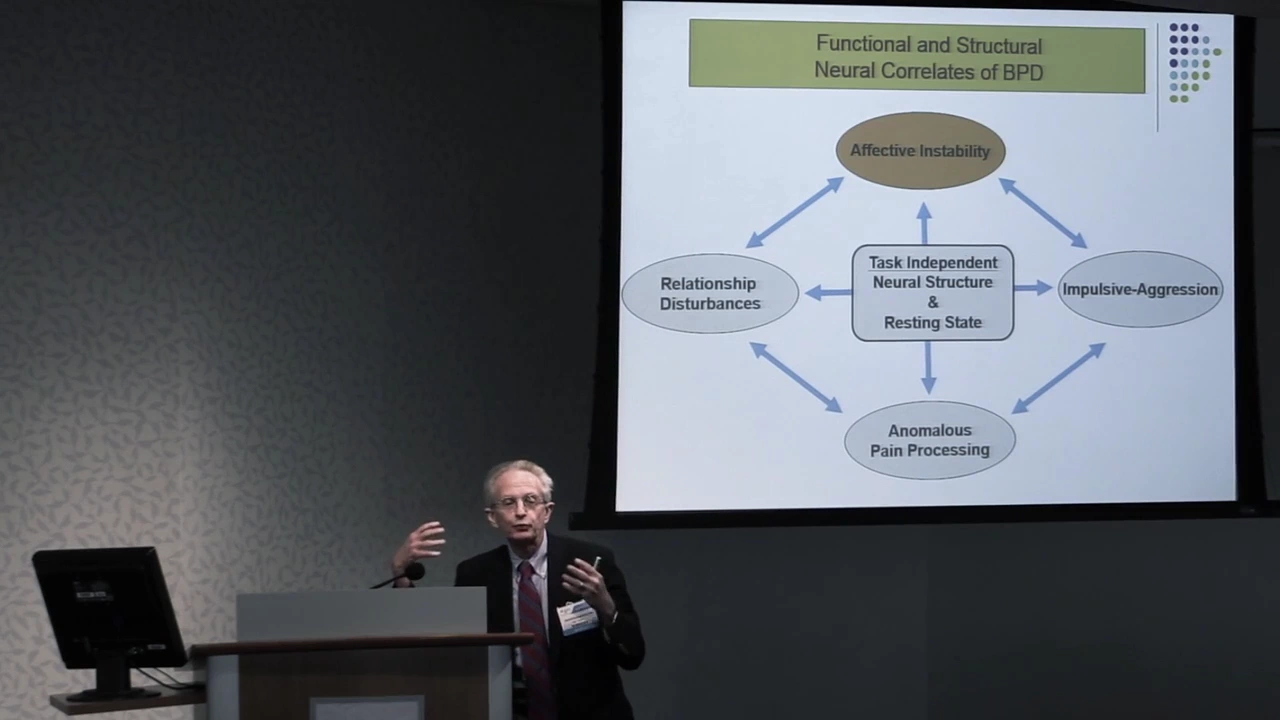














Emotional regulation involves cognitive processes that modulate emotional responses, primarily through the prefrontal cortex (particularly ventrolateral and dorsolateral regions) inhibiting amygdala activity; research demonstrates that reappraisal (cognitively reframing situations) reduces emotional intensity more effectively than suppression (hiding emotions), with neural evidence showing that successful reappraisal correlates with functional connectivity between the ventrolateral prefrontal cortex and amygdala, while suppression shows weaker connections.
Emotion Regulation: Neural Circuits and Cognitive Control | Affective Neuroscience
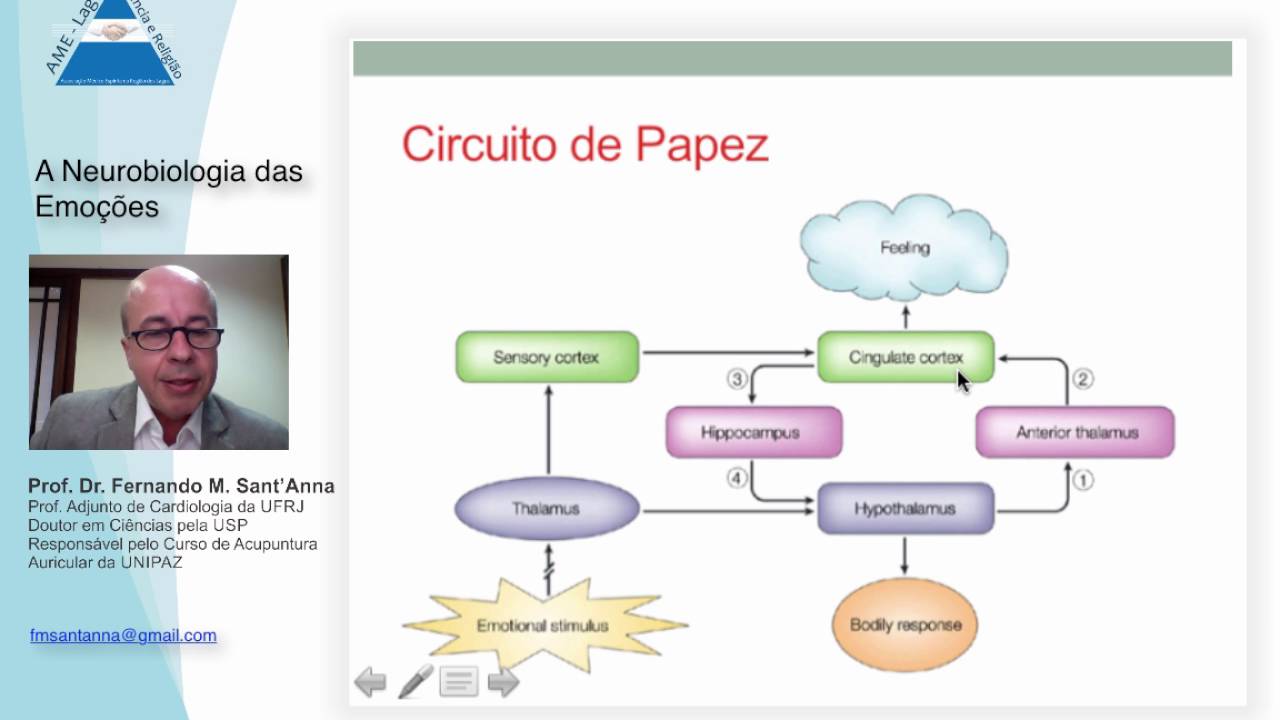
Added:Basic neuroanatomy, specifically the structure and function of the limbic system (particularly the amygdala) in processing emotional stimuli.
The concept of executive functions and the role of the prefrontal cortex (PFC) in top-down cognitive control.
Foundational psychological theories of emotion, particularly Richard Lazarus's Cognitive Mediational Theory of appraisal.
The distinction between bottom-up (sensory-driven) and top-down (concept-driven) neural processing pathways.
The clinical application of cognitive reappraisal in Cognitive Behavioral Therapy (CBT) and its measurable effects on neural plasticity.
The neuropathology of emotional dysregulation in psychiatric disorders such as Major Depressive Disorder, PTSD, and Borderline Personality Disorder.
Advanced behavioral and technological interventions for emotion regulation, including neurofeedback, mindfulness-based stress reduction (MBSR), and non-invasive brain stimulation.
Developmental affective neuroscience, focusing on how prefrontal-amygdala connectivity matures from early childhood through adolescence.
854 views12likes23:59Original Release: 2020-10-02
let's briefly talk about emotion regulation and i say briefly because i know that i'm over time um so if you don't want to listen to this you can probably skip this part but it's interesting in that it shows us that we're not just slaves of our emotions we have emotion cognition interactions we know that emotions influence cognitive processes we know that memory is enhanced and the tension is drawn when two two particular aspects in the environment that have emotional meaning but we can also have cognitive processes influence our emotions and our effective world we can regulate our emotions so if it's really inconvenient to have a certain feeling we can push it aside and then maybe go ahead and experience it later so these are two studies that that show this this is a study by stefan harman who looked at memory encoding of emotional stimuli and what he's showing here is the amygdala right here and basically this this blob here shows a correlation with how well subjects remembered iap's pictures which i'll show you just a few um slides down so they're pictures that are highly emotional in their content so they show amputated limbs as a negative thing well to trigger negative emotion they show uh couples hugging and those kinds of things triggering positive and negative affect and when these stimuli were emotional subjects remembered them better and this is what this is shown here the correlation between how emotional something was to the subject and how well they remembered it after the experiment basically showing that memory is influenced by emotions now let's talk briefly about cognitive control it's a process that allows information processing and behavior to vary adaptively from moment to moment depending on current goals rather than remaining rigid and inflexible so we have cognitive control to allow us to inhibit some things that currently are just not working out for us so that we just don't need behaviors that are inappropriate in a social setting for instance is something that we're pretty good at inhibiting and this inhibition aspect is also false under the umbrella term namely executive function so those are the things that our prefrontal cortex is mostly involved in these things or these these cognitive processes include attention working memory language comprehension comprehension sorry and emotion processing when you look at cognitive control on neurosynth you get the following network sorry that was too fast you get a network of regions that include the interior cingulate but the dorsolateral prefrontal cortex is and the ventral lateral prefrontal cortex is heavily involved in cognitive control especially in inhibitory processes so stopping some something that you really want to do right now stopping a pre-potent process and this is highly related to emotion regulation let's consider what emotional regulation is this is uh an anecdote from gross he is sort of the father of recent emotion regulation research and here's what he's saying he's saying that standing in a long line at the supermarket checkout counter probably isn't anyone's idea of a good time but when the line's glacial pace is further slowed by a gossipy clerk annoyance turns to anger and changes become apparent in one's thoughts feelings behavior and indeed throughout one's body once blood pressure rises one's finger grip the card more tightly and one prepares a scathing remark for the clerk but at the last moment the thought crosses one's mind that a cutting comment will make a bad situation worse worse and so when one opts to bite one's tongue and keep one's mouth shut as the dual decisions of credit or debit paper or plastic are made um it's neither paper nor plastic but that's a different um different uh topic obviously related to sustainability the point here is that uh we know that sometimes having an emotional outburst especially when it comes to anger and expressing and and fulfilling our anger in a way can be rewarding but it's usually not the best option because it leads to additional problems that that we might have in the future another researcher is saying that emotional regulation refers broadly to implementation of a conscious or non-conscious goal to start stop or otherwise modulate the trajectory of an emotion and in the previous example that emotion was anger and again that there's a motivation for this because we know that everyone will be better off if we don't express our anger in many many circumstances that's not always true but many times it is so how do people manipulate or measure emotional regulation in experiments there's basically two ways to do so this is the erq or the emotion regulation questionnaire which was developed by gross the the quote that uh we just read and he's basically splitting emotions regulation into two aspects one he calls reappraisal which is a cognitive process and one he calls suppression so let's read a couple of these but let's color code them first so reappraisal questions or reappraisal cognitive processes are the following when i want to feel more positive emotion such as joy amusement i change what i'm thinking about what i want to feel less negative emotion such as sad and so anger i change what i'm thinking about so we can actually refocus pay attention to something else in our minds and that reduces the emotions that we're feeling we can even sort of rephrase the whole situation as being something positive rather than negative um there's an example of this in a second suppression on the other hand is i keep my emotions to myself when i'm feeling positive emotions i'm careful not to express them i control my emotions by not expressing them so basically things that we continue feeling the emotion but we just don't show it to others and and that's something that actually has been shown to be unhealthy by growth um and that's basically what this is about here so why distinguish between different types of emotions because they lead to different health outcomes in life and and well even additional aspects so let's look at some consequences here so these are correlations between the erq split into either reappraisal and suppression and other aspects other emotional expressions or experiences in real life so we can correlate this with the experience of positive emotion and people that say that they reappraise rather than suppress have more of these they have more positive mood they have more discrete emotions that are positive whereas this is a negative correlation with suppression uh indicating that these people are um experiences experience more negative emotions in real life [Music] and the same is true for negative emotions people that tend to reappraise more show less negative emotions people that suppress more show more or have more experiences of negative emotions in their daily lives or reports having these then in terms of interpersonal effects the authors looked at how much positive and negative emotions are shared with others people that reappraise actually just share in general more and this is not a bad thing even if you share negative emotions with others because it's it's a way of repairing mood and uh well finding solace uh with other people people that suppress do not share emotions that as much so there's negative correlations right these are all correlations it's not causal here then appear rates at close relationship with with others is positively correlated with reappraisal and negatively with suppression so they're actually um quite significant effects of of how we deal with our emotions so if we suppress them on average then that leads to negative social outcomes negative emotional outcomes and even mental health effects so they're negative correlations between reappraisal and depression and positive relationships with suppression so you have more of that if you use you're more likely to be depressed or you you rate your depression higher uh if you're higher on the suppression scale and generally well-being is is affected by these two types of different emotion regulation strategies let me skip this slide in the interest of time this is basically uh yeah the model that gross proposes um such that there are different ways in a situation an environment that you can select and modify deploy attention to and if none of these work then you can still apply cognitive changes and if this doesn't work then you end up with suppression so before you enter a situation that you know will cause negative effects you have multiple ways of regulating this it's interesting but i'll leave this up to you to look at if you want to know more about this what i want to show you here excuse me is how we can experimentally manipulate emotion regulation how this is typically done in an experiment especially in the context of an fmri experiment and then i will conclude with a meta-analysis again to show that these effects are consistent across studies so in an experiment typically what happens is people are facing either positive or negative [Music] pictures or events and they're asked in one condition to regulate these and in the other condition to not regulate this so a cognitive reappraisal instruction that an experimenter might give a participant or a subject is the following it could be a film clip it could be a picture so please watch the following film clip carefully this time as you watch try to think about the situation you see in a more positive light you can achieve this in several different ways for example try to imagine advice that you could give to the characters in the film clip to make them feel better this could be advice that would help them think about the positive bearing this event could have on their lives or think about the good things they might learn from this experience keep in mind that even though a situation may be painful in the moment in the long run it could make one's life better or have unexpected good outcomes this is from a paper by troia dal published in a motion 2010 and other papers including fmri papers have used similar instructions so when you're asked to regulate and this is clearly a reappraisal instruction right this is not a suppression instruction so this is the positive way how can we think about a situation in a positive light even if it's currently bad in the long run obviously this might be a good thing and then participants are shown these kinds of videos and ask to watch them under either reappraisal or just purely attend to this and feel what you feel kind of instructions and you can see that some of these are quite aversive these are potentially scary but they can trigger they can trigger emotions these are relatively neutral here these are cutesy so they're on the positive side and these are obviously disgusting or negative and that's showing relatively mild pictures here again there are some really nasty ones that really do trigger emotions here's a study by oxnard done in in 2001 so it's quite an old study now but uh it was it was important because it defined the fields of um well emotional regulation research in neuroscience so participants view either a film clip that triggers emotions such as a crying baby or a neutral scene and then they're asked to well now attend or reappraise your emotions and then at the end they're asked to rate how how well they succeeded in reappraising the emotions just to give you more background on the fmri conditions so in fmri we have what's called like a relative science there's no absolute zero when we look at brain activation so we always have to have a good contrast that means we typically perform a t-test looking at a treatment condition relative to a control condition this is a limitation of the bold signal obviously the signal that we measure of having no meaningful zero zero point uh so this means that the interpretability of fmri results is dependent on good experimental design it can only be as good as your treatment and your control condition is and what you want in the control condition is that everything happens that the subject has the same cognitive and effective experiences except for that aspect that you want to manipulate and now question is did the current study accomplish this right so when we look at it again is just having a neutral scene a good control condition does it have all the aspects um that the reappraise condition has maybe not right um is the intent condition um a good control condition for reappraise well i would say it's better because it shows the same emotional response it triggers the same emotional response but it also enhances it right if you if we are tending to something there's also an enhancement there well that's exactly what they're finding here when you attend to this negative picture you see a very strong emotional response this is somewhat reduced almost to the level of when people or participants here are attending to neutral events but not quite so there's still an effective response but this difference here is significant so reappraising might lead to does lead to reduced emotion emotion strength and when participants are reappraising we see again these regions that are part of the cognitive control network in lateral prefrontal cortex this is dorsal dorsal lateral prefrontal cortex and ventrolateral prefrontal cortex you can see it here from a different condition but we also see so these are activated so we see enhanced activation in the intent sorry in the reappraised condition relative to the attend condition again everything is is relative right that's what we're showing here but we also see increased activation uh so the opposite when they're attending relative to reappraising we see amygdala which we had seen before and obviously that makes sense because it's involved in understanding and decoding negatively effective or effectively valence pictures right so this indicates that well possibly this network here is suppressing the activity in the amygdala here which would be an interesting finding and now this is exactly what has been argued multiple times this is now a meta-analysis done i think in 2012 which is based on 48 studies showing that across these 48 studies there's a consistent activation in these lateral prefrontal areas also in the interior cingulate here and this is a supplementary motor area i believe mostly in the left hemisphere but it's consistent across these 48 studies and this also agrees with what we've argued before right these are regions that are also part of this emotion cognition interaction but also cognitive reappraisal regions so they're now here used to inhibit emotional responses and what they're inhibiting seems to be they're suppressing the activity in this amygdala region here so that the signals from the amygdala no longer are no longer strong and the contribution to the current emotional state from the amygdala may no longer be as strong that's exactly the hypothesis that's illustrated here so activity here suppresses activity here which is then basically the neural correlate of emotion regulation and leads to reduction of emotion intensity now there are multiple studies that that have confirmed this this is a wonderful study by wegard albert in the interest of time i'm going to skip this right now um it basically shows that the ventrolateral prefrontal cortex is correlated to reappraisal success on both sides the left and the right and then in the mediation analysis it shows that the nucleus accumbens and the amygdala jointly with the ventrolateral prefrontal cortex are involved in reappraisal success so there's a network um that leads to more success if a stronger connection between via ventralateral prefrontal cortex and nucleus accumbens takes place higher success here but if the interaction between via venture ledger prefrontal cortex and amygdala is stronger than this leads to lower success of reappraisal so they're following the instructions less well we can also look at functional connectivity that is how are these regions connected with each other while people are performing reappraisal while people are following these reappraisal instructions and you see that there's a network involved a wider network of regions that is involved beyond what has been reported previously when it comes to inter interactions so the final take-home messages from the second part of the lecture an emotional regulation is basically that the brain has processes that allow it to regulate emotions emotions not only influence our percepts and cognitions like shown in the first part of the lecture but we can also regulate our emotions so these direction these interactions between emotional and cognitive processes are in fact bidirectional so we have emotions influencing cognitive processes enhancing memory for emotional events or enhanced attention for emotional stimuli but we also have cognitive processes such as cognitive control and reappraisal that allow us to influence our emotional states and we can do so um well not just automatically but we can also make a conscious decision to regulate our emotions and to learn how to regulate our emotions when this is inconvenient or when it's inappropriate in the social context let's say and there's a clear clearly identified neural circuit that accomplishes this within the brain and it consists of particularly ventrolateral prefrontal cortex and dorsolateral prefrontal cortex but also involving the vmpfc and these are these are recognized cognitive control regions that are important for keeping our behavior and on track basically to accomplish specific goals so they're part of an executive network that allows us to well um sort of more freely act more freely plan behavior and not just be the slave of of pre-planned behaviors interrupt certain behaviors that are ongoing interrupt desires that we have and then reorient even in the midst of an ongoing task and one one of the important things that i try to point out throughout this lecture is that all the methods that we use in neuroscience have specific limitations this is true for fmri which is probably well it's by it's actually the most commonly used methods nowadays to peek into the brain it is simply correlational it has problems like reverse inference so when we see a region activate this does not mean that we know what this person is feeling or thinking because this region as i said many times can dynamically interact with different cognitive networks or effective networks and thereby it might actually give quite different information or add quite different pieces of computations to the ongoing processes and when you read fmri studies i want to reiterate again that the types of contrast especially the control contrast the control condition is very important for understanding and even being able to have any reasonable results within fmri study so proper experimental planning is extremely important in the context of fmri so with this i'd like to conclude i look forward to your questions at the beginning of next week if you have any other issues or questions in the meantime you know how to reach me via canvas so thank you for your attention and i look forward to talking to you in person
Up Next

29:01
Neurobiology of Resilience: Stress Response, Epigenetics & Treatment
@communitytechnicalassistan1619
1.1K views•2018-09-28

21:55
Deciphering Neural Circuits Controlling Anorexia in Mice | Richard Palmiter
@AllenInstitute
2.3K views•2011-10-10

4:10
Vagus Nerve (CN X): Anatomy, Nuclei & Functions Explained
@Alilamedicalmedia
305.2K views•2022-10-31
13:03
How Exercise Benefits Your Brain: Science Explained
@TED
11.4M views•2018-03-21
Related Study Plans & Knowledge Roadmaps
Structured learning paths in Neuroscience
neuroscience
Appetite Regulation: Brain Circuits & Hormones
01Foundations of Endocrinology and Brain Anatomy
02Introduction to Energy Homeostasis
03Peripheral Signals: Leptin, Ghrelin, and Insulin
+ 2 more learning modules
14h5 modules
Explore Roadmap
neuroscience
Neuroeconomics: Value, Risk & Brain Mechanisms
01Foundations of Neuroscience and Brain Anatomy
02Introduction to Neuroeconomics and Subjective Value
03Dopaminergic Prediction Errors & Reinforcement Learning
+ 3 more learning modules
18h6 modules
Explore Roadmap
neuroscience
Spatial Navigation: Cells, Grids & Brain Maps
01Foundations of Brain Anatomy and Memory
02Place Cells and Head-Direction Cells
03Grid Cells: The Brain's Coordinate System
+ 2 more learning modules
12h5 modules
Explore Roadmap
neuroscience
BCIs: Neural Decoding & Prosthetic Control
01Neuroscience Foundations: How the Brain Signals Intent
02Signal Acquisition: Recording the Brain's Activity
03Neural Decoding: Translating Brain Waves into Data
+ 2 more learning modules
25h5 modules
Explore Roadmap