

![미국사 시작, Do You Know Jamestown? [썬킴의 세계사 완전 정복 EP. 84~88회 모음 / 미국사]](https://i.ytimg.com/vi/4Efz3NsT4Jg/maxresdefault.jpg)
![The Colonial Experience (LAST100 wk 3) [old version]](https://i.ytimg.com/vi/mnaqm36EbWg/hqdefault.jpg)


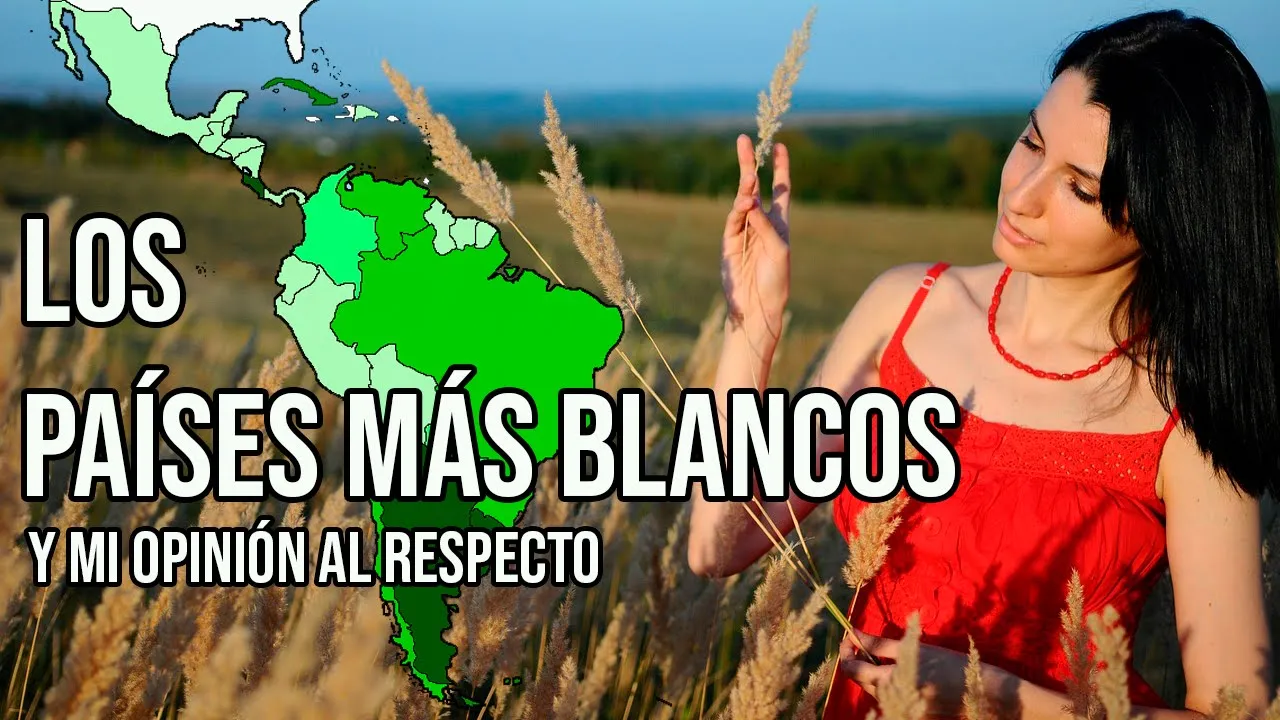




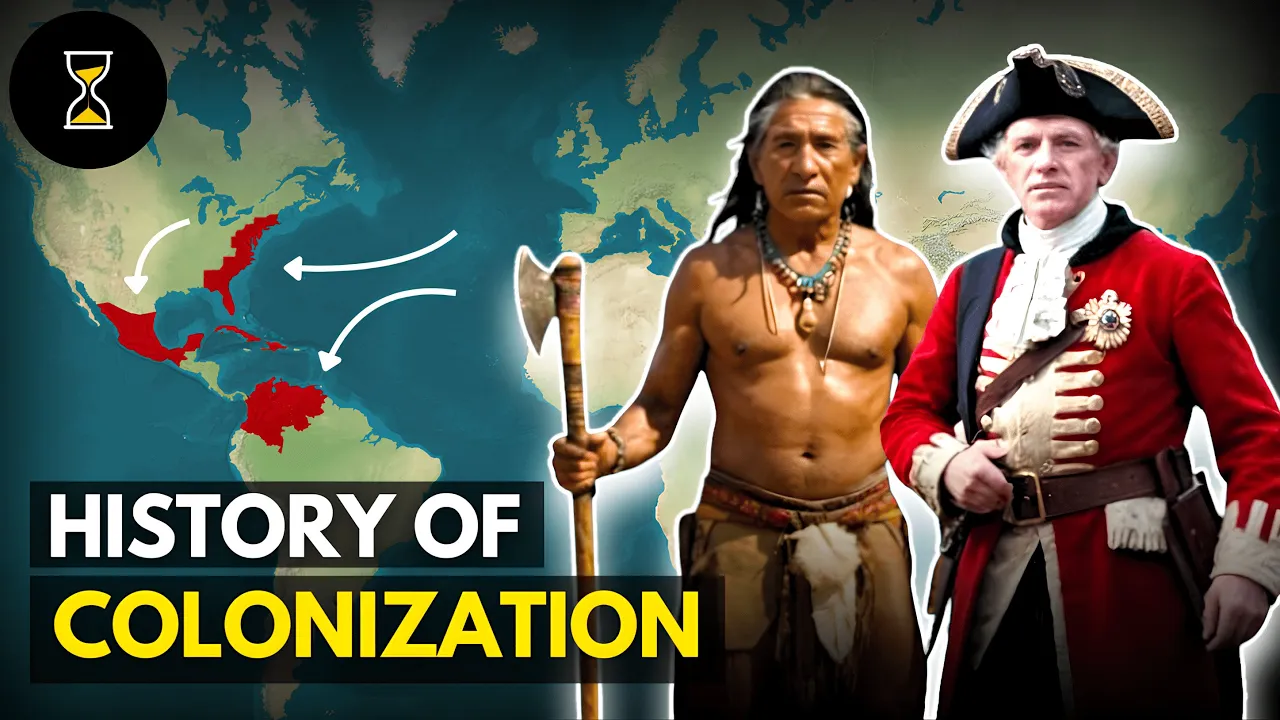











Mestizo is a term traditionally used in Spain and Spanish-speaking America to describe a person of combined European and Native American descent, originating from the Latin word 'mixus' meaning mixed. During the Spanish Empire's colonial period, mestizos formed the majority population in much of Latin America and often became dominant after colonial independence. The concept evolved to represent a new national identity that was neither purely Spanish nor purely indigenous, particularly in countries like Mexico where post-revolutionary governments deliberately constructed mestizo identity as the foundation of national unity through a process called 'mestizaje.' Genetic studies confirm that the majority of modern Mexican and Latin American populations are mixed-race, with varying proportions of European, Native American, and African ancestry depending on geographic region.
Mestizo: Race, Identity, and Casta System in Latin America
Added:meso is a term traditionally used in Spain and Spanish-speaking America to mean a person of combined European and Native American descent the term was used as a racial category in the cter system that was in use during the Spanish Empire's control of their American colonies to avoid confusion with the original usage of the term meso mixed race people started to be referred collectively as cers during the colonial period MOS quickly became the majority group in much of what is today the Spanish-speaking parts of Latin America and when the colonies started achieving independence from Spain the Mesa group often became dominant in some Latin American countries such as Mexico the concept of the meso became Central to the formation of a new independent identity that was neither holy Spanish nor holy indigenous and the word meso acquired its current double meaning of mixed cultural heritage and descent in colonial Venezuela Paro was more commonly used instead of meso Paro means being mixed without specifying which mixture it was used to describe anyone born in the Americas whose ancestry was a mixture of European Amar Indian and black African in the Spanish Colonial cter system MOS paros who formed the majority had fewer rights than the minority Elite European born persons called peninsulas and the minority white Colonial born whites cryo but more rights than the now minority indan iOS negro and M populations in colonial Brazil the Portuguese speaking part of Latin America most of the non-slave population was mesia section by the original Liberian definition of the word there was no descent-based Caster system and children of upper class white landlord males and female slaves would enjoy privileges higher than the ones given to the lower classes such as formal education though such cases were not so common and they tended to not inherit property generally given to the children of free women who tend to be the legitimate ones in cases of concubinage in the Philippines which was a colony of Spain the term Meo came to refer to person with European and Filipino ancestry in Canada the M copyright his people is a community composed of those who possess combined European and North American Amar Indian ancestry in St btha copyright lemi the term meso refers to people of mixed European and East Asian ancestry atmology the Spanish word meso is from Latin mixus meaning mixed its usage has been documented as early as 1275 to refer to The Offspring of an Egyptian and a Jew this term was first documented in English in 1582 modern day use in the United States Canada and other English speaking countries and cultures meso as a lone word from Spanish is used to mean non-white of mixed European and Amar Indian descent exclusively generally with connection to a Latin American culture Andor of Latin American descent a concept much stricter than that found in Romance languages it is related to the particular racial identity of historical non-white Amar Indian descended Hispanic and Latino American communities in an American context in English-speaking Canada M copyright is as a lone word from French refers to persons who self-identify as mixed race french-speaking Canadians would rather differentiate between the Canadian M copyright ethnicity and the broader concept of mixed race people in general present in all other frenchspeaking countries as would speakers of Spanish in the United States Mar copyright T Americans and Meo Americans are do distinct racial and ethn racial identities as reflected in the use of French and Spanish lone words respectively in Philippines the word meso usually refers to a Filipino with combined indigenous and European ancestry but occasionally it will be used for a Filipino with apparent Chinese ancestry who will also be referred to as chinito the latter was officially listed as a mesoa sangan birth records of the 19th century with sangi as a reference to the hwan word for business sangi in the Portuguese speaking world the Contemporary sense has been the closest to the historical use usage from the Middle Ages because of important linguistic differences so that Mesa section o is separated altogether from Paro and cabaco in which mestia section O's can be also fully white black or East Asian in their full definition and one does not need to be a Mia section no to be a part of the latter two categories in Brazil specifically at least in modern times all non-indigenous people are part of a single ethnicity the mtia section wasu my Florin ET e Florin ASU group is by far the largest among the Free People since the earliest Decades of the colony as explained above the concept of mesia section o should not in any way be confused with the meso is used in either the Spanish-speaking world or the English-speaking one as it relates no special relation to being of Amar Indian extraction and also should not be confused with Paro literally brown people cognates meso mesia section Wu War my Florin ET e floru m copyright m s michling meio mesen MTI a mixed are all cognates of the Latin word mixus history during the Spanish Colonial period the Spanish developed a complex cast system based on race which was used for social control and which also determined a person's importance in society there were three main categories of race during the initial period of colonization of the Americas by by the Spanish white Spaniard Amar Indian and black African during the Spanish colonial era a myriad of terms had to be invented to differentiate racial mixtures by the end of the colonial period in 1821 over 100 subcategories of possible variations of mixture existed Caster as time went on a cast system developed where Society was divided based on race wealth and where one was born the main divisions were as follows Peninsular and auro a European born in Spain kryo auro a white person with Spanish or european descent born in the Americas m is O Euro a person of mixed white European and Amar Indian ancestry Paro a Euro a person of mixed white European Native American Indian and African black ancestry India auro a person who is a pure native of or indigenous to the Americas mul a Euro a person of mixed white European and black African ancestry zambo auro a person of mixed black African and Native American Indian ancestry negro a Euro a person of African descent persons of mixed race were collectively referred to as cters in theory cryo status could also be attained by people of mixed origin who consistently had intermarried with a white race such cases might include The Offspring of a cast o parent and one Peninsula or cry poo parent this 1/8 rule also in theory did not apply to African ad mixture a person's legal racial classification in colonial Spanish America was closely tied to Social Status wealth culture and language use wealthy people paid to change or obscure their actual ancestry many indigenous people left their traditional Villages and sought to be counted as M Asos to avoid tribute payments to the Spanish many indigenous people and sometimes those with partial African descent were classified as meso if they spoke Spanish and lived as mesos often but only early on the term meso was associated with illegitimacy the term also has a pejorative use about something that is not pure however it evolved in the ensuing centuries according to historians Michael C May and William L Sherman Early in the 16th century Spanish Colonial usage of the term m o was almost synonymous with bastard because the term had taken on a myriad of meanings the designation Meo was removed from census counts in Mexico and is no longer in use spanishs speaking North America Mexico the large majority of Mexicans can be classified as MOS meaning in modern Mexican usage that they identify fully neither with any indigenous culture nor with a particular non-indigenous Heritage but rather identify as having cultural traits and Heritage incorporating both indigenous and European Elements by the deliberate efforts of post-revolutionary governments the Mesto identity was constructed as the base of the modern Mexican national identity through a process of cultural synthesis referred to as M AI Mexican politicians and reformers such as Jose copyright vasconcelos and Manuel Gamo were instrumental in building a Mexican national identity on the concept of Mis AI cultural policies in early post-revolutionary Mexico were paternalistic towards the indigenous people with efforts designed to help indigenous peoples achieve the same level of progress as the rest of society eventually assimilating indigenous people's completely to mainstream Mexican culture working toward the goal of eventually solving the Indian Problem by transforming indigenous communities into meso communities the term meso is not in wide use in Mexican society today and has been dropped as a category in population consensuses it is however still used in Social and cultural studies when referring to the non-indigenous part of the Mexican population the word has somewhat pejorative connotations and most of the Mexican citizens who would be defined as mos in the sociological literature would probably self-identify primarily as Mexicans in the yakata and Peninsula the word meso is even used about Maya speaking populations living in traditional communities because during the cast War of the late 19th century those Maya who did not join the Rebellion were classified as mesos in chapus the term ladino is used instead of meso sometimes particularly outside of Mexico the word meso is used with the meaning of Mexican persons with mixed indigenous and European blood this usage does not conform to the Mexican social reality where a person of pure indigenous genetic Heritage would be considered Meo either by rejecting his indigenous culture or by not speaking an indigenous language and a person with a very low percentage of indigenous genetic Heritage would be considered fully indigenous either by speaking an indigenous language or by identifying with a particular indigenous cultural heritage genetic studies a 2012 study published by the Journal of human genetics found that the majority of the current Mexican population is mixed race to some degree the study found that the Y chromosome ancestry of the average Mexican meso was predominantly European followed by Native American and African the European ancestry was more prevalent in the north and Western Native American ancestry increased in the center and Southeast the African ancestry was low and relatively homogeneous the states that participated in this study were aalan chapus Chihuahua Durango Guerero Jalisco oaka sinola veracis and yakatan a study by the National Institute of genomic medicine Mexico reported that meso Mexicans are 58.9 6% European 31.5% Native American and 10.3% African Sonora showed the highest European contribution and Guera the lowest which also has the highest Native American contribution African contribution ranges from 2.8% in Sonora to 11.13% in ver 80% of the Mexican population was classed as meso in May 2009 Mexico's National Institute of genomic medicine issued a report on a genomic study of 300 mesos from the states of Guerero Sonora verrus yaken zakus and gadu the study found that the meso population of these Mexican states were on average 55% of indigenous ancestry followed by 41.8% % of European 1.8% of African and 1.2% of East Asian ancestry the study also noted that where as mzo individuals from the southern state of Guerrero showed on average 66% of indigenous ancestry those from the Northern State of Sonora displayed about 61.6% European ancestry the study found that there was an increase in indigenous ancestry as one traveled towards to the southern states in Mexico while the indigenous ANC cry declined as one travel to the northern states in the country such as Sonora Spanish-speaking Central America El Salvador in Central America forced into mixing and Inter marriage by European men with a Native American indigenous Linker and Papal women of what is now Al Salvador happened almost immediately after the arrival of the European Spanish led by Pedro de Alvarado the majority of Salvadorans in El Salvador identify themselves as 87% m leaving 12% white and 1% indigenous Salvadoran population is a minority Salvadorans who are racially European especially Mediterranean as well as tri-racial Paro Salvadorans and Indigenous people in El Salvador who do not speak indigenous languages nor have an indigenous culture also identify themselves as meso culturally El Salvador is the only country in Central America that does not have a significant African population due to many factors including El Salvador not having a Caribbean coast and because of President maximiliano Hernandez Martinez who passed racial laws to keep blacks out of El Salvador against the belief and will of Salvadoran people though Salvadorans with African ancestry are present in El Salvador the majority are tri-racial Paro Salvadorans who largely cluster with the mzo population the enslaved Africans that were brought to El Salvador during the colonial times eventually came to mix and merged into the much larger and vaster meso mixed European Spanish native indigenous population creating Paro or afros who cluster with meso people of indigenous and European ancestry creating the modern-day meso population in El Salvador thus there remains no significant extremes of African phom among Salvadorans like there is in the other countries of Central America maximiliano was also responsible for latanza in which IND ous people were murdered in an effort to wipe out the indigenous people in El Salvador during the 1932 Salvadoran peasant Uprising indigenous peoples mostly of pil and Lena descent are still present in El Salvador in small communities conserving their languages customs and traditions Spanish speaking South America Argentina and Uruguay initially Colonial Argentina and Uruguay had a predominantly meso population like the rest of the Spanish colonies but due to a flood of European migration in the 19th century and the repeated intermarriage with white Europeans the meso population became a so-called Casto population with more Europeans arriving in the early 20th century the face of Argentina and Uruguay has overwhelmingly become white and European in culture and tradition because of this the term Meo has fallen into disuse Chile in Chile from the time the Spanish soldiers with Pedro de V Divia entered Northern Chile a process of mesaji began where white Spaniards began to mate with the local bicos a alanian population of Amar indans to produce an overwhelmingly meso population during the first generation in all of the Cities they founded in southern Chile the mapuches an Amar Indian group of araucanians were one of the only Amar Indian tribes in the Americas that were in continuous conflict with the Spanish Empire and did not sub to a European power a public health book from the University of Chile states that 30% of the population is of Caucasian origin mesos with an average 60% Caucasian ancestry and 40% Native American ancestry are estimated to amount a total of 65% while Native Americans comprise the remaining 5% a genetic study by the same University showed that the average Chilean genes are 64% Caucasian and 35% am Indian despite the genetic considerations many Chileans if asked would self-identify as white the 2011 Latin neurac cubed metr Sur asked respondents in Chile what race they considered themselves to belong to most answered white while 25% said me is O and 8% self-classified as indigenous a 2002 National poll revealed that a majority of Chileans believed they possessed some or much indigenous blood while 40.3% responded that they had none Paraguay during the reign of josea copyright Gaspar rodra was de Francia the first Consul of Paraguay from 1811 to 1840 he imposed a law that no Spaniard May inter marry and that they may only wi MOS or Indians this was introduced to eliminate any sense of racial superiority and also to end the predominantly Spanish influence in Paraguay def Francia himself was not aeso but feared that racial superiority would create class division which would threaten his absolute rule as a result of this today 90% of Paraguay's population or meso and the main language is the native Gana spoken by 90% of the population as a first language with Spanish spoken as a first language by 10% of the population and fluently spoken by a further 75% making Paraguay one of the most bilingual countries in the world although it did not had the exposition to Mis genation as rodri de Francia wanted after the tremendous decline of male population as a result of the war of the Triple Alliance European male worker a copyright Migra copyright s mixed with the female Gana population so as that push to middle class of Meo background largely accepted as a configuration of the country Colombia Colombia whose land was discovered and named after Christopher Columbus is the product of the interacting and mixing of the white European conquistadors and colonist with the different Amar Indian peoples of Colombia later the African element was introduced into the coastal parts of Colombia as slaves with the passing of time Colombia has become a primarily Meo white country due to limited immigration from Europe in the 19th and 20th Centuries with the minorities being the mulatos and paros living primarily in the coastal areas and pockets of Amar indans living around the rural areas and the Amazonian basin regions of the country according to the 2005 census 49% of the population is meso or of mixed European and Amar Indian ancestry approximately 37% is of European ancestry about 10.6% is of African ancestry whereas indigenous Amar Indians comprise 3.4% of the population the 2005 census reported that the non-ethnic population consisting of whites and Mos constituted 86% of the national population the 86% figure is subdivided into 49% Meo and 37% white Ecuador during the colonial era the majority of ecuadorians were Amar Indians and the minorities were the white Spanish conquistadors who came with Francisco pisero and Sebastian dein alaza with the passage of time these Spanish soldiers and succeeding Spanish colonists to breed with the local Amar Indian population since Spain did not send any white females to their colonies in a couple of generations a predominantly meso population emerged in Ecuador with a drastically declining Amar Indian population due to European diseases and Wars afro-ecuadorians who were a minority in the country can be found mostly in the esales province in the Vel Kota of the Inaba Province and as small communities of afro-ecuadorians living along the coast areas as minorities must is Ed by far the largest of all the ethnic groups and comprise 71.9% of the current population the next 28% of the population is comprised by four ethnic groups with about 7% each the montubio a fodorian Amar Indian and white in recent years due to Ecuador's rapid development and economic growth many Europeans and North Americans have migrated to Ecuador escaping the post crisis widespread economic instability and due to its advantages for those entering retirement they are also drawn by Equador new programs in Education and Research Peru according to Alberto Flores Galindo by the 1940 census the last that utilized racial categories mesos were grouped with whites and the two constituted more than 53% of the population most is those likely outnumbered Indians and were the largest population group notable Me O migrating to Europe Mar en CAU a copyright s son of the Spanish conquistador ency copyright and of then hule yur indigenous Mexican interpreter malench was one of the first documented MOS to arrive in Spain his first trip occurred in 1528 when he accompanied his father Herer en CAU a copyit s who sought to have him legitimized by the pope there is also verified evidence of the grandchildren of m zurma 2 Aztec Emperor whose royal descent the Spanish Crown acknowledged willingly having set foot on European soil among these descendants are the counts of maraval and the Dukes of M Zuma D talongo who became part of the Spanish page and left many descendants in Europe the counts of maraval residing in andaluca Spain demanded in 2003 that the government of Mexico recomen payment of the so-called M Zuma pensions it had cancelled in 1934 the MEO historian Inca garcilazo DEA son of Spanish conquistador sebastia and garcilazo de laa and of the Inca princess Isabelle chimpo okon arrived in Spain from Peru he lived in the town of Montilla andaluca where he died in 1616 the meso children of Francisco pisaro were also military leaders because of their famous father starting in the early 1970s and throughout the 1980s Europe saw the arrival of thousands of Chileans many of whom were MOS seeking political Refuge during the dictatorial government of austo pese today there is a growing number of Meo immigrants in Western Europe primarily from Ecuador Peru and Colombia many British people have Latin American Meo ancestry due to the close commercial ties in the 19th and early 20th centuries Liverpool was closely linked to Vela so Hispanic Asia and oceaner Philippines in the Philippines the word meso today generally denotes Filipinos of mixed austronesian and any non-native usually white ethnicity mostos in the Philippines are traditionally a blend of austronesian Chinese Spanish Southern European and all Latin American ancestry and are primarily descendants of viajeros soldados and negoti ANS because of this most isos in the Philippines are concentrated in the urban areas and large towns of the islands such as Manila Sibu and ilolo more recent migrations and interracial marriages beginning in the 20th century resulted in a greater variety of racial ad mixture with non- Iberian Europeans white Americans and or other Asians Guam and Northern Mariana Islands in Guam and Northern Mariana Islands the term meso was borrowed from the Spanish language and was formerly used to ident identify people of mixed Pacific Islander and Spanish ancestry however as the United States gained control of these islands after the Spanish American war in 1898 the term multi-racial replaced meso meso multiracials currently form a small minority of the population because most guans and Northern Mariana Islanders were also given Spanish surnames as part of the Spanish East Indies persons of white American and other non-spanish European descent with Spanish surnames may be mistaken as having such descent former Portuguese colonies lucione South America Brazilian mesus section o in Brazil the word mesus section o is used to describe individuals born from any mixture of different ethnicities or races not specifying any relation to Amar Indian or european descent whatsoever one of the most notorious group is the Poo also andly known as Marino they include mostly those of non-light and non- black skin color nevertheless not all paros are mesier section o for example an Amar Indian or a Filipino may be initially described as poo if his or her race is unknown and it is testified by the initial Discovery reports of Portuguese Navigators in the same way Mia section no a term used to describe anyone with any degree of misen in one's bloodline May apply to all groups dissent is largely ignored and having to choose between white and mesier section no categories is a concept completely foreign to Brazilians as in the native culture it is possible to fully belong to both categories at the same time even though all people of full European descent are white by race not all white people are of any European descent and neither full nor majority European ancestry ad mixed with that of people in regions where no one is white by phenotype is necessary for white to be white as Brazilians often believe most people to be mesti a section o given how most groups have at least some minor degree of genetic exchange since what in the modern day people believe to be races were formed in the upper Paleolithic a term also used to explicitly explain that one has a recent major degree of misation in one's bloodline is misen important Paro groups in Brazil are the cabaco or malucos the mulatos and the cusos the first group is composed of the culturally assimilated Amar Indians as well as the brown skinn descendants or children of both whites or Marino people of otherwise Caucasian phenotype and Amar Indians they are an important group in the northern region but also relatively numerous on the northeastern and Center Western ones then those neither black nor fair skinned whose Origins come from the ad mixture between whites or marinos and blacks or cusos the last group is composed of descendants of Indians or cabaco and blacks or other cusos finally those whose Origins possess a notorious level of European ancestry and in which neither Amar Indian nor African phenotypical traces are much more present than each other are sometimes known as J section ARS there are however important groups who are mes as section O's but not necessarily paros people of East Asian and non-asian descent combined are known as anos from the Japanese children of the foreign though often for those without contact with the term mtia section OD East Asian nationality ethnicity may also be used Saro s differ from mulos at being fair skinned and having non-straight blonde or red hair other people who are not brown but also their phenotypes by anything other than skin hair and eye color do not match white ones but rather those of people of color may be just referred to as Mesa section no without specification to skin color with an identitarian connotation in Brazilian censuses those people may choose to identify mostly with Branco or Paro or leave the question on race color blank lucione Africa and Goan mestia section no the mesia section o are primarily of mixed European native born indigenous angolan and or other indigenous African lineages they tend to be Portuguese culturally and to have full Portuguese names although they make up about 2% of of the population they are the socially Elite and racially privileged group in the country historically mesia section owes formed social and cultural allegiances with Portuguese colonists subsequently identifying with the Portuguese over and above their indigenous identities despite their loyalty the ethnic group faced economic and political adversity at hands of the white population during times of economic hardship for whites these actions lead to ostracizing Mesa section owes from their inherited economic benefits which sparked the group to take a new sociopolitical Direction across the 500-year Portuguese presence in the country the mtia section o have retained their position of entitlement which is highly evident in the political economic and cultural hierarchy in present day Angola their phenotype range is bro with a number of members possessing physical characteristics that are close to others within the indigenous black non-mixed population the mestia section o are generally better educated than the rest of the indigenous black population they exercise influence in Government disproportionate to their numbers B and Mesa section no 1% of the population is of mixed native African and Portuguese descent Arab and bber genetic influence ignored mosic and mestia section no a minority population of mozambicans of mixed Bantu and Portuguese Heritage Mesa section o of Zar p pounda copyright and PR and cipe mesia section o of Zar pounda copyright and PR and cipe are descendants of Portuguese colonists and African slaves brought to the Islands during the early years of settlement from Benin Gabon the Republic of the Congo the Democratic Republic of the Congo and Angola lucif Asia Sri Lankan Mesa section no in Sri Lanka the names Mesa section O's or cassos were applied to people of mix Portuguese and Sri Lankan descent starting in the 16th century french-speaking North America Mar copyrights of Canada French Colonial Empire in Canada the M copyrighter are regarded as an independent ethnic group this community of descent consists of individuals descended from marriages of First Nation women specifically cre AJ and Soro with Europeans usually French English and Scottish laborers or Merchants employed in the North American Fur trade their history dates to the mid 17th century and they have been recognized as a distinct people since the early 18th century traditionally the ma copyrighter spoke a mixed language called mhff mkff is also used as the name of the M copyrigh his people the name is most commonly applied to descendants of communities in what is now Southern Manitoba the name is also applied to the descendants of similar community in what are now Ontario Quebec Labrador and the Northwest Territories although these groups histories are different from that of the western Mar copyright is in Northern Manitoba some communities spoke bung a combination of gelic orcadian cre and OJ bung is now extinct estimates of the number of M copyright T vary from 300,000 to 700,000 or more in September 2002 the M copyright people adopted a national definition of m copyright is for citizenship within the M copyright ttis Nation based on this definition it is estimated that there are 350,000 to 400,000 more copyright as Nation citizens in Canada although many Mar copyrighters classify anyone as Mar copyrighters who can prove that an ancestor applied for money script or land script as part of 19th century treaties with the Canadian government however Labrador Quebec and even some Acadian M copyrights communities are not accepted by the M copyrights National Council and are represented nationally by the Congress of Aboriginal peoples the M copyrighs are recognized as Aboriginal but not as a first nation by the Canadian government and do not receive the same benefits granted to first nation peoples however the 1982 amendments to the Canadian Constitution recognize the mar copyright is an Aboriginal people and have enabled individual Mar copyright T to sue successfully for recognition of their traditional rights such as rights to hunt and trap in 2003 a Court ruling in Ontario found that the mar copyright T deserve the same rights as other Aboriginal communities in Canada mzo of St baa copyright lemi in St baa copyright lemi the term meso refers to people of mixed European and East Asian ancestry English-speaking North America Canada United States stes the United States has a large meso population as most Hispanic Americans of Mexican or Central or South American dented technically meso however the term meso is not used for official purposes with Mexican Americans being classed in roughly equal proportions as white or some other race and the term meso is not in common popular use within the United States angl Mar copyright is a 19th century community of AAR copyrigh TST people of Canada the angl mar copyrighs more commonly known as Country Born were children of f Traders they typically had Arcadian Scottish or English fathers and Aboriginal mothers their first languages were generally those of their mothers cre sauto asabin Etc and English some of their fathers spoke GIC or Scots leading to the development of the dialect of English known as Banji see also Brown cter mulat General European colonization of the Americas Spanish colonization of the Americas indigenous peoples of the Americas mixed blood International michling luck curling references further reading bolla GMO Dennis philli Mexico Prof andu reclaiming a civilization University of Texas Prairie ISBN 0- 292-7843 D2 Wang s Ray n roas w par MV b g Al Geographic patterns of gomad mixture in Latin American mesos PL s Janette 4 e137 doi 10.
1371 Journal PGN 1,37 pmca 2,265 669 pmid da 18, 3694 genetic study of Latin Americans sheds light on a troubled history science deia duno gotberg Lewis solvent tando l dierences l Dela ad Del mtis aan Cuba Madrid ibro Americana ISBN 84-84 48991 d0 external links the 1921 Mexican census the construction and function of race creating the meso aeso the American cyclopedia 1879 a
Up Next
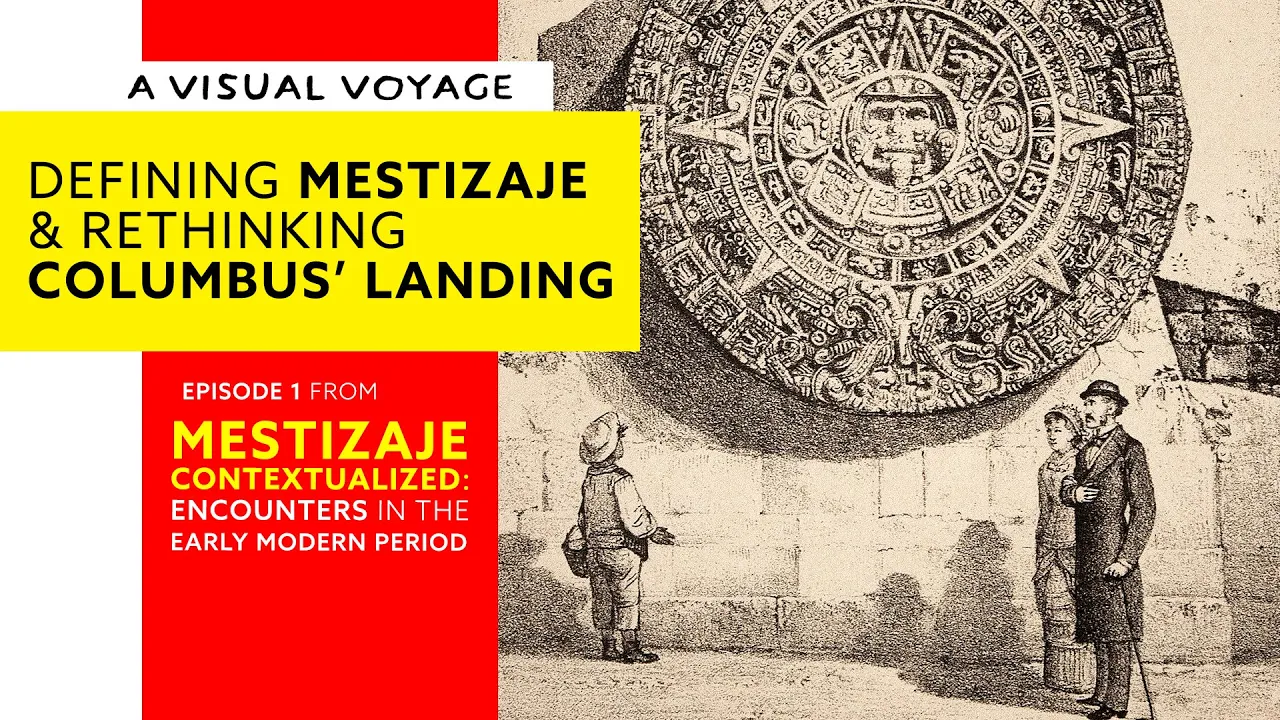
Mestizaje Defined: Historiography & Silences in Latinx Art
@UnsettlingJourneys
9K views•2020-06-07

Astrobiology Through an Anthropological Lens: Field Insights
@georgiatechastrobiology
128 views•2021-04-14
Proxemics Explained: The Study of Personal Space
@Vox
536K views•2016-07-05

Psychology of Internet Trolling and Pranks Explained
@AzzyLand
10.7M views•2017-12-20
Related Study Plans & Knowledge Roadmaps
Structured learning paths in Anthropology