



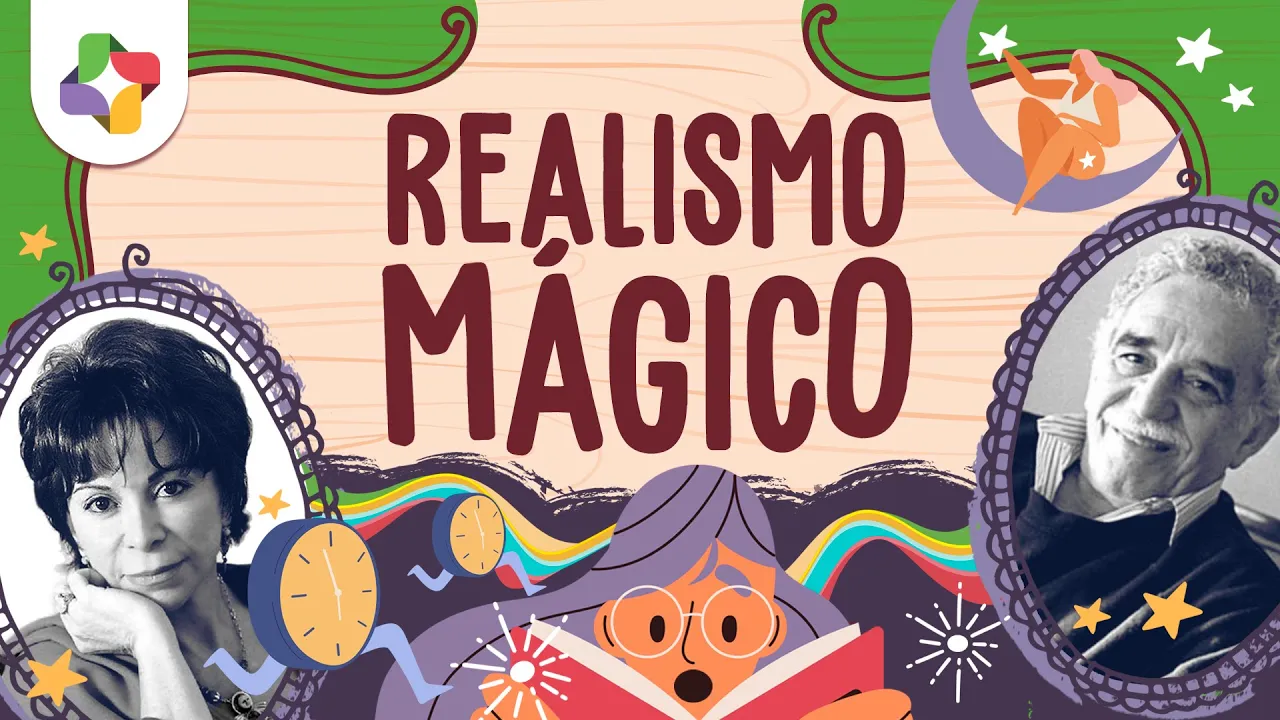



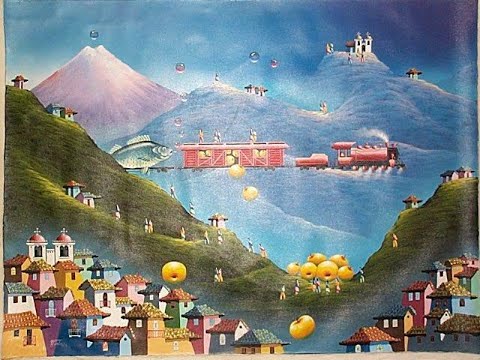






Magical realism is a literary genre characterized by two key features: it is set in an otherwise contemporary setting where the world appears normal except for magical elements, and the magic is normalized within the context so that characters treat it as ordinary while readers find it strange; unlike fantasy which takes place in entirely fictional worlds, magical realism introduces small magical moments into our real world, and since there is no single origin point for the genre (it developed simultaneously in multiple regions including South America, Germany, and Canada), both authors and readers must interpret what magical realism means to them individually.
What Is Magical Realism? Defining Literary Characteristics
Added:An understanding of literary realism, including how traditional narrative structures attempt to mirror real life and historical truth.
Familiarity with basic speculative fiction genres, such as fantasy and fairy tales, to better contrast their world-building rules with those of magical realism.
Awareness of fundamental literary devices such as allegory, metaphor, and tone, particularly how an author establishes a narrative voice.
A general historical context of the mid-20th century, especially regarding post-colonialism and cultural transitions in regions like Latin America.
A deep-dive analysis of seminal magical realist texts, such as Gabriel García Márquez's 'One Hundred Years of Solitude' or Isabel Allende's 'The House of the Spirits'.
An exploration of global variations of the genre, studying how magical realism is adapted in post-colonial Indian literature, African literature, or contemporary Western fiction.
A comparative study of magical realism and adjacent artistic movements, such as Surrealism in visual arts and Fabulism in contemporary writing.
Analyzing the translation of magical realism to visual mediums, specifically studying cinematic works by directors like Guillermo del Toro.
140.3K views4.8Klikes4:01Original Release: 2016-04-21
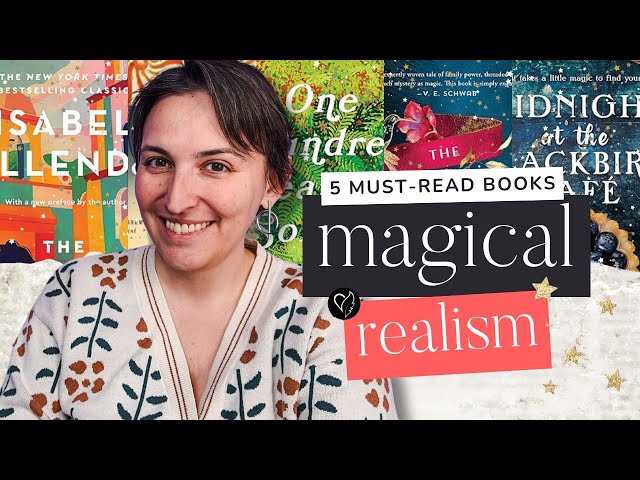
over the past few months I've been exploring magical realism I've looked at quite a different pool of books that have taken me all around the world Isabelle aende is the house of the Spirit uh Haruki mukami is the wind up bird Chronicle the strange and beautiful Sorrows of Ava lavender and I call through it by as king I tried to go all over the world South America Japan the US I tried to look at different genres like young adult and contemporary fiction and kind of historical fiction now I did this in hopes of finding something that would string them all together what is magical realism and so today I am going to share with you some of my conclusions number one magical realism didn't really start anywhere so when I was reading up on the history it's actually really tricky because there isn't like it started in Germany and it migrated to South no it doesn't start anywhere it starts in multiple places at different times today we most associate magical realism with South America but there is a huge um movement for it in Germany at one time and in Canada right now it's happening a lot it's everywhere so it doesn't have a starting point or really an ending point number two and this is such a tenuous little tendril here but if you want to identify something as magical realism what I've been using is a two-part method a it's set in an otherwise cont temporary setting so the world except for this one little bit of magical realism looks like our lives and B the magic is normalized within the context so the magic doesn't seem weird to everybody else only really to the reader number three magical realism is not fantasy but it's really hard to describe why not I have been sitting here trying to figure out how to explain the difference between magical realism and fantasy and all I can say is that fantasy takes place in a madeup world whereas magical realism is small magical moments happening in our real world and number four is that magical realism changes from book to book it's up to this is what I've decided this is my final conclusion it's up to each author to decide what magical realism means to them and what they want to use magical realism for it's up to each reader to decide if you're reading magical realism and if it's working for you so at the end of this I've really enjoyed exploring magical realism but I've also just learned to embrace that it's vague Embrace that it is Magic and therefore it means something different to every person finally I want to draw some conclusions for these books for the house of the spirits I learned that magical realism can be used to make political commentary for the wind up bird Chronicle I learned that you can use mood and atmosphere to create Magic for the strange and beautiful Sorrows of Ava lender I learned that for me it doesn't really make sense to have magic as other in a book That's supposed to be magical realism in I craw through it I learned that magical realism can effectively be used to illustrate mental health and those are my feelings on magical realism I did book reviews for all of these books so if you're interested in hearing more detailed thoughts check those out magical realism is vague and it's weird but I really like it and I want to keep reading more of it I hope that you guys enjoyed this video and I will see you in my next one okay [Music] bye number six is what book have you not read because you're just not in the mood and that is the Dragon Rider by Cornelia Funk problem is I haven't been in the mood for like 10 years my aunt gave
Up Next

6:39
Understanding Magical Realism: Literary Genre Explained | Curious Muse
@CuriousMuse
221.2K views•2021-05-28

13:43
Formalism in Literary Criticism: An Academic Lecture Overview
@mattalberhasky9952
39.1K views•2015-08-05

6:08
Point of View in Fiction: First Person vs. Third Person
@magicalthriftyteacher
153.8K views•2014-03-31

15:25
1984: Orwell's Dystopian World and the Mechanisms of Totalitarianism
@AlternateHistoryHub
7M views•2017-03-04
Related Study Plans & Knowledge Roadmaps
Structured learning paths in Literature
literature
Graphic Memoirs: Visual Art, Trauma & History
01Foundations of Sequential Art and Visual Language
02Autographics and Processing Historical Trauma
03Visualizing Personal Trauma, Grief, and Graphic Medicine
+ 2 more learning modules
14h5 modules
Explore Roadmap
literature
Campus Novels: Evolution, Themes & Critique
01Introduction to the Campus Novel Genre
02Mid-Century Satire and the Post-War Academy
03Dark Academia and the Critique of Privilege
+ 2 more learning modules
14h5 modules
Explore Roadmap
literature
Theater of the Absurd: Philosophy & Plays
01Postwar Existentialism & Historical Roots
02Dismantling Narrative: Esslin & Absurdist Conventions
03Samuel Beckett and Tragicomic Existentialism
+ 2 more learning modules
12h5 modules
Explore Roadmap
literature
Revenge Tragedy: Justice, Madness & State
01Foundations of Early Modern English Theatre
02Anatomy of Revenge: Structural Conventions
03Psychological Complexity: Madness and Melancholy
+ 2 more learning modules
15h5 modules
Explore Roadmap