























Magical realism is a literary genre characterized by the seamless integration of supernatural or fantastical elements into an otherwise realistic narrative, where characters accept these extraordinary occurrences without question; it originated from German art critic Franz Roh's 1925 coinage to describe modernist paintings, though its literary roots trace back to Nikolay Gogol's 1836 story 'The Nose,' and was later articulated by Cuban author Alejo Carpentier as 'an unexpected alteration of reality' that amplifies the richness of everyday existence, making it particularly effective for social and political commentary, as exemplified by Gabriel García Márquez's landmark novel 'One Hundred Years of Solitude.'
Understanding Magical Realism: Literary Genre Explained | Curious Muse
Added:Familiarity with the literary movement of Realism and how it seeks to depict everyday life truthfully.
An understanding of the basic differences between speculative fiction genres, such as traditional fantasy, surrealism, and realistic fiction.
A basic awareness of mid-20th-century Latin American history and post-colonial contexts, where the genre heavily flourished.
The concept of literary devices, particularly metaphor, allegory, and narrative voice.
In-depth analysis of seminal magical realist texts, such as Gabriel García Márquez's 'One Hundred Years of Solitude' or Toni Morrison's 'Beloved'.
Exploring Postcolonial Literary Theory to understand how magical realism is used as a tool to subvert dominant colonial narratives.
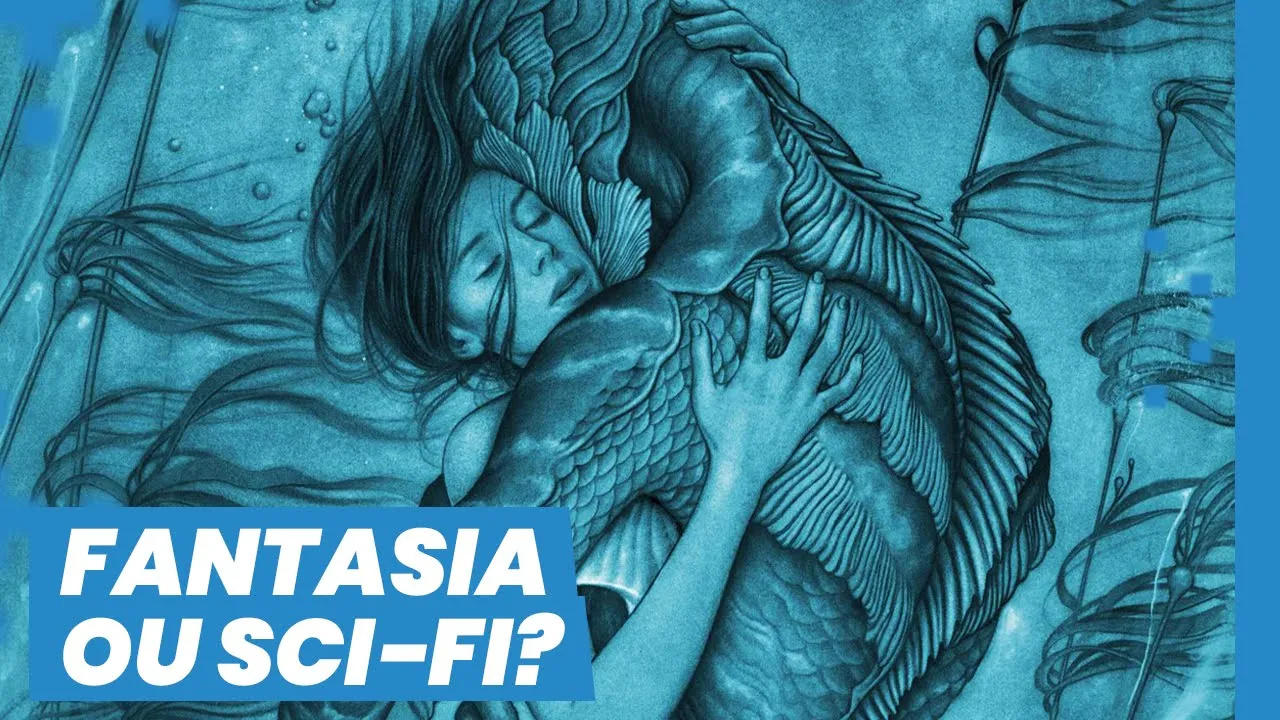
Investigating the influence of magical realism on global cinema, such as the works of filmmakers like Guillermo del Toro.
Comparing Latin American magical realism with its iterations in other global cultures, such as the works of Salman Rushdie or Haruki Murakami.
221.2K views4.7Klikes6:39Original Release: 2021-05-28
Magical realism is an interesting word combination that is used often, but usually with little understanding. If you’ve seen the Netflix series, Narcos, you might recognize this quote: “Magical realism is defined as what happens when a highly detailed, realistic setting is invaded by something too strange to believe. There is a reason magical realism was born in Colombia.” While it sounds very profound, there’s not much truth to it. Most sources would tell you that magical realism was born in Germany. It came to prominence thanks to Franz Roh, an art critic who coined the term in 1925 to describe modern realist paintings with fantasy or dream-like subjects.
So, what is magical realism? Isn’t this term a contradiction? Is magical realism just a variation of the fantasy genre? Let’s investigate! ____________________________________________________________________________ If you'd like to see more content on Literature, be sure to give us a like and tell us which topics you want to learn about next!
The roots of magical realism go back much further than Franz Roh. See, for example, Nikolay Gogol’s short story, The Nose, originally published in 1836. In the story, the main character loses his nose, that nose becomes a man, that man walks the streets of St. Petersburg, and that fact doesn’t shock a single character.
Among a multitude of sources and definitions, magical realism fits closely with the vision of Alejo Carpentier, a Cuban novelist who became obsessed with “the marvelous real.” Carpentier describes magical realism as “an unexpected alteration of reality, an unaccustomed insight that is singularly favored by the unexpected richness of reality or an amplification of the scale and categories of reality.” To paraphrase, it is a style of writing fiction that is deeply rooted in reality, describing it in such detail that the overwhelmed readers don’t question supernatural things that casually enter the mix.
So, what is required of magical realism? Let’s break it down to its core elements: It has to be rooted in reality You’ve got to keep it real — sorry, JK Rowling (and nothing to do with your Twitter activity), but you wouldn’t be let into the magical realism club with Harry Potter. You created an entire world for that book (not that we wouldn’t want to live in that world as long as You Know Who remains out of it). The term Magical realism puts strong stress on the word realism, which means that, first and foremost, fictional events of the narrative should take place in a very ordinary world. This will provide a ‘credibility’ loan to use towards the next important characteristic of the genre: Nonchalantly introduced supernatural elements This is where the magic kicks in. The material could be borrowed from folk stories, myths, or completely novel ideas. Some ghosts or witches might make an appearance, although not to perform things typically expected from them. They might ride an occasional broomstick, like Bulgakov’s Margarita, but that would just be a means to an end, say to attend an important social event hosted by the Devil.
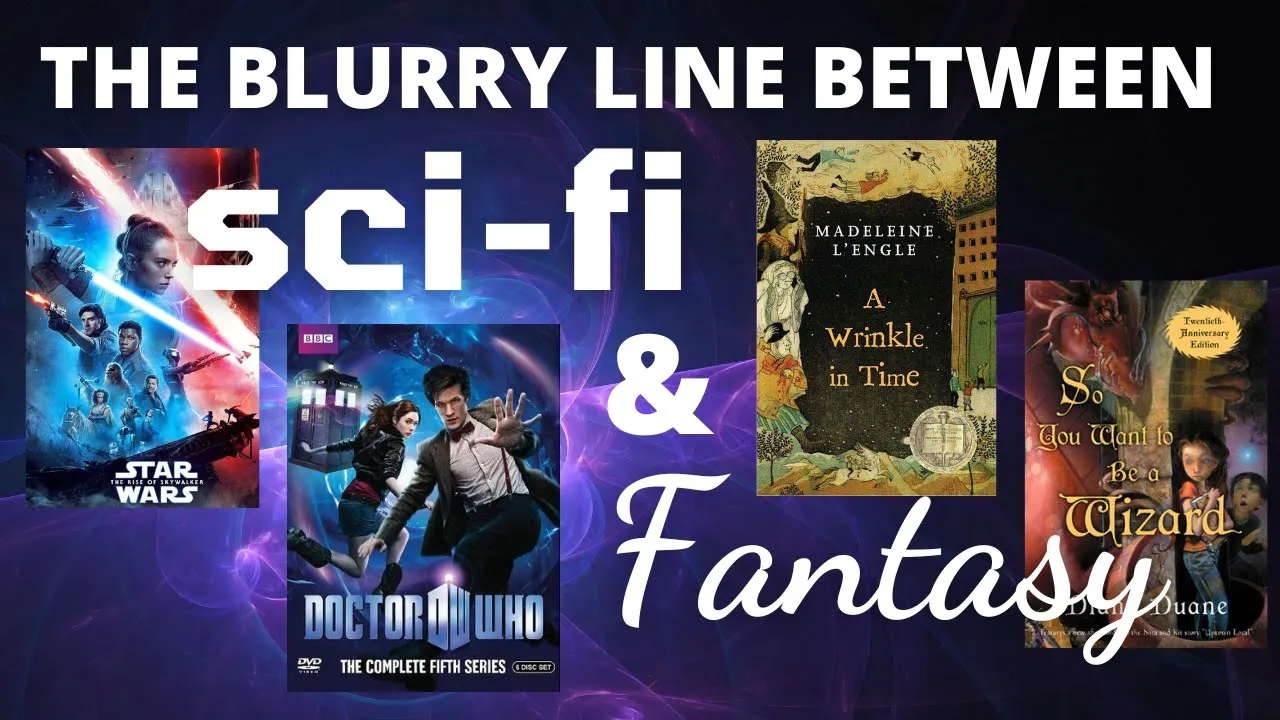
In contrast with fantasy novels, there is no structure or explanation of the magical oddities offered to the reader. This helps to blur the line between fiction and fantasy. The characters themselves react emotionally (if at all) instead of questioning how it all works. This resembles a kind of narrative we create in our dreams, which often does not make any rational sense, and yet is never questioned.
Social commentary The reason why magical realism has no problem winning Pulitzers and other awards is that it uses the magical factor to bring forward progressive ideas and political commentary. Commitment to reality makes it a powerful tool for commenting on such grave subjects as fascism, racism, and colonialism. As a result, Latin American writers have often played an important role in the popularisation and development of the genre.
During the 1960s and 70s, Latin America experienced a state of political turmoil because of the diplomatic strategies of the Cold War. The Cuban revolution of 1959 turned the world’s attention to Latin America, which certainly influenced the ‘Boom Period’ of Latin American literature at the time.
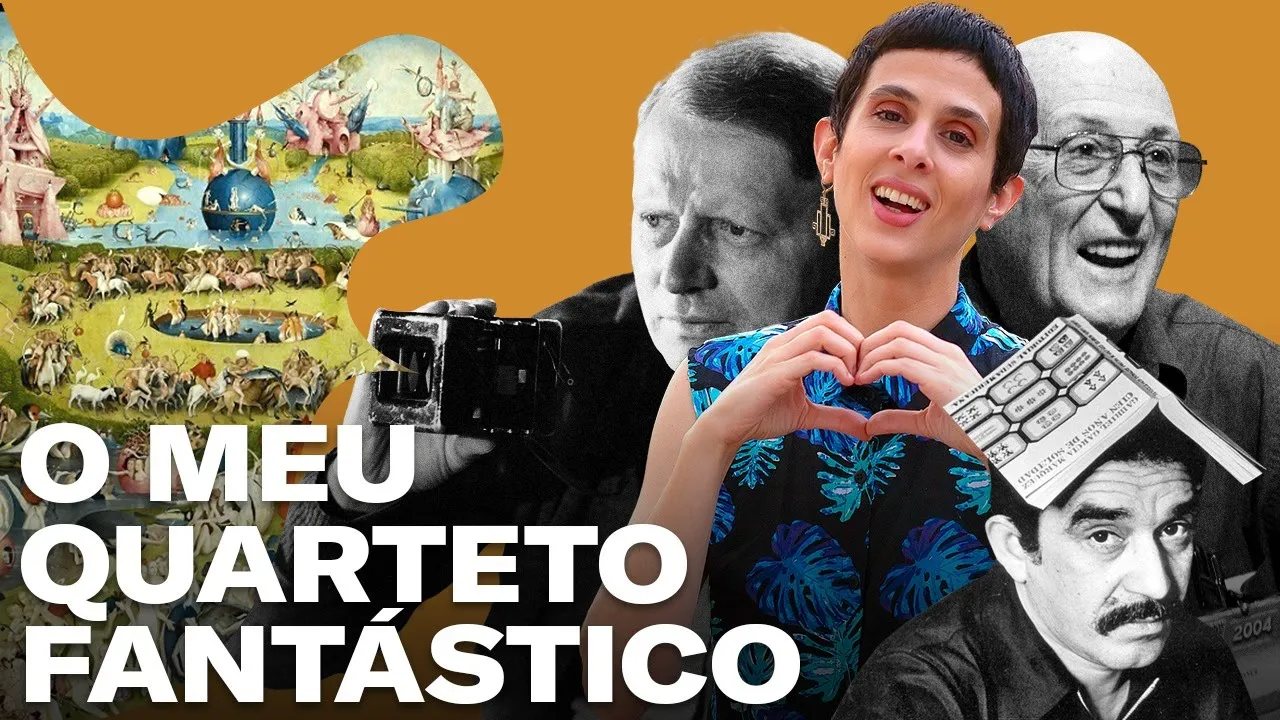
There is a book that Narcos’s Pablo Escobar probably had in mind when he claimed the birth of magical realism as Colombian (although we now know that is not true). It is Gabriel García Márquez’s “One Hundred Years of Solitude,” a novel that tells the story of the Buendia family and of Macondo, the town they built. Seamlessly blending Colombian political reality with magical realism, the novel, which The New York Times called “the defining saga of Latin America’s social and political history,” achieved sales of approximately 50 million worldwide, was published in 44 languages, and is the most translated Spanish-language book after Don Quixote. A landmark work of magical realism, it is a story where, according to critic Harold Bloom, “everything conceivable and inconceivable is happening at once.” Of course, there are many other well-known Latin American writers, such as Jorge Luis Borges and Julio Cortázar, whose work could also be categorized as magical realism. However, neither do all Latin American writers work in the magical realism genre, nor does the genre limit itself to one place or time. Many wonderful works of magical realism have been written since the mid-20th century, including: ‘Beloved’ by Toni Morrison, ‘Midnight’s Children’ by Salman Rushdie ‘Kafka on the Shore’ by Haruki Murakami ‘Exit West’ by Mohsin Hamid, and ‘Frankenstein in Baghdad’ by Ahmed Saadawi Now that you’ve heard it all, what do you think about magical realism? Do you agree with the notion that it could be understood as a post-colonial move to resist European realism? Have you read any of the books mentioned and, if so, what did you think?
Be sure to leave your comments below and don’t forget to subscribe to our channel and podcast for more great content like this one. Also find us on Instagram for your daily dose of culture from Curious Muse!
Up Next

81:45
How to Read One Hundred Years of Solitude: A Guide
@BenjaminMcEvoy
78.6K views•2025-01-05

40:06
Street Haunting: Virginia Woolf’s London Essay Analysis
@ExtraLiteraryAffairs
146 views•2025-01-24

6:08
Point of View in Fiction: First Person vs. Third Person
@magicalthriftyteacher
153.8K views•2014-03-31

15:25
1984: Orwell's Dystopian World and the Mechanisms of Totalitarianism
@AlternateHistoryHub
7M views•2017-03-04
Related Study Plans & Knowledge Roadmaps
Structured learning paths in Literature
literature
Graphic Memoirs: Visual Art, Trauma & History
01Foundations of Sequential Art and Visual Language
02Autographics and Processing Historical Trauma
03Visualizing Personal Trauma, Grief, and Graphic Medicine
+ 2 more learning modules
14h5 modules
Explore Roadmap
literature
Campus Novels: Evolution, Themes & Critique
01Introduction to the Campus Novel Genre
02Mid-Century Satire and the Post-War Academy
03Dark Academia and the Critique of Privilege
+ 2 more learning modules
14h5 modules
Explore Roadmap
literature
Theater of the Absurd: Philosophy & Plays
01Postwar Existentialism & Historical Roots
02Dismantling Narrative: Esslin & Absurdist Conventions
03Samuel Beckett and Tragicomic Existentialism
+ 2 more learning modules
12h5 modules
Explore Roadmap
literature
Revenge Tragedy: Justice, Madness & State
01Foundations of Early Modern English Theatre
02Anatomy of Revenge: Structural Conventions
03Psychological Complexity: Madness and Melancholy
+ 2 more learning modules
15h5 modules
Explore Roadmap