
























Hypermasculinity in sports perpetuates gender inequality by prioritizing masculine traits over human qualities, causing more harm to society than any other factor; gay men, despite having access to power through their biological characteristics, must actively listen to feminist scholarship and help women gain access to a reformed, more equitable sports culture rather than simply competing for the same hierarchical system.
Sport, Masculinity & Misogyny: A Critical Lecture
Added:Understanding of R.W. Connell's theory of Hegemonic Masculinity and how gender hierarchies are socially constructed.
Foundational knowledge of gender socialization, specifically how sports historically serve as a primary institution for defining traditional 'manhood'.
A basic grasp of systemic misogyny and homophobia, and how these biases manifest structurally rather than just as individual prejudices.
Familiarity with the Sociology of Sport as a discipline that analyzes athletic institutions as reflections of societal power dynamics.
In-depth study of Eric Anderson's 'Inclusive Masculinity Theory' (IMT) and how the decline of cultural homophobia alters male bonding.
Analysis of institutional policy reform in athletic organizations, including Title IX compliance, LGBTQ+ inclusion policies, and hazing prevention.
Exploration of intersectionality in sports, examining how race, socioeconomic class, and physical ability intersect with masculinity and sexuality.
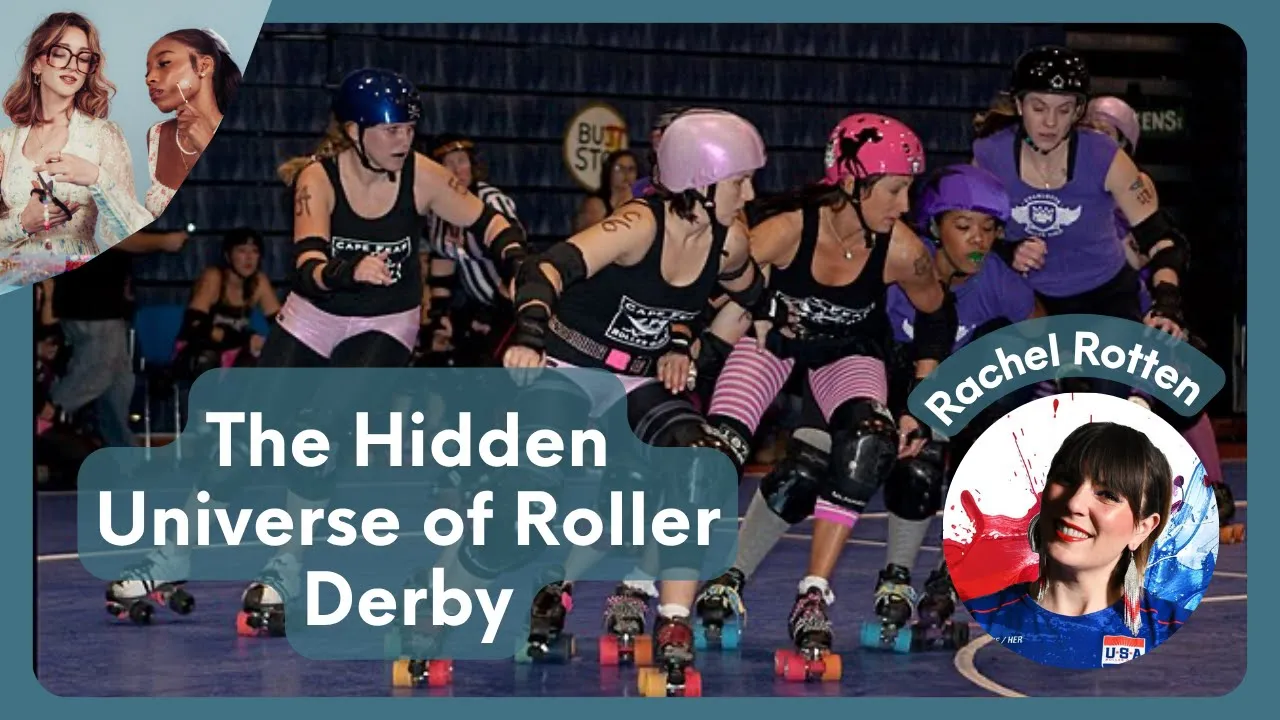
Empirical research into alternative or lifestyle sports cultures (e.g., skateboarding, esports, roller derby) to see if they offer more gender-inclusive spaces.
2.8K views3likes9:42Original Release: 2011-09-18
[Music] a little bit different keynote address and I'm going to ask you to do two things one I'm going to ask you to please don't believe anything I say but please do not dismiss what I say because your emotions tell you that I'm wrong I'm going to ask you to listen to not formulate arguments in your head to not turn to your neighbor and say he's full of [ __ ] I'm going to ask you to listen and think and reflect because I'm going to bring a message to you that is probably one we haven't heard much of it starts off with the foundation of sport and the purpose of sport in American society we seem to accept sport as this this pan Norm this this institution that reproduces team cohesion and Leadership skills and so forth and we tend not to look at what sport also produces sport in American culture was not valued in a puritanical country sport was a waste of God's time there's no intervention and what does that mean well we're now at we are now at a uniquely historical moment of time and this is going to piss some of you off women gender I'm sorry gender theorists of gender have said for 2,000 years or more men have ruled women men in a gender order have dominated women and Pierre bdue and I know I say his name wrong because I can't roll my RS one of the leading theorists social theorists in the world in the last book that he penned before he died masculine domination he said as so many other feminists have said for so long but now that a male said it it counts I say that factiously of course he said gay men you are the key to subverting patriarchy you are the key to helping women erode the gender order because you are considered somehow not real men you are feminized and if you who because you have a penis can gain access to institutions of power like religion po politics education sport media almost every American religion including religion because you had that penis and you had invincibility because you were invisible you could stay closeted gain ropes up to the access of power get to places where you could make a difference and come out of the closet as an openly gay male and Advocate that if I did it as a woman-like person women can do it too and we could literally reach down and help women and knock those barriers down this was my hope that this is what gay men would do now is where I piss you men off for 35 years women have been studying Sport and its effect on society and gender men have been absent from the discourse women have chartered this terrain they have come up with Fab fabulous fabulous research and that research says sport is not all that good the research says lots of things of course but they critically challenge the way sport reproduces the distribution of power in society now my latest research tells me that heterosexual men and gay men have separated sexuality from masculinity that coming out as gay no longer automatically disqualifies you from the hierarchy of masculinity you might be somewhere near the bottom but you're still above women we are valuing masculinity so much so though if you go to the where the young boys go to find each other X y.com 60% of them say no flamers men remember you're a man I read one that said remember guys you have a dick act like a man where bottoms are literally on the bottom and tops are on the top and flamers are on the bottom and straight acting guys are on the top we are valuing as a gay community men masculinity masculinity hyper masculinity has caused more pain more oppression more discomfort in this Society than anything we live in the most violent me Western Society Michael Moore his movie The one thing he really left out all of the things he talked about was hyper masculinity guns are a masculine thing sports are a masculine thing masculinity causes violence violence against men and violence against women and I've Heard lots of wonderful talk and great speeches about how wonderful is it that we as gay men are finally starting to get a piece of the pie and my own research says that yes gay men are now coming out as high school and Collegiate athletes and they're being accepted they're getting we are getting our piece of the pie wow isn't that wonderful and I have to stop because it didn't come up once this week that I heard I have to stop and ask this men are we critically analyzing what that pie is that we are buying into are we stopping and saying to our ourselves this if I buy into this pie if I value masculinity and I think that the way to gain access to sport is to be better than tougher than more masculine than straight guys what good am I doing for our sisters how are you going to help your sisters gain access to not only that pie but to a reformed and better pie because men when we value masculinity and we devalue femininity when we fail to listen to what feminists have been telling us for 30 years you are allowing women to sit on the vine and rot now why am I saying this because this is a historical moment this is the first time that gay men have ever em mased academics and activists alike to talk about this issue women have been doing this for 30 years this is our first time this sets the wheel in motion look around the tables men are sitting at one table women are sitting at another men are we going to listen to what these brilliant feminist Scholars have told us men are you going to start to Value femininity and devalue masculinity men are you going to start to say I don't give a [ __ ] how good you are at sports I care about what kind of human being you are because if you're not you might be fighting for identity politics and Liberation so that we men can have part of the pie and equality but women are going to continue to be oppressed by misogynistic culture that appears to have no other real option to change we are the key henceforth I believe it should be a mandate we need more male academics and they need to listen to the women we need more male activists to talk to the wsf and other feminist organizations and say look we're new at this we just had our first conference in Boston in 2003 you've been doing this for nearly 40 years please tell us what to do drop our masculine guys and listen to the scholars and the activists who don't have the privilege of having a penis it's a very serious and Powerful message yeah that little appendage gives you a whole hell of a lot of power in this culture it's a very serious message now I know that some of you that message isn't going to sit right with and I know that men are sitting next to men men who have lik me in the past have valued Sports look you all know me as an opening gay coach I came out of the coach I was oppressed how did I deal with it I became more Macho I kicked all their butts none of them could touch us I wrote a book on it I've transformed I now no longer think the way to equality is to be the best athlete we need to restructure sport we need to stop loving football we need to get rid of football entirely thank you
Up Next

72:53
TPUSA Event: Sanders and Gaines on Women's Sports
@ForbesBreakingNews
10.5K views•2025-11-20

26:22
Walking in the City: Urban Rituals and the Flâneur in Contemporary India
@PSBTIndia
1.9K views•2016-08-02

9:49
FastAPI vs Flask vs Django: Choosing the Right Python Web Framework
@TechWithTim
302.5K views•2024-05-26

1:42
Game of Thrones Opening Credits: A Cinematic Analysis
@gameofthrones
46.3M views•2011-04-18
Related Study Plans & Knowledge Roadmaps
Structured learning paths in General & Interdisciplinary Studies
general-studies
Artificial Light: History, Tech & Human Impact
01The Pre-Electric Era: Fire, Oil, and Gas Lighting
02The Incandescent Revolution and Grid Electrification
03Gas Discharge and Fluorescent Illumination
+ 3 more learning modules
14h6 modules
Explore Roadmap
general-studies
Elevator Engineering: History, Physics & Cities
01From Hoists to Safety Brakes: The Dawn of Vertical Lift
02Hydraulic vs. Traction: The Engineering Physics of Elevators
03Modern Speed, Safety, and Algorithms
+ 2 more learning modules
12h5 modules
Explore Roadmap
general-studies
Rubber: Material Science, History & Geopolitics
01Origins of Natural Rubber & Mesoamerican History
02The Chemistry of Natural Rubber & Vulcanization
03The Geopolitics of the Rubber Boom & Colonization
+ 2 more learning modules
12h5 modules
Explore Roadmap
general-studies
Containerization: Evolution, Logistics & Trade
01Ancient Trade & Bulk Cargo: Amphorae to Barrels
02The Industrial Revolution & Cardboard Packaging
03The Containerization Revolution: Malcom McLean
+ 2 more learning modules
12h5 modules
Explore Roadmap