




![CENTRAL DOGMA OF MOLECULAR BIOLOGY [ BY– Vishakha Ma'am ]](https://i.ytimg.com/vi_webp/3e5elTxbfJA/maxresdefault.webp)



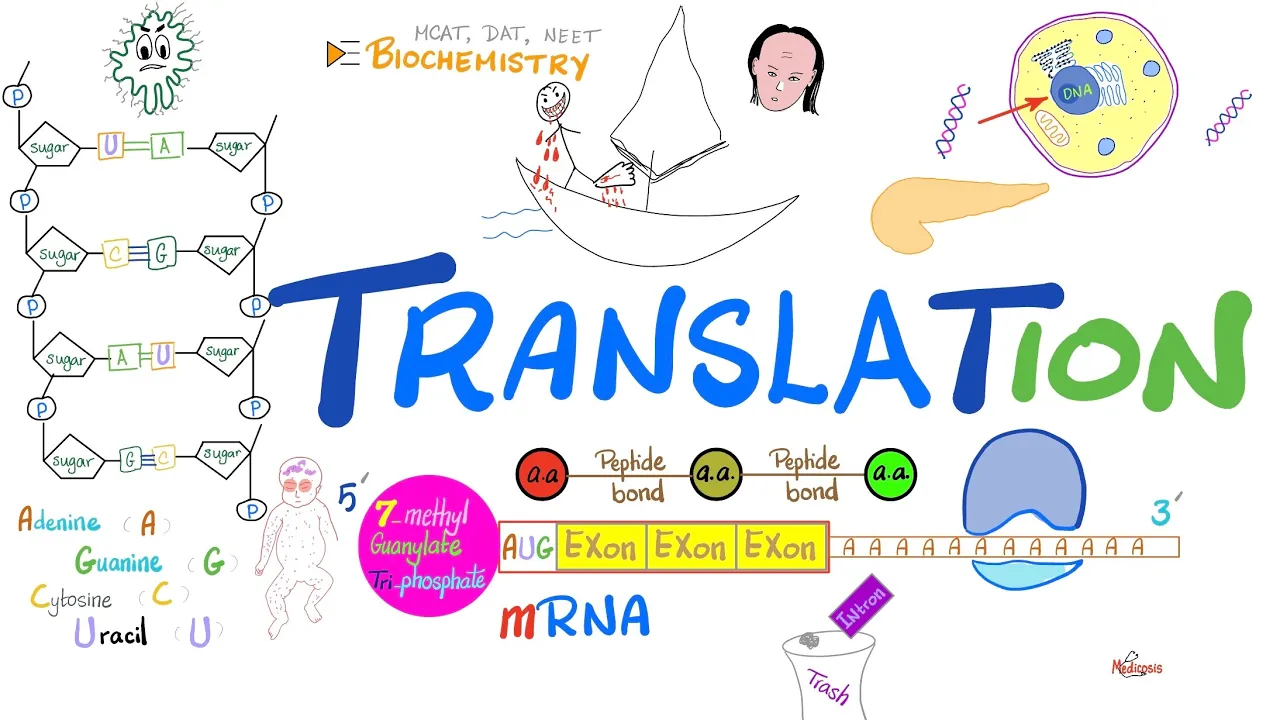








DNA transcription is the process where RNA polymerase reads a DNA template to synthesize messenger RNA (mRNA) through three stages: initiation (RNA polymerase binds to promoter), elongation (nucleotides are added to form complementary RNA strand), and termination (mRNA is released at terminator). The resulting mRNA undergoes processing where introns are removed by spliceosomes and exons are joined to form mature mRNA. Translation then occurs in the cytoplasm where ribosomes read mRNA codons (three-letter codes) and transfer RNA molecules bring corresponding amino acids, forming polypeptide chains that fold into functional proteins essential for cellular functions.
DNA Transcription & Translation: Gene Expression Explained
Added:The structure of DNA, including nucleotide anatomy (phosphate, deoxyribose sugar, nitrogenous bases) and the concept of complementary base pairing.
The structural and chemical differences between DNA and RNA (single vs. double-stranded, ribose vs. deoxyribose sugar, and uracil replacing thymine).
Basic eukaryotic and prokaryotic cell anatomy, specifically the location of the nucleus, ribosomes, and cytoplasm where these cellular processes occur.
The concept of the Central Dogma of Molecular Biology, which outlines the flow of genetic information from DNA to RNA to protein.
Protein folding and post-translational modifications, exploring how polypeptide chains form complex 3D structures and undergo chemical modifications to become functional.
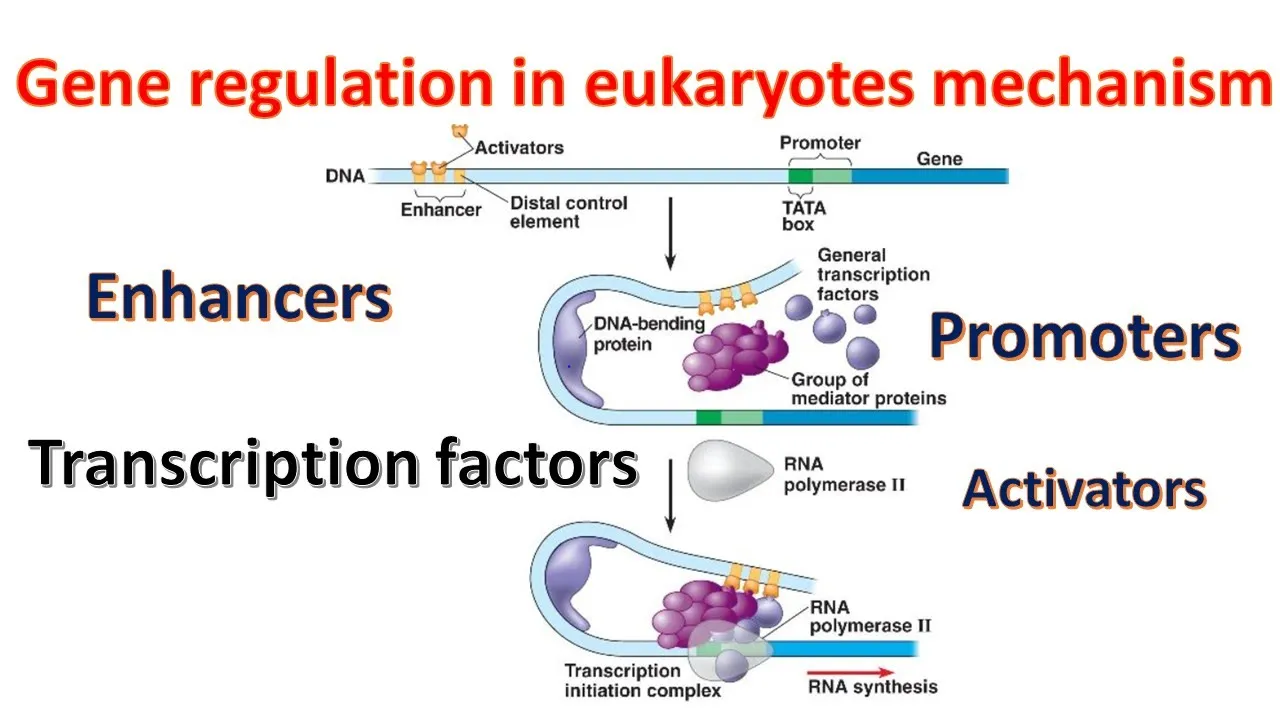
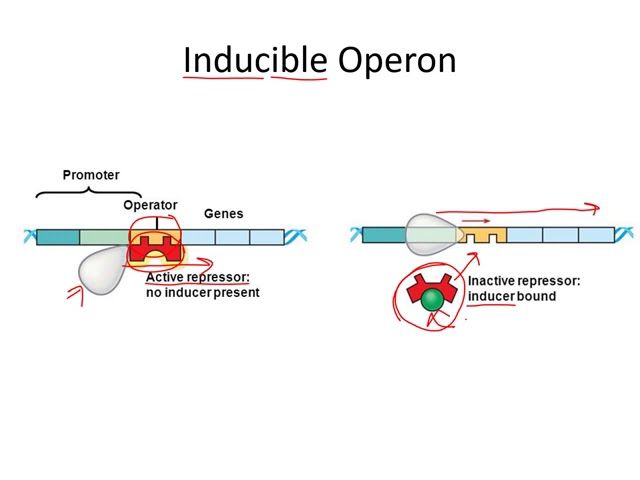
Gene regulation and expression control mechanisms, such as operons in prokaryotes and transcription factors, enhancers, and epigenetic modifications in eukaryotes.
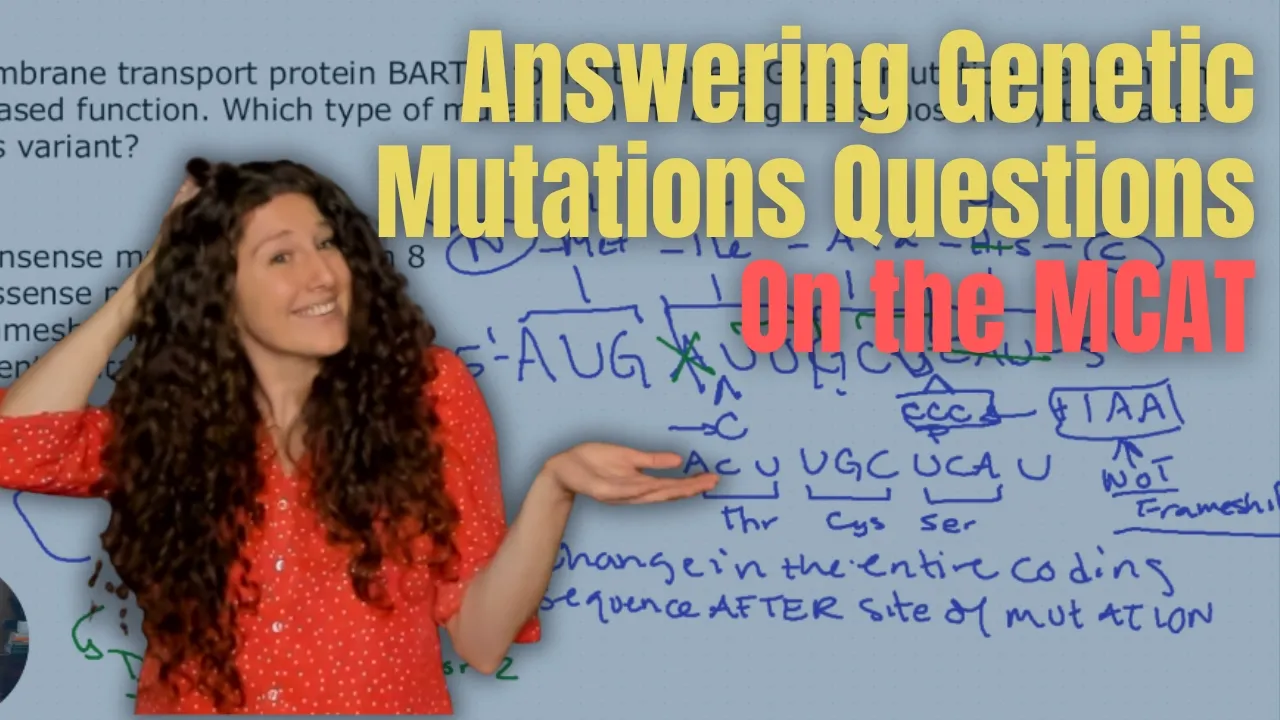
The effects of genetic mutations (such as silent, missense, nonsense, and frameshift mutations) on the resulting mRNA and protein structures.
Modern biotechnological and medical applications, such as the design of mRNA vaccines, recombinant DNA technology (e.g., synthetic insulin production), and gene editing technologies like CRISPR-Cas9.
764 views23likes7:18Original Release: 2019-09-06
in order for our bodies to function we need to supply them with a variety of nutrients we get from our diet our bodies cannot use the food as it is when it enters our digestive system the process of chemical digestion uses different proteins and enzymes to break down the food particles into usable nutrients our cells can absorb and where are the instructions to manufacture these and all the different types of proteins we need to stay alive the instructions to make proteins are contained in our DNA DNA contains genes a gene is a continuous string of nucleotides containing a region that codes for an RNA molecule this region begins with a promoter and ends in a terminator genes also contain regulatory sequences that can be found near the promoter or at a more distant location for some genes the encoded RNA is used to synthesize a protein in a process called gene expression for these genes expression can be divided into two processes transcription and translation in eukaryotic cells transcription occurs in the nucleus where DNA is used as a template to make messenger RNA then in translation which occurs in the cytoplasm of the cell the information contained in the messenger RNA is used to make a polypeptide during transcription the DNA in the gene is used as a template to make a messenger RNA strand with the help of the enzyme RNA polymerase this process occurs in three stages initiation elongation and termination during initiation the promoter region of the gene functions as a recognition site for RNA polymerase to bind this is where the majority of gene expression is controlled by either permitting or blocking access to this site by the RNA polymerase binding causes the DNA double helix to unwind and open then during elongation the RNA polymerase slides along the template DNA strand as the complementary bases pair up the RNA polymerase links nucleotides to the 3 prime end of the growing RNA molecule once the RNA polymerase reaches the terminator portion of the gene the messenger RNA transcript is complete and the RNA polymerase the DNA strand and the messenger RNA transcript dissociate from each other the strand of messenger RNA that is made during transcription includes regions called exons that code for a protein and non-coding sections called introns in order for the messenger RNA to be used in translation the non-coding introns need to be removed and modifications such as a five prime cap and a 3 prime poly a tail are added this process is called introns splicing and is performed by a complex made up of proteins and RNA called a spliceosome this complex removes the intron segments and joins the adjacent exons to produce a mature messenger RNA strand that can leave the nucleus through a nuclear pore and enter the cytoplasm to begin translation how is the information in the mature messenger RNA strand translated into a protein the nitrogenous bases are grouped into three letter codes called codons the genetic code includes 64 codons most codons code for specific amino acids there are four special codons one that codes for start and three that code for stop translation begins with the messenger RNA strand binding to the small ribosomal subunit upstream of the start codon each amino acid is brought to the ribosome by a specific transfer RNA molecule the type of amino acid is determined by the anticodon sequence of the transfer RNA complementary base pairing occurs between the codon of the messenger RNA and the anticodon of the transfer RNA after the initiator transfer RNA molecule binds to the start codon the large ribosomal subunit binds to form the translation complex and initiation is complete in the large ribosomal subunit there are three distinct regions called the e P and a sites during elongation individual amino acids are brought to the messenger RNA strand by a transfer RNA molecule through complementary base pairing of the codons and anticodons each anticodon of a transfer RNA molecule corresponds to a particular amino acid a charged transfer RNA molecule binds to the a site and a peptide bond forms between its amino acid and the one attached to the transfer RNA molecule at the P site the complex slides down one codon to the right where the now uncharged transfer RNA molecule exits from the e site and the a site is open to accept the next transfer RNA molecule elongation will continue until a stop codon is reached a release factor binds to the a site at a stop codon and the polypeptide is released from the transfer RNA in the P site the entire complex dissociates and can reassemble to begin the process again at initiation the purpose of translation is to produce polypeptides quickly and accurately after dissociation the polypeptide may need to be modified before it is ready to function modifications take place in different organelles for different proteins in order for a digestive enzyme to be secreted into the stomach or intestines the polypeptide is translated into the endoplasmic reticulum modified as it passes through the Golgi then secreted using a vesicle through the plasma membrane of the cell into the lumen of the digestive tract proteins are needed for most physiological functions of the body to occur properly such as breaking down food particles in digestion and the processes of transcription and translation make the production of proteins possible
Up Next

42:45
MicroRNAs: Gene Regulation Explained by David Bartel | iBiology
@scicommlab
233.1K views•2014-03-24
50:12
Bacterial Communication: Quorum Sensing and Biofilm Formation Explained
@JHUAAP
12.6K views•2011-06-28

5:35
Enteric Nervous System Explained: The Gut's Brain | Neurobiology Lecture
@alumniu6029
438 views•2018-09-12
7:08
Bacteriophages: Earth's Deadliest Killers and Future Antibiotics
@kurzgesagt
34.6M views•2018-05-13
Related Study Plans & Knowledge Roadmaps
Structured learning paths in Biology
biology
RNAi: Biogenesis, RISC & Gene Silencing
01Molecular Biology Foundations: DNA to Protein
02Introduction to RNA Interference (RNAi)
03Molecular Biogenesis of miRNA and siRNA
+ 2 more learning modules
10h5 modules
Explore Roadmap
biology
Mycorrhizae: Signaling, Biophysics & Ecology
01Foundations of Mycorrhizal Symbiosis
02Molecular Signaling and Root Colonization
03Biophysics and Bioenergetics of Nutrient Exchange
+ 1 more learning modules
11h4 modules
Explore Roadmap
biology
Circadian Clocks: TTFL, SCN & Periphery
01Foundations of Molecular Biology & Gene Expression
02Introduction to Chronobiology and Actograms
03The Core TTFL: Molecular Architecture of the Clock
+ 3 more learning modules
14h6 modules
Explore Roadmap
biology
Population Genetics: Math, Drift & Selection
01Genetic & Probability Foundations
02The Hardy-Weinberg Principle and Baseline Models
03Mathematical Modeling of Natural Selection
+ 3 more learning modules
18h6 modules
Explore Roadmap