



















![Chapter 7 [Part 2/2] - Microbial Genetics](https://i.ytimg.com/vi/VOw7dKHSUlg/maxresdefault.jpg)



Bacteria and archaea reproduce primarily through binary fission, a process involving cell elongation, DNA replication, chromosome segregation, and septum formation at mid-cell; the bacterial cell cycle consists of three phases (B period for growth, C period for chromosome replication, and D period for cytokinesis) unlike eukaryotic cells which have G1, S, G2, and M phases; chromosome partitioning is mediated by ParA, ParB, and ParS proteins that function similarly to eukaryotic spindle systems; cytokinesis involves the Min system oscillating between poles to position the FtsZ z-ring at mid-cell, followed by coordinated constriction driven by GTP hydrolysis; cell shape is determined by where new peptidoglycan is synthesized, with cocci forming in one plane, rods using MreB proteins for multiple bands of synthesis, and comma-shaped cells showing asymmetric growth; environmental factors including temperature, pH, oxygen availability, and osmotic pressure significantly influence microbial growth, with extremophiles developing specialized adaptations such as heat-stable enzymes, salt-in/salt-out mechanisms, and biofilm formation for survival in harsh conditions.
Bacterial and Archaeal Growth: Cell Cycle, Division and Population Dynamics
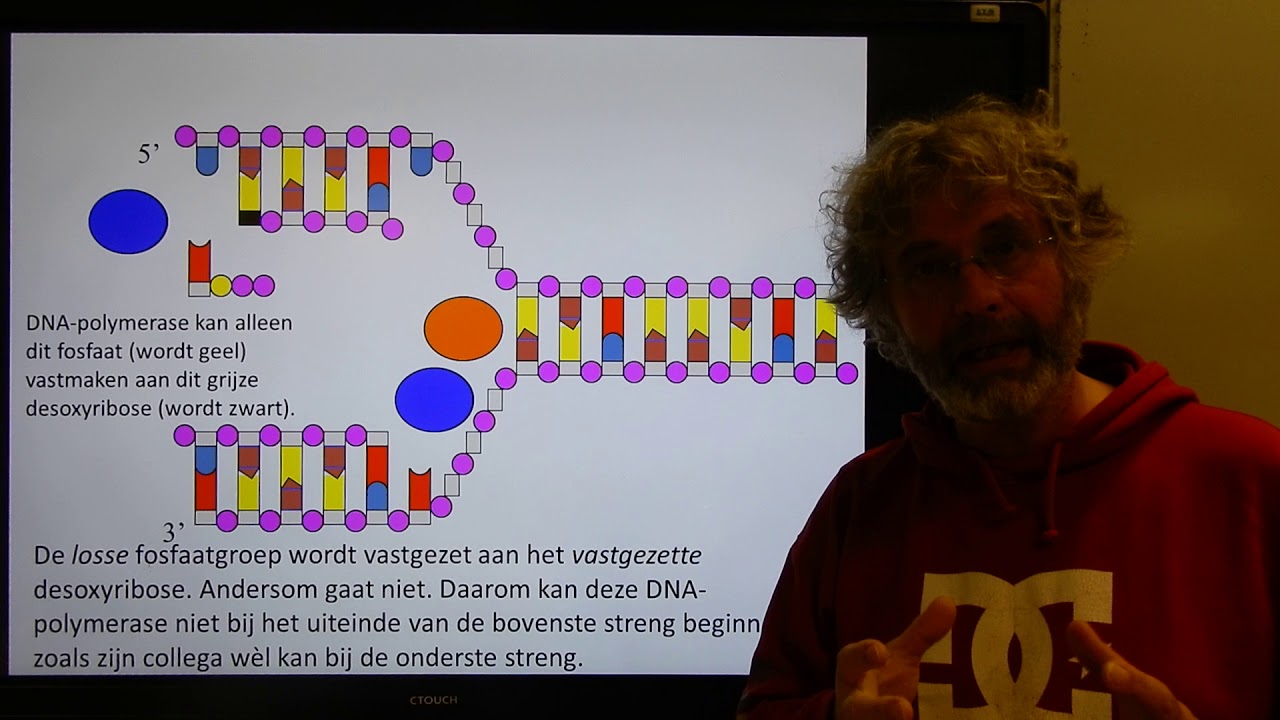
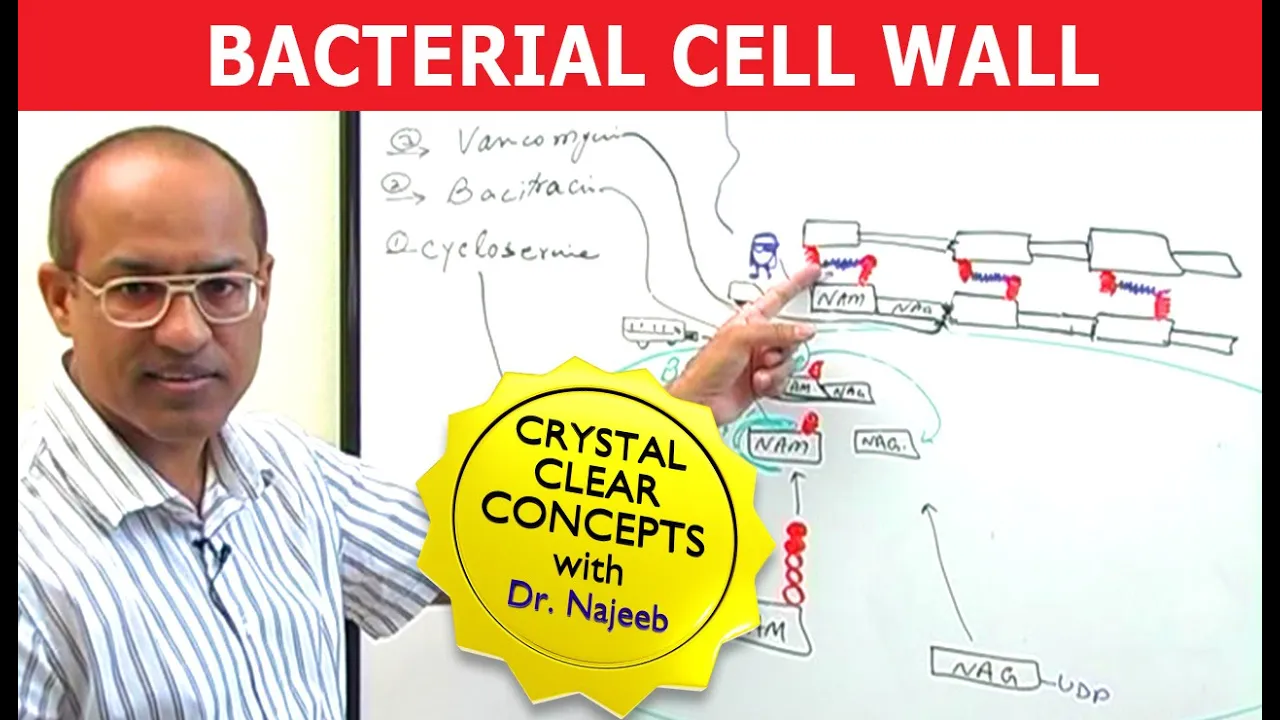
Added:foreign [Music] the first chapter of the unit 2 will be the chapter 7 and we are starting with the part one of chapter seven in the part one of the chapter seven we are mainly going to discuss the principal facts and the theories of essentially the bacterial and the arkyl growth and we are going to talk about some of the laboratory processes which involve these principal facts and theories in part two so first most of the bacteria and archaea reproduced by the binary fission and this is a very simple strategy that uh usually you have just one cell and this is an early phase of the cell cycle and you can see the typical structure cell wall cell membrane uh you have the unimolecular chromosome sometimes it could be uh multi-molecular but mostly unimolecular chromosomes uh the uh the ribosomes and essentially what happens the cell prepares for the division by enlarging the cell wall plasma membrane and also DNA replication occurs and once that DNA replication is complete at that time uh the septum grows inward as the chromosome move towards the opposite ends of the wall and other cytoplasmic components also distribute and the septum is essentially synthesized completely through the center and to two daughter cells are produced and all of these must replicate and segregate the genome prior to division so this is essentially the binary fission which is the general reproductive strategy of the bacteria and the archaea so some of the bacteria reproduced by some of the different kinds of method which is just not simple binary fission say for example these listeria monocytogenes that actually forms these bud-like structure so this is not like an equal division that in a binary efficient that we just saw on the other hand this is essentially seen in a cyanobacteria which is dermocarpa and this is called essentially the biocytes these pieocytes is essentially multiple fissions so each one of them is a dermocarpa and this is the multiple fission and here we are looking at a microscopic view of the streptomyces and this is just a cartoon of that so essentially a streptomyces Spore essentially germinate and it forms a germ tube which can extend into this hyphilite structure and we call this as a branched hyphae and there are some aerial hyphys can form and on top of these aerial Hypha the spores can form and these pores actually disperse so this structure is like the micellar structure of any many of the fungus that we essentially see but these are streptomyces these are strictly bacteria so these are essentially the some of the odds of binary other than binary efficient these are some of the odds so in the next one we are going to talk about the bacterial cell cycle and they are divided into three phases and it is a little bit different from the eukaryotic cell cycle and we are going to uh talk about the three phases molecular mechan understand the molecular mechanism of a chromosome partitioning and cytokinesis and understand the cytoskeletal filaments which are involved during this cytokinesis and how the cell shape is essentially determined so the first is that the cell cycle is a complete sequence of events which extend from the formation of a new cell to the next and it contains three different periods so the b period is when the cell is born so birth and uh at the end of the b period we called this as the initiation period of the replication of the C period C for the chromosome replication C period and essentially it starts with the initiation and as the chromosome is being replicated the cell will elongate and at the end of the C period or the replication of the chromosome period there's a termination of the chromosome that means that the chromosome has been completely duplicated and in a deep period what we essentially see is the nucleoid segregation actually happens that two nucleoid or the newly synthesized chromosomes segregate to two two poles or towards the two compartments of the elongated cell and essentially a division like structure we are going to see that which uh carried out the cytokinesis and during which the septum and the daughter cells are formed this is the D period so essentially why this is different if you just can think about that that this is the growth period This is a synthesis period and this is essentially the cytokinesis so this is different from the eukaryotic cell cycle where you usually see a G1 growth phase then an s or the synthesis phase of the DNA replication followed by a long G2 phase and followed by the partitioning of which is the mitosis which is chromosome replication and uh the chromosomes are segregated in the mitosis followed by the cytokinesis so this G2 phase is absent in here so they are so the bacterial cell cycle is considerably different essentially from that eukaryotic cell cycle so the most bacteria have a single circular chromosome and they have these single origin of replication site at which the replication essentially begins and this is known as the orac so uh if you have a double-stranded uh chromosome each of the chromosomes of all each of the strands will have an origin of replication and also it will have a Terminus which is a site which the replication is terminated located at the opposite of the origin and the replisome is the DNA synthesis of machinery and we are going to essentially talk about all the DNA synthesis enzyme in an entirely different chapter here we are mainly concerned about how the chromosome is already synthesized and how it is being separated not how the DNA replication essentially happens that is a separate chapter so the DNA replication proceeds in both direction from the origin and the origin moves to the opposite end of the cell and the rest of the chromosome actually follows so how it happens so here you can see that this is the origin of a replication and this is the Terminus so the origin of so this is the replisome is essentially these are all the different proteins which essentially are localized in that origin and now you can see that uh these origin of replication they are moving we call this as the forks these Forks are moving down and you can see that right here this is the two uh two chromosomes are being synthesized and the because the origins are now separated there are two Origins and the the two chromosomes are being formed so uh that's that's the how it goes in detail of that that we're going to talk about in a separate way but the cell elongates as a chromosome replication and the partitioning process essentially happens as it elongates you can see that chromosomes separate and uh the the septation essentially is continues and the septum form begins with what is called in the middle of the cell uh Z ring formation and we are going to talk about detail about that and these z-ring Essence forms the septum which divides the cell into a daughter cell and you can see that the two cells are essentially formed this will inter um one of the cell will they will undergo uh the another divisions this is a typical cell cycle that you see in the E coli so how this partitioning system of the chromosome work so these work with uh a number of different proteins and these are called partition proteins and these are par a par B and the par s is one of the region near the origin of the chromosome so essentially that you can see that these are the two chromosomes that are now being replicated so here is an origin of replication and close to that there are some par s region couple of thousand base pairs this is a certain sequences where the par B protein binds here there's an origin of replication another one on the opposite side and here also near the power side this part B binds to the power s side so these proteins remain bound onto these and we are going to see that there are several other proteins essentially happens and this is very well studied uh in in a kind of cell which is the colobacter crescentas and we are going to see that how these proteins as well as this par a separate the two daughters so one the dark blue one in purple these uh mother and the daughter chromosomes uh how they are separated remember that although we are saying mother and the daughter chromosome the chromosome essentially have one uh one original which is the parental strand one will be the daughter strand because each one of them contains one new and one old because DNA conservation a DNA replication is semi-conservative so each one of them will have one of the oldest Trend and each one of them will have along with that one in your strength so it's essentially the same so what happens that this is actually studied very well in colobacter crescentas and very interesting bacteria uh mature bacteria uh is uh is sessile with a stock at one of the poor now from here when the bacteria divides and after the bacterial division this stock in this area uh flagella is developed and these cells are called as swarmers and they will swim away and before replication they will shed the flagella and a stock will be formed and the bacteria will become sessile and from that sisal bacteria there will be another bacteria uh that it will form two big two cells and the one of the new cells will be another new armor which will have the flagella so uh the this partitioning proteins have or or which essentially take the chromosomes uh in different compartments or the two poles uh as well so these again the par site is close together near the origin of replication and being early in the duplication it directs the segregation of the two to Outer chromosome and power B proteins bind to the porous site and nearby and one partition complex to remain at the stock of the pole this is a stock right here whereas the other is Guided by this par a proteins towards the other pole so see that this part B proteins uh they are pulled towards the other other pole uh by uh these uh by by this part system and it is a little bit more complicated we're going to see that so this is similar to the spindle formation just think about that these par a sites are essentially the centromeres on the chromosome so these think about like eukaryotic centromeres and from these eukaryotic centrometers the two chromosomes are separated out and pulled towards the chromosome so you can think about this part B and the par a system more works like a spindle by which the chromosomes are pulled towards the two pole so we will uh discuss this a little little bit more detail than it's presented in a textbook and this will essentially help it so here what you are seeing is a colobacter crescentas and see that this is a cell which is a swarmer this does have a flagella and this is the chromosome and it is uh this lighter part is the chromosome and what you've seen that they are in a coil form I mean like it's a very large nucleoid the chromosome and it's in the coil form and at one end of the cell near where you have the the flagella you have a area or a protein complex which is known as a pop Z Network right here pop c network and the other pole does have some proteins which is known as a tip n and you can see that the nuclear these chromosomes are associated with this part A ATP dimer so par a ATP essentially coats these nucleoids now what happens that this is essentially uh of course the DNA binding protein now what happens that the part B and the par s complex encounters the part A ATP when the replication begins so essentially what happens that as the replication begins this will be a origin this will be another origin separated of course initially it started from here and separated out and these are the part B and the par s complex which is essentially par B part is complex bar a Barb is complex close to the origin close to the origin the origin is just not shown so what happens when the par site and the par B protein uh interact with the uh par a dimers these par a dimers dissociate uh is uh essentially and the ATP is hydrolyzed and they become part A ADP which is in this black circle so these are par a ATP diaperized form and when they are dissociated they become par a ADP and these are essentially depolymerization happens and as the depolymerization happens this essentially shrinks and pulls this power B and the chromosome towards the side this is you can think about the depolymerization of the microtubules as some of these motor proteins pull the the chromosome towards the pole it is not exactly the same but the same to some extent is the same thing so the free par a monomers which are these black uh circles with uh black dots with the green circle these are sequester or moved to the poles by this tip in and the pop Z complexes so this is pop that this is right here is the tip and and right here is a pop zip complex the new popsic complex formed here the older pubsy complex is right here now what happened the tip in is recruited then at the divisional plane so now you can see that two chromosomes are segregated so uh the the two two chromosomes now reached the two compartments and now what will happen the tip n will be now recruited at the division plane to be left at the pole of the new daughter cell and right here you have the epoxy Network that has been formed close to this part B this will be the new flagella site for the flagella this will be the swarmer's daughter cell and this is still uh attached with this talk so this was the swarmer cell now it is sessile with the stock and this is the newly formed cell which will be swarmer and when it goes into the division it will again become sessile and this cycle will go on and the par a ATP structure form in the subsequent cycle of segregation coding the DNA and from here it will the the cycle will back again when the chromosome start will start replicating the power B complexes will depolymerize these uh par a ATB dimers and uh essentially pull the chromosomes two words the poles as well and there's a detailed paper that uh you can see right here is the reference and I have uploaded that paper as a supplementary paper for your own interest but that much of detail is not necessary the overview is good enough so after that we are looking at the cytokinesis so this is essentially the C phase or the chromosome segregate the chromosome replication and segregation phase the cytokinesis forms that two daughter cells following the cell division and uh the separation is the word which you use the formation of cross wall between the two daughter cells and we are going to see that there is a selection of a site for the septum formation where it is going to form essentially it's in the mid cell for most of the cells and there will be an assembly of the z-ring which is composed of the protein which is an ftssc which is a cytoskeletal protein and this will assemble uh also the cell wall synthetic machinery and the construction of the cell wall symptom formation and we are going to look at the entire mechanism of this so what happens is that the fts-z protein is involved in that process and FTS Z filaments are heterogeneous in size and widely distributed around the plasma membrane and this is the first protein to localize in the future division site and the fds monomers essentially polymerize which will essentially form a z ring but what happens that there is a system in the cell which we know which is known as a Min system which contains individual proteins like mean c mean d mean e proteins and what happens is that this blue area or the clouds that you see that these are the mean system or the mean CDE proteins what happens this this mean CDE proteins oscillate between the two poles it increases in here and then it increases in here why it is so because the mean CDA system doesn't allow the FTS Z to polymerize so what happens that if this area is high in mean CDE the ftse will not polymerize it will try to polymerize here so essentially after some time the concentration of Min CD increases on the other pole so on this side it will not polymerize it will start to polymerize in this well so this oscillation happens uh in each side and uh either pull so as this oscillation of mean CD system happens eventually as the cell elongates this oscillation from the pole to pole allows the Ft as a z to essentially come into the middle of the cell and that will essentially start the septation process this is the over overview of the entire process so the essentially the fdsc polymerization must be coordinated with the timing because if the too early if the z-ring is uh constricted uh constrict the cell and if the nucleoid occlusion uh doesn't happen or that means the newly performed chromosomes are not separated out the chromosomes will be severed and essentially it's it it will not be distributed equally towards the two compartments so this mean CDE system essentially coordinates that when this this will happen and there are some other proteins which are also in war the slm a this codes the chromosome except at the replication termination or the third region and the z-ring can form when the slm-8 tag chromosome has moved away so the fds Z understand that when the termination uh site has moved away only at that area the because the rest of the chromosome is uh covered by the slm slm a protein and at that time the FTS Z ring uh which forms a z-ring can form and this is formed by a structure which we called as a division this division uh is the z-ring associated uh in the discontinuous at the mixed cell so what you are seeing that right here the division forms in the middle portion of the cell and you are looking at the cross section so remember that we are not looking at from this but you are looking from this area this is the cross section of the cell so you can easily see that the outside these are the this is the division area where you have all the peptidoglycan uh nag and the Nam which are alternating then you have the plasma membrane here you have the chromosome and here you have the termination site which essentially binds to some of the protein which is say zap a zap B this interacts with this FTS Z which start polymerizing around this division area and if you carefully look at that that FTS Z is does have a dagger-like structure it has a pointed end and right here you have a barbed end so what happens that ft is a z polymerization how it happens that they are going to be depolymerized from one end and they are polymerized from uh the polymerization or they're added this we call this as a treadmilling just we as we see this in actin polymerization so they are going to be depolymerized from this and add it and as this happens think about that that this this structure is essentially increasing in many different places it's just only one part but there will be many of them and that essentially will constrict that entire part and the septation essentially form and you can see that there are several adapter proteins uh with this uh FDR like fdsa and the zip a and this anchors the fds Z proteins fds Z polypolymer of with the plasma membrane and these are called the adapter proteins anchor the membrane so the z-ring is essentially the scaffold for synthesis for the self for the cell envelope and this uses the GTP hydrolysis is the energy source unlike ATP the GTP is the source and health help of the GTP this polymerization happens and this will essentially constrict because the as the polymerization going on there will be a pull and due to the pulling the the plasma membrane will essentially come uh come together from different sites because this would be one another will be here another will be here another will be here all of them are going to work this way by pulling the plasma membrane towards the center and the constriction essentially happens and the division separate the two compartments this way so here uh what you are seeing that after the cell is born it enters into a growth where the Single Cell increase in size so right here you can see the caucus and the caucus is dividing and you can see that this is a new hemisphere that is formed this is the old osmosphere and the cell shape is usually strict and is passed through generation but some microbes change the shape under under certain circumstances say for example a classic example is a helicobacter pylori the helicobacter pylori can be an infectious agent pathogenic and uh take its residence in the stomach in the stomach lining or the stomach mucosa and it is implicated in a gastric ulcer and in some of the cases even gastric cancer as well in some chronic infections now this helicobacter pylori they can be caucus shaped they could be Rod bacillus shape they could be comma shaped they they can vary but usually that is not the not the common way uh usually the cells are caucus rod or uh or or or they are comma shaped they have all these different structures so what happens that in the uh in the caucus as you can see the division happens it in one plane where you have the division forms the septum and the new cell wall uh and the plasma membrane and the structure everything is synthesized near that structure on the other hand you can see that in the rod uh there are several bands of structure where the synthesis happens and that elongates the cell and this is essentially controlled by a protein which is known as mreb this mreb in the absence of mreb this multiple areas the mreb is similar to or a homologue of acting as a eukaryotic acting as a cytoskeletal protein and mreb actually helps in these multiple areas of synthesis uh in the caucus this mreb is absent on the other hand that in a rod or bacillus if you essentially uh what you do that if you uh if you do not have the mreb they will essentially synthesize the the the new uh the new cell wall and the plasma membrane in just one plane but ins when mreb is present it is in multiple areas on the other hand there is a very interesting thing that is seen in uh in the comma shaped structures which is a fibroid structure this Library structure is the color Vector crescenters is also fibroid it's also a little bit commercial but vibrio caloric cholera is very similar so here you can see that the ft is a z and the mreb is uh present in here in addition to those that the carved structure or the carved side does have another protein called a chrysanthein and there is unequal growth on this side so the if size the presenting this area uh the the cell wall uh and the plasma membrane growth is uh is less on this side compared to the other side and that gives this unequal growth uh gives the comma shaped cells so this is the overview of the different cellular growth and uh this is how the different cell shape actually forms now the peptidoglycan is critical in a determination of the shape and uh of course that how this uh peptidoglycan is synthesized so the peptidoglycan can be synthesized in two different areas so for the gram-positive bacteria it is synthesized in the cytoplasm and in gram-negative bacteria it can be synthesized in the periplasmic space as well so very interestingly what happens that the nag and the Nam these are synthesized insights on an acetylmoramic acid and the in acetyl glucose I mean synthesize inside the cytoplasm and they are transported to the inside or the inner surface of the plasma membrane and they're attached to this bactopranols these are membrane-bound lipids they are associated with that so here you can see a bactopranol which is associated with a nam and the nag subunits now this bactopranol and the Magnum you need the entire part Associates with another protein which is known as a more J flippase these flippase work with the help of ATP very very energy dependent process and this entire nagnam complex along the bacterial phenol uh back to pranol is flipped towards the outside surface of the cell and this is also seen uh in a very interesting way in some of the eukaryotes the eukaryotes where some of the glycosylation of the proteins inside the endoplasmic reticulum happens there is a uh anchored lipid anchor known as a dolly called phosphate which is associated with the membrane on the outside of the dollical phosphate all these uh glycosylation uh moieties associate and then the dolly called phosphate flips and bring them inside here it is just the opposite so again that is the glycosylation of protein which is inside the cell where the glycosylation agents are brought from outside from the cytoplasm to inside the endoplasmic reticula and tell a different process in eukaryotes entirely different thing but here on the other hand you can see that all these things are happening inside the cytoplasm and then they are flipped through the membrane in a very energy dependent process with this flippase outside and now there are different proteins which are the the glycosyl transferases or the gtasis and trans 50 days is right here which essentially associate these nagnam with the existing peptidoglycan layer and sometimes what happens that uh to to put these new nagnam residues sometimes you have to break these Magnum residues in certain areas to essentially put the new structures in here so here you can see that there are several different areas where the synthesis is taking place and many of the places you have to essentially cut those Magnum residues or cleave them to put the new new subunits in between them and this is essentially the process that goes on and I remember that this structure which is the peptidoglycan structures the cell wall structure is uh essentially an armor-like structure and this is also referred to as a seculus in your textbook so the seculars is nothing but this armored structure which is the peptidoglycan layer around these cells so here you can see the cellular localization of Pepto glycan synthesis plays uh determine the role the pepper glycan can only form in the septal septum and the FTS Z vocalization is essentially involved in this process whereas what happens here in the elongosome which is the rod complex this happens with the mreb as a scaffold by creating filaments along the cytoplasmic face of the plasma membrane and the growth curse in under several bands around the cell but not at the poles not at the poles but several bands along with the cell and as we said the same way the mreb longer Zoom complex recruit all these uh different diagram residues inside and they flip them outside to be added and here you can see in the carved structures the chrysanthein localizes at one side of the cell resulting in a symmetric cell wall and the fibroid shape on the other hand the alkyl cell cycle we are going to take a look at the sulfillobus and they are more similar to a typical eukaryotic cell cycle and we they are different from the bacterial cell cycle but still compared to a bacterial cell cycle very little is known about the Argyl cell cycle so when we study the sulfill over species it indicates that they do have a growth phase G1 followed by a dividend replication which is the s or the synthesis phase and follows by a G2 phase which is segregation of the chromosome followed by the cytokinesis this G2 phase was essentially not there which is directly followed by the cytokinesis so the growth it was essentially the the initial phase which is the birth birth phase or the B phase followed by the C phase which is basically the DNA replication and separation followed by the cytokinesis so that was that was in the bacteria which is very different and the segregation occurs with some of the segregation proteins like seg aseg B protein system this is similar to the bacterial partitioning system seg a similar to the par a sec B is unique in archaea but thought to function as a similar to as the power B protein but uh there is no par s similar sites uh has not been found in the Arceus so far the Argyl cytokinesis on the other hand are similar to The eukaryotes and these involve some of the protein like the cell division protein a b and the C's so uh the the cdva binds to the membrane and forms a non-contractile proteins um at the mid cell and it recruits the cdvb and the C and the fds Z's and what happens the cdb on the other hand constricts and separate the two daughter cell and this is similar to an eukaryotic escort three complexes so this scored three complexes are endosomal sorting complex required for transport these are a bunch of proteins there are more of 30 protein complexes uh forms these escort three complexes which form this multivascicular bodies and these multivasicular bodies essentially Bud out of the cell for different purposes and even some of the viruses use this to get out of the cell like HIV uses this to get out of the out of the cell using this escort system but essentially what happens that uh so think about that that this is a cell and this is a bud and this is essentially forming a ring contractile to cut this one off and separate out that's basically the overview of that the CDC of cdvc on the other hand recruited with the cell division B protein is like the vsp4 and this these are involved in the cutting off or the session process essentially and you can see the z-ring associated with the new s layer and uh that essentially separate out here you can see that these are the FTS Z is labeled and the z-ring is uh is essentially fluorescent in this archaea so this is essentially the process of archaeal cytokinesis now you can see that the next part we are going to talk about the growth uh curve of the bacteria and there are different phases and we correlate with the changes and relate the growth constant to generation doubling time and we are going to go into the physical parameters of how the bacteria essentially grow so the increase in cellular constituents that may result in the increase in the cell number increasing the cell size and growth most commonly referred to as a population growth rather than the individual cell so here we are going to talk about the growth of the population so far we have discussed the growth of an individual cell how the DNA replicates and separates out here we are looking at the population level so the microbial growth curve is seen when the microorganisms are cultivated in a liquid broth culture and the batch culture is an incubated in a closed vessel with a single batch of medium and usually plotted as logs of cell a number of versus time and essentially this is a closed system and as you can see that the the typical growth curve of a bacteria contains a lag phase an exponential phase we also call this as a log phase then that's dish followed by a stationary phase followed by a logarithmic the declination or the death phase followed by a bunch of long-term stationary phase which can uh be from a few weeks to months to even years so this is an overview of over time the this is uh the typical growth curve that we see with the bacteria so now we are going to describe that at each phase what is happening in little bit more detail so in the five phases the first phase is a lag phase and at this time the cells is synthesizing the new components and it is essentially adapting to the new media and the other condition and they replenish the spend material uh ribosome and the uh making the atps and eventually the cells replicate their DNA increase in mass and started to divide so that lag phase essentially there is a slow growth in this phase so the the cells are just being prepared to be fully active in the exponential phase the rate and the growth division is constant and maximal and the population is most uniform in terms of chemical and physical properties during this this phase and during the exponential phase cells grow as quickly as they can form if the condition is available and the final net growth increases with the initial amount of the limiting nutrient present and the growth rate increases with nutrient concentration but essentially it will saturate it will not grow forever so here you can see that when a cell goes into this exponential or the log phase of growth as you increase the nutrient concentration the yield of cells per milligram per ml but essentially it will saturate so that means the yield of cells will saturate on the other hand here you have the growth rate per hour and as you increase the nutrient concentration it will grow exponentially after certain and then it will Plateau why it is so because what will happen that after sun time the cells will reach us as a condition which we called as a critical threshold and the concentration of the cells when they usually reach about 10 to the power 9 uh per ml at that time that is a critical threshold where the cells essentially don't yield much more and also what happens that when you increase the nutrient concentration as the new cells are being formed on the surface of the cell on the on their plasma brains on their on their uh lipopolysaccharide layer if they are gram-negative bacteria through their cell wall on their plasma membrane there are all these different Transporters for the nutrients which transports the nucleic uh the uh which transports the amino acids as well as all the sugars they're required for for their growth and at a high concentration at a certain way that all the cells which are being produced all of their transport system is completely saturated that means hundred percent off there at the stationary phase 100 of their nutrient transport system is being utilized it cannot go any further and that's the reason that we see this saturation kinetics at at one point of time but essentially as we can see that as long as we keep the the of the nutrients available to a certain limit uh and do not replenish the nucleant it will go and finally what will happen that in a batch culture which is a closed system essentially uh the growth will eventually cease so uh we will not supply any material in here and the total number of the viable cells will remain constant and in the stationary phase uh phase the balance between the cell division and the celled death happens so that means the number of cells that are being produced is equal to the number of cells pretty much which are dying and the population May cease to divide but at this time they may remain as a metabolically active and why we reach the stationary phase in a closed system because remember that the nutrient limitation and also limited oxygen availability because oxygen is not too much uh soluble in the liquid media so even when we use the agitation or oxygenation still there is a limited oxygen availability and gradually there will be toxic waste accumulation and as always said that if there is a critical population density is reached essentially the cells will cease dividing and that is observed in the stationary phase then what happens that in the death phase the number of viable cells decline exponentially with the cells dying at a constant rate and of course faster and is this time all the nutrients are deprived that means taken up and build up of toxic waste cause the irreparable harm to the cells and they basically die after this death phase there is a long-term stationary phase where the bacterial population was continually evolved and this process marked by successive waves of genetically distinct variants and natural selection may occur within a single culture and these long-term stationary phase a very few number of viable bacteria may be present in the culture which may be there from few weeks to months even years depending upon what uh kind of bacterial genus and species it is so the next part that what we are looking into is the mathematics of the growth and we are just going to understand just the very basics of it and again we are not going to do too much of the math or not required uh for the scope of this course so essentially what we are looking first we are introducing a word which is a generation time which is the time doubling time this is a time for required population to double in size so basically what happens that one bacteria divides into two and uh uh and the generation of the doublet I suppose this is 20 minutes so generation 0 to 1 is 20 minutes so you can see that the number of cells from 20 to 20 to 40 40 to 60 40 to 80s will go two three four as a generation and it will go to two to four four to eight for eight to sixteen and so on so essentially if we plot these uh with the time here you have the number of the cells uh right here and this is essentially the plotted against the number of the cells on the other hand uh what you can uh what you can see that right here on the other hand this is the log number of cells so if you just plot it against a log scale as you can see right here you can see that this growth is exponential so uh two to four four to eight eight to sixteen over the period of time and this is your log plot right here the growth is logarithmic and that's the reason that we essentially say that this is the exponential growth so how we calculate the growth rate constant or k number of generations per unit time so here there are a couple of things that we're looking at the n0 is the initial population number so this is the n0 and this is a number of cells in the culture that we are essentially seeing is is 2 to the power n T is the population at the time t and n is the number of generation in time T so for the population reproducing by the binary fission the NT the population of time T is n0 the initial population number multiplied by the number generation of the time 2 to the power n because it's binary efficient 2 to the power n and if you solve this and solving for n the number of generation when all logs are base 10 so log n t is log n 0 plus n log 2. so if you just look at uh these uh solve this basically you are going to get K is equal to n over t and which is equal essentially the log N T minus log n 0 over 0.301 T which is uh which is essentially the the number of cell in uh is right here so right here 0.301 as you can see that that is your uh log two so here we are looking at the log two so but that's 0.301 so once you have that you can see that uh uh this is essentially gives you the idea the the growth rate constant so this is your growth rate constant and let's take a look at this so now we are calculating the uh the generation of the doubling time if a population doubles then NT is two and zero and if you substitute the N 0 into the growth rate constant equation solves so K is equal to log uh this essentially and K becomes 1 over G so on the other hand the generation time G is reciprocal to the growth rate constant so so just these two take-home messages are important so remember that the growth rate constants in one over generation time or that generation time is 1 over K so generation time and the growth rate constants are our reciprocal relationship all you need is essentially this these detail calculations are not necessary so here what we are looking at right here this is the time this is the number of cells and here you are looking at the lag phase whereas this is where the exponential phase and when we are doing the mathematics we are considering just this portion essentially and right here you can see that right here the number of cells 0.5 into 10 to the power 7 here 1 into 10 to the power 7 and this is the doubling and this is one generation this is another generation and so this is the generation and this is is one this this is Generation in between this this is essentially one over uh one over K or that growth rate constant so this is uh basically the overview of that again we are not going to go into the detail of any mathematical expression just if you know the very Basics that what it is the relationship of the uh growth rate constant with the generation time that is good enough so here you can see or appreciate the generation times of many different bacteria and Archaea and eukaryotes you can see that as a 0.35 hours as as as as less as say for example 20-25 minutes to even uh the tripod of a Palladium 33 hours some of the archaea 45 hours and you can see that it varies a lot uh in different incubation temperatures uh all across the Spectrum after that we are going into a section where we are looking at the environmental factors that affect the microbial growth and we are looking at the different adaptations of the extrema files different of external files uh acclimate and changes to their environment how they do that we are looking at uh the the how the oxygen can form uh toxic chemicals inside the cell and the enzymes how they can protect them in their environment so the uh most organisms grow in Fairly moderate environmental conditions and uh the extreme files on the on the other hand essentially grow in harsh conditions that would kill most others and when they grow uh most of the organisms they have a minimum growth uh they have a minimum growth environmental factor and then they have a maximal uh environmental factor and an Optimum and this minimum Optimum then uh is on the maximum uh environmental factors are essentially known as the Cardinal values for their growth which could be the temperature as well so uh depends so all microbes must respond to the changes to their environment and uh they all have this essentially optimal range of the environmental parameter for their best growth so uh first what we are looking at the solutes affect the osmosis and the water activity and what it is when there is a change in osmotic concentration in the environment it affects the microbial cell so when the cells essentially are put into the hypotonic solution at that time what's going to happen the lower solid concentration outside the cells and the inside the cell water enters the cells but they may burst but most of the bacteria is uh contain the cell wall uh the arcade contains the S layer and it essentially doesn't happen the third these cell wall components can withstand the third year pressure on the other hand the hypertonic solution the higher solid concentration outside the cell than the inside the water leaves the cell and the membrane essentially shrinks and they may separate from the inside of the of of the cell wall and these are some of the conditions that can happen in different kinds of environment but most microbes live in hypotonic environment and they are protected by the cell wall and preventing over expansion of the plasma membranes and there are mechanisms to lower the solute concentration in the cytoplasm and there are mechanosensitive channels in the plasma membrane which allow many of the solutes essentially to leave and on the other hand the protists use the contractile vacules to expel the water so these are some of the uh ways that they can survive so here we can see that the osmophiles which are the hello files these halophiles require sodium chloride at a concentration about 0.2 molar extreme hellophiles requires all concentration between three molar to 6.2 molar where do you find these these you will find say dead Seas these you will find in the assault like uh in the Salt Lake in Utah so there are salt mines there are these extreme hellophiles and how they maintain these conditions so here you can see that uh right here this is a non-hellophile by close to one molar sodium chloride concentration they will die whereas the moderate halophiles with 0.5 molar to about 3.5 hello tolerant uh can tolerate up to three molar whereas the extreme halophiles can grow from uh uh say Optimum growth from three molar uh to excess of 6.2 molar so this is essentially the sodium chloride concentration so how essentially they do this process so there are due there are two processes by which they can uh they can survive the in the it's called the salt in and the salt out process these are the adaptations so in the salt in adaptations uh they accumulate the the potassium and the chloride in the cytoplasm and uh some of the proteins need these very high salt levels and uh there is uh also what happens in in these conditions essentially uh the they survive on the other hand what happens that there is a process called salt out and these keep the salt ions outside the cell and they synthesize this compatible solutes that do not interfere with the growth and these salt out uh compounds they could synthesize like a choline a betaine then proline amino acids glutamic acids and the fungi or the protease sometimes synthesize sucrose polyrols like arabitol glycerol manitol these are different alcohols that is uh also present in some of the eukaryotes and these are essentially the compatible solutes and they keep this is the essentially the salt out mechanism and these two processes of the salt in and the salt out allow these halophiles to withstand these extreme conditions so another very important uh factor in uh in terms of these uh osmo files and uh many other other processes is the water activity this measures the water activity or aw measures the availability of water low water activity means most of the water is bound and not available to the microorganism so this is 100 the relativity of a solution so this is equal to the solutions of vapor pressure uh to that of a pure water so for distilled water the water essentially this is one on the other hand you can easily see the osmo tolerant microorganisms that can grow over wide ranges of water activity but optimally at higher levels and staphylococcus aureus is essentially one of them because staphylococcus aureus can even grow on our skin and from the sweat and other we do have a good a good amount of salt concentration on our uh on our skin and the staphylococcus can actually withstand that extra amount of salt they are osmotolerant on the other hand the zero tolerant microbes withstand High solute concentration and these are found in uh say a very dry area like a desert or a in uh in in dessert where there is very very little uh little humidity in there very very dry environment they can found in like a dry the dust particles and also they are found in the preserved food which do contain like a brine preserved food or say vinegar or a very high sugar uh food which are essentially the preserved food they are essentially found in those conditions so the next one uh the factors is a ph and relative acidity or the alkalinity of this uh solution and essentially is the negative uh logarithm of the hydrogen ion or the h plus concentration and again we do not have to go into the basics of the pH but essentially what are the different ones the acidophiles grow the best between ph0 and 5.5 and here you can see that these are the acidicity right here is the neutral pH and these are the acidic pH and see that these are the different uh organisms so a stands for archaea e for eukaryotes and B for bacteria so here you can see even the ferroplasma can grow at a pH zero where is this acetyl Nitro bacillus and sulfillobus which is a they can grow in PH uh close to PH2 on the other head lactobacillus acidophilus or E coli they prefer just below the neutral pH staphylococcus aureus like to grow at a higher pH to just slightly alkaline whereas these alkalobacillus alkalophylus can grow pH 11 plus so The Alkali files are sometimes known as alkalophiles grow best between 8 and 11.5 in contrast to the acidophiles and Alkali files most bacteria proteins are on the other hand neutrophiles and they grow near close to the neutral pH but a few of the fungi's uh they like to have a little bit more acidic surrounding some of the photosynthetic protists also favors light acidity and we can see that several Arceus are acetophiles and also the alkalophiles are distributed in all three domains of life as well the microorganisms respond to the external pH change by different mechanism and maintain a neutral cytoplasmic pH so the neutrophile exchange in the potassium for the proton or the h plus so you can see acidophiles pump the proton h plus out of the cell and The Alkali files exchange the internal sodium ions for the external protons so there is a built-in mechanism uh to to do this this process as well the next from the pH we are for as an environmental Factor we are looking at the different temperatures and the microbes cannot regulate their internal temperature and the enzymes all have optimal temperature at which they uh function base uh optimally and below the optimum temperature enzymes uh is not catalytic and of course a high temperature can inhibit enzyme function and even denature them and uh they can destroy them so the Cardinal temperatures are essentially the minimum maximum and the optimal temperature as we said and across uh the different temperatures depending upon that what range of temperatures the bacteria are growing we divide them in different groups so the cyclophiles as you can see they can grow in between zero degrees to 20 degrees Celsius these are the cyclophiles right here cycotrophs on the other hand grow from 0 to 35 degrees Celsius whereas the mesophiles are particularly Optimum in between 20 to 45 degrees very interestingly like all the pathogenic bacteria or that we encounter all the pathogenic organism they are all mesophiles because that is essentially for particularly for the human humans or for the mammals the uh essential temperature 37.5 is essentially the the temperature uh or close to in between say 37 and 40 for most of the mammals and the mesophiles are the only one which are comfortable in that temperature range cyclophiles and cyclotolerance or thermophiles and hypothermal files are non-pathogens thermophiles on the other hand grows at 45 to 85 degrees Celsius and think about very hot Rocky areas desert like death valleys and hyperthermophiles 85 to 100 plus degrees Celsius these are found in many of the geothermal areas like mud part hot springs and um in the in the ocean floor near these hydrothermal vents where there are boiling water temperatures and cyclophiles are of course found in the polar ice caps to even mountains and in the Snows as well and you can easily see that these are the different uh different organisms you can see this chlamydomonas Nevilles this is an eukaryote it is uh essentially a cyclophile on the other hand you can see that right here the pyrolobus of fumery that can grow at uh uh at a temperature of 130 degrees Centigrade whereas this planococcus hello creeprophilus can grow happily at minus 15 degrees Celsius whereas the escargia coli right here you can see that the range of E coli is essentially the mesophilic and saccharomyces cerevisiai this is also it can tolerate a little bit lower temperature but its Optimum is uh almost uh close to in between about 22 degrees Celsius it is Optimum for the Sacramento series BCI or the East E coli 37 degrees is is Optimum growth temperature so on the other hand see that right here is the trichomonas vaginalis this is also a human pathogen and the optimal growth temperature is around 37. so here you can easily understand that most of these nice area Gunnery the same way the Nigeria gunori E coli which is present in our colon these are harmless but there are some of the species of the Rogue coli like o157 H7 those kind of E coli these can give you the bloody diarrhea and gastroenteritis uh all of the but no matter what the E coli niceria gonori as well as the trichomonas these are all different uh human pathogen they are all within the mesophilic temperature whereas that's thermosychological pyrolobus uh climate ammonus these are all beyond the range of a human uh body temperature or mammalian body temperature and are non-pathogen so what kind of adaptations we essentially see for these uh for these bacteria or uh for the archaea there are heat stable enzymes and protein synthesis system that function at very high temperature and protein structures are stabilized by a variety of means with hydrogen bonds and excess amount of proteins architecture which are with the beta sheets more of a beta sheets are essentially seen in some of these protein structure because beta sheets are held together with more hydrogen bonds than the alpha helices so that's why more hydrogen bonding help to stabilize these structures so beta the proteins which are more with beta sheets compared to the alpha helices are more stable at higher temperature also these proteins contain this hydrophobic Interiors where the hydrophobic amino acid side chains uh essentially interact with the other hydrophobic amino acid in my side chains these are very stable interactions and there are more pluraline Proline uh is a very interesting amino acid which does have very rigid structure and they can be formed in a CIS in a transformed and around the proline they offer the rigidity of many of the proteins and as the less flexible they are less flexible in some of the regions which are the key regions of many of the proteins they do not denature that easily and there are also many of the proteins which are the chaperon proteins which also help to keep the proteins in a properly folded form on the other hand the membranes are stabilized by a variety of means there are more saturated more branched and higher molecular weight uh fatty acids are present in the in the in the in the plasma membrane of the of the of the bacteria and the archaea which can tolerate higher temperature and we also know that many of the bacteria contain The Ether linkage and uh these ether linkages also can be covalently bonded uh and uh they can form these monolayers which are extremely stable at very higher temperature which we see in the archaea we have talked about that before and many of them are resistant to hydrolysis many of these structure at higher temperature as well so these are some of the adaptation of the thermophiles then next we are going to consider the oxygen oxygen is present in uh the atmosphere and uh the depending upon the oxygen it depends upon the microbes that metabolic process so essentially the oxygens are uh are utilized in several processes and at the electron transport chain the terminal electron acceptor is used and these terminal electron acceptor when these different flapnoid electron transporter transfer their electrons to the oxygen there is a condition at which there are some of these superoxide radicals are forms which are O2 minus with unpaired electrons so essentially these will be detoxified but short period of time all all of the cells which essentially live in uh the the oxygenic environment or toxic environment will undergo this process but other than that there are some of the other influences the effect of oxygen can generate these reactive oxygen species Sometimes some of the photo or the even the intense light can also deplete oxygen to form these uh species these reactive oxygen species with unpaired electrons and those could be detrimental from the cells and depending upon that we are going to see that how different uh different organisms or the microbes uh tackle this problem so there are five type of relationship to the oxygen and this is what first what we were talking about is the molecular oxygen so the obligate Arabs require oxygen like for us like we are obligate aerobes without oxygen these will be killed this organism cannot survive without oxygen then there are also obligate anaerobes that means that they usually killed in the presence of oxygen they must be present in the environment which lacks oxygen presence of oxygen will kill them there is also another group called micro aerophile they require oxygen but requires about two to ten percent of oxygen this is just a little bit below the atmospheric micro atmospheric concentration of oxygen they require it but a little less facultative anaerobes on the other hand do not require oxygen for grow growth but better in its presence because see that these are the best of both worlds if they do not have uh the uh the the oxygen in their environment they can respire in by the anaerobic process so they will just go in the glycolysis and they can just do the fermentation and they will just only produce a little bit less amount of ATP per molecule of glucose but in the presence of oxygen they can follow the Krebs cycle and the electron transport chain and they can produce far more number of ATP so they will grow better in the presence of uh the oxygen these are the faculty of Europe classic example is E coli E coli grows very very fast in the um in the batch culture that if we just uh culture them in the laboratory but on the other hand the growth of the E coli are kept in check in the human colon because it is in anoxic environment in the human colon and they do not go very fast and uh that they are our microbial flora and they are their growth is kept in check on the other hand the Aero tolerant anaerobes grow with or without oxygen and their growth doesn't necessarily better in presence of oxygen so even if oxygen is present in the environment aerotolerant anaerobes do not use it this is the difference between the two facultative and aerobs will use oxygen if present whereas error tolerant analogs will not use oxygen even if they are present so why the these organisms are sensitive to oxygen and how these reactive oxygen species are formed so the first one of them is a superoxide radical which is a O2 minus unpaired electrons also it can form from the O2 minus this hydrogen peroxide H2O2 in the cell this is also very very toxic to the cell and the hydroxyl radical oh minus these are all very detrimental to the cell so you here you can easily see that these rocks are the hydrogen peroxide as well as the the hydroxyl radicals they will attack any essentially the DNA ribosome uh periphery plasma plasma membrane plasmid pilly every part of the cell can be attacked with that and these will essentially oxidize uh these so these are all the reduced form of uh of the of the oxygen and essentially they will attack and oxidize these amino acids the DNA molecules and render them ineffective and will essentially destroy them so in cellular environment which essentially utilized up uh utilize oxygen for their respiration constantly these are superoxide radicals are essentially formed hydrogen peroxide and hydroxide radicals are formed and the cell constantly is does have the process to detoxify them these are your antioxidant system and enzymes which detoxify them and we are going to see this essentially so what happens that the microorganisms must be able to protect itself from the reactive oxygen species this is similar in the eukaryotics much more robust system with many enzymes and there are three enzymes which essentially protect this so CRC what happens the first one is a superoxide dismutase or sod two individual O2 minus with the proton superoxide mutates convert them to molecular oxygen which is not toxic and hydrogen peroxide now again hydrogen peroxide is also toxic so what happens there is a second enzyme which is a peroxidase which with the help of nadh2 uh nadh2 is oxidized to NAD and this O2 and hydrogen peroxide form two molecules of water which is harmless another group or another enzyme is the catalase the Catalyst also use uh the two molecules of H uh hydrogen peroxides right here with the O2 and it forms two molecules of water and molecular oxygen this is your catalase enzyme so you can easily see superoxide this mutase forms the hydrogen peroxide which could be again detoxified either by peroxidase or by the catalase so all these microorganisms does have superoxide which can tolerate um oxygen must have superoxide dismutase and either catalase or peroxidase or both so depending upon this the we can actually culture them in a different ways the different bacteria experimentally and we can see the different types of a microbial growth in a test tube and understand that what their oxygen requirement is and uh we have um also we also know that what kind of enzyme system they do have so this is a typical test tube where you have a capped test tube and this essentially contains a broth which is known as a thyoglycolate broth t-h-i-o-g-l-y c-o-l-l-a-t-e tioglycolate broth or they also do have a solution of cysteine which is the amino acid cysteine so these essentially the cysteine as well as the thyoglycolic broth these are oxygen scavengers so once you essentially cap them all the dissolved oxygen are going to be scavenged by the thyoglycolate and the whole part right here the entire thigh glycolate broth is going to be anoxic but if there is a little bit of oxygen left at the empty space at the very top a little bit of oxygen is going to be dispersed into this oxic Zone and depending upon this condition we can inoculate the bacteria in this test tube and let them grow and look at their growth pattern so if it's an obligated Arrow they can only grow at the interface which is near the oxic Zone if it is a micro aerofile they grow a just a little below the oxic Zone because here this uh oxygen from this area which is a empty space is diffusing uh and the the oxygen concentration is slightly less here below the the oxygen zone or the interface faculty in Europe they tend to grow better near the oxic Zone where they can uh carry out the Krebs cycle and the electron transport chain and they grow their growth is a little bit less towards the anoxic Zone where they cannot make that much of ATP and their growth is a little bit whereas the Aero tolerant and Europe they grow at the similar concentration at the entire Zone because doesn't matter whether they're in the oxic zone or an oxic Zone they do not utilize the oxygen and their growth is not dependent upon the presence of oxygen or not whereas the strict and aerob tend to grow towards the bottom portion of the anoxic Zone because they cannot tolerate any dissolved oxygen from the environment which is detrimental to them so what kind of enzyme system they do have so here you can see for the obligate Arab they do have the superoxide dismuted Catalyst peroxidase all of the enzymes whereas the micro aerophile may have sod they have peroxidase and they may or may not have the catalase facultative Arrow the same way they have sod catalase peroxidase all of them whereas the Aero tolerant anaerobes have the sod and the peroxidase but does not have the catalase so you can see that all of these which can grow in presence of oxygen all of them must have sod and either catalase or peroxidase just one of them at least we may have both but at least one of them on the other hand here you can see with the strict naerobes The Sod you do not have any so uh uh strictly anaerobes you do not have any sod catalase or peroxidase so they do not have any detoxifying enzyme so if the superoxide radicals are formed in these cells there is no way that cells can actually survive and the superoxide radicals will essentially kill the cells so this is can be done in the laboratory in this thioglycolate broth experiment the next is the Environmental factor which is the pressure the microbes that live on the land and the water live at a pressure of atmosphere one atmosphere and some archaea live deep sea with very high hydrostatic pressure and these are viral tolerant adversely affected by increasing pressure but not as severely as non-term organism on the other hand the Piezo philic or the barophilic bacteria require high pressure for growth and the change in the membrane fatty acid to adapt to this increase in pressure and the lipid becomes more unsaturated and actually shorter so these piezophilic or barophilic bacteria can be collected from the ocean floor and if they are needed to be brought onto the surface you need special berophilic chamber or preferized chamber to essentially handle these microorganisms because if you expose these microorganisms to normal atmospheric pressure they are instantly going to burst and you cannot culture them very difficult to culture them uh as such these paraphilic bacteria but many have been isolated from depths of ocean floor the next we are looking at the electromagnetic spectrum and here we are looking at the electromagnetic spectrum which is the visible range and they are lined by the infrared on the red side and the ultraviolet and uh how the the radiation affect the microorganisms we can see that as we go the wavelength beyond the ultraviolet we have the x-rays and the gamma rays and these are some of the ionizing radiations which essentially can harm the growth of the microorganism so ionizing radiations are the x-rays in the gamma rays which can cause mutations uh essentially and they can break the dnas and can indirectly result in the death and many times these gamma rays are utilized as a sterilizing agent in some of the industries they disrupt the chemical structure of many molecules break hydrogen bonds and destroy their ring structures and sometimes on the other hand we talked about this this uh bacterial endospore on the other hand is denococcus redeurons are extremely resistant to even ionizing radiations and there are special chemicals that are essentially in association with their DNA and their DNA is converted from the DNA B form to a DNA form and in that form inside the endospore uh the uh the the their DNA remain very resistant to even ionizing radiations uh very very resistant to resistant to this on the other hand you can see the ultraviolet is a non-ionizing radiation and uh most a lethal wavelength is a 260 because it is absorbed by the DNA and the DNA damage can be repaired by the silver repair mechanism although so if they are damaged Beyond a certain extent you cannot but uh a little bit of DNA damage there are many systems that can be repaired and we are going to talk about that later in this unit is as well visible light on the other hand at high intensities generate the singlet oxygen which is atomic oxygen one o two so instead of o2 is just o and this is a powerful oxidizing agent and the carotenoid pigment which you find in carrots as well these carotenoid group of pigments can protect many light exposed microorganisms from what is called as a photo oxidation which is due to the singlet organism so the next what we are going to talk about that how the microbes grow in the natural environment we talked about them that they what are the different factors but let's talk about that how they survive uh the microbes of how they survive the starvation how in the presence of viable non-cultural cells in the food water system might impact Public Health uh distinguish societal planktonic microbial lifestyle and also the formation of biofilms and Quorum sensing we are going to talk about these in this Factor so essentially the microbial growth are very complex and constantly changing and exposed microorganisms to uh overlapping gradients of nutrients environmental throat and essentially contain micro and the macro organisms and what are these so here you can see that the few microbes live in a nutrient Rich eutrophic environment which is abundant amount of nutrients most of them live in the oligotropic environments where you have low nutrients so essentially the microbes have evolved many response to starvation and environmental stress so because they are in the oligo traffic environment so they have morphological changes that is endosport in terms of starvation and a critical condition they can growth arrest into the stationary phase uh they can use cellular components as the nutrients say for example they can uh ingest or digest uh the the Slime layer or the capsules if needed and there are numerous proteins also help them to uh go through this this this mechanism or or the starvation or the surviving the starvation in an oligotropic environment and on the other hand there are some conditions which are the viable but non-culturable State resume growth once the nutrition actually uh return and they're also what we call as a persistence kind of cells which are also present in the nutrition deprived environment so most of the microbes grow attached to surfaces which are sessile rather than free-floating or the plant tonic but there are uh many bacteria which are also platonic and we find these in the sea water and in the water bodies but what happens that when the microbes are sissile these complex slime enclosed communities are called the biofilm and ubiquitous in nature in water and formula any conditioned surface say for example you just take a rock from a pond or a lake it feels slimy that's essentially the the a biofilm which is essentially are very very common in nature which is a colony of many of these sisal microbial community so how this biofilm is formed the first what happens the substratum needs to be conditions and some of the molecules needed to be deposited and usually these could be very simple as simple as protein molecules say for example sometimes if we just think that in our tooth also which can be used as a substratum for some of the mouth bacteria uh in our saliva we have many different proteins and when these proteins actually coat the tooth that is essentially the preconditioning molecule and without that uh that coat of protein the bacteria will not be able to deposit to onto that so that's what the idea of the what we mean by the preconditioning molecules so the conditioned surface the bacteria will essentially absorb and sometimes they can leave the the absorbed surface as well so what happens that once they are on the surface there will be a lot of cell to cell signaling and they will try to secrete these exopus polymers so these exopolymers essentially uh will uh will uh will help them essentially to grow exponentially you can see and they will secrete this polysaccharide Matrix which we call as the extracellular polymeric substance or EPs and uh the convective and diffusive transfer of o2n nutrients take place and essentially many of these portions of these polysaccharide Matrix which is a polymeric substance Matrix EPS they can be detached eroded or by sloughing they can just move around into a different area and deposit so this is essentially how the biofilms are essentially formed and a classic example for that this will be the plaque formation on our tooth or these can be formed on some of the medical devices as well and sometimes it is dangerous when they are formed in medical devices like a catheters because once these bacteria are inside these uh polymeric substances uh deep inside it is very difficult for many of the antibiotic to penetrate them and it is difficult to actually get rid of these biofilms so it's a dynamic community and there is a heterogeneity uh in their activities and there are many different types of interaction that helps and also there are extracellular DNA that is released and these dnas are essentially extracellular DNA Edna these dnas are picked up by different cells and they do require the the acquire new traits and there are also extracellular RNA there are these uh extracellular polymerase these are secreted these are EPs and you here you can see that there are several different processes like you have adhesive molecules which are the attachment factors and there are flagella there are pilly so many different structures of these microbes and extracellular polymers they all essentially interact with each other and molecule use molecules to communicate and DNA uptake can also happen in the community and also one of the very interesting way that the there are properties uh which could not be predicted from studying a single cell but these some of the emerging properties of the biofilm microorganisms are only exhibited when they are in a biofilm community and the physiological changes in EPS protects the microbes from the harmful agent like an UltraViolet and uh the the antibiotics and as we say that antibiotic treatment fails and some of the chunks of bathroom can be sluffed off which can contaminate a drinking water system many of these water systems on their inside their pipe you have these biofuel information and they can sometimes Slough off so the next is a cell to cell communication within the microbial population is known as this Quorum sensing and the bacterial cells could communicate via small molecules that diffuse in the environment and in order to conduct business a sufficient number of microbes must be present and participating and this is seen this type of uh activity in this bobtail squid which does have a light organ so during the daytime they are buried in the sand and in the nighttime they essentially come out and there's a light organ which can light them up and this is essentially by a bacteria which is uh which is a vibrio fishery and these fishery does uh use this uh by this bioluminescence is provided by by that and a quorum sensing actually takes apart in that and we are going to talk about that that how a molecule like in acyl homocene lactone is essentially used by by these the these structures there are many different ways that these Quorum sensing is uh responsible because Quorum sensing actually helps many of the pathogenic bacteria to release the toxin only after they reach a critical concentration Because unless they reach a critical concentration if they release the toxin usually our immune system or a mammalian vertebrate immune system will kill those but what happens that when a certain amount of bacterial growth occurs and then they when this bacterial population or a microbial population of the pathogen population release all the toxin at the same time after current sensing uh that overhelms the immune system and we actually succumb to the disease so the one of the system is and this in a homocerine lactone and this is what is called an auto inducer and these normally moves across the plasma membrane from the cytoplasm and when the cell population is low you can see the autoencies are synthesizing population is growing in number and at this time it is not triggering anything and at one point these Auto inducer molecule when there are plenty of cell uh it will reach a critical threshold and at that time these binds to its receptor triggering a signaling Network that initiate a Cooperative process of doing something cooperatively so on the other hand say for an example see that pseudomonas aeroginosa as we said that essentially use uh this or say for example intercoccus vehicles uh use this um these um Quorum sensing to express the virulence Factor the bioluminescent bacteria biblio fishery which is right here the vibrary officiary bioluminescent bacteria use this uh homocerine lactone when they for their light organs to produce this uh bioluminescence and also there are also several uh in hessile homicidalactone is just one of the example but there are also auto-inducing peptides called the aips these are present in a gram-positive bacteria like enterococcus ficalis does have these uh auto-inducing peptides and also uh there are auto-inducing short peptides these are also but along with that there are some of the lipid like structures that are also found say for an example in candida in fungi the furnaceic acid derived from this furnace these are lipid-like structures and these are uh these are some of this Auto inducing structures so there are many different types of molecules which can be uh used as the Quorum sensing Quorum sensing molecules or signaling molecules and interestingly sometimes what happens that in some of these biofilm Community there are inter-species communication can be formed uh by some of these molecules as well that will be the end of the part one of the chapter seven and this will be continued as a part two of the chapter seven foreign [Music]
Up Next
Action Potential Explained: Neuron Communication in Anatomy
@crashcourse
7.8M views•2015-03-02
Bacterial Communication: Quorum Sensing and Biofilm Formation Explained
@JHUAAP
12.6K views•2011-06-28

Microbial Interactions: Symbiosis, Mutualism & Parasitism | BIOL 8470 Ch 27
@drqclemson
161 views•2026-03-25

Bacteriophages: Earth's Deadliest Killers and Future Antibiotics
@kurzgesagt
34.6M views•2018-05-13
Related Study Plans & Knowledge Roadmaps
Structured learning paths in Biology