












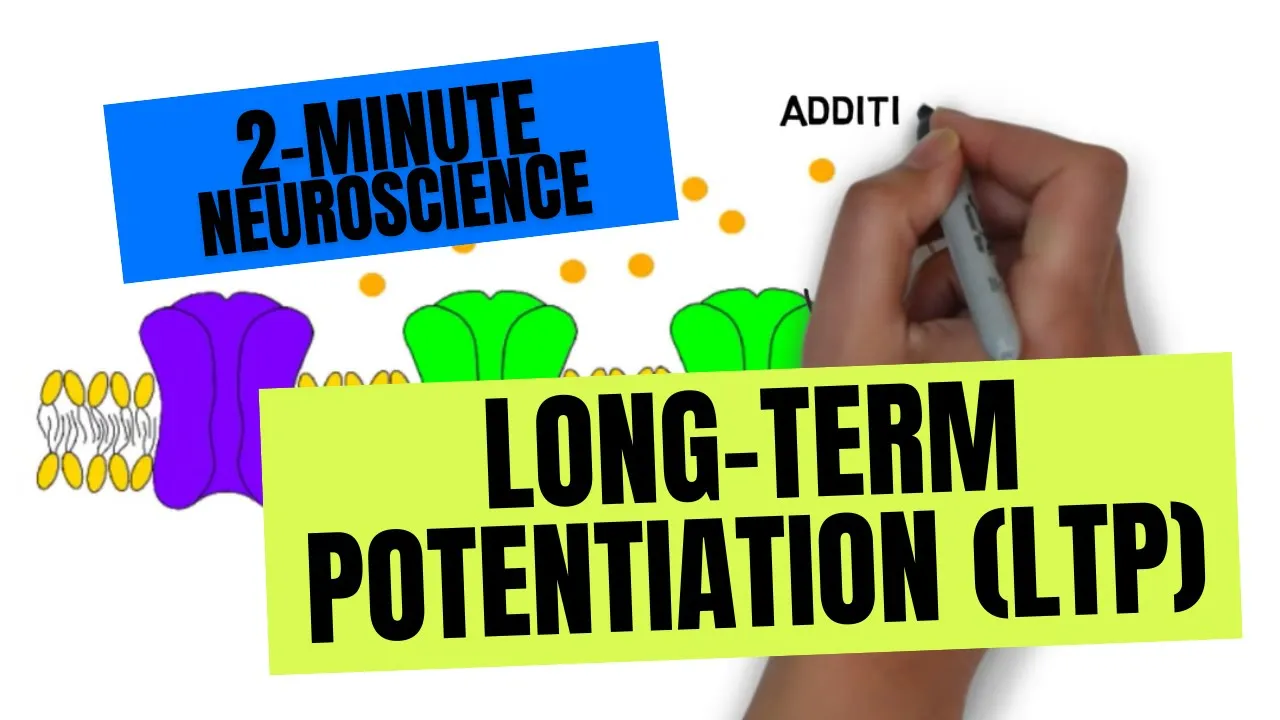



Neurons communicate through action potentials, which are rapid electrical impulses generated when a neuron reaches a threshold voltage (-55 mV), triggering voltage-gated sodium channels to open and cause depolarization to +40 mV, followed by potassium channels opening to repolarize and briefly hyperpolarize the membrane, with the entire process being an all-or-nothing event that propagates down the axon through local currents, and the strength of the signal is encoded by frequency rather than amplitude.
Action Potential Explained: Neuron Communication in Anatomy
Added:Basic anatomy of a neuron, including the dendrites, cell body (soma), axon, and synapse.
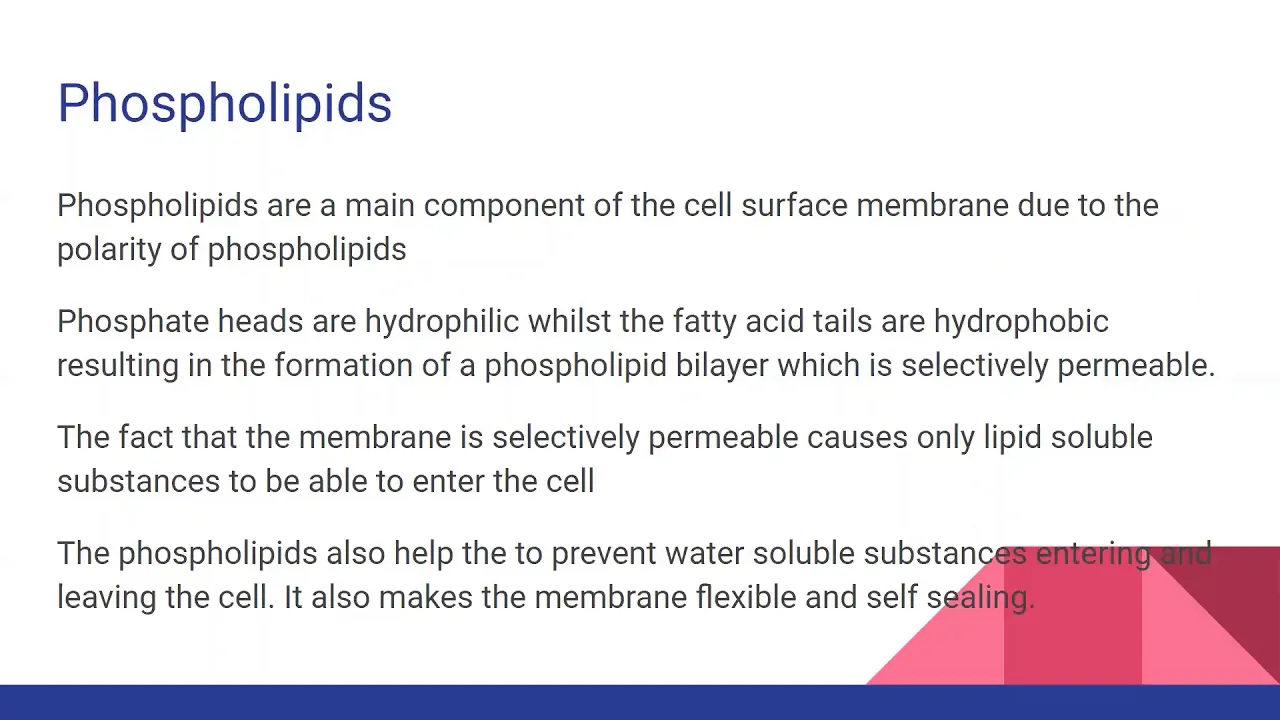
The structure and function of the cell membrane, specifically lipid bilayers and membrane proteins like ion channels.
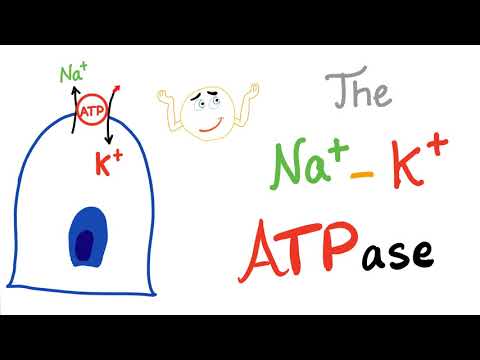
The concept of resting membrane potential and the role of the sodium-potassium pump (Na+/K+-ATPase) in maintaining it.
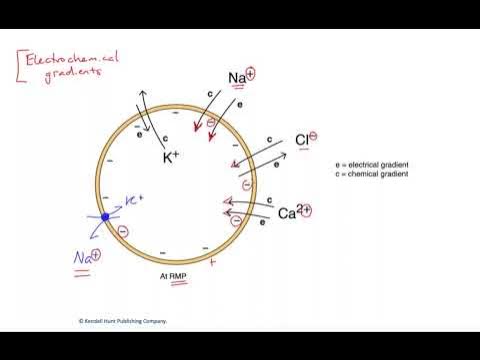
Fundamentals of electrochemical gradients and how ions move across membranes based on concentration and electrical charge.
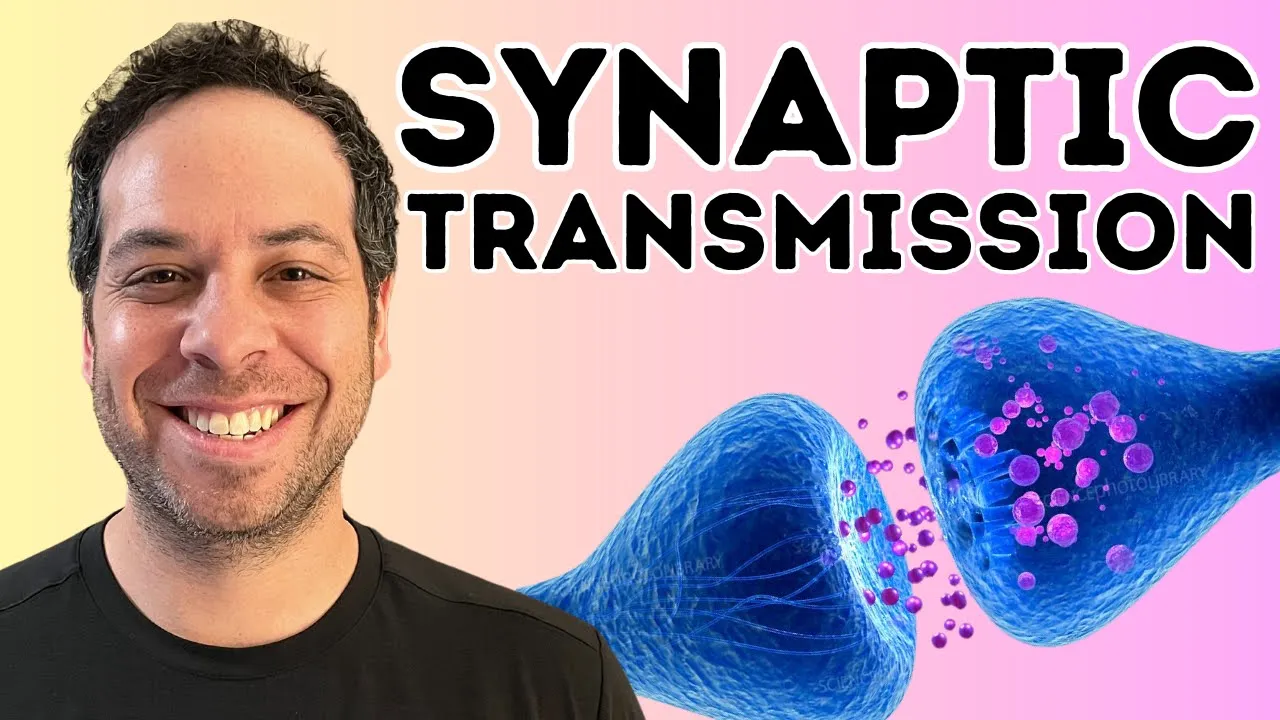
Synaptic transmission, including how an action potential triggers the release of neurotransmitters into the synaptic cleft.
Continuous versus saltatory conduction, focusing on the role of myelin sheaths and Nodes of Ranvier in speeding up nerve impulses.
The physiological effects of neurotoxins (like tetrodotoxin) and local anesthetics (like lidocaine) on voltage-gated ion channels.
The mechanisms of synaptic plasticity, long-term potentiation (LTP), and how neural communication underlies learning and memory.
7.8M views93Klikes11:43Original Release: 2015-03-02
What if everything you did, and thought, and felt could be communicated by pushing a button?
It’d be like using the world’s simplest app -- one that just sends out a little ping, always at the same volume and length -- to communicate everything from, “It sure is cold in here,” to, “I love churros,” to, “Boy, I sure would like to breathe sometime soon.” Well, that is actually exactly how your neurons send ALL the impulses responsible for every one of your actions, thoughts, and emotions.
When a neuron is stimulated enough, it fires an electrical impulse that zips down its axon to its neighboring neurons.
But they’ve only got one signal that they can send, and it only transmits at one uniform strength and speed.
What they can vary is the frequency or number of pulses -- like this [buzz buzz buzz] is distinct from this [buzz buzz buzz buzz buzz buzz buzz].
And your brain can translate these signals, reading them like binary code, organizing them by location, sensation, magnitude, and importance, so that you know the difference between “turn up the thermostat” and “Oh my gosh I’m on fire.” That buzz, that nerve impulse, is called the action potential.
It’s one of the most fundamental aspects of anatomy and physiology, and really life in general.
It’s happening inside of you right now. And we want to make sure that you understand what all that buzz is about.
Before we delve into how neurons communicate, we’ve first got to understand a little bit of our old friend electricity.
Basically, think of your body as a sack of batteries.
NO, I mean, you don’t look like a sack of batteries, I’m just saying that, your body as a whole is electrically neutral, with equal amounts of positive and negative charges floating around. But certain areas are more positively or negatively charged than others.
And because opposite charges attract, we need barriers, or membranes, to keep positive and negative charges separate until we’re ready to use the energy that their attraction creates.
In other words, we keep ‘em separated to build potential.
A battery just sitting on its own has both a positive and negative end, and the potential to release energy. But it doesn’t do anything until it’s hooked up to a flashlight or a phone or a kids’ toy that lets those charges move toward each other, on the way converting electricity into light, or sound, or children’s laughter.
In much the same way, each neuron in your body is like its own little battery with its own separated charges.
It just needs an event to trigger the action that brings those charges together.
If you’re thinking that this sounds more like engineering than anatomy, that might not be a bad thing. It might even help to think of your neurons in the same terms an electrician might use.
Voltage, for example, is the measure of potential energy generated by separated charges. It’s measured in volts, but in the case of your body, we use millivolts because it’s a pretty small amount.
In a cell, we refer to this difference in charge as the membrane potential. The bigger the difference between the positive and negative areas, the higher the voltage, and the larger the potential.
And just like there’s voltage in your body, there’s also current -- the flow of electricity from one point to another. The amount of charge in a current is related both to its voltage and its resistance.
Resistance is just whatever’s getting in the way of the current. Something with a high resistance is an insulator, like plastic, and something with a low resistance is a conductor, like metal.
Now, when we talk about these concepts in terms of you, we’re typically talking about how currents indicate the flow of positively or negatively charged ions across the resistance of your cells’ membranes.
And again, these membranes separate the charges, so they’re what provide the potential to convert the electricity into something useful.
K, now that we’ve got Electricity 101 down, let's see how it works inside your nervous system.
A resting neuron is like a battery just sitting in that sack that is you. When it’s just sitting there, it’s more negative on the inside of the cell, relative to the extracellular space around it.
This difference is known as the neuron’s resting membrane potential, and it sits at around -70 millivolts.
Where do those charges come from?
Outside of a resting neuron, there’s a bunch of positive sodium ions floating around, just lingering outside the membrane.
Inside, the neuron holds potassium ions that are positive as well, but they’re mingled with bigger, negatively-charged proteins. And since there are more sodium ions outside than there are potassium ions inside, the cell’s interior has an overall negative charge.
When a neuron has a negative membrane potential like this, it is said to be polarized.
Now, these ions didn’t just show up in this arrangement on their own. This is all orchestrated by one of the most important bits of machinery in your nervous system, the sodium-potassium pump.
This little protein straddles the membrane of the neuron, and there are tons of them all along the axon. For every two potassium ions it pumps into the cell, it pumps out three sodium ions.
This creates a difference in the concentration of sodium and potassium, and a difference in charges -- making it more positive outside the neuron.
This difference is an electrochemical gradient, and you probably know enough about biology by now to know that NATURE HATES GRADIENTS! It wants to even out all of those inequalities, in concentration and in charge, to restore balance.
But the only way to even out that gradient, is for the ions to pass across the membrane.
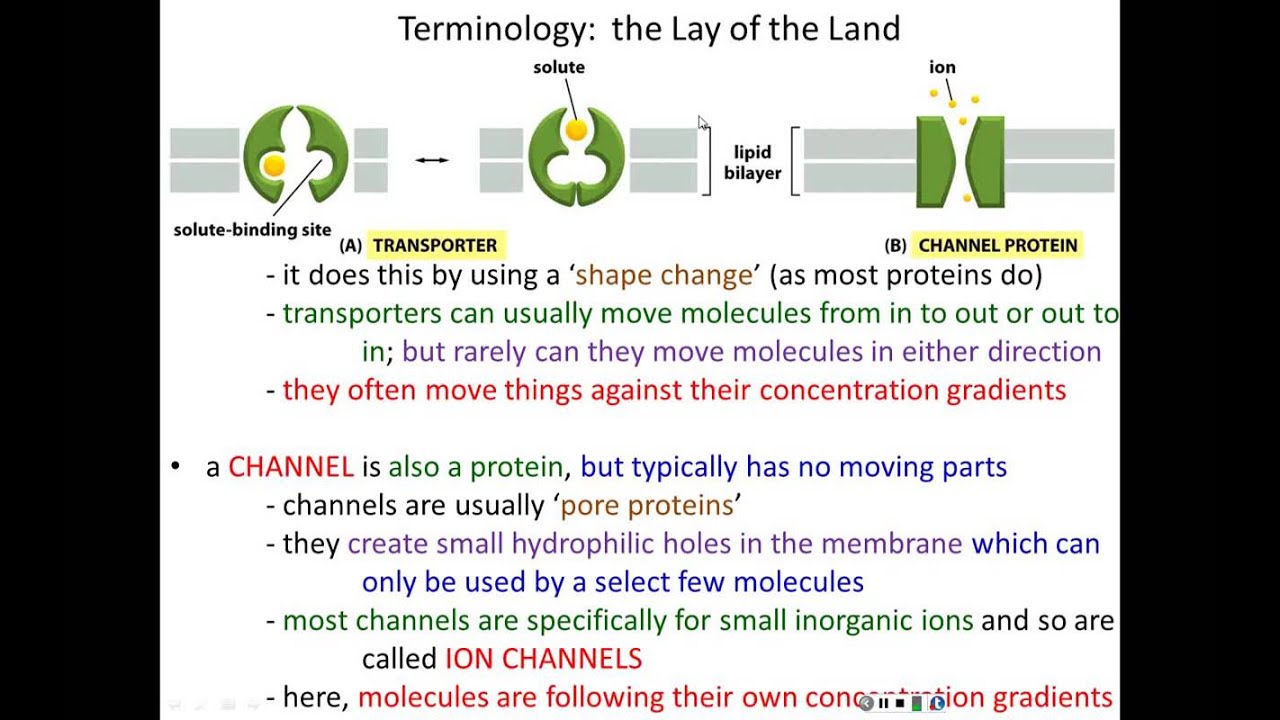
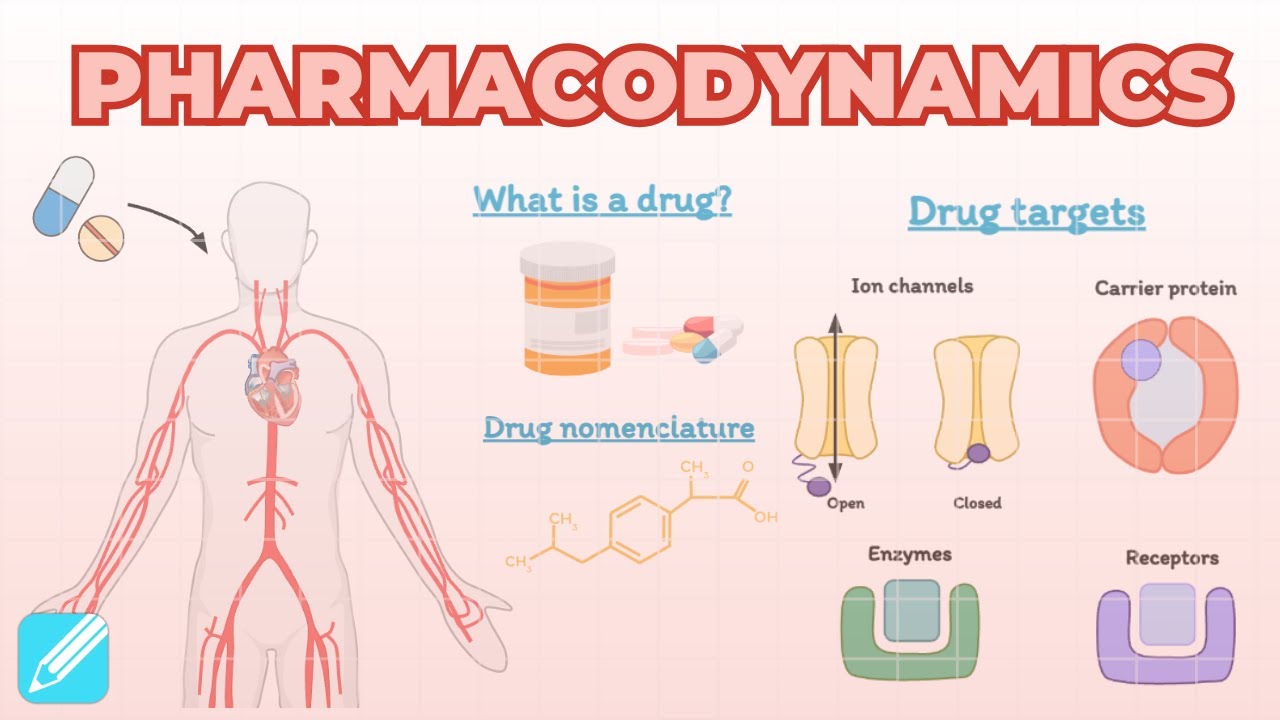
Thankfully, the sodium-potassium pump isn’t the only way in or out of the cell -- the membrane is also riddled with ion channels, large proteins that can provide safe passage across the membrane, when their respective gates are open.
And these gates open and close for different reasons, depending on their structure and purpose.
Most are voltage-gated channels, which open at certain membrane potentials, and close at others. For example, sodium channels in your neurons like to open around -55 mV.
But some others are ligand gated channels -- they only open up when a specific neurotransmitter, like serotonin, or a hormone latches on to it.
And then we also have mechanically gated channels, which open in response to physically stretching the membrane.
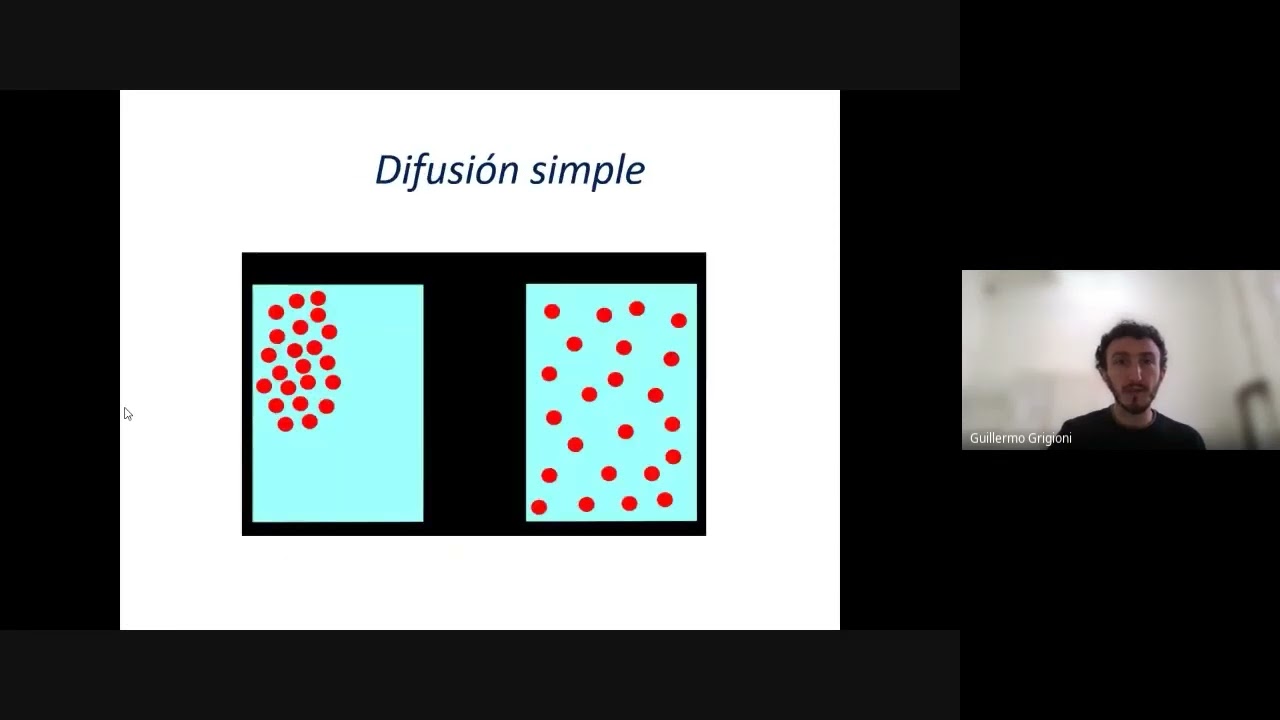
In any case, when the gates do open, ions quickly diffuse across that membrane down their electrochemical gradient, evening out the concentrations, and running away from other positively charged ions.
This movement of ions is the key to all electrical events in neurons, and thus is the force behind every. single. thing. we think, do, and feel.
Of course, not all of your body’s electrical responses are the same. And neither are the flows of ions going in and out of your neurons.
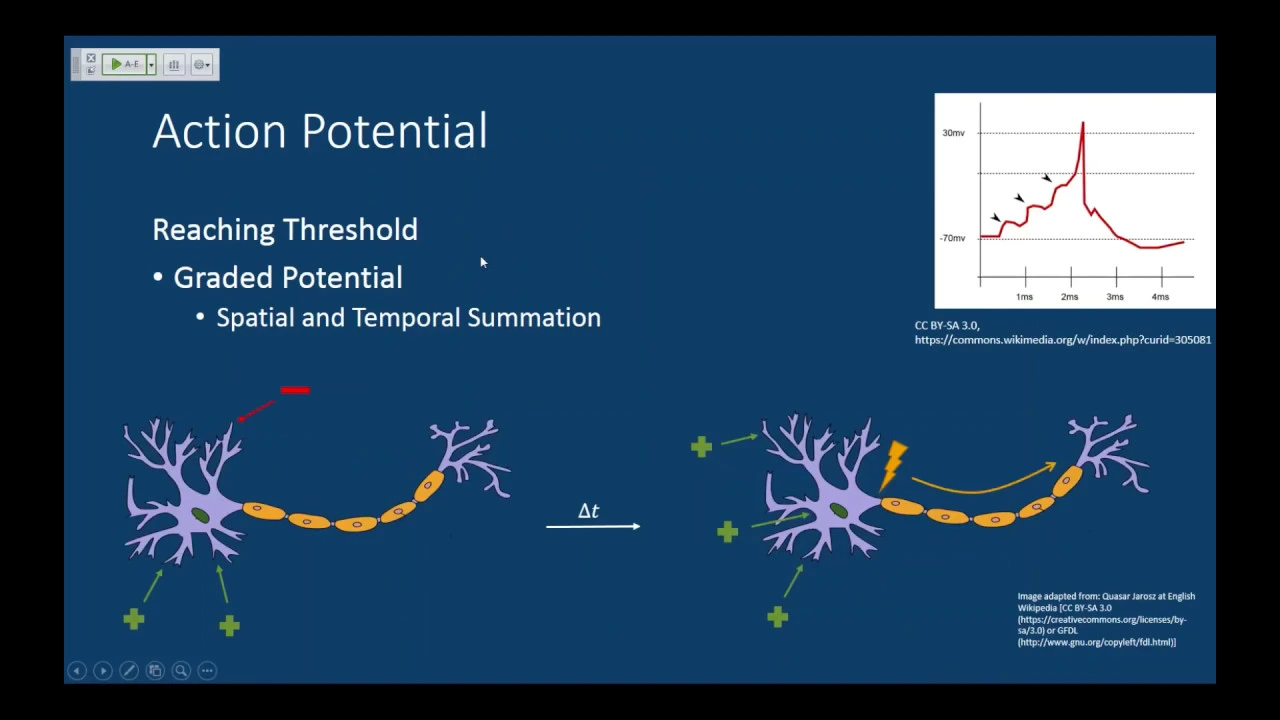
If only a few channels open, and only a bit of sodium enters the cell, that causes just a little change in the membrane potential in a localized part of the cell. This is called a graded potential.
But in order to send long-distance signals all the way along an axon, you need a bigger change -- one big enough to trigger those voltage-gated channels.
That is an action potential!
And your best bet for making that happen is to depolarize that resting neuron -- I mean, cause a big enough change in its membrane potential that it’ll trigger the voltage-gated channels to open.
It all starts with your neuron sitting there at resting state. All of the ion channels are closed, and the inner voltage is resting at -70 mV.
And then something happens! Some environmental stimulus occurs -- say like a spider brushes up against a tiny hair on your knee -- triggering those sodium channels to open, increasing the charge inside the membrane.
Now, the stimulus -- and the resulting change -- have to be strong enough to cross a threshold for the true action potential to kick in and that threshold is about -55 mV.
Remember that number. Because this is an all-or- nothing phenomenon. If the stimulus is too weak, and the change doesn’t hit that level, it’s like a false alarm -- the neuron just returns to its resting state.
But kind of like Doc Brown hitting 1.21 gigawatts in the Delorean, once it hits that threshold -- you’re not going to travel in time, but you are going to see some serious action potential.
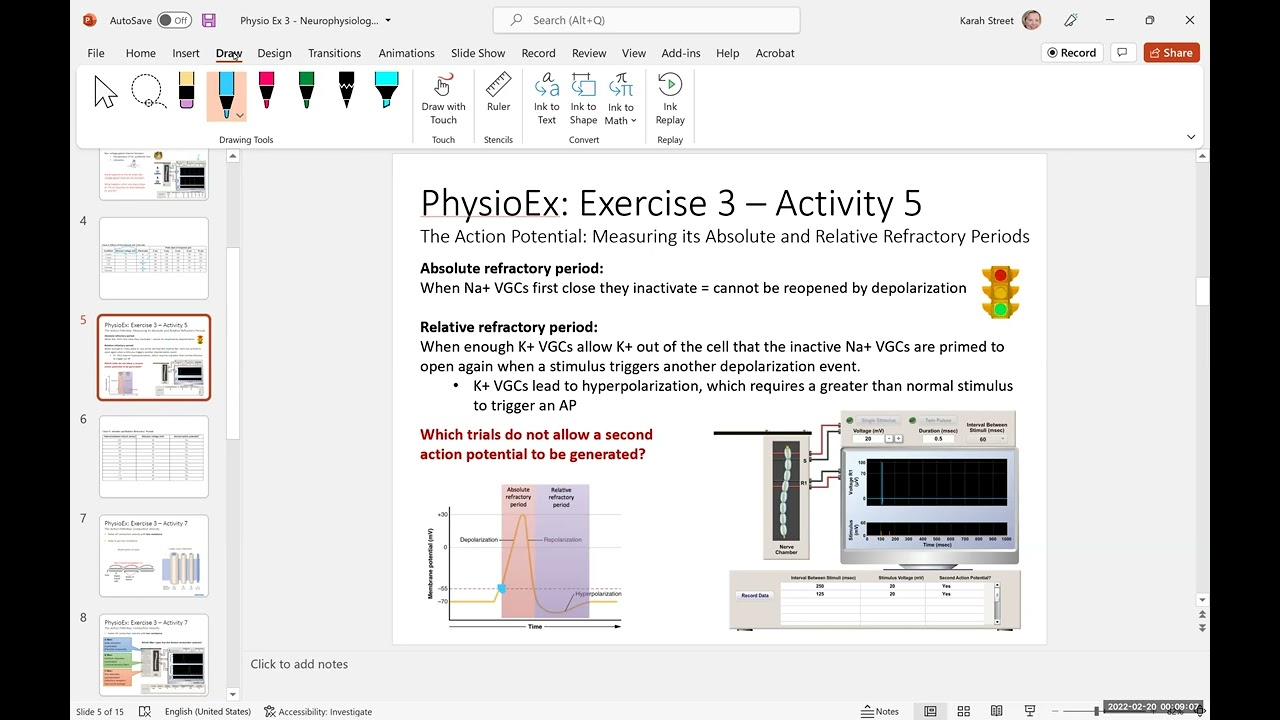
At that threshold, the voltage-gated sodium channels open, and there are tons of these, so all of the positive sodium ions rush in, making the cell massively depolarized -- so much so that it actually goes positive, up to about positive 40 mV.
This is action potential in … action.
It’s really just a temporary reversal of a membrane potential -- a brief depolarization caused by changes in currents.
And unlike graded potentials, which are small and localized, an action potential kicks off a biological chain reaction, which sends that electrical signal down the axon.
Because each of your neurons has lots of voltage-gated sodium channels. So when a few in one area open, that local current is strong enough to change the voltage around them. And that triggers their neighbors, which triggers the voltage around them, and so on down the line.
As soon as all that’s underway, the process of repolarization kicks in. This time the voltage-gated potassium ion channels open up, letting those potassium ions flow out, in an attempt to rebalance the charges.
If anything, it goes too far at first, and the membrane briefly goes through hyperpolarization: Its voltage drops to -75 or so mV, before all of the gates close and the sodium-potassium pumps take over and bring things back to their resting level.
Now when part of an axon is in the middle of all this, and its ion channels are open, it can’t respond to any other stimulus, no matter how strong. This is called the refractory period, and it’s there to help prevent signals from traveling in both directions down the axon at once.
So that is the surprisingly simple app that your nervous system uses to let you experience the world.
And because the voltages in this process are always pretty much the same -- the initial threshold around -55 mV, and the peak at depolarization at +40 mV -- your neurons only communicate in a single, monotone buzz.
It doesn’t matter if it’s a spider on your knee or an elephant, a paper cut or stab wound, the strength of that action potential is always the same.
What does change is the frequency of the buzz.
A weak stimulus tends to trigger less frequent action potentials. And that includes if the stimulus is coming from you, like your brain telling your muscles to perform some task.
If I need to do something delicate, like pick up an egg, the signal is low-frequency: [buzz...buzz...buzz...] But a more intense signal -- like trying to crush a can -- increases the frequency of those action potentials to tell your muscles to contract harder, and the message turns into something that you can’t ignore -- [buzzbuzzbuzzbuzz] Action potentials also vary by speed, or conduction velocity.
They’re fastest in pathways that govern things like reflexes, for example, but they’re slower in places like your glands, guts, and blood vessels.
And the factor that affects a neuron’s transmission speed the most, is whether there’s a myelin sheath on its axon.
Axons coated in insulating myelin conduct impulses faster than non-myelinated ones, partly because, instead of just triggering one channel at a time in a chain reaction, a current can effectively leap from one gap in the myelin to the next.
These little gaps are the delightfully named Nodes of Ranvier, and this kind of propagation is known as saltatory conduction, from the Latin word for “leaping.” But what happens when an action potential hits the end of its axon and is ready to do more than leap … and jump all the way to another neuron?
That you will find out next time!
Today you learned how your body is kinda like a big bag o’ batteries, and how ion channels in your neurons regulate this electrochemistry to create an action potential, from resting state to depolarization to repolarization and a brief bout of hyperpolarization.
Thanks for watching, especially to all of our Subbable subscribers, who make Crash Course possible for themselves and for everyone else. To find out how you can become a supporter, just go to subbable.com.
This episode was written by Kathleen Yale. The script was edited by Blake de Pastino, and our consultant is Dr. Brandon Jackson. It was directed by Nicholas Jenkins and Michael Aranda, and our graphics team is Thought Café.
One more thing before you leave.
We like Crash Course a lot and we hope that you like Crash Course a lot, but I kind of feel like Crash Course is only useful for a certain segment of the population. Like, once you get to a certain age, then it's good and then forever it can be helpful to people.
But younger people, not so much.
And so we are creating Crash Course Kids. Hosted by Sabrina Cruz from NerdyAndQuirky, Crash Course Kids will start out focusing on fifth grade science, but will keep expanding to other topics as the the channel grows.
Sabrina will be talking about food chains, and gravity, and how the sun works, and how plants eat, and why flamingos are pink, and many other topics.
Oh, and another note: teachers, you can rest assured that we've got you covered. There will be info about the standards we've used to make sure that we're doing our very best to help you out. So, if you are a teacher or you know a teacher or you know a child or you know someone who has a child or you've ever seen a child, you can tell them to go to youtube.com/CrashCourseKids and subscribe and you can go do that as well if you would find that kind of content useful or interesting.
Up Next
11:47
Neural Control & Coordination: Synapse Explained | NEET Biology
@NeelaBakoreTutorials
78.3K views•2017-03-24

50:12
Bacterial Communication: Quorum Sensing and Biofilm Formation Explained
@JHUAAP
12.6K views•2011-06-28

11:04
Population Genetics: Darwin Meets Mendel | HHMI BioInteractive
@crashcourse
1.8M views•2012-05-28
7:08
Bacteriophages: Earth's Deadliest Killers and Future Antibiotics
@kurzgesagt
34.6M views•2018-05-13
Related Study Plans & Knowledge Roadmaps
Structured learning paths in Biology
biology
RNAi: Biogenesis, RISC & Gene Silencing
01Molecular Biology Foundations: DNA to Protein
02Introduction to RNA Interference (RNAi)
03Molecular Biogenesis of miRNA and siRNA
+ 2 more learning modules
10h5 modules
Explore Roadmap
biology
Mycorrhizae: Signaling, Biophysics & Ecology
01Foundations of Mycorrhizal Symbiosis
02Molecular Signaling and Root Colonization
03Biophysics and Bioenergetics of Nutrient Exchange
+ 1 more learning modules
11h4 modules
Explore Roadmap
biology
Circadian Clocks: TTFL, SCN & Periphery
01Foundations of Molecular Biology & Gene Expression
02Introduction to Chronobiology and Actograms
03The Core TTFL: Molecular Architecture of the Clock
+ 3 more learning modules
14h6 modules
Explore Roadmap
biology
Population Genetics: Math, Drift & Selection
01Genetic & Probability Foundations
02The Hardy-Weinberg Principle and Baseline Models
03Mathematical Modeling of Natural Selection
+ 3 more learning modules
18h6 modules
Explore Roadmap