


![Erregungsweiterleitung an der Synapse / Chemische Synapse [Neurobiologie, Oberstufe]](https://i.ytimg.com/vi/g2vKt1zT6tM/sddefault.jpg)


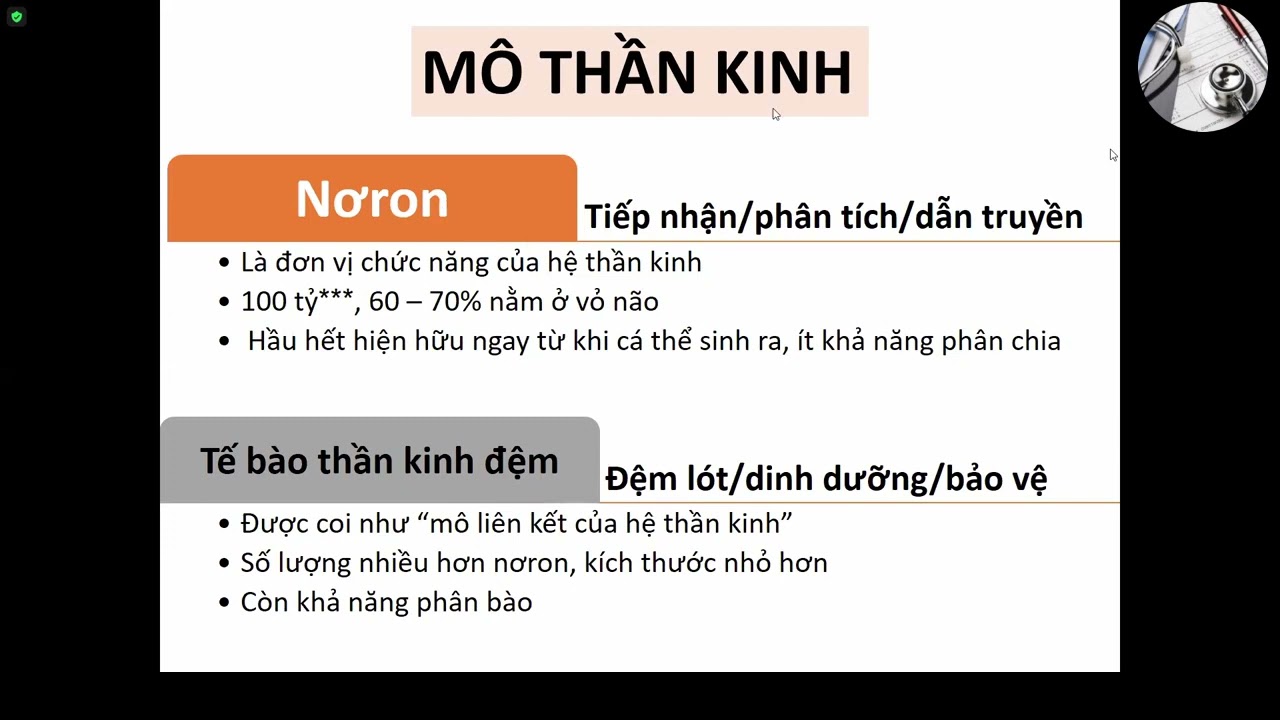






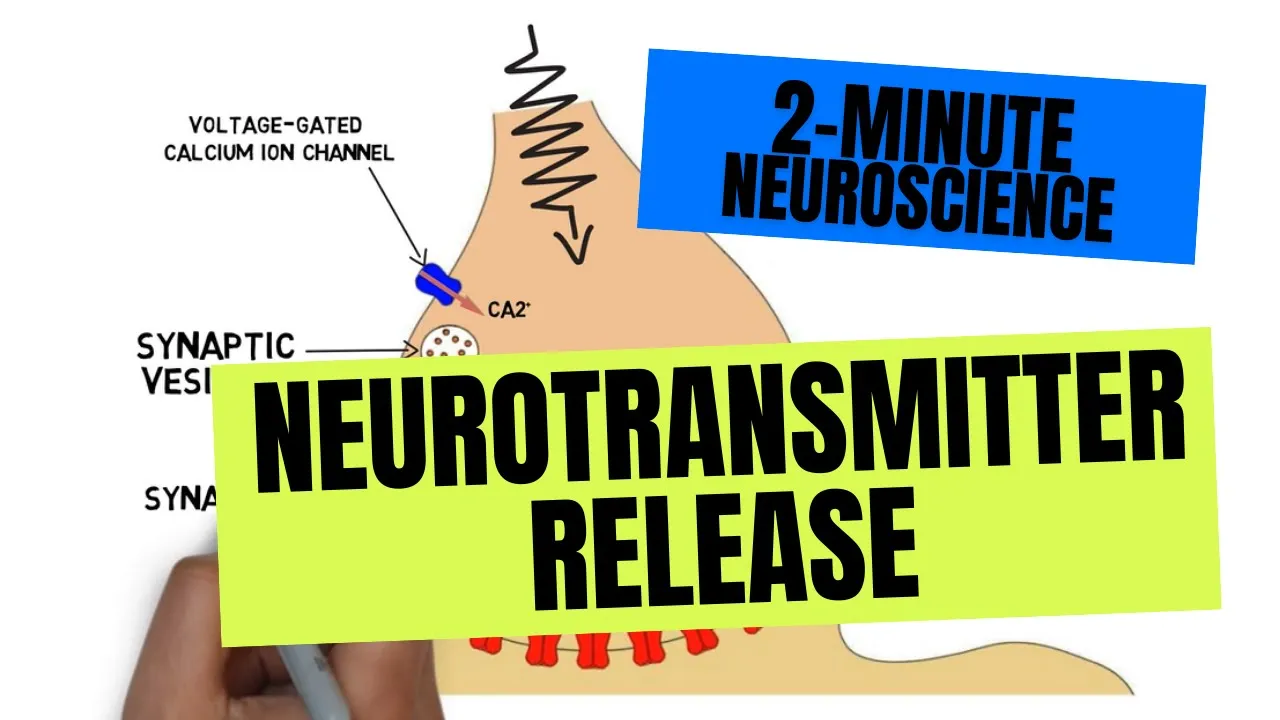







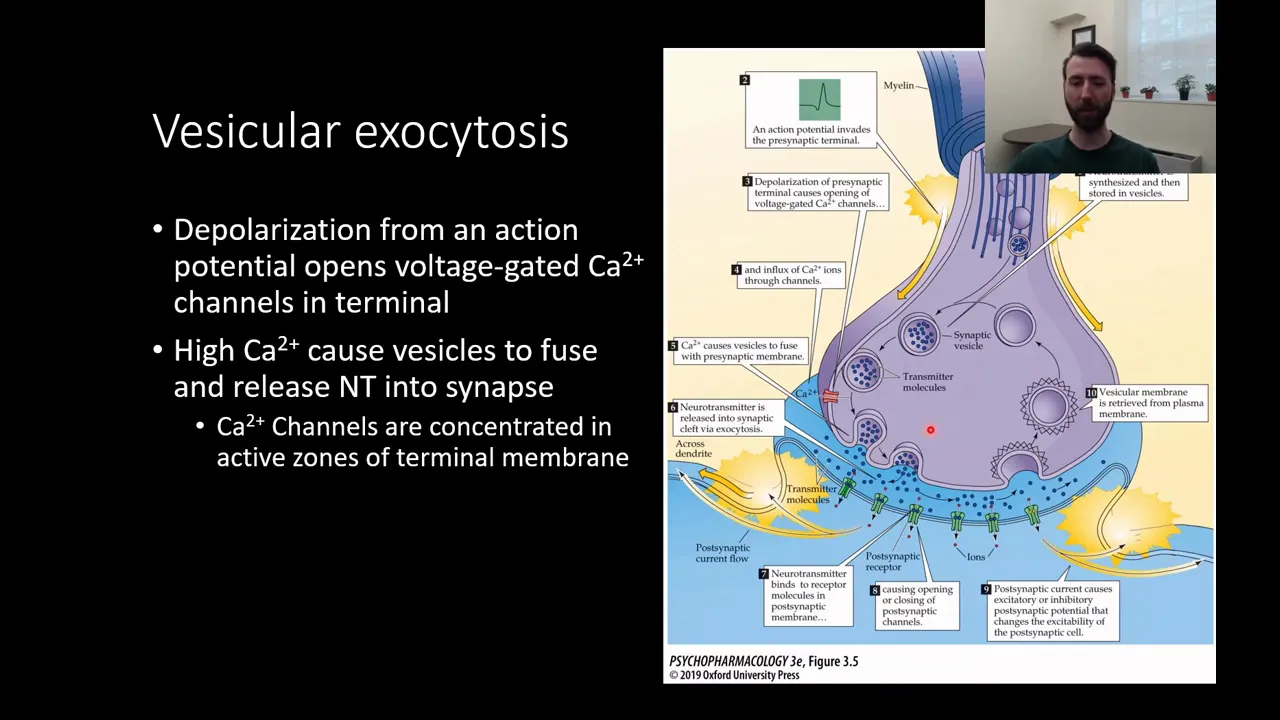


Neurotransmitter release occurs when an action potential opens voltage-gated calcium channels at the axon terminal, causing calcium influx that triggers synaptic vesicles to fuse with the presynaptic membrane and release neurotransmitters into the synaptic cleft, with the frequency and duration of action potentials determining the amount and duration of neurotransmitter present.
Neurotransmitter Release: Voltage-Gated Calcium Channels
Added:Understanding the generation and propagation of an action potential along an axon.
Familiarity with basic neuronal anatomy, specifically the structure of the presynaptic terminal, synaptic cleft, and postsynaptic membrane.
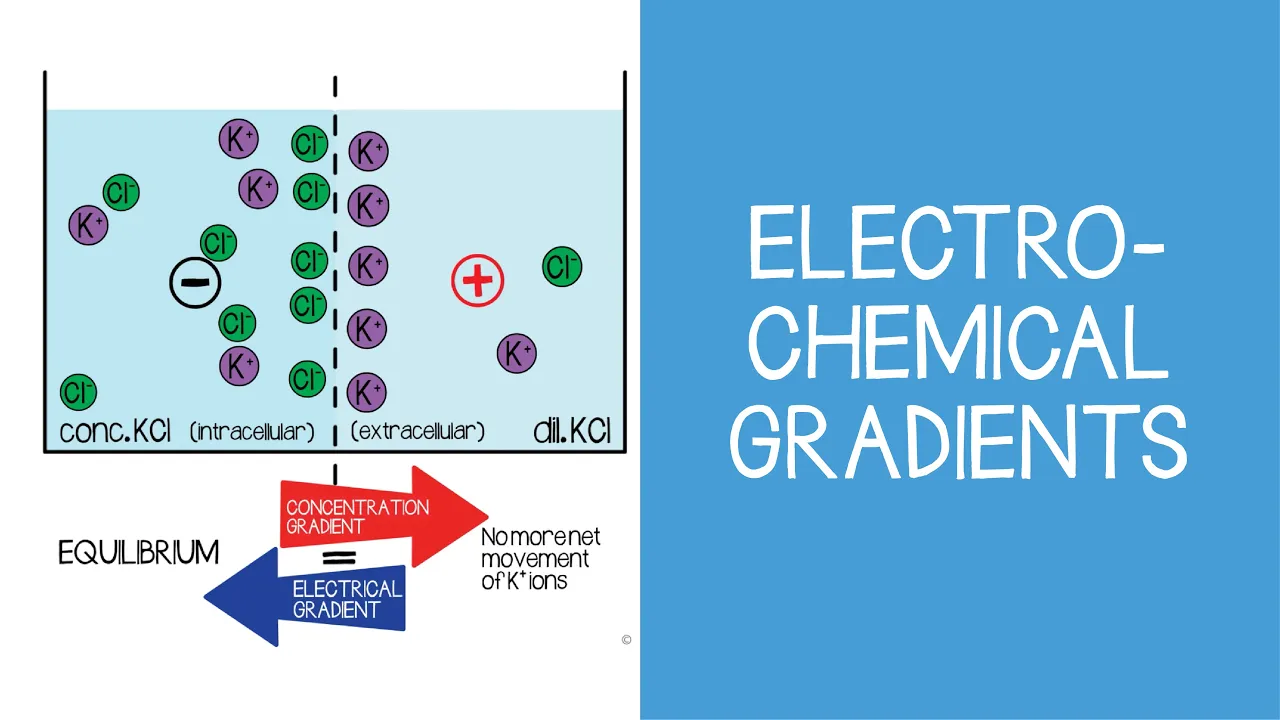
Knowledge of electrochemical gradients and how resting membrane potential is maintained by ion selective permeability.
The general concept of voltage-gated ion channels and how they open in response to membrane depolarization.
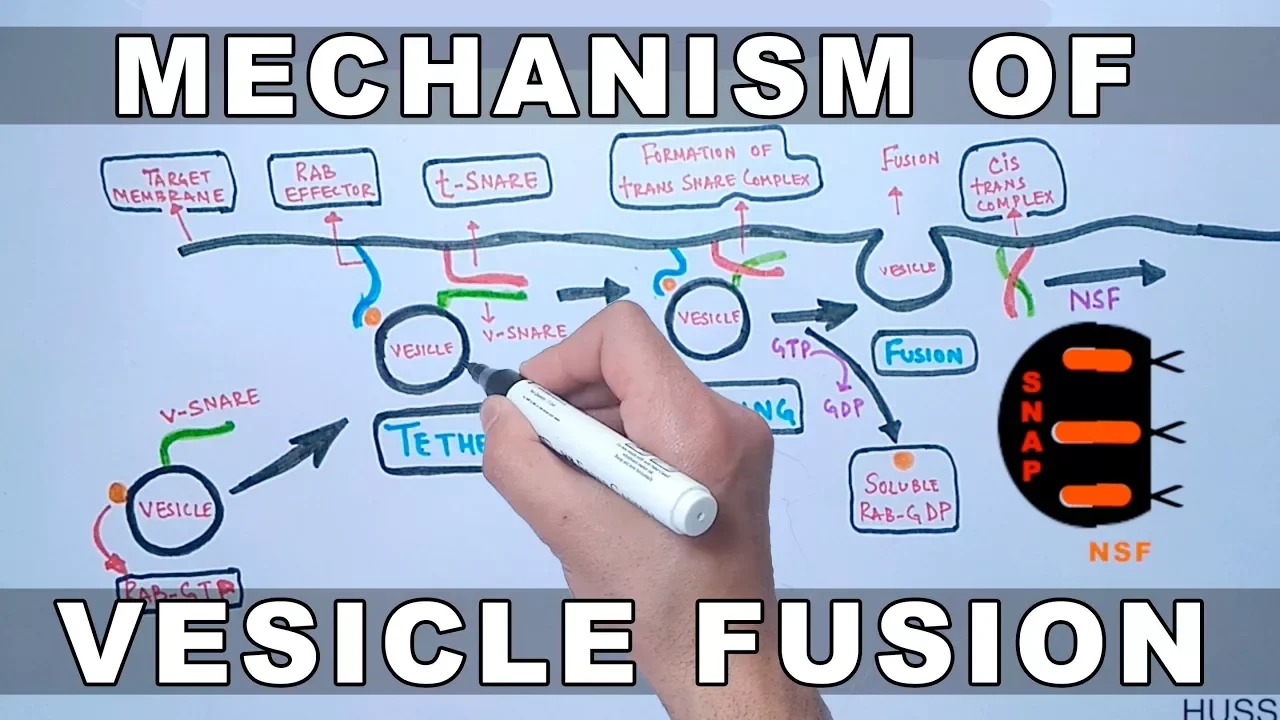
The specific molecular mechanisms of vesicle docking and fusion, focusing on the roles of SNARE proteins and the calcium sensor synaptotagmin.
Postsynaptic events, including how neurotransmitters bind to ligand-gated ion channels and GPCRs to generate EPSPs or IPSPs.
Mechanisms of neurotransmitter clearance from the synaptic cleft, such as active reuptake transporters, glial uptake, and enzymatic degradation.
Pharmacological and clinical implications, such as how therapeutic drugs or neurotoxins (e.g., botulinum toxin, conotoxins) target voltage-gated calcium channels or vesicle release.
256.8K views1.7Klikes4:19Original Release: 2014-02-03
Voiceover: In this video, I want to talk about how neurotransmitter is released at the synapse.
In the last video, we went over the structure of a typical chemical synapse with an axon terminal like I've drawn here in green that have synaptic vesicles full of neurotransmitter and we talked about how on the postsynaptic membrane of the target cell, there are receptors for those neurotransmitter molecules, but the question is, how do the neurotransmitter molecules get out of these synaptic vesicles in the axon terminal to cross the synaptic cleft and bind to their receptors?
To understand neurotransmitter release, we need to talk about this new type of ion channel.
This is a voltage gated calcium channel.
We talked about voltage gated sodium and potassium channels when we talked about the action potential that at the axon terminal there are these voltage gated calcium channels that play a big role in neurotransmitter release.
When the action potential comes down the axon and reaches the axon terminal, the action potential will change the membrane potential at the axon terminal and it will open these voltage gated calcium channels.
When these voltage gated calcium channels open, calcium will flow in to the axon terminal because that's at a much higher concentration outside the neuron than inside the neuron, so it will flow in and increase the concentration of calcium here inside the axon terminal.
And you just draw a couple of these, but there are lots of them, of course.
The increase concentration of calcium inside the axon terminal when these voltage gated calcium channels are open are going to cause changes to proteins on the synaptic vesicles and proteins on the presynaptic membrane of the axon terminal and they're going to cause them to interact and fuse, so let me just erase these little bits of membranes here and draw how these are actually fusing together so that now the inside of the synaptic vesicle is actually in communication with the outside of the neuron with the synaptic cleft.
And then by diffusion, the neurotransmitter molecules will exit the axon terminal and they'll flow out into the synaptic cleft and there will be lots of neurotransmitter now in the synaptic cleft where there wasn't before.
And remember, I've drawn this too large, it's actually a very small distance, so the neurotransmitters has no problem diffusing across and binding to its receptor on the postsynaptic membrane of the target cell.
Now, recall we talked about the information contained in action potentials is really contained in the frequency and the duration of a train or a series of action potentials being fired down the axon of the neuron.
Well, that information is now going to be converted into the amount and duration that neurotransmitter is present in the synaptic cleft and the way that that happens is that an increase frequency of action potentials reaching the axon terminal will cause more openings of these voltage gated calcium channels, so they usually more calcium will flow into the axon terminal and an increase concentration in the axon terminal will cause more synaptic vesicles to fuse with the presynaptic membrane so that a greater amount of neurotransmitter is released into the synaptic cleft and the longer duration of a train of action potentials will cause neurotransmitter release to occur over a longer period of time, so there's a longer duration of neurotransmitter being present in the synaptic cleft.
So this is the way the information contained in the frequency and duration of a train of action potentials is converted into the amount and duration of neurotransmitter present in the synaptic cleft and that information is passed on to the target cell by a neurotransmitter binding to the receptors and the number of receptors that binds to and the duration of time the neurotransmitter is bound to receptors is related to the amount and the duration of neurotransmitter in the synaptic cleft.
And when the train of action potentials stops firing the voltage gated calcium channels will close, calcium will stop flowing into the axon terminal and the normal processes that push calcium out of the neuron will quickly lower that concentration of calcium in the axon terminal and synaptic vesicles will stop fusing with the presynaptic membrane and neurotransmitter will stop being released.
Up Next
9:56
Two Types of Receptors: Ionotropic & Metabotropic Explained
@InteractiveBiology
139.7K views•2011-01-17
21:55
Deciphering Neural Circuits Controlling Anorexia in Mice | Richard Palmiter
@AllenInstitute
2.3K views•2011-10-10

5:27
Microglia: Structure and Function in CNS Inflammation
@khanacademymedicine
123K views•2013-09-24

13:03
How Exercise Benefits Your Brain: Science Explained
@TED
11.4M views•2018-03-21
Related Study Plans & Knowledge Roadmaps
Structured learning paths in Neuroscience
neuroscience
Appetite Regulation: Brain Circuits & Hormones
01Foundations of Endocrinology and Brain Anatomy
02Introduction to Energy Homeostasis
03Peripheral Signals: Leptin, Ghrelin, and Insulin
+ 2 more learning modules
14h5 modules
Explore Roadmap
neuroscience
Neuroeconomics: Value, Risk & Brain Mechanisms
01Foundations of Neuroscience and Brain Anatomy
02Introduction to Neuroeconomics and Subjective Value
03Dopaminergic Prediction Errors & Reinforcement Learning
+ 3 more learning modules
18h6 modules
Explore Roadmap
neuroscience
Spatial Navigation: Cells, Grids & Brain Maps
01Foundations of Brain Anatomy and Memory
02Place Cells and Head-Direction Cells
03Grid Cells: The Brain's Coordinate System
+ 2 more learning modules
12h5 modules
Explore Roadmap
neuroscience
BCIs: Neural Decoding & Prosthetic Control
01Neuroscience Foundations: How the Brain Signals Intent
02Signal Acquisition: Recording the Brain's Activity
03Neural Decoding: Translating Brain Waves into Data
+ 2 more learning modules
25h5 modules
Explore Roadmap