







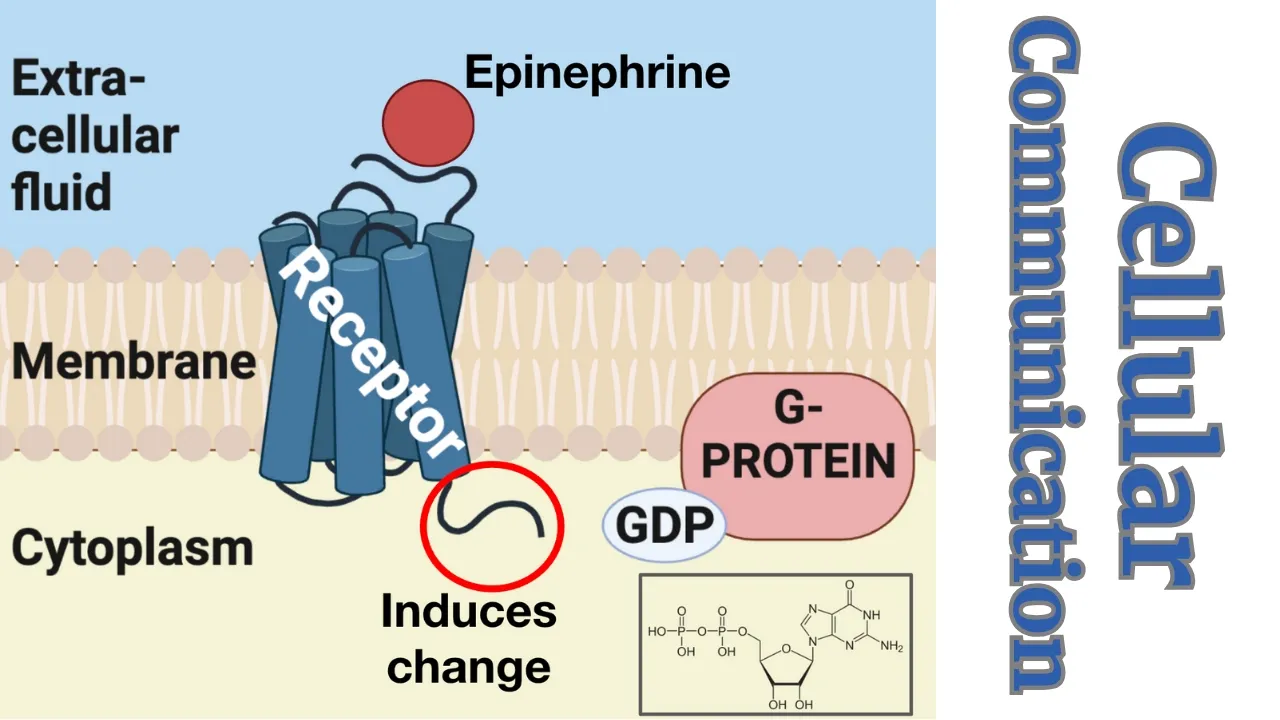









This video explains the two fundamental types of receptors in the nervous system: ionotropic receptors, which are fast-acting and directly open ion channels when neurotransmitters bind, causing rapid changes in membrane potential (such as excitatory postsynaptic potentials from sodium influx or inhibitory postsynaptic potentials from chloride influx); and metabotropic receptors, which are slower-acting and work through G-protein coupled mechanisms that activate second messenger systems, enabling signal amplification where a single neurotransmitter binding can trigger multiple intracellular responses through sequential amplification steps.
Two Types of Receptors: Ionotropic & Metabotropic Explained
Added:Basic structure of a neuron and the process of chemical synaptic transmission.
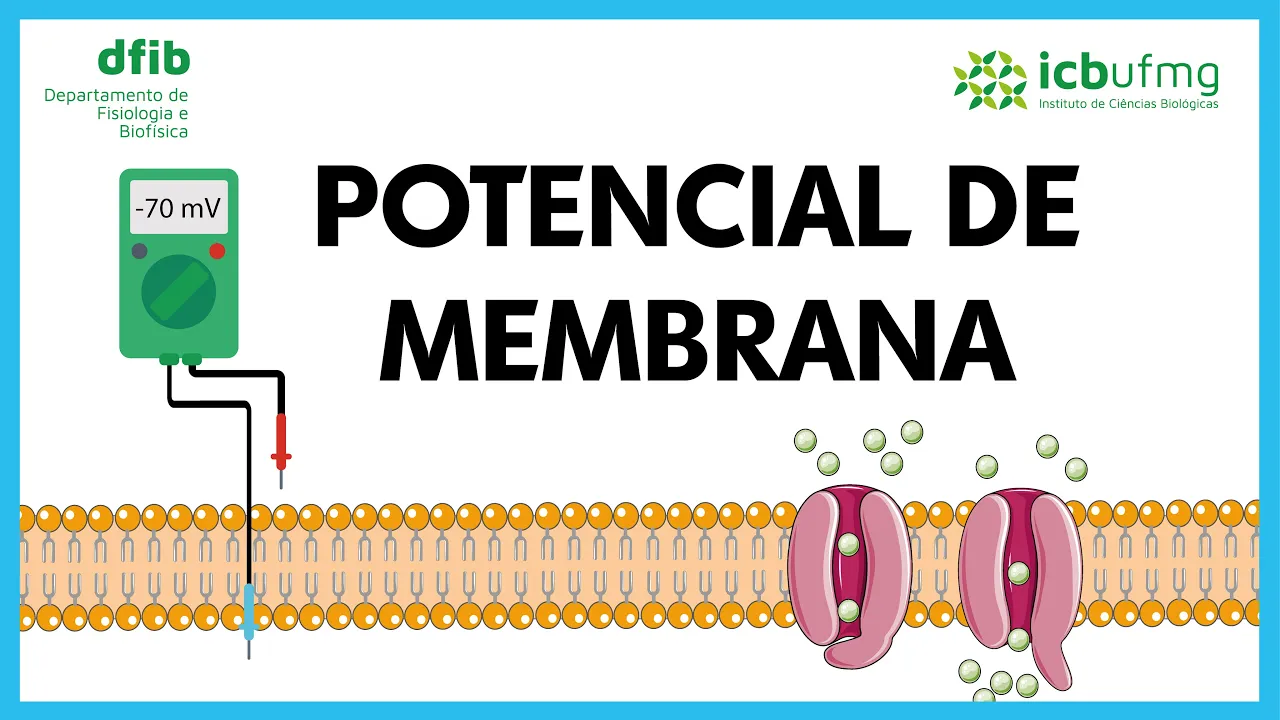
The structure and properties of the cellular membrane, specifically the lipid bilayer and transmembrane proteins.
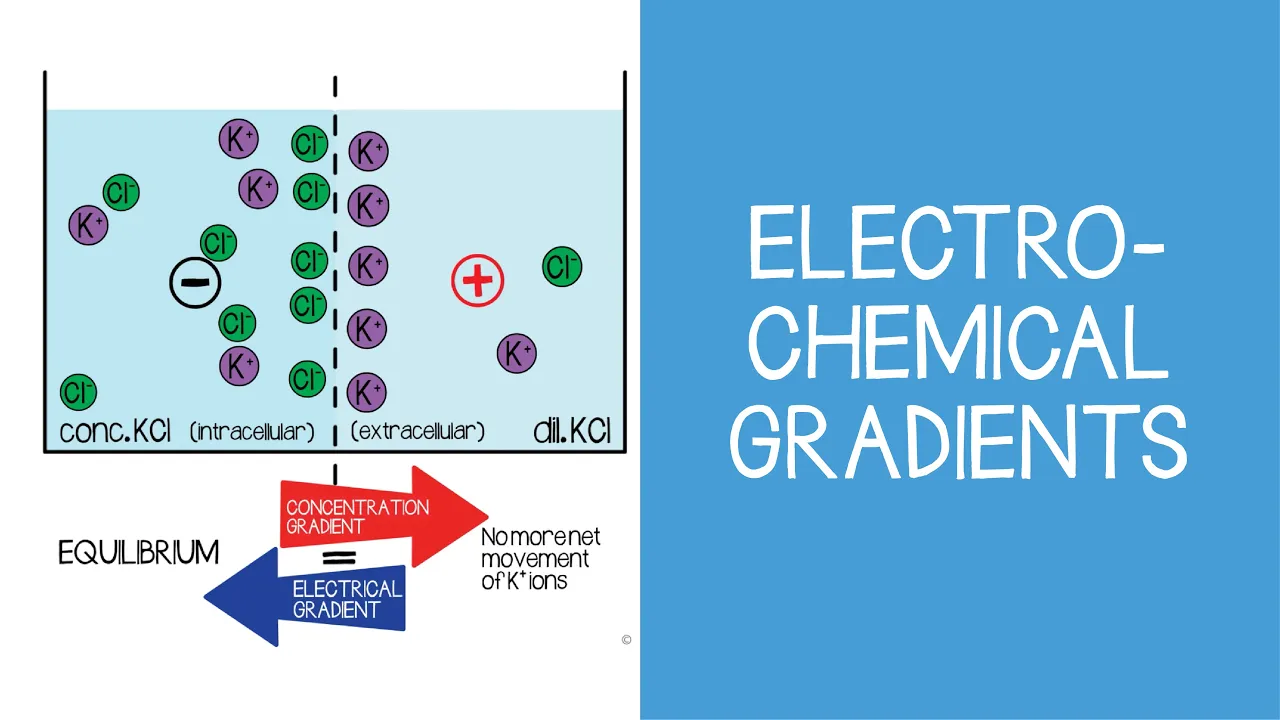
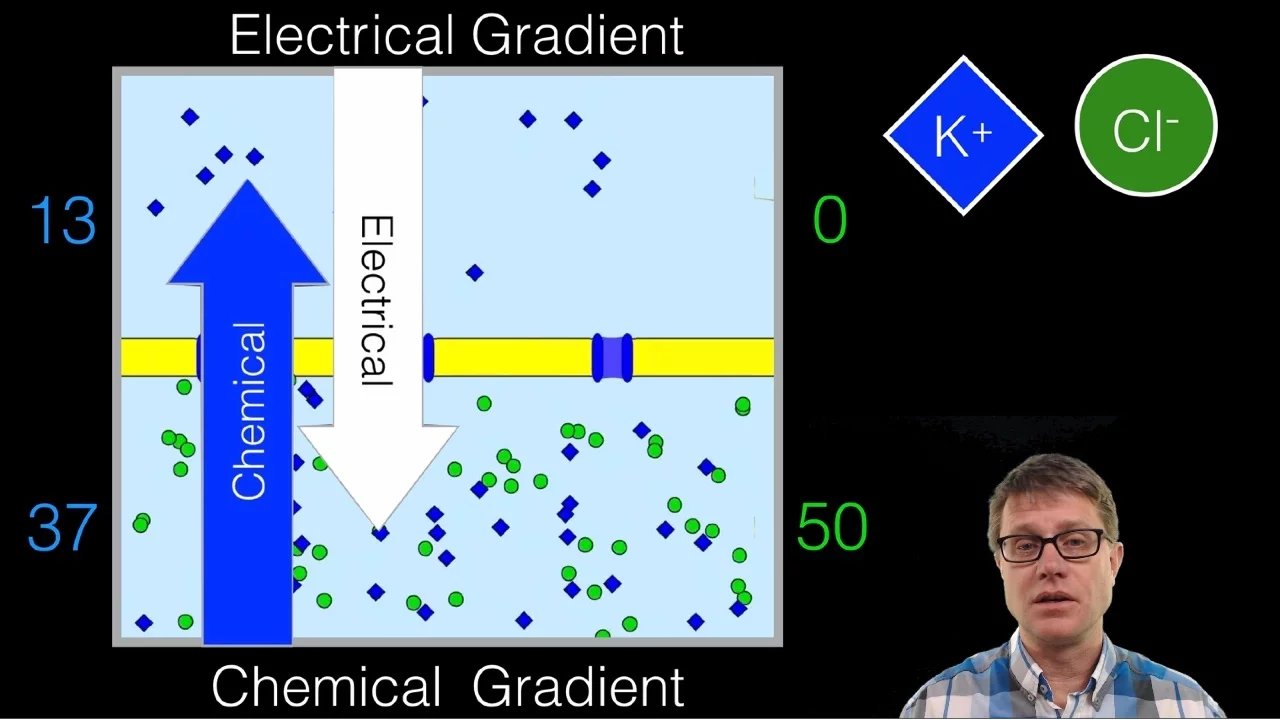
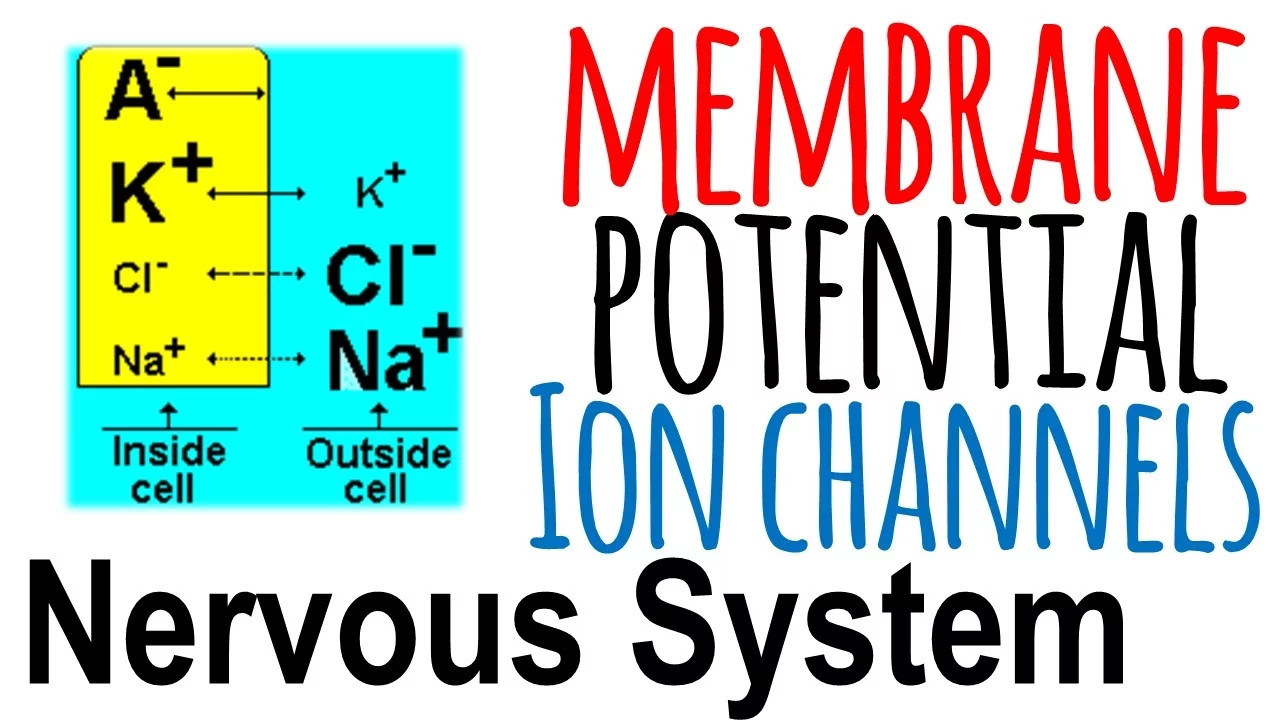
The concept of electrochemical gradients, membrane potential, and how ion channels function.
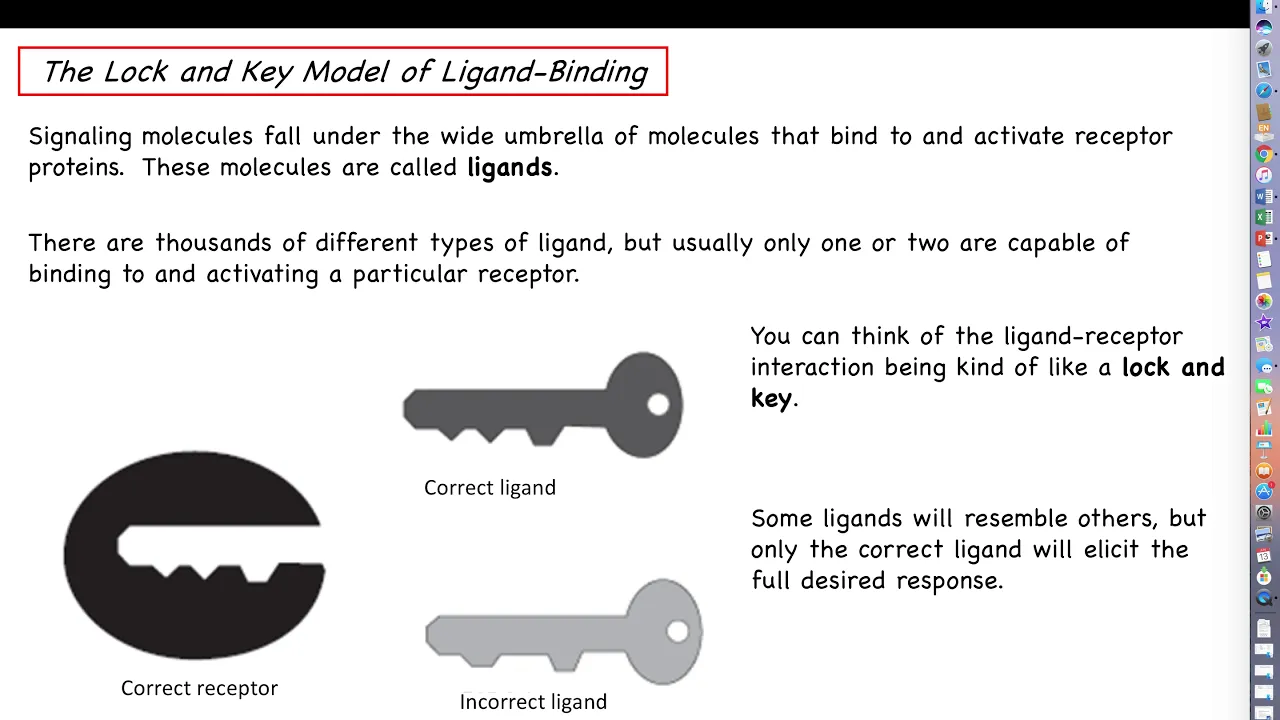
The fundamental principles of ligand-receptor binding and cell-to-cell communication.
Detailed intracellular signaling cascades, focusing on G-proteins, second messengers (like cAMP and IP3), and protein phosphorylation.
Major neurotransmitter receptor subtypes in the human brain, such as GABA-A (ionotropic) versus GABA-B (metabotropic) receptors.
The cellular mechanisms of synaptic plasticity, including Long-Term Potentiation (LTP) and Long-Term Depression (LTD).
Neuropharmacology: how therapeutics and psychoactive drugs selectively target ionotropic or metabotropic pathways to treat neurological disorders.
139.7K views1.2Klikes9:56Original Release: 2011-01-17
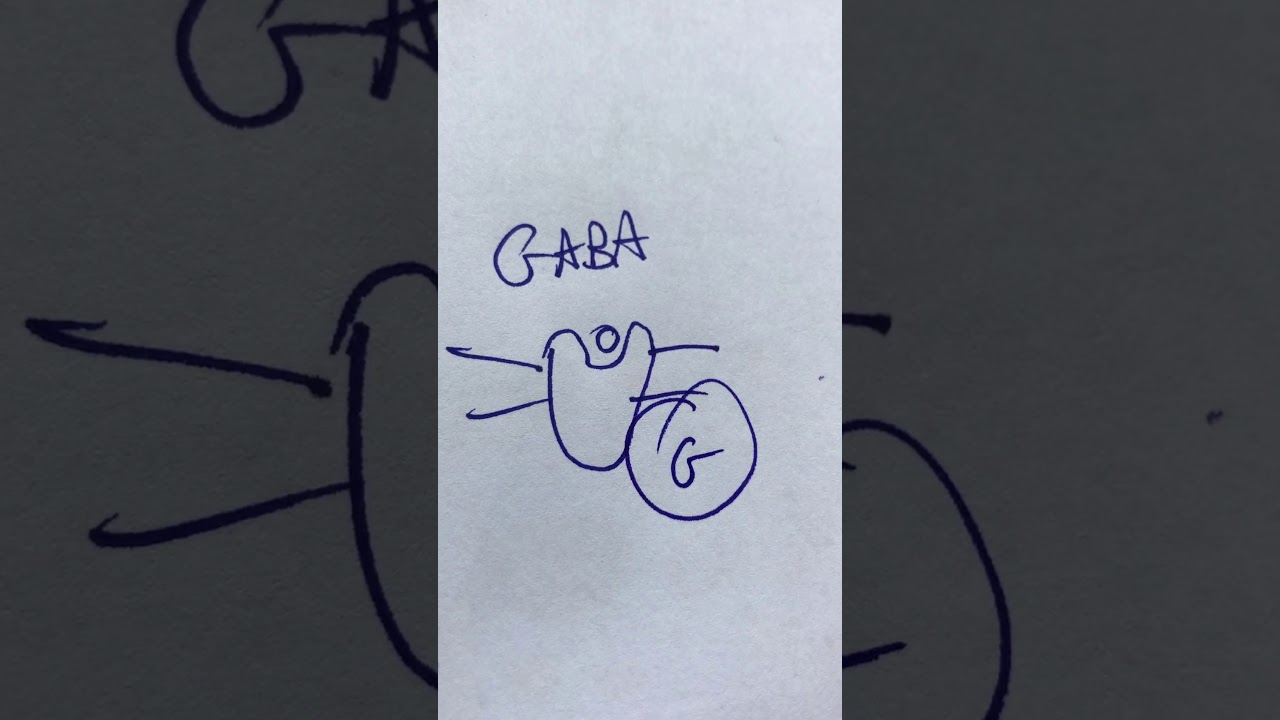
hello and welcome to interactive biology TV where we're making biology fun my name is lesie Samuel and in this episode episode 17 I'm going to be talking about two types of receptors now we've been talking about the nervous system we've been looking at neurons and we've seen how the action potential starts at the axon hilock the signal travels all the way down the axon down to the axon terminals and in episode 16 we looked at how the neurotransmitters are released from the axon Terminals and they bind to receptors on the next cell now what we're going to be doing is looking at those receptors because there are two basic types of receptors the first one is called ionotropic and let me write that here ionotropic recept and the second one is called metabotropic and what we're going to do is we're going to look at the ionotropic receptors first with ionotropic these are very fast acting receptors and what I'm going to do is I'm going to attempt to draw one now let's say here we have a receptor and and this is the cell membrane now we have the signal that comes along the axon of the preceding cell and it releases neurotransmitter so I'm going to say these little dots here are neurotransmitters and they are out they are in the synaptic Clift now what's going to happen if it's an ionotropic receptor the the neurotransmitter is going to come and it's going to bind to the receptor now the way these receptors are set up is relatively simple when the neurotransmitter binds to the receptor that causes the channel to open so I'm going to draw this showing that now there's an open space and then if there are ions that are outside the cell that are specific to that channel those ions can then enter the cell so it's very fast acting the neurotransmitter binds to the receptor and then that channel opens so that the ions can travel inside the cell once again these are ionotropic receptors now of course there are going to be different types of neurotransmitters and different types of receptors that are going to act in this way I'm going to take the example of aetl C Coline as a neurotransmitter so we're going to start with a c h and that's for acetal choline and we're going to call these neurotransmitters aetl choline and the receptor that's the ionotropic receptor for acetylcholine is called the nicotinic receptor and the reason it's called nicotinic is because this is the receptor that acts on and we're going to talk about that in a later episode so acetyl choline comes and actually two acetyl cholines bind to the nicotinic receptor and then that causes sodium ions to rush in and now you know that sodium ions are going to have a positive charge so what do you think that's going to do to the membrane of the cell well of course that's going to make it more positive so I'm going to look at it here let's say I am looking at voltage or membrane potential on the Y AIS and we're going to have time on the x axis and this is the me resting membrane potential when something like this happens it causes sodium to come in that can cause the membrane potential to get this little bump here okay so it increases a little from that sodium rushing into the cell now because this is becoming more positive we're going to call this an excitatory it's getting it excited post synaptic potential epsp excitatory post synaptic potential because it's acetyl choline binding to the nicotinic receptor that's going to cause sodium ions to rush in causing an excitatory post synaptic potential now there's another type type of neurotransmitter uh two examples would be Gaba g a b a and glycine forgive my writing there but I think you get it Gaba and Glycine and when these bind and let's say this is Gaba or glycine when those bind what that is going to do is it's going to cause not sodium ions but chloride ions and let's say this is chloride CL minus to rush into the cell now if a negative ion rushes into the cell what is that going to do well you probably uh guessed it instead of causing an excitatory post synaptic potential that's going to cause an inhibitory post synaptic potential or an i p s p so if it's a positive ion rushing in you get an epsp if it's a negative ion rushing in you're going to get an ipsp so this is a really fast acting process neurotransmitter binds Channel opens ion rushes in let's go to the next type of receptor and that's called the metabotropic receptor now this is going to be a little more complicated because what we have here just like before we have a receptor in the membrane and just like before we have neurotransmitters that are outside the cell but what's different here is that inside the cell associated with this receptor we have a g G protein G protein okay and what happens is this neurotransmitter comes and it binds to the cell just like before and instead of opening a channel what that does is it activates the G protein and then this G protein then goes on to activate a second messenger system where they can be multiple processes that are happening causing a certain response on the inside of the cell so this is a slower process in that there are multiple processes happening and it causes a different type of response and that response can be a number of different things and we're going to talk about that a little later an example of a metabotropic receptor would be the muscle corenic receptor and with the muscarinic receptor acetyl choline is still the neurotransmitter so AC and that binds to the receptor that activates a g protein when it activates a g protein a number of processes happen that cause multiple responses depending on the type of muscarinic receptor we're dealing with one of the features that we have here is for every neurotransmitter that binds that can activate a g protein and whatever process this is can happen multiple times and then this process can happen multiple times so that we get a greater response on the inside for example I'm just going to take a random number let's say here we activate one G protein and this process can happen 10 times and each one of those can cause this next process to happen 10 times so this second messenger system can result in a significant amount of amplification so that we can get a significantly greater response so those are the two types of receptors we have the nicotinic receptor and we have the muscarinic receptor cter if you have any questions about this you can leave them in the comment section below or you can just leave a comment letting me know what you think about the format of what I'm doing and even give suggestions for future episodes that's it for this video and I'll see you on the next one
Up Next

12:21
Post-Synaptic Potentials & Integration | Neuroscience Basics
@tfburns
31.3K views•2012-04-23
21:55
Deciphering Neural Circuits Controlling Anorexia in Mice | Richard Palmiter
@AllenInstitute
2.3K views•2011-10-10

4:10
Vagus Nerve (CN X): Anatomy, Nuclei & Functions Explained
@Alilamedicalmedia
305.2K views•2022-10-31
13:03
How Exercise Benefits Your Brain: Science Explained
@TED
11.4M views•2018-03-21
Related Study Plans & Knowledge Roadmaps
Structured learning paths in Neuroscience
neuroscience
Appetite Regulation: Brain Circuits & Hormones
01Foundations of Endocrinology and Brain Anatomy
02Introduction to Energy Homeostasis
03Peripheral Signals: Leptin, Ghrelin, and Insulin
+ 2 more learning modules
14h5 modules
Explore Roadmap
neuroscience
Neuroeconomics: Value, Risk & Brain Mechanisms
01Foundations of Neuroscience and Brain Anatomy
02Introduction to Neuroeconomics and Subjective Value
03Dopaminergic Prediction Errors & Reinforcement Learning
+ 3 more learning modules
18h6 modules
Explore Roadmap
neuroscience
Spatial Navigation: Cells, Grids & Brain Maps
01Foundations of Brain Anatomy and Memory
02Place Cells and Head-Direction Cells
03Grid Cells: The Brain's Coordinate System
+ 2 more learning modules
12h5 modules
Explore Roadmap
neuroscience
BCIs: Neural Decoding & Prosthetic Control
01Neuroscience Foundations: How the Brain Signals Intent
02Signal Acquisition: Recording the Brain's Activity
03Neural Decoding: Translating Brain Waves into Data
+ 2 more learning modules
25h5 modules
Explore Roadmap