
























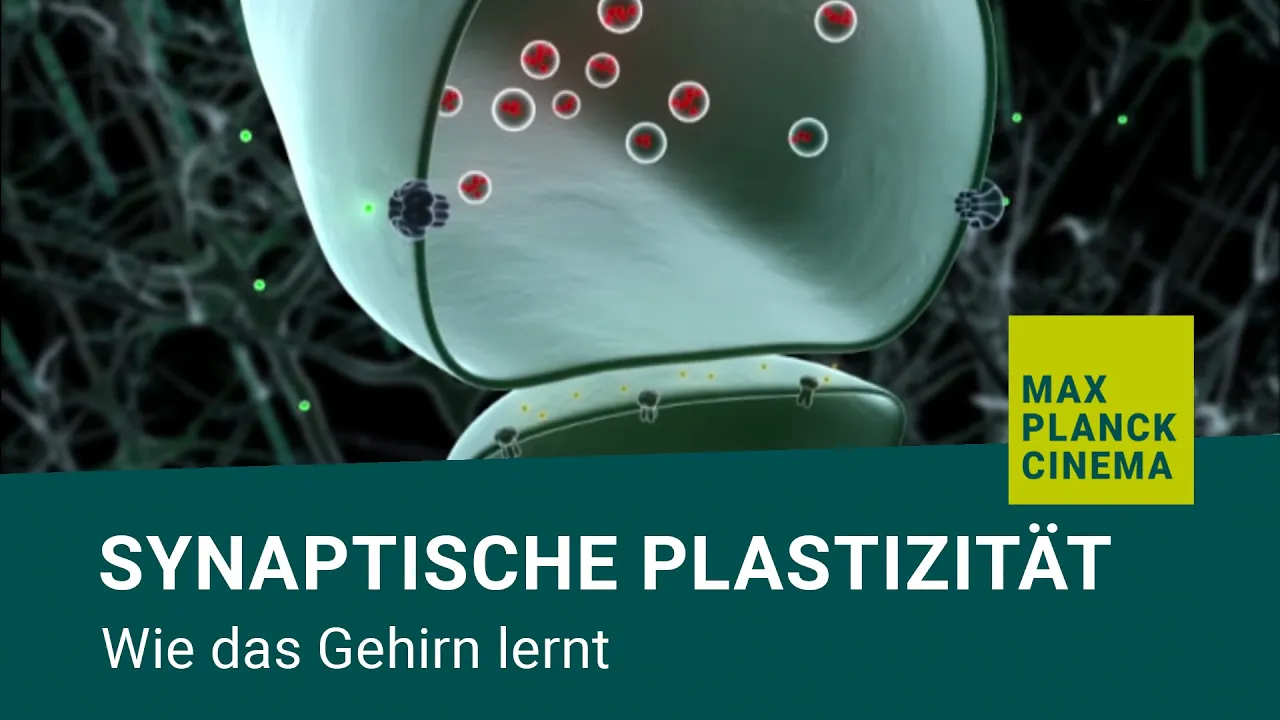

A chemical synapse is a proximity area between two neurons where impulse conduction occurs through the secretion of neurotransmitters, with the presynaptic membrane containing synaptic vesicles (filled with 2,000-10,000 neurotransmitter molecules) and voltage-gated calcium channels, while the postsynaptic membrane has sodium/potassium ion channels and chemoreceptors that bind neurotransmitters; the synaptic cleft in chemical synapses is 10-20 nanometers wide (compared to 0.2 nanometers in electrical synapses), allowing unidirectional signal transmission from axon to dendrite.
Neural Control & Coordination: Synapse Explained | NEET Biology
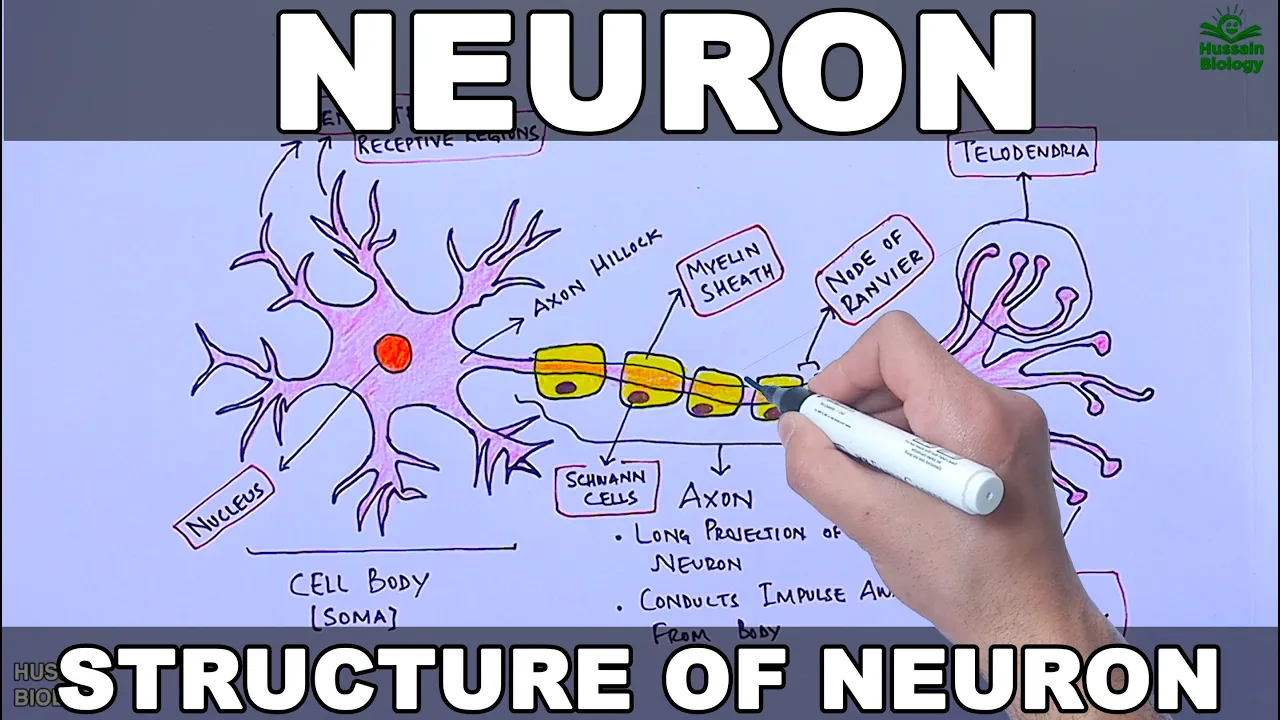
Added:Basic structure of a neuron, including the dendrites, soma, axon, and axon terminals.
The mechanism of nerve impulse generation, including resting membrane potential and action potential propagation.
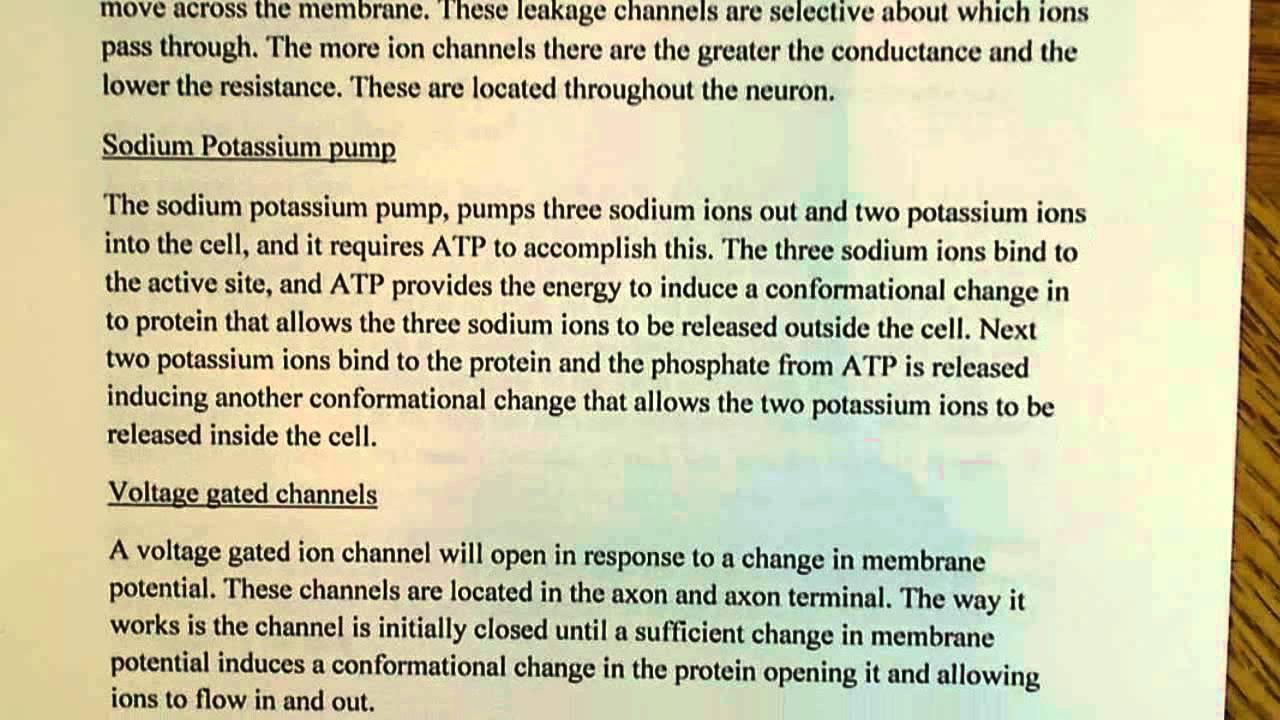
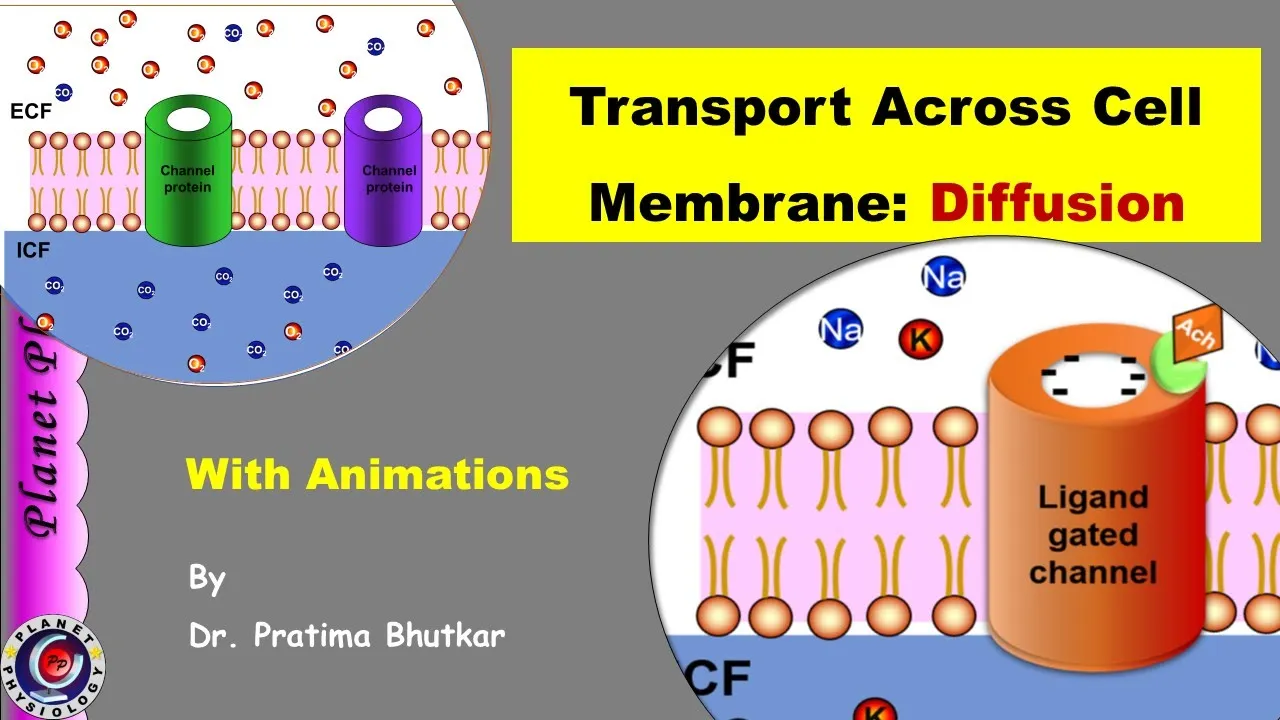
Fundamental cell biology concepts such as active transport, diffusion, and the function of voltage-gated ion channels.
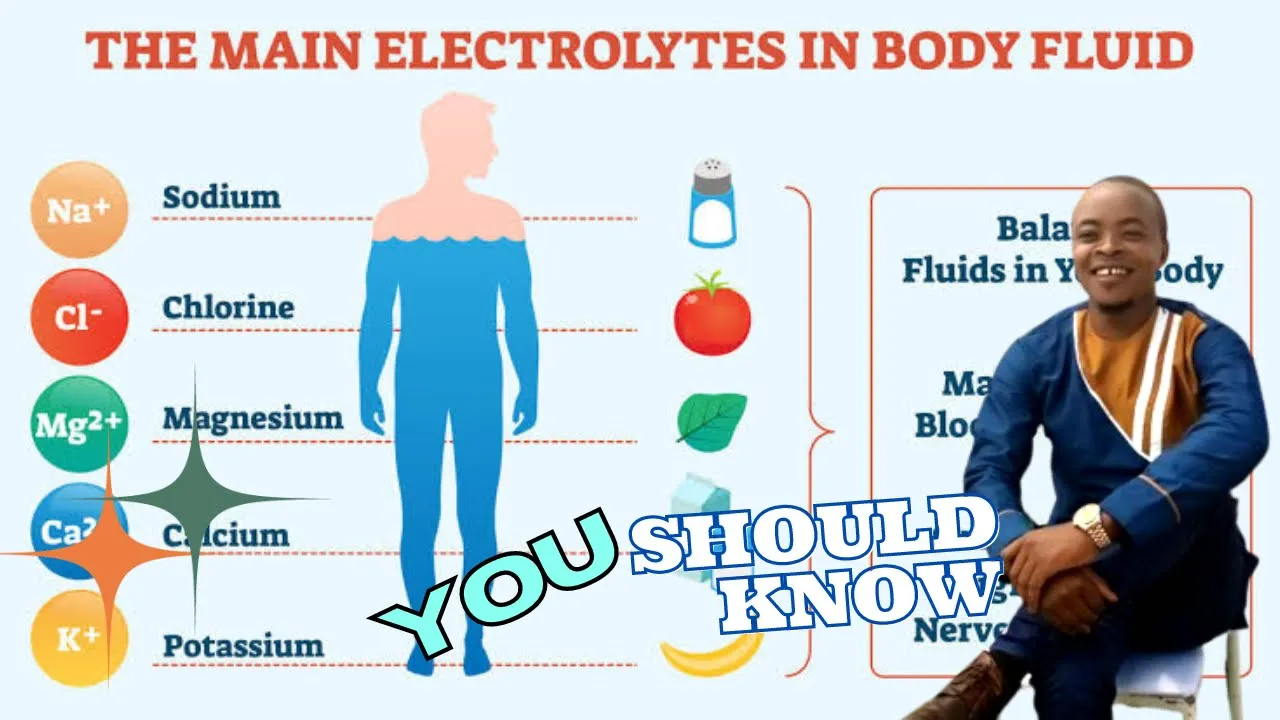
The role of essential electrolytes, particularly Sodium (Na+), Potassium (K+), and Calcium (Ca2+) ions, in bioelectricity.
Classification of neurotransmitters (excitatory vs. inhibitory) and their specific receptors (e.g., Acetylcholine, GABA, Glutamate).
Postsynaptic integration, including Excitatory and Inhibitory Postsynaptic Potentials (EPSPs and IPSPs) and summation.
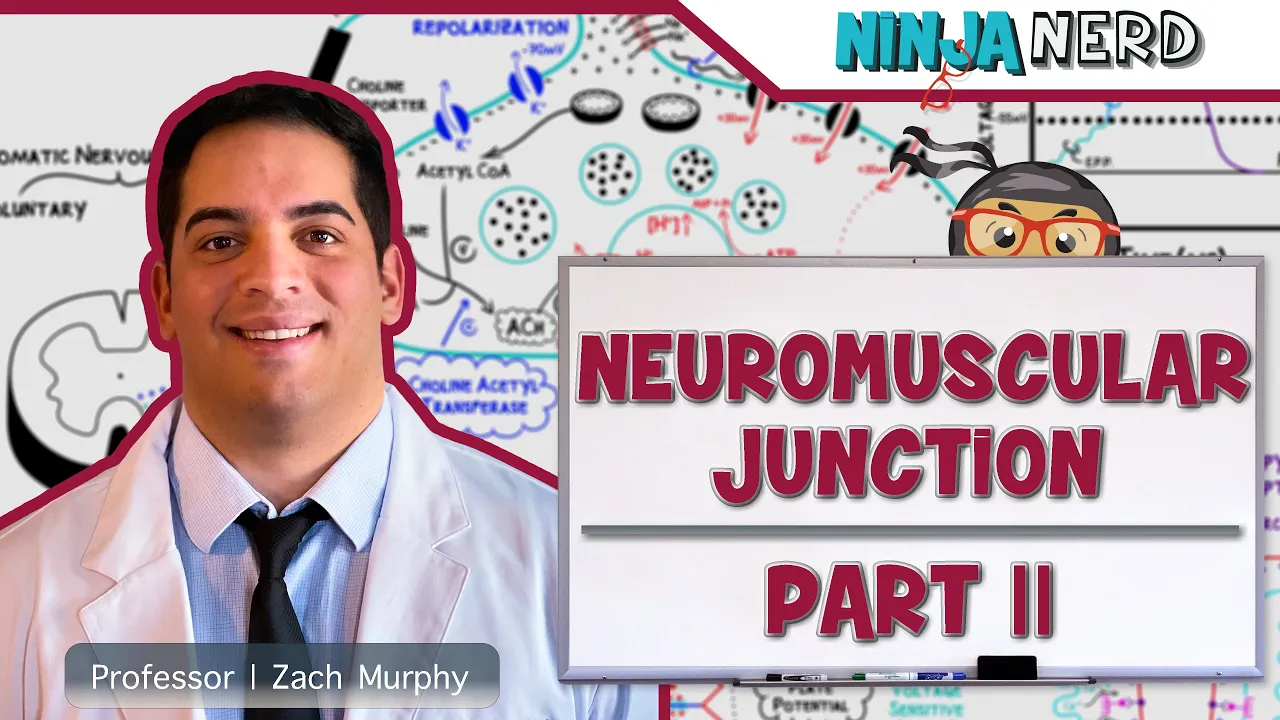
The physiology of the Neuromuscular Junction (NMJ) and the process of excitation-contraction coupling in muscles.
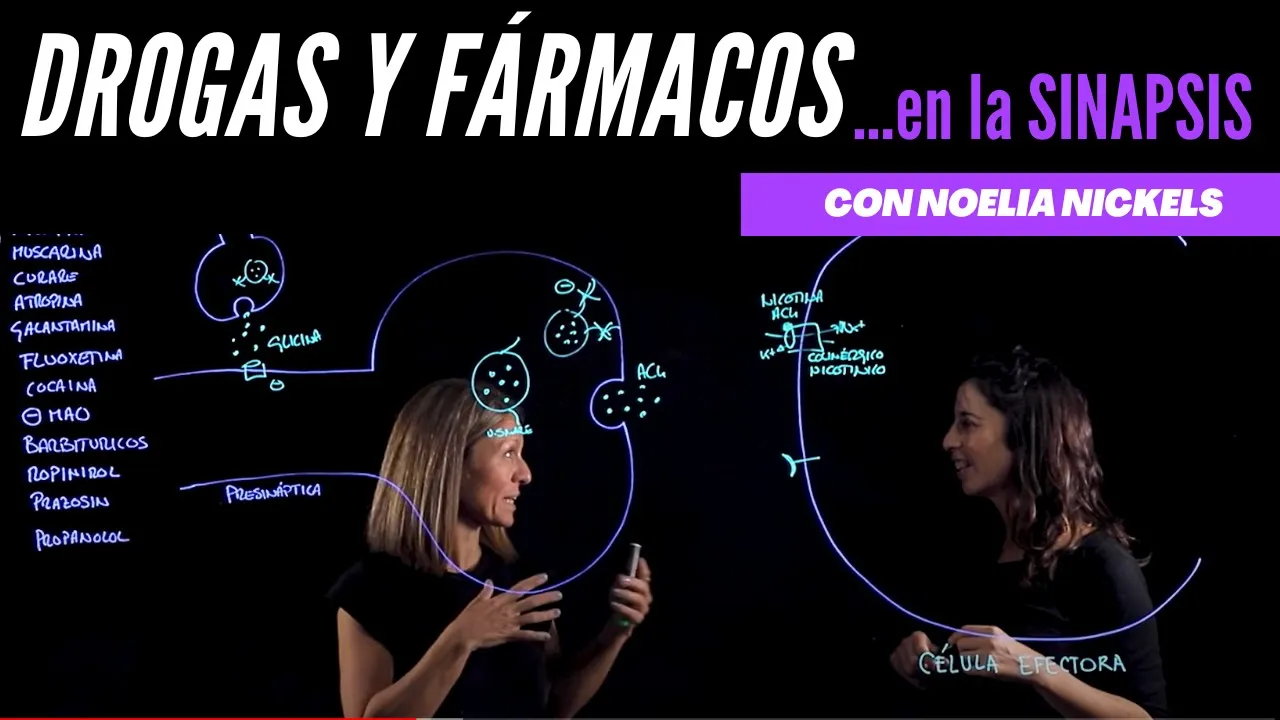
Pharmacological and clinical relevance, such as how neurotoxins, anesthetics, and psychoactive drugs manipulate synaptic transmission.
The concept of synaptic plasticity, including Long-Term Potentiation (LTP), which forms the cellular basis for learning and memory.
78.3K views1.3Klikes11:47Original Release: 2017-03-24
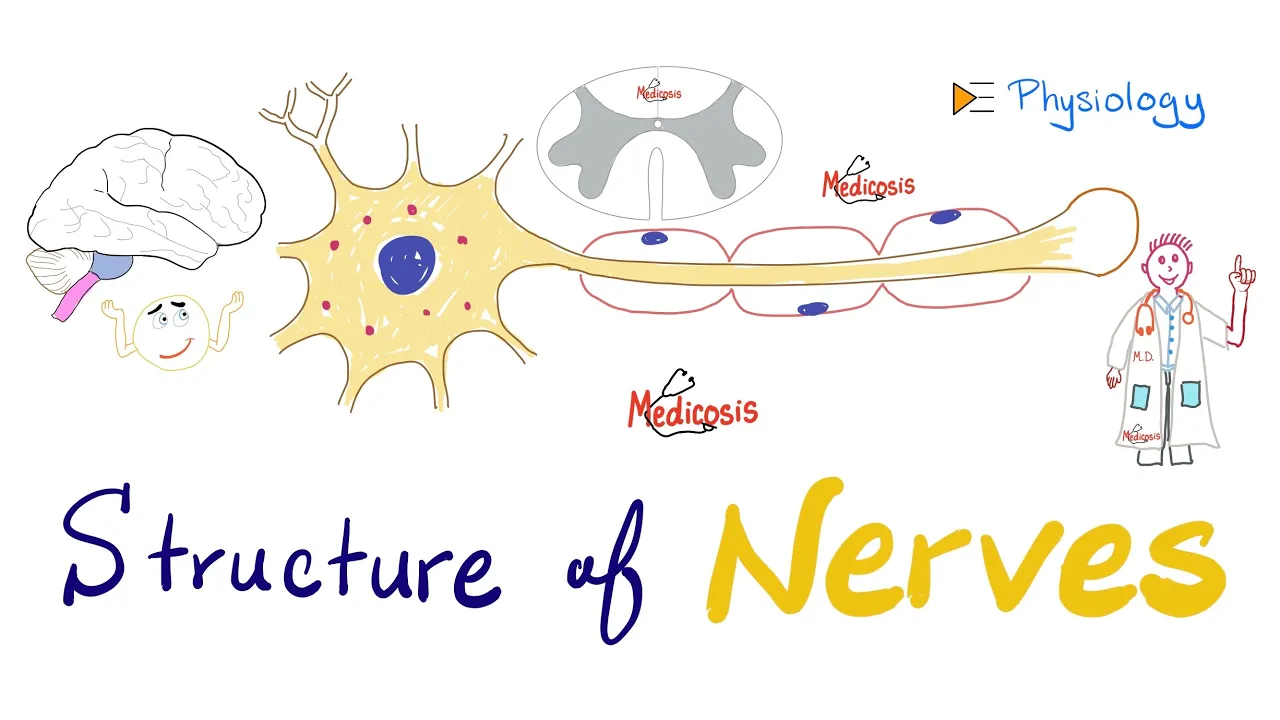
you now we will take up signage and then before talk about the structure of - and then see how to conduct a date with a classic so a China is actually a close proximity area between the two new laws so it is actually a closed area or we can say proximity area this means the X on between X on end bulk of one neuron and then right of the other then right off the other and there is a space between these two the state can be left or more depending upon the space and how is this conduction going to take place across this these two new god Declassified you launch into 2 gamma ray one is called chemical neuron or chemical china and the other is known as is that little sign act as the name tells us it's chemical synapse means the conduction from one you go on to the other food this kind of is taking place with the help of secretion of a chemical and these chemicals are known as neurotransmitters gyro transmitters whereas in case of an electrical synapse the impulse it will jump jump from the exon and membrane to the and rain of dendrite adding as the impulse travel or the north so it travels in the form of the ions all we can call it as charge and the basic difference wises are take place in this form by movement of charge and here chemical is required because this space between the two lugod is more in case of chemical - and less in case of electrical - the two and example one and dendrite of the other are so close to each other that the impulse can jump draw one that is X on to the dendrite method exactly sail as it jumps in case of Astarte to the conduction that from one node of ranvier to the other whereas here the distance between the two is more so there has to be some chemical which helps in this process these are compare these two later after the understand the chemical synapse and it's functioning first so we will draw and understand chemicals and ask for so in chemical synapse there are three things in electrical also the same reason for the difference so here this structure which we are going is the end part of the X or we call it X or and one and there is a part of their life that is of the other so this membrane that we are drawing this is the then type part of the other new lon so this is then life and this is the X on end but this say between these two is for the synaptic cleft synaptic cleft and in case of chemical signers this gap is 10 to 20 no meters and as I said it combated when they are done this is structured in case of electrical sign half the space is very very less it is 0.2 nanometers and here it is 10 to 20 nanometers so there is a gap now this is the climactic click the pin drain this was the gap that means we are talking about the membrane of the axon and one it is known as free sign that thick membrane and the membrane of the deadline is would be called post synaptic memory inside that axon and above are vesicles these vesicles are circular structures which are filled with neurotransmitters these vesicles are going to have synaptic vesicles so this is one synaptic vesicle each vertical is filled with a noodle transmitter the neurotransmitter can be oxidized choline it can be agilely depending upon the type of the neurons we are talking about so here normally one synaptic vesicle contains about 2,000 to 10,000 molecules of neurotransmitters neuro transmitter molecules each vertical contains pictures now few more important things about this pre and post synaptic membrane presynaptic membrane has voltage-gated calcium channels so here there are calcium channels and these calcium channels they operate according to the voltage so when the impulse is going to come here these calcium channel to open or closed depending upon the voltage so this structure which we have drawn here are voltage-gated calcium channels and these calcium channels are present of pre synaptic method post synaptic membrane have sodium and potassium channels these are called ion channels so this is the sodium or potassium channel here and let us draw one with a different color other sodium channel so here are sodium and potassium tab so this is sodium channel these are for ion channels and calcium columns are loners voltage-gated channels calcium channels are here also the number is very very less one more very important thing which is on the post synaptic membrane or synaptic Mellon has some receptors also these receptors are chemo receptors so these structures are Seymour receptors even receptors of the one creature will receive and attach to the neurotransmitter they are going to bind to new route transmitters so this is the structural part it is as we defined it is the close of proximity the two neurons are very close to each other that they are not connected there is no protoplasmic connection between the two sets this is the end part of one neuron this is the dendrite part of the other thing on the end part of external tool and it is legs on end but in the excellent bus there are many of Mexico these are filled with neurotransmitters we call them synaptic vesicles presynaptic membrane has calcium channels post synaptic membrane that has been laid off then right it has sodium channels potassium channels and these are ion channel and it also has the receptors these receptors are special protein molecules to which the neurotransmitters are going to buy and this gap between the two structures that is between Exxon and Buzz and the Delta is known as synaptic cleft in case of chemical synaptic this synaptic gap or cleft if synaptic cleft is 10 to 20 nanometers whereas in case of electrical synapse it is 0.2 nanometers that means they are very very close to each other as compared to the chemical synapses this is one difference that we have seen here after understanding the structure by now once we know the structure that how this conduction is going to take place so when it comes to conduction the new Horvath meters will be released from the Exxon they will be received by the deadline and that is why the conduction of impulse is going to be from absorb to the dendrite of the other new lon if you remember when we were talking about various types of floors we made a diagram that if we represent a neuron like this this is the cell body this is the Exxon and these small processes are the deadlines so then lines are going to receive the stimulus Exxon is going to take it away yes here if you go another new heart so Exxon will send the impulse a barrel defense bar cell body and then I will do not stay and this direction is because of this arrangement neurotransmitters are secreted by the Exxon and bulk and the receiving protein that is these receptors they are on the dendrites entry and that is where inverse cannot go in the opposite direction because here there is no chemoreceptor and in case of Delphi there is no new low transmitter so after understanding the structure now let us see how the conduction of impact takes place through this signage
Up Next
21:41
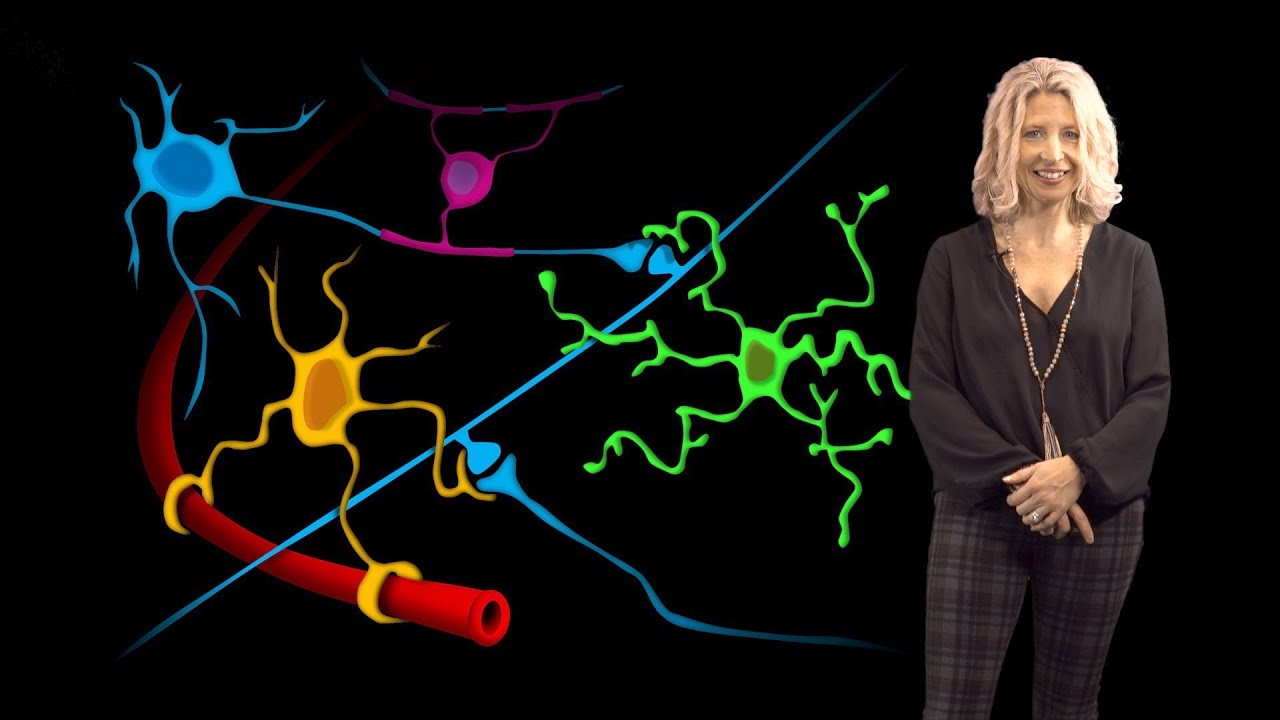
Microglia in Brain Development & Disease | Beth Stevens | iBiology
@scicommlab
33.4K views•2020-09-09

50:12
Bacterial Communication: Quorum Sensing and Biofilm Formation Explained
@JHUAAP
12.6K views•2011-06-28

13:30
CAM Plants Explained: Photosynthesis in Higher Plants | NEET Botany
@NeelaBakoreTutorials
225.5K views•2016-07-25

7:08
Bacteriophages: Earth's Deadliest Killers and Future Antibiotics
@kurzgesagt
34.6M views•2018-05-13
Related Study Plans & Knowledge Roadmaps
Structured learning paths in Biology
biology
RNAi: Biogenesis, RISC & Gene Silencing
01Molecular Biology Foundations: DNA to Protein
02Introduction to RNA Interference (RNAi)
03Molecular Biogenesis of miRNA and siRNA
+ 2 more learning modules
10h5 modules
Explore Roadmap
biology
Mycorrhizae: Signaling, Biophysics & Ecology
01Foundations of Mycorrhizal Symbiosis
02Molecular Signaling and Root Colonization
03Biophysics and Bioenergetics of Nutrient Exchange
+ 1 more learning modules
11h4 modules
Explore Roadmap
biology
Circadian Clocks: TTFL, SCN & Periphery
01Foundations of Molecular Biology & Gene Expression
02Introduction to Chronobiology and Actograms
03The Core TTFL: Molecular Architecture of the Clock
+ 3 more learning modules
14h6 modules
Explore Roadmap
biology
Population Genetics: Math, Drift & Selection
01Genetic & Probability Foundations
02The Hardy-Weinberg Principle and Baseline Models
03Mathematical Modeling of Natural Selection
+ 3 more learning modules
18h6 modules
Explore Roadmap